

We use cookies to ensure our website works properly and to personalise your experience. Cookies policy
United College of Pharmacy, Periyanaickenpalayam, and Coimbatore – 641020.
Affiliated to The Tamil Nadu Dr. M.G.R Medical University, Chennai – 600032, Tamil Nadu
The cosmetics sector has shown a steady growth trend over the last decade. A significant factor contributing to this growth is the rising variety of skincare products and treatments available. Additionally, evaluating various parameters of the serum, such as physical properties, homogeneity, pH, rheological aspects, spread ability, ash content, stability testing, and microbiological analysis of the product is essential. An example of a concentrated cosmetic item is a face serum created using a biphasic method (o/w) that incorporates olive oil, Shatavari oil, Manjistha oil, and glycerin along with Carbopol. Manjistha oil is effective in combating acne-causing bacteria and is known for its skin-brightening properties as well as its ability to treat various skin conditions. Manjistha (Rubia cordifolia) has been shown to be an effective treatment for acne. This traditional Ayurvedic herb promotes skin detoxification, enhances blood circulation, and helps to diminish pigmentation and reduce acne scars. The outcome of this research indicates that the face serum possesses favorable organoleptic characteristics, enhances skin brightness, is skin-friendly with good spread ability, has optimal viscosity, high entrapment efficiency, and an excellent safety profile, which points to enhanced stability.
Skin is the largest organ in our body, sometimes referred to as the integumentary system. [1] Skin aging is recognized as a complex process that results from ongoing exposure to ultraviolet (UV) radiation, which harms human skin; skin wrinkling correlates with a deficiency in collagen due to reactive species (ROS) produced by UV exposure, ultimately leading to anti-aging treatments. Products containing phytochemicals from various botanical sources that affect skin activities and provide nutrients for healthy skin are known as herbal cosmetics. Medicine used a variety of herbs to make cosmetics that were both aesthetically pleasing and protective against the weather. [2] The skin is composed of three layers: subcutaneous tissue, dermis, andepidermis. Keratinocytes and dendritic cells, such as Merkel, Langerhans, and melanocytes, make up the majority of the stratified, squamous epithelia that make up the outer layer, or epidermis. [3]
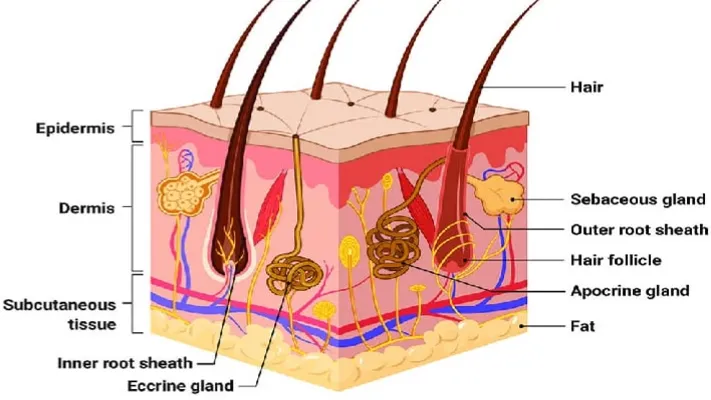
Fig: 1 structure of the skin
Skin care products are the primary source of cosmetics. The Greek word "kosmeticos" implies "to have power, arrangement, or decorative skill”. The study and practice of cosmetic operations is known as cosmetology. Ayurvedic cosmetics are extremely dependable due to their safety, all-purpose action and pure herbal extract. Serums address cosmetic issues more quickly and effectively than creams and lotions because they include ten times more physiologically active chemicals. Face serum comes in both water-based and oil-based forms and is a highly concentrated emulsion. [4]
SERUM
Serums, also known as concentrates, are superior at treating skin conditions because they contain about ten times more biologically active ingredients than creams. Serum has a variety of beneficial active ingredients and nutrients, including amino acids, ceramides, antioxidants, etc.[5] serums don't contain heavy oil or other substances and are composed of tiny molecules, and they have a thinner consistency. [6]
TYPES OF FACIAL SERUM
Eg: Minimalist 16%Vitamin C Serum
Eg: Dot &Key Hydrating Hyaluronic Acid Serum
Eg: Minimalist vitamin c 10% face serum
Eg: Vanam Bliss Anti-ageing Serum
Eg: The Derma Co 2% kojic Acid Face Serum
Eg: Deconstruct Acne Control Serum
Eg: Minimalist Alpha Lipoic Brite Booster 2%
Eg: Suganda 5% Niacinamide Serum
CLASSIFICATION OF FACE SERUM
1] BASED ON FUNCTION / SKIN CONCERN
Eg: Loreal Paris 1.5% Hyaluronic Acid Serum
Eg: Garnier Skin Naturals Bright Complete Vitamin C Serum
Eg: Pilgrim 0.5% Retinol & Hyaluronic Acid Lift & Firm Serum
Eg: Fix derma Acne Defense Face Serum
Eg: COSRX Hydrium Centella Aqua Soothing Ampoule
Eg: La Roche-Posay Mele B3 Serum
Eg: Claris Double Serum Light Texture
Eg: SkinCeuticals C E Ferulic Antioxidant Treatment
II] BASED ON ACTIVE INGREDIANTS
Eg: Neem & Tulsi Serum
Eg: Centella Ampoule
Eg: Innis free Vita C Green Tea Enzyme Brightening
Eg: Caudalie Vino Hydra Hyaluronic Serum
III] BASED ON FORMULATION TYPE
Eg: Kiehl’s Midnight Recovery Concentrate
Eg: Loreal Paris Revitalift Serum
Eg: Laneige Cream Skin Cerapeptide Toner\
Eg: Vichy Mineral 89 Fortifying & Plumping Daily Booster
Eg: Blithe Pressed Serum Tundra Chaga[7]
To seal in hydration, they are usually applied as the last step of a skincare routine or prior to a more potent moisturizer Polyphenols, important fatty acids, and other easily absorbed compounds are also present in these oils.
Eg: Vintner’s Daughter Active Botanical Serum, Primarily Pure Clarifying Serum.
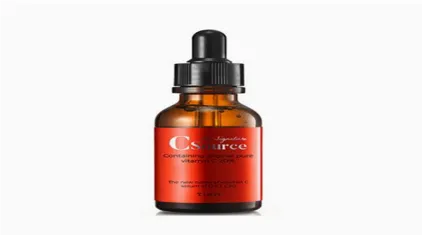
Fig: 2 -Oil Serum
GEL SERUM
The "tightening" effect of gel serum causes some parts of the face to feel tighter, more raised.
Serum is a water-based formulation since it permits the incorporation of water-based extracts.
Eg: Garnier Bright Complete Vitamin C Serum, Entod Vasuki Facial gel Serum.
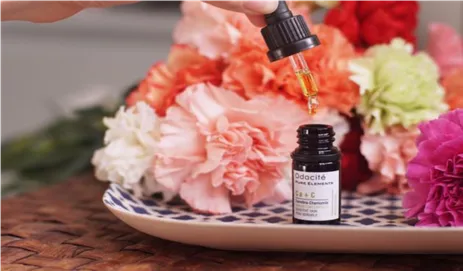
Fig: 3- Gel Serum
WATER-BASED SERUM
Water-based serums are comparable to gel-based serums, except they might or might not contain gums and thickeners. Face serum would be used to apply the high-performance hydrophilic plant extracts that are trapped against the skin beneath a cream or lotion. Created using water as the main ingredient, which makes it non-greasy, lightweight, and quick to absorb. It is perfect for getting active ingredients into the skin, such as vitamin C, niacinamide, and hyaluronic acid. [8]
Eg: Niacinamide Serum, Hyaluronic acid Serum
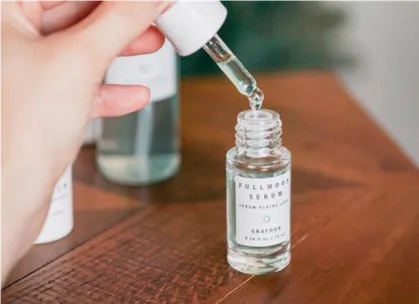
Fig: 4 – Water -Based Serum
EMULSION SERUM
Emulsion basis Serum: Emulsion-based serums operate as moisturizers that supply powerful chemicals to the skin while also strengthening the skin's barrier function. These serums use emulsifiers to bind and stabilize two "immiscible" phases, like water and oil. However, this extraordinary performance is made possible by the mixture of water and oil in emulsions.
Eg: Retinol and Anti-Ageing Serum, Hydration and Barrier Repair.
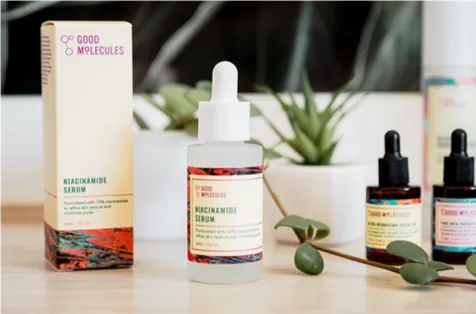
Fig: 5 – Emulsion serum
PRESSED SERUM
The pressed balm serum: Balm serums include oil-soluble (lipophilic) active substances to benefit the skin in addition to the typical balm basis of butters, waxes, and oils. While the active compounds in the pressed serum cooperate, butters and waxes create an occlusive barrier that nourishes and moisturizes the skin.[9]
Eg: Blithe Tundra Chaga Pressed Serum Blithe Crystal Ice plant Pressed Serum.
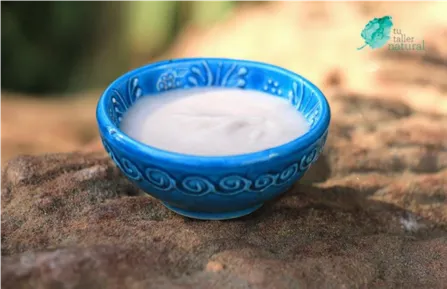
Fig: 6 – Pressed Serum.
IDEAL QUALITIES OF FACE SERUM
ADVANTAGES
DISADVANTAGES
ETHOSOMES
Ethanol is used to modify ethosomes, which are the third generation of flexible lipid carriers. This allows ethosomes to function as reservoir delivery systems, delivering continuous drug release to the target. In contrast, ethosomes are highly elastic and can more readily penetrate the skin through paracellular pathways because ethanol fluidizes lipid bilayers. Ethosomes are superior to liposomes in terms of skin penetration. [13] Ethosomes have a lipid bilayer on the outside and an aqueous core that holds the drug's ethanolic solution. The phospholipid bilayers are fluidized by ethanol. [14]
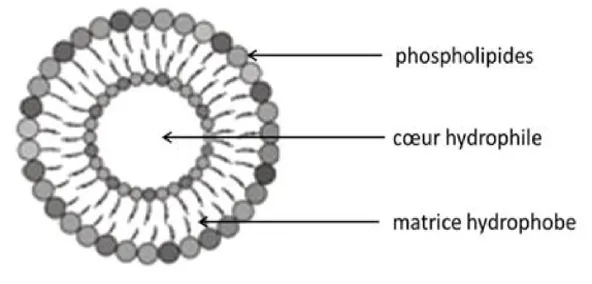
Fig: 7 – Ethosomes
METHODS OF PREPARATION OF ETHOSOMES
HOT METHOD
For ethosomal preparation, this is the most popular and extensively utilized technique. The medication, phospholipids, and other lipid molecules are dissolved in ethanol in a covered vessel at room temperature while being vigorously stirred. In a water bath, the mixture is heated to 30°C. After heating the water to 30°C in a different pot, it is added to the mixture above and swirled in a covered vessel for five minutes. If required, the ethosomal formulation's vesicle size can be reduced by sonication or extrusion. Lastly, the formulation needs to be carefully refrigerated.
COLD METHOD
The medication is added to the phospholipid dispersion in water at 40°C after being dissolved in a solution of ethanol and propylene glycol.
The Probe Sonicator is used to sonicate the mixture at 4°C for three cycles of five minutes, with a five-minute break in between each cycle, after five minutes of mixing.[15]
HERBS USED IN FACE SERUM
Manjistha is good for wound healing, detoxification, and complexion enhancement. (Varnya) and Varna sodhak according to the traditional text 128. It is a member of the Priyangadvai Gana12 Herbs group. This medication is widely recognized for its ability to treat skin conditions.
Rubia Cordifolia is the scientific name.
Family: Rubiceae
DISTRIBUTION
Hilly regions up to 3,750 meters throughout India
PLANT DESCRIBTION
Perennial herb with a long, cylindrical flexouse, smooth, reddish roots, and four angled, rough stems and branches that might be prickly or scaly Round or somewhat cordate base, long petioles with sharp, recurved prickles on the edges, no stipules, and small, white, greenish, yellowish, or reddish blooms with a fragrant aroma.
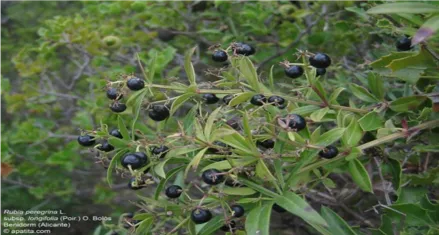
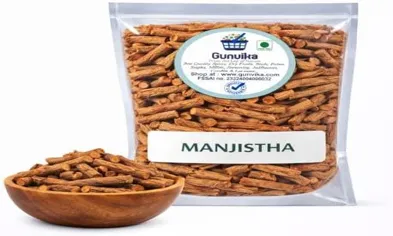
Fig: 8 – Rubia Cordifolia. Fig: 9 – Dry Root of Manjistha
DRY ROOTS OF RUBIA CORDIFOLIA
CHEMICAL CONSTITUENTS
Free alizarin and its glucoside are found in the plant's roots. Purpurin, xanthopurpurin, munjistin, glucose, sucrose, and ruberythric acid were among the other substances that were isolated. Purpurin and munjistin, xantho-purpurin, or purpuroxanthin and pseudopurpurin are mixed together in roots.
THERAPEUTIC USES
Licorice is a synonym. Glycyrrhiza glabra's dried, peeled or unpeeled roots, rhizomes, and stolons are the biological source. Glycyrrhizin, a triterpenoid saponin, flavonoids, sugars (such as glucose, sucrose, and mannitol), starch, and amines (asparagine, betaine, and choline Saponin Glycosides) are the chemical constituents. Pharmacological actions include reducing inflammatory signaling pathways like NF-KB, showing antioxidant, antiviral, and antibacterial characteristics, and inhibiting enzymes like 11-HSD2 to influence cortisol and aldosterone levels.
APPLICATION
Calming: Its potent anti-inflammatory qualities reduce redness and discomfort.
Antioxidant Protection: Flavonoids found in licorice help shield the skin from environmental stresses. Coughs, sore throats, bronchitis, asthma, and respiratory tract infections can all be treated with it. [17]
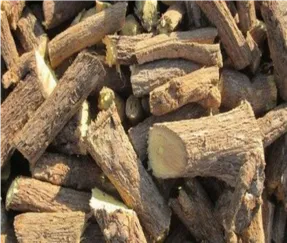
Fig: 10- Liquorice Root
Aloe barbadensis miller (ABM) is the botanical name. Asphodelaceae (previously Liliaceae) family
COMMON NAMES: Burn plant, Ghritkumari (Hindi), Kumari (Sanskrit), Aloe vera
PART USED: Fleshy, green leaves grouped in a rosette pattern; leaf gel (inner parenchymatous tissue). The leaves have a yellow latex directly beneath the skin and a transparent, mucilaginous gel in the interior tissue
PHARMACOLOGICAL ACTIONS: Antioxidant, wound-healing, anti-inflammatory, and moisturizing
USES: Relieves skin irritation.[18]
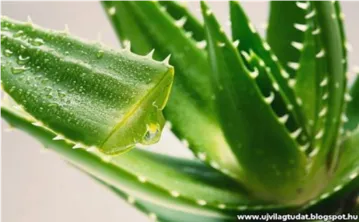
Fig: 11- Aloe Vera.
4. CARROT SEED OIL
Carrot seed oil controls oil and keeps skin youthful. This essential oil is well-known for its ability to reverse and minimize fine wrinkles while also improving appearance. This essential oil is well-known for its ability to reverse and minimize fine wrinkles while also improving appearance.
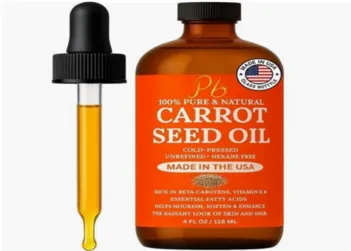
Fig: 12- Carrot Seed Oil
5. ALMOND OIL
Almond oil is a multipurpose skincare ingredient that may be used as a moisturizer, facial cleanser, makeup remover, and even a remedy for dark circles around the eyes. Additionally, it works well to cleanse the skin of pollutants and debris. It is an all-natural sunscreen.
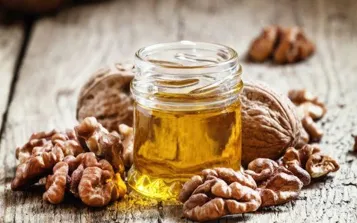
Fig: 13-Almond Oil
5. ROSE WATER
Rose water's remarkable pH-balancing qualities make it a natural skin toner. Rose water is not a face serum on its own. Rather, it is a pH balancer and anti-inflammatory hydrator. It can be used in conjunction with a serum to improve hydration, reduce irritation, and prepare your skin for better absorption of active ingredients.[19]
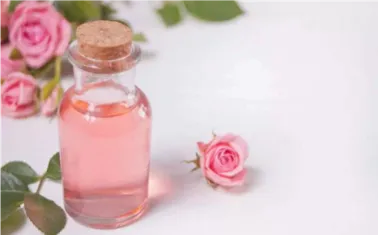
Fig: 14- Rose Water
6. GLYCERINE
Glycerin is a non-proprietary name. Alternatives: Glycerol, CAS/Respiratory Name and
Chemical Name:CAS No. 56-81-5; propane-1, 2, 3-triol, Functional Category: Humectant, solvent, emollient, Structural Formula: C₃H₃O₃, Stability and Storage: Extremely stable, hygroscopic: keep in tightly sealed containers, Safety: GRAS; non-toxic; safe for topical, injectable, and oral usage. [20]
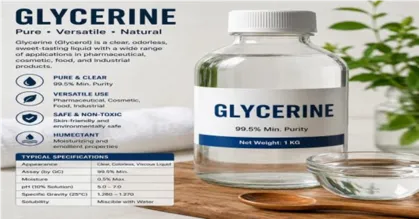
Fig: 14 Glycerin
FACIAL SERUM FORMULATION
Facial serum formulation entails the meticulous selection and blending of ingredients to produce a solution that targets particular skincare issues and offers the intended advantages.
PREPARATION METHOD
Ingredients for the oil phase are prepared for the skin. Vitamin E capsules and coconut oil are among the oil-soluble substances that are placed in a beaker and melted at 70°C.
WATER PHASE PREPARATION
In a separate beaker, aloe Vera gel, rose water, and green tea extract are combined to make the water phase simultaneously.
EMULSIONPREPARATION
To create an O/W biphasic emulsion, the oil phase was added to the water phase dropwise while being mechanically steered at 700 to 800 rpm. [21]
EVALUATIONINFORMATION
ORGANOLEPTIC ASSESMENT OF PREPARED SERUM: Based on unique characteristics including color, odor, and condition, organoleptic assessment is a sensory analysis technique.
1. Color: transparent white
2. Odor: qualities of odor
3. Smooth texture
PH DETERMINATION
A standard buffer solution was used to calibrate a pH meter.
DETERMINATION OF SPREADABILITY:
The following method was used to assess the serum's spread ability: 0.5 gm. of serum was put in a 1 cm-diameter circle on a glass plate, which was then covered with another glass plate. After allowing a 500 g weight to sit on the upper glass plate for five to ten minutes, the diameter increased as a result of the gel spreading.
VISCOCITY:
In this method, spindle number 4 of the non-newtanion spindle was utilized to measure the serum's viscosity using a Brookfield viscometer. Viscosity was measured at 100 rpm for precisely two minutes.
SKIN IRRITATION SAFETY AND TOLERABILITY
To assess the serum's potential for skin irritation, perform patch testing. During clinical studies, allergic reactions are monitored for any sensitization or allergic reactions. [22]
ASH VALUE
To calculate the ash value, both formulas were weighed in a crucible and heated to 600 degree Celsius in a muffle furnace.
MICROBIOLOGICAL ASSESSMENT
After inoculating the agar plates using the streak plate method, the prepared serum was cultured for 48 hours at 37ºC in an incubator. [23]
HOMOGENISITY
Spreading a small amount of the serum mixture on the clear glass and watching it will verify this. The mixture should result in consistent serum distribution.
GLOBULE SIZE DETERMINATION
It was discovered that the globule size ranged from 0.1 to 0.3 μm. The formulation's penetrating capability is improved by this variety of particles. [24]
CONCLUSION
The study effectively created and assessed an herbal face serum enriched with Manjistha extract using ethosomal technique. This innovative approach addresses common skin concerns like hyperpigmentation, dryness, skin brightening, premature aging, and soothing applications. It was discovered that the produced serum had ideal viscosity, good spread ability, and desirable organoleptic qualities. With a skin-compatible pH of 5.4 and no indications of discomfort during patch testing, it also demonstrated an outstanding safety profile. This serum was stable and skin compatible. For commercial development, more optimization is advised, especially about long-term stability.
REFERENCES



Christopher Vimalson D, Alagarraja M, Naveen V, Sunilrajan K, Sinthan S, Joseph Ajay J, Fathima Lana C, Nihala C P, Nivetha P S, Risal K U, A Review on Herbal Face Serum for Enhanced Cosmetic Therapy, Int. J. of Pharm. Sci., 2026, Vol 4, Issue 7, 3192-3203. https://doi.org/10.5281/zenodo.21383644
 10.5281/zenodo.21383644