

We use cookies to ensure our website works properly and to personalise your experience. Cookies policy
matoshri college of pharmacy eklahare, nashik, (MH), India.
Methyl salicylate, an aromatic ester derived from salicylic acid and methanol and commonly referred to as oil of wintergreen, is found naturally in several plants and can also be produced synthetically. Due to its distinctive wintergreen scent and beneficial biological and physicochemical properties, it is utilized across various industries, including pharmaceuticals, food, flavor, fragrance, cosmetics, and more. Traditional synthesis methods typically involve the esterification of salicylic acid with methanol using an acid catalyst; however, these conventional methods can lead to issues such as the use of harsh reagents, challenges in product purification, difficulties in catalyst recovery, and waste production. As a result, research has shifted towards exploring heterogeneous acid catalysts, ion-exchange resins, immobilized enzymes, sulfated metal oxides, silica-supported catalysts, alternative methylating agents, and enhanced process techniques. This review highlights key synthetic methods for producing methyl salicylate, focusing on catalytic systems, environmentally friendly synthesis, reaction optimization, characterization techniques, and future research possibilities.
Esterification of carboxylic acids is an important transformation in organic chemistry and is widely employed for the synthesis of pharmaceuticals, fine chemicals, and other useful compounds. The direct esterification of a carboxylic acid with an alcohol generally proceeds in the presence of an acid catalyst. Since the reaction is reversible, removal of water or the use of excess alcohol may be required to improve the conversion. However, conventional esterification methods may present limitations when acid-sensitive or sterically hindered carboxylic acids are involved. [10].Methyl salicylate has two functional groups, the alcohol OH group and the ester group (COOCH3). Esters are formed by the combination of an alcohol, e.g. R-OH and a carboxylic acid (R-COOH). [19]. Methyl salicylate, also known as oil of wintergreen[2], is a compound obtained from plants that plays various roles in plant physiology and has applications in agriculture and other sectors. It is commonly found in numerous brands of creams, ointments, lotions, liniments, and medicated oils designed for topical use to alleviate musculoskeletal pain. (3,4,10)Esterification reactions utilizing different homogeneous acid catalysts like HCl, H2SO4, HF, and H3PO4 have been documented. However, these techniques have limitations, including the production of unwanted inorganic salts, hazardous conditions, and challenges in catalyst recovery and reuse. On the other hand, heterogeneous catalysts such as ion-exchange resins also face issues like poor reusability, limited surface area, and low thermal stability. Hence, it is crucial to develop a heterogeneous catalytic system for the synthesis of methyl esters that employs safe, effective, and environmentally friendly catalysts. The traditional esterification process involving acid and alcohol generates water as a byproduct, which can lead to the leaching of active sites in many liquid-phase reactions, reducing catalyst activity. Several studies have been conducted on synthesizing methyl salicylate through the esterification of salicylic acid with DMC. (5)
Drug Profile:
1]Salicylic Acid: [26] Structure:
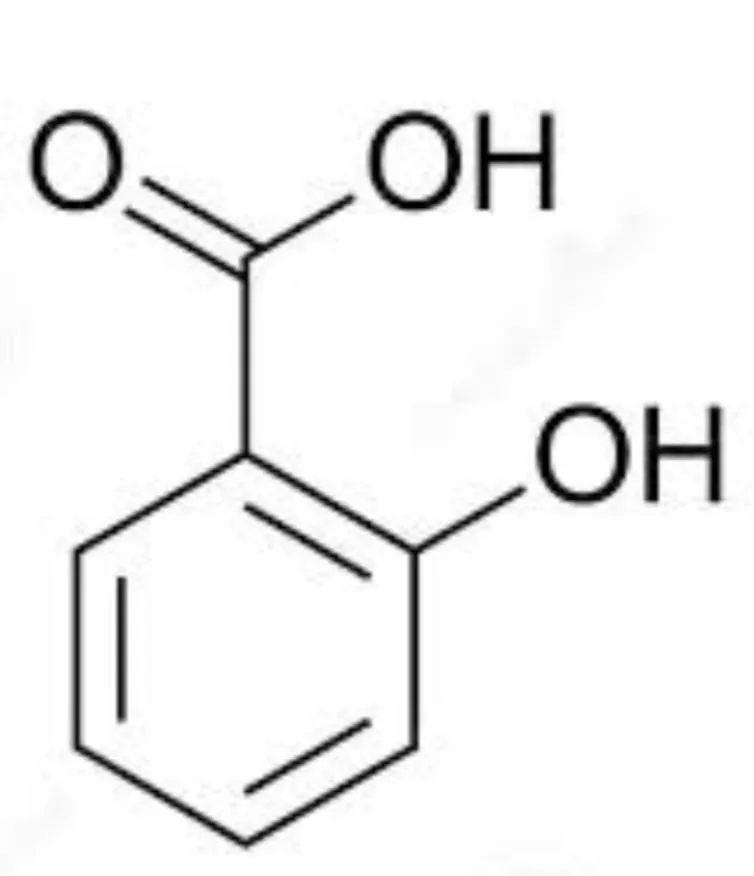
MolecularFormula:C7H6O3 Molecular Weight :138.1 IUPAC: Salicylic Acid is 2-hydroxybenzoic acid. Category: Keratolytic. Description: White or colourless, acicular crystals or a white, crystalline powder.
Melting range :151° and 161° Assay. Weigh 0.3 g, dissolve in 50 ml of ethanol (95 per cent), add 20 ml of water and titrate with 0.1 M sodium hydroxide, using phenol red solution as indicator, until a reddish violet colour is obtained. 1 ml of 0.1 M sodium hydroxide is equivalent to 0.01381 g of I C7H6O3. Storage: Store protected from light.
2] Methanol [26] Structure:
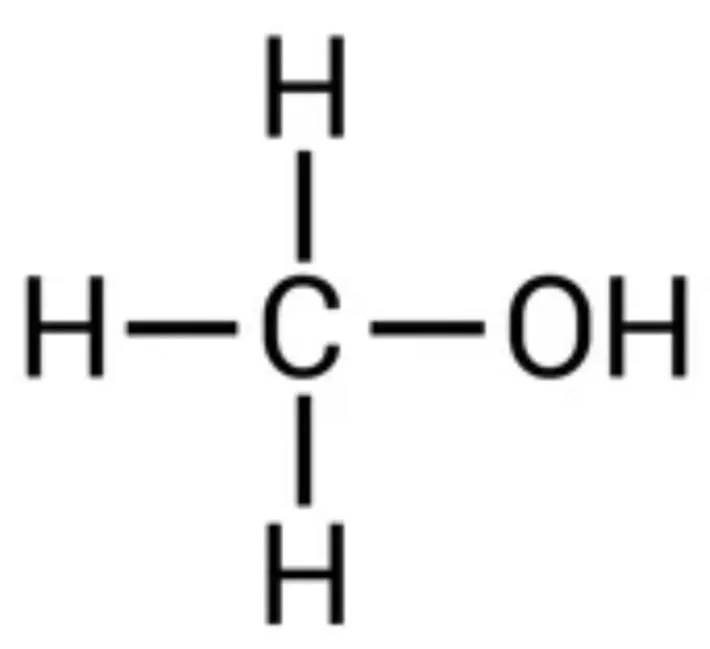
Molecular formula: CH3OH Molecular Weight: 32.04
4) Methyl salicylate [25,26] Structure:
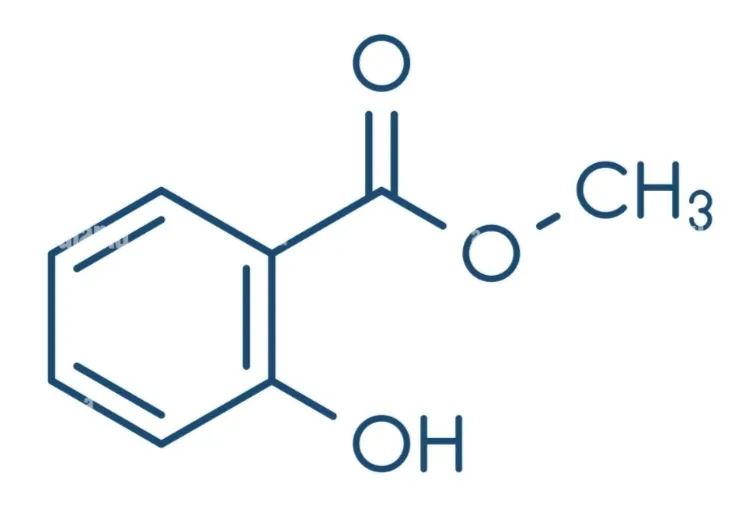
Molecular formula: C8H8O3 Molecular Weight: 152.2 IUPAC: Methyl Salicylate is 2-hydroxybenzoic acid methyl ester Methyl Salicylate contains not less than 99.0 per cent w/w and not more than 100.5 per cent w/w of C8H8O3
Category. Counter- Irritant. Description: A colourless or slightly yellow liquid. Solubility: Methyl salicylate is readily soluble in organic solvents such as carbon disulfide, diethyl ether chloroform alcohol, and glacial acetic acid. However, it is only sparingly soluble in water. Identification : A. To 10 ml of a saturated aqueous solution add 0.05 ml of ferric chloride test solution; a violet colour develops. B. Heat 0.25 ml with 2 ml of 2 M sodium hydroxide on a water bath for 5 minutes and add 3 ml of 1 M sulphuric acid. Filler and wash the precipitate with water. The precipitate after drying at 105° for 1 hour melts at 156° to 161°. Assay : Dissolve 0.5g in 25ml of ethanol (95 percent) add 0.05ml of phenol red solution and neutralise with 0.1M sodium hydroxide. Add 50.0 ml of 0.1M sodium hydroxide and heat under reflux condenser on a water bath for 30 min. Cool and titrate with 0.1 M hydrochloride acid. Carry out blank titration. 1ml of 0.1 M sodium hydroxide is equivalent to 0.01522 g of C8H8O3 Storage: Store protected from light.
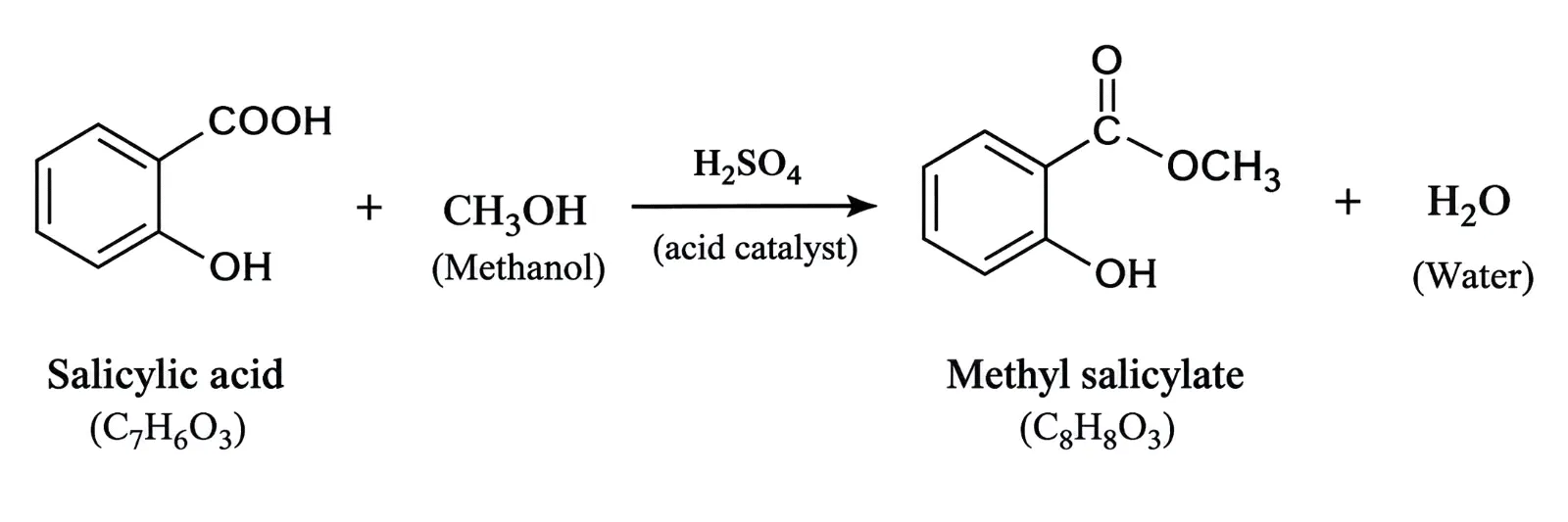
Reaction (6, 12)
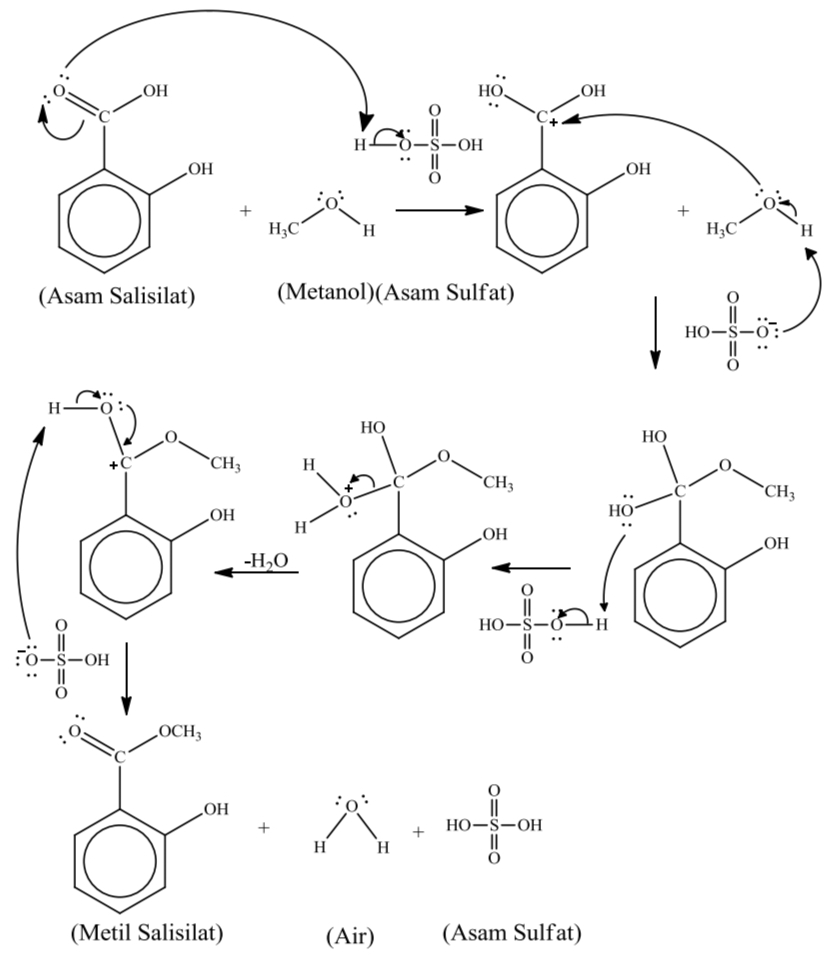
Mechanism (14)
EXPERIMENTAL WORK
Catalysts for Methyl Salicylate Synthesis
1] Acid Catalysts (12,15)
Methyl Salicylate was produced by esterifying salicylic acid with methanol using sulfuric acid (H2SO4) as a dehydrating agent. The process required heating until a mint scent was detected.
2] lon-Exchange Resin Catalysts (7)
Ion exchange resin catalysts have been frequently reported in studies involving the esterification of acids and alcohols, often accompanied by kinetic analyses. Notably, an East German patent documented the esterification of salicylic acid with methanol using a strong acid ion exchange resin as a catalyst. Building on this, a study was conducted to investigate the esterification of salicylic acid with methanol using the acid form of a sulfonated polystyrene-divinylbenzene ion exchange resin, specifically Dowex 50-W (X-8), as the catalyst. The experimental investigation aimed to assess the efficacy of a cation exchange resin in its acid form for this reaction. Analysis of the results, particularly regarding variations in agitation rates, revealed that bulk diffusion does not act as a limiting factor in the reaction across the tested conditions.
3] Ce4+-Modified Cation-Exchange Resin
The esterification of salicylic acid with methanol was conducted using various Ce-modified cation-exchange resins. Researchers investigated the impact of different reaction conditions on the conversion of salicylic acid, identifying the optimal parameters for the reaction. Experimental results demonstrated that Ce (SO₂)/001-7 served as an efficient catalyst for producing methyl salicylate, achieving a conversion rate of 93.3% with a selectivity exceeding 99.0%. To analyze the catalyst's structure and properties, SEM-EDS and TG-DSC techniques were employed. Additionally, the catalytic effectiveness of Ce (SO)/001-7 in the esterification process with various alcohols was compared, and its reusability was examined using salicylic acid and methanol as model substrates. A mechanism for the esterification of salicylic acid with methanol over Ce-modifiedcation –exchange resins was proposed. For sample preparation, the modified cation-exchange resin Ce (SO), 001-7 was created by dissolving 1.22 g of Ce (SO), 4H₂O in a solution of 1 ml of 98 wt.% sulfuric acid and 20 ml of distilled water while stirring vigorously. After that, 40 g of pre-treated cation-exchange resin 001-7 was added, and the mixture was stirred for 3 hours, aged for 3 days, filtered at room temperature, and activated in a vacuum at 100°C. The ceric sulfate content in the catalyst was 20%, and other Ce-modified cation-exchange resins were synthesized using a similar approach. (9)
4]Enzyme Catalyst – Immobilized Lipase
The current research highlighted the distinctive characteristics of an alkaline, thermophilic lipase derived from Geobacillus sp., which was isolated from the soil of a hot spring. The objective of the study was to determine the optimal conditions for immobilizing the lipase onto a silica gel matrix (100-200 mesh) via a surface adsorption technique, as well as to explore its application in synthesizing methyl salicylate. Lipase Production : The thermophilic isolate capable of producing lipase was cultivated in a medium consisting of 2.0 g yeast extract, 5.0 g peptone, 1.5 g beef extract, and 10 mL/L of emulsified cottonseed oil with 0.5% gum acacia, adjusted to pH 8.5 in 1 liter of distilled water. A 10% v/v inoculum of the seed culture was moved to 50 mL of production medium in a 250 mL Erlenmeyer flask and incubated at 55°C for 48 hours with shaking at 120 rpmImmobilization Procedure : The purified lipase from Geobacillus sp. was immobilized onto a silica gel matrix (100-200 mesh) using the surface adsorption method. Initially, 5 g of the silica gel matrix was submerged in a 0.1 M Tris buffer (pH 9.5) and then centrifuged at 10,000 rpm at 4°C for 10 minutes. Following this, the supernatant was removed, and the pellet was washed 4 to 5 times with Tris buffer. The matrix was then stored overnight at 4°C in the same buffer. A 1-5% glutaraldehyde solution, serving as a crosslinking agent, was added to the matrix and incubated at 37°C with shaking for 1 hour. After incubation, the matrix was rinsed 3 to 4 times with Tris buffer (pH 9.5) to eliminate any unbound glutaraldehyde. The lipase from Geobacillus sp. was then mixed with the matrix for up to 5 hours under shaking conditions, after which the supernatant was discarded. The enzyme activity and protein content of both the matrix-bound enzyme and the supernatant were measured. One unit (U) of lipase activity for the immobilized enzyme was defined as the quantity of bound enzyme needed to release one micromole of 4-nitrophenol per minute under standard assay conditions. The binding efficiency was determined by the ratio of the activity of the bound enzyme to the total activity applied to the matrix. (13)
5] Sodium Bicarbonate (NaHCO₃) as a Selective Base
Sodium Bicarbonate: Sodium bicarbonate (NaHCO₃) has been reported as a selective base for the regioselective synthesis of methyl salicylate from salicylic acid. In this method, NaHCO₃ converts salicylic acid into the salicylate ion, which acts as a nucleophile and reacts with dimethyl sulfate (DMS) through an SN2 mechanism. DMS serves as both the methylating agent and solvent. The reaction was carried out at 90 °C and afforded methyl salicylate with 100% conversion of salicylic acid and a 96% yield. The method was performed without an additional organic solvent and provided a simple and efficient route for methyl salicylate synthesis. (4)
6] Strong acidic cation exchange resin NKC-9
Strong acidic cation exchange resin NKC-9 is used as a solid acid catalyst for the methyl esterification of salicylic acid, replacing traditional corrosive liquid acids. Stability & Reusability: It exhibits excellent mechanical robustness and chemical stability, allowing it to be reused for up to eight consecutive cycles without any significant drop in salicylic acid conversion.[8]
METHODS:
1] Conventional Esterification Method
Procedure : In a hard glass test tube, 5 ml of methanol was mixed with 1 gram of salicylic acid. Three drops of concentrated sulfuric acid were added, and the mixture was stirred until the salicylic acid dissolved. The test tube was then placed in a water bath set at 70°C for 15 minutes, during which a mint fragrance emerged.(12)
2] Conventional Reflux Esterification Method
Procedure : Methyl salicylate. Use 28 g (0.2 mol) of salicylic acid, 64g (81ml. 2 mol) of dry methanol and 8 ml of concentrated sulphuric acid. Reflux the mixture for at least 5 hours and work up as for methyl benzoate, Collect the pure methyl salicylate (a colourless oil of delightful fragrance, 'oil of wintergreen') at 221 224 °C: the vield is 25 g (81%). The ester may also be distilled under reduced pressure; the b.p. is 115°C/20 mmHg and a 2°C fraction should be collected.(15)
3] Reactive Distillation Method
Reactive distillation is a unified approach where chemical reactions and product separation take place concurrently within the same column. In the production of methyl salicylate, the esterification of salicylic acid with methanol was examined using the cation-exchange resin, Dowex 50, as the catalyst. This method integrated both reaction and separation, effectively addressing the equilibrium constraints typically encountered in traditional esterification. The simulation study indicated that a semi-batch reactive distillation process could achieve around 85% conversion of salicylic acid and 99% purity of methyl salicylate, highlighting its potential for efficient production and scalability.(3)
6] Intensified Fixed Bed Reactor (IFBR) Method
Methyl salicylate is synthesized by the esterification of salicylic acid with methanol using an Intensified Fixed Bed Reactor (IFBR) and NKC-9, a strongly acidic cation-exchange resin, as the catalyst. The optimum operating conditions include a circulation flow rate of 1.5 L h⁻¹, a catalyst loading of 20% (w/w), an initial salicylic acid-to-methanol molar ratio of 1:6, and a reaction temperature of 343.15 K (70°C). The thermodynamic equilibrium of the esterification reaction was evaluated, and the kinetic data obtained between 328.15 and 348.15 K were analyzed using pseudo-homogeneous (PH), Eley–Rideal (E–R), and Langmuir–Hinshelwood–Hougen–Watson (LHHW) models. All three models showed good agreement with the experimental data and were found suitable for describing the reaction kinetics under the investigated conditions.
Characterizations:
1] GC- MS
Gas chromatography–mass spectrometry (GC–MS) is an effective analytical method for characterizing synthesized methyl salicylate. In this technique, gas chromatography separates volatile substances, and mass spectrometry delivers distinct fragmentation patterns that aid in identifying compounds. Methyl salicylate can be recognized by comparing its retention time and mass spectrum to those of a reference standard or an appropriate spectral library. The presence of extra chromatographic peaks may suggest that other volatile compounds or impurities are present. Therefore, GC–MS facilitates the identification and assessment of both the volatile composition and purity of the synthesized methyl salicylate.[18]
2] FT-IR
Fourier-transform infrared (FT-IR) spectroscopy was employed to analyze the synthesized methyl salicylate and to identify its distinct functional groups. The spectrum exhibited absorption bands that corresponded to various vibrations: phenolic O–H, aliphatic and aromatic C–H, ester carbonyl (C=O), aromatic C=C, and ester C–O–C. Specifically, the absorption band at 1678.07 cm⁻¹ was linked to the ester carbonyl group, while the band at 1614.42 cm⁻¹ was associated with aromatic C=C vibrations. Additionally, bands were noted at 3188.33 cm⁻¹ for phenolic O–H, at 3009.78 and 758.72 cm⁻¹ for C–H vibrations, as well as at 1159.22 and 1215.15 cm⁻¹ for ester C–O–C vibrations. These specific absorption bands aided in confirming the identification of functional groups and the structural characterization of the synthesized methyl salicylate.
Additionally, infrared (IR) spectroscopy was utilized to investigate the functional groups within the methyl salicylate product. The spectrum displayed absorption bands indicative of hydroxyl (O–H), carbonyl (C=O), aromatic ring, and C–O stretching vibrations. These spectral characteristics were analyzed in connection with hydrogen bonding and the anticipated functional groups in the ester product, thereby aiding in its structural characterization.[6]
3] Thin-layer chromatography (TLC)
Thin-layer chromatography was employed to analyze the products from various methods of synthesizing methyl salicylate through esterification. The evaluation of chromatographic spots and their retention factor (Rf) values allowed for the identification of salicylic acid and the comparison of reaction products. The TLC findings provided insights into the conversion of salicylic acid during the esterification process and revealed the presence of unreacted starting materials in certain experiments.[6]
Thin layer chromatography is a method used to isolate the components of a mixture. This technique works on the principle that different compounds behave differently based on their polarity. Compounds that are more polar tend to interact more strongly with the polar stationary phase, such as the alumina plate, resulting in lower Rf values. Conversely, less polar compounds have higher Rf values since they are more soluble in the non-polar mobile phase, like the n-hexane:ethyl acetate eluent, in accordance with the principle of "like dissolves like." The results of the thin layer chromatography profile for the synthesis products are where methyl salicylate displays three stains with Rf values of 0.43, 0.63, and 0.75. The spot with an Rf value of 0.75 was attributed to methyl salicylate in the reported study, while the other spots indicated the presence of additional chromatographic components.[22]
4] UV–Visible Spectrophotometric Analysis of Methyl Salicylate [25]
UV–Visible spectrophotometry is an analytical technique used to measure the absorption of ultraviolet and visible radiation by a sample. In the reported method, methyl salicylate was dissolved in methanol and scanned over the wavelength range of 200–400 nm to obtain its absorption spectrum and determine the absorption maximum. A stock solution of methyl salicylate (100 µg/mL) was prepared in methanol. Standard solutions of 2, 4, 6, 8, and 10 µg/mL were prepared by dilution with methanol. The absorbance of each standard solution was measured at 237 nm using methanol as a blank. A calibration curve was constructed by plotting absorbance against the corresponding concentration of methyl salicylate. This method demonstrates the application of UV–Visible spectrophotometry for the quantitative analysis of methyl salicylate under the reported experimental conditions.
Commercial Applications of Methyl Salicylate [23]
1. Pharmaceutical Products: Methyl salicylate (MS) is used as an active ingredient in various medicinal products, and synthetic manufacturing accounts for almost all modern-day formulations.
2. Flavouring and Fragrance Agent: It is used as a flavour and fragrance enhancer because of its characteristic sweet, mint-like odour. [17,5,10,3]
3. Oral-Care Products: MS is incorporated into breath mints, chewing gum, toothpastes, and mouthwashes. Its intrinsic antiseptic properties are also noted in the article.[10]
4. Household Disinfectants: Its fresh fragrance is widely used in common household disinfectant products.
5. Cosmetic Products: MS is present in various cosmetic categories, including dentifrices, mouthwashes, bath soaps, body and hand preparations, foot powders and sprays, skin fresheners, skin-care preparations, and suntan gels, creams, and lotions.[19,10]
6. Aromatherapy Products: Oil of wintergreen contains approximately 98% methyl salicylate. For aromatherapy applications, it is blended with base oils to achieve an overall concentration of approximately 0.5–5%.
7. Massage Preparations: Over-the-counter massage products, including liniments, creams, and dressings, use MS for its anti-inflammatory properties. These products are marketed for joint and muscle pain, including pain associated with rheumatic conditions.[10]
8. Topical Preparations: Products intended for topical application typically contain approximately 3–20% methyl salicylate.
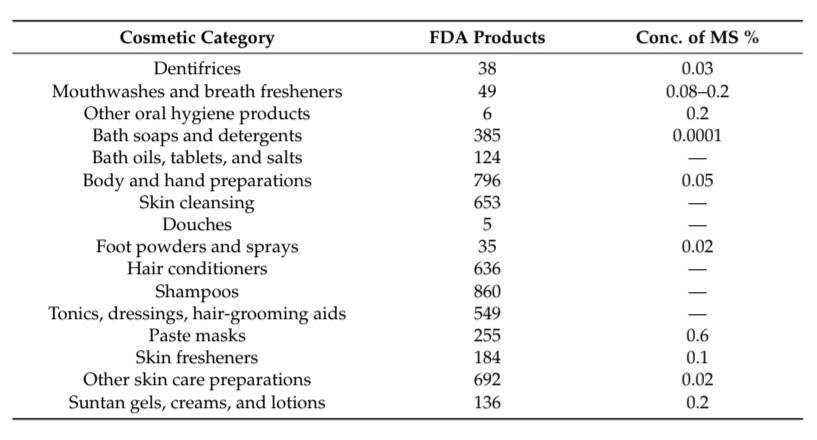
Concentration of Methyl Salicylate in Commercial Products
REFERENCES


Pratiksha Kadam, Surekha Tarle, A Review on: Synthesis, Characterization of Salicylic Acid Derivatives: Methyl Salicylate, Int. J. of Pharm. Sci., 2026, Vol 4, Issue 11, 3675-3682. https://doi.org/10.5281/zenodo.24413156
 10.5281/zenodo.24413156