

We use cookies to ensure our website works properly and to personalise your experience. Cookies policy
1B. Pharmacy Student, P.S.G.V.P. Mandal's College of Pharmacy, Shahada, Maharashtra, India.
2Assistant Professor, Department of Pharmaceutical Quality Assurance, P.S.G.V.P. Mandal's College of Pharmacy, Shahada, Maharashtra, India.
3,4Assistant Professor, Department of Pharmaceutics, P.S.G.V.P. Mandal's College of Pharmacy, Shahada, Maharashtra, India.
5Principal, P.S.G.V.P. Mandal's College of Pharmacy, Shahada, Maharashtra, India.
Medicinal plants are an important source of bioactive compounds with significant therapeutic potential in the prevention and management of various diseases. Phytochemical profiling is a systematic approach used to identify, characterize, and evaluate the chemical constituents present in plants, including alkaloids, flavonoids, tannins, phenolic compounds, terpenoids, saponins, and glycosides. These phytochemicals exhibit diverse biological activities, such as antioxidant, antimicrobial, anti-inflammatory, antidiabetic, hepatoprotective, and anticancer effects. This review aims to explore the phytochemical composition and therapeutic potential of medicinal and other bioactive compound-yielding plants. It also highlights the major analytical techniques used for phytochemical investigation, including qualitative phytochemical screening, high-performance liquid chromatography (HPLC), gas chromatography–mass spectrometry (GC–MS), and liquid chromatography–mass spectrometry (LC–MS). Furthermore, the review discusses the relationship between phytochemical constituents and their pharmacological activities, along with the factors influencing phytochemical composition, such as geographical location, climatic conditions, plant maturity, harvesting methods, and extraction procedures. Despite their promising therapeutic applications, challenges related to standardization, bioavailability, toxicity, and clinical validation remain significant. A comprehensive understanding of plant-derived bioactive compounds may support the development of safer and more effective plant-based therapeutic agents.
Throughout human history, natural plant products have been utilized for a variety of reasons. Many of the plants that make up these natural goods are billions of years old, having coevolved with animal life. called a natural defense against illness and infection, higher plants manufacture tens of thousands of these compounds called secondary metabolites[1] Ayurveda, an Indian holistic medical system, treats a variety of illnesses, including cancer, primarily with plant-based medications or formulations. The majority (61%) of the at least 877 small-molecule medications that were introduced globally between 1981 and 2002 have natural product origins. Because of its advantageous qualities, it is utilized as traditional medicine in Asian nations like Bangladesh, India, and Pakistan in addition to being used as a spice [2]. Moreover, the combination of chitosan films and turmeric extracts [i.e., antibacterial, biocompatible, biodegradable, and eco-friendly characteristics] [3] It is utilized for wound healing, blood purification, and inflammation reduction. Antioxidant and antibacterial qualities are examples of additional pharmacological actions.[4] have demonstrated the promise of turmeric as a treatment for Alzheimer's.[5] The numerous health benefits of curcumin, a polyphenol, have been supported by evidence that it targets several signaling molecules and exhibits cellular activity [6]. Inflammatory conditions have been demonstrated to benefit from it.[7]
For millennia, medicinal plants have been important suppliers of therapeutic chemicals. Because of its high curcumin concentration, turmeric (Curcuma longa) is one of the most researched of them. Turmeric's distinctive yellow hue is caused by curcumin, a member of the curcuminoid group of polyphenolic chemicals. Turmeric's biological effects are aided by essential oils, flavonoids, phenolic acids, and terpenoids in addition to curcumin [8]. Turmeric contains a variety of phytochemicals, including more than 50 types of diarylpentanoids and diarylheptanoids known as curcuminoids. The most researched of these is "curcumin," which is a variable mixture of three non-volatile diarylheptanoids: diferuloylmethane (curcumin I), desmethoxycurcumin (curcumin II), and bisdesmethoxycurcumin (curcumin III). Other ingredients include flavonoids and an essential oil that contains sesquiterpene ketones including zingiberene, curlone, and turmerones [9,10]. The biological effects are believed to be caused by curcuminoids and essential oils [11,12]. Plant-based products have been essential in a variety of uses throughout human history. Notably, a large number of historical and contemporary societies have relied significantly on plant-based remedies to address their medical needs.[13]. Using natural herbal remedies, Traditional Chinese Medicine (TCM) has been used for centuries to improve health and treat illnesses [14]. Curcumin, a bioactive substance that has long been utilized to improve blood circulation and reduce stasis, is rich in turmeric roots and rhizomes.[15]Therefore, adding substances that improve bioavailability, like piperine, seems to remedy the problem of low bioavailability and produce a curcumin complex.
This review's goal is to give a succinct summary of the numerous studies on curcumin's possible health advantages. Rather than reviewing the vast literature on cancer and other disease states, we have opted to concentrate on the benefits of a few prevalent health conditions and on benefits in healthy individuals due to the volume of the material. For a thorough analysis of curcumin's impact on cancer [16]
Biological Source:
Botanical Name: Curcuma longa L. (synonym: Curcuma domestica Valeton)
Family: Zingiberaceae
Common Names: Turmeric, Haridra
Plant Part Used: Rhizomes (underground stems)
Active Chemical Constituents:
Curcuminoids, which mainly consist of curcumin (the principal diferuloylmethane component), demethoxycurcumin, and bisdemethoxycurcumin
Botanical Characteristics of curcumin:
Numerous species of turmeric (Curcuma longa), a well-known member of the Zingiberaceae family also referred to as the ginger family have substantial ethnomedical and commercial importance. It is mostly a perennial herbaceous plant that is distinguished by its characteristic yellow rhizomes, which are the subterranean stems that are frequently used for industrial, culinary, and medicinal applications. In terms of taxonomy, Curcuma longa belongs to the genus Curcuma, which has a number of species that have similar morphologies but differ chemically and geographically, including Curcuma zanthorrhiza (temulawak) and Curcuma caesia (blue curcuma). Turmeric has thick, meaty rhizomes that are usually brilliant yellow to orange-yellow in color Turmeric's thick, meaty rhizomes are usually brilliant yellow to orange-yellow in color because of curcuminoids, a class of polyphenolic chemicals that give turmeric its distinctive color and bioactivity. The plant has broad, rectangular leaves and inflorescences that produce pale yellow flowers. It grows morphologically as a clump of leafy stems that can reach heights of up to one meter. The main portion that is harvested is the rhizomes, which are made up of several branched segments with a brownish skin.
Turmeric grows best in warm, humid climates with well-drained, fertile soils that are high in organic matter. Its growing habitat is primarily tropical and subtropical. It is widely grown in Southeast Asian nations like Thailand and Indonesia, as well as in South Asia, especially in India, which is the world's biggest producer and exporter of turmeric. The plant needs a growing season of seven to ten months with sufficient rainfall or irrigation, and it favors altitudes between sea level and 1500 meters. Turmeric rhizomes' phytochemical composition and metabolite profiles are greatly influenced by cultivation conditions, such as soil type, climate, and geographic origin, which results in differences in curcuminoid content and essential oils. To differentiate Curcuma longa from closely related species and to guaranty quality control in medicinal and functional food applications, this variation calls for precise botanical identification and authentication techniques [17].
Geography and Distribution
The perennial herb C. longa lacks a stem and rootstock. Their lanceolate or oblong, one-meter-long leaves have a dark green upper surface and a pale green underside. The length of the sheath and petiole is comparable to that of the blade. The spike appears ahead of the leaves. The flowering bract is green with a rich ferruginous purplish hue, and the sterile flowers are pale yellow with a reddish coating. It is frequently grown in rural backyard gardens and produces a 2-meter-long, erect leafy shoot (pseudostems) with 8–12 leaves. ts medicinally significant elements are presented in . The rhizomes taste bitter and smell balmy. For growth, the turmeric plant needs an average temperature of 20 to 30°C and a healthy amount of annual precipitation. Some plant species have long, oblong leaves and can grow up to one meter in height. Both tropical and subtropical areas are home to turmeric. If not overcrowded, this will grow best in the dark, but it also grows better and larger rhizomes when exposed to sunshine. For growth, the turmeric plant needs an average temperature of 20 to 30°C and a considerable amount of annual rainfall. Some plant species have long, oblong leaves and can grow up to one meter in height. Both tropical and subtropical areas are home to turmeric. It is thought that turmeric originated in South or Southeast Asia, most likely in western India, China, or Vietnam. It has not been discovered in the wild and is only recognized as a cultivated plant. Although it is widely grown in Cambodia, Bangladesh, Nepal, Indonesia, Thailand, Malaysia, West Bengal, Madagascar, Tamil Nadu, Maharashtra, Madras Indonesia, and the Philippines, India is the largest producer, consumer, and supplier [18].
Characteristics
Grown and commercially harvested throughout India, Asia, and other tropical nations, turmeric is a member of the ginger family. Turmeric's biological activity is attributed to the yellowish orange volatile oils known as curcuminoids, which are found in the thick, cured rhizomes together with protein, vitamins, minerals, and carbs.[19] With a notable botanical presence in Malaysia, Curcuma aeruginosa Roxb. is widely distributed throughout tropical and East Asian regions. Local populations have historically made use of a variety of plant parts, including its adventitious roots, stems, and leaves, albeit their applications have remained rather narrow.[20]
Various Plants That Contains Curcumin :
Major plant species containing curcuminoids include:
1.Curcuma longa (Turmeric)
2.Curcuma zedoaria (White turmeric).3.Curcuma caesia (Black turmeric)
4.Curcuma aromatica (Wild turmeric)
5Curcuma amada Mango ginger)
Among these, Curcuma longa contains the highest concentration of curcumin and is the primary commercial source
1.Curcuma longa (Turmeric):
Originating in South East Asia, turmeric has been used as a condiment and dye since ancient times. Bengal, China, Taiwan, Sri Lanka, Java, Peru, Australia, and the West Indies are the main places where it is grown. Because it is inexpensive, natural, and unsynthesized, it is still utilized in Hindu rituals and as a dye for sacred clothing. In actuality, one of the least expensive spices is turmeric. Although it is used similarly to saffron as a dye, the two spices have different culinary applications and should never be used in place of saffron. It has been used for almost 4,000 years in India's Vedic culture, when it served as a culinary spice and had some religious significance.[21] To maximize the use of turmeric in meals, it is essential to obtain curcuminoid-rich preparations. The effects of both conventional and novel extraction techniques have been evaluated in a number of research. The most significant of turmeric's therapeutic constituents is curcumin, which accounts for 1–7% of the root. When using a 70% hydroethanolic solution for conventional solvent extraction, the recovery of curcumin was 69.1%. Curcumin needs to be extracted using organic solvents because of its poor water solubility. Ethanol and acetone are the preferred solvents in this situation because solvent composition is critical to maximizing the extraction yield. Continuous Soxhlet extraction may be suggested as a first stage in the process of separating curcumin from turmeric in order to maximize curcumin recovery.[22]
Anti-inflammatory effects
One important and basic defense mechanism that organisms use in reaction to tissue damage is inflammation. A number of things can cause this reaction, such as physical trauma, exposure to toxins, infection, or other types of trauma, as well as ischemia injury brought on by an inadequate blood supply to a tissue or organ. In order to avoid unwanted tissue damage and cellular loss, which could result in chronic inflammation, it is critical to efficiently reduce the inflammatory response after its necessity has diminished Leukocytes, or inflammatory cells, such as neutrophils, lymphocytes, and macrophages, are involved in the inflammatory process. Leukocytes emit particular components including eicosanoids, vasoactive peptides and amines, cytokines, and acute-phase proteins after the inflammatory cascade. Together, these elements mediate the inflammatory process, preventing more tissue damage and eventually promoting tissue repair and function restoration [23]. The plant known as turmeric (Curcuma longa) is grown in Asian nations, particularly China and India, and is found across tropical and subtropical regions of the world. Turmeric is a member of the Zingiberaceae family and has been utilized for ages in Asian food and medicine. When it comes to the dried and crushed tuber used as a spice, India is the biggest producer, consumer, and exporter of turmeric. Often referred to as "Indian saffron," urcumin, the main bioactive component of turmeric (Curcuma longa), has strong anti-inflammatory and antioxidant properties through intricate molecular pathways that control oxidative stress and inflammatory cytokine release. Curcumin influences important signaling pathways at the molecular level, including nuclear factor kappa B (NF-κB) and nuclear factor erythroid 2-related factor 2 (Nrf2), which are essential for regulating cellular antioxidant defenses and inflammatory responses, respectively. Curcumin prevents the activation of NF-κB, a transcription factor that controls the synthesis of pro-inflammatory cytokines such as interleukin-1 beta (IL-1β), interleukin-6 (IL-6), and tumor necrosis factor-alpha (TNF-α). In many clinical circumstances, including rheumatoid arthritis, cardiovascular disorders, and chronic renal disease, this suppression results in decreased production of these cytokines, which attenuates inflammation. Heme oxygenase-1 (HO-1), superoxide dismutase (SOD), catalase, and glutathione peroxidase (GPx) are among the antioxidant enzymes that are expressed when curcumin simultaneously activates the Nrf2 pathway [25].
Antioxidant potential:
As demonstrated in, antioxidants fight oxidative stress by stopping the production of free radicals or limiting their spread. When the creation of free radicals surpasses the ability to neutralize them, oxidative stress results, which damages cells.It is linked to immune system deterioration, cancer, and cardiovascular problems.Half curcumin (dehydrozingerone), a phenolic molecule that is more soluble in water than curcumin, is found in ginger rhizomes. By preventing lipid oxidation and scavenging free radicals during dietary component radiolysis, this substance demonstrates antioxidant qualities. Ginger contains curcumin, which has a wide range of pharmacological advantages and minimal toxicity. making it a substitute for artificial antioxidants.It prevents oxidative damage to lipids, DNA, and hemoglobin by neutralizing reactive oxygen species (ROS). Curcumin's phenolic and methoxy groups are responsible for its antioxidant properties. Although they have less antioxidant action, other derivatives like demethoxycurcumin and bis-demethoxycurcumin stop lipid peroxidation.These effects are outlined along with all of curcumin's pharmacological effects.[26].
Turmeric's (Curcuma longa) biological source: • Dried Curcuma longa Linn rhizomes are the biological source. Zingiberaceae is the family. • Rhizome was utilized. • Common name: Haldi, or turmeric • Chemical components: curcumin, various curcuminoids, and volatile oils like turmerone.
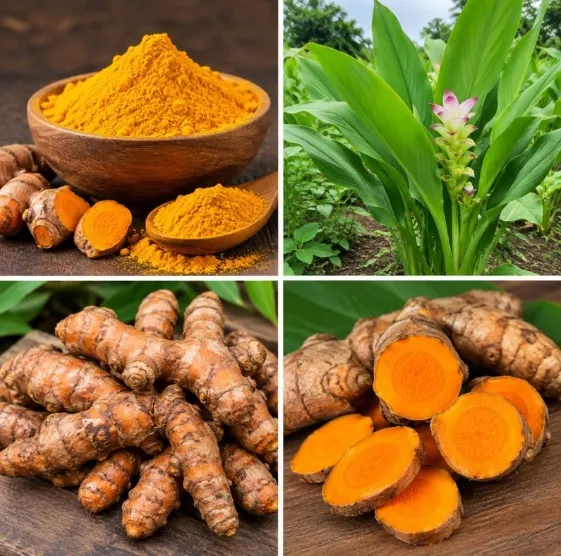
2.Curcuma zedoaria (White turmeric):
Among Ayurvedic treasures, Curcuma zedoaria—often referred to as "white turmeric" or "zedoary"—stands out for its creamy, pale rhizomes and zesty scent. You'll learn about Curcuma zedoaria's distinctive qualities in this article, including its botanical identity, unexpected past, and zesty active ingredients. Along the way, we'll discuss contemporary study findings, age-old customs, safety advice, and practical dosage recommendations. Additionally, you will receive explicit instructions on where to find high-quality zedoary powders or extracts as well as real-life examples, such as grandma's secret kitchen treatment for indigestion. We're going to delve deeply into the realm of this underrated root, so fasten your seatbelts, herbal enthusiasts.[27].
Pharmacological Properties
Numerous researchers have documented the diverse biological activities of C. zedoaria in a range of in-vitro and in-vivo test paradigms. This plant has been shown to have antibacterial, anticancer, antiallergic, and analgesic properties in various portions. The parts that follow go into further depth on these.
Antimicrobial and antifungal activity
The agar well diffusion and broth dilution procedures were used to assess the antibacterial activity of C. zedoaria tuber extracts against six bacterial and two fungus strains. Extracts from petroleum ether, hexane, chloroform, acetone, and ethanol had both antifungal and antibacterial properties. Minimum inhibitory concentration (MIC) values for the tuber extracts in acetone and hexane revealed similar antibacterial activity. The minimum inhibitory concentration (MIC) values for several strains and extracts varied between 0.01 and 0.15 mg/ml. The results corroborate traditional medicine's use of C. zedoaria tubers to treat bacterial and fungal diseases.[28]
CNS depressant activity
have established CNS depressing action from C. zedoaria Rosc. methanol extract. They have separated germacrone, curzerenone, and germacrone epoxide and examined their potential as CNS depressants.
Antihyperglycemic activity
have documented the dose-dependent antihyperglycemic effects of C. zedoaria Rosc leaf methanol extract in mice given glucose. Mice treated with rhizome methanolic extract had much lower serum glucose concentrations. The essential oil extract of C. Zedoaria Rosc has been shown by Juni Hand Ajani et al. to exhibit antihyperglycemic properties in hyperglycemia induced by streptozotocin [29].
The biological source of Curcuma zedoaria (White turmeric):
Biological source:
Curcuma zedoaria (Christm.) Roscoe dried rhizomes.
Family: The ginger family, Zingiberaceae
Typical names: Zedoary and white turmeric
Rhizome was utilized.
Curcuma zedoaria is the botanical name.
Type of drug: Rhizomatous her
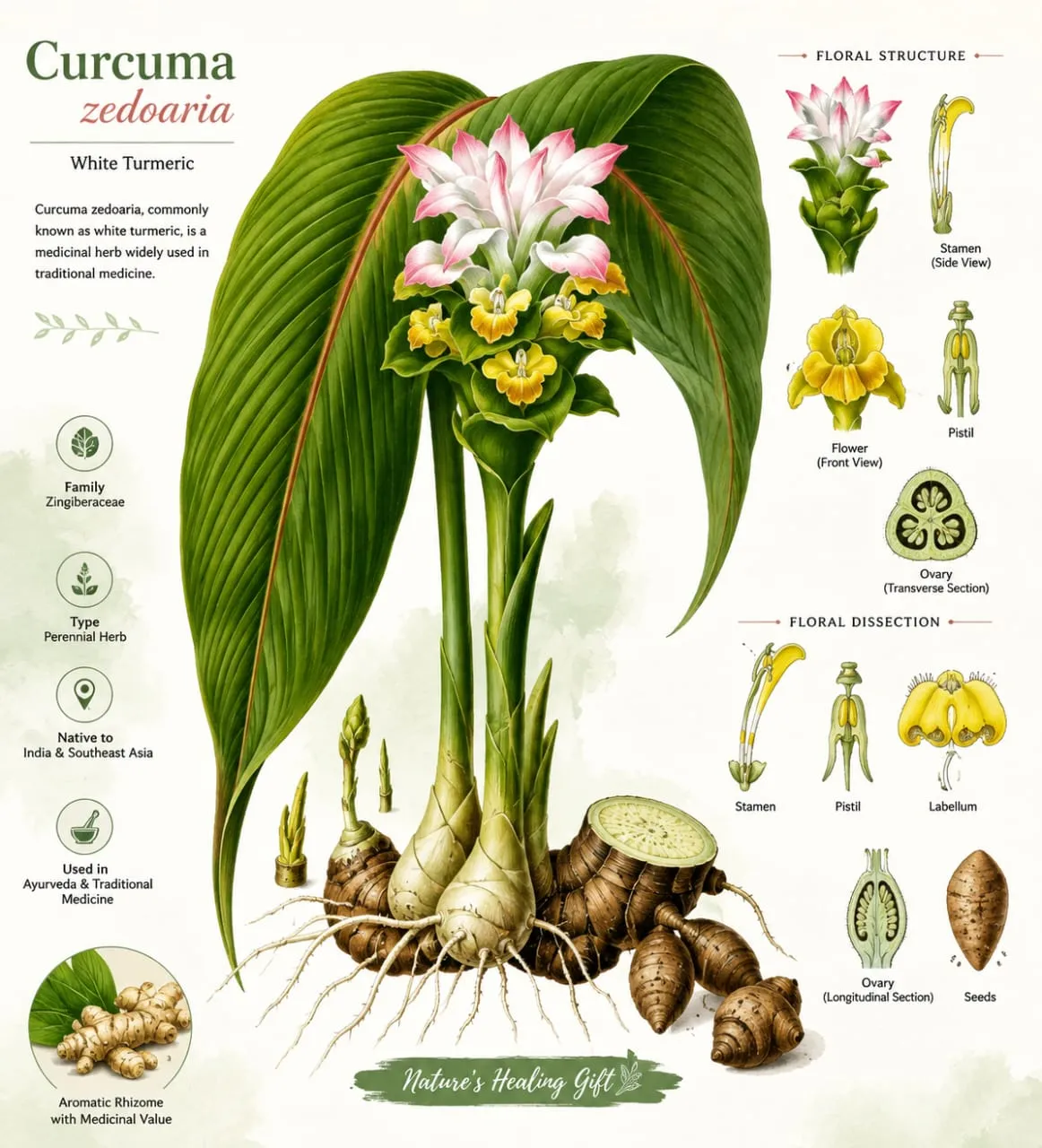
Figure 5.2: Curcuma Zedoaria (White Turmeric):
3Curcuma caesia (Black turmeric):
Curcuma caesia Roxb., or black turmeric, is a significant medicinal plant in the Zingiberaceae family. Black turmeric, or Curcuma caesia, is a perennial herb with a bluish-black rhizome. Because of their alleged therapeutic qualities, Curcuma caesia rhizomes are highly valuable economically. This plant's rhizome is said to be effective in treating a number of illnesses, including piles, leprosy, bronchitis, asthma, cancer, epilepsy, fever, wounds, impotence, infertility, toothaches, and vomiting. Because traditional herbal medicine is readily available, inexpensive, very effective, non-narcotic, and has few side effects, about 80% of the world's population uses it for medical care. These traditional treatments, which have been used for millennia, are primarily derived from plants. They have been in use for ages. Researchers are constantly drawn to these plants because of their therapeutic significance, which is attributed to the bioactive components of their various portions. Plant-based bioactive chemicals have garnered increasing attention in recent years as potential treatments for a number of conditions, including bacterial infection, cancer, inflammation, asthma, endothelial dysfunction, hyperglycemia, and ulcers.[31].
Antioxidant Properties
The antioxidant chemicals found in some plant parts, like fruits, vegetables, and grains, are typically responsible for their therapeutic benefits in traditional medicine. Because they fight oxidative stress in the body by preserving a balance between oxidants (reactive oxygen species and reactive nitrogen species) and antioxidants, plant phytochemicals' protective function may be linked to their antioxidant activity. Therefore, the primary source of promoting and maintaining human health is the antioxidant chemicals found in natural products. The antioxidant activity of C. caesia extracts was found by in vitro and in vivo investigations.[32]
Antioxidant activities
The antioxidant qualities of medicinal plants, which are connected to the many phytochemical substances mentioned above, are primarily responsible for their therapeutic effects. Based on structural elements like the amount of phenolic and flavonoid groups, methoxyl or hydroxyl groups, and other characteristics that obstruct oxidation processes by interacting with free radicals, binding catalytic metals, and scavenging reactive species, these compounds may display a variety of activities. The total phenolic and flavonoid content of the C. caesia plant extract is primarily responsible for its antioxidant properties.
biological source of Curcuma caesia (Black turmeric):
Botanical name: Curcuma caesia Roxb.
Family: Zingiberaceae
Common name: Black turmeric / Kali haldi
Biological source: The dried rhizomes of Curcuma caesia Roxb. are used as the biological source.
Part used: Rhizome
Distribution: Mainly found in India, particularly in parts of Northeast and Central India.
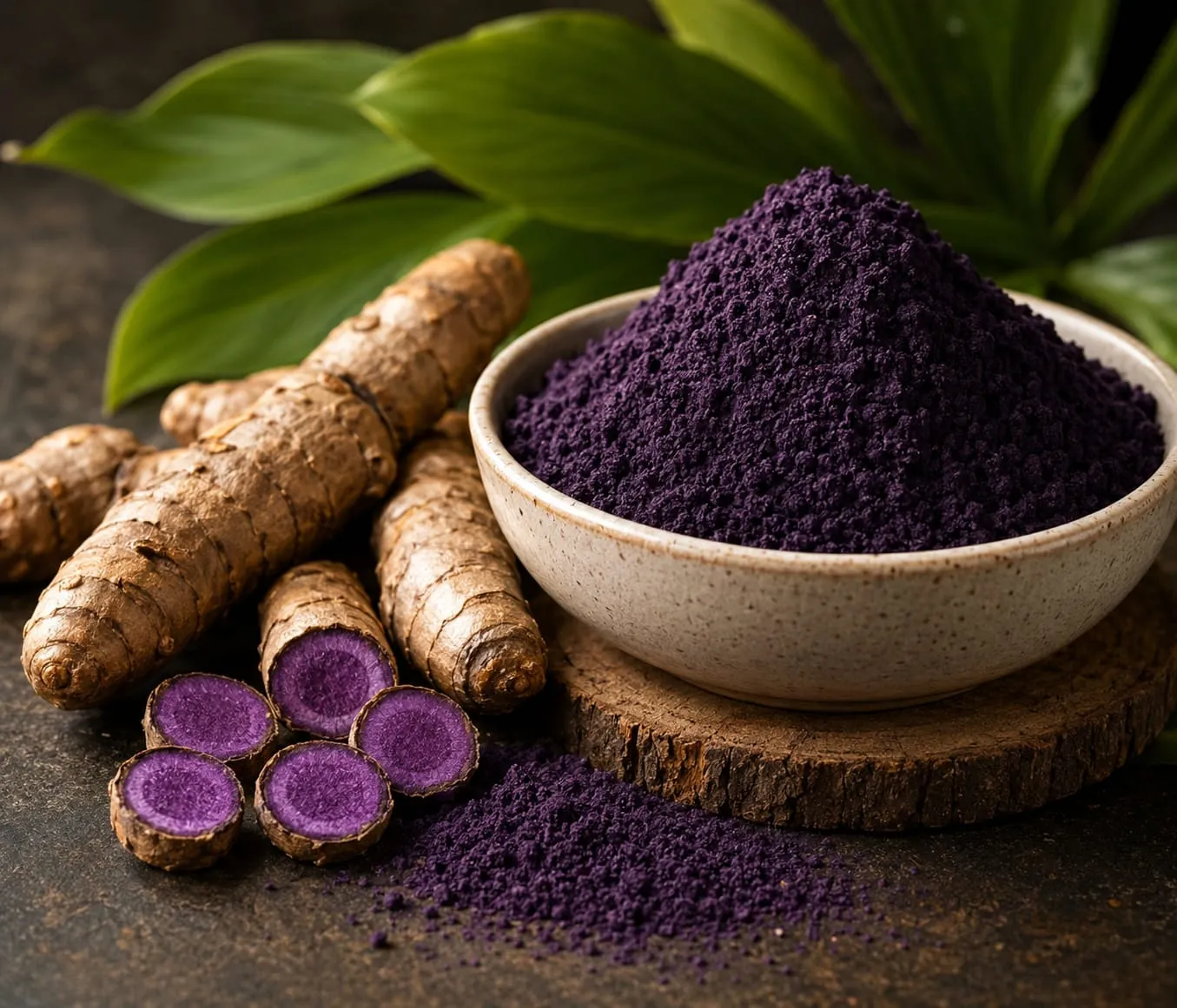
Figure 5.3: Curcuma Caesia (Black Turmeric)
4.Curcuma aromatica (Wild turmeric):
In China, Japan, and India, wild turmeric (Curcuma aromatica) of the genus Curcuma in the family Zingiberaceae is widely planted. The brilliant yellow aromatic rhizome and camphoraceous smell are characteristics of C. aromatica. It is frequently utilized in traditional medicine as well as as a coloring and flavoring agent. Curcuminoids (curcumin, demethoxycurcumin, and bisdemethoxycurcumin) and essential oils, such as Its anti-inflammatory, anticancer, antibacterial, antiobesity, antidiabetic, and antioxidant properties are attributed to xanthorrhizol, ar-curcumene, di-epi-α-cedrene, turmerone, ar-turmerone, zingiberene, β-sesquiphellandrene, germacrone, 8,9-dehydro-9-formyl-cycloisolongifolene, furanodienone, and zederone. There is little research on improving the food value, nutritional makeup, and health advantages of C. aromatica, despite the fact that it is one of the most prevalent Curcuma species and is frequently used in conjunction with Curcuma longa (turmeric). Turmeric's powerful flavor and taste also restrict its use in food industry and make it less palatable to customers.[34] By 2025, 300 million people worldwide are predicted to have diabetes mellitus (DM), a complicated metabolic and endocrine condition marked by elevated blood sugar levels. The goal of treatment strategies for Type 2 diabetes mellitus (T2DM) is to lower postprandial hyperglycemia without using insulin. This can be accomplished by taking medications like metformin and acarbose to control the amount of glucose that enters the bloodstream from the liver and digestive system. Finding alternate sources of inhibitors is crucial because these drugs can have negative side effects and are frequently costly for people in developing countries.[35]
Pharmacological activitities:
The word "pharmacology" is derived from the Greek word "pharmakon," which meaning "drug" in contemporary Greek and "poison" in classical Greek. The pharmacological activity of drugs is determined by how they interact with proteins, enzymes, receptors, biomembranes, and nucleic acids. C. aromatica displays a lot
Anti-inflammatory activity:
Additionally, downregulation of COX2 cyclo-oxygenase 2 and TNF-alpha tumor necrosis factor was observed. C. aromatica ethanol extract and the carrageenan-induced rat edema paw technique demonstrate the anti-inflammatory properties of the plant ethanol extract and medication diclofenac sodium by preventing paw edema. Antimicrobial action:
Antimicrobial activity
against a few fungi more than any known bacteria. With minimum inhibitory concentrations (MICs) of 0.03 to 0.5 mg/ml, chloroform extract and petroleum ether field-grown rhizome have antibacterial action against human pathogens such as Shigella dysenteriae, Shigella sonnei, Pseudomonas aeruginosa, Staphylococcus aureus, and Bacillus subtilis. Agar well diffusion was used to evaluate for microbiological susceptibility against Escherichia coli. The methanolic extract's inhibitory zone is 7.5 mm at the maximum dosage of 20 mg [36].
Biological source of Curcuma aromatica (Wild turmeric):
Biological source: Dried rhizomes of Curcuma aromatica Salisb.
Family: Zingiberaceae
Common name: Wild turmeric / Kasturi turmeric
Part used: Rhizome
It is mainly used in traditional medicine and cosmetics.
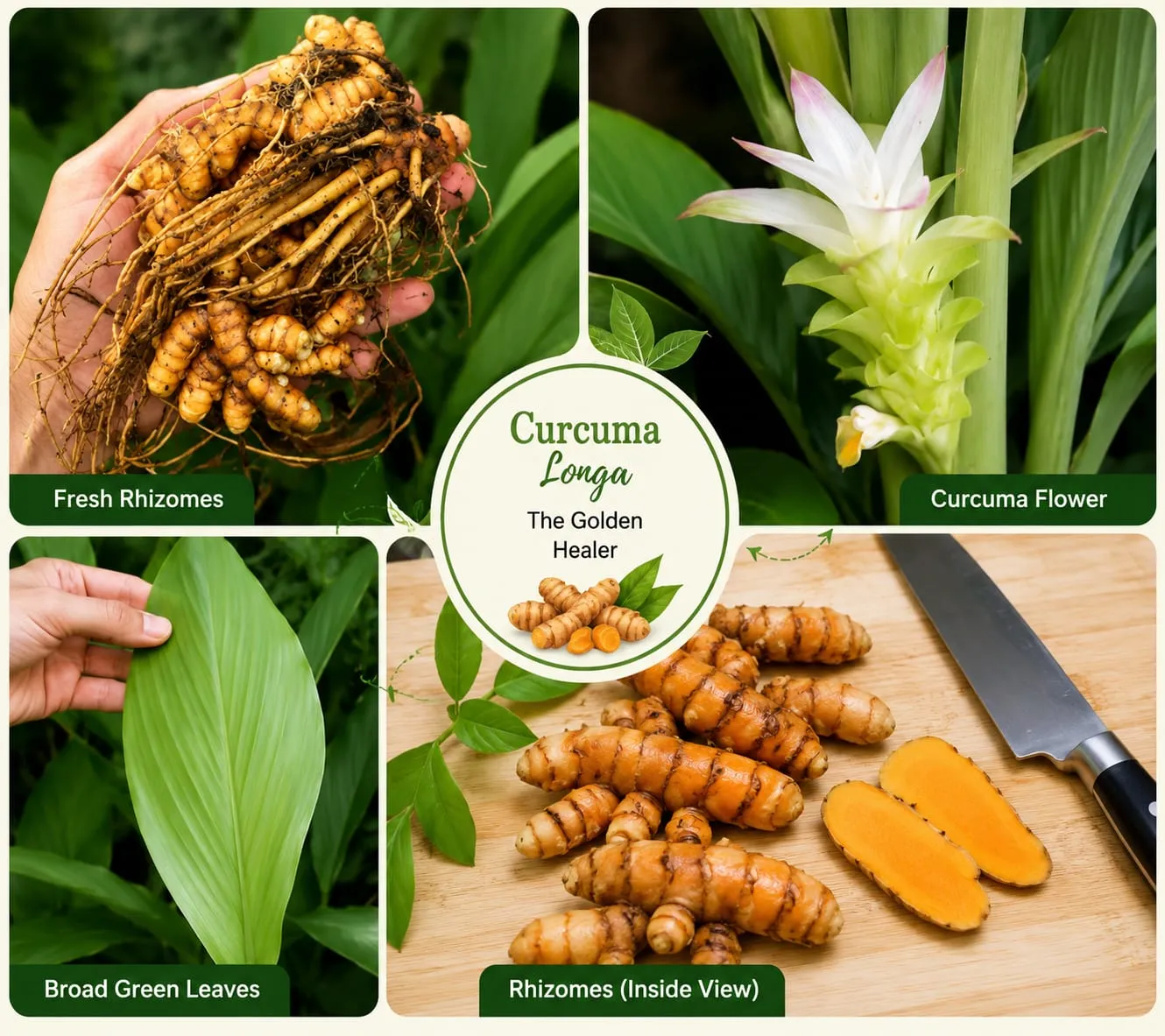
Figure 5: 4. Curcuma Aromatica (Wild Turmeric)
5.Curcuma amada (Mango ginger):
The Zingiberaceae family, which includes over 80 species of rhizomatous herbs, includes the genus Curcuma. They are widely dispersed throughout the tropics from Asia to Africa and Australia, having originated in the Indo-Malayan region (Sasikumar, 2005). Mango ginger, or Curcuma amada Roxb., is a perennial herb whose rhizomes resemble ginger in appearance but have a mango flavor. Because of its strong medicinal qualities and raw mango flavor, it is used to make pickles, salads, and culinary dishes. On a fresh weight basis, the rhizome contains 86% moisture, 0.8% ash, 0.8% total sugars, traces of reducing sugars, 1.4% fiber, 0.1% essential oil, and 6.9% starch; on a dry weight basis, it contains 5.7% ash, 5.8% total sugar, traces of reducing sugars, 10.6% crude fiber, 0.9% essential oil, and 45.6% starch. Curcuma longa and Zingiber officinale starch A share similarities with the 43% amylose content of mango ginger starch. Policegoudra has recently identified and described substances with strong antioxidant and antibacterial properties, such as difurocumenonol and amadannulen. Temperature, storage time, and postharvest physiological stress all have a significant impact on these rhizome antioxidant components.[37] Plant volatile organic compounds (VOCs) are a sizable class of naturally occurring secondary metabolites that play a role in how plants interact with their surroundings. Plant physiological systems, plant ecology, and atmospheric chemistry are all significantly impacted by VOC emissions from plants. Over the years, over 1700 volatile organic compounds (VOCs) from 90 distinct plant families have been found. Terpenoids, benzenoids and phenylpropanoids, fatty acid derivatives, amino acid derivatives, C5-branched compounds, various nitrogen and sulfur-containing compounds, and a few species/genus-specific compounds not included in those major classes are among the classes into which they are classified.[38].
Plant material
In December 2004, fresh and nutritious rhizomes of mango ginger (C. amada Roxb.) were purchased from the local market in Mysore, India. After being cleaned, cut, and dried for 72 hours at 50 °C in a hot air oven, the rhizomes were ground into a powder using an Apex grinder (Apex Constructions, London) with a mesh size of 60.
Chemicals
Every chemical utilized in column chromatography came from Merck Limited in Mumbai, India. Methanol of HPLC quality was acquired from Ranbaxy Fine Chemicals Limited in Mumbai, India. We bought silica gel (60–120 mesh).
Isolation of bioactive compound
Hexane and chloroform were used to extract 100 g of mango ginger powder, yielding 11 and 8 g of extract, respectively. Chloroform extract showed modest metal chelating activity and encouraging lipid peroxidation inhibitory action. As a result, it was chosen to isolate the bioactive substance that causes the antioxidant action.
Biological source of Curcuma amada (Mango ginger):
ingdom: Plantae plant
Family: Zingiberaceae
Genus: Curcuma
Species: C. amada
Botanical Name: Curcuma amada Roxb.
Key Features
Used Part: Rhizome (underground stem)
Aroma/Flavor: Smells and tastes like raw green mango, but looks like common ginger.
Main Uses: Used in pickles, chutneys, and traditional medicines.
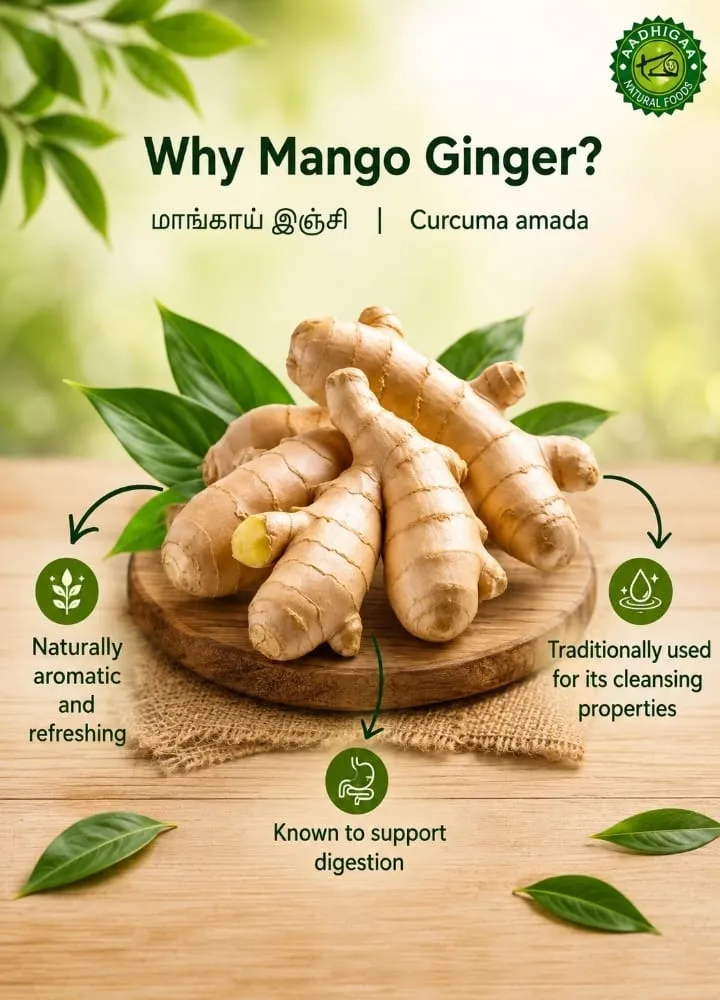
Figure 5: Curcuma Amada (Mango Ginger):
Phytochemical profile of curcuma aeruginosaroxb.
In previous research endeavors, Curcuma aeruginosa Roxb. has attracted significant scholarly interest. Numerous metabolites have been discovered through extensive research into the phytochemical makeup of various Curcuma species.Despite the fact that this genus contains over 700 chemicals, only a small number have been thoroughly investigated. Notably, curcumin—which is mostly generated from C. aeruginosa—has been the subject of a great deal of study. The results of these numerous investigations have been further supported by the discovery that 34 distinct phytochemical substances are only present in the rhizomes of Curcuma aeruginosa Roxb., with no traces detected in the leaf. This unique chemical profile highlights the rhizome's potential for therapeutic uses and emphasizes its vital significance as a repository of bioactive chemicals.[40]
Preparation of samples for screening of Phytochemicals
Seven different solvents were utilized to assess the extractive values of the medications due to the vast variation in their characteristics and chemical composition. Standard techniques were used to perform the phytochemical examination of the plant extracts. Rhizomes were harvested in January of 2021 and 2022, following the full drying of the leaves, during the two growth seasons. After being properly cleaned with deionized water to remove any remaining soil particles, the rhizomes were shade-dried for a week. After being air-dried, the rhizomes were further dried for six hours at 50 °C in a hot air oven. These oven-dried rhizomes were chopped into small pieces and ground into a fine powder. Three grams of each sample were refluxed individually by dissolving them in fifty milliliters of each of the following solvents: alcohol, hydro alcohol (30:70), hydro alcohol (50:50), water, ethyl acetate, petroleum ether, and chloroform. Following extraction, the contents were concentrated, vacuum-filtered, and tested for phytosterols, fixed oils and fats, glycosides, phenolic compounds and tannins, proteins and amino acids, saponins, gums and mucilage, volatile oils, and alkaloids [41].
General Health Benefits
Research indicates that turmeric can help with wound healing, immunomodulation, asthma, eczema, acne, inflammation, joint discomfort, and tonic and acute allergies.[42] Curcuma has been the focus of contemporary medicine and the pharmaceutical industry for the past 20 years in an effort to identify natural cures for common illnesses as well as treatments for serious ailments. As a result, several investigations into the chemical composition, structure, and contents of curcuminoids and essential oils of these species have been carried out; numerous of these investigations have revealed significant therapeutic qualities and health advantages of the edible Curcuma species. Each Curcuma species' specific pharmacological characteristics and ethnomedical applications are described in detail. Ayurveda and traditional folk medicine have used a number of Curcuma species to treat a wide range of illnesses. According to reports, C. aeruginosa, C. angustifolia, C. caesia, C. leucorrhiza, C. longa, C. mangga, C. phaeocaulis, and C. purpurascens rhizomes and other plant parts have been used to treat dysentery, stomach ulcers, indigestion, gastrointestinal disorders, enlarged liver spleen, diabetes, fever, cough, boils, scabies, sprains, bruises, body pain, and hepatic disorders. hemorrhage, wound healing, sinusitis, rheumatism, anorexia, coryza, dyspepsia, antiseptic, and irritated mucous membranesC. amada has also been recorded to be used as an aperitif, laxative, aphrodisiac, antipyretic, alexteric, and for bronchitis, biliousness, and mood disorders.Additionally, C. zedoaria's rhizomes and roots are used as a rubefacient, carminative, expectorant, demulcent, diuretic, and stimulant; C. caesia is used as a treatment for tonsillitis, leukoderma, piles, jaundice, and decoction for epilepsy and asthma. Other Curcuma species, including as C. aromatica, C. australasica, and C. pseudomontana, are also used medicinally for blood purification, snakebite therapy, and contraception.[43]
Health Benefits Of Curcumin:
1. It works well for cleaning burns and cuts since it is a natural antiseptic and antibacterial agent.
2. Lowers the chance of leukemia in children.
3. It is a strong natural anti-inflammatory that has no negative side effects and functions just as well as many anti-inflammatory medications.
4. Is a cox-2 inhibitor and natural analgesic.
5. May support weight control and fat metabolism
Medicine.
6. Has been used for a long time to treat depression in Chinese medicine. 7. Could aid in the management of inflammatory skin disorders like psoriasis 8. Has been demonstrated to prevent cancers from developing new blood vessels. 9. Enhances and lessens the adverse effects of the chemotherapy medication paclitaxel. 10. Promotes the rebuilding of damaged skin and accelerates the healing of wounds. 11. May stop metastases from developing in a variety of cancer types.
Studies are ongoing in the positive effects of turmeric on multiple[21]
Turmeric medicinal uses
Over the years, people's knowledge of turmeric and its medicinal properties has grown steadily. Turmeric, a flowering plant in the ginger family, is a basic component of curry powder and is frequently used as a food pigment. Turmeric has long been used as an anti-inflammatory in medicine to treat a variety of illnesses, including digestive issues, liver difficulties, skin conditions, and wound healing.Turmeric's active component, curcumin, has been demonstrated to provide a variety of medicinal benefits.[44]. This genus has many species that are used as spices, medications, and colors. C. amada rhizomes are used as a carminative, digestive, stomachic, demulcent, vulnerary, febrifuge, diuretic, expectorant, anti-inflammatory, appetizer, alexeteric, antipyretic, aphrodisiac, and laxative in Ayurveda, the oldest medical system in India. There have been prior reports of C. amada's bioactivity against inflammation brought on by injuries, asthma, itching, and biliousness.Numerous investigations have shown that C. amada rhizomes are effective against stomatitis, gleet, scabies, lumbago, mouth and ear infections, and male genital ulcers. C. caesia has been recorded as a therapeutic herb in the Ayurvedic, Unani, and Siddha herbal systems. To treat coughs, fresh leaves of C. caesia are consumed or administered as a beverage. It is combined with milk or honey and taken twice a day to treat infertility, irregular menstruation, weakness, and to promote longevity. Rhizome paste of C can also be used to treat scorpion or snake bites. Tribal women utilize powdered C in marriage and engagement ceremonies.
Curcumin affects human health in a variety of ways. In order to better understand curcumin's role in health benefits, numerous researchers have examined its biological activity in molecular, cellular, animal, and clinical investigations. The collected data demonstrated the positive effects of curcumin by indicating that its actions were involved in several pathways and processes. Over the course of more than thirty years of research, curcumin has been shown to provide a number of health benefits, including improvements in the prevention and treatment of diabetes, cardiovascular disease, and inflammatory disorders. For instance, an in vivo investigation When 50 patients with osteoarthritis in their knees were given either a commercial product containing curcumin (Theracurmin) (180 mg/day over 8 weeks) or a placebo, the Theracurmin treatment considerably reduced knee discomfort compared to the placebo. Additionally, rugby players with osteo-muscular pain disorders showed increases in physical function and decreased pain when another curcumin-containing product (Algocur) was given in pill form every 12 hours for five or ten days. Additionally, curcumin has been shown to improve serum lipid levels in patients with cardiovascular diseases.[22]
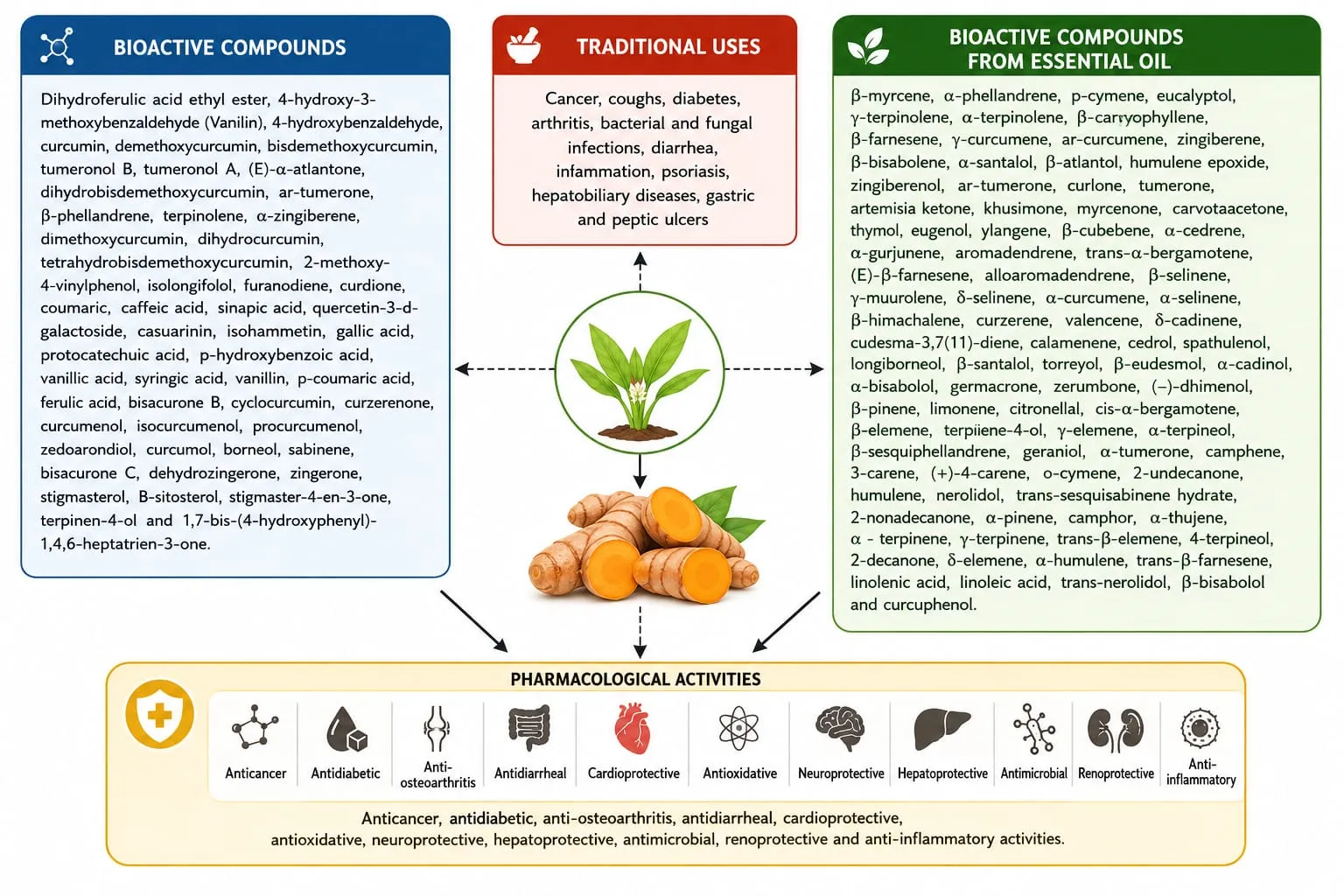
Traditional uses, bioactive constituents, and pharmacological activities of Curciumin longa.
Anthelmintic activity
The liver fluke species, Fasciola hepatica and Fasciola gigantica, responsible for liver rot disease, fasciolosis, are widespread among ruminants in Asia, Africa and parts of Europe. The disease incurs huge economic losses worldwide including India where animal wealth contributes enormously to the agrarian based economy. Though fasciolosis is primarily of veterinary importance but human infections have also been reported throughout the world and a huge population is at risk. In India where the tropical species, F. gigantica, is more common, the human liver fluke infections have also been reported from different regions. Both adult and juvenile flukes of this species can be effectively treated by the flukicide, triclabendazole (TCBZ), Human liver fluke infections have also been documented from various parts of India, where the tropical species F. gigantica is more prevalent. The flukicide triclabendazole (TCBZ) is a successful treatment for both adult and young flukes of this species; nevertheless, anthelmintic resistance in liver flukes is becoming more common. Anthelmintic resistance in liver flukes is prevalent. have been reported from all over the world. As a result, there is an urgent need to find new and more potent substitutes as well as validate new drug and vaccine targets, such as cysteine proteases like cathepsins and glutathione-S-transferases, which have been verified using functional genomics and proteomic techniques. GSTs and cathepsins are essential for the flukes' survival and pathogenicity.
Antimicrobial Effects
potential antibacterial agent for deadly bacterial infections could be turmeric. The use of turmeric leaf essential oil considerably reduces the generation of aflatoxins B1 and G1 as well as fungal growth. Curcumin is a highly active agent, but its applications are limited by its decreased aqueous solubility. In reality, the antibacterial effect of nanocurcumin is achieved by totally rupturing the cell wall, which results in cell death [47]. Turmeric's antimicrobial properties were assessed against three Gram-negative bacteria (E. coli, K. pneumoniae, and Pseudomonas sp.).
and three Gram-positive bacteria (L. innocua, S. aureus, and E. faecalis). Each isolate from pure cultures of the corresponding strains was cultivated separately in 500 μL of trypticase soy broth (TSB) and incubated for 24 hours at 37 °C. After vortexing the pre-grown cultures, 10 μL was transfer-inoculated into 180 μL TSB and that was supplemented with different quantities of turmeric ethanol extract dissolved in DMSO (i.e., 0.1, 1, and 10 mg turmeric equivalents mL−1) in 96-well plates. TSB containing 0, 0.1, 1, and 10% DMSO without turmeric was used as an assay control because DMSO can have antibacterial properties at high concentrations. Every plate was incubated for 24 hours at 37 °C while being shaken at 180 rpm. A Multiscan FC plate reader (Thermo Scientific, Waltham, MA) was used to measure the optical density absorbance at 600 nm (OD600) at 0, 3, 6, 12, and 24 hours. Bacterial growth-related OD600 data were adjusted to bacteria-free negative control blanks. Three biological replicate plates were used for each experiment, and the average of the technical replicates for each treatment was calculated.[48]
Anticancer Effect
There are several preclinical studies evaluating curcumin's anticancer activity in the literature, and its associated mechanism of action is receiving more and more attention. It has been demonstrated that curcumin inhibits the growth of cancer cells and angiogenesis. Additionally, it causes cancer cells to undergo apoptosis and inhibits their ability to spread. the several biochemical targets that curcumin either upregulates or downregulates.[22]
Antidiabetic Properties
Turmeric plays a major impact in diabetes, according to experimental research. Adipocyte differentiation has been found to be dose-dependently stimulated by hexane extract (containing ar-turmerone), ethanolic extract (containing ar-turmerone, curcumin, demethoxycurcumin, and bisdemethoxycurcumin), and ethanolic extract from the hexane extraction residue (containing curcumin, demethoxycurcumin, and bisdemethoxycurcumin). The outcome demonstrates that the ethanolic extract of turmeric, which contains both curcuminoids and sesquiterpenoids, has a stronger hypoglycemic effect than either of these compounds alone. Turmeric has amazing effects on insulin and postprandial plasma glucose. It was observed that the ingestion of 6 g Curcuma longa had no significant effect on the glucose response [15–20]. Insulin changes extensively higher 30 min and 60 min after the OGTT including Curcuma longa. It is also been observed that AUC of insulin increases significantly after the ingestion of Curcuma. longa and OGTT. Turmeric also decreases complications in diabetes mellitus. Experimental study on albino rats shows the effectiveness of turmeric on blood sugar and polyol pathway found that both turmeric and curcumin decreased blood sugar level in alloxan-induced diabetes [49]
Curcumin and cancer:
While conventional medicines are the norm for all types of cancer, some patients are also seeking relief through complementary therapies. For some, this entails incorporating curcumin into their regular routine.The primary active component of the spice turmeric is curcumin. Turmeric is employed in traditional Indian medicine, despite its primary use as a culinary spice. Curcumin, its extract, is believed to provide numerous health advantages. Its potential to treat cancer and other illnesses is being studied by researchers [50].
Potential Uses Of curcumin:
There are many other uses of turmeric:
1. Enhances the liver's capacity to eliminate harmful substances ingested by the body
2. Prevents the body's cholesterol from oxidizing, which is the primary cause of atherosclerosis and diabetic heart disease.
3. Offers a natural source of vitamin B6, which lowers homocysteine levels and shields blood vessel walls.
4. Reduces cholesterol
5. Offers defense against Alzheimer's and other neurodegenerative illnesses
6. Supports the management of cystic fibrosis
7. Handles intestinal issues
8. Lessens inflammation in the eye's middle layer
9. Handles liver conditions such as cirrhosis, hepatitis, jaundice, and enlarged hepatic ducts 10. reduces arthritic pain
11. Eases the discomfort of menstrual cramps
12. Treats bacterial infections
13. Treats ailments of the skin, such as psoriasis
14. Protects or may protect against HIV [21]
Risks and warnings Drug interactions
According to some research, turmeric may interfere with chemotherapy medications. This is especially true for the medications cyclophosphamide and doxorubicin. Consult your physician before taking curcumin or turmeric if you are receiving chemotherapy.Your body may produce more stomach acid if you take turmeric. Therefore, it might make acid-reducing drugs less effective. Acid reflux medicine falls within this category.Turmeric can enhance the efficacy of blood sugar-lowering medications if you have diabetes. Taking turmeric may cause your blood sugar to drop to a dangerously low level.The spice can also amplify the effects of blood-thinning medications. This can increase your risk for bleeding.[50]
10.Market overview of curcumin:
The curcumin market was estimated to be worth USD 98.9 million in 2024 and is expected to increase at a compound annual growth rate (CAGR) of 11.9% from 2025 to 2030, from USD 135.3 million in 2026 to USD 199.7 million by 2030. With a 50.5% sales share in 2024, North America dominated the market. The intrinsic qualities of curcumin, such as its anti-inflammatory, anti-cancer, and antioxidant qualities, are responsible for the market's expansion.
10.1Key Market Trends & Insights
• In 2024, the North American curcumin market was dominated by the United States. • With the highest revenue share of 52.2% in 2024, the pharmaceutical sector dominated the market by application.
10.2Market Size & Forecast
• Market Size: USD 98.9 million in 2024 • The by 2030.
• CAGR: 11.9% from 2025 to 2030 market is expected to be worth USD 199.7 million
North America will be the biggest regional market in 2024.
Future prospects
Black turmeric's chemical makeup can be optimized with the help of cutting-edge genetic engineering research, with an emphasis on boosting important components like curcuminoids. The production of turmeric cultivars enhanced with therapeutic ingredients can be aided by the application of advanced genetic techniques. Postharvest technologies have the potential to further preserve and improve the phytochemical profile when strategically incorporated. Given curcuminoids' established anticancer, antiulcerogenic, neuropharmacological, and antidepressant effects, this is especially important. The complexities of these pharmacological effects, however, call for more thorough research to clarify the exact molecular pathways and possible synergies, setting the stage for focused therapeutic applications. To optimize its medicinal applications, future research should concentrate on molecular mechanisms, clinical trials, and formulation development.[51]
DISCUSSION
This study establishes a scientific basis for the traditional medicinal uses of five native Ayurvedic plants by providing thorough phytochemical analysis and therapeutic validation. The reproducible isolation of bioactive ingredients made possible by the standardized extraction techniques developed here addresses important quality control issues in the development of herbal medicines. Species-specific accumulation patterns indicating evolutionary biochemistry and ecological adaptations were discovered by quantitative phytochemical research. the observed relationship between antioxidant activity and phenolic content. Complex biochemical pathways and plant defense mechanisms against biotic and abiotic stressors are reflected in the observed phytochemical diversity. Ashwagandha and Brahmi use alkaloid production for both physiological modulation and defense against herbivores. Ashwagandha's withanolides alter neuroendocrine signaling pathways, which explains the adaptogenic benefits seen in immune system and stress management. By enhancing synaptic transmission through neurotransmitter modulation, bacosides in Brahmi validate cognitive pathways for innovative therapeutic development while safeguarding cultural medical heritage for future generations.[52]
CONCLUSION
Phytochemical profiling plays a vital role in identifying and characterizing bioactive compounds present in medicinal and other phytochemical-yielding plants. These compounds, including alkaloids, flavonoids, tannins, phenolic compounds, terpenoids, and glycosides, possess diverse pharmacological activities such as antioxidant, antimicrobial, anti-inflammatory, antidiabetic, and anticancer effects. Advanced analytical techniques, including HPLC, GC–MS, and LC–MS, have improved the identification and characterization of plant-derived chemical constituents. However, variations in phytochemical composition due to geographical conditions, climate, harvesting time, extraction methods, and plant maturity may influence their therapeutic effectiveness. Further research is required to establish the safety, efficacy, bioavailability, and standardization of plant-derived compounds through appropriate pharmacological studies and clinical trials. In conclusion, integrating phytochemical investigations with modern analytical methods and evidence-based pharmacological research can contribute to the discovery of novel therapeutic agents and promote the scientific development of plant-based medicines. It has been revealed by wide-range of survey of the literature that Curcuma longa with diverse pharmacological characteristics is considered as a Universal panacea among the herbal medicine. This plant considered as a versatile medicinal plant which is responsible for the various usefulness as it possess various types of chemical compounds. So, it is obvious that to combat with the diseases a wide-ranged research is required to find their therapeutic utility C. longa with its various pharmacological features has been characterized as a universal panacea among herbal remedies, as per the literature survey. This plant is regarded as a potent medicinal plant with a wide range of potent pharmacological properties due to the presence of numerous chemical components including starch, essential elements, proteins, vitamins, volatile oils, curcumin, and curcuminoids. Curcumin has a long history of use as a culinary spice and food color, as well as a component of Ayurvedic and Chinese medicine. Curcumin has a variety of beneficial effects on humans, according to science.
REFERENCES
and functional characteristics of wild turmeric (Curcuma aromatica) fermented with Rhizopus oligosporus 10.1016/j.fochx.2021.100198DIO
International Journal of Advancement in Life Sciences ResearchISSN: 25814877Volume: 9Issue: 2Pages: 1 - 16ReviewOpen Access2026EID: 2-s2.0-105036844722
DOI: 10.31632/ijalsr.2026.v09i02.001
W. F. A., El-Wafai, N. A., Abou-Aly, H. E., Sitohy, B., Abd El-Hack, M. E., El-Tarabily, K. A., & Saad, A. M. (2023). Impacts of turmeric and its principal bioactive curcumin on human health: Pharmaceutical, medicinal, and food applications: A comprehensive review. Frontiers in nutrition, 9, 1040259. https://doi.org/10.3389/fnut.2022.1040259
Wang, Z.; Zhong, W.; Zhao, W.; Zhou, Q.; Wang, Y.; Zhang, B.; Lin, Z. Turmeric: A Comprehensive Review of Its Botany, Traditional Uses, Phytochemistry, and Mechanisms as a Functional Food. Nutrients 2026, 18, 1197. https://doi.org/10.3390/nu18081197
Chen, Y.; Shukurova, M.K.; Asikin, Y.; Kusano, M.; Watanabe, K.N. Characterization of Volatile Organic Compounds in Mango Ginger (Curcuma amada Roxb.) from Myanmar. Metabolites 2021, 11, 21. https://doi.org/10.3390/metabo11010021

D. K. Wagh, J. K. Chavan, N. P. Patil, M. D. Pen-dharkar, S. P. Pawars, Phytochemical Profiling and Therapeutic Potential of Curcumin Yielding Plants, Int. J. of Pharm. Sci., 2026, Vol 4, Issue 11, 3565-3581. https://doi.org/10.5281/zenodo.24393964
 10.5281/zenodo.24393964