

We use cookies to ensure our website works properly and to personalise your experience. Cookies policy
University of pharmaceutical sciences,JNTU, Hyderabad.
A simple, Précised, Accurate method was developed for the estimation of Gepotidacin by RP-HPLC technique. Chromatographic conditions used are stationary phase Agilent C18 250mm x 4.6 mm, 5m ,Mobile phase 0.01N Kh2po4: Acetonitrile in the ratio of 60:40 and flow rate was maintained at 1.0ml/min, detection wave length was 288nm, column temperature was set to 30oC and diluent was mobile phase Conditions were finalized as optimized method. System suitability parameters were studied by injecting the standard six times and results were well under the acceptance criteria. Linearity study was carried out between 25% to150 % levels, R2 value was found to be as 0.999. Precision was found to be 0.5 for repeatability and 0.8 for intermediate precision. LOD and LOQ are 0.13µg/ml and 0.40µg/ml respectively
Urinary tract infections (UTIs) rank as one of the most prevalent bacterial infections, especially in women, with uncomplicated UTIs being a significant reason for oral antimicrobial treatment. The rising antimicrobial resistance in common uropathogens has gradually diminished the efficacy of existing oral antibiotics, leading to a demand for antibacterial agents with new mechanisms of action. Escherichia coli is the main organism responsible, whereas other pathogens like Klebsiella pneumoniae, Proteus mirabilis, Citrobacter freundii complex, Staphylococcus saprophyticus, and Enterococcus faecalis may also be linked to uncomplicated UTIs. [1–3]
Gepotidacin is a novel, bactericidal antibiotic that falls under the triazaacenaphthylene category. It features a unique mode of action that includes blocking bacterial type II topoisomerases, specifically DNA gyrase and topoisomerase IV, which are crucial for bacterial DNA replication and chromosome division. Gepotidacin attaches to a unique location on these enzymes in contrast with known antibacterial classes, leading to a mechanism that differs from fluoroquinolone-induced inhibition of DNA gyrase and topoisomerase IV. This unique mechanism offers efficacy against various bacterial isolates, including certain organisms that possess resistance factors to conventional antibiotics. [3,4]
The pharmacological properties of gepotidacin are especially significant regarding antimicrobial resistance. Gepotidacin offers antibacterial effects against susceptible Gram-negative and Gram-positive uropathogens, such as E. coli, K. pneumoniae, C. freundii complex, S. saprophyticus, and E. faecalis, by uniquely interacting with DNA gyrase and topoisomerase IV. The FDA evaluation indicated that gepotidacin exhibited no in-vitro target-specific cross-resistance with other classes of antibacterial agents and maintained effectiveness against isolates with various known resistance mechanisms. [4]
The pivotal phase III studies EAGLE-2 and EAGLE-3 assessed the clinical effectiveness of gepotidacin for uncomplicated UTI. These active-controlled, multicenter, double-blind, double-dummy, randomized trials assessed oral gepotidacin against nitrofurantoin in women with uncomplicated UTIs. Participants were administered gepotidacin 1500 mg two times daily or nitrofurantoin 100 mg two times daily for a duration of 5 days. The studies aimed to assess a combined clinical and microbiological outcome and showed that gepotidacin was not inferior to nitrofurantoin in treating uncomplicated UTI. [5]
The clinical findings from these studies were particularly relevant because gepotidacin demonstrated activity against uropathogens with clinically important resistance characteristics. Analysis of isolates from EAGLE-2 and EAGLE-3 showed that a substantial proportion of E. coli isolates carried quinolone resistance-determining region mutations, while extended-spectrum β-lactamase-producing isolates were also identified. Gepotidacin retained in-vitro activity against many of these characterized isolates, supporting its potential role as an additional oral antibacterial option. [6,7]
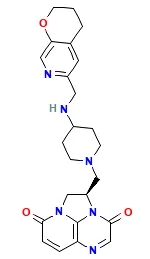
Figure 1: Structure of Gepotidacin9
A straightforward, affordable stability-indicating simultaneous estimation of Gepotidacin by HPLC in pharmaceutical dosage form must be developed and verified in accordance with ICH criteria (Q2 specification) since more economical methods were found in the evaluation of literature.11-18
MATERIALS AND METHODS:
Gepotidacin (API), Acetonitrile, Methanol, Ortho Phosphoric Acid, Distilled water. All of the solvents and chemicals were of UPLC quality and obtained from Rankem Chemicals Pvt Ltd.
Instrumentation:
Waters HPLC 2695 with PDA detector embedded with empower 2 software, Hotair oven, Analytical Weigh balance, ultra sonicator.
API Formulation
Preparation of Standard Solutions and Working Solution: 30mg of Gepotidacin was placed in a 50ml volumetric flask containing 40ml of diluent and sonicated for 5–10 minutes until the drug dissolved, then the volume was brought up to 50ml, and this was designated as the standard solution. And by transferring 1ml from the standard solution in
Sample Formulation
Preparation of Sample solutions and Working Solution: Precisely activate the nasal spray device and gather the equivalent of one spray (750 mg Gepotidacin) into a 100 mL volumetric flask. Incorporate approximately 70 mL of diluent, sonicate for 10 minutes to guarantee thorough dissolution, and adjust the volume with the diluent, filtering through HPLC filters and pipetting 1 mL from the standard solution.
Method Validation:
It is a necessary step to guarantee that every test procedure delivers reliable and accurate data. This stringent approach is required by authorities worldwide as part of technique validation in pharmaceuticals to ensure medicine quality and patient safety.
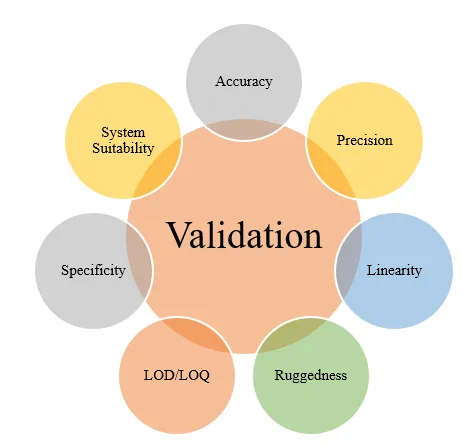
Figure 2: Validation Parameters Chart
System suitability parameters:
System suitability testing is carried out prior to or during sample analysis to ensure that the HPLC system is functioning properly.
Specificity: Specificity pertains to the analytical technique's ability to accurately quantify Gepotidacin amidst other elements like impurities, breakdown products, excipients, solvents, and mobile-phase constituents.
Precision: Precision indicates the degree of agreement between individual measurements.
It is generally evaluated at 2 levels:
A. Repeatability
Six independent sample preparations at the target concentration are analyzed under the same analytical conditions.
B. Intermediate Precision: Intermediate precision evaluates variations such as:
1. Different analyst
2. Different day
3. Different instrument
4. Different column, where applicable
Linearity: Linearity displays the method's capacity to produce test findings that are directly proportional to the concentration of Gepotidacin within the specified range. Of 25%, 50%, 75%, 100%, 125%, 150%.
Accuracy: Accuracy signifies how closely the experimentally determined value aligns with the true value. It is performed in 3 level from 50% to 150%.
Sensitivity:
Limit of detection and Limit of Quantification
LOD and LOQ were calculated from the average slope and standard deviation from the calibration curve as per ICH guidelines.
Robustness: Robustness indicates the ability of the HPLC method to stay stable despite minor, intentional changes in analytical conditions.
Assay:
The assay and percentage of purity were determined for the brand Blujepa with a label claim of 750mg. The measured value was contrasted with the standard value, unaffected by the excipients present in the nasal formulation.
Degradation Studies
These experiments are conducted under different stress conditions to assess the stability of the pure drug substance and assist in establishing appropriate storage conditions. These investigations encompass base, peroxide, acid, neutral hydrolysis, photo, and thermal degradation.
Oxidation:
To 1 ml of Gepotidacin stock solution, 1 ml of 20% hydrogen peroxide (H2O2) was added individually. The solutions were stored at 60°C for 30 minutes. In the HPLC analysis, the resulting solution was diluted to achieve a concentration of 60µg/ml, and 10µl was injected into the system, with chromatograms recorded to evaluate the sample's stability.
Acid Degradation Studies:
To 1 ml of stock solution Gepotidacin, 1ml of 2N Hydrochloric acid was added and refluxed for 30mins at 60oc. For HPLC study, the resultant solution was diluted to obtain 60µg/ml solution and 10µl were injected into the system and the chromatograms were recorded to assess the stability of sample.
Alkali Degradation Studies:
To 1 ml of Gepotidacin stock solution, 1 ml of 2N sodium hydroxide was added and refluxed for 30 minutes at 60°C. For the HPLC analysis, the obtained solution was diluted to create a 60µg/ml concentration, and 10µl was injected into the apparatus, with the chromatograms being documented to evaluate sample stability.
Dry Heat Degradation Studies:
The standard drug solution was heated in an oven at 105°C for 6 hours to investigate dry heat deterioration. For HPLC analysis, the prepared solution was diluted to achieve a concentration of 60µg/ml, and 10µl was injected into the system, with chromatograms recorded to evaluate the sample's stability.
Photo Stability studies:
The drug's photochemical stability was examined by subjecting the 140µg/ml solution to UV Light, placing the beaker in a UV Chamber for 7 days or 200 Watt hours/m2 in a photostability chamber. In the HPLC analysis, the resulting solution was diluted to achieve a concentration of 60µg/ml, and 10µl was injected into the system while the chromatograms were documented to evaluate the sample's stability.
Neutral Degradation Studies:
Stress testing under neutral conditions involved refluxing the drug in water for 6 hours at a temperature of 60º. For the HPLC analysis, the final solution was diluted to create a 60µg/ml concentration, and 10µl were injected into the apparatus while the chromatograms were captured to evaluate the sample's stability.
RESULT AND DISCUSSION
Table 1: Optimized Condition
| Parameter | Condition |
|---|---|
| Mobile phase | 0.01N Kh2po4: Acetonitrile (60:40) |
| Flow rate | 1.0 ml/min |
| Column | Agilent C18 (4.6 x 250mm, 5µm) |
| Detector wave length | 288 nm |
| Column temperature | 30°C |
| Injection volume | 10mL |
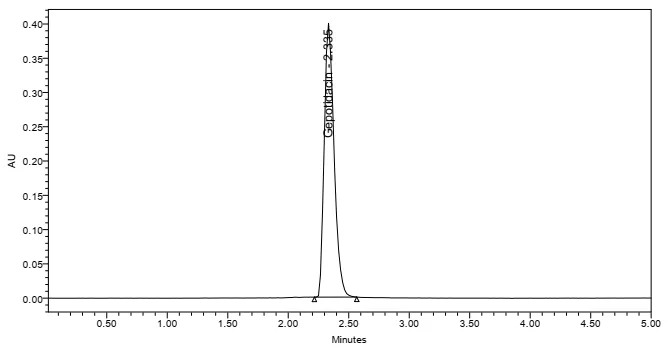
Figure 3: Optimized Chromatogram
System Suitability:
Table 2: System Suitability
| S no | Gepotidacin | ||||
|---|---|---|---|---|---|
| Injection | RT | area | Plate Count | Tailing | |
| Injection-1 | 2.354 | 211397 | 3843 | 1.41 | |
| Injection-2 | 2.354 | 212698 | 3971 | 1.44 | |
| Injection-3 | 2.355 | 212655 | 4164 | 1.41 | |
| Injection-4 | 2.356 | 213445 | 3601 | 1.43 | |
| Injection-5 | 2.356 | 212370 | 4208 | 1.40 | |
| Injection-6 | 2.358 | 214200 | 3892 | 1.43 | |
| Mean | 212794 | ||||
| Std ev | 955.0 | ||||
| RSD | 0.4 | ||||
The standard solution was injected six times, yielding the corresponding chromatograms. The theoretical plate count surpassed 2,000, the USP tailing remained below 2, and the percent RSD was below 2%, based on observations. Every requirement for system suitability was satisfied and lies within acceptable limits.
Linearity:
Six concentrations between 15 and 90 µg/ml were created, and linearity was evaluated in duplicate. The linearity equation for Gepotidacin was y = 3781.9x + 312.04. The data for the calibration curve within the concentration range demonstrated a strong correlation.
Table 3: Linearity Data
| Concentration (ppm) | *Peak area |
|---|---|
| 0 | 0 |
| 15 | 57208 |
| 30 | 117589 |
| 45 | 165563 |
| 60 | 225975 |
| 75 | 286999 |
| 90 | 340139 |
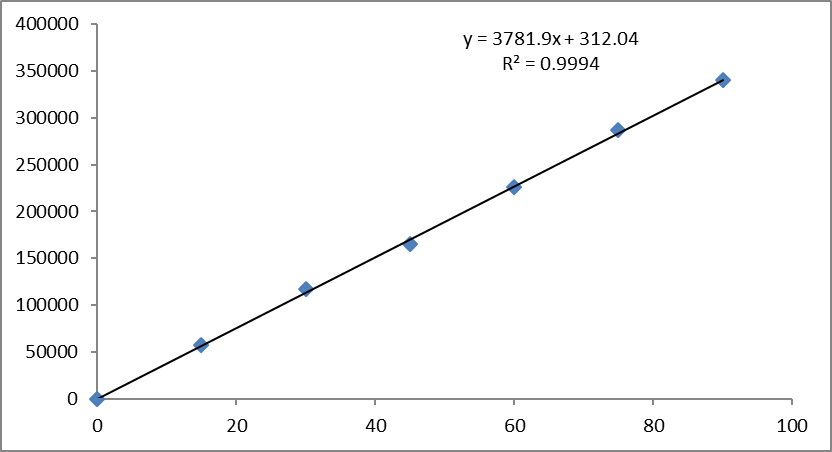
Figure 4: Calibration Curve of Gepotidacin
DISCUSSION:
| Regression coefficient | 3781.9x + 312.04 |
|---|---|
| R2 | 0.999 |
| Slope | 3781.9 |
| Intercept | 312.04 |
Accuracy:
Three different concentrations were administered at each level, and the average % recovery was determined. The recovery rate for gepotidacin was noted to be between 99% and 100%, falling within the acceptable limits.
Table 4: Accuracy Data
| % Level | Amount Spiked (μg/mL) | Amount recovered (μg/mL) | % Recovery | Mean %Recovery |
|---|---|---|---|---|
| 50% | 30 | 29.92 | 99.74 | 99.88% |
| 29.98 | 99.95 | |||
| 30.16 | 100.53 | |||
| 100% | 60 | 59.72 | 99.54 | |
| 59.93 | 99.88 | |||
| 59.89 | 99.81 | |||
| 150% | 90 | 89.59 | 99.54 | |
| 90.15 | 100.16 | |||
| 89.76 | 99.73 |
Precision
Table 5: Precision Data
| S. No | Method Precision | Intermediate Precision |
|---|---|---|
| Injection-1 | 212292 | 208016 |
| Injection-2 | 213037 | 209208 |
| Injection-3 | 213075 | 210085 |
| Injection-4 | 213094 | 208305 |
| Injection-5 | 215228 | 205593 |
| Injection-6 | 213169 | 206351 |
| Mean | 213316 | 207926 |
| S.D | 991.1 | 1695.9 |
| %RSD | 0.5 | 0.8 |
Sensitivity
Table 6: LOD and LOQ Data
| Molecule | LOD | LOQ |
|---|---|---|
| Gepotidacin | 0.13 µg/ml | 0.40 µg/ml |
Robustness:
Table 7: Robustness Data
| S.no | Condition | %RSD of Gepotidacin |
|---|---|---|
| 1 | Flow rate (-)0.9ml/min | 0.1 |
| 2 | Flow rate (+) 1.1ml/min | 0.7 |
| 3 | Mobile phase (-) 55B:45A | 0.2 |
| 4 | Mobile phase (+) 65B:35A | 0.6 |
| 5 | Temperature (-) 27°C | 0.7 |
| 6 | Temperature (+) 33°C | 1.1 |
Assay
Table 8: % Assay Purity Data
| Formulation | Label claim(mg) | % Assay* |
|---|---|---|
| Blujepa | Gepotidacin 750 mg | 99.84 %w/w |
Degradation studies:
Table 9: Force Degradation Studies
| S.No | Condition | % Drug Degraded | %Drug Recorded |
|---|---|---|---|
| 1 | Acid | 92.73 | 7.27 |
| 2 | Alkali | 93.30 | 6.70 |
| 3 | Oxidation | 94.16 | 5.84 |
| 4 | Thermal | 96.44 | 3.56 |
| 5 | UV | 97.94 | 2.06 |
| 6 | Water | 99.16 | 0.84 |
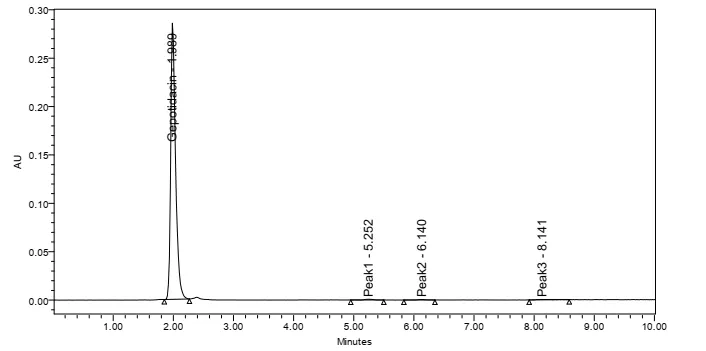
Figure 5: Acid Degradation Chromatogram
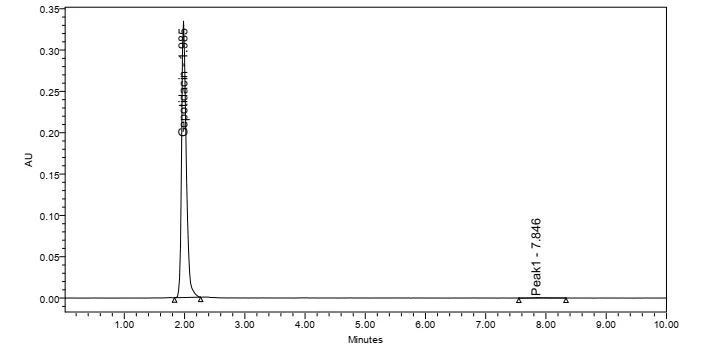
Figure 6: Base Degradation Chromatogram
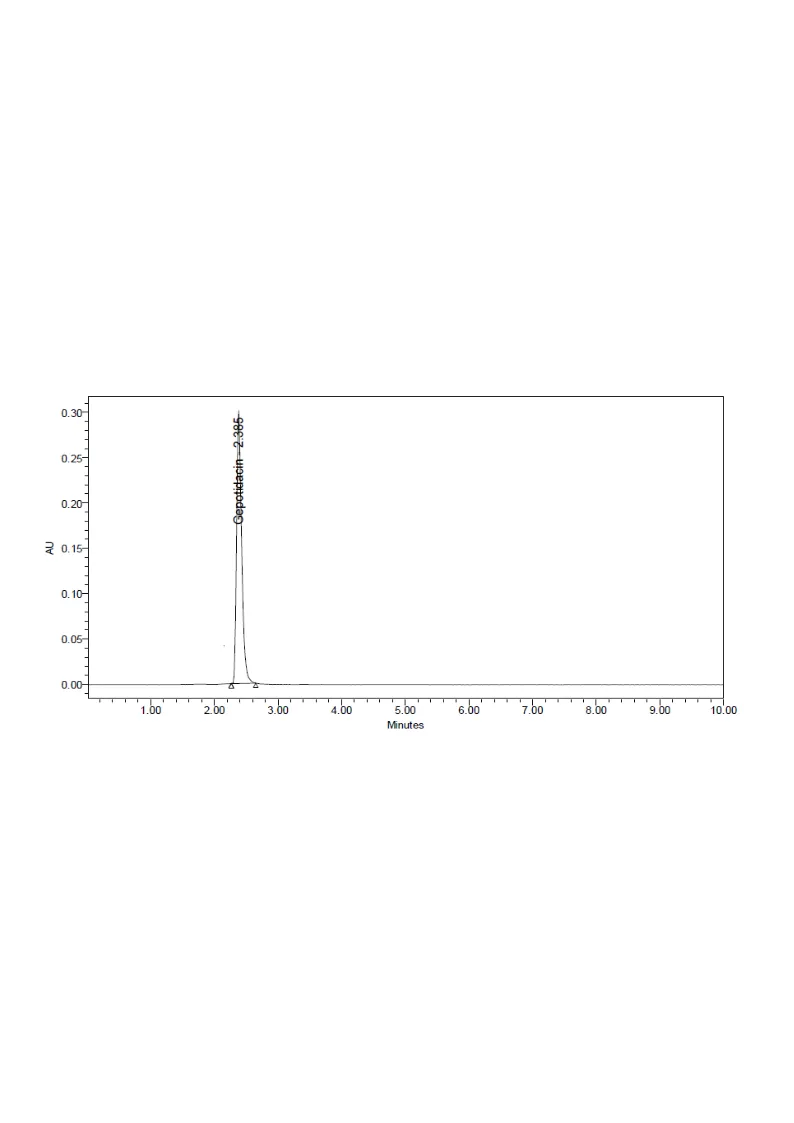
Figure 7: Peroxide Degradation Chromatogram
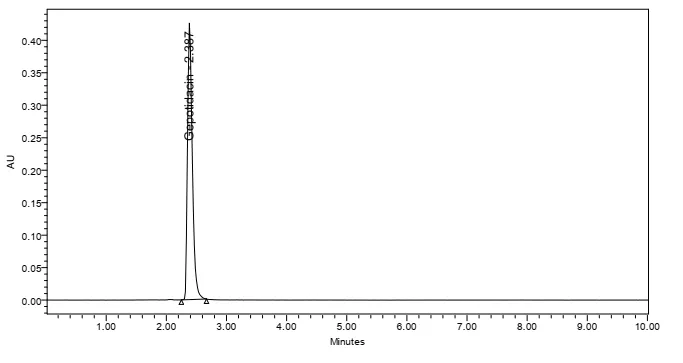
Figure 8: Thermal Degradation Chromatogram
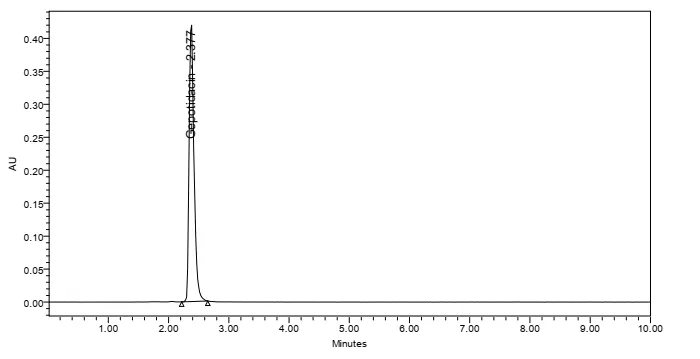
Figure 9: UV Degradation Chromatogram
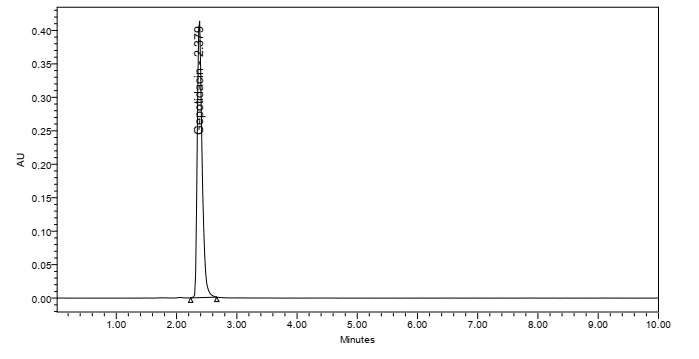
Figure 10: Water Degradation Chromatogram
CONCLUSION:
In conclusion, the HPLC analysis findings for Gepotidacin show that this technique can accurately assess the drug's concentration and purity. The method's excellent repeatability, precise peak resolutions, and consistent retention times make it ideal for routine quality control and pharmacokinetic investigations. In examining Gepotidacin's properties, HPLC plays an essential role in verifying its efficacy and safety for clinical use.
ACKNOWLEDGEMENT:
The authors are thankful to, Department of Pharmaceutical Analysis, JNTU, India and Spectrum Pharma Research Solutions, Hyderabad, Telangana, India.
REFERENCES

Panneeru Akshaya, A Stability Indicating RP-HPLC Method Development and Validation for the Determination of Gepotidacin in Bulk Drug and Pharmaceutical Dosage Form as per ICH Guidelines, Int. J. of Pharm. Sci., 2026, Vol 4, Issue 11, 3683-3692. https://doi.org/10.5281/zenodo.24413278
 10.5281/zenodo.24413278