

We use cookies to ensure our website works properly and to personalise your experience. Cookies policy
Jaywant institute of pharmacy, Wathar.
Costus igneus, commonly known as the insulin plant, is a medicinal and ornamental plant belonging to the family Costaceae. It is widely cultivated in India for its attractive spiral arrangement of leaves and has gained considerable attention in traditional medicine due to its potential antidiabetic properties. Traditionally, the leaves of this plant have been used as a complementary herbal remedy to support blood glucose management. The growing interest in plant-based medicines has encouraged scientific investigations into its phytochemical composition, pharmacological activities, and possible therapeutic applications. Phytochemical studies suggest that Costus igneus contains various bioactive constituents, including flavonoids, phenolic compounds, alkaloids, terpenoids, and other phytochemicals that may contribute to its biological activities. Experimental studies have explored its potential antioxidant, antidiabetic, and other pharmacological effects, particularly its possible influence on glucose metabolism and oxidative stress. However, the available evidence varies in quality, and findings from laboratory and animal studies cannot be directly interpreted as proof of clinical effectiveness in humans. This review aims to provide an overview of the botanical characteristics, geographical distribution, traditional uses, phytochemical constituents, and reported pharmacological activities of Costus igneus, with particular emphasis on its potential role in diabetes management. It also highlights the importance of evaluating its safety, effective dosage, possible interactions with conventional antidiabetic medicines, and long-term effects through well-designed scientific studies. A critical assessment of the existing literature may help identify research gaps and guide future investigations into the therapeutic potential of this plant. Overall, Costus igneus represents a promising subject for further pharmacological and clinical research, although its use should not replace prescribed diabetes treatment without appropriate medical guidance.
Diabetes mellitus is a long-term metabolic condition where blood sugar levels stay too high. This happens because the body either doesn’t make enough insulin, doesn’t respond properly to it, or both. With diabetes becoming more common worldwide, and with conventional treatments sometimes falling short, researchers are turning to medicinal plants as possible sources of new therapies.
Plants like Costus igneus (the “insulin plant”) are gaining attention because they may offer natural compounds that help regulate blood sugar, improve insulin sensitivity, and protect the body from complications linked to diabetes.
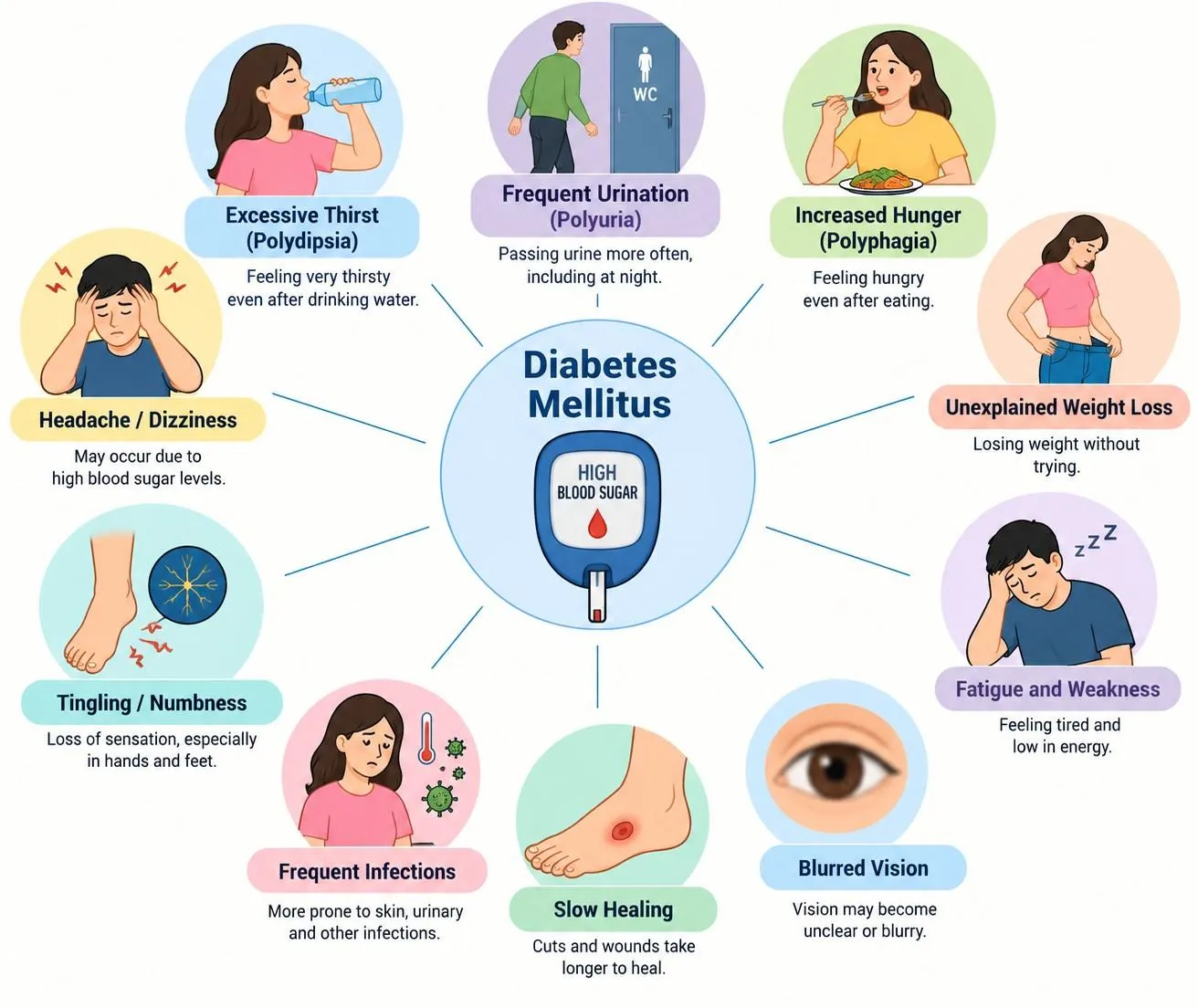
Figure 1: Symptoms of Diabetes Mellitus
• ETIOLOGICAL CLASSIFICATION OF DIABETES MELLITUS
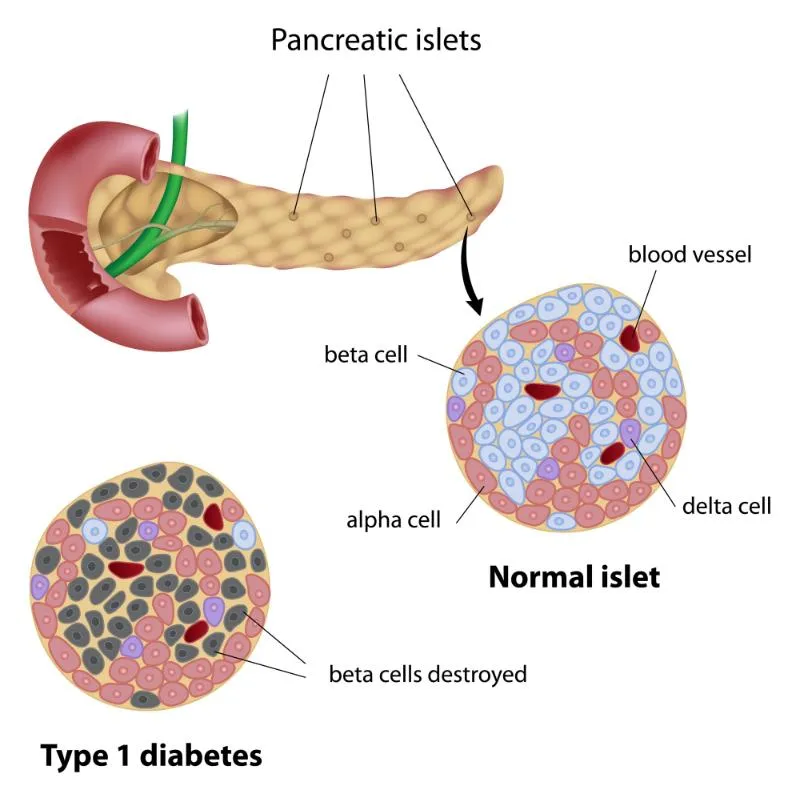
1. Type 1 Diabetes Mellitus
β-cell destruction → absolute insulin deficiency.
Type 1A: Autoimmune.
Type 1B: Idiopathic.
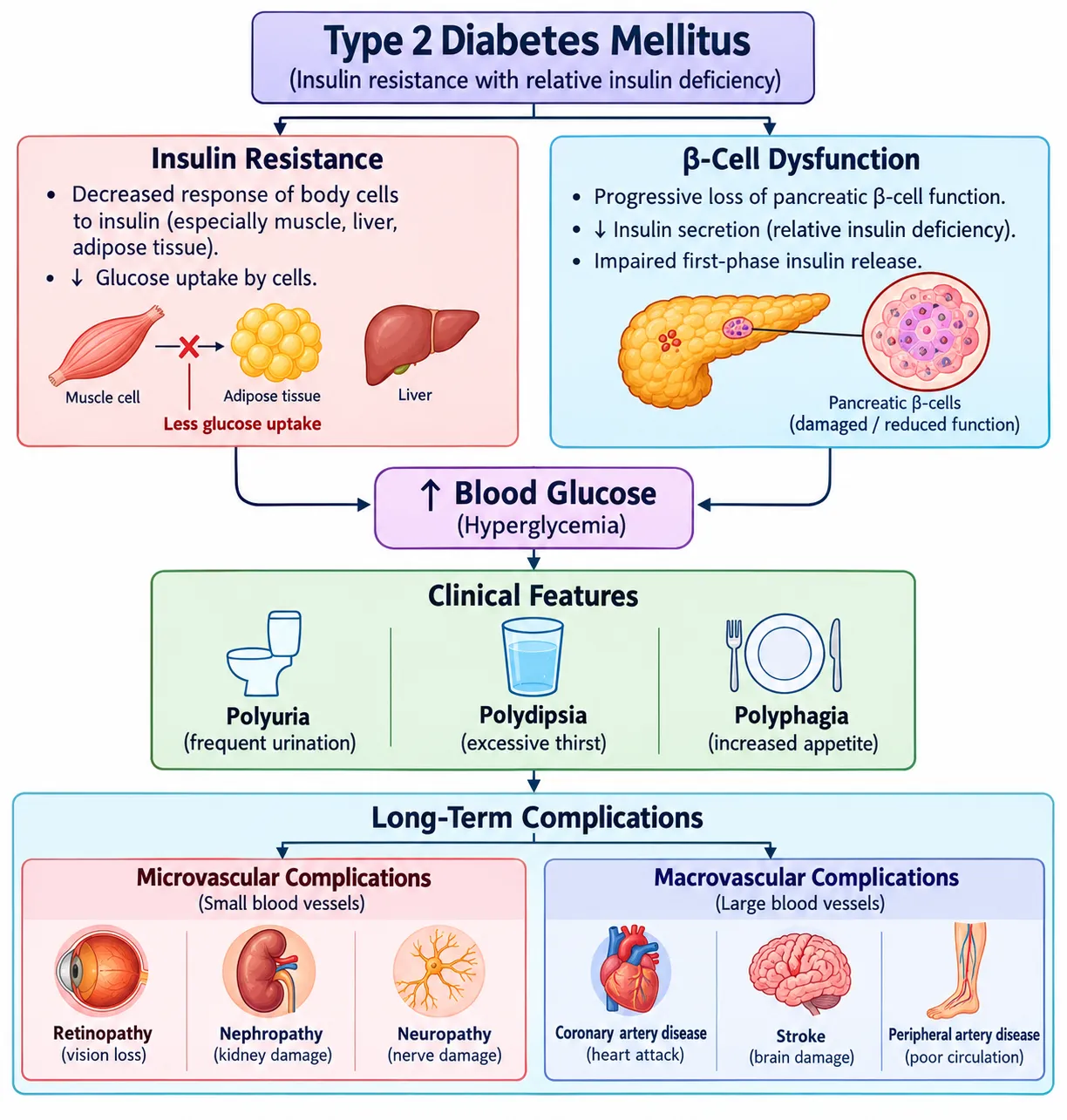
2. Type 2 Diabetes Mellitus
Insulin resistance with progressive β-cell dysfunction.
Usually associated with genetic and environmental factors such as obesity and physical inactivity.
3. Gestational Diabetes Mellitus (GDM)
Diabetes first diagnosed during pregnancy, generally identified in the second or third trimester.
It may resolve after delivery but increases the future risk of type 2 diabetes.
• ANTI-DIABETES
Antidiabetic drugs are medicines used to control blood glucose levels in patients with diabetes mellitus. They work by increasing insulin secretion, improving insulin sensitivity, reducing glucose absorption, or replacing insulin.
• HERBAL TREATMENT OF COSTUS INGNEUS ON DIABETIES MELLITUS
Costus igneus N.E.Br., commonly known as the insulin plant, is a medicinal plant belonging to the family Costaceae. It is widely distributed in tropical and subtropical regions and has gained considerable attention because of its traditional use in the management of diabetes mellitus. The leaves of C. igneus are particularly used in traditional medicine and are reported to contain various biologically active constituents, including flavonoids, phenolic compounds, alkaloids, terpenoids, steroids, glycosides, saponins and other polyphenolic constituents
Several preclinical studies have evaluated different extracts and fractions of C. igneus using in vitro and in vivo experimental models. Its reported antidiabetic effects include reduction of blood glucose levels, improvement in glucose tolerance, modulation of lipid metabolism and possible enhancement of insulin-related activity. The antioxidant properties of the plant may also contribute to its protective effects against oxidative stress associated with diabetes and other chronic disorders. However, differences in plant material, extraction methods, doses, experimental models and study designs make it difficult to compare findings direct.
• MECHANISM OF ACTION OF COSTUS INGNEUS
Commonly known as the Insulin Plant in treating diabetes mellitus relies on its rich concentration of bioactive phytochemicals most notably corosolic acid, flavonoids, alkaloids, steroids, saponins, and terpenoids.
These active compounds work synergistically across multiple organs and metabolic pathways to lower blood glucose levels and manage diabetes:
• Key Mechanisms of Action
1. Stimulation of Pancreatic \beta-Cells (Insulin Secretion)
Action: Compounds in Costus igneus act directly on the islet \beta-cells of the pancreas.
Effect: It stimulates pancreatic tissue to increase synthesis and release of endogenous insulin into the bloodstream, similar to the action of sulfonylurea medications.
2. Enhancement of Peripheral Glucose Uptake
Action: Bioactive constituents, particularly corosolic acid, enhance glucose transporter type 4 (GLUT4) translocation in skeletal muscle and adipose (fat) tissue.
Effect: This improves insulin sensitivity and allows peripheral tissues to absorb glucose rapidly from the bloodstream for storage or energy production.
3. Inhibition of Hepatic Gluconeogenesis
Action: It suppresses key liver enzymes responsible for converting non-carbohydrate sources into glucose (gluconeogenesis and glycogenolysis).
Effect: Prevents the liver from overproducing and releasing excess glucose into the blood, helping control fasting blood sugar levels.
4. Inhibition of Carbohydrate-Digesting Enzymes
Action: Extracts of the leaf inhibit digestive enzymes in the small intestine, specifically \alpha-glucosidase and \alpha-amylase.
Effect: Delays the breakdown and absorption of dietary carbohydrates in the gut, thereby reducing post-meal (postprandial) glucose spikes.
5. Antioxidant & Cytoprotective Activity
Action: Rich in flavonoids and polyphenols, the plant scavenges free radicals and increases endogenous antioxidant enzymes (like superoxide dismutase and catalase).
Effect: Reduces oxidative stress caused by chronic hyperglycemia, protecting pancreatic \beta-cells, renal tissue (kidneys), and hepatic tissue (liver) from cellular damage.
• SIDE EFFECTS AND RISKS
• Hypoglycaemia: Combining the herb with prescribed medications (like metformin or insulin) can cause blood sugar levels to crash dangerously low, potentially triggering diabetic shock.
• Digestive Issues: Some individuals experience mild toxicity symptoms, including nausea, dizziness, diarrhea, and stomach upset.
• Contraindications: Due to a lack of safety data, pregnant women and lactating mothers must strictly avoid consuming this plant.
• IMPORTANT SAFETY AND MEDICAL PRECAUTIONS
Not a replacement for medical care: Costus igneus should be viewed strictly as a complementary approach. It does not replace prescribed conventional treatments, such as oral hypoglycaemic medications or insulin therapy.
Risk of Hypoglycaemia: Combining the insulin plant with diabetes medications can potentially cause blood sugar levels to drop too low (hypoglycaemia).
Consult a Healthcare Professional: Always consult your physician or an endocrinologist before adding herbal supplements like Costus igneus to your regimen, especially if you are pregnant, nursing, or managing chronic kidney or liver condition
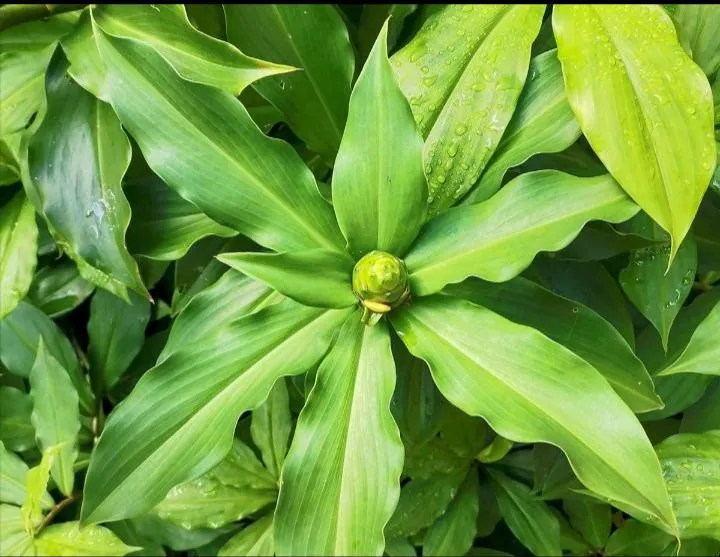
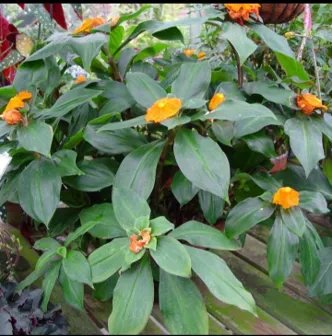
Figure 3: Costus Igneus
Botanical profile of Costus Igneus
I. Botanical name and Classification
Costus igneus is a perennial herbaceous plant belonging to the family Costaceae. It is widely named as “insulin plant” because its leaves have traditionally been used in the treatment of diabetes. These plant is also known as the Spiral Flag because its leaves are arranged in spiral shape.
• Scientific classification
II. Botanical Description
Costus igneus is perennial herbaceous plant found in tropical regions. It grows from underground rhizomes. These plant grow approximately 30 – 60 cm; however, height can be changed according to environmental conditions. Its stem grow straight in upward direction and during growth of plant it can be inclined towards the ground.
III. Leaves
These plant have simple, green coloured leaves and arranged spirally around the stem. Normally, leaves have rectangular to oval shape with smooth margins and pointed tips. The upper surface of leaves have dark green colour meanwhile lower surface have purplish colour sometimes. To find out possible effects on diabetes this leaves are mostly studied.
IV. Flowers
This plant has attractive orange-coloured flowers, usually arranged in compact, cone like inflorescence. Due to attractive colour of flowers, plant enhance it ornamental value and it is cultivated in gardens.
V. Roots and Rhizomes
The plant have an underground rhizome system that supports its growth and vegetative propagation. The roots and rhizomes help the plant to absorb water and essential nutrients from soil
VI. Geographical Distribution
Costus igneus is reported to originate from Central and South America and has been introduced into India. It is cultivated in tropical and subtropical regions. Specially, it cultivated as an ornamental plant and in home gardens.
VII. Traditional Uses
3. Phytoconstituents of COSTUS IGNEUS
Costus IGNEUS is a medicinal plant widely called as the “insulin plant” because it has traditionally been used to control blood-glucose level. In these plant various biologically active phytoconstituents like flavonoids, triterpenoids, phenolic compounds, alkaloids, glycosides, and steroids are observed during the phytochemical studies. These phytoconstituents are considered as important for the various pharmacological properties of the plant, specially anti-diabetic, anti-oxidant, anti-inflammatory and metabolic effects. To study the phytochemical profile of C. igneus different chromatographic and spectroscopic techniques has been used including TLC, HPLC, HPTLC, LC-MS, UHPLC, NMR and FTIR. Due to these techniques identification and examination of phytoconstituents in plant become possible.
3.1 Flavonoids
Flavonoids are an essential group of phytochemicals found in C. igneus plant. In research reported that C igneus plant consist quercetin, rutin and kaempferol derivatives. These compounds can be identified by using TLC, HPLC, and HPTLC techniques also, LC-MS and spectroscopic techniques may be used for structural confirmation.
3.1.1 Quercetin
Quercetin studied on large scale to understand the possible role in glucose regulation. According to reviewed research quercetin may affects on insulin related signalling pathway and also includes PI3K/ AKt pathway. These signalling pathway helps tissue which responsible for uptake and conversion of glucose in energy.
Quercetin has also been studied for its possible effects on pancreatic β- cell function and intestinal glucose absorption. Antioxidant activity may be beneficial in blood- glucose regulation because excessive oxidative stress can damage pancreatic cells involved in insulin secretion. Nonetheless, it is important to understand that these mechanisms do not prove that, the quercetin obtained from C. igneus plant can treat diabetes independently in humans.
3.1.2 Rutin
Rutin is another important flavonoid, which studied in relation to possible pharmacological effects of C. igneus plant. According to available research data rutin and their related compounds may consist antioxidant activity and also these compounds inhibit the action of carbohydrate- digesting enzymes, including α- amylase and α- glucosidase. These enzymes help to breakdown carbohydrates into simple sugars so, that can be absorbed by the body. Their inhibition may slow down digestion of carbohydrates and sudden rise in blood glucose level after meal. Further studies are required to understand exact contribution of rutin in diabetes specifically obtained from C. igneus.
3.1.3 Kaempferol Derivatives
Kaempferol Derivatives are also mentioned as the flavonoids associated with the plant. This group is valuable to phytochemical research because flavonoids may involve in antioxidant properties of plant extracts. However, available references do not prove that the clinical effectiveness of individual kaempferol derivatives isolated from C. igneus.
3.2 Triterpenoids
Triterpenoids are another group of compounds which discussed in the phytochemical and pharmacological research. Corosolic acid, Lupeol, α- amyrin and β- amyrin these compounds are involved in triterpenoids group. These compounds may have possible effects on glucose metabolism and anti- inflammatory processes. Further investigation of this compound becomes important.
3.2.1 Corosolic acid
Corosolic acid has gained particular attention because of its effect on glucose uptake. Experimental research has connected this compound with enhanced insulin receptor phosphorylation, a process involved in insulin signalling. The tissues use glucose more efficiently because These conclusions provide possible explanations of how corosolic acid play role in blood- glucose regulation. However, the results of experiments involving an isolated compound should be distinguished from evidence obtained using the complete C. igneus extract.
3.2.2 Lupeol
Lupeol is another triterpenoids compound which studied for their pharmacological effects in metabolic health. According to reviewed literature describes it’s potential linked with insulin sensitivity and lipid metabolism. These properties are important because the disturbances in glucose and lipid metabolism often occur in persons who suffers with diabetes. Although the results are promising, still more research is needed to determine exact contribution of Lupeol obtained from C. igneus, including it’s effective dose, absorption, safety, and effects in humans.
3.2.3 α- Amyrin and β- Amyrin
Α- amyrin and β- amyrin is mainly discussed for their antioxidant and anti-inflammatory properties. Oxidative stress and long-term inflammation are involved along with diabetes. The compounds which influence these effects can become useful in future research. Today, to find out the contribution of each compound of C. igneus against the diabetes requires more research.
3.2.4 Diosgenin
Diosgenin is another phytoconstituent investigated in C. igneus, which studied in various research. In 2026 systematic review includes studies of related to isolation, characterization and qualification of Diosgenin. Accurate identification and measurement of such compounds are important for development of standardization and helps to comparing results of various researches.
3.3 Phenolic Compounds
Phenolic compounds form another group of constituents related with the biological activities of medicinal plants. The available researches on C.igneus has been reported gallic acid, caffeic acid, ferulic acid and p- coumaric acid compounds are present in plant.
These compounds are mainly interested because of its antioxidant property. In experimental conditions these compounds can be helps to neutralize reactive oxygen species (ROS) and to reduce oxidative stress. This is significant to diabetes research because prolonged high blood glucose can damage in different tissues by oxidative stress.
Some phenolic compounds have also been investigated for their possible effects on carbohydrate- digesting enzymes and glucose metabolism. However, the biological activity of individual compounds depends on their concentration, availability and behaviour in the body. The presence of compounds in plant extract cannot prove their clinical effectiveness.
3.4 Alkaloids
Alkaloids are included among the phytochemical groups reported in the systematic review of C.igneus. Compounds belonging to this broad group can have different chemical structures and biological activities. Therefore, identification and characterization of compounds is an important part of phytochemical research. In available reviewed literature discussed about the alkaloids related possible metabolic, antioxidant, and anti-inflammatory effects. However, the evidence provided is insufficient to identify a particular alkaloid as the main compound responsible for the antidiabetic activity of C.igneus.
3.5 Glycosides
The recorded phytochemical profile of C.igneus included glycosides. In glycosides one sugar component is linked with another chemical group and their properties depends on their individual chemical structure. Different glycosides may have different biological activities. Further analytical studies are needed to identify which particular glycosides are present in different parts of plant and to determine overall pharmacological contribution of C.igneus.
3.6 Steroids
According to available research literature steroids are Their identification contributes to a wider understanding of the plant’s chemical composition. However, for clarification of specific steroidal compounds present in C.igneus plant and their individual pharmacological roles requires further research.
Table 1: Major Phytoconstituents Reported from Costus Igneus
| Phytochemical class | Essential constituents | Key aspects discussed |
|---|---|---|
| Flavonoids | Quercetin Rutin Kaempferol derivatives |
Antidiabetic Antioxidant Enzyme inhibition |
| Triterpenoids | Corosolic acid Lupeol α- amyrin β-amyrin Diosgenin |
Glucose regulation Insulin sensitivity Anti-inflammatory |
| Phenolic compounds | Gallic acid Caffeic acid Ferulic acid P- coumaric acid |
Antioxidant Anti- inflammatory Glucose regulation |
| Alkaloids | Alkaloids constituents | Glucose metabolism Antioxidant Anti-inflammatory |
| Glycosides | Flavonol Steroidal glycosides |
Anti-oxidant Metabolic potential |
| Steroids | Steroidal constituents | Part of overall phytochemical profile. |
• Importance of Phytochemical Standardization
In extract of medicinal plant phytochemical composition of constituents changes according to which part of plant is used, its geographical origin, harvesting conditions, extraction solvent, and analytical method. Therefore, biologically active compounds present in two extracts prepared from same species of plant may not contain identical concentration.
Thin layer chromatography (TLC), high performance liquid chromatography (HPLC), and mass spectrometry like techniques may use to identification and comparison of chemical constituents. The use of suitable marker compound in standardization would help to improve the consistency and reproducibility of future pharmacological studies. On the whole, phytochemical profile of C. igneus provides support to their recorded biological activities. Nevertheless, further chemical analysis and individual studies of specific compounds are required determine which constitutes play the most significant role in the pharmacological activities of C. igneus.
4. Pharmacological Uses of Costus igneus
Costus igneus has been evaluated for diverse pharmacological activities. According to various review articles, the plant is reported to exhibit antidiabetic, antimicrobial, anticancer, hypolipidemic, and antioxidant potential. These effects have been identified in several experimental studies. Some other biological activities are also cited in the literature; however, such reports must be analyzed carefully, as many of them are related to the Costus igenus as a whole and not specifically to Costus igneus.
4.1 Antidiabetic Activity
Among all pharmacological properties, the antidiabetic activity of _Costus igneus_ is the most extensively studied and important. The plant is popularly known as the "insulin plant" due to its traditional use in controlling blood sugar levels, where its leaves are commonly consumed for glycaemic management.
Based on existing scientific literature, the antidiabetic mechanism of action appears to be multifactorial and may involve:
i) Enhancing insulin sensitivity
ii) Promoting cellular glucose uptake
iii) Reducing the activity of carbohydrate-digesting enzymes
iv) Influencing insulin-dependent signalling pathways
v) Providing antioxidant protection
vi) Regulating insulin-related metabolic functions
4.2 Antioxidant Activity
Antioxidant activity of Costus igneus has been demonstrated using different parts of the plant, including leaves, stems, and rhizomes.
According to a review report published in 2025, various extracts of the plant showed antioxidant activity, out of which the ethanolic extract exhibited higher antioxidant potential as compared to the aqueous extract in the cited study.
Phenolic and flavonoid compounds are considered as the major antioxidant constituents, which possess the ability to neutralize reactive oxygen species easily. This property also contributes to the antidiabetic potential of the plant, as oxidative stress plays a significant role in diabetes-related cellular damage.
4.3 Antimicrobial Activity
For this purpose, a methanolic extract is obtained from the rhizomes / roots of the plant, which exhibits significant antimicrobial property. The cited study demonstrated its activity against several microorganisms, including Citrobacter species, Proteus mirabilis, Escherichia coli, Klebsiella pneumoniae, Staphylococcus aureus, Enterococcus faecalis, and Candida albicans, etc. These reports indicate that Costus igneus contains constituents that have the capacity to inhibit microbial growth.
However, these findings are primarily based on preliminary in-vitro and experimental observations. Hence, such early-stage results cannot be considered as definitive proof to promote this herbal preparation as an alternative to standard, clinically validated antimicrobial drugs.
4.4 Anti-cancer Activity
One of the most significant pharmacological properties reported for Costus igneus is its anticancer potential. This activity has been investigated using various extracts of C. igneus in cell-based experimental models. Studies have shown that the ethanolic extract of the leaves exhibits both anticancer and antiproliferative effects, particularly against the HT-1080 fibrosarcoma cell line. In addition, other research findings indicate that the bark extract is effective against HT-29 and H549 cancer cell lines. Collectively, these reports and reviews suggest that C. igneus possesses phytochemical constituents with the ability to restrain the growth and multiplication of malignant cells. Nevertheless, since these observations are based solely on experimental studies, further in-vivo and clinical investigations are essential before any definitive therapeutic conclusions can be established.
4.5 Hypolipidemic Activity
The C. igneus plant leaf ethanolic extract is also shows the hypolipidemic activity. There are some studies described / shows reduction in total LDL, VLDL, cholesterol, phospholipids, and triglycerides, together with an increase in HDL levels. This property is may be useful for diabetes because dyslipidaemia commonly accompanies impaired glucose metabolism. Due to glucose regulating & lipid-modulating dual properties therefore they provide a possible basis for further investigation of C. igneus in metabolic disorder.
4.6 Other Reported Activities
4.6.1 Antioxidant Activity
The antioxidant capacity of Costus igneus has been extensively investigated owing to its diverse phytochemical profile. Multiple research studies have documented that extracts prepared from leaves, stems, and rhizomes exhibit substantial free radical neutralizing potential when evaluated through in-vitro assay systems, including DPPH, ABTS, and superoxide anion scavenging models. This biological property is chiefly ascribed to the abundance of flavonoids, phenolic acids, ascorbic acid, and β-carotene present in the plant. Furthermore, preparations obtained using methanol and ethanol as solvents have shown a concentration-dependent ability to counteract oxidative damage, which highlights their potential involvement in reducing oxidative stress. Such antioxidant behaviour is believed to contribute significantly to the plant’s other therapeutic actions, particularly its antidiabetic and anti-inflammatory activities. Nevertheless, additional in-vivo investigations are essential to confirm its clinical significance.
Table 2: Pharmacological Activities of Costus Igneus
| Pharmacological activity | Plant material/extract | Reported finding |
|---|---|---|
| Antidiabetic | Leaves/extracts and isolated phytoconstituents | Glycaemic control, glucose uptake and insulin-related effects |
| Antioxidant | Leaf, stem and rhizome extracts | Antioxidant activity; ethanolic extract reported higher activity than aqueous extract |
| Antimicrobial | Methanolic rhizome/root extract | Activity against selected Gram-positive, Gram-negative and fungal organisms |
| Anticancer | Ethanolic leaf/bark extracts | Antiproliferative effects in selected cell lines |
| Hypolipidemic | Ethanolic leaf extract | Reduction in cholesterol, LDL, VLDL, triglycerides and phospholipids; increased HDL |
5. Anti Diabetic Activities of COSTUS IGNEUS
5.1 Overview
Among the different activities of C. igneus their effect against diabetes received special attention of researchers. The leaves of plant used traditionally to maintain blood- glucose level, hence it commonly known as “insulin plant”. The systematic review published in 2026 on C. igneus includes structure of phytochemical compound and their possible mechanism against diabetes are studied. In review paper published between 2000 to 2025 covers the results of experimental research. Anti-diabetic activity of plant cannot depend on only one compound’s mechanism, but rather than may involves several mechanisms. Flavonoids, triterpenoids, phenolic compounds, and other phytochemical compound affect on insulin signalling, glucose absorption, digestion of carbohydrates, oxidative stress and inflammation. These different actions could work together in experimental studies to explain the glucose- regulating effects.
Basic of Antidiabetic 5.2 Traditional Use
Traditional application of Costus igneus in the management of diabetes has been documented in India. The leaves are generally ingested in fresh form or as powder. According to the 2025 review, a clinical investigation reported that diabetic individuals who consumed one fresh leaf or approximately one teaspoon of shade-dried leaf powder per day, along with concurrent therapies, exhibited improvement in glycemic control.
Such observations provide a rationale for the traditional reputation of this plant. However, traditional usage and anecdotal improvements do not carry the same evidentiary weight as well-controlled clinical trials. Variables such as dosage, method of preparation, individual characteristics of patients, and co-administered medications can influence therapeutic outcomes. Hence, additional clinical research is required to confirm its efficacy and safety.
5.3 role of Flavonoids in Antidiabetic Activity
Flavonoids constitute one of the principal phytochemical classes linked with the potential antidiabetic property of C. igneus. Quercetin, rutin, and kaempferol derivatives have been identified in the plant. Studies on these constituents indicate their ability to modulate glucose homeostasis through multiple biological pathways.
5.3.1 Enhancement of Insulin Sensitivity
Quercetin has been evaluated for its potential influence on insulin signalling. Available research indicates that it may facilitate insulin receptor phosphorylation and modulate downstream signalling cascades such as PI3K/Akt, which are crucial for cellular glucose uptake.
When insulin signalling is efficient, insulin-responsive tissues such as skeletal muscle and adipose tissue are able to uptake and utilize glucose more effectively. As a result, better insulin action might lead to a decline in blood glucose levels in circulation. Nevertheless, the precise contribution of quercetin derived from C. igneus needs further exploration.
5.3.2 Stimulation of β-Cell Function
The reviewed literature also highlights potential effects of quercetin on pancreatic β-cells and insulin secretion. These cells are responsible for insulin production, which is essential for maintenance of blood glucose. Preservation of their functional integrity is critical, as diminished insulin secretion is a central feature of diabetes.
flavonoids may also confer protection to pancreatic β-cells against oxidative injury owing to their antioxidant potential. However, further investigation is necessary to establish how these effects specifically apply to the whole extract of C. igneus and its application in humans.
5.4 Modulation of GLUT2 and Intestinal Glucose Absorption
Another mechanism addressed in the systematic review is the possible modulatory effect of quercetin on intestinal GLUT2 function. GLUT2 is a glucose transporter that facilitates glucose translocation across intestinal cells.
A reduction in intestinal glucose transport could result in decreased entry of glucose into systemic circulation postprandially. This may help attenuate postprandial hyperglycaemia that follows carbohydrate ingestion.
Based on proposed mechanisms, flavonoids may affect glucose regulation via two routes:
- Peripheral action: Facilitating insulin signalling and glucose uptake by insulin-sensitive tissues.
- Intestinal action: Potentially decreasing intestinal glucose absorption.
While these mechanisms appear biologically plausible, their actual contribution to antidiabetic activity of C. igneus requires further validation.
5.5 Inhibition of α-Amylase and α-Glucosidase
Evidence discussed in the reviewed literature suggests that certain flavonoids present in C. igneus may inhibit these enzymes. Enzyme inhibition can delay carbohydrate digestion and attenuate rapid postprandial elevation of blood glucose. This mechanism is conceptually similar to that of acarbose, which is used for postprandial glucose management.
Managing glucose elevation after meals holds clinical importance because frequent spikes add to overall glycemic load and are linked with oxidative damage and vascular problems. Still, inhibitory effects seen in laboratory assays may not produce identical outcomes inside the human body.
5.6 Antioxidant Mechanism in Diabetes
Flavonoids and phenolic compounds reported in C. igneus have exhibited antioxidant properties in experimental studies. These phytoconstituents might neutralize reactive oxygen species and lessen oxidative injury. This type of activity could help in maintaining the functional integrity of β-cells.
5.7 Anti-Inflammatory Mechanism
Flavonoids may influence signalling pathways, including NF-κB, and help decrease the production of pro-inflammatory cytokines under experimental conditions. By suppressing excessive inflammatory signalling, these compounds may exert cellular protection and support metabolic function.
Such a pathway might add to the general metabolic influence of the plant, however validation related to appropriate dosage and therapeutic advantage in humans is yet pending.
5.8 Role of Corosolic Acid
Experimental findings indicate that corosolic acid may enhance glucose uptake through modulation of insulin receptor phosphorylation. Improved insulin signalling may enable more efficient glucose utilization by cells and contribute to lowering blood glucose.
Hence, corosolic acid is viewed as one of the important phytochemicals that could be responsible for hypoglycemic activity of C. igneus. Yet, how much it contributes when present within the complete extract, along with its efficacy and safety profile in humans, still needs detailed investigation.
5.9 Role of Lupeol
Lupeol represents an additional triterpenoid that has been examined for its influence on glycemic regulation and overall metabolic health. Reviewed literature associates it with possible enhancement of insulin sensitivity and glycemic control.
Some studies have also evaluated lupeol with respect to lipid metabolism, including effects on LDL and HDL cholesterol. Its potential protective effects on pancreas, liver, and kidney have also been discussed in experimental models.
While these reports indicate varied biological activities, they should not be interpreted as conclusive proof that isolated lupeol is therapeutically effective against human diabetes. Further research is needed to determine effective dose, safety, and specific contribution to pharmacological activity of C. igneus.
5.10 Role of α-Amyrin and β-Amyrin
α-Amyrin and β-amyrin are triterpenoid compounds investigated mainly for antioxidant and anti-inflammatory properties. These activities are relevant to diabetes, as oxidative stress and chronic inflammation are linked with insulin resistance and tissue injury.
By possibly reducing oxidative stress and inflammatory responses, these compounds may protect pancreatic β-cells from cellular damage. Such actions may indirectly support glucose regulation and metabolic health.
However, individual roles of α-amyrin and β-amyrin in antidiabetic activity of C. igneus are not fully established, and compound-specific studies are required.
5.11 Role of Phenolic Compounds
Phenolic compounds such as caffeic acid, gallic acid, ferulic acid, and p-coumaric acid have been discussed in relation to possible antidiabetic activity of C. igneus. These compounds are significant because of their antioxidant properties and possible involvement in regulating blood glucose levels.
Caffeic acid, rutin, and p-coumaric acid have been examined for possible effects on insulin sensitivity and inhibition of carbohydrate-digesting enzymes, including α-amylase and α-glucosidase. Gallic acid and ferulic acid have also been studied for antioxidant actions and possible interactions with glucose transport and metabolism.
Together, these activities may explain how phenolic compounds contribute to overall effect of the plant. However, their effects depend on concentration, absorption, and metabolism, and mere presence does not confirm responsibility for antidiabetic effects.
5.12 Possible Role of Alkaloids
Alkaloids are another phytochemical group discussed as potential contributors to biological activity of C. igneus. Depending on chemical structure, certain alkaloids may influence insulin secretion, insulin signalling, or glucose transport.
Some alkaloids have also been explored for effects on AMP-activated protein kinase (AMPK), a pathway that regulates glucose and lipid metabolism. Their antioxidant and anti-inflammatory effects may also contribute to maintaining metabolic health.
However, alkaloids are a heterogeneous group, and their biological effects cannot be assumed to be uniform. Current evidence is insufficient to identify any specific alkaloid as primary antidiabetic constituent of C. igneus. Further phytochemical characterization and individual evaluation are needed.
5.13 Overall Mechanistic Interpretation
Potential antidiabetic activity of C. igneus may involve multiple complementary mechanisms. Rather than depending on a single phytochemical or pathway, its reported effects may result from combined actions of flavonoids, triterpenoids, phenolic compounds, and other constituents.
Table 3: Major Phytoconstituents and Their Proposed Antidiabetic Mechanism
| Phytoconstituents or Class | Proposed mechanism | Possible outcome |
|---|---|---|
| Quercetin | Influence on insulin receptor phosphorylation and PI3K/ AKt signalling | Improved cellular glucose uptake |
| Quercetin | Possible modulation of GLU2 | Potential reduction in intestinal glucose absorption |
| Flavonoids | Possible inhibition of α- amylase | Slower carbohydrates digestion |
| Flavonoids | Possible inhibition of α- glucosidase | Potential reduction in post- meal glucose rise |
| Flavonoids | Antioxidant activity | Possible protection of pancreatic β- cell |
| Corosolic acid | Influence on insulin receptor signalling and glucose uptake | Potential improvement in glucose utilization |
| Lupeol | Possible improvement in insulin sensitivity | Potential support for glucose regulation |
| α- Amyrin and β- Amyrin | Antioxidant and anti-inflammatory effects | Possible protection against metabolic stress |
| Phenolic compounds | Antioxidant and possible enzyme- inhibitory effects | Potential support for glucose regulation |
| Alkaloids | Proposed effects on insulin and metabolic pathways | Possible influence on glucose utilization. |
• Major proposed mechanisms are:
1. Insulin signaling and glucose uptake:
Phytoconstituents → Flavonoids and triterpenoids → Possible improvement in insulin receptor signaling → Modulation of PI3K/Akt pathway → Increased glucose uptake by peripheral tissues
2. Reduction of postprandial glucose levels:
Flavonoids and phenolic compounds → Possible inhibition of α-amylase and α-glucosidase → Delayed carbohydrate digestion → Potential reduction in postprandial blood glucose elevation.
3. Antioxidant protection:
Quercetin and other antioxidant phytochemicals → Possible reduction of ROS and oxidative stress → Potential protection of pancreatic β-cells → Support for normal insulin secretory function
4. Anti-inflammatory effects:
Flavonoids and triterpenoids → Possible reduction of inflammatory signaling → Potential cellular protection and improvement in metabolic function
These pathways offer a plausible explanation for antidiabetic activity reported in experimental studies. However, further research is required to quantify contribution of each mechanism and to determine clinical relevance.
5.14 Evidence from Experimental Studies
Available literature includes studies that examined phytochemical composition of C. igneus, its possible mechanisms, and pharmacological effects. The 2026 systematic review searched publications from January 2000 to December 2025. It initially retrieved 32 records and, after duplicate removal and screening, included 14 studies in qualitative synthesis.
The review extracted data on study design, plant parts used, identified phytochemicals, analytical techniques, experimental models, and reported outcomes. Integration of these findings helped evaluate association between chemical composition and possible antidiabetic activity.
However, inclusion of experimental studies does not imply confirmation of all proposed mechanisms. Strength of evidence depends on methodology, quality, and consistency of individual studies.
5.15 Evidence Related to Fasting Blood Glucose
The 2026 systematic review performed quantitative meta-analysis of studies reporting fasting blood glucose following treatment with C. igneus. Mean differences with 95% confidence intervals were calculated, and a random-effects model was applied to account for inter-study heterogeneity.
The review reported an overall decrease in fasting blood glucose compared with diabetic control groups. This observation supports further investigation of potential glucose-lowering activity.
Nevertheless, included studies varied in experimental models, doses, extraction procedures, and designs. Such heterogeneity may affect reliability and interpretation of pooled results. Therefore, observed reduction should be regarded as supportive experimental evidence rather than proof of clinical efficacy in humans.
5.16 Evidence Related to Enzyme Inhibition
In addition to effects on blood glucose, C. igneus has been investigated for inhibitory activity against carbohydrate-digesting enzymes. The systematic review discusses a study evaluating α-amylase and α-glucosidase inhibition in relation to C. igneus and metformin-related experimental assessment.
Inhibition of these enzymes may explain how certain constituents’ slow carbohydrate digestion and reduce postprandial glucose elevation. However, findings from in vitro enzyme assays cannot be directly extrapolated to human physiology. Factors such as absorption, metabolism, bioavailability, and pharmacokinetics influence in vivo activity.
Hence, further studies are needed to establish significance of these findings under physiological conditions.
5.17 Relationship Between Antidiabetic and Hypolipidemic Effects
Diabetes is frequently associated with dyslipidemia, characterized by abnormal blood lipid levels, which elevates cardiovascular risk. Therefore, reported hypolipidemic activity of C. igneus may be relevant to its overall metabolic profile.
A study cited in reviewed literature reported that ethanolic leaf extract was associated with reduction in total cholesterol, LDL cholesterol, VLDL, phospholipids, and triglycerides, with concurrent increase in HDL cholesterol.
These findings suggest that the extract may modulate lipid metabolism under studied conditions. However, they are insufficient to establish cardioprotective effects or to recommend C. igneus as alternative to established lipid-lowering agents.
5.18 Limitations of Current Antidiabetic Evidence
Despite encouraging observations, several limitations should be considered when interpreting antidiabetic potential of C. igneus.
First, studies employ different plant parts, extraction solvents, preparation techniques, and dosages. These variations alter phytochemical composition and may lead to divergent pharmacological outcomes.
Second, results from different experimental models are not directly comparable. In vitro enzyme assays, cell-based studies, and animal experiments provide preliminary information but cannot substitute well-designed human clinical trials.
Third, compounds such as quercetin and corosolic acid have been studied for roles in glucose regulation. However, effects of whole plant extract may involve interactions among multiple constituents, which may be additive, synergistic, or antagonistic.
Fourth, absence of standardized preparations and defined concentrations of marker compounds makes cross-study comparison difficult. Standardized extracts and validated analytical methods are essential for reproducibility.
The systematic review emphasizes need for further standardization, optimization, and well-designed randomized clinical trials to establish efficacy, appropriate dosage, and safety for diabetes management.
5.19 Safety and Therapeutic Considerations
Existing literature provides a foundation for future research on antidiabetic potential of C. igneus. However, current evidence is insufficient to recommend the plant as substitute for conventional antidiabetic medications.
Use of medicinal plants in diabetes requires careful evaluation of dosage, preparation method, standardization, potential drug interactions, and long-term safety. Safety of one preparation cannot be assumed for all extracts or products.
Further clinical studies are required to determine appropriate dosage, pharmacokinetic characteristics, possible adverse effects, and clinical effectiveness. Until stronger evidence is available, reported antidiabetic activity of the plant should be considered a promising area for research rather than an established therapeutic option.
DISCUSSION
The current review examines the pharmacological prospects of Costus igneus, with special focus on its antidiabetic potential. Data compiled from reviewed studies reveal that the plant harbours diverse phytoconstituents such as flavonoids, triterpenoids and phenolic compounds that may account for its biological properties. Among various reported activities, antidiabetic effect has gained substantial attention owing to traditional application of this species in glycemic management.
The plausible antidiabetic action of C. igneus appears to be mediated through multiple complementary pathways rather than through a single molecule. These proposed pathways encompass modulation of insulin-associated signalling, augmentation of cellular glucose internalization, suppression of carbohydrate-digesting enzymes, and mitigation of oxidative stress and inflammatory cascades. Experimental investigations have also indicated antioxidant and hypolipidemic potential, implying that its pharmacological influence may not be limited to glucose regulation alone. Nevertheless, precise role of individual bioactive constituents in these effects remains to be clearly defined.
Notwithstanding these promising outcomes, heterogeneity in terms of plant source, extraction procedures, dosage regimens and experimental models poses challenges in comparative evaluation of available evidence. Moreover, observations derived from in vitro and animal experiments cannot be directly extrapolated as confirmation of therapeutic efficacy in humans. Consequently, further investigations employing standardized extracts, comprehensive phytochemical profiling, toxicological assessment and well-designed clinical trials are warranted to establish therapeutic efficacy, optimal dosing and long-term safety of C. igneus. Collectively, present findings justify continued research on this plant as a prospective reservoir of pharmacologically relevant compounds.
CONCLUSION
Costus igneus, popularly referred to as the insulin plant, is a medicinal species that has attracted considerable scientific interest due to its prospective antidiabetic and diverse pharmacological attributes. The current review underlines the occurrence of several classes of bioactive constituents such as flavonoids, triterpenoids, phenolic acids, alkaloids, glycosides and steroids, which may collectively contribute to its biological effects. Findings from experimental studies indicate that _C. igneus_ might assist in glycemic regulation through multiple pathways, including potentiation of insulin-associated signalling, facilitation of peripheral glucose uptake, suppression of carbohydrate-hydrolyzing enzymes, and attenuation of oxidative stress and inflammatory responses. Apart from its potential role in diabetes, the plant has demonstrated antioxidant, antimicrobial, anticancer and lipid-lowering properties in preclinical investigations.
Despite these promising findings, the available evidence is insufficient to confirm clinical effectiveness and long-term safety in humans. Heterogeneity in plant source, extraction techniques, administered doses and experimental models further restricts comparability across studies. Hence, additional research is essential to develop standardized extracts, delineate the individual contribution of specific phytoconstituents, establish optimal dosage, and assess potential toxicity and herb-drug interactions. Well-designed randomized clinical trials are especially crucial to validate its therapeutic potential. To conclude, _Costus igneus_ stands as a promising candidate for future pharmacological exploration, but it cannot be regarded as an alternative to conventional antidiabetic drugs until robust scientific evidence is generated.
REFERENCES

Sanika Shinde, Sana Shikalgar, Shravan Shinde, Suraj Jadhav, Bhagyesh Janugade, A Systematic Review on Pharmacological Evaluation of Costus Igneus, Int. J. of Pharm. Sci., 2026, Vol 4, Issue 11, 1036-1051. https://doi.org/10.5281/zenodo.23972769
 10.5281/zenodo.23972769