

We use cookies to ensure our website works properly and to personalise your experience. Cookies policy
1 Department of Pharmaceutical Sciences, Babasaheb Bhimrao Ambedkar University, Lucknow, Uttar Pradesh, India
2Tahira Institute of Medical Sciences, Sector 7, GIDA, Gorakhpur, Uttar Pradesh, India
3 Amity Institute of Pharmacy, Amity University Uttar Pradesh Lucknow Campus, Lucknow – 226028, Uttar Pradesh, India
Cancer prevention through vaccination represents one of the most successful strategies developed for human cancer prevention, with HPV vaccination against cervical cancer serving as a leading example. However, the relevance of vaccine-based strategies varies substantially across five major gynecological cancers: cervical, vaginal, vulvar, endometrial, and ovarian cancer. This review examines gynecological cancers from a vaccine-centered perspective, covering prophylactic, therapeutic, personalized, and combinatorial vaccine strategies. It describes how prophylactic HPV vaccines evolved from first-generation L1 virus-like particles (VLPs) to L2- and L1/L2-based chimeric platforms and broader-spectrum vaccines, with a focus on cross-protection against non-vaccine HPV types and their potential contribution to cervical cancer eradication. Therapeutic HPV vaccines targeting E6/E7 and other early viral proteins are also reviewed. For non-HPV-associated gynecological cancers, including endometrial and ovarian cancers, the review focuses on tumor-associated antigens, cancer-testis antigens, and personalized neoantigens for vaccine development. Emerging vaccine platforms, including mRNA, DNA, peptide, viral vector, and dendritic cell vaccines, artificial intelligence-assisted antigen design, needle-free and thermostable delivery systems, and vaccine-based combination approaches with immunotherapy, are evaluated.Finally, the global and Indian implementation experiences are discussed, including Cervavac, an indigenous HPV vaccine. Key knowledge gaps and future directions for developing effective and accessible gynecological cancer vaccines are also identified in this review.
Unlike other cancer control modalities, vaccines have the unique ability to protect against a cancer-causing agent prior to any malignant transformation. Vaccines can be broadly classified into three groups, with prophylactic vaccines designed to prevent infection of a carcinogen, therapeutic cancer vaccines to treat established infection, precancerous lesions, or malignancy via antigen-specific cellular immunity, and personalized, or neoantigen, vaccines made from a patient's mutations in a cancer to target unique antigens associated with his/her cancer. Common among all three classes of vaccine is the basic approach of targeting the immune response to a certain antigen, while the type of antigen varies: infectious carcinogen, tumor-associated, or tumor-specific for prophylactic vaccines and therapeutic cancer vaccines, respectively, and private neoantigen for personalized vaccines.
Cervical cancer vaccines against the human papillomavirus (HPV) are a proof of concept in the field. Genital HPV is the most prevalent STD worldwide, affecting over 80% of women by the age of 502; According to WHO estimates, 5% of human malignancies, including those of the cervix, vulva, vagina, penis, anus, and oropharynx, are caused by HPV and cause over 400,000 deaths per year3-6,11. Preventive population vaccination has been shown to reduce high-grade cervical lesions and HPV infections by 90% in those who receive it3,4. The success of HPV vaccination has thus sparked great interest in developing therapeutic vaccines against cancers which do not have an infectious origin — a more difficult scientific challenge as there are no foreign, highly immunogenic targets comparable to a viral antigen.
Each of the five primary gynecological cancers, cervical, vaginal, vulvar, endometrial, and ovarian cancer, occupies a different spot on the spectrum. Cervical cancer is predominantly driven by HPV and thus constitutes the success story of vaccine-based prevention. The vaginal and vulvar cancers, though partially driven by HPV, have partial relevance of prophylactic vaccination and HPV-independent cancers. Endometrial and ovarian cancers do not have an infectious origin and do not have approved prophylactic vaccines; here, vaccine development involves only therapeutic and personalized vaccines using tumor-associated and cancer testis antigens and patients' private neoantigens. Understanding the gradation and treating gynecological cancers uniformly as HPV-driven cancer is crucial to identify the current scope of vaccines that could reduce the cancer burden.
Objective and novelty of this Review
Numerous existing reviews have summarized the efficacy and pathogenesis of the HPV vaccine or the HPV virus in isolation. Fewer studies have been conducted on organizing the field based on the vaccine development pipeline. Even fewer provide a consistent framework for the vaccine development of the five gynecological cancers, not just the HPV-driven ones. This review aims to take a vaccine-first approach, beginning with classifying the types of vaccine strategies and their relevance to cervical, vaginal, vulvar, endometrial, and ovarian cancer and introducing HPV biology only subsequently in the context necessary for understanding vaccine target selection. It discusses the evolution of prophylactic vaccines from L1 and L2 to chimeric and broad-spectrum platforms, pays special attention to the phenomenon of cross-protection with non-vaccine HPV genotypes, and provides a consistent vaccine development discussion in the context of non-HPV gynecological cancers, which are often briefly addressed in HPV-centered reviews. Finally, it integrates novel platforms such as AI-assisted antigen design, mRNA vaccines, neoantigen vaccines, and needle-free delivery with both global and India-specific implementation approaches and identifies the knowledge gaps between the current evidence base and the goal of broad-spectrum and therapeutic vaccines of comparable efficacy to prophylactic HPV vaccines.
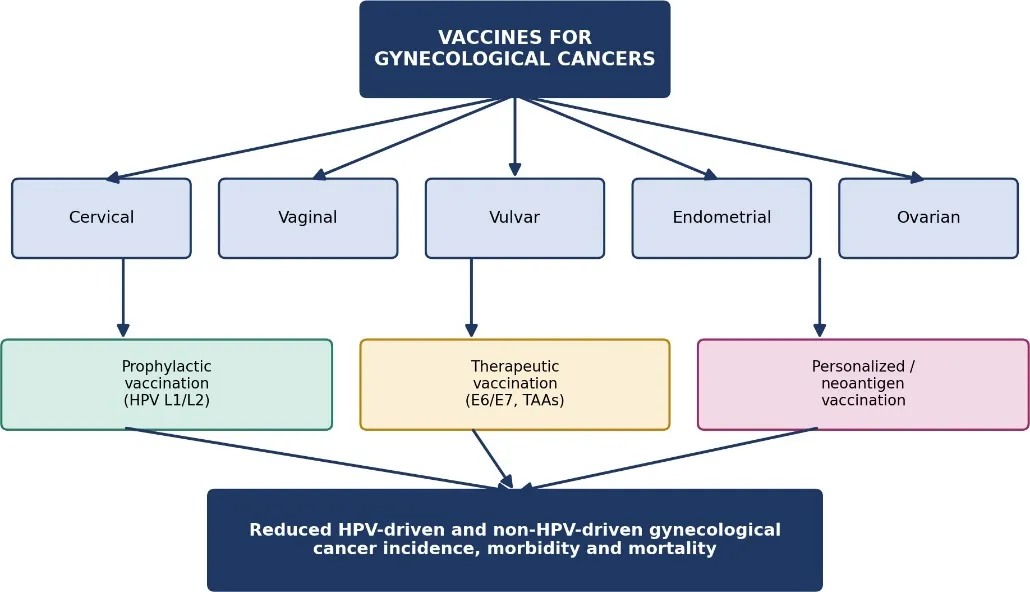
Figure 1. Overall conceptual framework: vaccine strategies mapped across the five major gynaecological cancers.
Immune-based therapies, sometimes referred to as cancer vaccines, function by enlisting immune cells capable of identifying and eliminating cancer cells. They can be administered in situ, cellular, nucleic acid-based, peptide-based, or vector-based, depending on how they are formulated. The basic assumption behind cancer vaccines is that the host immune system is capable of identifying and destroying transformed cells, but tumors actively suppress its ability in the tumor's microenvironment. The microenvironment implies the delicate balance between immune surveillance and immune evasion, rather than tumor biology itself. The next classification of vaccine strategies forms the basis of the further part of this review.
Before examining HPV biology or specific vaccine platforms in depth, it is useful to map where vaccination currently stands, and plausibly could stand, across each of the five major gynaecological cancers (Table 1).
Table 1. Vaccine strategies across the five major gynaecological cancers.
|
Cancer |
HPV Association |
Vaccine Type |
Target |
Current Status |
|
Cervical |
Strong |
Prophylactic+ therapeutic |
L1/L2, E6/E7 |
Established+ investigational |
|
Vaginal |
HPV- associated subset |
Mainly prophylactic |
L1/L2 |
Preventive evidence |
|
Vulvar |
HPV- associated + HPV- independent |
Prophylactic/therapeutic |
L1/L2,E6/E7, tumor antigens |
Mixed |
|
Endometria l |
Not established |
Therapeutic/personalized |
Tumor antigens/ neoantigens |
Experimental |
|
Ovarian |
Not established |
Therapeutic/personalized |
TAAs/ neoantigens |
Experimental |
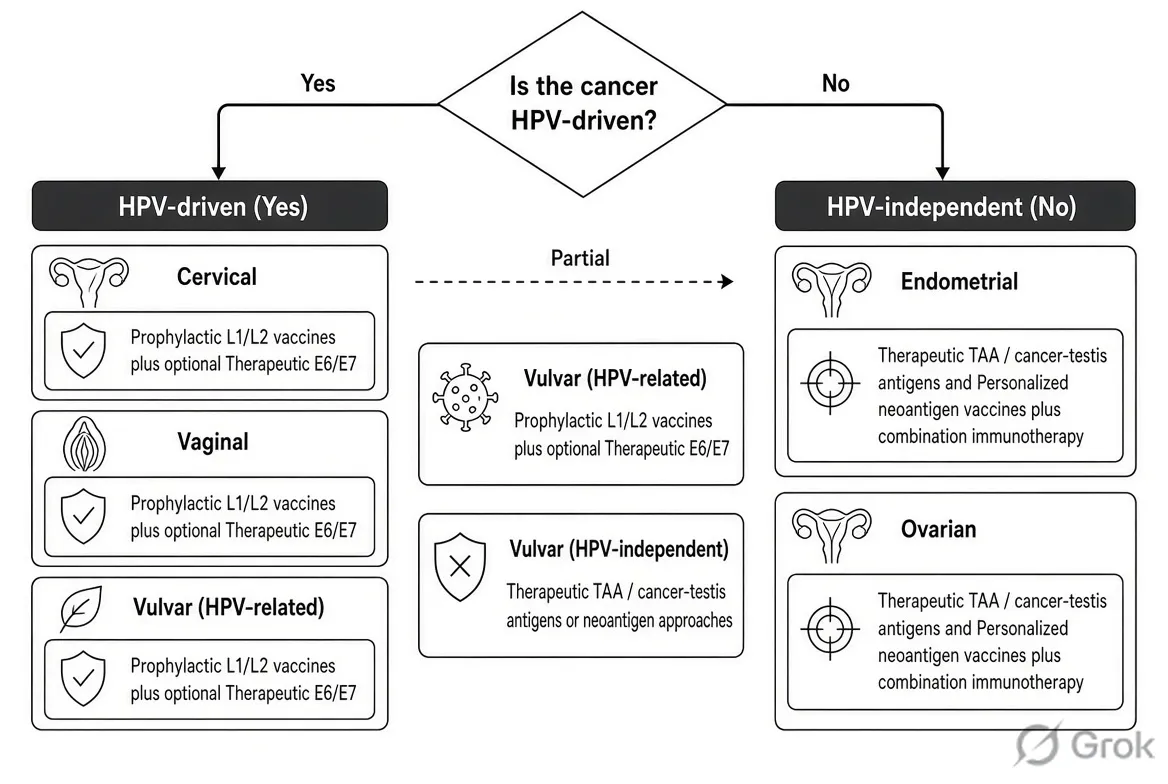
Figure 2. Decision framework for vaccine strategy according to HPV association.
Cervical Cancer — Established Vaccine-Preventable Cancer
The evidence base for the prevention of cervical cancer through vaccination is the most developed of any gynecologic malignancy. Cervical cancer is caused almost exclusively by the persistence of high-risk types of HPV, usually HPV-16 and -18, via a well-described carcinogenesis pathway 135–140. Prophylactic HPV vaccination (Sections 5–8), as well as therapeutic HPV vaccines targeting E6/E7 (Section 9), are actively being researched and, in the case of prophylactic vaccines, are being used worldwide. Cross-protective HPV vaccines for non-vaccine HPV genotypes and next-generation L2/L1L2 vaccines (Sections 7–8) are designed to fill gaps not covered by current first-generation L1 vaccines. HPV vaccination prior to HPV infection offers the most protection because current HPV vaccines do not protect against previously acquired infections 11,13; as there is no HPV vaccine that covers genotypes other than those in its repertoire or previously acquired infections, cervical screening is necessary in addition to HPV vaccines.
Vaginal Cancer — Preventive Relevance for HPV-Associated Disease
Vaginal cancer consists of HPV-related as well as HPV-unrelated cancers. Squamous cell carcinomas make up to 90% of vaginal cancer 212. Furthermore, HPV-DNA can be identified in 55-81% of invasive vaginal cancers and 94% of VaIN lesions if the incidence of HIV infection is high 213-220. Regarding HPV-related vaginal cancer, the preventive approach would include HPV vaccination similar to that in cervical cancer, and an E6/E7-targeted vaccine can be considered a possible future therapy for the developed lesions. Specific evidence for vaginal cancer is currently limited by the low incidence rate of the disease because most of the cases are detected as a metastatic lesion of primary vaginal carcinoma.
Vulvar Cancer — Vaccine Relevance Dependent on Tumour Etiology
The distinction between the causes of vulvar cancer is even clearer, with each having its own implications for vaccination. HPV-related vulvar squamous cell carcinoma develops through high-grade VIN and is mostly associated with HPV-16 infection, among other carcinogenic variants (HPVs 18, 33, 45, and 52) 215,223-228. It affects mostly younger women and has a rather favorable prognosis. On the other hand, non-HPV-related vulvar cancer is an aggressive, molecularly distinct disease that is more often found in older women and cannot be prevented by any conventional HPV vaccine. Prophylactic HPV vaccine and E6/E7-based vaccines are only applicable to HPV-related vulvar cancer, while non-HPV-related vulvar cancer will need some kind of tumor-antigen/neoantigen vaccination similar to those used in endometrial and ovarian cancers (see Section 10).
Endometrial Cancer — An Experimental Therapeutic and Personalized Vaccine Field
Prophylactic vaccinations do not play any significant part in the development of endometrial cancer, since the involvement of HPV in the etiology of endometrial cancer remains unknown or even controversial, with the overall prevalence of HPV-DNA being about 10% and varying widely (from 0 to 54.5%), depending on the study 230-233. The molecular pathogenesis of this disease is based on hormonal, metabolic, and DNA repair mechanisms that are different from the pathogenetic effects of HPV infection, and vaccines are developed exclusively for treatment purposes.
Ovarian Cancer — An Emerging Therapeutic and Personalized Vaccine Field
Also, like cervical cancer, ovarian cancer lacks an effective prophylactic vaccine, with the heterogeneity of its tumors making it unlikely that there is just one universal target for a vaccine. This is why the use of the tumor-associated antigens, cancer testis antigens, and personalized neoantigens, which are discussed in Section 10.2, is of great importance.
With the locations of interest in vaccination against gynecological cancers now defined, it may be useful to briefly consider the viral carcinogen at the center of the field’s one and only prophylactic vaccine approach, HPV. HPV can be divided into high-risk (oncogenic) and low-risk types according to association with cancer; the high-risk HPV types (notably HPV-16 and 18) are the primary causes of the vast majority of cervical, vaginal and vulvar cancers attributable to HPV, while the low-risk types (notably HPV-6 and -11) cause genital warts, not cancer. The majority of HPV infections are cleared naturally by the immune system within one to two years, but the crucial element here is persistence of the high-risk type infection in the presence of continued selective pressure 41.
HPV-associated cancers of the cervix, vagina, and vulva also have the same high-risk type profile (primarily HPV-16 and -18, plus 31, 33, 45, 52, and 58), and it is this which renders HPV a perfect candidate for the development of a prophylactic vaccine: a single, defined, external antigenic source of a major share of the disease, as opposed to the internal mutation-driven processes that cause endometrial and ovarian cancers. This also explains the difference, easy to confuse, between prevention of infection by HPV (as a prophylactic vaccine must do, Sections 5–8), and treatment of established infection or lesions (as a therapeutic vaccine must do, Section 9), as quite different endeavors, each with its own specific antigenic targets and immune mechanisms, which are the organizational framework of this paper. Molecular mechanisms of HPV transformation will not be extensively repeated here as they are well-known, and will only be addressed in the course of justifying E6/E7 protein candidacy in therapeutic vaccine strategies, Section 9.
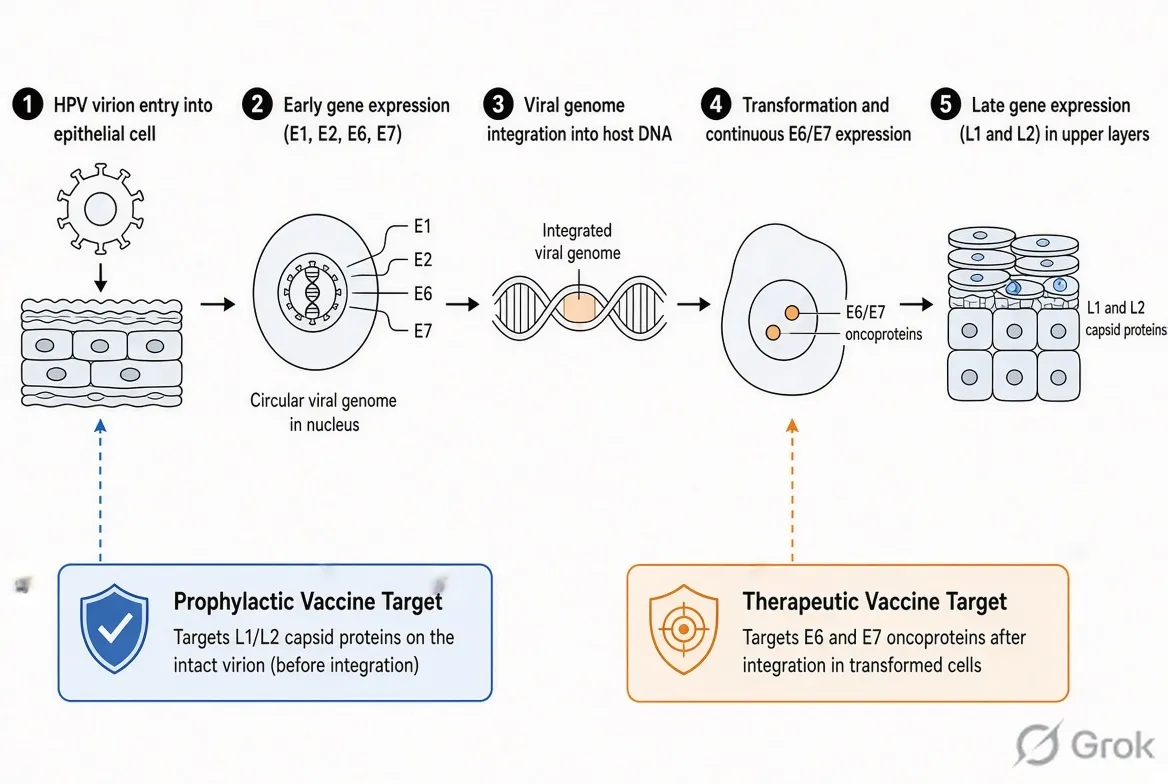
Figure 3. HPV life cycle showing distinct windows for prophylactic (L1/L2) and therapeutic (E6/E7) vaccination.
The history of HPV vaccine development is linked to experimental models of transgenic mice harboring HPV oncogenes. It became possible due to an important meeting of Ian Frazer with the Chinese virologist Jian Zhou at the University of Cambridge in 1989. Later, Zhou and his colleague Xiao Yi Sun joined the Frazer laboratory in Brisbane and created VLPs self-assembling from HPV major capsid protein L1 that became the core of all licensed prophylactic HPV vaccines 50,51. The invention was filed in 1991 but officially recognized only in 2006 50,51. First to commercialize this innovation were Merck and GlaxoSmithKline (GSK): the quadrivalent Gardasil vaccine by Merck was licensed by the FDA in 2006, followed by the bivalent Cervarix by GSK in 2009 and nonavalent Gardasil 9 by Merck in 2014. HPV vaccines proved their efficacy in 80-90% of HPV-naïve women and 90-100% of HPV-naïve men 51.
HPV vaccines are non-infectious recombinant vaccines constructed from purified virus-like L1 protein particles for each targeted HPV type 43. More than 98% of patients develop an antibody response one month after vaccination, and the vaccine extends B-cell immunity through the shift of the circulating antibodies balance in favor of neutralizing antibodies 43,44. According to the CDC, the effect lasts for more than 12 months without any signs of decreasing immunity 45. A systematic review by Martinez-Gomez et al. 56 proves the immunogenicity, safety, and efficacy of these vaccines among high-risk populations. New results about the effectiveness of dose-sparing protocols are accumulating. According to Whitworth et al. 60, there are data supporting the same level of protection from a single dose and a multi-dose schedule. As for other aspects influencing the parents' decision to vaccinate, Sonawane et al. 61 found safety and efficacy issues to be most significant among US parents.
Six HPV vaccines with prophylactic action have been licensed so far worldwide, which includes three bivalent vaccines, two quadrivalent vaccines, and one indigenous (non-viral) vaccine formulation (Table 2).
Bivalent (HPV16/18): The efficacious action of Cervarix against HPV-16/18 infection and grade-3 CIN has been noted, along with a good safety profile 34–38, and it also shows consistency in providing cross-protection against non-vaccine genotypes (Section 8) 112–114.
Quadrivalent (HPV6/11/16/18): In addition to offering protection against HPV-16/18 infections, Gardasil protects against genital warts and shows efficacy against lesions in the vagina and vulva 39,40.
Nonavalent (HPV6/11/16/18/31/33/45/52/58): This is the global standard at present and offers protection against the maximum number of directly covered genotypes, and after receiving recent FDA approval, it also covers the HPV-attributed oropharyngeal as well as other head and neck cancers 42.
Indigenous Vaccine – Cervavac: In 2022, Cervavac, an indigenous, gender-neutral, quadrivalent vaccine (HPV6/11/16/18) was introduced by the Serum Institute of India, with particular emphasis on affordability and accessibility in LMIC countries 51–57. This vaccine is of great significance
Table 2. Licensed Prophylactic HPV Vaccines.
|
Characteristic |
Bivalent (Cervarix, 2007) |
Quadrivalent (Gardasil, 2006) |
Cervavac (2022) |
Nonavalent (Gardasil 9, 2014) |
|
Manufacturer |
GlaxoSmithKline (GSK) |
Merck & Co. |
Serum Institute of India Pvt. Ltd. |
Merck & Co. |
|
HPV Types |
16, 18 |
6, 11, 16, 18 |
6, 11, 16 |
6, 11, 16, 18 |
|
|
|
|
18 |
31, 33, 45, 52, |
|
|
|
|
|
58 |
|
Adjuvant |
AS04 |
Amorphous aluminum hydroxyphosphate e sulfate (AAHS) |
AAHS |
AAHS |
|
|
|
|
|
|
|
Target Population |
9–26 yrs |
9–26 yrs |
9–26 yrs |
9–45 yrs |
|
Indicated Cancers |
Cervical cancer |
Cervical, vaginal, vulvar, anal cancers and genital warts |
Cervical, vaginal, vulvar, anal cancers and genital warts |
Cervical, vulvar, vaginal, anal, oropharyngeal cancers and genital warts |
|
Major Protection |
Strongdirect+ moderate cross-protection (31,33,45) |
Direct protection; first to add genital-wart coverage |
Affordable , indigenous , gender-neutral protection |
Broadest genotype coverage; >90% of cervical cancer-causing types |
|
Limitations |
Being phased out in many markets; genotype-restricted |
Narrower cross-protection than bivalent; genotype-restricted |
Limited long-term real-world data as yet |
Higher cost/complexity; still genotype-restricted |
|
References |
59,60,112,114 |
52,62,112 |
52 |
62 |
HPV has a double-stranded DNA virus structure with early (E), late (L), and long control regions 115. Genome integration interferes with early E2 expression, which deregulates the E6 and E7 proteins, but not exclusively via genomic methods 116. The preventive vaccine functions through the delivery of VLPs produced from L1 (as well as future generations from L2) capsid proteins in order to trigger an immune response in the form of antibodies directed against HPV infection 120. That is why the efficacy of such vaccines lies both in their great safety and in the major disadvantage of being preventive: they do not have any therapeutic properties since they target infections and lesions already established 121,122.
All six FDA-approved prophylactic HPV vaccines use the same principle of vaccine action – the major capsid protein L1 spontaneously assembles into virus-like particles that structurally resemble the native HPV virions but do not contain viral DNA and are thus non-infectious and unable to induce pathologies. The similarity of VLPs to the native virion surface makes it possible to produce a strong and long-lasting neutralizing antibody response, which is the key factor in the high efficacy of L1-based vaccines against the targeted genotypes 42,120.
The advantages of the above-mentioned approach include a well-tested production process, an excellent safety profile, and high efficiency (> 90%) against persistent infections and precancerous lesions caused by genotype-matched strains in HPV-naive individuals. At the same time, there are several significant limitations related to the same biological principles that provide such an excellent efficacy for L1 vaccines. First of all, the effect is highly type-specific – due to the dominance of L1 surface loops as the target neutralizing epitopes, which differ significantly among HPV genotypes, protection is specific to the targeted genotypes only 106. Second, to extend coverage, additional L1 VLPs need to be added to the vaccine composition – just like in the case of the nonavalent vaccine in comparison with the bivalent and quadrivalent vaccines. Third, the nonavalent vaccine still leaves over a dozen additional oncogenic HPVs untargeted, and thus L1-based vaccines cannot achieve complete coverage 106,108. It is this residual problem which has been driving the development of broad-spectrum, genotype-independent vaccines based on L2 protein.
Whereas L1 contains highly variable surface loops, the amino-terminal region of L2 is highly conserved between HPV genotypes, containing epitopes that are cross-neutralized by antibodies against L2106,107. This conserved nature is the basis for the development of L2-based vaccines; with one conserved epitope, it is possible to protect against multiple genotypes, rather
than just a few genotypes with multivalent L1 constructs.
However, there are practical difficulties with L2-based vaccine constructs. Alone, L2 is not highly immunogenic – it is unable to self-assemble into virus-like particles like L1, and sufficient doses of epitopes needed to induce the required immune response through the native L2 are difficult to obtain 106,108. Solutions to this problem have included concatemeric multimers of L2 epitopes, fusions to toll-like receptor ligands or T-cell epitopes, and use of heterologous nanoparticle or bacteriophage virus-like particles (VLP), where the bacteriophage PP7-based platform has induced strong cross-neutralizing and protective responses against eight different HPV types in preclinical models 110. As L2-based epitopes do not rely on the complex capsid structure of L1, they can also be expressed in simple and low-cost prokaryotic expression systems as well, offering an alternative manufacturing solution for LMIC-relevant manufacture 106. There are several L2-based vaccine candidates at or nearing Phase I evaluation 106,111.
In L1/L2 chimeric vaccines, the well-characterized L1 VLP structure provides well-proven high immunogenicity and manufacturing knowledge, while the conserved L2 epitopes are incorporated into surface loops of the L1 particle, usually the DE-loop, providing the added ability for cross-protection without compromising the well-recognized immunogenicity of L1-based vaccines 108,109. Preclinical evaluation of chimeric L1 VLP particles incorporating L2 cross-neutralization epitopes for HPV16 has demonstrated cross-neutralizing antibody responses and in vivo protection against multiple additional HPV types not present in the base L1 vaccine 108,109. The concept is appealing precisely because it does not need to compromise the proven immunogenicity of L1 with the ability for broader cross-neutralization offered by L2.
Not limited to the individual L2 or L1/L2 constructs, there are multiple broad-spectrum or “pan-HPV” vaccine approaches that are based on combining conserved epitopes from various HPV clades into a single antigen platform. One of these constructs is a polytopic L2 antigen called PANHPVAX, which includes cross-neutralizing epitopes from eight mucosal HPV genotypes, and its cutaneous version, CUT-PANHPVAX, from twelve cutaneous genotypes, in a heptameric nanoparticle scaffold 111. Consistent immunogenicity across the included epitopes is a technical challenge – it was recently shown that the selection of the sequence used as inter-epitope spacers in the construct influences the resulting antibody response 111. Thus, pan-HPV vaccine development is not just about inclusion of multiple epitopes in one vaccine, but about careful antigen presentation. Improved antigen presentation, novel adjuvants, and advanced delivery technologies (Section 13) are being evaluated to make these broad-spectrum constructs clinically relevant.
Table 3. Comparison of L1-VLP, L2-based, and L1/L2 chimeric HPV vaccine platforms.
|
Feature |
L1-VLP vaccines |
L2-based vaccines |
L1/L2 chimeric vaccines |
|
Antigen basis |
Major capsid protein, self-assembling VLPs |
Minor capsid protein, conserved N-terminal epitopes |
L1 VLP scaffold displaying inserted L2 epitopes |
|
Immunogenicity |
High; strong neutralizing antibody titers |
Comparatively low; requires multimerization/car rier platforms |
Retains high L1 Immunogenicity with Added L2 breadth |
|
Protection breadth |
Type-restricted; partial cross-protection to related types |
Broad, cross-neutralizing across many genotypes |
Broader than L1 alone; aims at pan-HPV coverage |
|
Manufacturing |
Complex; multiple VLP types needed for multivalent coverage |
Simpler; can use prokaryotic expression systems |
Moderate; single chimeric particle per construct |
|
Current status |
Licensed and in global use (bivalent/quadrivalent/ nonavalent/Cervavac) |
Preclinical to early first-in-human candidates(e.g., RG1-VLP, PANHPVAX) |
Preclinical; proof-of-concept broad protection demonstrated |
|
References |
42,52–63 |
106,107,110,111 |
108,109 |
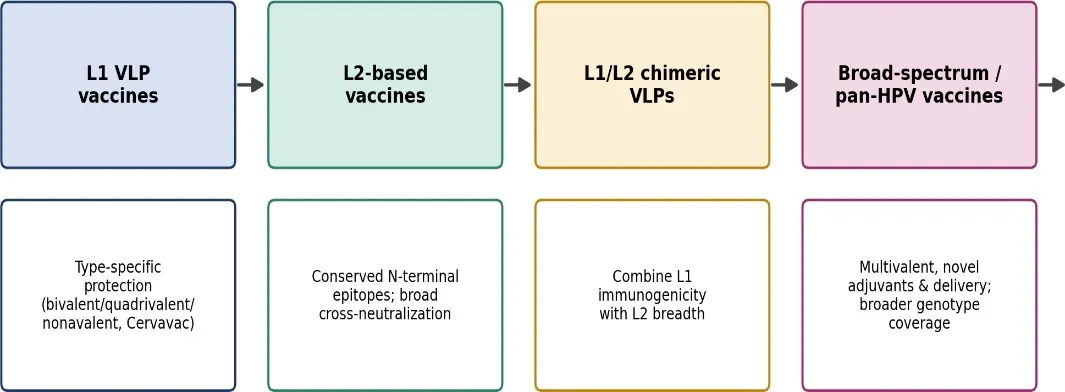
Figure 4. Evolution of HPV vaccine technology: L1 → L2 → L1/L2 chimeric → broad-spectrum/pan-HPV vaccines.
Cross-protection is the phenomenon of partial protection against HPV genotypes other than those included in the vaccine formulation. It stems from the fact that the non-vaccine types of HPV are phylogenetically related to certain vaccine target genotypes: HPV31, 33 and 35 are relatives of HPV16, whereas HPV45 is a relative of HPV18; this allows the generation of cross-reactive antibodies, which will partially neutralize these types of HPV. This process differs from the broad cross-protection generated by L2-based vaccines, based on conservation of epitopes in the HPV genome (section 7.1), and is a secondary effect of the phylogenetic relationship between L1 surface loops, which is why it is partial and not consistent. The landmark systematic review and meta-analysis carried out by Malagón et al., based on data from the FUTURE I/II trials of the quadrivalent vaccine and the PATRICIA, HPV007 and HPV-023 trials of the bivalent vaccine, showed that the cross-protection efficacy against persistent infection with HPV31 was significantly higher for the bivalent vaccine compared with the quadrivalent vaccine (77.1% versus 46.2%), with the same trend observed for HPV33 and HPV45, although there were great heterogeneities between different trials and decrease in cross-protection efficacy with prolongation of follow-up period in some studies112
The PATRICIA experiment, a largescale randomized study that showed the bivalent vaccine's effectiveness, independently verified the cross-protection efficacy with the bivalent vaccination against infection and precancerous cervical cancer brought on by non-vaccine oncogenic of HPV over four years of monitoring114.
The Costa Rica HPV Vaccine Trial (CVT), which provided long-term data, clarified the question of how long cross-protection lasted. In women who received three doses of the bivalent vaccine, the cross-protection against the HPV31/33/45 group of genotypes was maintained for 11 years (average vaccine efficacy against this group – 64.4%, 95% confidence interval 57.7-70.2%) and partial but statistically significant cross-protection against the HPV35 (efficacy – 23.2%) genotypes; there was no discernible decline in efficacy over this period, and even a single dose of the HPV31/33/45 genotypes was achieved with a single dose113. This is significant because the initial worry was that crossprotection would deteriorate with time; CVT findings show that this protection can be longlasting, at least for the bivalent vaccination and the most closely related non-vaccine genotypes.
Table 4. Cross-protection against selected non-vaccine HPV genotypes by licensed HPV vaccine.
|
Non-Vaccine HPV Type |
Bivalent Vaccine Efficacy |
Quadrivalent Vaccine Efficacy |
Phylogenetic Relation |
Reference |
|
HPV31 |
Substantial (~77% vs persistent infection; sustained to 11 yrs) |
Lower (~46%); wanes over follow-up |
Related to HPV16 |
112–114 |
|
HPV33 |
Moderate– substantial |
Lower, inconsistent |
Related to HPV16 |
112,113 |
|
HPV35 |
Modest(~23% VEavg) |
Not well established |
Related to HPV16 |
113 |
|
HPV45 |
Substantial, combined with 31/33 (VEavg 64.4%) |
Lower than bivalent |
Related to HPV18 |
112–114 |
|
HPV52 |
Limited/inconsistent |
Limited/inconsistent |
Distinct clade |
112 |
|
HPV58 |
Modest(~21% VEavg) |
Limited/inconsistent |
Distinct clade |
113 |
|
Duration |
Sustained through 11 years of trial follow-up for 31/33/45 |
Less durable; efficacy estimates decline with longer follow-up |
— |
113 |
Note: comprehensive quadrivalent-vaccine cross-protection data against HPV35 and HPV58 specifically are more limited in the literature than bivalent-vaccine data and are presented here with appropriate caution.
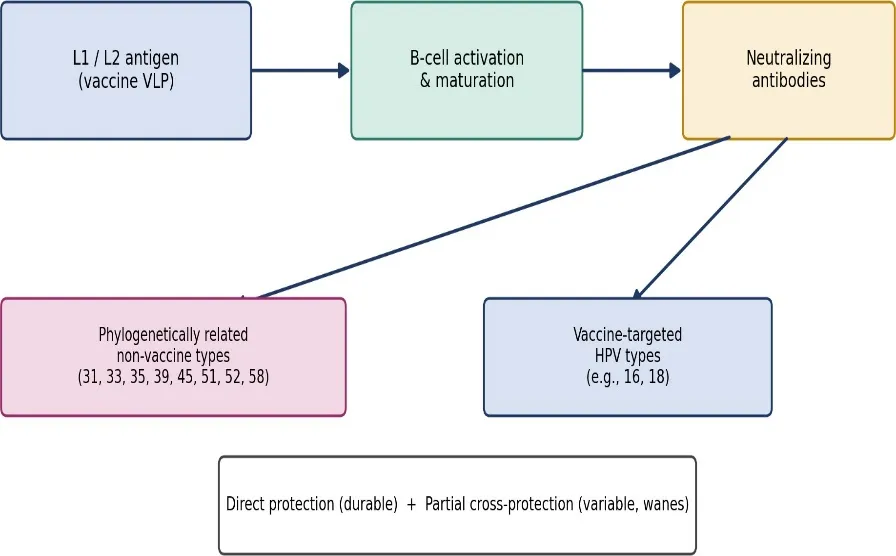
Figure 5. Cross-protection mechanism: L1/L2 antigen → B-cell response → neutralizing antibodies → protection against both vaccine-targeted and phylogenetically related non-vaccine HPV types.
This has clinical importance for the eradication of cervical cancer in two respects. The first aspect of cross protection implies that even populations vaccinated with bivalent and quadrivalent vaccines maintain protection against at least a portion of non-vaccine oncogenic strains of disease, which needs to be incorporated in population impact modeling and is one of the reasons that surveillance data have shown greater reduction in disease attributable to HPV than expected 112. The second aspect is equally important and it implies that cross protection applies only to some HPV strains included in the nonavalent vaccine, is inconsistent among the non-vaccine HPV strains, and is less robust in the case of quadrivalent as compared to the bivalent vaccine 112,113 – that means that cross-protection can never be used as a surrogate to direct genotypic matching. It is the very lack of cross protection that drives efforts towards developing L2-based and broad-spectrum vaccines of the next generation (Section 7).
Prophylactic vaccines target the L1/L2 capsid proteins which are responsible for the structure of the virus particle. After integration of the viral genome and transformation of cells, the presence of these capsid proteins is reduced dramatically, and there are no antigens which proved themselves to be so successful in prophylactic vaccination 145. Therefore, therapeutic vaccines have to target other antigens – the viral oncoproteins E6 and E7 that maintain constant expression at a high level in the entire life cycle of the transformed cell and are indispensable for the maintenance of malignancy of the cell, so it is impossible for tumor cells to escape immune-escape mutation 146.
The main therapeutic targets are E6 and E7 oncoproteins; the constant expression of these proteins is responsible for the degradation of p53 protein and inactivation of Rb, and they account for the most part of candidates under clinical development 146. E2 and E1 are other potential candidate antigens, because they have high expression level before genome integration and before the dysregulation of E6/E7 proteins which occur in fully transformed cells 107,147,148.
Therapeutic HPV vaccines can be peptide-, protein-, DNA-, RNA/mRNA-, viral vector-, bacterial vector- and dendritic cells-based 149. Currently none of them was approved for clinical use, but some candidates reached Phase II or Phase III 65.
Basic proof-of-concept experiments proved the feasibility of therapeutic HPV vaccination. In a Phase I trial in women with CIN (n=31), Frazer et al. tested HPV-16-specific immunotherapy based on the E7 protein fused with ISCOMATRIX™ adjuvant; the treatment was well-tolerated and provided an immune response against HPV-16 E6/E7, including increased level of antibodies, delayed hypersensitivity, cytokine release and CD8+ T-cells response compared to the control group 49. Also, a Phase I trial of an HPV-16 E7 peptide vaccine in women with high-grade cervical and vulvar intraepithelial neoplasia (n=18) cleared HPV in 12 patients, and three of them also cleared dysplasia 50. In Phase I/II trial of a live recombinant vaccine with E6 and E7 expression (TA-HPV) in patients with advanced stage of cervical cancer (n=8) were found antiviral antibody responses in all patients, and HPV-specific cytotoxic T-lymphocyte response in some of them 53.
Currently, DNA vaccines are the most clinically advanced candidates. VGX-3100 – the plasmid coding HPV-16/18 E6 and E7 proteins delivered by intramuscular injection with electroporation – showed significant histological regression of CIN2/3 lesions and HPV clearance in comparison with placebo in Phase IIb, randomized, double-blind trial; this is the first therapeutic vaccine to demonstrate good efficacy in a controlled experiment 69. Also, another DNA vaccine, which is optimized for inducing T-cells response, is GX-188E, and it proved itself to be effective against CIN3 lesions and has been successfully tested in combination with checkpoint inhibitors like pembrolizumab in advanced HPV-associated cancers 70. Other strategies being investigated include combination with drugs reducing the immunosuppressive properties of the tumor microenvironment (like interleukin-2) and oral DNA vaccines based on HPV-16 E7 expression in Lactobacillus casei which interact with the gut-associated lymphoid tissue through Peyer's patches 66,67. There is a large number of other candidates (including GLBL-101c, TG4001, BLS-M07, MVA-E2, chimeric VLPs, HspE7 and ZYC101a) which were effective against CIN and cervical cancer 68.
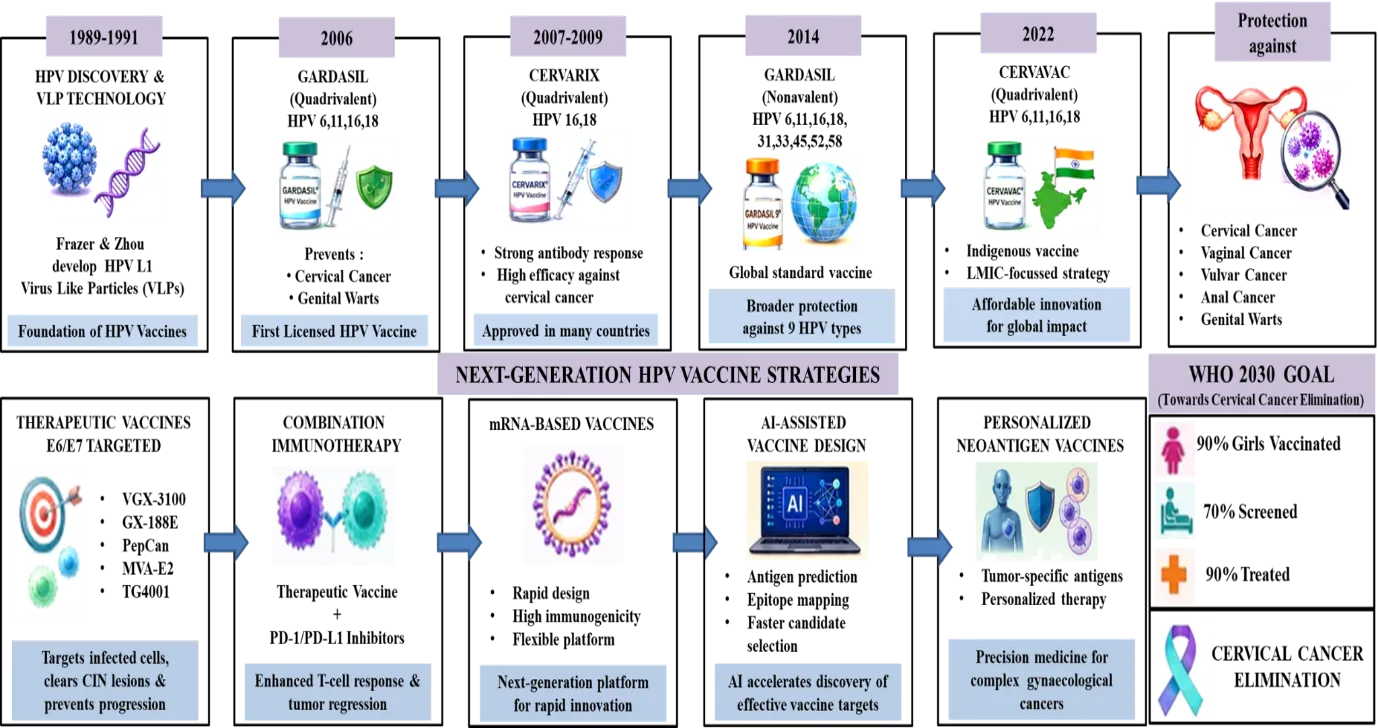
Figure 6: Evolution of HPV vaccine

Figure 7. Therapeutic HPV vaccination mechanism: E6/E7 antigen → antigen-presenting cell
→ CD8+ T-cell priming → recognition of HPV-transformed tumor cells → tumor-cell killing
Table 5. Therapeutic HPV vaccine candidates targeting E6 ± E7, by antigen, platform and clinical trial phase.
|
Antigen Used |
Nature of Vaccine |
Vaccine |
Clinical Trial Phase |
Reference |
|
HPV16 E6/E7 fusion protein |
Live (bacterial and viral) |
ADXS11-011 (bacterial) |
Phase I/II |
174,175 |
|
HPV-16 E6 and E7 peptide |
Vector-based vaccine |
TA-HPV (viral) |
Early-stage clinical trials |
178,179 |
|
HPV-16 E7 peptide |
Peptide vaccine |
ISA 101 |
Phase II |
159-161 |
|
HPV-16 E7 fusion protein |
Protein vaccine |
SGN-00101 |
Phase II |
146, 168- 173 |
|
HPV 16 E6 |
Peptide vaccine |
PepCan |
Phase I |
162 |
|
HPV 16/18 E6 and E7 |
DNA vaccine |
VGX-3100 |
Phase III |
153, 154 |
|
HPV 16 and 18 E6 and E7 |
DNA vaccine |
GX-188E |
Phase II |
152 |
|
HPV 16 E6 and E7 |
DNA vaccine |
VB10.16 |
Phase I/IIa |
155 |
|
HPV 16 E6 and E7 |
Peptide vaccine |
AMV002 |
Phase I |
157 |
|
HPV 16 E6, E7, and human IL-2 |
Vector-based vaccine |
TG4001 |
Phase Ib/II |
180-181 |
A gynecological – not just an HPV – perspective requires addressing the endometrial cancer, ovarian cancer, and HPV-unrelated vulvar cancer individually on a scientific level because there are no ways to reach them using conventional HPV vaccination (Sections 5-9).
About 25-30% of endometrial cancers are mismatch-repair deficient (dMMR) or microsatellite instability high (MSI-H) – the molecular subtypes where DNA mismatch repair defects result in high tumor mutational burden and, therefore, high neoantigen burden 26,118,119. Such tumors exhibit increased tumor infiltrating lymphocyte and high PD-1/PD-L1 expression that makes them highly sensitive to immune checkpoint blockade therapy even in the absence of a specialized vaccine 26,27,29-31. At the same time, this biology makes dMMR/MSI-H endometrial cancer an excellent subject for personalized neoantigen vaccination as high neoantigen load provides an abundant source of tumor specific neoepitopes for selection in next-generation sequencing-based neoantigen design pipeline (Section 12). On the contrary, pMMR endometrial cancers are usually less immunogenic with low neoantigen load, thus making combination strategies combining PARP inhibition and/or genome-wide mutagenesis the way of increasing neoantigen load for sensitization to the immune checkpoint blockade 26.
Various tumor-associated antigen (such as HER2/neu, WT1) and personalized neoantigen mRNAs, DNAs and peptide vaccines are actively researched for endometrial cancer in combination with immune checkpoint blockers, but not as monotherapies, because of the field's still preclinical and early clinical development stage 9,22,26.
The development of ovarian cancer vaccines has generated one of the most clinically mature personalized vaccine datasets apart from melanoma. Tumor-associated antigens such as HER-2/neu, MUC1, and folate receptor-α, cancer testis antigens such as NY-ESO-1, and personal neoantigens have been used as the target antigens delivered in the form of peptides, DNAs, mRNAs, viral vectors, and dendritic cell vaccines 22,90,115-117. The most extensively investigated approach is the autologous dendritic cell vaccine OCDC generated by pulsed dendritic cells with oxidized whole tumor lysate. In the pilot clinical trial conducted in recurrent, platinum-treated ovarian cancer patients, OCDC generated significant prolongation of survival associated with induction of tumor antigen-specific T-cell responses either as a single agent or combined with bevacizumab and a low dose of cyclophosphamide 116. Another trial adding aspirin and a low dose of interleukin-2 into the regimen of OCDC, bevacizumab, and cyclophosphamide resulted in positive correlations between vaccine-specific T-cell responses and prolonged time-to-progression and survival. A similar effect was observed in the murine model of the disease 117. Dendritic cell vaccines, in general, remain a promising direction in the development of ovarian cancer vaccines, with the whole tumor lysate approach preferable over single peptide vaccines due to its ability to induce responses to multiple neoantigens and, thereby, decrease chances of tumor antigen loss-mediated immune escape 115.
HPV-independent vulvar cancer is molecularly distinct from its HPV-related subtype and, as explained in Section 3.3, does not benefit from any conventional HPV vaccination. Thus, as it is similar to other non-infectious epithelial malignancies in terms of mutational landscape, tumor antigen and personalized neoantigen vaccines (the same approach that is currently pursued in the development of endometrial and ovarian cancer vaccines) represent the most likely approach for the disease's vaccination in the future, although there are almost no dedicated vaccine trials in HPV-independent vulvar cancer, thus constituting one of the clearest knowledge gaps identified in Section 16.
Table 6. Therapeutic and personalized vaccine strategies for endometrial and ovarian cancer, by antigen class and platform.
|
Cancer |
Antigen Class / Target |
Platform |
Approach / Candidate Example |
Reference |
|
Endometrial |
Neoantigens (dMMR/MSI-H tumors) |
mRNA / peptide / personalized |
High tumor mutational burden exploited for neoantigen vaccination; combined with checkpoint blockade |
26,27,29– 31,118,119 |
|
Endometrial |
Tumor-associated antigens (e.g., HER2/neu, WT1) |
Peptide/protein |
TAA-directed vaccination as adjunct to standard therapy |
9,22 |
|
Ovarian |
Tumor-associated antigens (HER- 2/neu, MUC1, folate receptor) |
Whole tumor- lysate dendritic cell (OCDC) |
Autologous DC vaccine + bevacizumab ± cyclophosphamide |
115–117 |
|
Ovarian |
Cancer-testis antigens (e.g., NY-ESO-1) |
Peptide / DNA |
Antigen-specific vaccination, often with adjuvant |
22,90 |
|
Ovarian |
Personal neoantigens |
DC / mRNA / peptide, NGS-guided |
Personalized neoantigen-pulsed DC vaccines; combination immunotherapy |
86,87,90,115– 117 |
Both in the case of HPV-related and non-HPV gynecological cancers, the list of platforms involved is always the same: mRNA-based, DNA-based, viral/bacterial vector vaccines, peptides/protein subunit-based, dendritic cell vaccines, nanoparticle vaccines, chimeric VLPs, and neoantigen-based personalized vaccines. The technology of mRNA, which has proven its potential in manufacturing and adaptability due to lessons learned from combating COVID-19, is gaining popularity in the context of expanding coverage by genotypes of prophylactic vaccines and therapeutic vaccines targeting E6/E7 and neoantigens 23. DNA-based vaccines, for example, VGX-3100 and GX-188E (Section 9.4), have reached the highest development level among therapeutic vaccines used in HPV diseases. Viral and bacterial vector-based vaccines, e.g., TA-HPV, ADXS11-011, TG4001, benefit from the intrinsic vector's immunogenic potential and enhance antigen presentation. Personalized and very potent dendritic cell vaccines (especially developed for ovarian cancer treatment; Section 10.2) are quite resource-intensive. Nanoparticle platforms and chimeric VLPs (Section 7) are often applied for delivery of difficult-to-present antigens like the L2 epitope. These platforms and their main applications and strengths are summarized in Table 7.
Table 7. Emerging vaccine technologies relevant to gynecological cancer prevention and treatment.
|
Technology |
Application |
Advantage |
Reference |
|
mRNA vaccines |
Prophylactic genotype expansion; therapeutic E6/E7 and neoantigen delivery |
Rapid design/adaptation; scalable manufacturing |
23 |
|
AI-assisted antigen design |
Epitope prediction (MHC binding, processing, immunogenicity); neoantigen prioritization |
Speeds candidate selection; enables personalization |
39, 84–87 |
|
Personalized neoantigen vaccines |
Patient-specific mutation-derived antigens |
High tumor specificity; reduced off-target risk |
22, 86, 87 |
|
Dendritic-cell vaccines |
Ex vivo antigen loading and reinfusion |
Potent antigen presentation; used in ovarian cancer trials |
89, 90, 115–117 |
|
Needle-free injection/microneedles |
Prophylactic and therapeutic vaccine delivery |
Reduced anxiety/cold-chain burden; self-administration potential |
91–95 |
|
Thermostable formulations |
Vaccine storage and transport in LMICs |
Removes strict cold-chain dependency |
52, 63 |
|
Chimeric VLPs / L2 platforms |
Broad-spectrum prophylaxis |
Cross-genotype protection from a single construct |
106–111 |
AI revolutionizes vaccine development by enabling accelerated identification of antigen targets, immunogen design, manufacturing, and surveillance. AI techniques allow for comprehensive analysis of genomic, proteomic, and immunological data to accelerate discovery of vaccine targets and to predict peptide immunogenicity based on such characteristics as HLA/MHC binding, antigen processing, epitope presentation, and similarity to host proteins 39,84–87. In the course of the COVID-19 pandemic, AI allowed for accelerated antigen target identification, while generative adversarial networks were used to design new influenza immunogens with improved antigenicity and cross-reactivity 84,85; currently, deep learning-based pipelines are being utilized to improve neoantigen selection and personalize cancer vaccines, including those targeting gynecological cancers 86,87.
In the context of personalized vaccine design specifically, which is most applicable to endometrial and ovarian cancer (Section 10), the typical AI-assisted pipeline involves sequencing of tumor and normal tissue samples, mutational analysis, identification of candidate neoantigens, computational prediction of MHC binding, antigen processing, transcript expression, clonality, followed by vaccine construct synthesis as a peptide or mRNA vaccine. Structural modeling and AI-based optimization of vaccine constructs are included in the pipeline, and there are growing attempts to use a combination of AI-based antigen selection and a multi-omics approach, which includes genomic, transcriptomic, and microbiome (as mentioned below) data, for further refinement of candidate selection and immunogenicity prediction before vaccine manufacture.
Delivery technology increasingly defines the ability to deliver an immunologically promising vaccine construct to its target population. Novel adjuvants, thermostable formulations, and needle-free injection (NFI) systems allow to achieve both immunological improvement and improved acceptance. With delivery of vaccine through liquid jet technology, NFI systems eliminate the anxiety associated with needle injections, increase comfort and privacy of patients, and enable self-injection and lower resource utilization — features especially important for school- and community-based vaccination in LMICs 91–95. Dissolving microneedle system is known to preserve the structural stability of HPV VLPs while providing for long-lasting protection via mucosal route of vaccination 93.
Thermostable formulations provide an answer to one of the most persistent issues related to LMIC vaccine introduction: the currently licensed quadrivalent vaccine is stable at temperatures up to 25°C for up to 72 hours, and the nonavalent vaccine — at 8–25°C within the same period of time, thus partially reducing the dependence on cold chain 52,63. Nanoparticle delivery systems, several of which have been previously mentioned as antigen display platform for L2-based vaccines (Section 7.1), are also used as a delivery technology to protect the unstable
antigen and provide for a mucosal route of vaccination, which could potentially be closer to the route of natural HPV infection. Altogether, these technologies are crucial to closing the gap in global coverage as well as improving vaccine efficacy in developed countries, and are further discussed in the LMIC context (Section 15).
Therapeutic and personalized vaccines in HPV-positive and non-HPV-driven gynecological cancers are increasingly used not as monotherapies, but as components of combination immunotherapy. The logic behind each combination strategy is always the same: a vaccine primes and expands antigen-specific T cells, but an established, immunosuppressed tumor restricts the function of these T cells via such checkpoint pathways as PD-1/PD-L1 and CTLA-4; thus, vaccine priming is usually necessary, but insufficient for clinical benefit.
Vaccine + immune checkpoint inhibitors. GX-188E in combination with pembrolizumab showed activity in HPV-associated cervical cancer 70; in case of dMMR/MSI-H endometrial cancer, PD-1/PD-L1 blockade already produces durable clinical response independently of vaccination, which makes a combination with vaccine highly promising when neoantigen vaccines will mature 26,29–31; and PARP inhibitor combinations are being investigated specifically for sensitization of pMMR endometrial tumors to checkpoint blockade through increased genomic instability and neoantigen generation 26.
Vaccine + chemotherapy. Low-dose cyclophosphamide was used alongside dendritic cell vaccine in case of ovarian cancer in order to inhibit the regulatory T-cell activity that could otherwise suppress vaccine-induced response 116,117.
Vaccine + targeted therapy. Bevacizumab, a monoclonal antibody against VEGF, was used in combination with OCDC dendritic cell vaccine in ovarian cancer for tumor vessel normalization and T-cell infiltration into the tumor microenvironment, which is one of the key reasons for inefficacy of checkpoint inhibitors in ovarian cancer 116,117.
Vaccine + radiotherapy. Tumor-antigen release and local inflammation induced by radiotherapy are becoming recognized as a complementary tool to vaccine priming, although the trials of vaccine-radiotherapy combinations are still quite limited compared to those for checkpoint inhibitors.
In all these combinations, the sequence is the same: vaccine-primed antigen-specific T-cell activation and subsequent removal of a particular barrier for T-cell function (either checkpoint pathway or a regulatory T cell activity), resulting in improved tumor cell killing.
HPV vaccination is universally acknowledged as the key cornerstone for achieving cervical cancer elimination. In 2020, the WHO launched the Global Strategy to Accelerate the Elimination of Cervical Cancer, adopted by 194 countries, with the 2030 target for 90% vaccination coverage for all girls at age 15 years, along with 70% screening and 90% treatment
— the WHO's 90-70-90 strategy. However, the issue is particularly pressing for the Commonwealth, whose contribution to the burden of global cervical cancer is estimated at 40% as compared to many developed countries, with India contributing substantially; the Commonwealth Secretariat and Union for International Cancer Control created a joint taskforce on cervical cancer elimination in 2021. In 2022, SAGE recommended single-dose HPV vaccination as equally effective to two or three doses — a breakthrough for access in resource-poor settings 62. On the foundation of this recommendation, UNICEF launched Big Catch-Up initiative in 2023 to compensate for the loss of vaccination coverage due to COVID-19 pandemic 72. School-based administration of vaccination, employed in Delhi, Punjab and Sikkim, among others (Section 15.2), is the preferred worldwide strategy for mass vaccination of adolescent girls. A time trend analysis conducted in 2025 showed a decreasing trend in incidence rate of cervical cancer in most assessed countries; now, 148 WHO member states include HPV vaccination in their national immunization programs, and upper-middle income countries report the highest percentage of first-dose coverage of 71.7% (95% CI 59.1-78.6%) 73. These persistent barriers to LMICs HPV vaccination are described in detail in Section 16.
India exemplifies both the potential of vaccine science and its difficulties in translating into impact on the population. Cervical cancer is the second leading cause of mortality from cancers in India, with incidence ranging from 6-29% and mortality at 9.1%; initiatives of Ayushman Bharat (Health and Wellness Centers and PM-JAY), along with the National Cancer Grid, aim to improve access to cancer care 74. Disparities between regions are significant — Papumpare district of Arunachal Pradesh reports one of the highest incidences in Asia — and have historically contributed to the distrust and delayed adoption of vaccination 72. Although HPV vaccines Gardasil and Cervarix became available in India in 2008, the initial demonstration project conducted jointly by PATH and ICMR was discontinued due to concerns about deaths that turned out to be unrelated to vaccination 75, leaving behind the legacy of public distrust, still impacting vaccine hesitancy in the region (Section 16). Nonetheless, momentum was achieved at the state level: a vaccination program based in schools began in 2016 in Delhi and in 2017 in Punjab districts, while the program for girls aged 9-14 covered the entire state of Sikkim.
The pivotal event occurred in 2022 with the creation of Cervavac, the first domestic HPV vaccine in India, developed by the Serum Institute of India in cooperation with the Department of Biotechnology specifically to be affordable, accessible, and suitable for addressing the rural-urban gap 51. Upon DCGI approval, Cervavac was gradually integrated into India's immunization program starting from 2023 under the recommendations of the National Technical Advisory Group on Immunization (NTAGI) 76. Apart from affordability, the domestic production of Cervavac ensures India's vaccination program is secure from issues related to international supply and high prices that have historically restricted access to imported vaccines in other LMICs, while the public health importance of Cervavac extends to serving as an example for other LMICs to develop indigenous vaccines for their needs. The inclusion of HPV vaccination into a comprehensive program involving awareness campaigns and training of healthcare providers, along with integration of HPV vaccination into India's cervical cancer screening infrastructure, is essential for reducing cervical cancer incidence in India.
The trajectory of vaccine science in gynecological cancer follows a coherent progression, from first-generation prophylaxis toward increasingly precise, personalized, and combined immunotherapy:
L1-VLP → L2 conserved epitopes → L1/L2 chimeric vaccines → broad-spectrum/pan-HPV vaccines → therapeutic E6/E7 vaccines → mRNA vaccines → AI-assisted neoantigen vaccines
→ personalized gynecological cancer vaccines → combination immunotherapy.
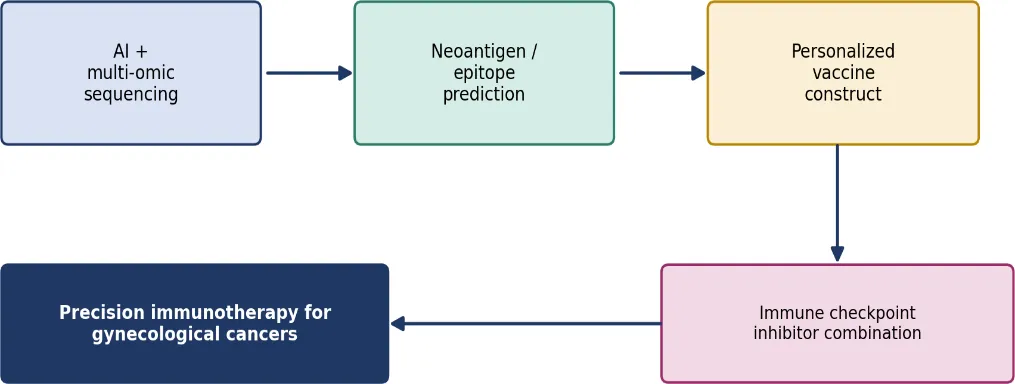
Figure 8. Future of gynecological cancer vaccines: AI + sequencing → neoantigen prediction
→ personalized vaccine → checkpoint-inhibitor combination → precision immunotherapy.
Indeed, all developments in L2/L1L2, mRNA and neoantigen technology, AI-supported vaccine designs, and combination immunotherapy are, in a sense, efforts to make up for the shortcomings of the first-generation L1-VLP vaccines. In terms of delivery, HPV vaccination programs in national healthcare systems and in LMICs in general, supported by digital platforms such as U-WIN and CoWIN, can help track and monitor progress; moreover, the experience of Gavi, UNICEF and WHO shows that the integration of routine immunization campaigns with public-awareness campaigns targeted at adolescent girls could be highly effective 83. Scientifically, WHO's 90-70-90 elimination strategy, including the recommendations made by SAGE on the use of single dose vaccines, combined with scale-up of the indigenous product Cervavac is the next step towards affordable and accessible prophylactic vaccines 51,62,76; moreover, the future prophylactic vaccines can expand the spectrum of the genotypes covered by the L2/L1L2 and mRNA vaccines 23,106–111; finally, the late-phase therapeutic vaccines targeted at E6/E7 keep developing 104,105. Finally, endometrial and ovarian cancers would benefit from the personalized neoantigen and combination immuno-therapy approach discussed in Sections 10-14, which would require continued investments in sequencing capacity, fast and efficient algorithms for predicting the neoantigens, as well as regulatory frameworks for individualized biologics – all problems mentioned in Section 16.3.
Vaccination of gynecological cancers covers the full spectrum – from the proven high success rate of HPV prophylactic vaccine in cervical cancer to the cutting edge of personalized treatment vaccine for endometrial and ovarian cancer. Considering vaccination development based on this spectrum allows understanding what was achieved and what is really possible at the moment. Development of bivalent, quadrivalent, and nonavalent L1-VLP vaccines and affordable indigenous vaccines like Cervavac made an important contribution to prevention of cervical
cancer 62,75,76, and further achievements of the field, including the use of L2-based and L1/L2 chimeric platforms providing broad cross-genotype protection, are being moved from preclinical proof-of-concept to first-in-human study 106-111. Therapeutic vaccines like VGX-3100 and GX-188E showed that vaccination can also be applied to established lesions, not only for infections 69,70,104,105, and the same methodology – tumor-associated antigens, cancer-testis antigens, and personalized neoantigens identified using AI-assisted sequencing methods – is being used in cases of endometrial and ovarian cancer, which do not have any infection cause to target 22,86,87,115-119. Achievements in the field are still unbalanced: cross-protection remains partial and inconsistent, not comprehensive (Section 8); non-HPV gynecological cancers have no universal targets and face an immunosuppressive tumor microenvironment (Section 16.2), and problems in access to vaccines, cultural barriers, and logistical constraints continue to restrict the usage of even the most established vaccine in the field 77. Further advances in the field will require closing the gap in genotype coverage using next-generation vaccines, further development of therapeutic and personalized vaccines overcoming the barriers discussed in Section 16, and integration of all this knowledge in combination with screening, treatment and immune-therapy approaches – the combination, which will finally decide the fate of cervical cancer elimination and development of vaccine for other gynecological cancers 21,77.
ACKNOWLEDGEMENT
The authors sincerely acknowledge the support and guidance received from their colleagues and institution during the preparation of this review article. The authors also acknowledge the contributions of researchers and scientific organizations whose published work provided the scientific basis for this review.
REFERENCES



Mohd Akhtar Azam*1, Mohd Suhail Anwar², Harshit Pal³ , A Vaccine-Focused Review Of Prevention And Treatment Strategies In Gynecological Cancers, Int. J. of Pharm. Sci., 2026, Vol 4, Issue 9, 2417-2447. https://doi.org/10.5281/zenodo.22870258
 10.5281/zenodo.22870258