

We use cookies to ensure our website works properly and to personalise your experience. Cookies policy
Shri Gurudatta Shikshan Prasarak Sanstha Institute of Pharmacy, Kaulkhed, Akola
The increasing ethical concerns, high costs, and limited translational predictability of animal experiments have accelerated the development of alternative approaches in preclinical pharmacokinetics (PK) and toxicology. Artificial Intelligence (AI) has emerged as a transformative technology that integrates computational modeling, in vitro systems, organ-on-chip platforms, and large biological datasets to predict drug behavior and toxicity without extensive animal use. AI-driven methods such as Quantitative Structure–Activity Relationship (QSAR) modeling, Physiologically Based Pharmacokinetic (PBPK) modeling, machine learning algorithms, digital twins, and multi-omics analysis enable rapid and accurate prediction of absorption, distribution, metabolism, excretion (ADME), and toxicological endpoints. These innovative approaches support the principles of the 3Rs (Replacement, Reduction, and Refinement) while enhancing drug development efficiency. This review discusses current AI-integrated alternatives to animal testing, their applications in pharmacokinetics and toxicology, advantages, limitations, and future perspectives in regulatory science.
Preclinical research in pharmacological development has conventionally depended significantly on animal experimentation. Nevertheless, multiple instances illustrate that efficacy observed in animal models does not translate to people due to physiological disparities. Notwithstanding supportive animal studies, these discrepancies often yield inaccurate assessments of drug metabolism, efficacy, and toxicity, culminating in perilous or ineffective therapies.[1] Moreover, animal models may insufficiently capture the intricacies of human illnesses, particularly in neurology, where outcomes are affected by genetic, environmental, and societal variables.[2] Pharmaceutical companies incur substantial financial losses due to the low success rate of medication research, which is partly attributed to these constraints. Furthermore, there is a continuous discourse regarding the ethical implications of animal research, especially in neuroscience with non-human primates. Innovative testing methodologies that utilise sophisticated computational technologies and adhere to the 3Rs framework (Replace, Reduce, Refine) are becoming recognised as a remedy for these issues.Artificial intelligence (AI) has emerged as a powerful enabler of this transformation. Advancements in AI offer an opportunity to reduce animal usage while significantly enhancing the precision, efficiency, and human applicability of safety and toxicity assessments. It offers data-driven models capable of predicting toxicity endpoints, simulating biological responses, and enhancing the efficiency and precision of chemical risk assessments. Artificial intelligence (AI) is revolutionising preclinical drug research by offering innovative alternatives to traditional animal testing.[3] Advanced methodologies like as machine learning (ML), deep learning (DL), AI-driven digital twins (DTs), and AI-augmented organ-on-a-chip (OoC) platforms facilitate the development of accurate models of complex biological systems. AI significantly enhances the predictive capabilities and scalability of digital twins (DTs) and organ-on-a-chip (OoC) technologies, hence addressing their limits. By tackling ethical concerns, minimising expenses, and expediting drug development while adhering to the 3Rs principle (Replace, Reduce, Refine), these technologies provide preliminary, reliable assessments of pharmaceutical safety and efficacy. Preclinical research can enhance the precision and efficacy of drug development by integrating AI with advanced models. 1To enhance human relevance and medicine safety evaluation, regulatory bodies like the FDA are advocating for the adoption of alternative methodologies, like digital twins and microphysiological systems. For instance, the FDA Modernisation Act 2.0 [4]
AI-integrated alternatives to animal testing in preclinical toxicology and pharmacokinetics exhibit significant potential for improving drug safety evaluations; nonetheless, numerous hurdles persist. Primary issues are the limited availability of high-quality, labelled information essential for training AI models, particularly for rare and intricate toxicological assessments. The integration of diverse data from several sources—such as chemical structures, multi-omics, and clinical data—necessitates comprehensive standardisation and quality control, which remains inadequately advanced. Model interpretability presents a significant obstacle, since intricate AI algorithms frequently function as "black boxes," so constraining the transparency essential for regulatory approval and therapeutic confidence. Additionally, AI models must be tailored for various toxicity endpoints, necessitating interdisciplinary collaboration to create specialised predictive frameworks. From a regulatory perspective, criteria for validation, repeatability, and reporting are developing but not yet widely established, hindering use in formal toxicological procedures.In the future, the expansion of datasets through data sharing and synthetic data generation, along with the integration of many sources, may boost model interpretability and improve explainability tools. Establishing standardised benchmarks and open-source platforms will enhance the reproducibility and reliability of outcomes, hence enabling regulatory approval. Consequently, AI in preclinical investigations offers more compassionate, precise, and cost-efficient medication safety evaluations, while diminishing reliance on animal testing and promoting advancements in precision medicine and regulatory sciences.[4]Consequently, AI-integrated methodologies represent a substantial transformation in preclinical research, providing ethical, human-relevant, and scientifically enhanced alternatives to animal testing, while also advancing drug development and adhering to the 3R principle.[5]
Table 1. Need for Alternatives to Animal Testing and Role of AI in Pharmacokinetics[6]
|
Aspect |
Description |
|
Limitations of Animal Models |
Ethical concerns, high cost, time-consuming studies, inter-species differences, and poor prediction of human toxicity. |
|
Regulatory Motivation (3Rs Principle) |
Replacement: Avoid animal use; Reduction: Minimize animal numbers; Refinement:Reduce pain and distress. |
|
Role of AI in Pharmacokinetics |
Predicts drug disposition and ADME properties using computational models. |
|
AI-Based ADME Prediction |
Predicts absorption, bioavailability, plasma protein binding, metabolism, clearance, and excretion. |
|
Applications |
Early drug screening, lead optimization, and identification of metabolic liabilities. |
AI Landscape in Drug Discovery and Development
Artificial Intelligence (AI) is transforming the drug discovery and development process by reducing timelines, lowering costs, and improving clinical success rates through advanced data analysis, pattern recognition, and predictive modeling. Traditionally, drug development has been a lengthy and expensive process characterized by extensive trial-and-error experimentation. The integration of AI-driven technologies enables pharmaceutical companies to navigate this complex process more efficiently by accelerating decision-making and optimizing research outcomes.[7]
1. Target Identification and Optimization
Target identification is one of the earliest and most critical stages of drug discovery. Conventional approaches involve screening thousands to millions of compounds and often require several years to identify promising drug candidates. AI significantly enhances this process by analyzing large biomedical datasets, including genomic, proteomic, and transcriptomic data, to identify novel therapeutic targets and disease pathways. Machine learning algorithms can detect complex biological patterns that may be overlooked through traditional analysis. Furthermore, AI-powered virtual screening techniques rapidly evaluate millions of chemical structures for biological activity against specific targets, substantially reducing the time required for hit identification. Advanced generative AI models also facilitate de novo drug design by proposing novel chemical entities with desired pharmacological properties.[8]
2. AI in Preclinical Studies
Following target identification, lead compounds undergo preclinical evaluation to assess their safety, efficacy, and pharmacokinetic characteristics. AI contributes significantly to this stage through predictive modeling and automation. Machine learning models trained on extensive chemical and biological datasets can accurately predict toxicity, carcinogenicity, absorption, distribution, metabolism, and excretion (ADME) profiles. These predictions help eliminate unsuitable compounds at an early stage, reducing unnecessary laboratory and animal testing. Additionally, AI supports the development of virtual preclinical models and the analysis of data generated from advanced systems such as organ-on-a-chip technologies. By supplementing or replacing certain animal experiments, AI can provide faster and more human-relevant insights into drug safety and efficacy.[9]
3. Clinical Trial Design and Monitoring
AI and machine learning play an increasingly important role in clinical trial design, execution, and monitoring. These technologies enable efficient analysis of large and diverse datasets generated during clinical studies, including data from digital health technologies and wearable devices. AI can assist in data cleaning, identification of duplicate participants, handling missing data through imputation, and evaluating composite clinical endpoints. Predictive modeling and counterfactual simulations are also being employed to optimize trial design and improve patient recruitment strategies. Furthermore, in silico clinical trials utilize computational models and virtual patient populations to simulate clinical outcomes, allowing researchers to evaluate drug candidates before initiating costly human studies.[10]
4. Post-Marketing Surveillance
After regulatory approval, AI continues to support drug safety through post-marketing surveillance and pharmacovigilance activities. AI and machine learning algorithms can rapidly identify, classify, and assess adverse drug reactions from various data sources, including electronic health records, social media, and spontaneous reporting systems. These technologies assist in case validation, duplicate detection, coding, quality control, and prioritization of safety reports. AI can also determine whether adverse event reports meet regulatory reporting requirements and generate aggregate safety reports for ongoing risk assessment. Consequently, AI enhances the efficiency and accuracy of pharmacovigilance systems, contributing to improved patient safety and regulatory compliance.[11]
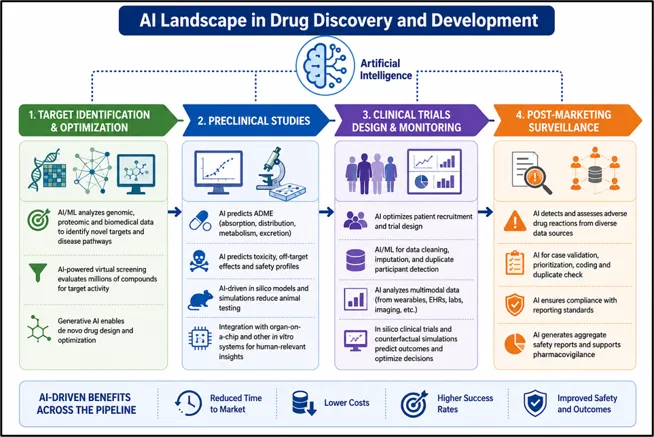
Figure 1. AI Landscape in Drug Discovery and Development
Quantitative Structure–Activity Relationship (QSAR)
Quantitative Structure–Activity Relationship (QSAR) modeling is a widely used computational approach in drug discovery and toxicological research that establishes mathematical relationships between the chemical structure of compounds and their biological activities. QSAR models utilize molecular descriptors, physicochemical properties, and structural features of compounds to predict pharmacological effects, toxicity, and other biological responses without the need for extensive laboratory or animal testing. The integration of Artificial Intelligence (AI), particularly machine learning, deep learning, and artificial neural networks, has significantly enhanced the capabilities of traditional QSAR models. AI-driven QSAR approaches can process large and complex datasets, identify hidden patterns, and automatically extract relevant features that may not be apparent through conventional statistical methods. These advanced algorithms improve prediction accuracy, reliability, and robustness, enabling more precise assessment of drug efficacy and safety profiles. Furthermore, AI-powered QSAR models play a crucial role in toxicity prediction by identifying potentially harmful compounds at the early stages of drug development, thereby reducing the risk of late-stage failures. One of the major advantages of AI-integrated QSAR modeling is its ability to rapidly screen thousands to millions of chemical compounds in a short period, significantly accelerating lead identification and optimization processes. This approach reduces the need for costly and time-consuming experimental studies, minimizes animal testing, and supports the principles of the 3Rs (Replacement, Reduction, and Refinement). Consequently, AI-enhanced QSAR modeling has emerged as a cost-effective, efficient, and ethically responsible tool for modern drug discovery and preclinical safety assessment.[12]
Physiologically Based Pharmacokinetic (PBPK) Modeling
Physiologically Based Pharmacokinetic (PBPK) modeling is a computational approach used to simulate the absorption, distribution, metabolism, and excretion (ADME) of drugs within the human body. These models represent organs and tissues as interconnected compartments and predict drug movement using physiological and biochemical parameters. The integration of Artificial Intelligence (AI) enhances PBPK models by improving parameter estimation, model calibration, and prediction accuracy. AI-assisted PBPK modeling helps predict interindividual variability, optimize dose selection, assess drug–drug interactions, and simulate pharmacokinetic responses in special populations such as pediatric and geriatric patients. By providing human-relevant predictions and reducing reliance on animal testing, AI-enhanced PBPK modeling has become a valuable tool in modern drug development and precision medicine.[13]
Table 2 . AI-Enhanced Physiologically Based Pharmacokinetic (PBPK) Modeling[14]
|
Aspect |
Description |
|
Definition |
PBPK models mathematically simulate the absorption, distribution, metabolism, and excretion (ADME) of drugs through organs and tissues. |
|
AI Enhancements |
Improved parameter estimation, model calibration, and prediction of interindividual variability using machine learning and deep learning algorithms. |
|
Key Applications |
Dose selection and optimization, drug–drug interaction prediction, pediatric and geriatric pharmacokinetic simulations, and personalized medicine. |
|
Advantages |
Human-relevant predictions, reduced animal testing, improved decision-making, and accelerated drug development. |
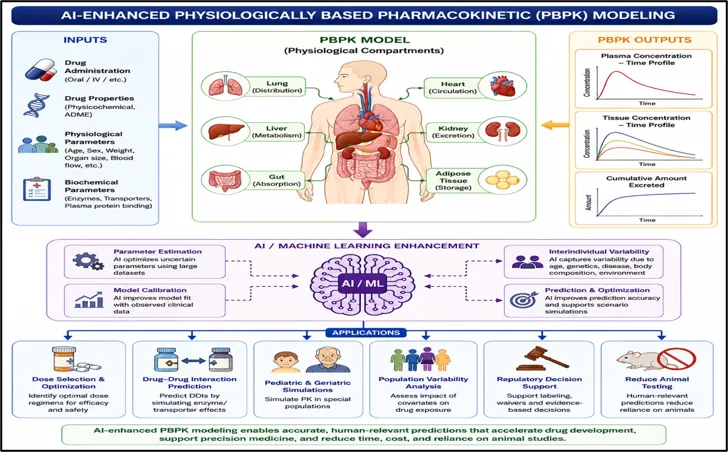
Figure 2. AI-enhanced PBPK modeling for prediction of drug disposition, dose optimization, and reduction of animal testing
Machine Learning-Based Toxicity Prediction
Artificial Intelligence (AI) has emerged as a powerful tool for toxicity assessment in preclinical drug development by enabling the prediction of adverse effects before extensive laboratory or animal testing. Machine learning-based toxicity prediction models analyze large datasets comprising chemical structures, biological activities, and toxicological outcomes to identify compounds with potential safety risks. These AI models can accurately predict various toxicity endpoints, including hepatotoxicity (liver toxicity), nephrotoxicity (kidney toxicity), cardiotoxicity (heart toxicity), neurotoxicity (nervous system toxicity), and genotoxicity (DNA damage). Advanced algorithms such as Random Forest, Support Vector Machine (SVM), Artificial Neural Networks (ANNs), and Deep Learning models are widely employed to detect complex patterns and relationships within biological data, thereby improving prediction accuracy and reliability. The application of AI in toxicity prediction offers several advantages, including early identification of toxic compounds, reduction in late-stage drug failures, decreased attrition rates, and faster safety evaluation during drug development. Furthermore, these computational approaches reduce dependence on animal testing, lower research costs, and facilitate the development of safer and more effective therapeutic agents[15]
In Silico Toxicology
In silico toxicology is a computational approach that uses computer-based models, artificial intelligence, bioinformatics tools, and biological databases to predict the toxicological properties of chemical compounds. By integrating chemical structure information, biological activity data, and toxicological endpoints, in silico methods enable rapid assessment of potential hazards without extensive laboratory or animal testing. Recent advances in machine learning and deep learning have significantly improved the accuracy of toxicity predictions, making in silico toxicology an important component of modern drug discovery and safety evaluation. These approaches facilitate early identification of toxic compounds, reduce development costs, and support the principles of the 3Rs (Replacement, Reduction, and Refinement). Major applications include prediction of carcinogenicity, mutagenicity, hepatotoxicity, cardiotoxicity, and endocrine-disrupting effects, thereby enhancing the efficiency of preclinical safety assessments.[15]
Table 3. Major Databases Used in In Silico Toxicology[16]
|
Database |
Description |
Applications |
|
PubChem |
Public repository of chemical structures and bioactivity data. |
Toxicity prediction, chemical screening, QSAR modeling. |
|
ChEMBL |
Database of bioactive molecules with drug-like properties. |
Drug discovery, target identification, toxicity assessment. |
|
Tox21 |
Toxicity testing database developed for predictive toxicology. |
High-throughput toxicity screening and hazard prediction. |
|
DrugBank |
Comprehensive database of drugs, targets, and pharmacological information. |
Drug safety evaluation and adverse effect prediction. |
Organ-on-Chip Technology with AI
Organ-on-chip technology consists of microfluidic devices that mimic human organ structure and physiological functions in a controlled laboratory environment. These systems are designed to simulate key human organs such as the liver, kidney, lung, heart, and gut, enabling more accurate biological testing. When integrated with artificial intelligence (AI), these platforms become more powerful as AI helps in analyzing real-time sensor data, interpreting cellular responses, and evaluating biomarker expression patterns. This combination significantly improves the accuracy of toxicity prediction and drug testing outcomes. Overall, organ-on-chip systems with AI provide more human-relevant results while reducing the dependence on animal testing and enhancing drug development efficiency.[17]
Table 4. Organ-on-Chip Technology with AI
|
Aspect |
Details |
|
Technology |
Microfluidic devices mimicking human organs |
|
Types |
Liver-on-chip, Kidney-on-chip, Lung-on-chip, Heart-on-chip, Gut-on-chip |
|
AI Integration |
Analysis of real-time sensor data, cellular responses, biomarkers |
|
Key Benefit 1 |
More human-relevant experimental results |
|
Key Benefit 2 |
Reduced animal testing |
|
Key Benefit 3 |
Improved toxicity prediction and drug safety assessment |
Digital Twins, Multi-Omics, and AI in Drug Development
Digital twins in drug development are virtual representations of biological systems that help simulate drug responses, predict adverse effects, support personalized medicine, and optimize clinical trials. They provide dynamic prediction models that continuously learn from new data, ultimately reducing reliance on animal studies while improving prediction accuracy.Multi-omics and AI integration combine genomics, transcriptomics, proteomics, and metabolomics to enable deeper biological insights. This integration is widely used for biomarker identification, toxicity mechanism analysis, and precision toxicology, offering a more mechanistic understanding of disease and drug effects compared to traditional animal models.AI-driven alternative testing methods use computational and experimental models to replace or reduce animal testing. These methods include QSAR, PBPK, organ-on-chip systems, cell-based assays, digital twins, and multi-omics approaches, each contributing differently to toxicity prediction, ADME modeling, and human-relevant biological simulation.[18]
AI-Driven Alternative Testing Methods
Table 5: AI-Driven Alternative Testing Methods for Reducing Animal Use in Drug Development
|
Method |
AI Application |
Animal Replacement Potential |
|
QSAR Models |
Toxicity prediction |
High |
|
PBPK Models |
ADME simulation |
High |
|
Organ-on-Chip |
Human tissue simulation |
Moderate to High |
|
Cell-Based Assays |
Data interpretation |
Moderate |
|
Digital Twins |
Virtual patient simulation |
High |
|
Multi-Omics Analysis |
Mechanistic toxicology |
High |
Advantages of AI-Integrated Alternatives
These approaches provide strong scientific, economic, and ethical benefits. Scientifically, they improve human-relevant predictions, translational accuracy, and mechanistic understanding of toxicity. Economically, they reduce development costs, accelerate screening, and lower resource usage. Ethically, they significantly reduce animal usage and align with global regulatory expectations.[19]
Challenges and Limitations
Despite strong potential, AI-based methods face challenges such as limited high-quality datasets, data bias, model overfitting, regulatory uncertainty, lack of standard validation frameworks, and the inherent complexity of biological systems. Addressing these issues is essential for large-scale adoption in pharmaceutical research.[20]
Regulatory Perspective and Future Outlook
Regulatory agencies are increasingly supporting alternative methods. The U.S. FDA promotes computational toxicology tools, the European Medicines Agency supports PBPK and modeling approaches, and the OECD has developed guidelines for validated alternative testing strategies. These efforts show a clear shift toward AI-supported regulatory decisions.[21]
Future developments are expected to include AI-driven virtual human models, integrated organ-on-chip networks, explainable AI systems, real-time toxicity monitoring, and fully digital preclinical platforms. The convergence of AI, systems biology, and advanced in vitro technologies may significantly reduce or potentially replace animal testing in several areas of drug development.[22]
CONCLUSION
Artificial intelligence has emerged as a transformative tool in preclinical studies, particularly in pharmacokinetics and toxicology, offering a scientifically robust and ethically superior alternative to conventional animal models. The integration of AI-driven computational models, organ-on-chip technologies, and multi-omics data enables unprecedented precision in predicting drug absorption, distribution, metabolism, excretion, and toxicity (ADMET).These integrated approaches strongly support the principles of the 3Rs—Replacement, Reduction, and Refinement—while also aligning with evolving global regulatory frameworks such as the FDA Modernization Act 2.0 and OECD guidelines for AI-based toxicological assessment. Despite significant progress, challenges remain in data quality, model interpretability, and cross-modal integration of complex biological datasets.Looking forward, the convergence of AI, bioengineering, and human-relevant experimental systems is expected to redefine drug safety evaluation. Advancements in explainable AI, quantum-enhanced modeling, and federated learning collaborations will further enhance prediction accuracy, transparency, and scalability in preclinical research. Ultimately, AI-integrated alternative methods represent a new era of humane, precise, and digitally empowered pharmaceutical innovation.
REFERENCES

Purva Gupta, Urmila Tiwaskar, Sanika Bhuskat, Gauri Datir, Gauri Nagalkar, Gayatri Jawanjal, AI-Integrated Alternatives to Animal Testing in Preclinical Pharmacokinetics and Toxicology, Int. J. of Pharm. Sci., 2026, Vol 4, Issue 6, 1417-1426. https://doi.org/10.5281/zenodo.20564922
 10.5281/zenodo.20564922