

We use cookies to ensure our website works properly and to personalise your experience. Cookies policy
Shree Dev Bhoomi institute of education science and technology, veer madho Singh Bhandari Uttarakhand technical university, dehradun.
Controlled drug-delivery systems have emerged as a crucial strategy for improving therapeutic efficacy, minimizing dosing frequency, and reducing systemic toxicity of antibiotics. Injectable in situ gel-forming systems represent an advanced biodegradable platform capable of transforming from a liquid to a gel after administration, thereby enabling localized and sustained drug release. Gentamicin, a broad-spectrum aminoglycoside antibiotic, is widely used for the treatment of severe bacterial infections; however, its conventional administration is associated with nephrotoxicity, ototoxicity, and the need for frequent dosing. Modification of biodegradable injectable gels using benzyl alcohol as a co-solvent, preservative, and permeation-modifying agent has shown promise in enhancing solubility, gelation behavior, antimicrobial stability, and sustained release characteristics. This review summarizes the principles of injectable in situ gel systems, physicochemical and pharmacological properties of gentamicin, the role of benzyl alcohol in formulation design, polymeric biodegradable matrices, preparation techniques, evaluation parameters, release kinetics, and current research trends. The review highlights the potential of benzyl alcohol-modified biodegradable injectable gels as a safer and more effective sustained antibiotic delivery approach for localized infections.
Antibiotic resistance, systemic toxicity, and poor patient compliance associated with conventional dosage forms have stimulated the development of novel drug-delivery technologies. Injectable in situ gel systems are gaining attention because they allow minimally invasive administration and subsequent transformation into a depot-forming gel at the site of injection. This transformation may be triggered by physiological temperature, pH, ionic strength, or solvent exchange, enabling localized and sustained drug release (Ruel-Gariepy and Leroux, 2004; Packhaeuser et al., 2004).
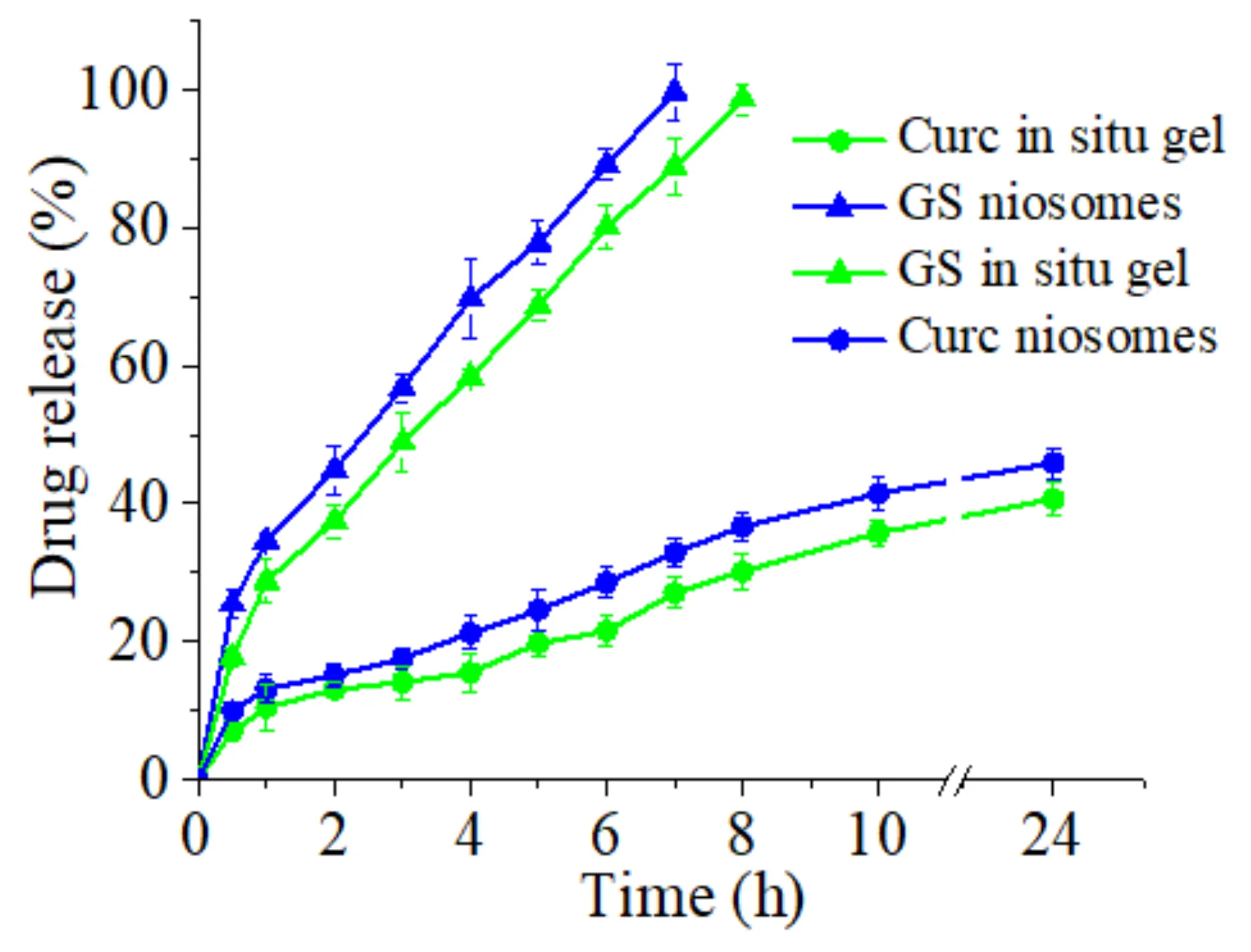
Gentamicin remains a clinically significant antibiotic due to its potent bactericidal action against Gram-negative pathogens and certain Gram-positive organisms. Despite its efficacy, repeated parenteral dosing is required to maintain therapeutic plasma concentrations, which increases the risk of toxicity. Sustained-release injectable systems can localize the drug, reduce dosing frequency, and maintain prolonged antibacterial activity, thereby improving patient compliance and therapeutic outcomes (Krause et al., 2016; Forge and Schacht, 2000).
Benzyl alcohol has been incorporated into injectable biodegradable systems to improve drug solubility, modify polymer–drug interactions, and influence gelation and release kinetics. Its role as a co-solvent and preservative enhances formulation stability and sustained drug delivery. Therefore, benzyl alcohol-modified biodegradable in situ gels of gentamicin represent a promising approach for controlled antimicrobial therapy (Soliman, 2019; Patel et al., 2010).
2. INJECTABLE IN SITU GEL DRUG-DELIVERY SYSTEMS
2.1 Concept and Mechanism
Injectable in situ gels are polymeric liquid formulations that undergo a phase transition after administration into the body, forming a semi-solid or gel-like depot at the site of injection. This transformation enables the formulation to remain localized and release the incorporated drug in a controlled and sustained manner over an extended period (Ruel-Gariepy and Leroux, 2004; Packhaeuser et al., 2004).
The gelation process in these systems can occur through several physiological or physicochemical triggers. Thermosensitive gelation occurs when temperature changes from room temperature to body temperature induce polymer precipitation or gel formation. In pH-sensitive systems, variation in environmental pH initiates polymer network formation, while ion-activated gelation occurs due to interaction with physiological ions present in body fluids. Another mechanism is solvent exchange-induced precipitation, where diffusion of solvent into surrounding tissues leads to polymer solidification and depot formation (Heller et al., 2002; Li et al., 2018).
These injectable gel systems offer multiple therapeutic advantages. They enable sustained and localized drug release at the target site, thereby reducing systemic drug exposure and minimizing associated side effects. Such controlled delivery also improves patient compliance by decreasing the frequency of administration (Packhaeuser et al., 2004; Soliman, 2019).
Additionally, injectable in situ gels provide a minimally invasive alternative to surgical implantation of drug depots, making them highly suitable for long-term therapy and localized treatment of infections or chronic conditions (Patel et al., 2010; Bakhshi et al., 2016).
2.2 Advantages in Antibiotic Therapy
Injectable in situ gel systems offer significant therapeutic benefits when used for the delivery of antibiotics such as gentamicin. One of the primary advantages is their ability to maintain a sustained therapeutic drug concentration directly at the site of infection. This localized depot formation ensures prolonged antibacterial activity without the need for repeated systemic administration (Krause et al., 2016; Forge and Schacht, 2000).
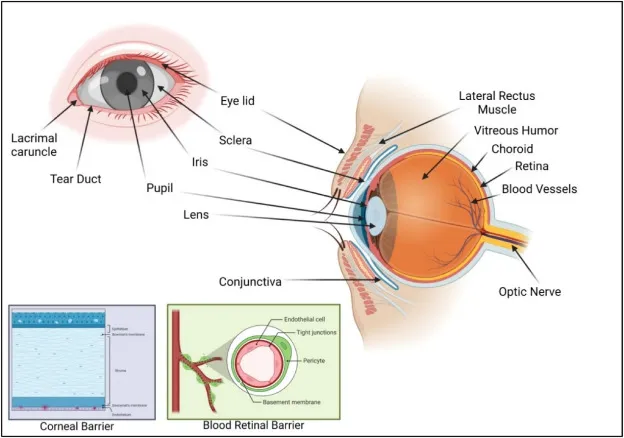
By restricting most of the drug exposure to the target tissue, these systems help reduce systemic distribution and thereby lower the risk of serious adverse effects, particularly nephrotoxicity and ototoxicity commonly associated with aminoglycoside therapy. This safety improvement is especially important in long-term or high-dose treatment conditions (Becker and Cooper, 2013; Krause et al., 2016).
Another important benefit is the reduction in dosing frequency. Sustained-release behavior minimizes the need for multiple daily injections, improving patient comfort, treatment adherence, and overall clinical outcomes (Ruel-Gariepy and Leroux, 2004; Soliman, 2019).
Furthermore, in situ gel-based antibiotic delivery has shown promising utility in the management of localized infections such as wound infections and osteomyelitis. The prolonged residence time of the gel at the affected site enhances bacterial eradication and supports more effective healing compared with conventional dosage forms (Li et al., 2018; Bakhshi et al., 2016).
3. DRUG PROFILE OF GENTAMICIN
3.1 Pharmacological Classification
Gentamicin is classified under the aminoglycoside group of antibiotics, which are well known for their potent and rapid bactericidal activity against a wide range of aerobic Gram-negative microorganisms. Drugs in this class are commonly used in the treatment of severe and life-threatening infections where strong antibacterial action is required (Krause et al., 2016; Becker and Cooper, 2013).
The antibacterial effect of gentamicin is concentration-dependent, meaning that higher drug concentrations lead to more effective bacterial killing. Its primary mechanism of action involves binding to the 30S subunit of the bacterial ribosome, which interferes with protein synthesis. This disruption results in the production of faulty proteins and ultimately causes irreversible damage to bacterial cells, leading to cell death (Forge and Schacht, 2000; Krause et al., 2016).
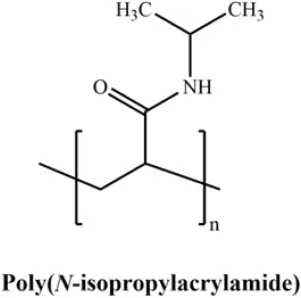
3.2 Spectrum of Activity
Gentamicin exhibits a broad antibacterial spectrum, with particularly strong activity against aerobic Gram-negative bacteria. It is commonly effective against clinically significant pathogens such as Pseudomonas, Escherichia coli, and Klebsiella species, which are frequently associated with severe systemic and hospital-acquired infections. Its rapid bactericidal action makes it valuable in the treatment of septicemia, urinary tract infections, respiratory infections, and intra-abdominal infections caused by these organisms (Becker and Cooper, 2013; Krause et al., 2016).
In addition to Gram-negative coverage, gentamicin also shows activity against certain Gram-positive bacteria when used in combination therapy with other antibiotics, such as beta-lactams or glycopeptides. This synergistic use is particularly important in the management of serious infections like endocarditis, where enhanced bacterial killing is required for effective treatment (Forge and Schacht, 2000; Krause et al., 2016).
3.3 Pharmacokinetic Limitations
Gentamicin shows poor oral absorption due to its highly polar nature, which prevents adequate passage across the gastrointestinal membrane. As a result, the drug must be administered through parenteral routes, such as intravenous or intramuscular injection, to achieve effective systemic concentrations (Krause et al., 2016; Becker and Cooper, 2013).
Another important limitation is its short biological half-life, which leads to rapid elimination from the body. Because of this, frequent dosing is required to maintain therapeutic drug levels, increasing the burden on patients and healthcare systems (Forge and Schacht, 2000; Krause et al., 2016).
Gentamicin therapy is also associated with dose-dependent nephrotoxicity and ototoxicity, which can result in kidney damage and hearing impairment during prolonged or high-dose treatment. These safety concerns significantly restrict long-term systemic use (Becker and Cooper, 2013; Krause et al., 2016).
Collectively, these pharmacokinetic and toxicity-related limitations highlight the importance of developing sustained-release and localized drug-delivery systems, which can maintain effective antibacterial concentrations at the target site while minimizing systemic exposure and adverse effects (Ruel-Gariepy and Leroux, 2004; Soliman, 2019).
4. ROLE OF BENZYL ALCOHOL IN INJECTABLE FORMULATIONS
Benzyl alcohol is widely used in parenteral pharmaceutical formulations because of its multiple functional roles. It possesses antimicrobial preservative activity, which helps protect sterile preparations from microbial contamination during storage and use. In addition, its co-solvent property improves the solubility of poorly water-soluble drugs, thereby supporting uniform drug distribution within the formulation. Benzyl alcohol can also modify membrane permeability and influence polymer precipitation and gelation behavior, which are important factors in the design of injectable delivery systems (Soliman, 2019; Patel et al., 2010).
In biodegradable in situ gel formulations, benzyl alcohol contributes to improved uniform dispersion of the drug within the polymeric matrix and may alter the rate of polymer degradation, thereby affecting the duration of drug release. These effects can collectively enhance the sustained-release profile of the formulation and help maintain therapeutic drug levels over an extended period. Furthermore, its preservative action assists in stabilizing the formulation against microbial contamination, which is essential for injectable products (Bakhshi et al., 2016; Li et al., 2018).
However, careful optimization of benzyl alcohol concentration is necessary, as excessive amounts may lead to local tissue irritation or systemic toxicity. Therefore, formulation design must balance its functional benefits with safety considerations to ensure effective and well-tolerated drug delivery (Soliman, 2019; Ruel-Gariepy and Leroux, 2004).
5. BIODEGRADABLE POLYMERS USED IN IN SITU GELS
5.1 Poly(lactic-co-glycolic acid) (PLGA)
PLGA is one of the most widely used FDA-approved biodegradable polymers in controlled drug-delivery research. It undergoes hydrolytic degradation to form lactic acid and glycolic acid, which are naturally metabolized in the body, ensuring good biocompatibility and safety. PLGA-based systems are capable of providing controlled and sustained drug release ranging from several weeks to months, making them highly suitable for long-acting injectable formulations (Patel et al., 2010; Bakhshi et al., 2016).
5.2 Poloxamers
Poloxamers are thermoresponsive block copolymers that exhibit temperature-dependent phase transition behavior. These polymers remain in a liquid state at low or room temperature, which allows easy injection, but rapidly convert into a gel at physiological body temperature. This property makes poloxamers particularly useful for minimally invasive sustained-release drug-delivery applications (Ruel-Gariepy and Leroux, 2004; Li et al., 2018).
5.3 Chitosan and Natural Polymers
Chitosan and other natural polymers are known for their excellent biocompatibility, biodegradability, and mucoadhesive properties. They can undergo ion-triggered gelation in the presence of physiological ions, forming stable gel matrices at the administration site. Because of these characteristics, natural polymer-based systems are highly suitable for localized antimicrobial delivery and tissue-targeted therapy (Soliman, 2019; Bakhshi et al., 2016).
5.4 Polycaprolactone and Other Synthetic Polymers
Polycaprolactone and related synthetic biodegradable polymers exhibit a slow degradation rate, which enables prolonged and long-term sustained drug release. Their mechanical strength and stability make them valuable for extended-duration depot formulations where continuous therapeutic levels of drug are required over long periods (Li et al., 2018; Patel et al., 2010).
6. FORMULATION STRATEGIES
6.1 Solvent Exchange Method
In the solvent exchange method, the drug and biodegradable polymer are dissolved in a biocompatible organic solvent that may also contain benzyl alcohol as a co-solvent or modifier. After injection into the body, the organic solvent gradually diffuses into the surrounding physiological fluid, leading to polymer precipitation and formation of a semi-solid gel depot at the administration site. This depot subsequently enables sustained and localized drug release over an extended period (Ruel-Gariepy and Leroux, 2004; Patel et al., 2010).
6.2 Thermosensitive Systems
Thermosensitive in situ gel systems are commonly prepared using poloxamer-based polymers that exhibit temperature-dependent phase transition behavior. These formulations remain in a free-flowing liquid state during storage and injection at lower temperatures, ensuring easy administration. Once exposed to physiological body temperature, they rapidly undergo gelation, forming a stable matrix that supports prolonged drug release (Li et al., 2018; Soliman, 2019).
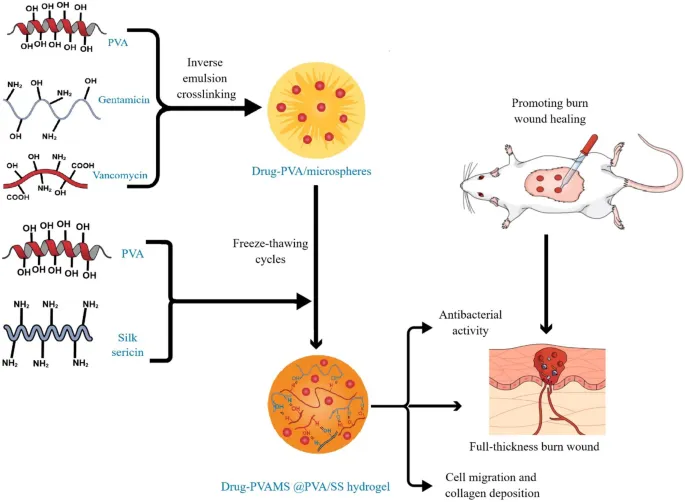
6.3 Optimization Parameters
Successful formulation of injectable in situ gels requires careful optimization of several critical parameters:
7. EVALUATION PARAMETERS
7.1 Physicochemical Evaluation
Physicochemical evaluation is essential to determine the basic quality and performance of injectable in situ gel formulations. Important parameters include appearance and clarity, which indicate uniformity and absence of particulate matter; pH, which must be compatible with physiological conditions to avoid irritation; viscosity and injectability, which ensure smooth administration through a syringe; and gelation temperature or gelation time, which confirm proper phase transition at body conditions for effective depot formation (Ruel-Gariepy and Leroux, 2004; Li et al., 2018).
7.2 Drug Content and Uniformity
Assessment of drug content and uniformity ensures that the formulation contains the accurate amount of gentamicin distributed homogeneously throughout the polymeric system. This evaluation is crucial for maintaining dose precision, therapeutic effectiveness, and formulation consistency (Patel et al., 2010; Soliman, 2019).
7.3 In Vitro Release Studies
In vitro drug-release studies are commonly performed using dialysis membrane techniques or diffusion-based methods to simulate physiological conditions. These studies help determine the rate and duration of drug release, confirming whether the formulation provides the intended sustained-release profile (Bakhshi et al., 2016; Li et al., 2018).
7.4 Kinetic Modeling
Drug-release data are analyzed using mathematical kinetic models to understand the mechanism of release from the gel matrix. Injectable in situ gel systems frequently follow the Higuchi diffusion model, zero-order sustained-release kinetics, or the Korsmeyer–Peppas mechanism, depending on polymer composition and formulation characteristics (Ruel-Gariepy and Leroux, 2004; Patel et al., 2010).
7.5 Biodegradation and Stability
Evaluation of polymer biodegradation rate and long-term stability is critical for therapeutic success. Controlled degradation ensures gradual drug release without accumulation of harmful residues, while stability studies confirm that the formulation maintains its physical integrity, drug potency, and sterility during storage and use (Soliman, 2019; Bakhshi et al., 2016).
7.6 Antimicrobial Activity
Antimicrobial effectiveness of the formulated gel is typically assessed using zone of inhibition studies against susceptible microorganisms. These tests confirm that gentamicin retains its antibacterial activity after incorporation into the biodegradable in situ gel system and throughout the release period (Krause et al., 2016; Forge and Schacht, 2000).
8. RESEARCH ADVANCES IN GENTAMICIN IN SITU GELS
Recent research in gentamicin-loaded in situ gel systems has shown significant progress in achieving prolonged and controlled drug release. Formulations based on biodegradable polymers such as PLGA have demonstrated the ability to create injectable depots capable of sustaining drug release for several weeks, thereby reducing the need for repeated dosing and improving therapeutic efficiency in localized infections (Patel et al., 2010; Bakhshi et al., 2016).
Hybrid polymeric systems combining poloxamer and chitosan have also gained attention due to their enhanced bioadhesive properties and improved retention at the site of administration. These characteristics help maintain higher local drug concentrations for extended durations, which is particularly beneficial in treating persistent or deep-seated infections (Li et al., 2018; Soliman, 2019).
In addition, benzyl alcohol-modified formulations have been reported to improve drug solubility, uniform dispersion within the polymer matrix, and controlled diffusion behavior, all of which contribute to a more predictable and sustained release profile. Such modifications play an important role in optimizing injectable gel performance and stability (Ruel-Gariepy and Leroux, 2004; Patel et al., 2010).
These advanced delivery systems are being explored for clinical applications including osteomyelitis, wound infections, and post-surgical infection prophylaxis, where localized and long-acting antibiotic therapy is highly desirable. Furthermore, emerging technologies such as nanoparticle-loaded in situ gels and stimuli-responsive smart polymer systems represent the next generation of controlled drug-delivery platforms, offering the potential for targeted, responsive, and highly efficient antimicrobial treatment (Bakhshi et al., 2016; Li et al., 2018).
9. CHALLENGES AND LIMITATIONS
Despite the promising potential of gentamicin-loaded in situ gel systems, several formulation and clinical challenges remain. One of the most common issues is the initial burst release of drug, where a significant amount of gentamicin is released rapidly soon after administration. This sudden release may reduce the duration of sustained action and can increase the risk of localized or systemic toxicity (Ruel-Gariepy and Leroux, 2004; Bakhshi et al., 2016).
Another important limitation is the acidity generated during polymer degradation, particularly in systems based on biodegradable polyesters. The formation of acidic by-products may cause local tissue irritation, inflammation, or instability of the incorporated drug, thereby affecting overall therapeutic performance and patient safety (Li et al., 2018; Patel et al., 2010).
From a pharmaceutical and industrial perspective, maintaining sterility and achieving large-scale manufacturing of injectable depot systems are technically complex processes. These formulations require strict aseptic processing, specialized equipment, and consistent quality control to ensure safety, reproducibility, and regulatory compliance (Soliman, 2019; Ruel-Gariepy and Leroux, 2004).
In addition, regulatory approval for long-acting injectable depots is often challenging because such systems must demonstrate extended safety, controlled release behavior, and clinical effectiveness through comprehensive preclinical and clinical studies (Bakhshi et al., 2016; Li et al., 2018).
Addressing these limitations requires polymer modification to control degradation and burst release, optimization of co-solvent systems such as benzyl alcohol, and the use of advanced fabrication and characterization techniques. Continued research in these areas is essential to translate in situ gel technologies into safe, effective, and commercially viable antimicrobial therapies (Patel et al., 2010; Soliman, 2019).
FUTURE PERSPECTIVES
Future research in gentamicin in situ gel systems is focused on developing nanocomposite biodegradable gels that combine nanoparticles with polymeric matrices to achieve more precise, controlled, and responsive drug release. Such systems can improve drug stability, bioavailability, and therapeutic efficacy at the site of infection (Bakhshi et al., 2016; Li et al., 2018).
There is also growing interest in dual-drug antimicrobial systems, which incorporate two complementary antibiotics or an antibiotic with an anti-inflammatory agent. These combinations can enhance the antibacterial spectrum, reduce resistance development, and improve clinical outcomes in complex infections (Soliman, 2019; Patel et al., 2010).
Targeted delivery approaches are being explored for bone and implant-associated infections, where conventional systemic therapy often fails. Localized gels can provide high antibiotic concentrations directly at the infection site while minimizing systemic toxicity (Ruel-Gariepy and Leroux, 2004; Li et al., 2018).
Long-acting outpatient injectable antibiotics represent another promising area. Sustained-release formulations could reduce hospital visits, improve patient compliance, and allow effective treatment in outpatient settings (Bakhshi et al., 2016; Soliman, 2019).
Ultimately, the goal is to translate these advanced gel systems into clinical trials and commercial products. Benzyl alcohol-modified biodegradable injectable gels, in particular, offer the potential to significantly improve localized infection management, treatment adherence, and overall patient outcomes in both hospital and community settings (Patel et al., 2010; Li et al., 2018).
CONCLUSION
Benzyl alcohol-modified biodegradable injectable in situ gel systems of gentamicin offer a significant improvement in sustained and localized antibiotic delivery. By forming a gel depot at the injection site, these systems provide controlled release of the drug over extended periods, which helps maintain therapeutic concentrations while minimizing systemic exposure.
The incorporation of benzyl alcohol enhances drug solubility, ensures uniform dispersion within the polymer matrix, and modulates gelation and release kinetics, contributing to a more predictable and effective therapy. This approach reduces the frequency of dosing and lowers the risk of nephrotoxicity and ototoxicity associated with conventional gentamicin injections.
Moreover, these injectable gels are minimally invasive, improve patient compliance, and offer targeted treatment for localized infections such as osteomyelitis, wound infections, and post-surgical prophylaxis.
With further optimization of polymer composition, drug loading, and co-solvent concentration, along with comprehensive safety evaluations and clinical studies, these systems have the potential to become a clinically viable and commercially applicable solution for modern antimicrobial therapy.
REFERENCES


Anant Krishnan, Vandana Sahani, Dr. Shivanand Patil, Formulation And Evaluation of a Benzyl Alcohol-Modified Biodegradable Injectable in Situ Gel of Gentamicin for Sustained Release, Int. J. of Pharm. Sci., 2026, Vol 4, Issue 8, 961-970, https://doi.org/10.5281/zenodo.21820844
 10.5281/zenodo.21820844