

We use cookies to ensure our website works properly and to personalise your experience. Cookies policy
GRT Institute of Pharmaceutical Education and Research, GRT Mahalakshmi Nagar, Chennai – Thirupathi Highway, Tiruttani- 631209.
Rheumatoid arthritis (RA) is a chronic, systemic autoimmune disease characterized by symmetric synovial inflammation, progressive cartilage and bone destruction, and substantial disability if left untreated. Its etiology is multifactorial, involving genetic susceptibility (notably the HLA-DRB1 "shared epitope" alleles), environmental exposures such as cigarette smoking, hormonal factors, periodontal disease, and increasingly, the gut microbiome and diet. Among dietary factors, a class of naturally occurring plant compounds known as "antinutrients" — principally lectins, phytates, oxalates, and goitrogens — has attracted attention both in the popular press and, to a lesser extent, in the biomedical literature as a possible contributor to autoimmune disease activity, including RA. This review synthesizes the current state of knowledge on antinutrients and RA. It examines the biochemical properties of the major antinutrient classes; the mechanistic hypotheses linking dietary lectins to increased intestinal permeability, altered gut microbiota, and molecular mimicry[8]; the broader literature on gut dysbiosis in RA pathogenesis and the clinical trial evidence for and against antinutrient-restrictive diets in RA management. The review finds that while laboratory and animal studies provide biologically plausible mechanisms by which lectins and related compounds could theoretically contribute to autoimmune activation, controlled human evidence directly linking antinutrient intake to RA onset or disease activity remains sparse and inconclusive. By contrast, whole-food dietary patterns that are naturally rich in antinutrient-containing foods — most notably the Mediterranean diet — have the strongest randomized controlled trial support for modestly improving RA disease activity. The review concludes that blanket antinutrient avoidance is not currently supported as an evidence-based RA management strategy, and that food preparation methods (cooking, soaking, fermenting, sprouting), which substantially reduce antinutrient content, together with overall dietary pattern, are likely more relevant to clinical outcomes than antinutrient elimination per se[32].
RHEUMATOID ARTHRITIS:
Rheumatoid arthritis (RA) is a chronic, systemic autoimmune disease characterized by persistent inflammation of the synovial joints, leading to progressive joint destruction, pain, swelling, stiffness, and disability. It is one of the most common inflammatory rheumatic diseases affecting approximately 0.5–1% of the global population. The disease occurs in individuals of all ages but is most frequently diagnosed between 30 and 60 years of age. Women are affected two to three times more often than men, suggesting an important role of hormonal and genetic factors in disease susceptibility[27].
Rheumatoid arthritis develops when the body's immune system mistakenly attacks the synovial membrane, which lines the joints (Fig. 01). This abnormal immune response results in chronic inflammation, proliferation of synovial tissue, and destruction of cartilage and bone. If left untreated, RA can lead to irreversible joint deformities, functional disability, and reduced quality of life. Besides affecting joints, RA is also associated with systemic complications involving the cardiovascular system, lungs, eyes, skin, kidneys, and nervous system[5].
The exact cause of rheumatoid arthritis remains unknown; however, it is considered a multifactorial disease resulting from interactions among genetic, environmental, hormonal, and immunological factors. Genetic susceptibility is strongly associated with certain HLA-DRB1 alleles. Environmental risk factors such as cigarette smoking, obesity, periodontal disease, infections, occupational exposures, and alterations in the gut microbiota are believed to contribute to disease initiation and progression. These factors trigger immune dysregulation, leading to the production of autoantibodies such as rheumatoid factor (RF) and anti-citrullinated protein antibodies (ACPA), which are important biomarkers in rheumatoid arthritis[16].
Clinically, rheumatoid arthritis is characterized by symmetrical polyarthritis, most commonly affecting the small joints of the hands and feet. Patients usually present with morning stiffness lasting more than one hour, joint tenderness, fatigue, loss of appetite, weight loss, and generalized weakness. As the disease progresses, persistent inflammation causes cartilage destruction, bone erosion, ligament damage, and joint deformity. Without early diagnosis and treatment, patients may experience severe physical disability and impaired daily functioning [1].
In recent years, the management of rheumatoid arthritis has improved considerably with the introduction of disease-modifying antirheumatic drugs (DMARDs), biological agents, and targeted synthetic therapies. Although pharmacological treatment effectively controls inflammation and slows disease progression, comprehensive disease management also requires lifestyle modifications, physical activity, psychological support, and nutritional interventions. Nutrition has emerged as an important complementary strategy because dietary factors influence immune function, inflammatory pathways, oxidative stress, and overall metabolic health[6,28].
A balanced diet provides essential nutrients required for maintaining immune function, muscle mass, bone health, and tissue repair. Patients with rheumatoid arthritis are at increased risk of malnutrition due to chronic inflammation, decreased appetite, reduced physical activity, gastrointestinal adverse effects of medications, and increased metabolic demands. Nutritional deficiencies involving calcium, vitamin D, iron, folate, vitamin B12, and protein are frequently observed among patients with long-standing rheumatoid arthritis. Therefore, appropriate nutritional assessment and dietary counseling are important components of patient care[22,31].
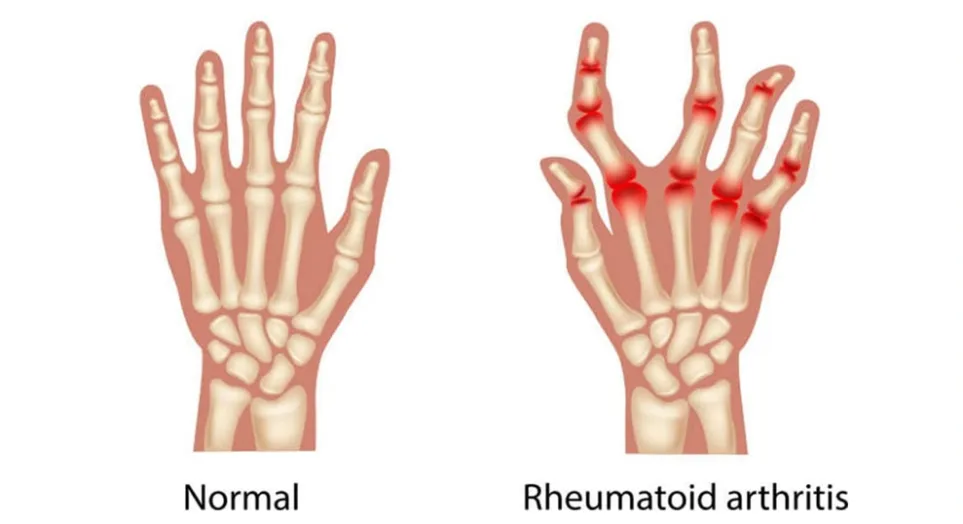
Fig.01 Rheumatoid arthritis.
ANTI-NUTRIENTS (Fig.02):
Anti-nutrients are naturally occurring compounds found in many plant-based foods that can interfere with the digestion, absorption, or utilization of nutrients in the human body. They are part of a plant's natural defense system against pests and environmental stress. While anti-nutrients can reduce the bioavailability of certain minerals and nutrients, many foods containing them also provide important health benefits [35].
According to the World Health Organization and scientific nutrition literature, anti-nutrients are not necessarily harmful when consumed as part of a balanced diet, especially after common food-processing methods such as soaking, cooking, fermenting, or sprouting [24].
Rapid population growth worldwide, and changes in the eating behavior are contributing to a massively imbalanced and unsustainable future for the planet. The intake of plant-based or plant-forward eating patterns focus on foods primarily from plants has been proposed as an effective strategy in the prevention of several chronic diseases, mainly those related to an increased oxidative stress . The consumption of plant-based foods, that includes not only the consumption of fruits and vegetables, but also nuts, seeds, oils, whole grains, legumes and beans, has shown to have beneficial effects on body weight, glycemic control lipid profile inflammatory response and cardiovascular disease. In fact, fruit and vegetable consumption has been associated with a reduction in the risk of all-cause mortality, and it has also been suggested that these benefits are partly due to different bioactive compounds mainly present in plants such as phytochemicals and dietary fiber[25,34,2].
Antinutrients such as lectins, glucosinolates, phytates, oxalates, tannins or saponins, among others appear as a result of defence mechanisms with which plants protect themselves from the surrounding environment. Antinutrients are plant compounds which have traditionally been considered harmful to health due to their potential to limit the bioavailability of essential nutrients. For this, different processing and cooking methods have been studied to reduce their quantity in foods . However, in recent years, these so-called anti-nutrients have become known to possess beneficial effect and therapeutic potential on several diseases. The purpose of this study was to examine the scientific literature of some substances classified as antinutrient compounds, providing current evidence of their properties, focus on the potential risks, benefits and clinical implications. This review compiles scientific evidence regarding the role of anti-nutrients lectins, goitrogens, phytates and oxalates in the human health. Moreover, it examines their negative effects and the different procedures or approaches to reduce their presence in foods; and, based on the recent research, the new evidences about their potential bioactive properties[24,11].
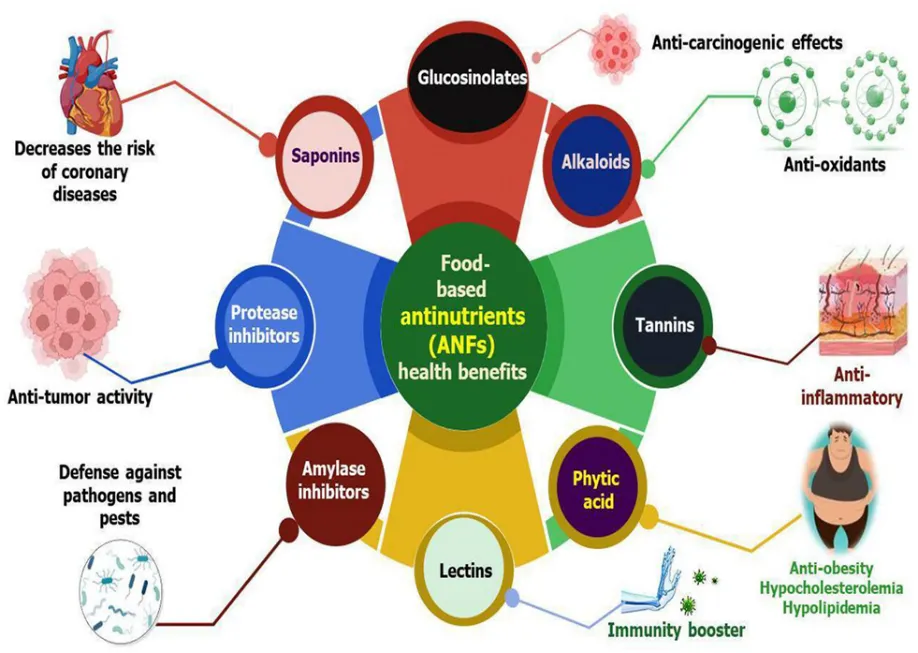
Fig.02: Health Benefits of Food-Based Antinutrients (ANFs):
Although traditionally considered harmful, food-based antinutrients such as glucosinolates, alkaloids, tannins, phytic acid, lectins, amylase inhibitors, protease inhibitors, and saponins offer several health benefits. They exhibit antioxidant, anti-inflammatory, anti-carcinogenic, anti-tumor, anti-obesity, cholesterol-lowering, and immune-boosting properties. They also help reduce the risk of coronary heart disease and provide defense against pathogens and pests, making them valuable bioactive compounds when consumed in appropriate amounts. [24]
IMPORTANCE IN RHEUMATOID ARTHRITIS (RA):
RA patients require nutrients such as calcium, iron, zinc, vitamin D, and omega-3 fatty acids for reducing inflammation and maintaining bone and joint health[26].
Table 01: Antineutrients, food sources, nutrient affected, effect on nutrient absorption and bioavailability
|
Anti nutrients components |
Food Source |
Nutrient affected |
Effect on nutrient absorption |
Effect on Bio Availability
|
|
Phytates (Phytic Acid) |
Whole grains, legumes, beans, lentils, nuts, seeds |
Iron, Zinc, Calcium, Magnesium |
Binds minerals and reduces their absorption in the intestine |
Decreases bioavailability by binding minerals and forming insoluble complexes.[21] |
|
Oxalates |
Spinach, beet greens, rhubarb, sweet potatoes, cocoa |
Calcium, Magnesium |
Forms insoluble complexes with calcium, reducing its absorption |
Decreases bioavailability by forming calcium oxalate complexes that cannot be absorbed. |
|
Tannins |
Tea, coffee, grapes, pomegranate, some legumes |
Iron |
Decreases iron absorption by forming insoluble complexes |
Reduces iron bioavailability by forming insoluble iron-tannin complexes. |
|
Lectins |
Raw beans, legumes, whole grains |
Calcium, Iron, Zinc |
Interferes with nutrient absorption and may affect intestinal function |
Reduces bioavailability by interfering with intestinal absorption. |
|
Saponins |
Soybeans, chickpeas, lentils, quinoa |
Iron, Zinc |
Can reduce mineral absorption and alter intestinal permeability |
May lower bioavailability by affecting intestinal permeability. |
|
Protease Inhibitors |
Soybeans, peas, beans, cereals |
Proteins |
Inhibit digestive enzymes, reducing protein digestion and utilization |
Reduce protein bioavailability by inhibiting digestive enzymes such as trypsin and chymotrypsin. |
|
Goitrogens |
Cabbage, broccoli, cauliflower, kale, radish |
Iodine |
Interfere with iodine utilization and thyroid hormone synthesis |
Reduce iodine bioavailability and thyroid hormone production. |
|
Dietary Fiber (Excess Amounts) |
Whole grains, fruits, vegetables, bran |
Iron, Zinc, Calcium |
Excessive intake may reduce mineral |
Decreases mineral bioavailability by binding minerals in the gut.[32,14] |
MECHANISM OF ACTION
RHEUMATOID ARTHRITIS
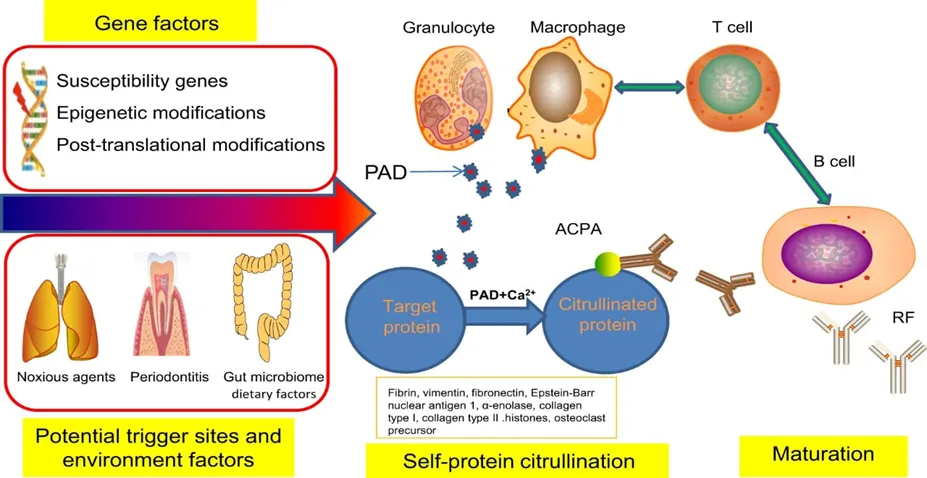
Fig.03: Mechanism of Rheumatoid Arthritis:
Rheumatoid arthritis (RA) develops through the interaction of genetic susceptibility and environmental factors. Genetic factors, including susceptibility genes and epigenetic modifications, increase the risk of developing the disease. Environmental triggers such as smoking, periodontitis, and alterations in the gut microbiome activate immune cells. These immune cells release the enzyme peptidyl arginine deiminase (PAD), which converts normal proteins into citrullinated proteins. The immune system recognizes these modified proteins as foreign and produces anti-citrullinated protein antibodies (ACPA). T cells and B cells become activated, leading to the production of rheumatoid factor (RF) and other inflammatory mediators. This immune response causes chronic inflammation, joint damage, cartilage destruction, and bone erosion, which are the characteristic features of rheumatoid arthritis [24,25,35].
Genetic Predisposition + Environmental Triggers
(Smoking, Infections, Hormonal Factors)
│
▼
Immune System Activation
│
▼
Activation of T Cells and B Cells
│
▼
Production of Autoantibodies
(Rheumatoid Factor [RF] and Anti-CCP Antibodies)
│
▼
Release of Pro-inflammatory Cytokines
(TNF-α, IL-1, IL-6, IL-17)
│
▼
Synovial Inflammation (Synovitis)
│
▼
Pannus Formation
│
▼
Cartilage Destruction
│
▼
Bone Erosion
│
▼
Joint Deformity, Pain, Stiffness,
and Loss of Joint Function[16]
ANTI NUTRIENTS
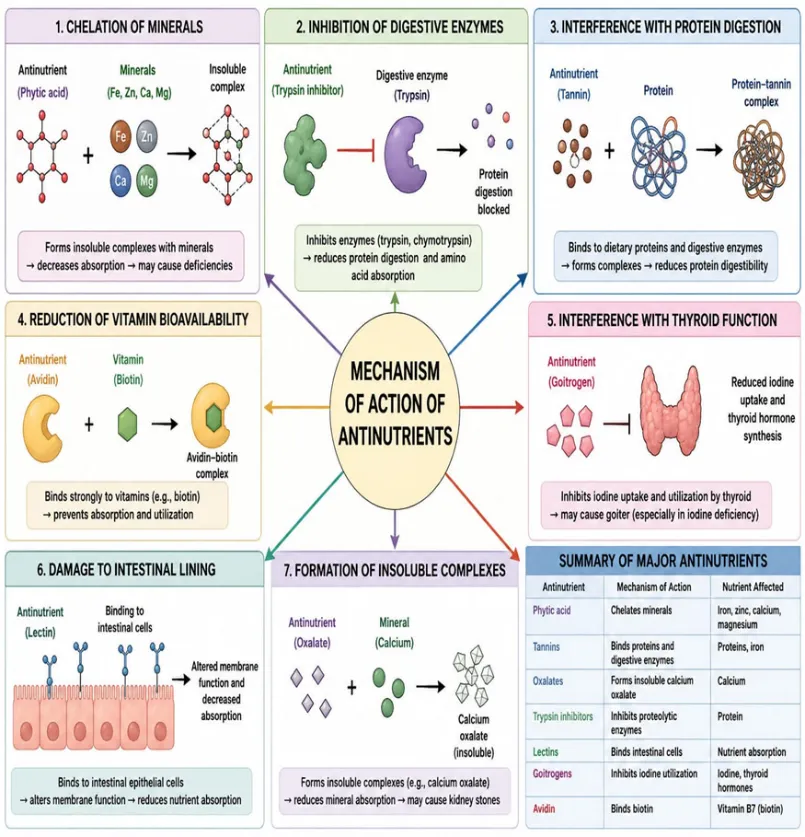
Fig.04:Mechanism of Action of Antinutrients (8–10 lines):
Antinutrients are natural compounds found in plant-based foods that can reduce the absorption and utilization of nutrients. Phytic acid binds with minerals such as iron, zinc, calcium, and magnesium, decreasing their bioavailability. Trypsin inhibitors block digestive enzymes, reducing protein digestion and amino acid absorption. Tannins bind to proteins and digestive enzymes, lowering protein digestibility. Avidin binds strongly to biotin (vitamin B7), preventing its absorption. Goitrogens interfere with iodine uptake, affecting thyroid hormone synthesis and function. Lectins bind to intestinal cells, damaging the intestinal lining and reducing nutrient absorption. Oxalates form insoluble complexes with calcium, decreasing calcium absorption and increasing the risk of kidney stones. Overall, antinutrients can impair nutrient utilization, but their effects can be minimized by proper food processing methods such as soaking, sprouting, fermentation, and cooking[24,25,35].
ANTINUTRIENTS
(Phytates, Oxalates, Tannins, Lectins,
Protease Inhibitors, Goitrogens)
│
▼
Bind Minerals / Proteins / Vitamins
or Inhibit Digestive Enzymes
│
▼
Reduced Nutrient Digestion
and Absorption
│
▼
Decreased Bioavailability of Nutrients
(Iron, Zinc, Calcium, Magnesium,
Protein, Vitamins)
│
▼
Nutrient Deficiency
│
▼
Impaired Growth, Reduced Immunity,
and Poor Overall Health[10]
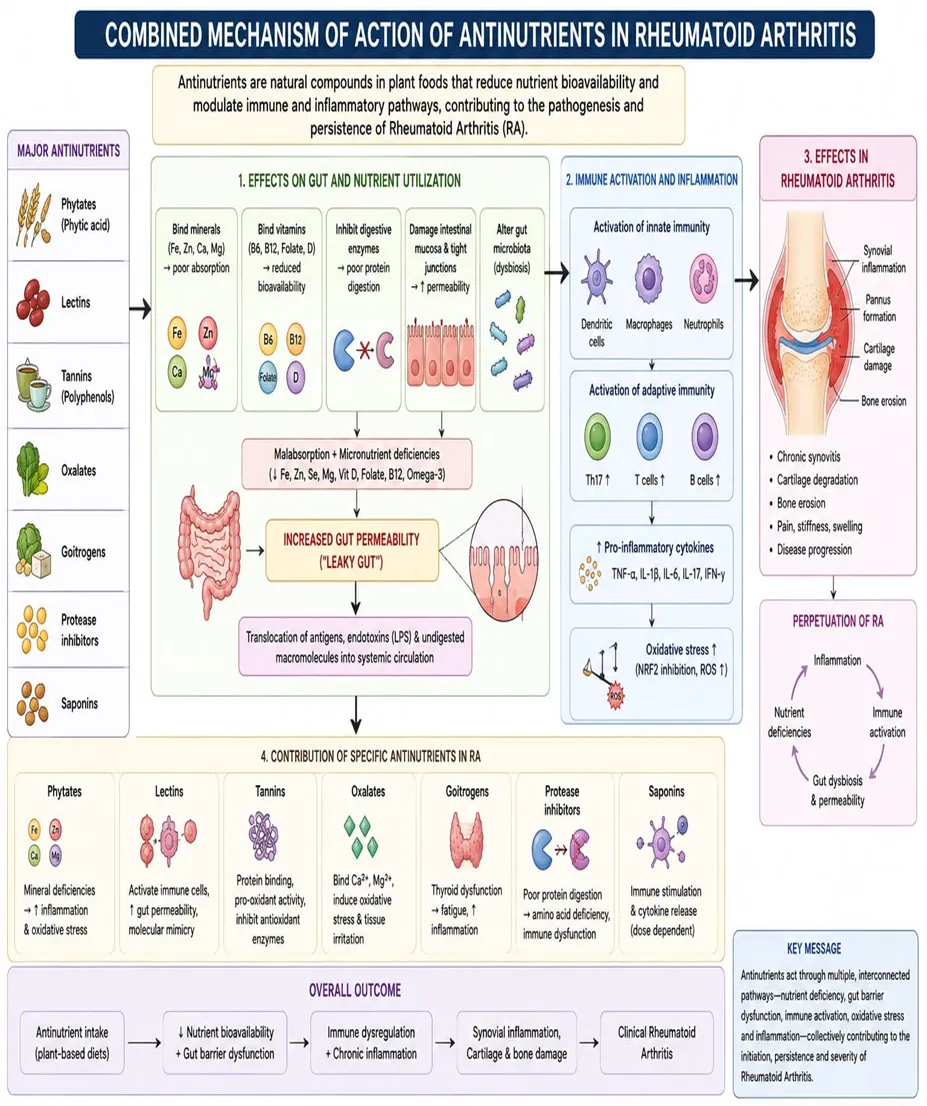
Fig.05: Combined Mechanism of Action of Antinutrients in Rheumatoid Arthritis
Antinutrients are natural compounds in plant-based foods that can reduce nutrient bioavailability and influence immune function. They bind essential minerals and vitamins, inhibit digestive enzymes, and damage the intestinal lining, leading to poor nutrient absorption. These effects increase intestinal permeability ("leaky gut") and alter the gut microbiota, allowing harmful substances to enter the bloodstream. This activates both innate and adaptive immune responses, increasing the production of pro-inflammatory cytokines and oxidative stress. Major antinutrients such as phytates, lectins, tannins, oxalates, goitrogens, protease inhibitors, and saponins contribute to immune dysregulation through different mechanisms. Persistent inflammation results in synovial inflammation, cartilage destruction, and bone erosion. These processes worsen pain, stiffness, and swelling in rheumatoid arthritis. Overall, antinutrients may contribute to the initiation and progression of rheumatoid arthritis by promoting chronic inflammation and immune dysfunction[8,24,35].
ANTINUTRIENT INTAKE
(Phytates, Oxalates, Lectins, Tannins,
Goitrogens, Protease inhibitors)
│
▼
Reduced Nutrient Absorption
(↓ Iron, Zinc, Calcium, Magnesium,
Vitamin D, Protein)
│
▼
Nutrient Deficiency &
Reduced Antioxidant Defense
│
▼
Gut Barrier Dysfunction
(Increased Intestinal Permeability/"Leaky Gut")
│
▼
Gut Microbiota Imbalance (Dysbiosis)
│
▼
Activation of Immune Cells
(T cells, B cells, Macrophages)
│
▼
Increased Pro-inflammatory Cytokines
(TNF-α, IL-1β, IL-6, IL-17)
│
▼
Oxidative Stress
(↑ Reactive Oxygen Species)
│
▼
Synovial Inflammation
│
▼
Cartilage Damage + Bone Erosion
│
▼
Progression of Rheumatoid Arthritis
(Pain, Swelling, Stiffness, Joint Deformity)[3,36,4]
CONCLUSION
The relationship between dietary antinutrients and rheumatoid arthritis sits at an unusually wide gap between mechanistic plausibility and clinical proof. Laboratory and animal studies provide a coherent, multi-step hypothesis by which dietary lectins could theoretically contribute to intestinal barrier disruption, altered gut microbial composition, and downstream immune activation relevant to autoimmune joint disease[8]. Independent of the antinutrient question, there is substantially stronger evidence that gut microbiome dysbiosis and molecular mimicry between microbial and host antigens play a genuine role in RA pathogenesis[13,19,20,12], — but this literature does not establish dietary antinutrients specifically, as opposed to microbiome composition more broadly, as the operative variable.
When the evidence is examined at the level of controlled human trials, the picture becomes considerably more modest. No high-quality randomized controlled trial has isolated antinutrient elimination as an effective intervention for RA disease activity[29]. By contrast, the Mediterranean diet — a dietary pattern that includes rather than excludes legumes and whole grains — has the strongest trial-based evidence among dietary interventions for modestly improving RA outcomes, alongside select spices, targeted antioxidants, and specific probiotic strains[17,29,30]. This pattern of findings is more consistent with overall dietary quality, fiber and polyphenol intake, and anti-inflammatory fatty acid balance driving clinical benefit than with antinutrient avoidance per se.
For patients and clinicians, the most defensible current position is one of measured skepticism: the antinutrient-RA hypothesis is a legitimate subject for further mechanistic and clinical research, but it does not yet meet the evidentiary bar to be recommended as a primary dietary strategy for managing rheumatoid arthritis. Standard food preparation practices that reduce antinutrient content, combined with adherence to dietary patterns with genuine trial support such as the Mediterranean diet, represent a more evidence-aligned approach than strict antinutrient elimination, which additionally carries a real risk of nutritional inadequacy if pursued without professional supervision[9,23,30,32]. Dietary strategies should complement, not replace, standard pharmacological management of RA. Future well-designed randomized controlled trials that isolate antinutrient intake as a specific variable — something the current literature notably lacks — would be needed to more definitively resolve this question.
REFERENCES

Gokul D, Deepak Venkataraman N, Aazath D, Aswini R. P, Dinesh M, Girija P, Aishwarya. M. R, Tejasri. V. S, Review: Influence of Dietary Antinutrients on Rheumatoid Arthritis, Int. J. of Pharm. Sci., 2026, Vol 4, Issue 8, 978-990, https://doi.org/10.5281/zenodo.21820990
 10.5281/zenodo.21820990