View Article

Abstract

Background: Diabetes mellitus is a chronic metabolic disorder characterized by persistent hyperglycemia and associasted with severe microvascular and macrovascular complications, representing a major global health burden. Despite advances in conventional pharmacotherapy, long-term management remains challenging due to adverse effects, high costs and poor patient adherence, necessitating exploration of alternative therapeutic strategies. Methods: A comprehensive literature-based review was conducted to evaluate alternative approaches in diabetes management, including medicinal plants, nutraceuticals, dietary supplements, and mind–body interventions. Relevant experimental, preclinical and clinical studies were critically analyzed to assess mechanisms and therapeutic potential. Results: Plant-derived bioactive compounds, such as flavonoids, alkaloids, and phenolics, demonstrated significant antihyperglycemic effects through enhanced insulin secretion and sensitivity, inhibition of carbohydrate-digesting enzymes, and modulation of oxidative stress and inflammation. Nutraceuticals including chromium, magnesium, omega-3 fatty acids and coenzyme Q10, showed variable effects on glycemic control and metabolic parameters. Mind–body interventions such as yoga, acupuncture and lifestyle modifications were associated with improved glycemic control, insulin sensitivity, and overall metabolic health. However, variability in study design, lack of standardization and limited high-quality clinical evidence remain major limitations. Conclusions: Alternative therapies may serve as adjuncts to conventional diabetes treatment; however, their clinical application is limited by insufficient standardization, safety concerns, and lack of robust evidence. Further well-designed studies are required to validate efficacy and support integration into evidence-based diabetes management.

Keywords

Diabetes mellitus; alternative medicine; complementary therapies; medicinal plants; nutraceuticals; mind body interventions

Introduction

× Popup Image

Diabetes mellitus is a complex and a rapidly growing medical problem throughout the globe, in both developed and developing countries. As per WHO report, diabetes is a multifarious group of disorders that disturb the metabolism of carbohydrates, fat and protein and results in a shortage or lack of insulin secretion or reduced sensitivity of the tissue to insulin. Chronic hyperglycemia is linked to long-term damage and dysfunction of vital organs including the eyes, kidneys, nerves, heart and blood vessels leading to significant morbidity and mortality.[1] The global prevalence of diabetes has risen dramatically over the past few decades, and this has been caused primarily by urbanisation, sedentary lifestyles, unhealthy dietary habits and rising obesity rates.[2]

In 2021, according to International Diabetes Federation Atlas, approximately 537 million adults (20–79 years) are living with diabetes. The total number of people living with diabetes is projected to rise to 643 million by 2030 and 783 million by 2045. The figures are expected to rise to 123 million in India itself by 2040. World Health Organization (WHO) has projected that a maximum increase in people with diabetes would occur in India.[3] Amongst them, 80% reside in low and middle-income nations.[4] Despite major progress in conventional antidiabetic pharmacotherapy and structured lifestyle interventions, optimal glycaemic control remains difficult for a considerable proportion of patients.[5] Residual risks for microvascular and macrovascular complications remain even with standard treatment and long-term pharmacotherapy is frequently associated with adverse effects, polypharmacy, poor adherence and limited accessibility in resource-constrained settings.[6] These limitations have contributed to the growing interest in complementary and alternative therapies among patients, either as adjuncts to conventional treatment or in some cases, as substitutes.[7]

In recent years alternative and complementary therapies have attracted increasing scientific interest as potential adjuncts in the management of diabetes mellitus.[8]. This comprehensive review critically evaluates current evidence on alternative therapies employed in the management of diabetes mellitus including medicinal plants, nutraceuticals, dietary supplements and mind-body interventions such as yoga, acupuncture and lifestyle-based practises.[9] These therapeutic approaches are deeply rooted in traditional medical systems and have been used for centuries across diverse cultures to manage metabolic disorders.[10] Renewed interest in the use of alternative therapies is motivated by patient preference for natural products, perceived safety, cultural acceptability, accessibility and the growing emphasis on holistic and integrative healthcare models.[11]

Medicinal plants are one of the most widely studied alternative treatment strategies for diabetes mellitus.[12] Ethnomedicinal and experimental studies have shown that bioactive compounds from plants such as flavonoids, phenolics, alkaloids, terpenoids, glycosides and saponins, have antidiabetic effects through several mechanisms including improvement of insulin sensitivity, insulin secretion, inhibition of carbohydrate-digesting enzymes, modulation of glucose transport and signalling pathways.[13,14]

Several plant-derived compounds and nutraceuticals have shown their antioxidant and anti-inflammatory activity, contributing to the protection of pancreatic ß-cells and their enhanced metabolic homeostasis.[15,16]. Nutraceuticals and dietary supplements such as polyphenols, dietary fibres, omega-3 fatty acids, vitamins and minerals have also been reported to improve insulin resistance, lipid metabolism and oxidative stress when used as adjuncts to conventional therapy. [17,18]

Mind-body interventions and lifestyle-based practises are increasingly being recognised as part and parcel of holistic diabetes management.[19] Practises such as yoga, meditation, acupuncture and structured physical activity programmes have been linked to improvements in glycemic control, insulin sensitivity, stress reduction and overall metabolic health.[20,21] Lifestyle interventions targeting diet modification, weight management and regular physical activity are fundamental to diabetes prevention and management.[22]

Despite promising evidence, the clinical use of alternative therapies is hampered by issues such as lack of standardisation, inadequate high quality clinical trials, and herb-drug interactions [18]. Therefore, a critical, evidence-based assessment of alternative treatment modalities is needed to facilitate their rational integration with conventional diabetes management strategies.

2. Epidemiology of diabetes mellitus

The word ‘diabetes’ is derived from the Greek word “Diab” (meaning to pass through, referring to the cycle of heavy thirst and frequent urination); ‘mellitus’ is the Latin word for “sweetened with honey” (refers to the presence of sugar in the urine). Greeks had knowledge of a disease accompanied by polyurea and wasting of body, whereas Aretaeus of Cappadocia mentioned a disease characterized by thirst and polyurea. Subsequently, the knowledge spread to Chinese, Iranians and Arabians. From the Middle East, the knowledge of diabetes mellitus had spread to Spain as a disease characterized by polyurea, polydipsia with sugary flavoured urine. It is the most common metabolic associated disease in the world. NIDDM is the most common form of diabetes constituting nearly 90% of the diabetic population in any country with varying numbers in different geographical regions.[23]

According to ancient Hindu physicians, ‘Madhumeha’ is a disease in which a patient passes sweet urine and exhibits sweetness all over the body. They had recorded in their observations that ‘if too many ants swarm around a spot of urine, then the person have symptoms of diabetes mellitus.[23]

3. Classification of Diabetes Mellitus

Diabetes mellitus is a heterogeneous group of metabolic disorders that are classified based on underlying pathogenic mechanisms and clinical presentation in Type 1 diabetes mellitus and Type 2 diabetes mellitus.[24]

3.1 Type 1 Diabetes Mellitus (T1DM)

Type 1 diabetes mellitus (T1DM) makes up approximately 5-10% of all cases of diabetes and is an autoimmune disorder in which the immune system is responsible for the destruction of insulin-producing ß-cells of the pancreatic islets. This causes an absolute lack of insulin in the body. The development of T1DM is determined by genetic susceptibility and environmental factors such as viral infections, toxins, and dietary components. Although it can happen at any age, it is most common among children and young people.[25]

3.2 Type 2 Diabetes Mellitus (T2DM)

Type 2 diabetes mellitus (T2DM) makes up almost 90% of the cases of diabetes and is mostly characterised by insulin resistance, in which the cells of the body do not respond effectively to insulin.[26] First the body is able to compensate by producing more insulin, but over time this mechanism loses its function and blood glucose levels rise.[27] T2DM is more frequent in people over 45 years of age; however, the prevalence of this disorder is rising in younger populations because of factors such as obesity, physical inactivity, and high-calorie diets. [28-30]

3.3 Gestational Diabetes Mellitus

Gestational diabetes mellitus (GDM) is diabetes mellitus in which the high blood glucose levels are first identified during pregnancy, typically in the latter stages.[31] It can cause complications including hypertension, preeclampsia and increased need for surgical delivery.[32] Infants of mothers with GDM are at risk of macrosomia, respiratory distress and increased risk of obesity and type 2 diabetes later in life [33]. Common risk factors include advanced maternal age, obesity, gaining too much weight during pregnancy, family history of diabetes, and previous pregnancy problems. [34,35]

4. Pathophysiology of Diabetes Mellitus

Diabetes mellitus has a profound adverse effect in quality of life in terms of social, psychological well-being as well as physical health. Diabetic complications are primarily mediated by oxidative stress including elevated ROS generation or defective antioxidant defence systems. Enhancement of lipid peroxidation, alteration in antioxidant enzymes and impaired glutathione metabolism are the leading factors involved in the development of diabetes.[36] Production of free radicals are also involved in the pathogenesis of various type of disease including diabetes mellitus.[37] Increased formation and accumulation of advanced glycation products (AGEs) is also involved in the diabetic complications, such as retinopathy, neuropathy and renal dysfunction through a series of pathological changes.[38] Though there are several hormones involved in the regulation of glucose level in the blood, the most important ones are insulin and glucagon. When imbalanced occur in the level of hormones in the body, sugar starts accumulating in the blood and when concentration of glucone increased in the blood then finally it will passes in urine along with other minerals.[39] In the majority of diabetes, mainly T -cell is responsible for destruction of pancreatic islet ß-cells, and becomes clinically symptomatic when 90% of pancreatic beta cells are destroyed. Serological markers (islet cell, glutamic acid decarboxylase (GAD), IA-2, IA- 2ß or insulin autoantibodies) can be found in 85-90% of subjects in the presence of fasting hyperglycemia. Some of the times environmental triggers, chemical or viral initiated pancreatic ß -cell destruction which can triger consequences and thereby leads to the cause in diabetes mellitus. From the study it was found that enterovirus infection is also associated with development of diabetes mellitus.[40]
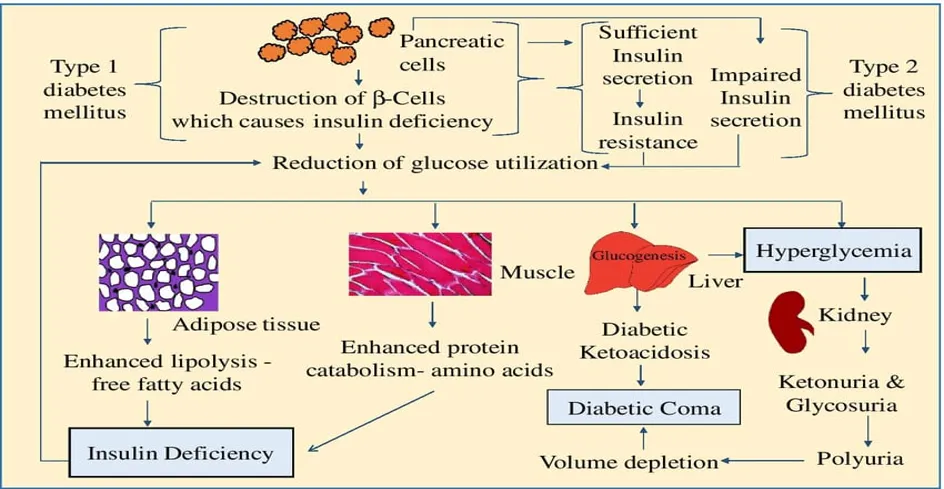
Figure 1. Overview of the pathophysiology of Type 1 and Type 2 diabetes mellitus showing β-cell destruction, insulin resistance, impaired glucose utilization and metabolic complications associated with chronic hyperglycemia.

5. Medicinal Herb

As per ancient literature, more than 800 plants are reported to have antidiabetic properties. Ethnopharmacological surveys indicate that more than 1200 plants are used in traditional medicine for their allied hypoglycemic activity. Some herbs have also been proven to help in regeneration of ß-cells and in overcoming resistance. In addition to maintaining normal blood sugar level, some herbs are also reported to possess antioxidant activity and cholesterol lowering action.[41]

To the date, over 400 traditional plant treatments for diabetes have been reported, although only a small number of these have received scientific and medicinal evaluation to assess their efficacy. The following is a summary of several of the most studied and commonly used medicinal herbs.[41]

Botanical Therapies for the Management of Diabetes Mellitus

5.1 Aloe vera (L.) (Euphorbiaceae)

Aloe vera has been used traditionally in the Middle Eastern and Asian systems of medicine for the treatment of metabolic disorders, including diabetes mellitus. The hypoglycemic potential of Aloe vera is attributed largely to the gel extracted from the inner leaf pulp, which contains polysaccharides, phytosterols, glucomannans and antioxidants. Experimental studies suggest that Aloe Vera gel improves the function of pancreatic b cells, insulin production and the utilisation of glucose in the peripheral tissues, reducing the fasting blood glucose levels.[42,43]

Clinical investigations have shown that oral administration of Aloe vera gel juice for 4-6 weeks led to significant reductions in fasting blood glucose in patients with type 2 diabetes mellitus, especially when used as an adjuvant to the conventional oral hypoglycemic agents.[44,45] However, heterogeneity in preparation methods and limited randomised controlled trials require more standardisation before routine clinical recommendation. The latex part of the leaf is contraindicated because of possible gastrointestinal adverse effects.[46]

5.2 Trigonella foenum-graecum (Leguminosae)

Fenugreek seeds have been used in traditional Indian and Chinese medicine for glycemic control for many years. The extracts, powder and gum of fenugreek seeds and leaves have been reported to have anti-diabetic and hypocholesterolemic properties in both model animals and humans. The antidiabetic effects have been attributed mainly to the soluble dietary fibre, saponins (steroidal compounds) and an amino acid, 4-hydroxyisoleucine, which delay the absorption of carbohydrates and increase the secretion of glucose-dependent insulin. [47,48]

Clinical studies with patients with type 1 and type 2 diabetes have reported reductions in blood glucose levels during fasting and after meals after fenugreek supplementation. [49,50] Despite encouraging results, most trials have methodological limitations, such as small sample sizes and not being blinded, indicating the need for well-designed randomised controlled studies.

5.3 Emblica officinalis Gaertn (Amalaki)

Emblica officinalis (Amla) is a potent fruit rich in antioxidants containing ascorbic acid, hydrolysable tannins and polyphenols. Oxidative stress has a significant role in insulin resistance and β-cell dysfunction. Amla has shown important antioxidant and anti-inflammatory activity in experimental models of diabetes.[51]

Preclinical and limited clinical studies suggest that Amla helps to improve glycemic control by improving insulin sensitivity and modulating key enzymes involved in the metabolism of carbohydrates.[52] In addition, its lipid-lowering and cytoprotective effects may help prevent complications associated with diabetes, playing a role as complementary therapeutic agents.

5.4 Pterocarpus marsupium Roxb (Fabaceae)

It is also known as Vijayasar or the Indian Kino Tree belonging to family Fabaceae. The hypoglycemic effect of various extracts from P. marsupium bark was obvious in alloxan-induced diabetic rats. The results confirmed their efficacy on plasma glucose, total protein, cholesterol, triglycerides, alkaline phosphatase, alanine transaminase and aspartate transaminase. Moreover, butanol sub-fraction a marked hypoglycemic effect by adjusting body metabolism similar to insulin properties.[53] Marsupsin and pterostilbene, phenolic constituents of the heartwood of P. marsupium, significantly reduced blood-glucose level of approaching that of metformin.[54]

5.5 Momordica charantia (Cucurbitaceae)

The plant is a member of Cucurbitaceae, commonly known as kugua, karela, bitter gourd or bitter melon. It is popular herbal resource and is often used to treat diabetes. The antidiabetic potential of Momordica charantia is well established in streptozocin or alloxan-induced diabetic rats, mice and rabbit, genetically diabetic mice and in humans with Type 2 diabetes. Momordica charantia increases the renewal of parital cells in the pancreas or may permit the recovery of partially destroyed cells and stimulates pancreatic insulin secretion. These could likely explain the significant increase in the plasma insulin level when streptozocin-induced diabetic rats were treated with Momordica charantia. Furthermore, Momordica charantia displays insulin-like properties, remarkably stimulating glycogen storage by the liver and improving peripheral glucose uptake.[55]

5.6 Cinnamomum spp (Cinnamon)

It is commonly known as Cinnamon (Lauraceae) and widely used in East Asia and Europe. It is extensively used in folk medicine to treat diabetes. It contains volatile oils, mainly cinnamaldehyde. Cinnamon ingestion decreased total plasma sugar level with insulin sensitivity improvement. It also significantly reduced gastric emptying and profoundly decreasing postprandial glycemic response. In addition, cinnamon aqueous extract revealed a potent antidiabetic effect through its up regulation of uncoupling protein-1 (UCP-1) and enhancing the translocation of GLUT4 in the muscle and adipose tissues. Oral administration of cinnamaldehyde, its chief active constituent, resulted in significant reduction in serum glucose, glycosylated hemoglobin, total cholesterol and triglyceride levels accompanied by a marked increase in serum insulin, hepatic glycogen and high-density lipoprotein in a dose-dependent manner.[56]

5.7 Piper longum L. (Piperaceae)

P. longum is commonly known as long pepper or Pippali has played a pivotal role in traditional medicine systems for centuries, especially in Ayurveda, Siddha and Unani practices, where it is recognized as a Rasayana herb known for its rejuvenating and immunomodulatory properties. It has a wide variety of chemical constituents (alkaloids, amides and lignans) that are responsible for its wide pharmacological range of activities including antimicrobials, cardioprotective, anticancer and antidiabetic activity.[57] Piper longum is believed to be beneficial as an adjunct in polyherbal antidiabetic formulations, but not as a single drug; there is no direct evidence for this.No direct evidence exists, but Piper longum is believed to be useful as an adjunct in polyherbal antidiabetic formulations rather than as a single drug.[58]

5.8 Azadirachta indica (Meliaceae)

It belongs to the family Meliaceae and has been used for a long time in traditional medicine in treating several ailments, including diabetes. Its leaves stem bark and seeds possess hypoglycemic activity via increasing insulin secretion from the beta cells of the pancreas.[59] Its leaves are characterized by the presence of high fiber content that is potent in diabetes management and controlling of post-prandial hyperglycemia through delaying gastric emptying, increasing viscosity of GIT content thus, suppressing digestion and absorption of carbohydrate with no risk of hypoglycemia, hyperinsulinemia and undesirable weight gain.[60]

Table 1. Herbs used in the management of diabetes mellitus

Name

Mechanism of action

Reported side effect

Aloe vera (L.)

Stimulation of pancreatic β-cell activity

Increased insulin secretion

Improved peripheral glucose utilization

Abdominal pain and diarrhea (latex component)

Electrolyte imbalance with prolonged use

Trigonella foenum-graecum

Increased insulin secretion

Delayed intestinal carbohydrate absorption

Bloating and diarrhea

Contraindicated during pregnancy

Emblica officinalis Gaertn.

Antioxidant activity

Reduction of oxidative stress–induced insulin resistance

Modulation of carbohydrate-metabolizing enzymes

No significant adverse effects reported

Pterocarpus marsupium Roxb.


Insulinogenic activity

Regeneration of pancreatic β-cells

Enhancement of endogenous insulin secretion

Limited human safety data

No major adverse effects reported

Momordica charantia

Insulin-mimetic activity

Suppression of hepatic gluconeogenesis

Increased peripheral glucose uptake

Risk of hypoglycemia with antidiabetic drugs

Contraindicated in pregnancy

Caution in G6PD deficiency

Cinnamon

Increased insulin sensitivity

Enhanced insulin receptor signaling

Modulation of hepatic glucose metabolism

Generally, well tolerated

Gastrointestinal irritation with excessive intake

Piper longum L.

Enhancement of insulin sensitivity

Antioxidant activity

Bioavailability enhancement of co-administered agents

No significant adverse effects reported

Azadirachta indica

Enhancement of insulin secretion and β-cell function.
Increased peripheral glucose uptake.
Antioxidant and anti-inflammatory activity reducing insulin resistance.

Gastrointestinal discomfort (nausea, vomiting) in some cases

Risk of hypoglycemia when combined with antidiabetic drugs

Contraindicated in pregnancy due to potential abortifacient effects

6. Dietary Supplements and Nutraceuticals

6.1 Chromium

Chromium is a trace element that is required for insulin signalling and glucose metabolism. Supplemental studies show beneficial effects on insulin sensitivity, particularly in individuals with high insulin resistance, and there are small improvements in fasting glucose; there is some variability in the quality of the studies and the therapeutic response seems to be dependent on the phenotype. [62, 63]

6.2 Magnesium

Magnesium is extremely important for insulin secretion and glucose transport. Hypomagnesemia is often found in patients with poorly controlled diabetes.[64] Randomised trials show modestly lower values in fasting glucose levels from magnesium supplementation, although long-term effects on HbA1c are inconclusive. [65,66]

6.3 Omega-3 Fatty Acids

Omega-3 polyunsaturated fatty acids are being used widely in the cardiovascular risk reduction of diabetic patients. They have considerable effects on triglyceride levels, but little effect on glycemic control (HbA1c, fasting glucose).[67] High dose supplementation does not significantly affect fasting glucose or HbA1c, but may have a modest effect on LDL cholesterol, so careful patient selection is required.[68]

6.4 Vanadium

Vanadium has insulin-mimetic properties by improving the uptake of glucose and inhibiting the production of glucose by the liver.[69] Despite demonstrated reductions in fasting glucose in small clinical trials, concerns about renal toxicity and a lack of long-term safety data limit its clinical applicability.[70]

6.5 Coenzyme Q10

Coenzyme Q10 is an endogenous antioxidant that is part of the production of energy in the mitochondria. Although good for cardiovascular health, clinical trials do not show significant improvements in glycemic control.[71] Thus, CoQ10 can be considered as a supportive therapy for cardiovascular protection instead of direct glucose lowering in diabetic patients.[72]

Table 2. Dietary Supplements used in the management of diabetes mellitus

Name

Mechanism of action

Reported side effect

Chromium

Enhancement of insulin signaling

Increased insulin sensitivity

Improved glucose transport

Minimal adverse effects

Renal impairment with excessive intake

Magnesium

Improved insulin secretion

Increased insulin sensitivity

Role in glucose transport and metabolism

Diarrhea and abdominal cramping

Risk of toxicity in renal insufficiency

Omega-3 Fatty Acids

Reduction of triglycerides and VLDL

Cardiovascular risk reduction

No consistent glucose-lowering effect

Increased bleeding risk (>3 g/day)

Possible increase in LDL cholesterol

Vanadium

Insulin-mimetic action

Enhanced peripheral glucose uptake

Suppression of hepatic glucose output

Renal toxicity with long-term high doses

Gastrointestinal intolerance

Coenzyme Q10

Antioxidant activity

Support of mitochondrial energy metabolism

No consistent effect on glycemic control

Generally, well tolerated

No major adverse effects reported

7. Mind–body interventions

7.1 Yoga

The description of word yoga is found in Sanskrit. In Sanskrit, Yuj means to unite one’s body breath and mind to the universal power. Yoga is an ancient practice that emphasizes balancing of various aspects (like physical, mental, emotional, and spiritual) of an individual. Yoga focuses on the general well-being of an individual by following the path of physical postures (asanas), breathing exercises (pranayamas), and meditation (dhyana). Yoga therapy consists of a specialized set of asanas, pranayamas along with meditation depending on different health problems. Certain sets of asana that have proven to be beneficial for the abdominal area cause rejuvenation/ regeneration of the pancreas, which promotes glucose metabolism along with its utilization through several tissues like peripheral tissues, liver, and adipose tissue via enzymatic activity. Asanas focus on stretching exercises which promote balanced glucose metabolism along with effective enzymatic activities in peripheral organs (liver, adipose tissue, etc.). A study has shown a reduction in the level of blood sugar (a biochemical parameter) and improved metabolic activity (measured as triglyceride uptake by adipose tissues). Yoga postures (asana and pranayama) also improve β-cell sensitivity to glucose signalling and insulin secretion and help in the regulation of body homeostasis.[73]

7.2 Acupuncture

Acupuncture therapy is a common approach to treating diabetes in China. Acupuncture is best known in the United States as an alternative therapy for chronic pain. However, it has been used for the treatment of diabetes and related complication during the past several decades. Acupuncture may be effective in treating not only diabetes, but also in preventing and managing complication of the disease.[41] It is one of the CAMs that have been widely used in the world with minimum side-effects when administered by qualified practitioners, who insert thin needles at specific acupuncture points to stimulate and regulate the balance of Qi and Blood inside the body. Electroacupuncture (EA) is a method of stimulated acupuncture points with an electrical current. EA has been shown to have various effects on released neurotransmitters. The possible mechanism of acupuncture for treating DM occurs through a hypoglycemic effect, improvement in insulin sensitivity and regulation of lipid metabolism.[74]

7.3 Poor sleep

Sleep is a restorative process for both mind and body. There are five stages of sleep: non-rapid eye movement sleep stages 1–4, and rapid eye movement sleep. Of these, the deeper stages of non-rapid eye movement sleep (stages 3 and 4), also called ‘slow wave sleep’, are also the most restorative. Proper sleep is important for normal metabolic and hormonal regulations of the body. Sleep deprivation and poor quality of sleep result in altered metabolic and hormonal function, leading to the development of T2DM. People who sleep less than 6 hours per night are at risk of developing diabetes and it is advised to have 7 hours of uninterrupted sleep per night.[75]

During sleep deprivation, brain glucose use is reduced, and there is hormonal dysregulation, resulting in overall higher GH levels and evening cortisol levels that may contribute to the development of T2DM.[76] Increased sympathetic activity, reduced parasympathetic activity and increased level of inflammatory markers in these cases also may play a role. Sleep deprivation results in weight gain and obesity by multiple mechanisms such as hyperactivity of the orexin system, overeating and reduced energy expenditure.[77]

7.4 Physical activity

Physical activity refers to any body movement that increases energy expenditure above the baseline, whereas exercise is a planned, structured and repetitive physical activity performed with the objective of improving physical fitness. Physical activity improves insulin sensitivity, bodyweight, cardiovascular risk factors, physical fitness, lipid level, blood pressure and overall wellbeing, and reduces the risk of cardiovascular morbidity and mortality.[78]

Physical activity not only improves glycaemic control in patients with T2DM, but also reduces bodyweight and blood pressure. It improves the adverse lipid profile by reducing total cholesterol and low-density lipoprotein (LDL) cholesterol and increasing high-density lipoprotein (HDL) cholesterol. These, in turn, reduce the risk of various cardiovascular events inherent to patients with T2DM. [79]

CONCLUSION

In conclusion, diabetes mellitus remains a major global health challenge requiring effective long-term management. Alternative therapies including medicinal plants, nutraceuticals and mind–body interventions show promising supportive effects in improving glycemic control, insulin sensitivity, and metabolic health through antioxidant, anti-inflammatory and insulin-enhancing mechanisms. However, their widespread clinical use is limited by lack of standardization, insufficient high-quality clinical evidence and safety concerns. Future research should focus on standardized formulations, identification of active compounds and large-scale clinical trials to validate their efficacy and safety. Scientifically validated alternative therapies may serve as valuable adjuncts to conventional treatment for holistic and patient-centered diabetes management.

REFERENCES

  1. Arulselvan P, Ghofar HA, Karthivashan G, Halim MF, Ghafar MS, Fakurazi S. Antidiabetic therapeutics from natural source: A systematic review. Biomedicine & Preventive Nutrition. 2014 Oct 1;4(4):607-17.
  2. Tuomilehto J, Lindström J, Eriksson JG, Valle TT et al Prevention of type 2 diabetes mellitus by changes in lifestyle among subjects with impaired glucose tolerance. New England journal of medicine. 2001 May 3;344(18):1343-50.
  3. Pitale S, Sahasrabuddhe A, Gandhi P, Joshi P et al Clinical and demographic profile of diabetic patients from central India-results from diabetes registry. Indian Journal of Endocrinology and Metabolism. 2022 Sep 1;26(5):471-7.
  4. Bailey CJ, Day C. Traditional plant medicines as treatments for diabetes. Diabetes care. 1989 Sep 1;12(8):553-64.
  5. Bent S. Herbal medicine in the United States: review of efficacy, safety, and regulation: grand rounds at University of California, San Francisco Medical Center. Journal of general internal medicine. 2008 Jun;23(6):854-9.
  6. Ashrafzadeh S, Hamdy O. Patient-driven diabetes care of the future in the technology era. Cell metabolism. 2019 Mar 5;29(3):564-75.
  7. Ekor M. The growing use of herbal medicines: issues relating to adverse reactions and challenges in monitoring safety. Frontiers in pharmacology. 2014 Jan 10;4:177.
  8. Parsekar SS, Gudi N, Walke SC, Shaw PD, Hombali A, Nayak AV, Hadapad BS. Complementary and alternative system of medicine for type 2 diabetes mellitus and its complications: A scoping review. F1000Research. 2024 Jan 25;11:526.
  9. McBenedict B, Orfao AL, Goh KS, Yau RC, Alphonse B, Lima JM, Ahmed HA, Ienaco GP, de Souza EC, Pessôa BL, Hauwanga WN. The role of alternative medicine in managing type 2 diabetes: A comprehensive review. Cureus. 2024 Jun 8;16(6).
  10. Modak M, Dixit P, Londhe J, Ghaskadbi S, Devasagayam TP. Indian herbs and herbal drugs used for the treatment of diabetes. Journal of clinical biochemistry and nutrition. 2007;40(3):163-73.
  11. Grover JK, Yadav S, Vats V. Medicinal plants of India with anti-diabetic potential. Journal of ethnopharmacology. 2002 Jun 1;81(1):81-100.
  12. Rizvi SI, Mishra N. Traditional Indian medicines used for the management of diabetes mellitus. Journal of diabetes research. 2013;2013(1):712092.
  13. Choudhury H, Pandey M, Hua CK, Mun CS, Jing JK, et al An update on natural compounds in the remedy of diabetes mellitus: A systematic review. Journal of traditional and complementary medicine. 2018 Jul 1;8(3):361-76.
  14. Yedjou CG, Grigsby J, Mbemi A, Nelson D, Mildort B, Latinwo L, Tchounwou PB. The management of diabetes mellitus using medicinal plants and vitamins. International journal of molecular sciences. 2023 May 22;24(10):9085.
  15. Dilworth L, Facey A, Omoruyi F. The role of antioxidants in diabetes therapy and care. Biomed Pharmacother. 2024;176:116760.
  16. Grover JK, Vats V. Shifting paradigm: from conventional to alternative medicines—an introduction on traditional Indian medicines. Asia-Pacific Biotech News. 2001 Jan 8;5(01):28-32.
  17. Nimesh S, Ashwlayan VD. Nutraceuticals in the management of diabetes mellitus. Pharm Pharmacol Int J. 2018;6(2):114-20.
  18. Izzo AA, Ernst E. Interactions between herbal medicines and prescribed drugs: a systematic review. Drugs. 2001 Dec;61(15):2163-75.
  19. Innes KE, Selfe TK. Yoga for adults with type 2 diabetes: a systematic review of controlled trials. Journal of diabetes research. 2016;2016(1):6979370.
  20. Aljasir B, Bryson M, Al-Shehri B. Yoga practice for the management of type II diabetes mellitus in adults: a systematic review. Evidence‐based Complementary and Alternative Medicine. 2010;7(4):399-408.
  21. Raveendran AV, Deshpandae A, Joshi SR. Therapeutic role of yoga in type 2 diabetes. Endocrinology and Metabolism. 2018 Aug 14;33(3):307.
  22. Colberg SR, Sigal RJ, Yardley JE, Riddell MC, Dunstan DW, Dempsey PC, Horton ES, Castorino K, Tate DF. Physical activity/exercise and diabetes: a position statement of the American Diabetes Association. Diabetes care. 2016 Oct 11;39(11):2065.
  23. Patel DK, Kumar R, Laloo D, Hemalatha S. Diabetes mellitus: an overview on its pharmacological aspects and reported medicinal plants having antidiabetic activity. Asian Pacific Journal of Tropical Biomedicine. 2012 May 1;2(5):411-20.
  24. Zimmet P, Alberti KG, Shaw J. Global and societal implications of the diabetes epidemic. Nature. 2001 Dec 13;414(6865):782-7.
  25. Atkinson MA, Eisenbarth GS, Michels AW. Type 1 diabetes. The lancet. 2014 Jan 4;383(9911):69-82.
  26. American Diabetes Association. Introduction: Standards of medical care in diabetes—2018. Diabetes Care. 2018;41(Suppl 1):S1-S2.
  27. American Diabetes Association. Microvascular complications and foot care: Standards of medical care in diabetes—2018. Diabetes Care. 2018;41(Suppl 1):S105-S118.
  28. American Diabetes Association. Cardiovascular disease and risk management: Standards of medical care in diabetes—2018. Diabetes Care. 2018;41(Suppl 1):S86-S104.
  29. Rawshani A, Rawshani A, Franzén S, Eliasson B, Svensson AM, Miftaraj M, McGuire DK, Sattar N, Rosengren A, Gudbjörnsdottir S. Mortality and cardiovascular disease in type 1 and type 2 diabetes. New England journal of medicine. 2017 Apr 13;376(15):1407-18.
  30. Blas E, Kurup AS, editors. Equity, social determinants and public health programmes. Geneva: World Health Organization; 2010. Chapter 12, Diabetes: equity and social determinants.
  31. Saeedi P, Petersohn I, Salpea P, Malanda B, Karuranga S, Unwin N, Colagiuri S, Guariguata L, Motala AA, Ogurtsova K, Shaw JE. Global and regional diabetes prevalence estimates for 2019 and projections for 2030 and 2045: Results from the International Diabetes Federation Diabetes Atlas. Diabetes research and clinical practice. 2019 Nov 1;157:107843.
  32. International  Diabetes  Federation. IDF  Diabetes Atlas. 9th ed. Brussels, Belgium: International Diabetes Federation; 2019. 
  33. American Diabetes Association. Classification and diagnosis  of  diabetes:  Standards  of  medical  care  in diabetes—2018. Diabetes Care. 2018;41:S13–27. 
  34. Knip M, Siljander H. Autoimmune mechanisms in type 1 diabetes. Autoimmunity reviews. 2008 Jul 1;7(7):550-7.
  35. Kahaly GJ, Hansen MP. Type 1 diabetes associated autoimmunity. Autoimmunity reviews. 2016 Jul 1;15(7):644-8.
  36. Dewanjee S, Das AK, Sahu R, Gangopadhyay M. Antidiabetic activity of Diospyros peregrina fruit: effect on hyperglycemia, hyperlipidemia and augmented oxidative stress in experimental type 2 diabetes. Food and chemical toxicology. 2009 Oct 1;47(10):2679-85.
  37. Bagri P, Ali M, Aeri V, Bhowmik M, Sultana S. Antidiabetic effect of Punica granatum flowers: effect on hyperlipidemia, pancreatic cells lipid peroxidation and antioxidant enzymes in experimental diabetes. Food and chemical toxicology. 2009 Jan 1;47(1):50-4.
  38. Ding Z, Lu Y, Lu Z, Lv F, Wang Y, Bie X, Wang F, Zhang K. Hypoglycaemic effect of comatin, an antidiabetic substance separated from Coprinus comatus broth, on alloxan-induced-diabetic rats. Food chemistry. 2010 Jul 1;121(1):39-43.
  39. Singh LW. Traditional medicinal plants of Manipur as anti-diabetics. J Med Plant Res. 2011 Mar 4;5(5):677-87.
  40. Craig ME, Hattersley A, Donaghue KC. Definition, epidemiology and classification of diabetes in children and adolescents. Pediatr diabetes. 2009 Sep 1;10(Suppl 12):3-12.
  41. Pandey A, Tripathi P, Pandey R, Srivatava R, Goswami S. Alternative therapies useful in the management of diabetes: A systematic review. Journal of Pharmacy and Bioallied Sciences. 2011 Oct 1;3(4):504-12.
  42. Ajabnoor MA. Effect of aloes on blood glucose levels in normal and alloxan diabetic mice. Journal of ethnopharmacology. 1990 Feb 1;28(2):215-20.
  43. Ghannam N, Kingston M, Al-Meshaal IA, Tariq M, Parman NS, Woodhouse N. The antidiabetic activity of aloes: preliminary clinical and experimental observations. Hormone Research in Paediatrics. 1986 Nov 28;24(4):288-94.
  44. Yongchaiyudha S, Rungpitarangsi V, Bunyapraphatsara N, Chokechaijaroenporn O. Antidiabetic activity of Aloe vera L. juice. I. Clinical trial in new cases of diabetes mellitus. Phytomedicine. 1996 Nov 1;3(3):241-3.
  45. Bunyapraphatsara N, Yongchaiyudha S, Rungpitarangsi V, Chokechaijaroenporn O. Antidiabetic activity of Aloe vera L. juice II. Clinical trial in diabetes mellitus patients in combination with glibenclamide. Phytomedicine. 1996 Nov 1;3(3):245-8.
  46. Ulbricht C, Armstrong J, Basch E, Basch S, Bent S, Dacey C, et al. An evidence-based systematic review of Aloe vera by the Natural Standard Research Collaboration. J Herb Pharmacother. 2007;7(3-4):279-323.
  47. Srinivasan K. Plant foods in the management of diabetes mellitus: spices as beneficial antidiabetic food adjuncts. International journal of food sciences and nutrition. 2005 Jan 1;56(6):399-414.
  48. Yeh GY, Eisenberg DM, Kaptchuk TJ, Phillips RS. Systematic review of herbs and dietary supplements for glycemic control in diabetes. Diabetes Care. 2003;26(4):1277–1294.
  49. Neelakantan N, Narayanan M, de Souza RJ, van Dam RM. Effect of fenugreek (Trigonella foenum-graecum L.) intake on glycemia: a meta-analysis of clinical trials. Nutrition journal. 2014 Jan 18;13(1):7.
  50. Kim J, Noh W, Kim A, Choi Y, Kim YS. The effect of fenugreek in type 2 diabetes and prediabetes: a systematic review and meta-analysis of randomized controlled trials. International journal of molecular sciences. 2023 Sep 12;24(18):13999.
  51. Sabu MC, Kuttan R. Anti-diabetic activity of medicinal plants and its relationship with their antioxidant property. Journal of ethnopharmacology. 2002 Jul 1;81(2):155-60.
  52. Grover JK, Yadav S, Vats V. Medicinal plants of India with anti-diabetic potential. Journal of ethnopharmacology. 2002 Jun 1;81(1):81-100.
  53. Dhanabal SP, Kokate CK, Ramanathan M, Kumar EP, Suresh B. Hypoglycaemic activity of Pterocarpus marsupium Roxb. Phytotherapy Research: An International Journal Devoted to Pharmacological and Toxicological Evaluation of Natural Product Derivatives. 2006 Jan;20(1):4-8.
  54. Manickam M, Ramanathan M, Farboodniay Jahromi MA, Chansouria JP, Ray AB. Antihyperglycemic activity of phenolics from Pterocarpus marsupium. Journal of natural products. 1997 Jun 23;60(6):609-10.
  55. Chauhan A, Sharma PK, Srivastava P, Kumar N, Dudhe R. Plants having potential antidiabetic activity: a review. Der Pharmacia Lettre. 2010 Aug 25;2(3):369-87.
  56. Singab AN, Youssef FS, Ashour ML. Medicinal plants with potential antidiabetic activity and their assessment. Med Aromat Plants. 2014;3(151):2167-0412.
  57. Bhatia A, Mehta J, Hashmi AR, Sekar M, Bandyopadhyay A, Pal T, Kumar BP, Mat Rani NN, Wong LS, Kumarasamy V. From Ancient Spice to Advanced Science: Therapeutic, Nutraceutical and Nanotechnological Insights into the Fruits of Piper Longum Linn for Modern Drug Development. Drug Design, Development and Therapy. 2026 Dec 31:12475885.
  58. Atal CK, Dubey RK, Singh J. Biochemical basis of enhanced drug bioavailability by piperine: evidence that piperine is a potent inhibitor of drug metabolism. The Journal of pharmacology and experimental therapeutics. 1985 Jan 1;232(1):258-62.
  59. Bhat M, Kothiwale SK, Tirmale AR, Bhargava SY, Joshi BN. Antidiabetic properties of Azardiracta indica and Bougainvillea spectabilis: in vivo studies in murine diabetes model. Evidence‐based Complementary and Alternative Medicine. 2011;2011(1):561625.
  60. Atangwho IJ, Ebong PE, Eyong EU, Williams IO, Eten MU, Egbung GE. Comparative chemical composition of leaves of some antidiabetic medicinal plants: Azadirachta indica, Vernonia amygdalina and Gongronema latifolium. African Journal of Biotechnology. 2009;8(18).
  61. Freund H, Atamian S, Fischer JE. Chromium deficiency during total parenteral nutrition. Jama. 1979 Feb 2;241(5):496-8.
  62. Balk EM, Tatsioni A, Lichtenstein AH, Lau J, Pittas AG. Effect of chromium supplementation on glucose metabolism and lipids: a systematic review of randomized controlled trials. Diabetes care. 2007 Aug 1;30(8):2154-63.
  63. Wang ZQ, Cefalu WT. Current concepts about chromium supplementation in type 2 diabetes and insulin resistance. Current diabetes reports. 2010 Apr;10(2):145-51.
  64. Tosiello L. Hypomagnesemia and diabetes mellitus: a review of clinical implications. Archives of internal medicine. 1996 Jun 10;156(11):1143-8.
  65. Song Y, He K, Levitan EB, Manson JE, Liu S. Effects of oral magnesium supplementation on glycaemic control in Type 2 diabetes: a meta‐analysis of randomized double‐blind controlled trials. Diabetic Medicine. 2006 Oct;23(10):1050-6.
  66. Larsson SC, Wolk A. Magnesium intake and risk of type 2 diabetes: a meta‐analysis. Journal of internal medicine. 2007 Aug;262(2):208-14.
  67. Hartweg J, Perera R, Montori V, Dinneen S, Neil HAW, Farmer A. Omega-3 polyunsaturated fatty acids for type 2 diabetes mellitus. Cochrane Database Syst Rev. 2008;(1):CD003205.
  68. Kaushik M, Mozaffarian D, Spiegelman D, Manson JE, Willett WC, Hu FB. Long-chain omega-3 fatty acids, fish intake, and the risk of type 2 diabetes mellitus. The American journal of clinical nutrition. 2009 Sep 1;90(3):613-20.
  69. Halberstam M, Cohen N, Shlimovich P, Rossetti L, Shamoon H. Oral vanadyl sulfate improves insulin sensitivity in NIDDM but not in obese nondiabetic subjects. Diabetes. 1996 May 1;45(5):659-66.
  70. Goldfine AB, Patti ME, Zuberi L, Goldstein BJ, LeBlanc R, Landaker EJ, Jiang ZY, Willsky GR, Kahn CR. Metabolic effects of vanadyl sulfate in humans with non—insulin-dependent diabetes mellitus: in vivo and in vitro studies. Metabolism. 2000 Mar 1;49(3):400-10.
  71. Hodgson JM, Watts GF, Playford DA, Burke V, Croft KD. Coenzyme Q10 improves blood pressure and glycaemic control: a controlled trial in subjects with type 2 diabetes. European journal of clinical nutrition. 2002 Nov;56(11):1137-42.
  72. Eriksson JG, Forsen TJ, Mortensen SA, Rohde M. The effect of coenzyme Q10 administration on metabolic control in patients with type 2 diabetes mellitus. Biofactors. 1999;9(2‐4):315-8.
  73. Pal DK, Bhalla A, Bammidi S, Telles S, Kohli A, Kumar S, Devi P, Kaur N, Sharma K, Kumar R, Malik N. Can yoga-based diabetes management studies facilitate integrative medicine in India current status and future directions. Integrative Medicine International. 2019 Nov 29;4(3-4):125-41.
  74. Tjipto BW, Saputra K, Sutrisno TC. Effectiveness of acupuncture as an adjunctive therapy for diabetes mellitus: A randomized controlled trial. Medical Acupuncture. 2014 Dec 1;26(6):341-5.
  75. Raveendran AV, Chacko EC, Pappachan JM. Non-pharmacological treatment options in the management of diabetes mellitus. European endocrinology. 2018 Sep 10;14(2):31.
  76. Spiegel K, Leproult R, Colecchia EF, L'Hermite-Balériaux M, Nie Z, Copinschi G, Van Cauter E. Adaptation of the 24-h growth hormone profile to a state of sleep debt. American Journal of Physiology-Regulatory, Integrative and Comparative Physiology. 2000 Sep 1;279(3):R874-83.
  77. Sakurai T. Roles of orexin/hypocretin in regulation of sleep/wakefulness and energy homeostasis. Sleep medicine reviews. 2005 Aug 1;9(4):231-41.
  78. Froberg K, Andersen LB. Mini review: physical activity and fitness and its relations to cardiovascular disease risk factors in children. International journal of obesity. 2005 Sep;29(2):S34-9.
  79. Reiner M, Niermann C, Jekauc D, Woll A. Long-term health benefits of physical activity–a systematic review of longitudinal studies. BMC public health. 2013 Sep 8;13(1):813.

Reference

  1. Arulselvan P, Ghofar HA, Karthivashan G, Halim MF, Ghafar MS, Fakurazi S. Antidiabetic therapeutics from natural source: A systematic review. Biomedicine & Preventive Nutrition. 2014 Oct 1;4(4):607-17.
  2. Tuomilehto J, Lindström J, Eriksson JG, Valle TT et al Prevention of type 2 diabetes mellitus by changes in lifestyle among subjects with impaired glucose tolerance. New England journal of medicine. 2001 May 3;344(18):1343-50.
  3. Pitale S, Sahasrabuddhe A, Gandhi P, Joshi P et al Clinical and demographic profile of diabetic patients from central India-results from diabetes registry. Indian Journal of Endocrinology and Metabolism. 2022 Sep 1;26(5):471-7.
  4. Bailey CJ, Day C. Traditional plant medicines as treatments for diabetes. Diabetes care. 1989 Sep 1;12(8):553-64.
  5. Bent S. Herbal medicine in the United States: review of efficacy, safety, and regulation: grand rounds at University of California, San Francisco Medical Center. Journal of general internal medicine. 2008 Jun;23(6):854-9.
  6. Ashrafzadeh S, Hamdy O. Patient-driven diabetes care of the future in the technology era. Cell metabolism. 2019 Mar 5;29(3):564-75.
  7. Ekor M. The growing use of herbal medicines: issues relating to adverse reactions and challenges in monitoring safety. Frontiers in pharmacology. 2014 Jan 10;4:177.
  8. Parsekar SS, Gudi N, Walke SC, Shaw PD, Hombali A, Nayak AV, Hadapad BS. Complementary and alternative system of medicine for type 2 diabetes mellitus and its complications: A scoping review. F1000Research. 2024 Jan 25;11:526.
  9. McBenedict B, Orfao AL, Goh KS, Yau RC, Alphonse B, Lima JM, Ahmed HA, Ienaco GP, de Souza EC, Pessôa BL, Hauwanga WN. The role of alternative medicine in managing type 2 diabetes: A comprehensive review. Cureus. 2024 Jun 8;16(6).
  10. Modak M, Dixit P, Londhe J, Ghaskadbi S, Devasagayam TP. Indian herbs and herbal drugs used for the treatment of diabetes. Journal of clinical biochemistry and nutrition. 2007;40(3):163-73.
  11. Grover JK, Yadav S, Vats V. Medicinal plants of India with anti-diabetic potential. Journal of ethnopharmacology. 2002 Jun 1;81(1):81-100.
  12. Rizvi SI, Mishra N. Traditional Indian medicines used for the management of diabetes mellitus. Journal of diabetes research. 2013;2013(1):712092.
  13. Choudhury H, Pandey M, Hua CK, Mun CS, Jing JK, et al An update on natural compounds in the remedy of diabetes mellitus: A systematic review. Journal of traditional and complementary medicine. 2018 Jul 1;8(3):361-76.
  14. Yedjou CG, Grigsby J, Mbemi A, Nelson D, Mildort B, Latinwo L, Tchounwou PB. The management of diabetes mellitus using medicinal plants and vitamins. International journal of molecular sciences. 2023 May 22;24(10):9085.
  15. Dilworth L, Facey A, Omoruyi F. The role of antioxidants in diabetes therapy and care. Biomed Pharmacother. 2024;176:116760.
  16. Grover JK, Vats V. Shifting paradigm: from conventional to alternative medicines—an introduction on traditional Indian medicines. Asia-Pacific Biotech News. 2001 Jan 8;5(01):28-32.
  17. Nimesh S, Ashwlayan VD. Nutraceuticals in the management of diabetes mellitus. Pharm Pharmacol Int J. 2018;6(2):114-20.
  18. Izzo AA, Ernst E. Interactions between herbal medicines and prescribed drugs: a systematic review. Drugs. 2001 Dec;61(15):2163-75.
  19. Innes KE, Selfe TK. Yoga for adults with type 2 diabetes: a systematic review of controlled trials. Journal of diabetes research. 2016;2016(1):6979370.
  20. Aljasir B, Bryson M, Al-Shehri B. Yoga practice for the management of type II diabetes mellitus in adults: a systematic review. Evidence?based Complementary and Alternative Medicine. 2010;7(4):399-408.
  21. Raveendran AV, Deshpandae A, Joshi SR. Therapeutic role of yoga in type 2 diabetes. Endocrinology and Metabolism. 2018 Aug 14;33(3):307.
  22. Colberg SR, Sigal RJ, Yardley JE, Riddell MC, Dunstan DW, Dempsey PC, Horton ES, Castorino K, Tate DF. Physical activity/exercise and diabetes: a position statement of the American Diabetes Association. Diabetes care. 2016 Oct 11;39(11):2065.
  23. Patel DK, Kumar R, Laloo D, Hemalatha S. Diabetes mellitus: an overview on its pharmacological aspects and reported medicinal plants having antidiabetic activity. Asian Pacific Journal of Tropical Biomedicine. 2012 May 1;2(5):411-20.
  24. Zimmet P, Alberti KG, Shaw J. Global and societal implications of the diabetes epidemic. Nature. 2001 Dec 13;414(6865):782-7.
  25. Atkinson MA, Eisenbarth GS, Michels AW. Type 1 diabetes. The lancet. 2014 Jan 4;383(9911):69-82.
  26. American Diabetes Association. Introduction: Standards of medical care in diabetes—2018. Diabetes Care. 2018;41(Suppl 1):S1-S2.
  27. American Diabetes Association. Microvascular complications and foot care: Standards of medical care in diabetes—2018. Diabetes Care. 2018;41(Suppl 1):S105-S118.
  28. American Diabetes Association. Cardiovascular disease and risk management: Standards of medical care in diabetes—2018. Diabetes Care. 2018;41(Suppl 1):S86-S104.
  29. Rawshani A, Rawshani A, Franzén S, Eliasson B, Svensson AM, Miftaraj M, McGuire DK, Sattar N, Rosengren A, Gudbjörnsdottir S. Mortality and cardiovascular disease in type 1 and type 2 diabetes. New England journal of medicine. 2017 Apr 13;376(15):1407-18.
  30. Blas E, Kurup AS, editors. Equity, social determinants and public health programmes. Geneva: World Health Organization; 2010. Chapter 12, Diabetes: equity and social determinants.
  31. Saeedi P, Petersohn I, Salpea P, Malanda B, Karuranga S, Unwin N, Colagiuri S, Guariguata L, Motala AA, Ogurtsova K, Shaw JE. Global and regional diabetes prevalence estimates for 2019 and projections for 2030 and 2045: Results from the International Diabetes Federation Diabetes Atlas. Diabetes research and clinical practice. 2019 Nov 1;157:107843.
  32. International  Diabetes  Federation. IDF  Diabetes Atlas. 9th ed. Brussels, Belgium: International Diabetes Federation; 2019. 
  33. American Diabetes Association. Classification and diagnosis  of  diabetes:  Standards  of  medical  care  in diabetes—2018. Diabetes Care. 2018;41:S13–27. 
  34. Knip M, Siljander H. Autoimmune mechanisms in type 1 diabetes. Autoimmunity reviews. 2008 Jul 1;7(7):550-7.
  35. Kahaly GJ, Hansen MP. Type 1 diabetes associated autoimmunity. Autoimmunity reviews. 2016 Jul 1;15(7):644-8.
  36. Dewanjee S, Das AK, Sahu R, Gangopadhyay M. Antidiabetic activity of Diospyros peregrina fruit: effect on hyperglycemia, hyperlipidemia and augmented oxidative stress in experimental type 2 diabetes. Food and chemical toxicology. 2009 Oct 1;47(10):2679-85.
  37. Bagri P, Ali M, Aeri V, Bhowmik M, Sultana S. Antidiabetic effect of Punica granatum flowers: effect on hyperlipidemia, pancreatic cells lipid peroxidation and antioxidant enzymes in experimental diabetes. Food and chemical toxicology. 2009 Jan 1;47(1):50-4.
  38. Ding Z, Lu Y, Lu Z, Lv F, Wang Y, Bie X, Wang F, Zhang K. Hypoglycaemic effect of comatin, an antidiabetic substance separated from Coprinus comatus broth, on alloxan-induced-diabetic rats. Food chemistry. 2010 Jul 1;121(1):39-43.
  39. Singh LW. Traditional medicinal plants of Manipur as anti-diabetics. J Med Plant Res. 2011 Mar 4;5(5):677-87.
  40. Craig ME, Hattersley A, Donaghue KC. Definition, epidemiology and classification of diabetes in children and adolescents. Pediatr diabetes. 2009 Sep 1;10(Suppl 12):3-12.
  41. Pandey A, Tripathi P, Pandey R, Srivatava R, Goswami S. Alternative therapies useful in the management of diabetes: A systematic review. Journal of Pharmacy and Bioallied Sciences. 2011 Oct 1;3(4):504-12.
  42. Ajabnoor MA. Effect of aloes on blood glucose levels in normal and alloxan diabetic mice. Journal of ethnopharmacology. 1990 Feb 1;28(2):215-20.
  43. Ghannam N, Kingston M, Al-Meshaal IA, Tariq M, Parman NS, Woodhouse N. The antidiabetic activity of aloes: preliminary clinical and experimental observations. Hormone Research in Paediatrics. 1986 Nov 28;24(4):288-94.
  44. Yongchaiyudha S, Rungpitarangsi V, Bunyapraphatsara N, Chokechaijaroenporn O. Antidiabetic activity of Aloe vera L. juice. I. Clinical trial in new cases of diabetes mellitus. Phytomedicine. 1996 Nov 1;3(3):241-3.
  45. Bunyapraphatsara N, Yongchaiyudha S, Rungpitarangsi V, Chokechaijaroenporn O. Antidiabetic activity of Aloe vera L. juice II. Clinical trial in diabetes mellitus patients in combination with glibenclamide. Phytomedicine. 1996 Nov 1;3(3):245-8.
  46. Ulbricht C, Armstrong J, Basch E, Basch S, Bent S, Dacey C, et al. An evidence-based systematic review of Aloe vera by the Natural Standard Research Collaboration. J Herb Pharmacother. 2007;7(3-4):279-323.
  47. Srinivasan K. Plant foods in the management of diabetes mellitus: spices as beneficial antidiabetic food adjuncts. International journal of food sciences and nutrition. 2005 Jan 1;56(6):399-414.
  48. Yeh GY, Eisenberg DM, Kaptchuk TJ, Phillips RS. Systematic review of herbs and dietary supplements for glycemic control in diabetes. Diabetes Care. 2003;26(4):1277–1294.
  49. Neelakantan N, Narayanan M, de Souza RJ, van Dam RM. Effect of fenugreek (Trigonella foenum-graecum L.) intake on glycemia: a meta-analysis of clinical trials. Nutrition journal. 2014 Jan 18;13(1):7.
  50. Kim J, Noh W, Kim A, Choi Y, Kim YS. The effect of fenugreek in type 2 diabetes and prediabetes: a systematic review and meta-analysis of randomized controlled trials. International journal of molecular sciences. 2023 Sep 12;24(18):13999.
  51. Sabu MC, Kuttan R. Anti-diabetic activity of medicinal plants and its relationship with their antioxidant property. Journal of ethnopharmacology. 2002 Jul 1;81(2):155-60.
  52. Grover JK, Yadav S, Vats V. Medicinal plants of India with anti-diabetic potential. Journal of ethnopharmacology. 2002 Jun 1;81(1):81-100.
  53. Dhanabal SP, Kokate CK, Ramanathan M, Kumar EP, Suresh B. Hypoglycaemic activity of Pterocarpus marsupium Roxb. Phytotherapy Research: An International Journal Devoted to Pharmacological and Toxicological Evaluation of Natural Product Derivatives. 2006 Jan;20(1):4-8.
  54. Manickam M, Ramanathan M, Farboodniay Jahromi MA, Chansouria JP, Ray AB. Antihyperglycemic activity of phenolics from Pterocarpus marsupium. Journal of natural products. 1997 Jun 23;60(6):609-10.
  55. Chauhan A, Sharma PK, Srivastava P, Kumar N, Dudhe R. Plants having potential antidiabetic activity: a review. Der Pharmacia Lettre. 2010 Aug 25;2(3):369-87.
  56. Singab AN, Youssef FS, Ashour ML. Medicinal plants with potential antidiabetic activity and their assessment. Med Aromat Plants. 2014;3(151):2167-0412.
  57. Bhatia A, Mehta J, Hashmi AR, Sekar M, Bandyopadhyay A, Pal T, Kumar BP, Mat Rani NN, Wong LS, Kumarasamy V. From Ancient Spice to Advanced Science: Therapeutic, Nutraceutical and Nanotechnological Insights into the Fruits of Piper Longum Linn for Modern Drug Development. Drug Design, Development and Therapy. 2026 Dec 31:12475885.
  58. Atal CK, Dubey RK, Singh J. Biochemical basis of enhanced drug bioavailability by piperine: evidence that piperine is a potent inhibitor of drug metabolism. The Journal of pharmacology and experimental therapeutics. 1985 Jan 1;232(1):258-62.
  59. Bhat M, Kothiwale SK, Tirmale AR, Bhargava SY, Joshi BN. Antidiabetic properties of Azardiracta indica and Bougainvillea spectabilis: in vivo studies in murine diabetes model. Evidence?based Complementary and Alternative Medicine. 2011;2011(1):561625.
  60. Atangwho IJ, Ebong PE, Eyong EU, Williams IO, Eten MU, Egbung GE. Comparative chemical composition of leaves of some antidiabetic medicinal plants: Azadirachta indica, Vernonia amygdalina and Gongronema latifolium. African Journal of Biotechnology. 2009;8(18).
  61. Freund H, Atamian S, Fischer JE. Chromium deficiency during total parenteral nutrition. Jama. 1979 Feb 2;241(5):496-8.
  62. Balk EM, Tatsioni A, Lichtenstein AH, Lau J, Pittas AG. Effect of chromium supplementation on glucose metabolism and lipids: a systematic review of randomized controlled trials. Diabetes care. 2007 Aug 1;30(8):2154-63.
  63. Wang ZQ, Cefalu WT. Current concepts about chromium supplementation in type 2 diabetes and insulin resistance. Current diabetes reports. 2010 Apr;10(2):145-51.
  64. Tosiello L. Hypomagnesemia and diabetes mellitus: a review of clinical implications. Archives of internal medicine. 1996 Jun 10;156(11):1143-8.
  65. Song Y, He K, Levitan EB, Manson JE, Liu S. Effects of oral magnesium supplementation on glycaemic control in Type 2 diabetes: a meta?analysis of randomized double?blind controlled trials. Diabetic Medicine. 2006 Oct;23(10):1050-6.
  66. Larsson SC, Wolk A. Magnesium intake and risk of type 2 diabetes: a meta?analysis. Journal of internal medicine. 2007 Aug;262(2):208-14.
  67. Hartweg J, Perera R, Montori V, Dinneen S, Neil HAW, Farmer A. Omega-3 polyunsaturated fatty acids for type 2 diabetes mellitus. Cochrane Database Syst Rev. 2008;(1):CD003205.
  68. Kaushik M, Mozaffarian D, Spiegelman D, Manson JE, Willett WC, Hu FB. Long-chain omega-3 fatty acids, fish intake, and the risk of type 2 diabetes mellitus. The American journal of clinical nutrition. 2009 Sep 1;90(3):613-20.
  69. Halberstam M, Cohen N, Shlimovich P, Rossetti L, Shamoon H. Oral vanadyl sulfate improves insulin sensitivity in NIDDM but not in obese nondiabetic subjects. Diabetes. 1996 May 1;45(5):659-66.
  70. Goldfine AB, Patti ME, Zuberi L, Goldstein BJ, LeBlanc R, Landaker EJ, Jiang ZY, Willsky GR, Kahn CR. Metabolic effects of vanadyl sulfate in humans with non—insulin-dependent diabetes mellitus: in vivo and in vitro studies. Metabolism. 2000 Mar 1;49(3):400-10.
  71. Hodgson JM, Watts GF, Playford DA, Burke V, Croft KD. Coenzyme Q10 improves blood pressure and glycaemic control: a controlled trial in subjects with type 2 diabetes. European journal of clinical nutrition. 2002 Nov;56(11):1137-42.
  72. Eriksson JG, Forsen TJ, Mortensen SA, Rohde M. The effect of coenzyme Q10 administration on metabolic control in patients with type 2 diabetes mellitus. Biofactors. 1999;9(2?4):315-8.
  73. Pal DK, Bhalla A, Bammidi S, Telles S, Kohli A, Kumar S, Devi P, Kaur N, Sharma K, Kumar R, Malik N. Can yoga-based diabetes management studies facilitate integrative medicine in India current status and future directions. Integrative Medicine International. 2019 Nov 29;4(3-4):125-41.
  74. Tjipto BW, Saputra K, Sutrisno TC. Effectiveness of acupuncture as an adjunctive therapy for diabetes mellitus: A randomized controlled trial. Medical Acupuncture. 2014 Dec 1;26(6):341-5.
  75. Raveendran AV, Chacko EC, Pappachan JM. Non-pharmacological treatment options in the management of diabetes mellitus. European endocrinology. 2018 Sep 10;14(2):31.
  76. Spiegel K, Leproult R, Colecchia EF, L'Hermite-Balériaux M, Nie Z, Copinschi G, Van Cauter E. Adaptation of the 24-h growth hormone profile to a state of sleep debt. American Journal of Physiology-Regulatory, Integrative and Comparative Physiology. 2000 Sep 1;279(3):R874-83.
  77. Sakurai T. Roles of orexin/hypocretin in regulation of sleep/wakefulness and energy homeostasis. Sleep medicine reviews. 2005 Aug 1;9(4):231-41.
  78. Froberg K, Andersen LB. Mini review: physical activity and fitness and its relations to cardiovascular disease risk factors in children. International journal of obesity. 2005 Sep;29(2):S34-9.
  79. Reiner M, Niermann C, Jekauc D, Woll A. Long-term health benefits of physical activity–a systematic review of longitudinal studies. BMC public health. 2013 Sep 8;13(1):813.

Photo
Vinayak Pattar
Corresponding author

Department of Pharmacology, Maratha Mandal’s College of Pharmacy, Belgaum-590016, Karnataka.

Photo
Dr. Vishnu Kangralkar
Co-author

Department of Pharmacology, Maratha Mandal’s College of Pharmacy, Belgaum-590016, Karnataka.

Photo
Kunal Solankure
Co-author

Department of Pharmacology, Maratha Mandal’s College of Pharmacy, Belgaum-590016, Karnataka.

Vinayak Pattar, Dr. Vishnu Kangralkar, Kunal Solankure, Alternative Therapeutic Approaches in Diabetes Mellitus Management: An Evidence-Based Review, Int. J. of Pharm. Sci., 2026, Vol 4, Issue 8, 4237-4251. https://doi.org/10.5281/zenodo.22104993

More related articles
Diet and Lifestyle Modifications in the Prevention...
Shivam Pawar, Sawandkar Shivshankar, Potdar Sukrut, Awale Pratham...
Knowledge, Attitude, And Practices of Caregivers in Pediatrics Epilepsy Manageme...
Arjun S, Ashad Ullah , Arun, Ardra Sudheesh, J. S. Venkatesh, Dr. Santhosh Uttangi...
Nanoparticle Loaded Hydrogels For Targeted Delivery Of Tofacitinib In Rheumatoid...
Arya Rathnakaran, Prathuish T, Malavika P R, Devika K V, Anjana T V, Santhosh Kumar Chinnayyan...
Related Articles
Formulation and Evaluation of Polyherbal Liniment Containing Caesalpinia crista ...
K. Sojarna, D. Vinorithika, B. Sandhiya, S. Pavithra, J. NiroshKumar, V. Dhileep ...
Natural, Semisynthetic, and Synthetic Polymers in Floating Drug Delivery Systems...
Hamza Shaikh, Malvi Gohil, Dhruvi Soni, Honey Khatiya, Sachin Patel, Akshat Solanki...
A Review Article on Anticancer and Antioxidant Aushadhi: Bridging Traditional Wi...
Akansha Sethiya, Maya Sharma, Puneet Parashar, Prapti Tripathi, Himanshi Kalal...
More related articles
Diet and Lifestyle Modifications in the Prevention and Management of Stroke: A C...
Shivam Pawar, Sawandkar Shivshankar, Potdar Sukrut, Awale Prathamesh, Kelgaonkar Prajakta...