

We use cookies to ensure our website works properly and to personalise your experience. Cookies policy
Makers Laboratories Ltd., Kandivali Industrial Estate, Kandivali (West), Mumbai - 400067.
Background: Long-term care is necessary for Type 2 Diabetes Mellitus (T2DM), a growing global health burden. Ayurvedic treatments provide supplementary methods that target underlying pathophysiology, but allopathic standards continue to be the primary line of treatment. The evidence supporting integrative management techniques is assessed in this systematic review. Goal: By contrasting Ayurvedic treatments with allopathic norms and investigating new synergies, this systematic review assesses the clinical evidence for integrative therapy in type 2 diabetes. Techniques/ Method: We examined clinical research that has been published thus far, contrasting allopathic therapies with traditional Ayurvedic phototherapy, single or compound formulations, and lifestyle practices. Glycemic control, insulin sensitivity, lipid profile, and safety were among the results. From modern therapeutic techniques to conventional Yoga practices, AI- assessed assessment can facilitate a comprehensive and synergistic approach to therapy.Result: When used in conjunction, Ayurvedic treatments such as Momordica charantia, Gymnema sylvestre, and Curcuma longa significantly reduced Glycated Hemoglobin (or hemoglobin A 1 c) HbA1c. In certain groups, combined treatments decreased the need for allopathic doses and increased insulin sensitivity. In oxidative stress pathways and gut- microbiome regulation, new synergies have emerged. The majority of the adverse events were gastrointestinal in nature. Conclusion: Integrative Ayurvedic-allopathic treatment for type 2 diabetes shows encouraging Glycemic improvements and safety. To create evidence-based synergistic regimens, standardized formulations, larger Randomized Controlled Trials (RCTs), and mechanistic research are required.
In recent decades, a several chronic illnesses have become significant worldwide health issues, with diabetes mellitus being one of the most common.
The word ‘Diabetes’ originates from an ancient Greek term meaning ‘siphon’ or ‘to pass through’ (dia meaning "through" and bainein mean “to go or to walk") . The Latin root ‘mellitus’ means ‘sweetened with honey’ or "honey sweet," which is derived from Mel (honey). British physician Thomas Willis added it in 1675 after tasting patients' urine and discovering that it was sweet because of excessive glucose.
Chronic hyperglycemia brought on by deficiencies in insulin secretion, action, or both is the hallmark of diabetes, a metabolic disease. Lifestyle modifications, urbanization, sedentary behaviors, obesity, and genetic predisposition are all strongly associated with the increasing incidence of diabetes.
It can be broadly categorized into four major forms and several additional forms.
Major / Primary Forms:
1. Type 1 diabetes mellitus: Patients with this autoimmune disease produce little to no insulin and need daily insulin therapy because the body's immune system targets and kills the pancreatic cells that make insulin.
2. Type 2 diabetes mellitus: Insulin cannot function correctly because the body either produces insufficient amounts of it or resists it. Oral drugs, lifestyle modifications, and occasionally insulin are used to manage it.
3. Gestational diabetes mellitus (GDM): Some pregnant women get this condition. However, it normally goes away after childbirth.
4. Type 3C diabetes mellitus: Caused by illness, injury, or pancreatic removal due to cystic fibrosis or chronic pancreatitis.
Other / Additional Forms:
1. Latent Autoimmune Diabetes in Adults (LADA): It is a slow developing form of autoimmune diabetes that starts in adulthood and share features of both Type 1 and Type 2 diabetes.
2. Maturity-Onset Diabetes of the Young (MODY): It is an inherited type of diabetes is a rare and caused by a genetic mutation. Typically diagnosed before the age of 25, though this is relatively uncommon.
3. Prediabetes: This is defined as blood sugar levels that are elevated but not high enough to be classified as Type 2 diabetes.
Over 90% of instances of diabetes are type 2, which is the most prevalent type and has reached epidemic proportions, particularly in developing nations like India.
Serious long-term consequences of uncontrolled diabetes include renal failure, cardiovascular disease, nerve damage, visual problems, and an elevated risk of infections. Diabetes has become a major global public health burden due to its effects on healthcare systems and quality of life.
Therefore, it is crucial to comprehend the pathophysiology, etiology, risk factors, and management of diabetes. For millions of patients with this chronic illness, early detection, lifestyle changes, appropriate medication, and patient education are essential to reducing complications and improving outcomes.
The risk of hypoglycemia, weight gain, high expense, and difficulties with long-term patient adherence restrict the effectiveness of current allopathic therapy in lowering blood glucose. These drawbacks emphasize the need for lifestyle intervention and alternative therapies as well as safer, more economical, and patient-friendly treatment methods.
Harsha Suryawanshi et al [1] summarized nanotechnology for improvement in diagnosis and treatment of diabetes.
The transition from "disease management" to "holistic health management" is seen in the increasing interest in integrative and AYUSH systems for diabetes. Integrative care seeks to address the diabetes epidemic with safer, more cost-effective, and long-lasting solutions by fusing the best aspects of contemporary treatment with ancient knowledge.
This review's main goals are to examine the mechanisms of action, evaluate safety and tolerability, assess efficacy, and investigate the potential for integration.
With an emphasis on how effectively they function, how safe they are, and how they might be combined to create safer, more inexpensive diabetic treatment, this review attempts to present a thorough, evidence-based comparison of allopathic and integrative/AYUSH systems for diabetes.
PATHOPHYSIOLOGY of Diabetes Mellitus
Pathophysiology includes etiology i.e. causes, mechanism, signs and symptoms, diagnosis, treatment and prevention of disease.
Classification of diabetes and its pathophysiology including that of its various types is very well explained by Banday MZ et al [2].
Insulin deficiency vs. Insulin resistance
|
Features Insulin Deficiency Insulin Resistance |
|
Type 1 DM Type 2 DM |
|
Root Cause Not enough insulin produced Insulin produced but tissues are resistant |
|
Pancreatic β-cells Destroyed by autoimmune Present, but exhausted/ attack overworked over time |
|
Insulin Levels Very low/ absent ↑High initially, then ↓ later |
|
Onset Sudden, usually young age Gradual, usually adults 30+ |
|
Body Weight Normal or thin Overweight/Obese common |
|
Glucose Uptake Can’t enter cells at all Cells ignore insulin uptake |
|
Liver ↑↑ Gluconeogenesis ↑↑ Gluconeogenesis uncontrolled despite insulin |
|
Ketosis/DKA Risk High Low, except in severe stress |
|
Main Cause Autoimmune + Genetic Obesity, lifestyle, genetics, inflammation |
|
Treatment Insulin is mandatory Lifestyle + Oral drugs →Insulin later if needed. |
Simple analogy
The door is fine, but you don’t have the key to open it. Glucose stays outside cells → Type 1
You have the key, but the lock is jammed. You need more and more keys. Eventually you run out of keys too → Type 2
OUTCOME: Both lead to CHRONIC HYPERGLYCEMIA
It matters for Treatment
Role of Pancreas, Liver, Muscle, Adipose tissue are given in the table below
|
Organs Routine Function What Goes Wrong in DM |
|
Pancreas Make insulin and glucagon ↓ Insulin, ↑ glucagon |
|
Liver Store glucose, Stop production Keeps making glucose |
|
Muscle Take up glucose for use/storage Can’t take up glucose |
|
Adipose Store fat, release anti-inflammatory Leaks Free Fatty Acid hormones (FFA) , causes inflammation |
Hence, Type 2 treatment targets all 4 organs e.g;
Metformin → Liver, TZDs/ Exercise → Muscle & Fat, Glucagon – like Peptide – 1 (GLP-1/ Sulfonylurea’s (SU) → Pancreas.
Type 2 isn’t just “high sugar’. It’s 4 organs miscommunicating. That’s why the best management hits all 4 at once.
The 4 Organ Treatment Map is well explained below
|
Drug / Class How it works Example |
|
Sulfonylureas Force β-cells to release more insulin Glimepiride, Gliclazide |
|
GLP-1 RA Glucose dependent insulin release + Semaglutide, Liraglutide ↓glucagon + delays gastric emptying Dulaglutide |
|
DPP-4 Inhibitors ↑your own GLP-1→↑insulin, glucagon Sitagliptin, Vildagliptin |
|
Insulin Replace when β-cells fail Basal/Bolus |
|
AYUSH - Bitter melon, Gymnema, Fenugreek and so on. YOGA - Claimed to support β-cell function and insulin secretion. |
|
Drug / Class How it works Example |
|
Metformin # 1drug ↓ hepatic Gluconeogenesis + Metformin Improves insulin signaling |
|
GLP-1RA Indirectly↓ glucagon→↓liver glucose output |
|
SGLT2 Inhibitors Mild effect via ↓ glucose load |
|
AYUSH - Turmeric/ Curcumin, Berberine, Amla, Intermittent fasting YOGA -↓ hepatic glucose production, improve insulin sensitivity. |
|
Drug / Class How it works Example |
|
TZDs Activate PPAR-y→↓GLUT-4 in muscle Pioglitazone |
|
Metformin ↑AMPK →↑glucose uptake |
|
Exercise Insulin-independent GLUT-4 translocation. Most powerful “drug” |
|
SGLT2 inhibitors ↓glucose toxicity→muscle works better |
|
AYUSH : Ashwagandha →↑insulin sensitivity, ↑GLUT-4 YOGA : Resistance Training, Surya Namaskar, Pranayama |
|
Drug / Class How it works Example |
|
TZDs Redistribute fat from visceral to Pioglitazone Subcutaneous + ↑ adiponectin |
|
GLP-1RA/SGLT2i Weight loss→↓ visceral fat →↓FFA |
|
Metformin Mild ↓ appetite + ↓ inflammation |
|
AYUSH : Weight loss, Low carb/ keto diet - Guggul, Triphala, MEDITATION →↓ visceral fat, ↑adiponectin, ↓inflammation. |
Combination therapy works better
|
ORGAN ALLOPATHY AYUSH/ Lifestyle |
|
Pancreas GLP-1 RA, DPP-4i Gymnema, Yoga, Stress reduction |
|
Liver Metformin Berberine,Amla, Fasting |
|
Muscle TZDs, Exercise Resistance training, Yoga asanas |
|
Adipose GLP-1 RA, TZDs, Weight loss Diet, Guggul, Meditation, Sleep |
Integration Model for Type 2 DM
To put it briefly, allopath quickly corrects the flaw. Long-term sensitivity is restored by AYUSH + Lifestyle.
The "hidden drivers" that link fat, insulin resistance, β-cell failure, and comorbidities are oxidative stress, inflammation, and gut macrobiotic.
Synopsis of Integrative Therapy
|
Factor Allopathy AYUSH = Lifestyle |
|
Oxidative Stress Statins, ACEi Curcumin, Amla, Antioxidant-rich diet, Yoga |
|
Inflammation GLP-1 RA,SGLT2i,TZDs Turmeric, Ginger, Omega-3, Meditation, Sleep |
|
Gut microbiome Metformin High fiber diet, Probiotics, Triphala, Fasting |
The causes of oxidative stress, inflammation, and gut health are the focus of integrative therapy.
Type 2 diabetes complications
Over time, high blood sugar affects blood vessels, which are divided into two categories: micro-vascular and macro-vascular.
Chronic hyperglycemia and oxidative stress are major causes of micro-vascular problems because they harm capillaries, which are tiny blood vessels. For instance, the involvement of end-stage kidneys, nerves, and eyes. On the other hand, damage to big blood vessels, or arteries, like the heart, brain, or legs, is known as macro-vascular problems. Insulin resistance, dyslipidemia, hypertension, inflammation, and oxidative stress are major causes of this condition.
In their discussion of DM consequences, Ohiagu FO et al[3] noted that hyperglycemia activates polyol, hexosamine, Protein Kinase C (PKC), Advanced Glycation End-products (AGEs), Cyclooxygenase (COX) and Lipoxygenase (LOX) pathways, which causes nephropathy, retinopathy, and neuropathy. Thus, inhibiting these enzymes helps avoid issues.
ALLOPATHIC MANAGEMENT:
There are various classes of allopathic drugs which act upon different vital organs such as pancreas, liver, muscle, adipose, kidney, gut:
Drug Class:
i. Sulfonylureas, such as gliclazide and glimepiride
ii. Meglitinidines, such as Repaglinide
iii. Dipeptidyl Peptidase- 4 inhibitors (DPP-4i), such as Sitagliptin and Vildagliptin
iv.Glucagon- like Peptide- 1 Receptor Agonists (GLP-1 RA), such as Semaglutide, Liraglutide, and Dulaglutide
Drug Class:
i. Biguanides - example - Metformin
ii. Thiazolidinediones - Pioglitazone
Examples: Empagliflozin, Dapagliflozin, Canagliflozin
Drug Class - .Alpha-glucosidase inhibitors, such as Acarbose, and Voglibose
Type: Basal – examples include Degludec and Glargine
Prandial - Lispro, Aspart
Premix - Combo basal + Prandial, such as 30/70, 50/50
ORGAN TARGET DRUG CLASSES
The treatment algorithm can be summed up as follows:
1. Metformin + All T2DM Lifestyle
2. Regardless of HbA1c, add GLP-1RA or SGLT2i if you have Atherosclerotic cardiovascular Disease (ASCVD), Chronic Kidney Disease ( CKD) or Heart Failure (HF).
3. If the goal is not reached, add a second or third medication from a different class,
such as SU, DPP-4i, TZD, α-glucosidase, insulin.
Insulin and Analogs:
When β-cells fail or other drugs aren’t enough, insulin replaces the hormone.
Reasons for using Insulin in Type 2 DM:
1. After five to ten years, β-cell failure
2. Symptomatic hyperglycemia or HbA1c > 10% at diagnosis
3. Acute sickness, surgery, DKA, Hyperglycemic Hyperosmolar State (HHS) and pregnancy
4. Uncontrolled on two to three oral agents plus GLP-1 RA/SGLT2i
Insulin Types and Analogs:
1. Rapid-acting analogs: onset in 10 to 15 minutes, peak in 1 to 2 hours
2. Short-acting analogs: onset in 30 minutes, peak in 2 to 4 hours
3. Intermediate-acting analogs: onset in 2 to 4 hours, peak in 4 to 12 hours
4. Long-acting analogs: flat, no peak, one to two hours of onset
5. Ultra long analogs with a flat peak and an onset of one to two hours
6. Premixed: onset, two peaks, 10 to 30 minutes
More Recent Developments:
1. Ultra-rapid analogs that are closer to meals, such as Lispro-aabc and Faster Aspart
2. Intelligent insulin pens that monitor dosage, timing, and remind.
3. Weekly baseline injections of Icodec-1
4. Oral insulin is still undergoing testing and has not yet received approval.
Choosing Insulin vs. GLP-1 RA: Depending on the circumstances, a better option may be suggested as
1. HbA1c >10% + symptoms: Insulin
2. GLP-1 RA obesity
3. ASCVD/CKD: GLP-1 RA or SGLT2i initially.
4. The cost of human insulin
5. Fear of weekly GLP-1 RA injections
The deficit is treated with insulin. However, resistance is not resolved by it. Therefore, insulin + sensitizer + weight loss medication is the current T2DM treatment.
Efficacy and Clinical Guidelines:
Guidelines focus on three things i.e. HbA1c, weight and organ protection
Efficacy depends on baseline HbA1c. Higher starting HbA1c is equal to bigger drop.
The American Diabetes Association (ADA), the American Association of Clinical Endocrinology (AACE), the Research Society for the Study of Diabetes in India (RSSDI) (2024 guidelines customized for India), and many other clinical guidelines are available.
The RSSDI-India 2024 Guidelines, which have been modified for India, are as follows:
1. First line: Metformin + Lifestyle + Early usage of DPP-4i, SGLT2i, GLP-1 RA
2. Cost and Access: Pioglitazone and SU are still commonly used.
3. Emphasis: At diagnosis, look for complications. Utilize FDCs to ensure compliance
4. Integrative: Recognize AYUSH, yoga, and diet as supplements.
Insulin-specific guidelines are advised in various circumstances when a patient is on insulin.
For example,
|
Situation Recommended start |
|
Fasting glucose high Basal insulin 10U or 0.2 U/kg at bedtime. Titrate + 2U every 3 days till Fasting Blood glucose (FBG) 80-130. |
|
Post - meal high despite basal Add 1 rapid analog with largest meal, then 2, then 3 |
|
HbA1c > 10% Basal-Bolus from start OR Premix 2x/day |
|
Titration Treat-to-target. Goal FBG 80-130mg/dL |
Significant changes to the 2024 Guidelines
1. Prioritize organ protection by selecting SGLT2i/GLP-1 RA for the kidney and heart rather than just sugar.
2. Weight is a target: in obesity, GLP-1 RA and SGLT2i are favored
3. Early Combo: Don't wait for metformin to stop working. If HbA1c is greater than 7.5%, start two medications.
4. De-intensification: To prevent hypoxia in the elderly and fragile, loosen the HbA1c target.
5. Continuous Monitoring: If on insulin or at low risk, CGM is advised.
Efficacy summary:
i) Maximum glucose reduction: Insulin + GLP-1 RA. SU. Metformin
ii) Maximum weight loss: GLP-1 RA > SGLT2i > Metformin
iii) Heart protection with metformin, SGLT2i, and GLP-1 RA
iv) SGLT2i, GLP-1RA, and ACEi/ARB kidney protection
v) Metformin, DPP-4i, SGLT2i, GLP-1 RA, and Lowest hypoglycemia.
vi) Metformin, SU, and human insulin are the least expensive.
No single medication is the best. Therefore, guidelines need to be both organ-centered and patient-centered.
Regular health examinations should be performed on all patients. The following Monitoring Schedule should be followed for the primary required check-up:
1. HbA1c should be checked every three months until the goal is reached, then every six months after that.
2. Kidney: Estimated Glomerular Filtration Rate (eGFR), Urine Albumin – to- Creatinine Ratio (UACR) at diagnosis, followed by annual.
3. Eye Exam: Each visit.
4. Blood pressure and cholesterol: at diagnosis, then annually.
5. Body Mass Index (BMI) and weight: Each visit.
The preferred allopathic treatment for keeping a diabetic patient's general health in good condition.
Allopathic preferable medication for maintaining the overall health of diabetic patient in good condition -
1. Organ Protection from Excess Glucose: Start SGLT2i/GLP-1 RA in ASCVD/HF even if HbA1c is 6.8%. This is the preferred allopathic treatment for keeping the general health of a diabetic patient in good shape.
2. Early Combination: If HbA1c > 7.5%, start two medications instead than waiting for metformin to fail.
3. Target weight: GLP-1 RA is favored in obesity
4. CGM: Suggested for anyone using SU or insulin
The latest allopathic clinical guidelines for diabetes management emphasize a holistic Cardiovascular, Kidney and Metabolic (CKM) risk-reduction model rather than focusing solely on blood glucose control.
Gawde S. et al.[4] created a pulsatile pellet-based Teneligliptin formulation that showed acceptable physicochemical characteristics and was able to accomplish time-controlled drug release.
Limitations and Adverse Effects:
Since no drug is flawless and has no side effects, the class-specific side effects and limitations are described.
|
Drug Class Key Adverse Effects Limitations/ Drug resistance |
|
Metformin GI, Nausea, Metallic taste. Lactic acidosis - Risk increases in CKD Rare: Lactic acidosis eGFR<30, Liver disease, sepsis, contrast B12 deficiency with long use. No weight loss after 1-2 yrs, GI limits dose |
|
Sulfonylureas Hypoglycemia- esp Drug resistance β-cell exhaustion over Glibenclamide 5-10 years. Secondary failure common Weight gain 2-3kg Limitation : Doesn’t protect heart/kidney |
|
Meglitinides Hypoglycemia:If meal skipped Short acting - need 3x/day. Costly Weight gain |
|
TZDs- Weight gain 2-4kg. Slow onset 8 - 12 weeks. Pioglitazone Fluid retention Fractures, Limitation : CHF risk, in women, Bladder cancer risk not for HF patients |
|
DPP-4 Generally well tolerated Modest efficacy HbA1c: 0.6 - 0.8% Inhibitors Nasopharyngitis Limitation- Weight neutral, no organ Rare: Pancreatitis, joint pain protection |
|
GLP-1 RA GI, Nausea, vomiting, diarrhea Cost Rs5000-15000/month Rare- Pancreatitis, Gallbladder Injection barrier. Oral sema has GI too. Disease. Limitation Contraindicated in MEN2, History of pancreatitis. |
|
SGLT2i Genital UTI, Mycotic infections Cost Rs.2000-5000/month. Volume depletion, Hypotension Less effective if eGFR < 45 Rare : DKA, Fournier’s gangrene Limitation : Increases LDL slightly |
|
α-glucosidase GI: Flatulence, diarrhea, GI limits use . Need to take with 1st bite Inhibitors Abdominal pain Modest efficacy : HbA1c : 0.5 - 0.8% |
|
Insulin Hypoglycemia Cost, needles, Monitoring Weight gain 2-4kg Limitation doesn’t fix insulin resistance Lipohypertrophy at injection site Dose. Keeps increasing over time Psychological barrier for patients. |
In his research on diabetic retinopathy (DR), Bloomgarden Zachary [5] has demonstrated the advantages of blood pressure control and glucose control as well as the potential benefits of fenofibrate, RASi, and SGLT2i in improving DR.
There are five major issues to focus on:
A. Hypoglycemia - Low blood sugar
High-risk drugs: meglitinides, insulin, and SU.
Symptoms include tremor and sweating. Seizures and confusion
It is important because of adverse cardiovascular events, falls in the elderly, fear, and low compliance.
Mitigation: Instead, use GLP-1 RA, SGLT2i, DPP-4i, and Metformin. CGM + Education.
B. GI Effects
High risk drugs -Metformin, GLP-1 RA, α-glucosidase inhibitors. Metformin - Lactate in gut
GLP-1 - delayed gastric emptying. Mitigation: Start low, go slow. Take with food. Extended -Release metformin
C. Lactic Acidosis
Medication: 3–10 metformin per 100,000 patient-years. Quite uncommon.
Risk factors include contrast, alcohol, sepsis, liver failure, and eGFR < 30.
Action: Stop 48h before/after contrast. Stop if creatinine increases.
D. Cost
Metformin costs Rs. 50 per month, SU costs Rs. 100 per month, and human insulin costs Rs. 500 per month.Mid: SGLT2i Rs. 2000–3000/month, TZD Rs. 300/month, DPP-4i Rs. 800–1500/month.GLP-1RA costs between Rs. 5000 and Rs. 15000 a month, while analogs cost between Rs. 3000 and Rs. 6000 per month.
Low serum vitamin B12 level is associated with longer duration and higher dose of metformin use as reported by Akinlade KS et al [6]
What occurs: In T2DM, β-cell function decreases by 4-6% annually.
Drug: SU: Causes β-cell exhaustion. 5–10 years of secondary failure Metformin is a medication that can't stop insulin resistance from getting worse. TZD: Stopped weight gain and fluid intake. Insulin medication: resistance rises, dose continues to rise.
Early combination therapy, weight loss, and the medication GLP-1RA, which preserves β-cells, are the solutions.
Additional long-term restrictions include:
1. Gaining weight exacerbates insulin resistance due to SU, TZD, and insulin
2. Organ toxicity: none significant, however canagliflozin increases the likelihood of TZD-
bone and SGLT2-ampulation.
3. Doesn't reverse the disease: All medications address hyperglycemia rather than the
underlying cause of insulin resistance.
4. Polypharmacy: The majority of patients take three to four medications, a statin, and an
ACE Inhibitor.
Choosing medications that provide efficacy, safety, organ protection, and weight loss with the fewest possible adverse effects is the modern strategy in 2026. For high-risk patients, metformin, GLP-1 RA, and SGLT2i are thereby becoming the standard.
Under its Global Diabetes Compact and five Global Diabetes Targets for 2030, WHO is monitoring diabetes. According to the WHO, diabetes is one of the main causes of death and shortened life expectancy. The largest groups that WHO emphasizes
1. Increasing cases: four times higher
2. Significant undiagnosed burden: 1 in 2 individuals are unaware that they have it
3. Inequity: Low-income nations are more severely affected.
4. Urgent action on diagnosis, treatment, and prevention is required by 2030.
Old DM drugs like insulin, metformin, tolbutamide, glipizide are being replaced by newer, more potent drugs with longer action, fewer side effects and better glucose control. This is detailed by Elkhalifa et al [7]
AYURVEDIC PERSPECTIVE ON DIABETES
In Ayurveda, Diabetes is referred as "Madhumeha," which means "honey-like urine."
In Ayurveda, diabetes is correlated with "Prameha," specifically Madhumeha.
Principal causes:
a) Diet: Overindulgence in processed, sugary, fatty, dairy, and grain foods
b) Lifestyle: Stress, inactivity, sleeping during the day, and sitting all day.
c) Dosha imbalance: In chronic situations, Kapha predominates first, followed by
Pitta and Vata.
d) Weak Jatharagni, poor digestion, the production of Ama toxins, and blocked channels
According to Ayurveda, Modern Type 1DM is Vata Madhumeha and Modern Type 2DM is Kapha + Pitta + Prameha.
"Nidan Parivarjan" is an Ayurvedic treatment that eliminates causes, balances doshas, enhances agni, and detoxifies.
Fibrous food recommended to diabetic patients;
Fiber is the best medicine from food - It slows glucose absorption, improves insulin sensitivity and feeds good gut bacteria.
Curd known as Yogurt : Since unsweetened plain curd has low Glycemic Index - Between 14 to 36, it digests slowly and prevents rapid spikes in blood sugar after meals. The high content of protein in curd slows down absorption of carbohydrates, preventing sudden spikes in blood sugar, feel full for longer while maintaining stable energy levels. It is rich in Calcium and contains healthy fat. It supports weight management, improves digestion and boosts immunity
As per the write-up dated 5th December 2024 in DIABETIC AND ENDOCRINOLOGY Most diabetic individuals can safely enjoy ½ to 1 cup (approximately 100–200 grams) of curd daily, depending on calorie intake and blood sugar control. Always monitor your post-meal sugar levels and make dietary adjustments as needed.
Avoid high- carbohydrate, starchy foods and sugary drinks. Also, limit fried foods, food high in sodium, and alcohol.
Maqsood S et al[8] reported A new Approach Foodomics in Diabetes management. Foodomics integrates genomics, proteomics and metabolomics to study interaction of food bioactives with human metabolism in T2DM. It helps identify biomarkers, dysregulated pathways and role of gut microbiota in insulin resistance. This enables personalized, nutrition-based interventions for better glycemic control and prevention of complications. Polyphenols and dietary fibers show therapeutic potential for improving insulin sensitivity.
"Exercise: Surya Namaskar, Ardha Matsyendrasana, Mandukasana for pancreas, and a daily 45-minute walk or yoga are the greatest remedies for overall health. Sleep: Go to bed early and don't sleep during the day. Stress: Pranayama and meditation.
Common herbs improve insulin sensitivity, slow down carbohydrate digestion, and boost pancreatic function to help control blood sugar levels.
While spices and other herbs like Cinnamon, Haldi, Garlic and Ginger, Amla, and Vijaysar are antioxidants and support the pancreas, the main anti-diabetic herbs include Jamun, Karela, Methi, Gurmar, and Neem.
Modak Manisha et al [9] summarized various Indian herbs and herbal formulations for the treatment of Diabetes,whereas, Tarle R et al[10] designed, developed In-Vitro characterization and highlighted the importance of standardization of products. Tran N et al. [11] examined the pharmacological properties and active ingredients of plants used to treat diabetes in order to guarantee the quality. Additionally, morphological information from each species' V-herb database was used to identify plants.
Many natural herbs and spices show anti-diabetic activity, hence can be used in the formulation in appropriate proportion to get positive results.
Fig 1. Jamun
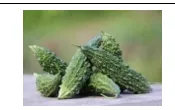
Fig 2. Karela
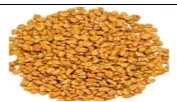
Fig 3. Methi
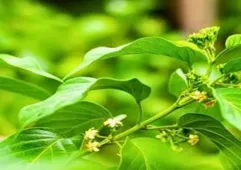
Fig 4. Gurmar

Fig 5. Neem
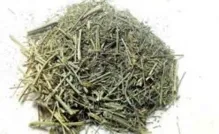
Fig 6. Chirayata
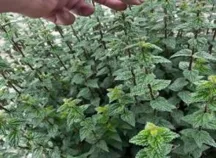
Fig 7 . Bichu - Buti
glucose levels mechanisms.Alkaloids, tannins, cardiac glycosides, flavonoids, saponins and steroids all these phytoconstituents have antidiabetic role. Antidabetic activity of T.cordifolia is well illustreated by Gupta A et al [14]

Fig 8 . Gulwel

Fig 9. Cinnamon
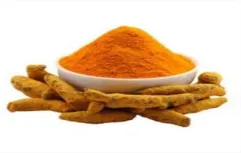
Fig.10 Haldi
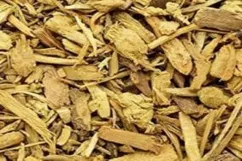
Fig11. Daruhaldi

Fig.12. Garlic -Ginger
|

|
|
Fig13. Aamla |
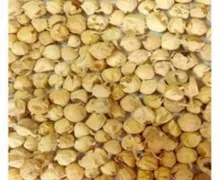
Fig15. Paneer Doda
Demonstrates notable hypoglycemic (blood sugar-lowering) action in both clinical and laboratory research. However, the plant must be handled very carefully and should never be eaten raw or in uncontrolled amounts because it naturally contains hazardous, extremely irritating substances. Fruit pulp and seed extracts have been shown to dramatically lower fasting blood sugar (FBS) levels, according to research published on websites like Pub-Med. Clinical investigations have demonstrated that a significant reduction in mean HbA1c levels can result from controlled, low-dose daily administrations (e.g., 125 mg) over a two-month period. Saponins and flavonoids are examples of active substances that stimulate the pancreatic beta cells, causing them to release more insulin. Kodtumba contains cucurbitacins, which are highly toxic chemicals that severely irritate the stomach and bowel.In large doses, it can cause severe diarrhea, vomiting, stomach cramps, and internal bleeding. Due to these risks, it was banned for unsafe over-the-counter use by the US FDA.

Fig16. Kodtumba
Benefits and limitations of C. colocynthis is provided in details by Li QY et al [15].
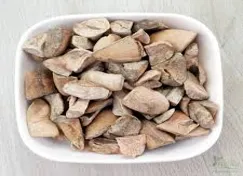
Fig17. Aam Guthli

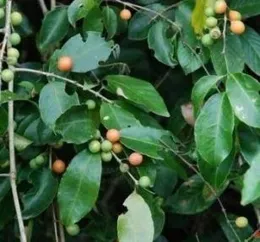
Fig 18a. Salcia reticulata Fig 18b. Salcia oblonga

Fig19. Shisham Leaves

Fig20. Sahjan

Fig21.Tulsi

Fig22.Bael Patra
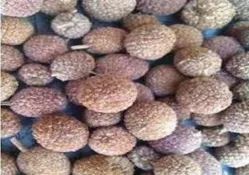
Fig23.Gorakhmundi

Fig24.Peepal leaves

Fig25.Sadabahar
However, before attempting any new herbal supplement, a doctor's consultation is required for safety reasons in order to eliminate a few negative effects brought on by herb interactions. For example, combining fenugreek and bitter melon with conventional diabetes medications or insulin can cause your blood sugar to drop too low. Also taking very high doses of certain herbal extracts can cause stress on the liver or kidneys.
Tomer PK et al [19] proposed validated HPLC method to detect and quantify Metformin Hydrochloride in Ayurvedic medicinal products.
The correlation of diabetes and an imbalance in metal makes metal-based therapy as an attractive proposition.[20] Certain minerals are essential for cellular sensitivity, insulin production, and glucose metabolism, including magnesium, chromium, zinc, Vanadium, selenium, and manganese. Deficiencies can worsen insulin resistance, while maintaining adequate levels through diet or targeted supplementation supports better blood sugar control and lowers the risk of diabetic complications.
Various forms of formulations with single / multi herbs are available, such as tablets, capsule, granules, churna, juices and so on.
Dr. Narendra Bhatt [22] has taken special efforts to develop “Evidence - validation-Acceptance [EVA] “ model for clinical studies in Ayurveda. The significance of EVA model lies in the possible matching of substance, the therapeutic intervention with that of the dysfunction and the optional choice of the most appropriate biological model for precise investigational parameters.Eva model as exemplified addresses the issues in clinical studies in ayurveda and could be used for new drug discovery.
This method can be used for early-moderate Kapha types, such as Vamana (therapeutic vomiting to lower kapha), Virechna (purgation), Basti (enema), or Vata type (removing Ama and opening channels).
In addition to modern medications like insulin and metformin, Ayurveda offers recommendations for bettering lifestyle, preventing complications, and supporting metabolism. According to Ayurveda, diabetes is a metabolic and lifestyle disease that begins with kapha buildup and poor digestion. Therefore, to avoid difficulties, one should concentrate on diet, daily routine, herbs, detox, and stress management. Ayurveda can be utilized as supportive therapy, and it is advised that doctors perform routine kidney, eye, and HbA1c tests.
COMPARISON of ALLOPATHIC and AYURVEDIC / OTHER TREATMENTS:
|
Factors Allopathy Ayurveda |
|
Speed Hours to Day Weeks to Months |
|
Blood Sugar Control Very strong, dose-specific Moderate. Better for pre-diabetes Early Type 2 |
|
Insulin Use Direct insulin replacement No direct insulin. Supports pancreas function |
|
Side Effects Hypoglycemia, GI, Usually mild. But heavy metals in Weight changes some bhasma if poorly made. |
|
Complications Drugs for BP, Cholesterol, Herbs and Diet aimed at preventing Neuropathy, separately complications |
|
Lifestyle Advised but medicine does Medicine, diet and Yoga are 70% most work of treatment |
|
Evidence Extensive RCTs, Traditional use, Growing research, FDA approved WHO supports integration |
|
Cost Generic options cheap, Generally lower cost, but Newer drugs expensive long-term use |
Thus, "Integrative diabetes care" is promoted by WHO and AYUSH.
1. Allopathy is recommended by the Common Model for acute high blood sugar, Type 1 diabetes, HbA1c > 9%, and sequelae.
2. Ayurveda for the treatment of pre-diabetes, type 2 diabetes, weight, stress, neuropathy, and lifestyle modification.
3. Together: Under supervision, the patient is taking metformin, following a diet, using herbal remedies, and doing yoga.
Allopathy can be compared to a fire extinguisher, which is quick, strong, vital in emergency situations, and requires strict management.
Ayurveda = Fire Prevention System: Slower, improves food, habits, and metabolism to prevent the "fire" from starting or getting worse.
The majority of persons with Type 2 diabetes benefit most from allopathic management, an Ayurvedic lifestyle, and the use of certain herbs while keeping doctors, Vaidyas, and practitioners informed.
On Regulatory point of view,we are not allowed to make claims that "cures diabetes."
Permitted " For blood sugar support and Madhumeha management ".
YOGA:
By reducing stress hormones, increasing blood circulation, and enhancing insulin sensitivity, yoga aids in the management of diabetes. Poses that are beneficial include:
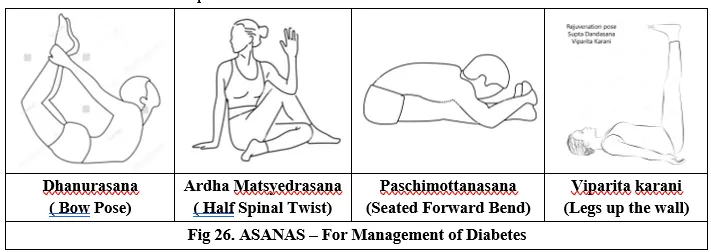
Key Benefits of Yoga
support the pancreas.
Calf Exercises:
Soleus push-ups or Seated calf raises, improve metabolic health by activating a specific lower leg muscle that pulls glucose directly from the bloodstream, helping to lower the blood sugar levels.
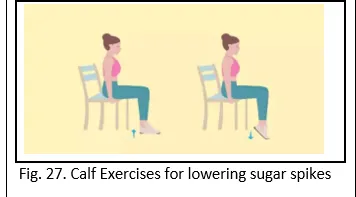
Basic scientific-based advantages of Calf exercises in controlling the diabetes are :
The unique blend of physical postures, controlled breathing methods, and meditation is the foundation of the well-discussed holistic approach to managing diabetes [23]. Raveendran AV and his team also examined clinical evidence [24] in which regular yoga practice helps diabetics achieve glycemic control and lower their risk of problems.
Other Therapies :
Due to its anti-neuro-inflammatory actions linked to diabetes mellitus, oral and subcutaneous semaglutide therapies [25] are very effective in improving glycemic control, weight loss, and lowering cardiovascular risks and Alzheimer's disease.
Use of Advanced Technology:
Grunberger et al[26] says, Use Continuous CGMs for real -time sugar control, smart pens and insulin pumps for precise dosing, and their combination for automated , personalized diabetes management. Proper education from healthcare team is needed to use these technologies effectively for every person.
Red Light Therapy emerges as a valuable addition to diabetes care. RED LIGHT THERAPY-covers near infra red ( 600-850nm) . Exposure for 15 min at 670 nm lowers post-meal sugar spikes by 27.7% in healthy. It may help diabetic nerve pain and slow-healing ulcers by boosting mitochondrial ATP. May improve circulation, lower inflammation, support tissue repair.But it is still experimental add-on, can not replace insulin, oral medications, exercise and needs eye protection , as direct exposure can cause eye strain. Powner MB and Jeffery G[ 27]explained the experimental outputs
Role of Artificial Intelligence :
As per Tahir and Farhan [28] AI helps machine learning as well as it helps from diagnosis to personalized treatment / monitoring by classifying pre diabetes/ diabetes/ advanced diabetes based on HbA1c and predicting T2DM risk to prevent onset, progression and complications. Its only a complementary tool, not a doctors replacement, and needs ethics, privacy and bias-free use. Tie et al [29] and Zhang et al [30] also stress doctor-AI collaboration for future AI-driven personalized care.
Regulatory Strategy:
In India, CDSCO prioritizes centralized clearance for novel medications and combination
treatments [31]. In order to improve FDC oversight in India, Samjdar SS et al. [32] evaluated the evidence gaps in prohibited fixed-dose combination (FDCs) and outlined actionable recommendations.Pawar M et al. [33] provided supporting and complementary techniques that prioritize holistic treatment, long-term repair, and minimum side effects through a comparative analysis of several systems.
CONCLUSION
Diabetes management is most effective when multiple systems work together.
Allopathy provides rapid, evidence-based glycemic control and manages complications. Ayurveda focuses on root-cause correction through diet, herbs, and lifestyle to improve insulin sensitivity. Naturopathy supports detoxification, weight management, and metabolic balance with natural therapies. Yoga reduces stress, enhances insulin function, and improves overall compliance and quality of life. Together, this integrative model leverages the speed of allopathy with the preventive and holistic benefits of Ayurveda, Naturopathy and Yoga- offering safer, more sustainable and patient-centered diabetes care. Incorporation of AI is desirable, for providing efficient data to enhance care. It can be used as a complementary tool not replacement for doctors. Combining the strengths of each system may offer a multidimensional therapeutic approach to diabetes, targeting both symptoms and root causes to enhance overall patient care.Maintaining a healthy lifestyle can be facilitated by eating a balanced diet and getting frequent checkups.
Further large-scale clinical trials are required to establish efficacy, standardize integrative protocols, evaluate herb-drug interactions and long-term safety. Mainstream integration into standard diabetic care will require policy support and individualized, evidence-based frameworks.
ACKNOWLEDGEMENT
The authors are thankful to the management of Makers Laboratories Ltd for encouragement and continuous support.
REFERENCES





Shweta Sawant, Nilesh Jain, Ranjit Yadav, Tanvi Bandekar, Sunil Tilekar, Indrajeet Sahani, Integrative Therapies for Type 2 Diabetes Mellitus: A Systematic Review of Ayurvedic Interventions, Allopathic Standards and Novel Synergies, Int. J. of Pharm. Sci., 2026, Vol 4, Issue 10, 383-407, https://doi.org/10.5281/zenodo.23151621
 10.5281/zenodo.23151621