

We use cookies to ensure our website works properly and to personalise your experience. Cookies policy
Dr. D.Y. Patil College of Pharmacy, Akurdi, Pune.
The current focus on preventive medical care strategies has provoked a new academic interest in the traditional Ayurvedic remedies, which are usually represented by the Kadha type of preparation. This research paper outlines the research design and stringent quality management that was applied in the creation of a new polyherbal Kadha tea bag formulation. The preparation is a synergistic combination of nine varieties of botanical ingredients: Tulsi, Ginger, Turmeric, Mulethi, Ashwagandha, Cinnamon, Black Pepper, Clove and Cardamom. To optimize the infusion kinetics, the raw materials were comminuted to a size of 20-40 mesh, which was selected. The criteria used to select a 5 g pilot batch were on its excellent physicochemical performance, especially the ability to achieve a pH of 5.8. It is usually expected that a pH range of 5-6.5 is the best solution that would be in harmony with the gastric mucosal environment, thereby reducing the possibility of irritation. The extraction of the alkaloids, flavonoids and saponin in the infusion samples was confirmed using advanced phytochemical screening. It is a standardized methodology of administration which offers a methodologically sound alternative to the traditional decoction procedures by approving of the traditional Ayurvedic concepts with the modern day pharmaceutical standards.
The modern world has undergone a drastic change in the existing health paradigm of the world, with its attention being paid to the preventative approach, with a further emphasis on the natural products that are believed to complement the natural immune system. In the case, the classical Ayurvedic decoction called Kadha may be considered as the effective example of herbal formulation. It is an effective herbal extract that has been central to the Indian medicine over the span of several millennia. Kadha is a folk drink, which is acquired through a complex mixture of spices and dry herbs in water. This is carried out to obtain therapeutic secondary metabolites, including different polyphenols, alkaloids and volatile oils. However, the pressing needs of the bustling life of a metropolis, lack of time, and inability to adhere to the old methods of pharmaceutical preparations do not encourage the constant use of the therapeutic agents. The aim of this paper is to reverse these disadvantages by planning how to convert ordinary Kwath (decoction) into a standard and ready-to-use tea bag. This practice is done in order to combine the familiar clinical treatment with the contemporary pharmaceutical practice. (Mukherjee, 2001; Pandey et al., 2013; Yuan et al., 2016)
The Socio-Economic Catalyst and Global Market Evolution
The renewed interest in the Kadha-based formulations was strongly enhanced within the period of the COVID-19 pandemic. It was a health pandemic in the world to underline the very weak points of the health care systems of the modern times, and numerous people wanted preventive measures of health, particularly in the form of natural health products. The growth of the market was unprecedented; the market in the world herbal teas is estimated to have a valuation of about USD 3.approximately 4 billion by the year 2025 and is further projected to have an average growth of 4 per cent per annum. In this connection, health conscious consumers who are health conscious make approximately 35 percent of the total demand. This age group is also conspicuously moving towards the functional teas which have some wellness benefit over the caffeinated stimulants and sweeter beverages.(Gross et al., 2021; Kalinke et al., 2022; Maurya & Sharma, 2020; Vann et al., 2022)
| Market Dimension | Statistical Value |
|---|---|
| Market Valuation (2025) | USD 3.4 Billion |
| Market Valuation (2026) | USD 3.55 Billion |
| Projected Valuation (2035) | USD 5.18 Billion |
| Compound Annual Growth Rate (2026-2035) | 4.3% |
| Out-of-Home Consumption Share | 23% |
| Asia-Pacific Regional Market Share | 42.5% |
| E-commerce Distribution Preference | >40% |
Such a change in the economy has been a bigger one shifting towards clean label and plant-based therapeutics. Approximately 65 percent of customers place preference on products with all natural ingredients but more than half are finding sustainable and biodegradable packaging. The trends that have been observed are directly dealt with by the formulation of a standardized teabag. Such compounds that are typically combined with precisely weighed herbal ingredients, added to clear expendable filter bags, are intended to offer dosage consistency, as well as to be greener.
Literature Review and Recent Advances in Polyherbal Tea Formulations
Within recent years, the clinical and pharmaceutical development of polyherbal tea bag delivery systems has changed the mode of general health care to the specific therapeutic intervention and strict technical standardization.
1. Pharmacological Synergy and Bioavailability Foundations
Polyherbalism theory is grounded on the Ayurvedic theory of Samyoga (combination) and Samskara (processing) wherein the theory suggests that the reactions of the plants result in a greater effect than its components. Recent studies have elucidated such interactions, and they were categorized as pharmacodynamic synergy in which the constituents complement the biological pathways and the pharmacokinetic synergy in which one compound increases the absorption of another compound. The interesting example of such phenomenon is the example of Trikatu principle which contains a blend of ginger and black pepper. Studies have found that this formulation has the potential to increase the bioavailability of co-administered phytochemicals, e.g. curcumin up to 2000 times. Polyherbal preparations of Tulsi, Ginger, and Black Pepper have been demonstrated to exhibit synergistic activity in antioxidant activity which was significantly better than the act of the extracts. (Ghorbani-Nejad et al., 2025; Sharifi-Rad et al., 2020)
2. Clinical Explorations in Women’s Health and Metabolic Regulation
Modern research has been carried out by people that affirm the usefulness of functional herbal tea bags in the management of complex endocrine disorders, such as Polycystic Ovarian Disease (PCOD) and Polycystic Ovarian Syndrome (PCOS). Synergistic combinations of Ashoka (Saracaasoca), Lodhra (Symplocosracemosa) and Shatavari (Asparagus racemosus) have shown a good clinical potential in enhancing ovarian morphology, reducing hyperandrogenism and enhancing insulin sensitivity. These investigations have repeated the efficiency of tea bag preparations in the administration of the appropriate daily dosages. It is a noninvasive and safe way of offering permanent symptom relief as opposed to the traditional synthetic treatment methods. (Mortel & Mehta, 2013) (O’Leary et al., 2021)
3. Technical Standardization and Infusion Technology
Pharmaceutical development systems are establishing high standards of stability and extraction efficiency. The ethno-medicinal studies on the ethno-medicinal herbs such as Adusa (Adhatodavasica) and Giloy (Tinosporacordifolia) reveal that dried leaves possess a condensed chemical composition in addition to high antioxidant potential than fresh leaves. This feature makes them the nominees of the manufacture of a dip-tea bag. Multi-herb blends testing usually determines standardized moisture content limits that are supposed to aid in maintaining the consistency of the shelf life of the product. Additionally, the advancement of the material science field implies that an improvement in the aspect of particle sizes, that is, in the 20-40 mesh dimension, could lead to a better swelling kinetics and mass transfer of minerals, such as potassium and calcium.(Genwali et al., 2013; Joshi et al., 2021; Rahman et al., 2019)
Formulation Composition and Batch Selection Criteria
The final optimized polyherbal Kadha formula comprised of nine carefully chosen ingredients, and they were prepared as standardized batches to measure their effectiveness and safety.
Table 1: Raw Material Identification and Therapeutic Benefits
| Sr. No. | Ingredient | Scientific Name | Part Used | Key Role & Therapeutic Benefit |
|---|---|---|---|---|
| 1 | Tulsi | Ocimum sanctum | Leaves | Base Herb: Immunomodulator, Anti-infective and adaptogenic. |
| 2 | Ginger | Zingiberofficinale | Rhizome | Anti-inflammatory: Soothes the throat and aids in digestion. |
| 3 | Turmeric | Curcuma longa | Rhizome | Immunity Booster: Potent Anti an inflammatory/antioxidant. |
| 4 | Mulethi | Glycyrrhizaglabra | Root | Soothing Agent: Demulcent and natural sweetener. |
| 5 | Ashwagandha | Withaniasomnifera | Root | Adaptogen: It reduces stress and modulates immune responses. |
| 6 | Cinnamon | Cinnamomumverum | Bark | Flavor and Antiviral: Adds aroma and antimicrobial properties to the product. |
| 7 | Black Pepper | Piper nigrum | Fruit | Bio-enhancer: Piperine increases the absorption of other compounds. |
| 8 | Clove | Syzygiumaromaticum | Flower Bud | Antimicrobial: Analgesic for throat pain and antibacterial activity. |
| 9 | Cardamom | Elettaria cardamomum |
Fruit/Seed | Aromatic: Improves Palatability aids digestion. |
Table 2: Formulation Batch Calculations for Standardized Dosage
| Sr. No. | Ingredient | Ratio (%) | 5g Batch (Pilot) | 10g Batch (Scale-up) |
15g Batch (Final) |
|---|---|---|---|---|---|
| 1 | Tulsi | 30% | 1.50 g | 3.00 g | 4.50 g |
| 2 | Ginger | 15% | 0.75 g | 1.50 g | 2.25 g |
| 3 | Turmeric | 10% | 0.50 g | 1.00 g | 1.50 g |
| 4 | Mulethi | 10% | 0.50 g | 1.00 g | 1.50 g |
| 5 | Ashwagandha | 10% | 0.50 g | 1.00 g | 1.50 g |
| 6 | Cinnamon | 10% | 0.50 g | 1.00 g | 1.50 g |
| 7 | Black Pepper | 5% | 0.25 g | 0.50 g | 0.75 g |
| 8 | Clove | 5% | 0.25 g | 0.50 g | 0.75 g |
| 9 | Cardamom | 5% | 0.25 g | 0.50 g | 0.75 g |
| TOTAL | 100% | 5.00 g | 10.00 g | 15.00 g |
Batch Selection
The pilot batch of 5g was selected as the most appropriate prototype to be standardized and it was decided with a large range of consideration of the most significant pharmaceutical and physiological determinants. Gastric Safety and pH Optimization: The gastric infusion was 5 g in the formulation and the gastric pH was 5.8 which was within the gastric safety range of 5-6.5. This equation is designed to counter the probability of gastric mucosal irritation which is an element that is commonly linked to the strong volatile oil, which is commonly inherent in the spices such as ginger and black pepper. Better Antioxidant Capacity: The chromidogram of the 5-gram prototype showed the high degree of Total Phenolic Content (TPC) of approximately 1. The packaging contained the 00mg of the drug. This dose is high in terms of molecules that create an antioxidant. This enhances the treatment value of polyphenols reflected in Tulsi and Turmeric. Optimized Swelling Kinetics and Headspace: A 5-gram herbal charge in transparent white filter bags will allow the promotion of an approximate 1:10 volume ratio, and it is desirable to the successful extraction process. Such geometry gives an adequate volume of interstitium, which allows the free expansion of coarse particles during hydration. This in its turn permits the free permeation of water and enhanced the efficiency of mass transfer of the bioactive components and more so under high loading density conditions. The dosage of formulation with 5 g is of good economic and clinical profile. It provides therapeutic grades of adaptogenic and anti-inflammatory elements that should be taken twice a day. Such fears as an overdose or inappropriate metabolic load were to be minimized by this protocol.
Tea Bag Delivery System Pharmaceutical Engineering.
The operation of changing a crude herbal mixture into a functional tea bag must be closely controlled in regards to the physical properties of the materials to obtain the best extraction kinetics and acceptability of the final product to consumers. The absence of adulteration of raw herbs is determined by macroscopic and microscopic examination. The drying of the material in tray dryer at 50 degC was standardized until a moisture content of 8-10% was achieved. Reduction of the size is a significant process; the particle size that correlates with the optimized formulation is 20-40 mesh (approximately 150-300 mu m). Huge particles lead to severe impediments in the diffusion process and exceedingly thin particles may lead to leakage of filter paper. It employed a delivery system that was called Transparent White Disposable Tea Filter Bag Empty Dip Tea Strainer. This substance provides the necessary porosity to the rapid entry of hot water and future excretion of the dissolved herbal extract and be able to hold the coarse residues.
Evaluation and Quality Control Methodologies
To achieve high-level scientific validation, the formulation was subjected to physicochemical, phytochemical, and dosage form evaluations.
Physicochemical Evaluation Procedures
Result: 6% (Dry & Stable)
Result: 05gm- 5.81 pH
10gm- 4.66 pH
15gm- 4.01 pH
Result: 7.5% (Normal & Good Quality)
Qualitative Phytochemical Screening
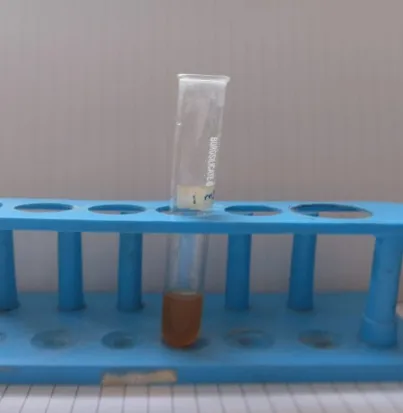
Phytochemical analyses were conducted on the infusion (prepared by steeping for 5-7 minutes) to confirm the liberation of characteristic compounds.
Dragendorff's reagent, when applied, yields an orange-red precipitate, which is indicative of the presence of alkaloids, specifically piperine in this context.
Result: PASS (Piperine Present)

Demonstrable bluish-black coloration in response to the Ferric Chloride Test is indicative of the presence of tannins. This phenomenon has been observed in the context of Tulsi.
Result: PASS (Tannins Present)

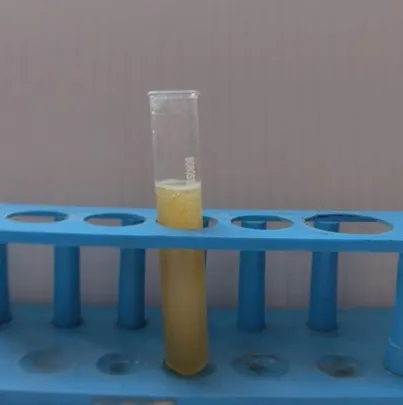
The presence of flavonoids, specifically indicative of substances such as turmeric, is characterized by an intense yellow coloration during the alkaline reagent test.
Result: PASS (Flavonoids Present)
A persistent honeycomb foam, when observed during a foam test, is indicative of the presence of saponins, specifically Mulethi.
Result: PASS (Saponins Present)
A simple physical test used to distinguish beteen volatile oils and fixed oils.
Result: PASS (Volatile Oil Present)

Respiratory and Immune Health Synergistic Mechanisms
Kadha tea bags have shown their therapeutic effect due to their multi-targeted mechanism of action on the systemic health. Phytochemical compounds of this formulation such as the withanolides of Ashwagandha and the curcuminoids of Turmeric have been found to regulate the expression of pro-inflammatory cytokines such as IL-6 and TNF-alpha. The proven efficacy of Pipeline as a bioenhancer enables an enhanced therapeutic effect of relatively small doses of herbs. This is done by enhancing the systemic bioavailability of other phytochemical constituents, thus matching the efficacy that is generally attributed to considerably greater amounts of unprocessed herbs.
CONCLUSION
Kadha tea bags have shown their therapeutic effect due to their multi-targeted mechanism of action on the systemic health. Phytochemical compounds of this formulation such as the withanolides of Ashwagandha and the curcuminoids of Turmeric have been found to regulate the expression of pro-inflammatory cytokines such as IL-6 and TNF-alpha. The proven efficacy of Pipeline as a bioenhancer enables an enhanced therapeutic effect of relatively small doses of herbs. This is done by enhancing the systemic bioavailability of other phytochemical constituents, thus matching the efficacy that is generally attributed to considerably greater amounts of unprocessed herbs.
REFERENCES


Vaibhav Mandge, Kajal Patil, Development and Standardization of a Novel Polyherbal Kadha-Based Tea Bag Formulation: a Synergistic Approach to Immunomodulatory Wellness and Modern Delivery Systems., Int. J. of Pharm. Sci., 2026, Vol 4, Issue 10, 361-367. https://doi.org/10.5281/zenodo.23125690
 10.5281/zenodo.23125690