

We use cookies to ensure our website works properly and to personalise your experience. Cookies policy
University college of Pharmacy, Guru Kashi University, Talwandi Sabo, Bathinda, Punjab 151302
Polycystic ovary syndrome (PCOS) is a condition that affects the endocrine system and metabolism that occurs in women of reproductive age. Hyperandrogenism, ovulatory dysfunction, polycystic ovarian morphology, insulin resistance, obesity, chronic low-grade inflammation and oxidative stress are features of it. Traditional treatments include medications such as metformin, oral contraceptives and anti-androgen drugs, however they do have side effects, don't work for everyone and are not always easy to take in the long-term. As a result, there is a growing interest in plant-based medicines having multitarget pharmacological capabilities. Phyllanthus emblica L. The medicinal fruit (amla) contains a number of bioactive phytochemicals such as Vitamin C, emblicanins, gallic acid, ellagic acid, flavonoids and tannins that have potent antioxidant, anti-inflammatory, endocrine-modulating, antihyperglycemic and hypolipidemic properties. The present review summarizes the therapeutic potential of amla for treating PCOS on the basis of the evidence gathered from phytochemical, pharmacological, preclinical and clinical studies.Its beneficial effect on key pathogenic mechanisms involved in PCOS like oxidative stress, inflammatory signalling, insulin resistance, dyslipidaemia, hyperandrogenism, and ovarian dysfunction is especially noteworthy. Additionally, the molecular targets of action and evidence supporting its efficacy, and the limitations of the studies, challenges of standardisation, bioavailability, dosage optimisation and long-term safety are reviewed. Randomised clinical trials and mechanistic studies are needed in the future to be designed. Finally, the current evidence suggests that the P. emblica has promising therapeutic potential as a phototherapeutic drug for use as a complementary therapy in the management of PCOS and further well-designed clinical trials are needed for its safety and efficacy in clinical practice.
The condition is known as Stein-Leventhal syndrome, first described by American gynecologists Irving F. Stein and Michael L. Leventhal in 1935. In 1721, an Italian physician described the first case of a young married woman whose moderate obesity and infertility was due to a lack of menstrual periods. The patient was not diagnosed with PCOS at the time, but was diagnosed because his or her ovaries were larger than normal. Although Choureau described them in 1844, the sclerocystic changes of the ovary were only recognized after Stein and Leventhal made extensive research on the subject. As it pertains to ultrasonography. An unusually large number of developing eggs that resemble a string of pearls are visible at the ovarian periphery of a polycystic ovary. Polycystic ovarian syndrome (PCOS) is an obesity-related condition that was first described by Stein and Leventhal in 1935, and it is estimated to affect the lives of 6–8% of women worldwide[1]. It is linked to metabolic abnormalities comprising compensatory hyperinsulinemia and insulin resistance, psychological problems and polycystic ovarian morphology. In 2012, the World Health Organization (WHO) estimated that there were 116 million women (3.4%) worldwide suffering with PCOS. The prevalence of PCOS is not well defined internationally, ranging between 2.2% and 26%. There is no reliable published statistics data on the prevalence of PCOS in India, but experts guess that 10% of women in India have PCOS. Approximately 22.5% of Indian women, or one in five, suffer with PCOS these days [2].The complex endocrine reproductive disease known as PCOS is linked to metabolic abnormalities in women during the reproductive stages. The ovarian cysts that form as a result of the hormonal imbalance are the characteristic features of this condition, and are associated with irregular or absent periods, a large number of ovarian cysts, and an excess of androgens (male hormones) in the body. Polycystic ovarian syndrome (PCOS) is common in women with PCOS, and affects their reproductive and metabolic systems. It's most commonly seen in women aged 15-30. The main features of PCOS include polyphagia, irregular periods and chronic ovulation [3]. Although this disease is definitely epigenetic in nature, there is no single treatment that will work because there's no well-documented etiology.When these other conditions have been excluded, PCOS can be diagnosed based on the presence of two of three main criteria: oligomenorrhea, clinical (hirsutism and acne) or endocrine (hormonal diagnosis – high levels of androgens), ultrasound picture of polycystic ovary. PCOS is not considered a disease affecting normal ovary women with polycystic ovary (PCO) with only the ovarian morphology. Currently, there is no cure for PCOS, the goal of treatment is to help you feel better, prevent problems in the future such as endometrial cancer and cardiovascular disease, and reduce symptoms. PCOS can be treated using several disciplines [4]. The initial treatment for the disease is a calorie-restricted diet, exercise and behavioral weight loss treatments. These strategies also apply to insulin resistance, especially those who are overweight. However, there are no clear recommendations on which types of exercise and food to follow. Metformin is recommended to help with insulin resistance and hyperandrogenism, especially for overweight and obese women, and to aid weight loss; it may be used with conservative treatment or surgery to lose weight, depending on the other treatment options. Today, Indian farmers and farmers from other countries are getting more and more aware about the herb gardening these days and the trend will only accelerate. The low water and tillage requirement makes this plant well suited for every day use [5]. The polycystic ovarian syndrome is a combination of symptoms, as the name indicates, which has been found since antiquity. It's characterised by a range of symptoms and indications associated with ovarian failure. The term "StienLeventhalSyndrome" was first used by Stein and Leventhal in 1935. The pituitary gland releases excess amounts of luteinizing hormone into the bloodstream that, in turn, causes an imbalance of hormones known as anovulation and PCOS [1,3]. Diagnosis of hyperandrogenemia is not possible by monitoring blood levels of testosterone, because a cyst or a luid filled sac is simply an undissolved follicle.Two factors combine to create this elevated effect of testosterone in PCOS: excess insulin results in excessive production of testosterone and reduced levels of sex hormone binding globulin (SHBG) contribute to the low amount of SHBG.Ovulation does not occur if there is too much or too little of the hormone testosterone in the ovaries, which causes infertility. The research concluded that, during women's periods, if they eat high calorie food such as milk, fruit and starchy food, then vayu accumulates in the uterus. This obstructs the flow of blood in the organ and causes obesity, stomach pain and ultimately infertility. The aromatase enzyme produces estrogen from testosterone, so it could be responsible for the syndrome. It has also been found that women with PCOS have decreased activity of the enzyme aromatase. PCOS or the "syndrome" of symptoms affects the uteri or the reproductive organs and ovulation. It has three key characterstics like Irregular periods, Cysts in ovaries and high levels of male hormones [6,7]. The associated symptoms related to different conditions in PCOS is summarized in Table 1.
Table:1 Major Clinical Manifestations Associated with PCOS
|
Category |
Associated Symptoms |
Reference |
|
Menstrual Disorder
|
Abnormal periods, cramps during menstruation, spotting in between periods, heavy bleeding, and decreased menstruation |
[8] |
|
Lipid Metabolism Disorders |
Elevated cholesterol, high triglycerides, alterations in the fatty liver
|
[9] |
|
Psychological and Emotional Issues |
Depression, increased stress levels, anxiety, mood instability, irritability |
[10] |
|
Hair-Related problems |
Hair thinning or loss, excessive hair growth on face, arms, or neck |
[11] |
|
Sleep issues |
Difficulty falling asleep, interrupted sleep, sleep apnea |
[12] |
|
Dermatological issues |
Severe acne, skin darkening, skin tags, mouth ulcers, bleeding gums |
[13] |
|
Cystic Growths |
Ovarian cyst formation, benign cysts in breast or other tissues, follicular cysts |
[14] |
|
Gastrointestinal Disturbances |
Abdominal bloating, constipation, increased appetite, sugar cravings, food cravings |
[15] |
|
Reproductive Challenges |
Difficulty conceiving, recurrent miscarriages, infertility, decreased libido |
[16] |
|
Body Weight Issues |
Unexplained weight gain, difficulty losing weight, metabolic imbalance |
[17] |
2. Pathophysiology of PCOS
By the time the diagnosis is made, PCOS manifests as a phenotype that reflects a vicious cycle that involves ovarian, metabolic, and neuroendocrine abnormalities. Many theories concerning the proximal physiologic causes of PCOS have been put forth over time. Multiple protein and gene interactions driven by environmental and epigenetic variables are reflected in PCOS. This article breaks down the elements that lead to the development of PCOS in preclinical models and humans in several sections. PCOS is characterized by both biochemical and clinical hyperandrogenism [18]. As of right now, there are no particular diagnostic tests for PCOS.A disturbance in regular ovulation is a hallmark of ovulatory dysfunction. It was discovered that women with PCOS had higher LH levels and lower FSH levels. This indicates anovulation, or irregular ovulation, which can result in the development
of numerous ovarian cysts and larger ovaries since there are insufficient eggs generated to be discharged. The body becomes chronically inflamed as a result, which eventually leads to hormonal imbalances, irregular menstruation or amenorrhea, and problems with fertility in women [19]. Hormone levels in ovarian cycle has been summarized in figure 1.
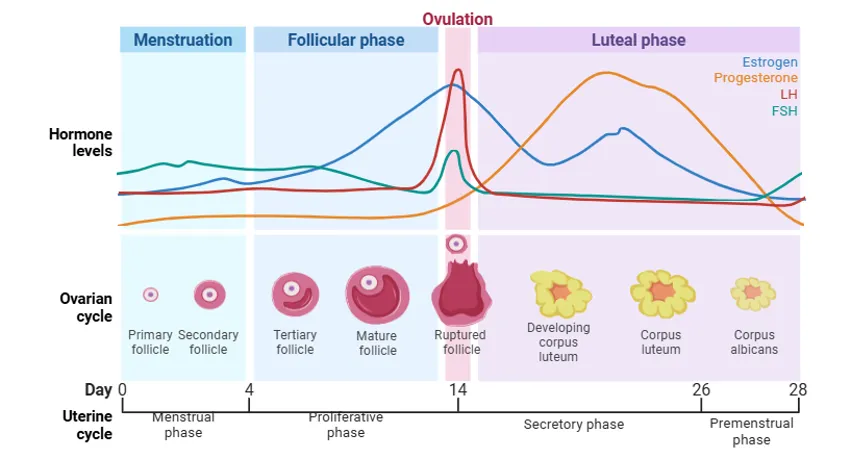
Figure 1: Hormone levels in ovarian cycle
2.1 PCOS Phenotype
The PCOS phenotype is multifactorial with an important association between hormonal, metabolic, environmental and genetic factors. It has been established that insulin resistance, ovarian dysfunction and neuroendocrine disorders play an important role and are key determinants of disease development. Genetic polymorphisms and epigenetic modifications also play a role in the expression and susceptibility to the disorder. Disease severity is greatly influenced by lifestyle factors as diet, exercise, and exposure to the environment [17,20]. The life stage (adults, pregnancy) and visceral fat storage also affect metabolic imbalance. The endocrine disturbance associated with PCOS is exacerbated by adrenal failure and changed hormonal exposures. Overall, the image emphasizes that there is not one single issue, but rather a complex and interconnected network of systems that cause PCOS [3]. The classification of PCOS Phenotypes has been summarized in figure 2.
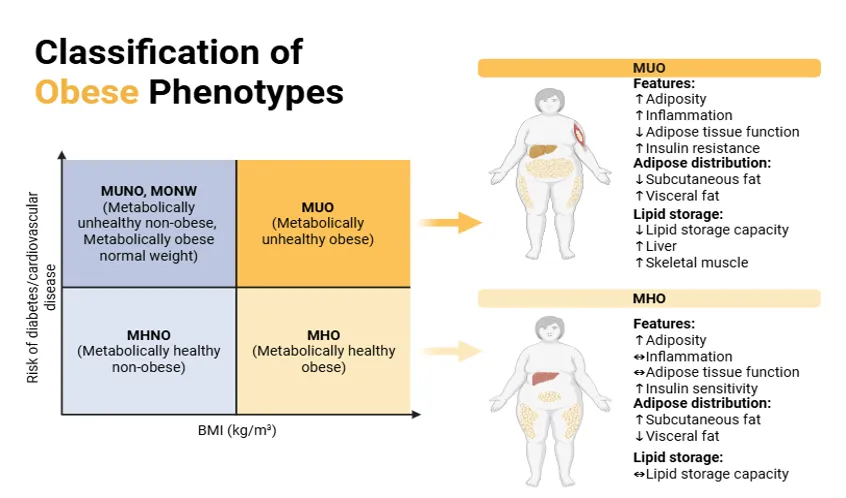
Figure 2: Classification and features of PCOS Phenotype
3. Pharmacological profile of Amla
Disease is an upset of the basic homeostatis of the body. Pro-oxidant and anti-oxidant homeostasis imbalances are a crucial factor in most diseases. There are two ways in which pro-oxidant conditions prevail: either they increase the generation of free radicals or they decrease the scavenging/quenching of the free radicals by antioxidants that protect the organism from the harmful. Emblica officinalis (Amla) which is rich in antioxidants (polyphenols, Vitamin C) that reduces the oxidative stress and improves the ovarian function is of major importance [21]. From a pharmacological aspect Amla possesses lipid lowering and insulin sensitizing properties which are helpful in metabolic issues that are often associated with PCOD. Furthermore, it has endocrine-modulating and anti-inflammatory properties that could regulate hormonal imbalance and menorrhea. Amla is promised to be an additional therapy in Ayurveda, where emblica officinalis (Amla) is used as a Rasayana, which improve digestion, vigor and the treatment of menstruation and metabolic diseases. It is rich in vitamin C and has potent antioxidant properties, it also contains other vital bioactive chemicals like flavonoids, phenolics and tannins (Emblicanin A & B). As a nutritional aspect, it contributes to metabolic health with essential minerals and amino acids. Pharmacological significance of Amla in PCOD is mainly due to its insulin sensitizing, anti-androgenic, anti-inflammatory and lipid lowering properties which helps to regulate hormonal imbalance and enhances the ovarian function. It also helps in reducing the levels of androgens and improving glucose metabolism, which also helps in controlling PCOD. Overall, it links hormonal and metabolic pathways and therefore is a potential natural choice for PCOD treatment program.The amla tannins, emblicanin-A (37%), emblicanin-B (33%), punigluconin and peduculagin, when given to rats, were found to be good antioxidants and inhibit hemolysis caused by oxygen radicals and also have an anti-proliferative effect on uterine and stomach cancer cells. It is mainly active through enhancement of Natural Killer (NK) cells activity in various kinds of tumour cells. The recycling of sugar molecules and the transformation of polyphenols into medium and high molecular weight tannins are the mechanisms underlying antioxidant action [7,9,22].
4. Pharmacological investigations
4.1 Ulcer Protective and healing activity
Pepticare (Glycyrrhiza galabra, Emblica officinalis, and Tinospora cordifolia) was found to lower ulcer index, volume, and total acidity in rats with pylorus-ligated and ethanol-induced gastric mucosal damage when administered in 125, 500 per kg dose [23].
4.2 Memory elevating activity
To ascertain the brain's cholinesterase activity, the effects of the Ayurvedic medication Amla churna (Emblica officinalis) on serum total cholesterol levels and memory were examined. In this investigation, three oral doses of Amla churna (50, 100, and 200 mg per kg) were administered to different groups of young and old mice over the course of 15 days. As exteroceptive behavioral models, the raised plus maze and passive .As interoceptive behavioral models, scopolamine and diazepam were used to treat age-induced forgetfulness. Serum levels of total cholesterol and brain cholinesterase activity were calculated. Young and old mice's memory scores improved in a dose-dependent manner when Amla churna was administered at the above doses [23,24].
4.3 Hepatho Protective Activity
E. officinalis was used as a prophylactic measure to lessen paracetamol-induced hepatotoxicity in the histological analysis of rat liver cells, and it has been noted that fruit extract can reverse toxicity or hepatic damage [22].
A second histological investigation was conducted to show that a 50% hydroalcoholic extract of fresh E. officinalis fruit protected rats from long-term .toxiciy brought on by thiocetamide and carbon tetrachloride.By speeding up regenerative activity, E. officinalis was able to correct the aberrant histology in the liver sections of the tested rats. In a few instances, the hepatocytic injury was found to be minimal in the rats treated with E. By lowering the number of gamma-GT [25].
4.4 Anti Hepatocarcinogenic Activity
In another study, Emblica officinalis loers positive foci that the Solt Farber regimen causes in the liver of Worsen rats, it reverses the histological alterations. The intraperitoneal administration of 200 mg of diethylnitrosoamine (DEN) per kilogram of body weight caused tumor [21].
5. Mechanism of action of Amla in PCOS
The complex pathophysiology of PCOS, which is marked by oxidative stress, insulin resistance, hyperandrogenism, and chronic inflammation, necessitates multitargeted therapeutic approaches. In Ayurveda, there are a number of botanicals with pharmacological activities that correlate with these pathophysiological regions [26]. Randomized controlled trials have demonstrated that W. somnifera is a well-known adaptogen that helps PCOS patients with stress-induced hyperandrogenism by regulating the HPA axis and lowering cortisol levels. Additionally, by influencing the pathways involved in ovarian steroidogenesis and glucose metabolism, withanolides and sitoindosides enhance insulin sensitivity and ovulatory function. Among the steroidal saponins found in A. racemosus is shatavarin IV, which possesses phytoestrogenic properties [27].
These substances imitate the actions of estrogen in animal experiments to restore regular menstrual cycles and encourage follicular growth. By improving estrogen receptor signaling in the ovarian microenvironment, it may also encourage ovulation through its reproductive hormone-modulating properties. Guduchi, or T. cordifolia, is a plant with anti-inflammatory and insulin-sensitizing properties. Berberine and cordifolioside A, two of its bioactive constituents, suppress pro-inflammatory cytokines like interleukin (IL)-6 and tumor necrosis factor alpha (TNF-α), hence reducing systemic inflammation in PCOS animal models. Additionally, Guduchi boosts GLUT4 expression and enhances PI3K/Akt signaling, which significantly improves glucose absorption and lowers insulin resistance, a crucial component of PCOS pathogenesis [28].
The Triphala formulation, which consists of Terminalia chebula, Terminalia bellirica, and Emblica officinalis, is an antioxidant compound high in polyphenols. These herbs improve antioxidant activity, neutralize reactive oxygen species, and lessen lipid peroxidation in ovarian tissue.By regulating estrogen and progesterone levels and promoting metabolic function, triphala aids in maintaining reproductive balance in experimental conditions.By boosting GLUT4-mediated glucose absorption and insulin receptor activation, cinnamon (Cinnamomum verum) improves metabolic markers in PCOS patients. Its active components, like cinnamon aldehyde, may decrease anti-Müllerian hormone levels and improve insulin dynamics, both of which support ovulatory processes. By stimulating AMPK signaling in pancreatic β-cells and adipose tissue, Momordica charantia, also referred to as bitter gourd, functions as a natural insulin mimic, hence reducing insulin resistance and irregular menstruation in PCOS phenotypes.Guggulu, or Commiphora mukul, contains guggulsteroids, which are agonists of the farnesoid X receptor [29]
5.1 Anti-inflammatory Effect
An in vitro investigation of E.officinalis leaf extract in tetrahydrofurane, 1,4-dioxane, and methanol against human polymorphonuclear leukocytes (PMNs) revealed that the extract inhibited the migration and degranulation of human PMNs mediated by receptors. In rats with carrageenan and dextron-induced hind paw oedema, methanolic leaf extract of E. officinalis inhibited leukotriene B4 (LTB4), thromboxane B2 (TXB2), and platelet-activating factor (PAF). An additional in vitro investigation shown that via blocking the formation of TXB2 in platelets, the diethyl ether extract of amla leaves in human PMNs inhibits the adrenalin-induced platelet aggregation and blood clotting [30]. Rats with ear oedema caused by arachidonic acid (AA) and ethyl phenylpropiolate (EPP) are given an aqueous extract of amla fruits at a concentration of 1 mg/ear, which reduces inflammatory mediators such as pro-inflammatory cytokines, kinins, histamine, and serotonin (5-HT). It was determined that pretreatment with a methanolic extract of amla fruit reduced the level of blood LDH and inhibited the infiltration of inflammatory cells and oedema in rats with ulcerative colitis produced by indomethacin and acetic acid.
In rats with L-arginine-induced pancreatitis, the study demonstrated that amla therapy reduced pancreatic hemorrhage and vascular thrombosis by improving DNA synthesis, pancreatic proteins, and amylase content, as well as by lowering serum levels of lipase and IL-10. In an explant culture of articular knee cartilage, an aqueous extract of amla fruit demonstrated chondroprotective potential by preventing the enzymes collagenase type 2 and hyaluronidase from doing their work [31].
5.2 Anti-oxidant Effect
Numerous research have demonstrated the potent antioxidant properties of amla. Because of its ability to scavenge free radicals, E. officinalis's aqueously extracted carbohydrate polymers decreased oxidative stress. In rats fed cholesterol, the flavonoid content of E. offficinalis at a dose of 10 mg/kg p.o. has been linked to this antioxidant activity [32]. Additionally, administering fresh amla fruits at doses of 250, 500, and 750 mg/kg for 30 days to rats suffering from ischemic reperfusion (IR) injury prevented oxidative stress and myocyte damage by blocking lipid peroxidation and raising myocardial antioxidant levels such as catalase (CAT), glutathione peroxidase (GPx), reduced glutathione (GSH), and SOD. Using hepatocyte cell line (HepG2), an aqueous extract of amla fruit was found to decrease oxidative stress by lowering levels of ROS and lipid hydroperoxide while raising levels of antioxidant enzymes like glutathione reductase, glutathione S-transferase, glutathione peroxidase, and GSH [33]. The decreased levels of antioxidant enzymes like SOD, CAT, and GPx were also restored when E. officinalis tannoid principles (emblicanin A and B) were administered intraperitoneally (i.p.) once daily for seven days at doses of 5 and 10 mg/kg to the striatal and frontal cortical regions of rat brains. Additionally, giving amla juice (0.01 ml/day) to rats exposed to cadmium protected brain cell damage due to its antioxidant capability through a number of pathways, including a reduction in protein and lipid peroxidation [34].
5.3 Anti hyperlipidaemic Effect
Atherosclerosis is thought to be largely caused by elevated levels of lipids such as LDL, total cholesterol (TC), and TG. LDL cholesterol levels in cholesterol-fed rats were lowered by oral administration of amla ethyl acetate extract. By controlling the changed amounts of LDL, TG, and HDL, amla fruit pulp powder administration also restored the blood lipid profile in the birds [35]. Additionally, a clinical investigation discovered that giving hypercholesterolemic individuals an aqueous extract of amla fruits at doses of 500 and 1000 mg/day for six months attenuates the level of TC and lipid profile by blocking squalene epoxidas and HMG CoA reductase [36]. Flavonoids derived from E. officinalis have also been shown to promote cholesterol breakdown in hyperlipidemic rats and decrease lipid levels by blocking HMG CoA reductase. Additionally, by changing the way that cholesterol and phospholipids are absorbed and increasing their excretion, fresh amla juice given to cholesterol-fed rabbits at a dose of 5 ml/kg for 60 days decreased lipid levels. When given to rats with age-associated hyperlipidemia at doses of 40 or 10 mg/kg for 100 days, ethyl acetate extract of amla has been shown to have hypolidemic potential via increasing the levels of PPAR α, a protein that controls the transcription of genes relevant to lipid and cholesterol metabolism [37].
5.4 Hepatoprotective Effect
In rat hepatocyte suspension culture, the hepatoprotective effect of a 50% hydroalcoholic extract of E. officinalis fruits against anti-tuberculosis medications was assessed. This was demonstrated by the extract's antioxidative properties and inhibition of Cytochrom P450 2E1 (CYP 2E1), a protein that causes oxidative stress and hepatic injury. In rats treated with N-nitrosodimethylamine, amla at a dose of 100 mg/kg b.w. reduces the expression of iNOS and CYP2E1 protein, improves the expression of manganese superoxide dismutase (Mn SOD) and CAT, and decreases hepatic apoptosis and autophagy by down-regulating the expression of beclin-1 and the Bax/Bcl-2 ratio. Additionally, preadministration of E. officinalis in rats with carbon tetrachloride (CCl4)-induced hepatic injury prevented hepatotoxicity by raising GSH, glutathione reductase, and peroxidase levels while decreasing serum glutamate pyruvate transaminase (SGPT), serum glutamate oxidase transaminase (SGOT), LDH, and lipid peroxidation [38]. Furthermore, in mice with ochratoxin-induced lipid peroxidation in their liver and kidney, the administration of an aqueous extract of amla at a dose of 2 mg/day p.o. for 45 days reduced the lipid peroxidation through its free radical scavenging activity, which in turn decreased the production of hydroxyl, peroxides, and superoxide radicals and consequently increased the concentration of GSH. Another study on amla found that in rats with CCl4-induced liver injury, alcoholic extract of amla at a dose of 100 mg/kg p.o. prevented the fibrosis and pre-fibrogenic process by lowering elevated levels of collagen-hydroxyproline and by boosting regenerative activities like anisocytosis and anisonucleosis. As a result, the abnormal liver histopathology was avoided [39].
6. Nano drug delivery system for Amla
Nanotherapeutics Polycystic ovarian syndrome (PCOS): Early and precise diagnosis is crucial in order for patients to receive timely and reliable preventive care maintain their reproductive levels and lower their risk of cardiovascular, metabolic, and later-life reproductive issues. PCOS testing that is conventional, which mainly comprises biochemistry screening, hormonal testing, and imaging, frequently has high expense, a lengthy turnaround period, low sensitivity, and inconsistent accuracy across the various demographics. The FSH-LH-testosterone hormone test can be useful. information, but frequently misses the free, active form of androgens [40]. The role in The importance of sex hormone-binding globulin (SHBG) has grown since Variations in SHBG more accurately reflect levels of functional testosterone and improve the diagnostic precision of hyperandrogenism associated with PCOS. Nanotechnology can solve these problems. Researchers can identify other indicators, including SHBG using biosensors or diagnostic instruments made of nanomaterials with increased sensitivity, lower outcomes, and lower expenses compared to other labs. The optical and electrical aspects Gold nanoparticles, quantum dots, and polymer-based nanosystems' characteristics can be very selective binding to biomolecules. These characteristics lower detection limits, increase signal strength, and lessen cross-reactivity, making them the top contenders for PCOS diagnosis in the future [25].
6.1 Polymeric Nanoparticals
Bioactive phytochemicals are being used in practical relationships with Polycystic ovarian syndrome (PCOS) is treated with clomiphene citrate as an adjuvant.This combination has the potential to improve the structure and restore hormonal balance of the ovary. These findings demonstrate the varied therapeutic use of phytochemical-based delivery methods in modern medicine Styrene The biomedical industry is already seeing an increase in the use of nanoparticles (PNs). The advantages including excellent biocompatibility, low toxicity, and a simple production process, they are the greatest drug delivery vehicles because of their simple functionalization of surfaces [28]. The addition of phytonutrients to PNs is a topic of much discussion in the realm of breast cancer treatment, a strategy that suggests patient-centered and focused therapy. Researchers use a variety of conventional fabrication techniques to polymeric nanoparticles with phytochemical integration (PNs). These are composed of the 59layer-by-layer construction, ionic gelation, nanoprecipitation, and emulsion evaporation. Each of them has unique benefits in terms of stability, particle size, and
efficacy of encapsulation. As a result, PNs can be customized to meet therapeutic needs.
Adding bioactive phytochemicals to these has shown to be a fruitful approach. Nanotechnology. It not only increases the therapeutic impact but also creates synergy having several molecules. The potential for co-encapsulated antioxidants and anti-inflammatory phytochemicals to interact with one another to improve overall outcomes [4,7, 30].
6.2 Natural-Based Drug Nanoparticles
Clinical research like that done has shown that Supplementing with curcumin could be a safe and useful supplemental therapy for reduce PCOS-related hyperandrogenism and elevated blood sugar levels. Herbal extracts have been demonstrated to be beneficial for PCOS in similar tests. therapy, such as Aloe barbadensis gel, which has restorative effects on the letrozole-related Chamomile extract promotes healthy follicular growth in animal models. among the rats employed. Despite this hopeful development, the typical PCOS medication has adverse effects and not everyone will react to these drugs [41]. It has been greater interest in herbal remedies since plant chemicals can interact with one another and improve what others do. Clinical research like that done has shown that Supplementing with curcumin could be a safe and useful supplemental therapy for reduce PCOS-related hyperandrogenism and elevated blood sugar levels. Herbal extracts have been demonstrated to be beneficial for PCOS in similar tests. therapy, such as Aloe barbadensis gel, which has restorative effects on the letrozole-related Chamomile extract promotes healthy follicular growth in animal models. among the rats employed. Despite this hopeful development, the typical PCOS medication has adverse effects and not everyone will react to these drugs. It has been greater interest in herbal remedies since plant chemicals can interact with one another and improve what others do [42].
7. Clinical trials
Due to the lack of direct large-scale trials in PCOS patients, there is currently little clinical data to support the therapeutic potential of Emblica officinalis (Amla) in PCOS. Nonetheless, a number of clinical trials carried out in associated inflammatory and metabolic disorders offer compelling indirect support for its application. Amla supplementation dramatically improves lipid profiles by lowering total cholesterol, triglycerides, and low-density lipoprotein (LDL) while raising high-density lipoprotein (HDL) levels, according to randomized controlled trials [37]. Amla has also been demonstrated to improve endothelial function and lower oxidative stress in human patients. Its capacity to lower blood glucose levels and inflammatory indicators like C-reactive protein has also been reported in other clinical research and meta-analyses, suggesting its function in enhancing insulin sensitivity and lowering chronic inflammation. Moreover, evidence from hormone-related conditions suggests a potential anti-androgenic effect of Amla, which may be beneficial in managing hyperandrogenism associated with PCOS. Collectively, these findings suggest that although direct clinical evidence in PCOS is scarce, Amla exhibits multiple pharmacological effects that target key pathophysiological mechanisms of the disorder, including insulin resistance, dyslipidemia, oxidative stress, and hormonal imbalance [33].
Table 2: Clinical Studies of Emblica officinalis (Amla) Relevant to PCOS
|
Sr. No. |
Authors (Year) |
Study Design |
Participants |
Dose & Duration |
Key Outcomes |
Relevance to PCOS |
Ref |
|
1 |
Kapoor et al. (2019) |
Randomized, double-blind, placebo-controlled crossover study |
15 healthy adults |
500 mg/day for 18 weeks |
Improved endothelial function, reduced oxidative stress, improved lipid profile |
Reduces oxidative stress and cardiovascular risk in PCOS |
[43] |
|
2 |
Upadya et al. (2019) |
Randomized, double-blind, placebo-controlled multicenter trial |
98 dyslipidemic patients |
500 mg twice daily for 12 weeks |
Significant reduction in total cholesterol, LDL, triglycerides |
Useful in managing dyslipidemia in PCOS |
[44] |
|
3 |
Antony et al. (2006) |
Randomized clinical trial |
40 hyperlipidemic patients |
1–2 g/day for 4 weeks |
Significant reduction in serum cholesterol and LDL |
Supports lipid-lowering effect in PCOS metabolic syndrome |
[45] |
|
4 |
Kapoor et al. (2019) |
Randomized crossover study |
15 subjects |
500 mg/day for 18 weeks |
Reduced inflammatory biomarkers and oxidative stress markers |
Helps reduce chronic inflammation in PCOS |
[46] |
|
5 |
Jahan et al. (2024) |
Randomized controlled trial |
60 women with androgenic symptoms |
Amla formulation for 12 weeks |
Improved hair growth, increased anagen phase |
Helps manage hyperandrogenism symptoms in PCOS |
[47] |
Table 3:Patents Related to Emblica officinalis (Amla) in PCOS and Related Conditions
|
Sr. No. |
Patent Title |
Publication/ Application No. |
Year |
Key Composition/Focus |
Relevance to PCOS |
Ref |
|
1 |
Herbal formulation for management of Polycystic Ovarian Syndrome |
202141034447 (India) |
2021 |
Polyherbal formulation including medicinal plants (commonly includes Amla) |
Direct application for PCOS treatment and hormonal balance |
[48] |
|
2 |
Composition for treatment of PCOS |
US 20200197477 |
2020 |
Includes Amla, Terminalia species, Tribulus terrestris, Asparagus racemosus |
Supports hormonal regulation and reproductive health |
[49-51] |
|
3 |
Amla extract medicinal composition |
US9066911B2 |
2015 |
Amla seed extract with antioxidant and lipid-lowering properties |
Targets dyslipidemia and oxidative stress in PCOS |
[52] |
|
4 |
Amla-based composition for metabolic syndrome |
US 20220226421 |
2022 |
Amla extract combined with plant-based components |
Helps manage insulin resistance and metabolic syndrome linked to PCOS |
[53] |
|
5 |
Amla-based nutraceutical and therapeutic compositions |
Various global patents |
Various |
Use of Amla in antioxidant and metabolic health products |
Provides indirect support for PCOS-related metabolic management |
[54-56] |
8. CONCLUSION
Because of its many pharmacological characteristics, Emblica officinalis (Amla) shows great promise as a supportive medicinal agent in the treatment of polycystic ovarian syndrome (PCOS). Its potent anti-inflammatory and antioxidant properties aid in lowering oxidative stress, and its capacity to enhance lipid metabolism and insulin sensitivity tackles important metabolic abnormalities linked to PCOS. Furthermore, new data points to a potential function in lowering hyperandrogenic symptoms and regulating hormonal imbalance. There are currently few well-designed, large-scale clinical trials that particularly target PCOS patients, despite encouraging results from preclinical research and indirect clinical evidence. In order to establish clinical efficacy, long-term safety, and standardized dosages, more study is required. All things considered, amla is a potential natural option that could support traditional treatments in the all-encompassing treatment of PCOS.
REFERENCES


Anshika Singh, Sandeep Kumar Vats, Manisha Sharma, Amla (Phyllanthus emblica) as a Promising Phytotherapeutic Agent in the Management of Polycystic Ovary Syndrome: A Comprehensive Review, Int. J. of Pharm. Sci., 2026, Vol 4, Issue 7, 3996-4010. https://doi.org/10.5281/zenodo.21460635
 10.5281/zenodo.21460635