

We use cookies to ensure our website works properly and to personalise your experience. Cookies policy
1Faculty, Sanjivani Institute of Pharmacy, Ganiyari, Bilaspur C.G.
2School of Pharmacy Chouksey Engineering College Bilaspur C.G.
3Rungta Institute of Pharmaceutical Science and Research.
Nutraceuticals are food supplements which are commonly available in markets, which provide health benefits and also help in treatment and prevention of diseases. Oyster mushroom is an herbal product which is rich in nutrition’s compositions. Oyster mushroom is best alternative source of nutrition compare to traditional ones like’s meat, fruits and vegetables. Pleurotus mushroom rich in fibres, protein, carbohydrate, water soluble vitamins, essential amino acids, minerals and also contains bioactive molecules (polyphenols, polysaccharides, lipids, and terpenoids). Mushrooms are also known for their therapeutic activity like antifungal, antibacterial, anti-inflammatory, antiviral, anti diabetic, hepatoprotective, hypolipidemic, hyposensitive, cytotoxic attributes. In green biotechenology of mushroom myco – remediation of polluted water, soil and also bio – fermentation. Oyster mushroom effectively achieved vital source for producing biofertilizers, animal feeds, bioenergy and bio remediation. Pleurotus ostreatus is also a carnivorus fungus which can paralyse and kill nemetodies within minutes. In genome sequence research of oyster can be conducted with PC9 strainsion. Over all oyster mushroom has a great nutrition’s composition. For reliable use and better acceptability of mushroom, we prepare mushroom biscuits and are readly available in markets. In these articles we review of manufacturing process of oyster mushroom biscuits.
The term nutraceutical was coined from —nutrition‖ and —pharmaceutical‖ in 1989 by Stephen Derelict, founder, and chairman of the foundation for innovation in medicine, Cranford, an America organization that encourage emedical health.[1][2]
According to Derelict, a nutraceutical is any substance that is a food or a part of food that provides medical or health benefits, including the prevention and treatment of disease. Such products may range from isolated nutrients, dietary supplements and specific diets to genetically engineered designer food and herbal products.[3]
There is a slight difference between functional foods and nutraceuticals. When food is being cooked or prepared using —scientific intelligence‖ with or without knowledge of how or why it is being used, the food is called —functional food‖. Thus, functional food provides the body with the required number of vitamins, fats, carbohydrates, etc. for healthy survival. When functional food aid in the prevention and/or treatment of disease (s) and/or disorder (s) other than anaemia, it is called a nutraceutical. E.g.; fortified dairy products e.g., Milk, and citrus fruits e.g., orange juice.[4]
Food and drugs from nature place a quite significant role in the public healthcare system throughout the world. Human inquisitiveness and search for specific constituents of plants animal minerals and microbial origin which are beneficial to our overall health have cost coining of terminologies such as functional food or nutraceuticals. Nutraceuticals have evolved from the recognition of the link between food and health.[5]
According to Derelict nutraceuticals can be defined as a food (or part of a food) that provides medical or health benefits including the prevention and/or treatment of disease.[6] American Association of nutritional chemists mentioned nutraceuticals as a product that has been isolated or purified from food and generally solved in medicinal forms not usually associated with food1. When food is been cooked or prepared using "scientific intelligence" with or without knowledge of how or why it is being used, the food is called functional food.[7]

Figure 1.1: Nutraceuticals
CATEGORIES OF NUTRSCEUTICALS
Nutraceuticals are divided into their different functions, source and ability. The different functions of nutraceuticals are below.
Categories Related to Dietary Function or Origin
Nutrients: Substances which are nutritional functions are well established, like vitamins, minerals, amino acids and fatty acids.[8]
A nutrient is a feeding constituent that provides nutrition’s to support the life of peoples or animal. These are mainly protein, fats, carbohydrates, minerals and vitamins.[9]
Vitamins and minerals therapeutic useare well known and in recent times their utility is evolved. Some selected vitamins, minerals and trace elements are now medically used for prevention or treatment of therapeutic problems and diseases, nutraceuticalsare added to preventing nutritional deficiencies. These areincluding Vitamin E (High dietary intake may prevent Parkinson’s disease); Vitamin D, vitamin C & beta carotene (reduction in low-density lipoprotein oxidation and subsequent atherosclerosis); Chromium (prevention and control of diabetes); Zinc (improved nitrogen retention, reduction in incidence of diarrhoea and pneumonia); and L-arginine (improve exercise potential in angina patients, substrate for nitric oxide production).[10][11]
Herbals or phytochemicals: These are including concentrates and extracts of plants
or botanicals.[12]
Herbal products are anciently originatedand they offered remedies for acute and chronic diseases. Herbs or phytochemicals have the history in India and other countries of the world usage for thousands of years. Today with the knowledge about herbs, we can ensure a good and effective health care.[13]
Medicinal herbs are highly becoming the part of the nutraceutical food departments and are being conventional foods as healthy ingredients for supplements now a day. These are in cludes Echinacea (Echinacea purpura) with potential to decrease of respiratory tract infections, beneficially effects on common cold, reduced frequency of infection, significant normalization of cell-mediated immunity in recurrent candidiasis; Valerian (Valerian officinalis) are with potentially of beneficial effects on discontinuous sleep, restlessness, improved concentration and performance ability; St. John’s wort (Hypericum perforator)
which have ability to improve depressive symptoms and moderate anxiety; Green Tea (Camellia sinensis) with antitumor, anti-Alzheimer, and anti-aging properties; Saw palmetto (Serenia repens) are useful in treatment of benign prostate hyperplasia; Borage (Echium ammonium) which can be ant febrile, anti-inflammatory, and antidepressant; and Lavender (Lavandula angustifolia) having a properties of antibacterial, antifungal, carminative, sedative and antidepressant.[14][15][16]
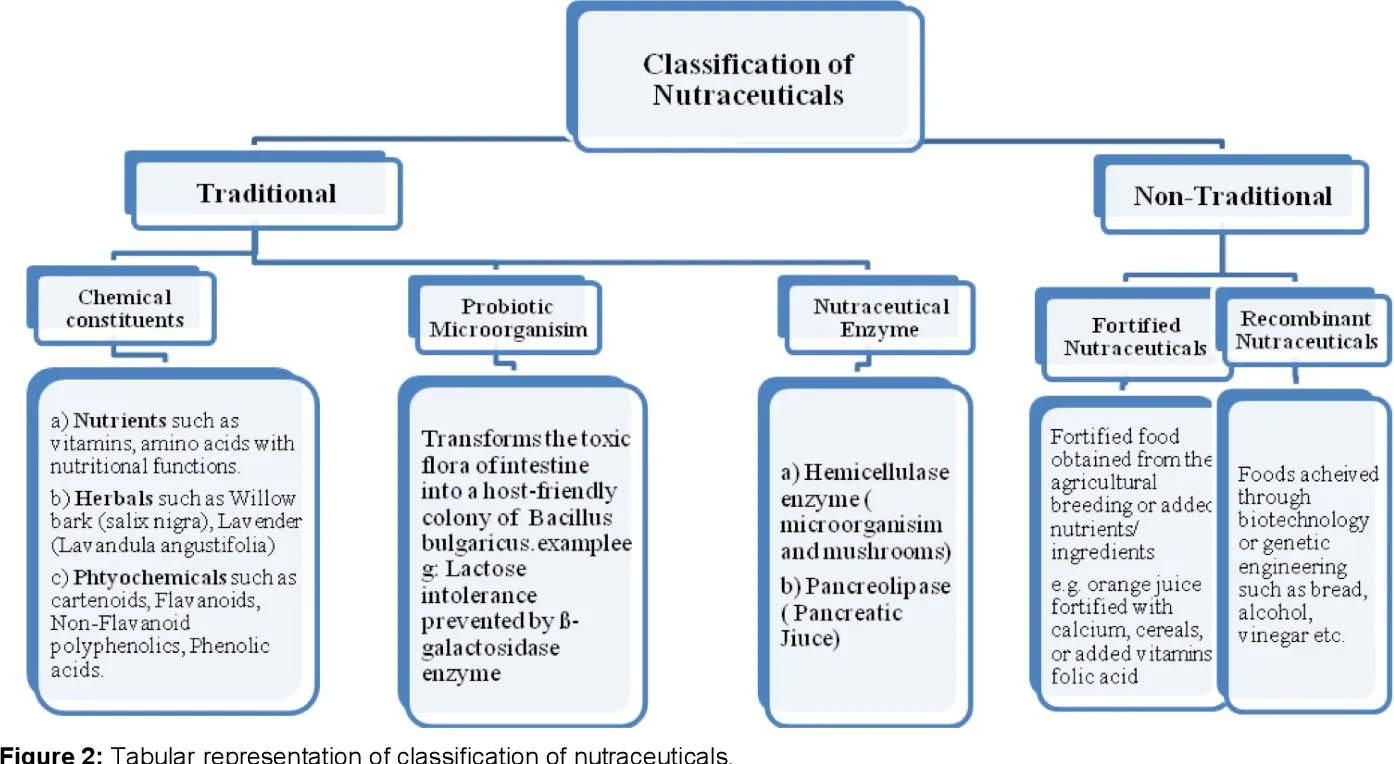
Categories as per Source
As per their sources, nutraceuticals are dividedinto two categories.
SCOPE OF NUTRACEUTICALS
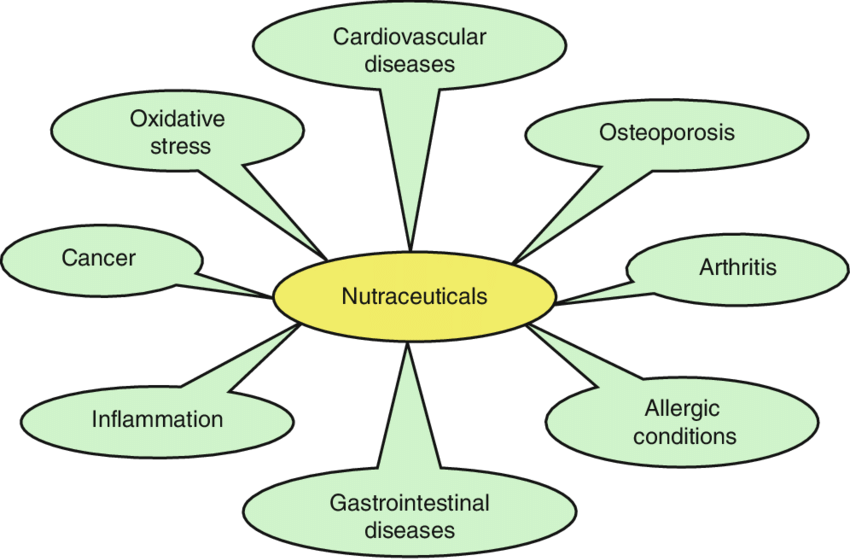
Nutraceuticals play a significant role in modifying and maintaining normal physiological function that maintains healthy human beings. The food products used as nutraceuticals can be categorized as dietary fibre, prebiotics, probiotics, polyunsaturated fatty acids, antioxidants, and other different types of herbal natural foods. These nutraceuticals are used in various diseases such as obesity, cardiovascular diseases, cancer, osteoporosis, arthritis, diabetes, cholesterol, etc. On the whole, —nutraceutical‖ has to lead to a new era of medicine and health, in which the food industry has become a research-oriented sector.[18]
IMPORTANCE OF NUTRACEUTICAL
Malnutrition is a leading cause of disease in both emerging and developed economies [19]. While the spectrum of health problems resulting from calorie-protein under nutrition is different from the "empty-calorie" overfeeding, both can have devastating consequences on both qualities of life and longevity.
Some health consequences of malnutrition: Protein-calorie undernutrition and obesity.
Emerging economies Developed economies:
Decrease in Muscle mass, cardiac and renal mass cell-mediated immunity, Fertility. Numerous skin changes, Normocytic, norm chromic anaemia, Fatigue, listlessness, cell mediated immunity Pneumonia, opportunistic infections, Impaired.
Protein-Calorie Under nutrition Obesity:
Metabolic syndrome with increased risk of CVD, CHF, PVD, ESRD, gall bladder disease, cancer risk especially, endometrial, breast, prostate, and colon. Osteoarthritis, gout, Polycystic ovaries, infertility Sleep apnoea, Fatigue.
Nutritional needs have changed as we have evolved from a pre-agricultural, hunter-gatherer milieu to highly a technological agricultural industry dependent on mechanical processing for our food supply. Movement from the Palaeolithic diet with low sodium, high potassium, high fibre, low fat, lean animal protein, low refined carbohydrate, and low cholesterol intake composed of fruits, vegetables, berries, nuts, fibre, fish, fowl, and wild game to our modern diet has resulted in an epidemic of nutritionally-related diseases. These diseases include hypertension, atherosclerosis, and h target organ diseases (TOD) such as coronary heart disease (CHD), congestive heart failure (CHF), cerebrovascular in accidents (CVA), myocardial infarction (MI), renal insufficiency (RI), and renal failure (RF).[20]
DRUG PROFILE
(OYSTER MUSHROOM)
Mushrooms are non-green fungus plants that grow seasonally in a variety of settings ranging from plains to dense woods, lush meadows, and roadside paths all over the world [21]. It is made up of a wide number of different forms, sizes, appearances, and edible qualities [22]. Since the dawn of time, mushrooms have been recognized as a unique type of food [23]. Mushrooms were thought to provide strength to warriors in battle by the Greeks [24]. Mushrooms were considered a delicacy by the Pharaohs and the "Food of the Gods" by the Romans, who only offered them on special occasions [25].
Oyster mushroom farming has been widely increased throughout the world because of oyster mushroom grows in wide range of temperature and utilizing various agro based residues. Pleurotus species are efficient lignin degraders, which can grow on different agricultural wastes with broad adaptability to varied agro-climatic conditions.[26]
Growing of oyster mushrooms convert a high percentage rate of the lignocellulosic substrate to fruiting bodies increasing profitability. Of them, Pleurotus ostreatus needs few
environmental controls, and diseases and pests can’t attack the fruiting bodies, and they can be cultivated in a simple and economic way.[27]
Pleurotus species contain high potassium to sodium ratio, which makes mushrooms an ideal food for patients suffering from hypertension & heart diseases. The practice of mushroom cultivation not only produces medicinal and nutritious food but also improves the straw quality. This takes place by reducing lignin, cellulose, hemicelluloses, tannin and crude fibre content of straw making it ideal for animal feed.[28]
Taxonomy and Botanical descriptions
The Pleurotus species belongs to the Kingdom of Fungi, Phylum of Basidiomycota,Class of Agaricomycetes, Order of Agaricales, Family of Pleurotaceae, and the Genus ofPleurotus
[43] (Figure 1). Pleurotus species, such as many species of mushrooms, include cultivated and wild mushrooms, which are dominant in many forests worldwide. Pleurotus was first scientifically described in 1775 and, in 1871, the German mycologist PaulKummer transferred the oyster mushroom to the genus Pleurotus. This is a new genusdefined by Kummer himself in 1871 and is the currently accepted scientific name. Pleurotusostreatus grows throughout the United Kingdom, Ireland, and most parts of Europe.It is also widely distributed in many parts of Asia, including Japan, and is located in partsof North America [44].
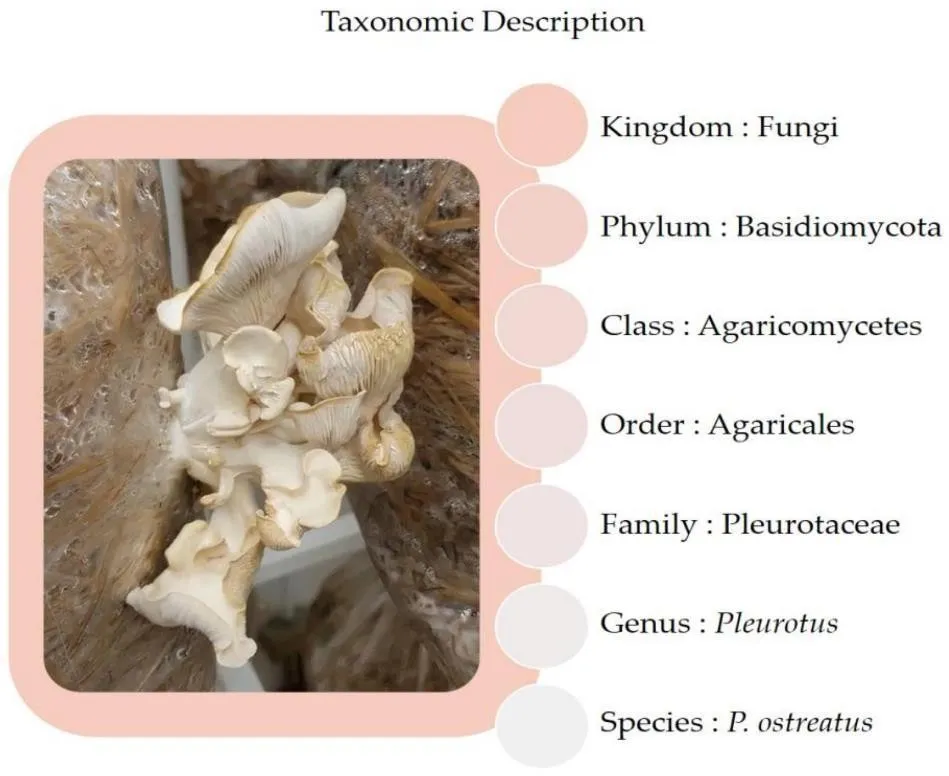
Figure 1.2: Taxonomic Description
Food Importance of the Pleurotus Genus
The genus Pleurotus includes more than 200 species, which are consumed worldwide asedible mushrooms with an annual increase of 15%, and Pleurotus is considered as the secondmost commonly consumed mushrooms [45]. Some representatives of this genus (e.g., theoyster mushroom or P. ostreatus) are well known for their odor, flavor, nutraceutical value,and gastronomic properties, which are important to several consumers [46]. Thus, theedible mushroom of P. ostreatus has been used as a source of food additives due to its highcontent of antioxidants, bioactives, and _-glucans [45,46]. Due to well known for their odor, flavor, nutraceuticalvalue, and gastronomic properties, which are important to several consumers [47,89].Thus, the edible mushroom of P. ostreatus has been used as a source of food additives dueto its high content of antioxidants, bioactives, and β-glucans [45,47,]. Due to their contentsof minerals, fibers, lipids, and vitamins, Pleurotus mushrooms have become increasinglyappealing as functional foods [48]. Different species of Pleurotus mushrooms and thechemical composition of their nutritional values, including moisture, proteins, carbohydrates,fats, ash and fiber, are presented in Table 1. Based on this Table, the highest contentof crude proteins (30 and 35.5%, respectively) was recorded for the Pleurotus citrinopileatusand P. djamor var. roseus mushrooms, whereas the P. eryngii mushroom had the highestfiber content (28.29%).[49]
Medicinal Importance of the Pleurotus Genus
This genus includes more than 40 species, commonly referred to as the —Oystermushroom‖, including P. ostreatus and P. eryngii, which has attracted special attention because of its high nutritional values and medicinal attributes [50,51]. It is well known forits anti-oxidative, anti-carcinogenic, anti-inflammatory, anti-viral, anti-hypercholesteremic,and immune-stimulating properties, as well as its ability to regulate glucose levels andblood lipids [50,51]. lists the bioactive compounds and their activities, which aredominant in Pleurotus ostreatus and their mode of actions or mechanisms [52,86,87,90]
General Features of Pleurotus ostreatus
Pleurotus ostreatus is found in dead and living tree branches, especially hornbeam (Carpinus sp.), beech (Fagus sp.), willow (Salix sp.), poplar (Populus sp.), birch (Betula sp.) and the common walnut (Juglans regia) trees [53]. This species produces grouped fruiting bodies of various sizes, similar to oyster mushroom colonies. The fruiting body is pink, gray-to-dark brown, and is 4 to 15 cm in size. In the wild, its offspring generally appear between October and November. However, they can be encountered in mild winters or in early, warm springs. Their cap is 3–15 cm in diameter; broadly convex, flat or depressed flat; kidney shaped-to-fan shaped in outline, or nearly spherical when growing on tree trunks; young and fresh and somewhat greasy; bald; pale-to-dark brown; fade to buff; sometimes slowly fading and becoming two-toned; and the edge is slightly curled when young [54,73,75,88]. Gills can run down the trunk (or pseudo stem); close, short gills are common; and can be whitish or grayish, turning yellowish with age and sometimes with brownish edges [55,84,85]. A salient feature of these gilled mushrooms is their ability to capture and feed nematodes to the gills using a —lasso‖ made of hyphae. Their stem is whitish, hairy to velvety, and hard. Moreover, their flesh is thick, white and unchanging when cut.
These mushrooms are edible, in addition to having several important applicationsin biotechnological [57,74], nutraceutical [45,46,47], medicinal [56], and environmental fields [55,56]. Due to their exceptional ligninolytic attributes, the Pleurotus genus is consideredas one of the most extensively investigated types of white-rot fungi. These species alsohave a significant role in the global initiative towards the —zero waste economy‖, as a result of their ability to convert or biodegrade waste for biomass production using various enzyme properties, such as endoglucanase and laccase [57]. This distinguished role of Pleurotus spp. In the biodegradation of agro-industrial residues has been confirmed bymany published reports, such as those published by Kumla et al. [56], Mahari et al. [58], Durán-Aranguren et al. [33],Ogidi et al. [24], Caldas et al. [56], and Melanouri et al. [45,55,72].
Recycling of Organic Solid Wastes by Pleurotus ostreatus
Agro-industrial wastes are defined as any residue that results from the agricultural and industrial activities. These wastes have been successfully used as growth substrates in the cultivation of mushrooms. Several agro-industrial wastes have low N-content materials, which represents an important factor in the growth and cultivation of mushrooms on these wastes [59]. The protein content in a mushroom-fruiting body depends upon both the C:N ratio of the substrates and the chemical composition, in addition to the mushroom species that is being cultivated [59,70,71]. This group of mushrooms could also be artificially cultivated in different phenolic wastes and lignocellulosic substrates (under both the solid-state and liquid-submerged fermentation processes) through their complex enzymatic system, which includes cellulolytic (e.g., cellulase and xylanase) and ligninolytic (e.g., laccase, lignin peroxidase, manganese peroxidase, and versatile peroxidase) enzymes, which have different applications in the beverage and food industry [66,67,68,69].
Several fermentation factors can control the activity of these lignocellulolytic enzymes, such as the pH, medium composition, C:N ratio, air composition, and temperature [58]. The C:N ratio that is required for the substrate to obtain the highest yield of Pleurotus ostreatus should be (40:1) at the minimum, (45–60:1) as the optimum, and (90:1) at the maximum, as reported by Kumla et al. [59]. The chemical composition and biological efficiency of Pleurotus ostreatus grown on different kinds of agro-industrial wastes are presented in Table 5. It is evident from Table 5 that the chemical composition of harvested mushrooms on agro-wastes mainly depends on the type of waste; the highest biological efficiency was recorded for soy stalks (85.2%).
Mycological Characteristics
Both the scientific and common name refers to the shape of the fruiting body. The Latin Pleurotus (sideways) refers to the sideways growth of the stem with respect to the cap, while the Latin ostreatus and the English common name, oyster refers to the shape of the cap which resembles the bivalve of the same name. P. ostreatus has a broad, fan or oyster- shared cap spanning 5 to 25 cm natural specimens range from white to grey or tan to dark-brown; the margin is enrolled when young and smooth often somewhat lobed and wavy Fig. 5 shows the fruit bodies of P. ostreatus.[60,77,78,79]
Flesh: is white, firm and varies in thickness due to stipe arrangement.[61]
Gills: The gills of the mushroom are white to cream and descend on the stalk if present. Stipe: The stipe is off-centre with a lateral attachment to wood. Spore print: The spore print of the mushroom is white to lilac-grey and best viewed on dark surface.[62,80,80]
Calorific Value: Calorific Value Owing to the considerable content of water and low calorific value, at 105-209 J in 100 g-1 fresh matter of edible mushroom should be regarded as dietary food. Cultivated species of P. ostreatus is characterized by a medium calorific value of 151 J in 100 g of edible part respectively.[63]
The essential amino acids present in Oyster Mushroom
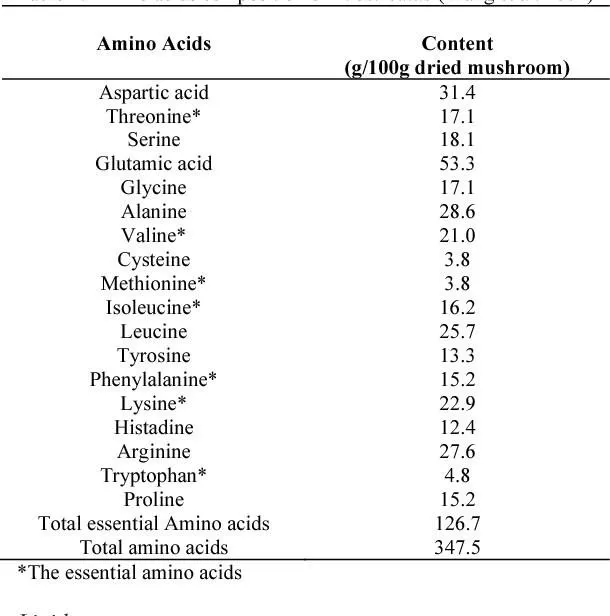
1.4.1.3 Mineral contents of dried mushrooms (mg/100 g).[29]
| Mushroo m |
Calcium (Ca) |
Iron (Fe) |
Zinc (Zn) |
Magnesium (Mg) | Manganese (Mn) | Selenium (Se) |
Arsenic (As) |
|
|---|---|---|---|---|---|---|---|---|
| Pleurotus ostreatus |
35.9 | 55.54 | 26.56 | 16.39 | 2.85 | 0.011 | 0.1 | |
| Pleurotus sajor-caju |
22.15 | 33.45 | 20.9 | 20.22 | 2.87 | 0.025 | 0.095 | |
| Pleurotus Florida |
33.7 | 43.2 | 16 | 13.4 | 2.7 | 0.013 | 0.083 | |
| Calocybe indica |
20.65 | 56.25 | 12.86 | 12.82 | 1.64 | 0.013 | 0.54 | |
Sources of Materials and Preparation:
Soft wheat flour and other baking ingredients such as canola oil, salt, baking powder, salt, aspartame, flavour, and egg white (albumin) were purchased at Igele market, Ondo while the Pleurotus sajur-caju mushroom was obtained from Shukrah farm, in Ondo, Ondo State, Nigeria.[30]
Processing Methods:
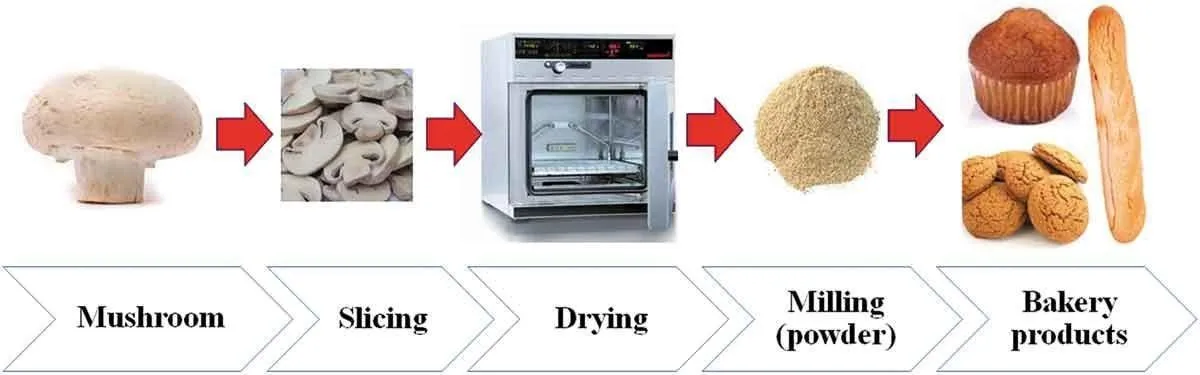
Figure 3.1: Flow Chart of the Preparation of Mushroom Powder
Mushroom powder was prepared as illustrated in Fig.1. Fresh mushrooms were cleaned, cut into slices (about 3 mm thickness) and dry at 60°C for 8 h. Dried mushroom sample were ground separately in an electric grinder and sifted through an 80-mesh screen to obtain fine powders. The obtained powder was cooled and hygienically packed and stored in airtight container for further use.[31]
Production and preparation of biscuits:
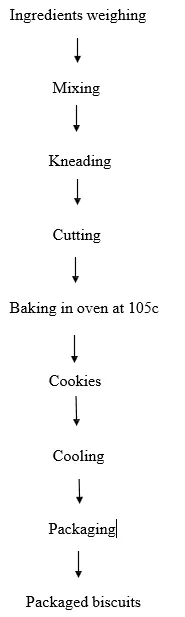
Biscuit was produced by modifying the method described by [32,82,83]. The oil and aspartame were initially mixed until fluffy in a Kenwood mixer (model HM 430). Egg white and skimmed milk were added while mixing continues for about 40 min. Appropriate flour, baking powder, nutmeg, vanilla flavour and salt were slowly introduced into the mixture. Thereafter, consistent dough was formed after thoroughly mixing with water. The dough obtained was kneaded on a smooth clean board for about 5 min, thinly rolled on a woodenboard with rolling pin to uniform thickness of 5 mm and cut out to desired shapes of
uniform sizes. The cut-out dough pieces were placed on greased baking tray and baking was carried out at 160°C for 15 minutes. The biscuits were cooled hygienically and packaged in airtight polythene, kept at 4°C until needed for sensory evaluation and other analyses. Biscuits samples from wheat flour (white) served as control.
Production and preparation of biscuit process.
Mushroom Biscuit:
Mushroom is favoured due to its delicious flavour and low calorific content. Also, they contain a high content of protein, fibre and other essential nutrients.[33]
The influence of partial substitute of wheat flour at three levels including 10, 20 and 30%, with mushroom powder (Pleurotus plumonarius) and sweet potato flour on the chemical characteristics and sensory attribute for produced biscuits, was investigated by Ibrahim and Hegazy.[34] Their results showed that biscuits processed from wheat flour supplemented by 10 or 20% of mushroom powder/sweet potato flour blend exhibited a good sensory attribute and better acceptability. Currently, research has been performed on the using of mushroom powder as a source of dietary fibre in wheat-based foods. [35,36]
Ng, Robert, Ahmad and Ishak [36] determine the effects of OM powder addition at three levels of 0, 4, 8 and 12% on the nutritional values, thermal characteristics, pasting properties, in-vitro starch digestibility, microstructure, in-vivo glycaemic index and sensorial properties of biscuits. Interestingly, appreciable amounts of total dietary fibre (56.99%), insoluble dietary fibre (48.79%), soluble dietary fibre (8.21%) and β-glucan (3.32%) were detected in the OM powder. Elevated incorporation levels of OM powder decreased the pasting viscosities and starch gelatinisation enthalpy value of biscuits. Increasing the level of the OM powder resultedin a significant increase in the level of protein, ash, total dietary fibre and β-glucan, with the 12% OM biscuit recorded the highest nutritional values.
The restriction of starch hydrolysis rate markedly reduced the glycaemic index of biscuits. The addition of 8% OM powder in biscuits (glycaemic index = 49) reported an effective way of developing a nutritious and low glycaemic index with desirable sensorial properties. Singh, Sindhu, Sindhu and Yadav [37] improved nutrient, physicochemical and sensorial properties of biscuits using shiitake mushroom powder.
Their results showed that crude protein content of biscuits increases from 5.74 to 10.55% with addition shiitake mushroom powder. Biscuit is high in carbohydrates, calorie and fat but low in vitamin, fibre and mineral compound which make it unhealthy for daily use. Also, biscuits have only about 6–7% protein. This may be achieved through mixing of protein-rich ingredients from mushroom as a fortification of biscuits. [38]
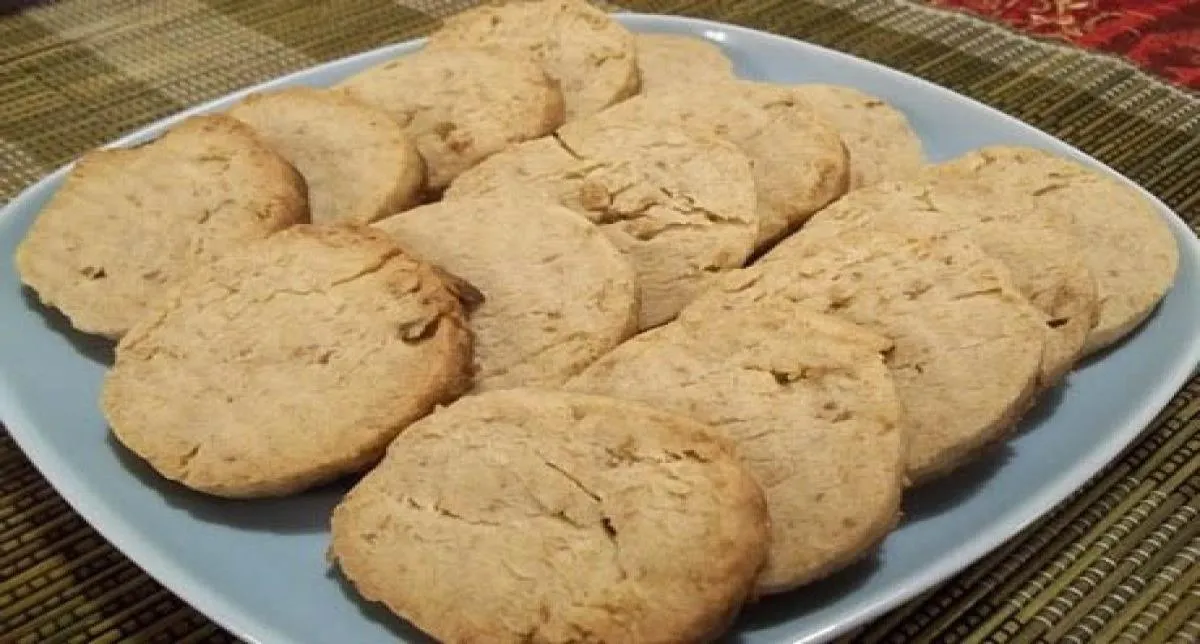
Figure 3.2: Oyster Mushroom Biscuits
Farzana and Mohajan [37] studied the effect of incorporation of soy flour to wheat flour on nutritional properties and sensory quality of biscuits containing OM (Pleurotus ostreatus).Nutrient composition and sensory characteristics of biscuit containing OM powder were investigated by Bello, Oluwamukomi and Enujiugha.
Their results showed that the protein content increased from 13.0% in the control sample (100% wheat flour) to a range of 13.4% – 15.5%. In the biscuits, ash raised from 1.5% to a range of 1.9–3.8% and fibre content increased from 2.1 to 2.2–2.9%. While crude fat and carbohydrate contents of biscuits reduced from 21.7 to 19.1–20.6% and 61.6 to 58.6–61.6%, respectively. Also, with increasing levels of mushroom powder, the thickness, mean, diameter, spread ratio and weight were increased. The result of the mineral analysis showed that the potassium and sodium were the main mineral elements in the biscuit samples and the mineral (calcium, potassium, magnesium, phosphorus, iron, copper, zinc and manganese) composition increases with the level of OM addition.[38]
DETERMINATION OF THE PHYSICAL CHARACTERISTICS OF
BISCUITS
The diameter was measured with a calibrated ruler as described by [39]. The thickness (mm) of the biscuits was measured by stacking six biscuits on top of one another and taking the average value. The weight of the biscuits was measured using weighing balance (Mettler). The spread ratio was calculated as weight/thickness [39].
DETERMINATION OF PROXIMATE COMPOSITION
The proximate analysis (moisture, crude fat, crude fibre, crude protein, ash content and carbohydrate) were carried out in triplicates using the methods described by [40]
CALORIE CONTENT DETERMINATION
Atwater factors were used to estimate the energy values of the samples. It has been reported that 1g of carbohydrate gives 4 kcal (16.7KJ); 1 g protein also gives 4 kcal (16.7KJ) while 1g fat gives 9 kcal (37.4KJ) [41] as reported by [42].
MINERAL ANALYSIS
About 2.0 g of the sample was placed in a dish and heated gently on a Bunsen burner in a fume cupboard until the charred mass ceased to emit smoke and it was transferred to a muffle furnace at 550 C. Heating was continued until all the carbon was lost. The dish and the ash were transferred to a desiccator to cool after which 0.1 M HCl was added to the ash. It was then filtered through acid washed using What man number 43 filter paper into 100 ml volumetric flask and made up to mark using distilled – deionized water. Minerals such as Ca, Fe, Mg, Mn, Zn, Cu, Pb and Cd were determined using an atomic absorption spectrophotometer. Na and K were determined with a flame photometer, while P was determined by Vanadomalayaite method [40].
Sensory Characteristics
Sensory Evaluation of the samples were carried out using forty (40) trained panellist selected from two communities from the two purposely selected local government, comprising Ondo East and Ondo West Local Government Areas of Ondo State, Nigeria for consumer
acceptance and preference. The mushroom-biscuit samples of various proportions were evaluated for colour, texture, aroma, crispness, overall acceptability and taste.
Statistical Analysis
The experimental results were expressed as mean ± standard deviation (SD) of three replicates. Data obtained were statistically analysed using one way Analysis of Variance (ANOVA), a tool in Statistical Packages for Social Scientists (SPSS 18.0). The level of significance was set at p < 0.05. Means were separated with Duncan’s New Multiple Range Test (DNMRT).
In terms of the overall quality and acceptance, biscuits produced from 5% level of PSC mushroom flour incorporation shows higher scores than the control, followed by biscuits produced from 10% mushroom flour incorporation, while the least acceptable was the biscuit incorporated with 30% PSC flour. Based on the nutritional composition and sensory evaluation, the consumption of the mushroom-wheat flour biscuit at 5-10% mushroom flour.
4.1 Influence of Pleurotus sajur-caju (PSC) Mushroom on Physical characteristics of biscuit:
Physical characteristics such as diameter, thickness, weight, and spread ratio were affected by the increase in the level of mushroom flour addition in the composite biscuits.
The effect of replacing 5%, 10%, 20% and 30% of wheat flour Pleurotus sajur-caju mushroom flour on the physical properties of biscuits was studied and the result obtained are presented.
No significant differences (P≤ 0.05) were observed in the diameter, thickness, weight, and spread ratio of Mushroom biscuits produced from 5%, 10% and the control samples, same goes between the 20% and 30% samples as well except for thickness, in which slight difference was observed. The diameters ranged from 3.43 - 3.97 cm, thickness ranged from
0.53 - 0.57 mm, the weight of the mushroom biscuit ranged from 3.35 g - 4.67 g while Spread ratio of the biscuits ranged from 6.44 - 7.0. The least data were obtained in sample A, which is the control while the highest values were obtained in sample E for all the parameters at 30% level of inclusion. The values of the physical parameters obtained in this study were lower than those reported by , for sorghum biscuit enriched with defatted soy-bean; thickness values were comparable to those obtained by in the incorporation of whole wheat flour with moringa leaves and cocoa powder; spread ratio value were comparable to the values reported by while the values of diameter and weight were comparable to the values reported by in wheat-cassava composite biscuit. As the ratio of mushroom increased, the mean diameter, thickness, weight as well as spread ratio of Mushroom biscuits increased.
The increase in the values corresponds to those reported by on diameter and spread ratio but differs in terms of thickness and weight in cookies produced from wheat and brewers’ spent grain. The weight increase of the composite biscuit with increased addition of Pleurotus ostreatus mushroom could be attributed to high bulk density of mushroom flour than wheat flour. Increase in spread ratio with decrease in wheat flour showed that the starch polymer molecules are more tightly bound with granules and swelling is limited in the biscuit with wheat flour when heated. The changes in diameter and thickness reflected the spread ratio which is consistently increased from 6.44 in control to 7.00 in composite biscuit as a result of 30% level of substitution. Based on this, 30% level of substitution is therefore considered as the most desirable, this however, contradict the result of the sensory valuation in which 5% level of substitution is the most acceptable. There is a relationship between the spread – ability, height, thickness and the breaking strength of the differently enriched biscuits, the thinner the biscuit the lesser its ability to withstand stress/load. The lowest values obtained for sample (A) (100% wheat flour biscuits) could be as a result of the higher gluten content it contain in comparison with others, which forms an elastic network, holding the gluten strands such that there is contraction in the final baked products.
Mineral Composition of Mushroom Wheat Biscuit
The Calcium, Sodium, Potassium and Phosphorous are the predominant mineral elements present in the mushroom-wheat biscuits. The mineral composition obtained in this study shows that there was an increase in the phosphorous content of the biscuit with increase in the level of mushroom flour addition is an indication that mushrooms is a good source of minerals as revealed.
Health Benefits of Mineral Ratio
The mineral ratio for the mushroom-wheat biscuit is as presented. The ratio of sodium: potassium (Na: K) in the body is of great concern for the prevention of high blood pressure. A Na: K ratio of less than 1 is recommended. The values obtained from the biscuits are fairly comparable. Both sodium and potassium are required to maintain osmotic balance of the body fluids, the pH of the body, to regulate muscle and nerve irritability, control glucose absorption, and enhance normal retention of protein during growth. Ca/P ratios of the biscuit samples were comparable to the recommended value of 1.0. A food material is considered good if the Ca/P ratio is above one and poor if the ratio is less than . The Ca/P ratio values obtained in this study revealed that the mushroom-wheat biscuit samples were within the range of 0.59-1.03, indicating that they would be a good source of minerals for bone formation.
Sensory Qualities
Sensory evaluation studies showed that no significant difference occur in terms of the surface colour and appearance of the control and the biscuits produced from 5% of Pleurotussajur-caju (PSC) mushroom flour followed by 10% PSC flour. It was observed that both 20% and 30% level of PSC flour inclusion caused relatively dark colour. This may be due to enzymatic
OUTCOME:-
Oyster mushrooms have been reported to possess hypocholesterolemic, anti-bacterial, anti-diabetic, anti-oxidant, anti-arthritic, anti-carcinogenic, hepatoprotective ctivities.
Nutraceuticals might be defined as substances that have physiological benefits or provide protection against chronic diseases. Nutraceuticals may be used to improve health, delay the aging process, prevent chronic diseases, increase life expectancy, or support the structure or function of the body. Nowadays, nutraceuticals have received considerable interest due to potential nutritional, safety and therapeutic effects. Recent studies have shown promising results diseases as well as obesity.
In terms of the overall quality and acceptance, biscuits produced from 5% level of PSC mushroom flour incorporation shows higher scores than the control, followed by biscuits produced from 10% mushroom flour incorporation, while the least acceptable was the biscuit incorporated with 30% PSC flour. Based on the nutritional composition and sensory evaluation, the consumption of the mushroom-wheat flour biscuit at 5-10% mushroom flour
RESULT:-
Nutraceuticals is a growing well-being maintenance trade in India. They have a significant character in expansions of upcoming therapeutics then it is influenced by on control of purity,usefulness as well as security. Nutraceuticals Products is a collaborative research effort of the Pharma, food,and chemical industry. They are food supplements as well as have nutritional value. The present junk foods will not provide any nutritional value, rather they adversely affect, the body.Oyster mushroom is part of nutraceuticals have a great health benefit. Oyster mushroom biscuits proximate composition, minerals, physical and sensory properties of the composite biscuit produced by substituting wheat flour with Pleurotus sajur-caju (PSC) flour at 0, 5, 10, 20 and 30% level of addition. The proximate composition of the biscuit composites revealed that the sample contained low moisture contents, appreciable amount of other nutritional component and moderate energy value that is required in the body for normal physiological and metabolic processes.The mineral ratio for the mushroom-wheat biscuit shows that the ratio of sodium: potassium (Na: K) and Ca/P were comparable as recommended.
In terms of the overall quality and acceptance, biscuits produced from 5% level of PSC mushroom flour incorporation shows higher scores than the control, followed by biscuits produced from 10% mushroom flour incorporation, while the least acceptable was the biscuit incorporated with 30% PSC flour. Based on the nutritional composition and sensory evaluation, the consumption of the mushroom-wheat flour biscuit at 5-10% mushroom flour inclusion is therefore recommended as a supplementary, low-fat, but high fibre snack food.
REFERENCES



Renu Singh, Kuldeep Vastrakar, Neklesh Chandra, A Review of Oyster Mushroom as a Nutraceutical on Health Care, Int. J. of Pharm. Sci., 2026, Vol 4, Issue 10, 4754-4766. https://doi.org/10.5281/zenodo.23763277
 10.5281/zenodo.23763277