

We use cookies to ensure our website works properly and to personalise your experience. Cookies policy
Department of Pharmaceutical Chemistry, Goel Institute of Pharmacy and Sciences, Lucknow.
Glioblastoma (GBM) is the most aggressive primary malignant tumor of the central nervous system, and it continues to pose a significant challenge in modern oncology due to its invasive nature, genetic heterogeneity, fast recurrence, and poor response to standard treatment. Despite breakthroughs in surgical resection, radiation, and temozolomide-based chemotherapy, therapeutic outcomes remain dismal, emphasizing the importance of discovering innovative and structurally varied therapeutic agents. Natural products have historically been a significant source of bioactive compounds, and they continue to provide useful chemical scaffolds for anticancer drug discovery. Diterpenoids are a structurally varied class of C20 terpenoid compounds with a variety of pharmacological actions, including antiproliferative, pro-apoptotic, anti-inflammatory, anti-invasive, and anti-angiogenic properties. Several bioactive diterpenoids, including EGFR, PI3K/AKT/mTOR, VEGF/VEGFR, MMPs, Bcl-2, and cell-cycle regulatory pathways, appear to regulate glioblastoma growth, according to growing experimental evidence. This review examines the importance of natural compounds in glioblastoma medication discovery, focusing on bioactive diterpenoids and their putative molecular processes. It goes on to address significant diterpenoid classes and chosen compounds that have been studied for anticancer potential, as well as their purported impacts on glioblastoma-related cellular processes. Computer-aided drug development tools, such as molecular docking, virtual screening, pharmacophore modeling, molecular dynamics simulation, and in-silico ADMET prediction, are also mentioned as a method for identifying promising diterpenoid compounds. Finally, current research gaps, obstacles such as blood-brain barrier permeability and drug resistance, as well as future potential for combining natural-product chemistry with computational drug development, are addressed. This integrative approach may aid in the identification and rational development of diterpenoid-based molecular leads for future glioblastoma research.
Glioblastoma (GBM) is the most aggressive and deadly primary malignant tumor of the central nervous system in adults, and it provides a significant challenge in modern neuro-oncology. Rapid cellular proliferation, widespread infiltration into surrounding brain tissue, significant molecular heterogeneity, angiogenesis, treatment resistance, and recurrent recurrence are all hallmarks of the disease. Although breakthroughs in molecular characterisation have enhanced our understanding of glioblastoma biology, therapeutic management remains challenging because malignant cells can invade normal brain tissue and develop resistance to existing treatments. Current management typically consists of maximal surgical resection followed by radiation and temozolomide-based chemotherapy; nonetheless, recurrence and therapeutic resistance remain significant limits. The blood-brain barrier (BBB) also limits the transfer of many potentially beneficial therapeutic compounds to the brain and tumor microenvironment. The complex molecular landscape of glioblastoma has encouraged the identification of novel therapeutic targets and chemically diverse lead molecules. Aberrant signaling pathways involving receptor tyrosine kinases, phosphatidylinositol-3-kinase/protein kinase B/mammalian target of rapamycin (PI3K/AKT/mTOR), vascular endothelial growth factor (VEGF), epidermal growth factor receptor (EGFR), apoptosis-associated proteins, matrix metalloproteinases, and cell-cycle regulators contribute to tumor growth, survival, invasion, and therapeutic resistance. Consequently, modulation of these pathways represents an important strategy for discovering and developing new anti-glioblastoma agents. Natural products have historically played an important role in drug discovery because of their structural diversity, biological complexity, and ability to interact with multiple molecular targets. Increasing evidence indicates that naturally derived compounds can influence several processes associated with glioblastoma, including proliferation, apoptosis, autophagy, angiogenesis, invasion, inflammation, metabolism, and chemoresistance. However, their therapeutic development can be limited by poor bioavailability, rapid metabolism, and inadequate penetration across the BBB. Among natural-product-derived chemical classes, diterpenoids constitute an important group of structurally diverse C20 terpenoid compounds with considerable pharmacological potential. Different diterpenoid scaffolds have demonstrated anticancer, anti-inflammatory, antioxidant, pro-apoptotic, anti-invasive, and anti-angiogenic activities. Some natural diterpenoids and related terpenoid compounds have also been investigated in glioma or glioblastoma models, providing a rationale for their further exploration as potential molecular leads. Recent advances in computer-aided drug discovery (CADD) provide an additional opportunity to investigate natural compounds systematically. Molecular docking, virtual screening, pharmacophore modelling, molecular dynamics simulations, and in-silico ADMET prediction can assist in evaluating ligand–target interactions and prioritizing promising compounds before experimental validation. Therefore, integrating natural-product chemistry with computational approaches may facilitate the identification of novel diterpenoid-based candidates against glioblastoma. In this context, the present review focuses on the role of natural products in glioblastoma drug discovery, with particular emphasis on bioactive diterpenoids, their molecular targets, reported anticancer mechanisms, and their potential application in computational drug-discovery strategies. The review also highlights existing research gaps, challenges related to BBB penetration and drug resistance, and future opportunities for the rational development of diterpenoid-based therapeutic leads against glioblastoma.
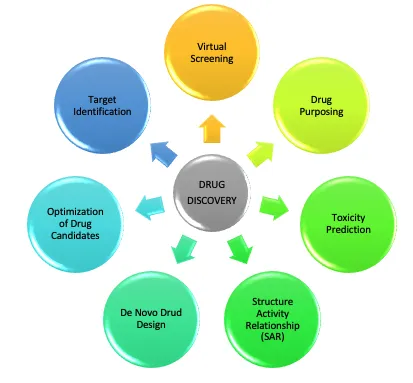
Figure 1: Steps in Drug Discovery
GLIOBLASTOMA: BIOLOGICAL AND MOLECULAR OVERVIEW
General characteristics
Glioblastoma is a highly malignant primary brain tumor. Its aggressive phenotype results from uncontrolled proliferation, cellular migration, tissue invasion, vascular abnormalities and adaptation to a hostile tumor microenvironment. Unlike many peripheral tumors, GBM exhibits extensive infiltration into normal brain tissue, making complete surgical eradication difficult. The tumor is also highly heterogeneous. Different populations of malignant cells within the same tumor can possess distinct genetic and phenotypic characteristics. This heterogeneity can influence treatment response and facilitate the development of resistance.
Molecular heterogeneity
Molecular alterations in GBM involve several functional categories, including growth-factor signaling, cell-cycle control, DNA repair, apoptosis, metabolism and epigenetic regulation. Aberrant activation of receptor tyrosine kinase signaling is particularly important. EGFR alterations can stimulate downstream pathways associated with proliferation and survival. The PI3K/AKT/mTOR axis represents another important signaling network. Activation of this pathway can promote cell growth, metabolism and resistance to apoptosis. Consequently, components of this pathway are frequently considered potential therapeutic targets.
Tumor microenvironment
The GBM microenvironment consists of malignant cells together with endothelial cells, immune cells, astrocytes, extracellular matrix components and other cellular populations. Hypoxia and abnormal vascularization can contribute to tumor progression. Increased angiogenic signaling supports the development of abnormal blood vessels, allowing tumor cells to obtain nutrients and oxygen. VEGF and VEGFR-associated signaling are therefore important in understanding GBM angiogenesis. MMPs, including MMP-9, may also contribute to extracellular-matrix remodeling and invasive behavior.
Apoptosis and cell-cycle dysregulation
Normal cellular homeostasis depends on controlled proliferation and programmed cell death. GBM cells can evade apoptosis through alterations in proteins controlling mitochondrial and death-receptor pathways. Bcl-2-family proteins are important regulators of mitochondrial apoptosis. Similarly, dysregulation of cyclins and cyclin-dependent kinases can facilitate uncontrolled proliferation. CDK4 and CDK6 are therefore relevant to the regulation of the G1/S cell-cycle transition.
CURRENT THERAPEUTIC APPROACHES AND THEIR LIMITATIONS
Surgical management
Surgery is generally performed to obtain tissue for diagnosis and reduce tumor burden while preserving neurological function. However, GBM cells frequently infiltrate beyond the visible tumor margins. Consequently, microscopic malignant cells may remain after surgery.
Radiotherapy
Radiotherapy is commonly incorporated into multimodal GBM treatment. Radiation damages cellular DNA and can inhibit tumor-cell proliferation. However, radioresistant cell populations and repair mechanisms can contribute to treatment failure.
Temozolomide
Temozolomide is an orally active alkylating agent widely used in GBM treatment. It produces DNA damage that can trigger tumor-cell death. Nevertheless, TMZ resistance remains an important obstacle. MGMT-mediated repair and mismatch-repair alterations are among the mechanisms associated with reduced TMZ effectiveness.
Targeted therapy
Molecularly targeted therapies aim to interfere with specific signaling pathways involved in tumor growth. Targets such as EGFR, VEGF/VEGFR, PI3K/AKT/mTOR and cell-cycle regulators have attracted considerable research interest. However, targeting a single pathway may be insufficient because GBM cells can activate alternative signaling routes. Tumor heterogeneity further complicates this strategy.
Need for new therapeutic molecules
The recurrence of GBM and development of treatment resistance demonstrate the need for new therapeutic candidates. Molecules capable of influencing multiple pathological processes may offer useful starting points for future investigation. Natural products and their derivatives therefore represent an important area of research.
NATURAL PRODUCTS IN ANTICANCER DRUG DISCOVERY
Natural products include compounds obtained from plants, microorganisms, marine organisms and other biological sources. Their structural diversity has made them valuable in medicinal chemistry. Many natural products possess multiple functional groups and three-dimensional structures that enable interactions with proteins, enzymes, receptors and nucleic acids. Such molecular diversity can be advantageous in identifying new chemical scaffolds.
Natural compounds have been investigated for mechanisms such as:
Terpenoids are particularly important because of their large structural diversity and documented anticancer activities. However, natural origin does not automatically imply safety or clinical effectiveness. Some natural compounds may demonstrate toxicity, poor solubility, rapid metabolism or limited tissue distribution. Therefore, systematic pharmacological and pharmacokinetic evaluation is essential.
BIOACTIVE DITERPENOIDS: CHEMISTRY AND CLASSIFICATION
Diterpenoids are generally C20 terpenoid compounds biosynthesized from diterpene precursors. Their structures can undergo extensive cyclization and oxidation, generating numerous chemical frameworks.
Important diterpenoid classes include:
Labdane diterpenoids
Labdane-type diterpenoids possess a characteristic bicyclic framework and occur in several medicinal plants. Their derivatives have demonstrated anti-inflammatory, antimicrobial and anticancer activities.
Abietane diterpenoids
Abietane diterpenoids are commonly associated with resin-producing plants. Members of this group have demonstrated cytotoxic and antiproliferative activities against different cancer models.
Clerodane diterpenoids
Clerodane compounds possess structurally diverse bicyclic and decalin-related frameworks. Several members have been investigated for cytotoxic, anti-inflammatory and antimicrobial effects.
Kaurane diterpenoids
Kaurane and ent-kaurane diterpenoids have attracted substantial attention in cancer research. Oridonin is one notable example. Reported mechanisms of ent-kaurane compounds include apoptosis induction, cell-cycle arrest, autophagy modulation and effects on metastasis-related proteins.
Structural diversity and biological activity
Small changes in functional groups can substantially modify the biological properties of diterpenoids. Hydroxylation, oxidation, esterification and ring modifications may affect solubility, protein binding and cellular activity. This structural diversity makes diterpenoids attractive candidates for structure–activity relationship studies.
ANTICANCER MECHANISMS OF DITERPENOIDS
Induction of apoptosis
Apoptosis is a major mechanism through which anticancer agents eliminate malignant cells. Several diterpenoids have been reported to affect Bcl-2-family proteins, mitochondrial membrane potential, cytochrome-c release and caspase activation. Alteration of the Bcl-2/Bax balance can promote mitochondrial outer-membrane permeabilization and activation of downstream caspases.
Cell-cycle arrest
Cancer cells frequently exhibit uncontrolled cell-cycle progression. Certain diterpenoids can interfere with cyclins and CDKs, resulting in arrest at specific stages of the cell cycle. CDK4 and CDK6 are particularly relevant because they regulate progression through the G1 phase.
Oxidative stress
Reactive oxygen species participate in both physiological signaling and cellular damage. Some diterpenoids can increase intracellular ROS beyond the tolerance of cancer cells, potentially resulting in mitochondrial dysfunction and apoptosis.
Mitochondrial dysfunction
Mitochondria regulate ATP production, apoptosis and cellular metabolism. Recent GBM research involving honatisine provides an example in which a diterpenoid was linked to mitochondrial dysfunction through disruption of TFAM-associated mitochondrial DNA transcription.
Inhibition of angiogenesis
Tumor growth requires adequate vascular support. VEGF/VEGFR signaling contributes to angiogenesis. Certain diterpenoids have been investigated for antiangiogenic effects and modulation of VEGF-related pathways.
Inhibition of invasion
GBM is characterized by extensive invasion into surrounding brain tissue. Matrix metalloproteinases such as MMP-2 and MMP-9 contribute to extracellular-matrix remodeling. Research on ent-kaurane diterpenoids has reported effects on MMP-2, MMP-9, VEGF and VEGFR in different cancer models.
NF-κB signaling
NF-κB is an important transcriptional regulator involved in inflammation, survival and cancer progression. Natural terpenoids have been investigated for their ability to interfere with NF-κB activation and associated signaling events.
DITERPENOIDS WITH POTENTIAL RELEVANCE TO GLIOBLASTOMA
Honatisine
Honatisine is currently one of the most directly relevant examples for the proposed topic. A 2024 study systematically screened 96 diterpenoids and investigated honatisine in GBM models. The compound showed activity in GBM and temozolomide-resistant experimental models. Mechanistic investigations implicated TFAM-mediated mitochondrial DNA transcription and mitochondrial protein imbalance. This finding is significant because it demonstrates that diterpenoid screening can identify compounds acting through mechanisms different from conventional DNA-alkylating chemotherapy.
Andrographolide
Andrographolide is a labdane-type diterpenoid obtained primarily from Andrographis paniculata. It has been extensively studied for anti-inflammatory, antioxidant and anticancer properties. Reported anticancer mechanisms include modulation of apoptosis, cell-cycle progression, inflammatory pathways and signaling molecules. However, evidence specifically establishing clinical efficacy in GBM remains insufficient, and therefore andrographolide should be considered a candidate for further preclinical investigation rather than an established GBM therapy.
Carnosol
Carnosol is a phenolic diterpenoid associated with plants such as rosemary and sage. It has demonstrated antioxidant, anti-inflammatory and anticancer properties in several experimental cancer models. Its relevance to GBM may be investigated through mechanisms involving oxidative stress, apoptosis and signaling regulation.
Oridonin
Oridonin is an ent-kaurane diterpenoid widely investigated for anticancer activity. Experimental research has associated it with apoptosis, cell-cycle regulation, autophagy and other mechanisms.
Other diterpenoid candidates
Additional diterpenoids can be considered in a broad natural-product screening strategy. However, candidates should not be described as established anti-GBM agents unless appropriate GBM-specific experimental evidence is available. This distinction is particularly important in a review article because anticancer activity in breast, colon, gastric or leukemia models cannot automatically be interpreted as efficacy against GBM.
IMPORTANT MOLECULAR TARGETS IN GLIOBLASTOMA
| S. No. | Target | Full form | Relevance |
|---|---|---|---|
| 1 | EGFR | Epidermal Growth Factor Receptor | Proliferation and survival signaling |
| 2 | PI3K | Phosphoinositide 3-kinase | Growth and survival |
| 3 | AKT1 | Protein kinase B alpha | Cell survival and metabolism |
| 4 | mTOR | Mechanistic Target of Rapamycin | Growth and protein synthesis |
| 5 | VEGFR-2 | Vascular Endothelial Growth Factor Receptor-2 | Angiogenesis |
| 6 | MMP-9 | Matrix Metalloproteinase-9 | Invasion and matrix remodeling |
| 7 | Bcl-2 | B-cell lymphoma-2 | Apoptosis regulation |
| 8 | CDK4 | Cyclin-dependent kinase 4 | G1/S cell-cycle transition |
| 9 | CDK6 | Cyclin-dependent kinase 6 | Cell-cycle progression |
| 10 | TFAM | Mitochondrial Transcription Factor A | Mitochondrial DNA maintenance/transcription |
These targets provide a mechanistic framework for investigating whether diterpenoids can influence different aspects of GBM biology.
COMPUTER-AIDED DRUG DISCOVERY IN NATURAL-PRODUCT RESEARCH
Computer-aided drug design (CADD) uses computational methods to assist the discovery and optimization of bioactive molecules.
Two broad approaches are:
Structure-based drug design
Structure-based approaches require the three-dimensional structure of the biological target. Molecular docking and structure-based virtual screening are major components.
Ligand-based drug design
Ligand-based methods can be used when information about known active molecules is available. Pharmacophore modeling and quantitative structure–activity relationship approaches are examples. CADD can reduce experimental workload by prioritizing compounds according to predicted interactions and physicochemical characteristics. However, computational predictions require experimental confirmation.
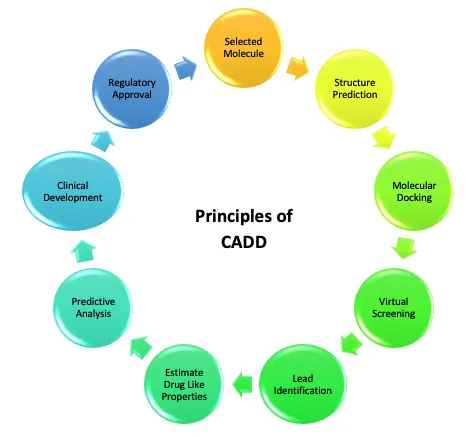
Figure 2: Principles of CADD
FUTURE PERSPECTIVE
Natural products, particularly bioactive diterpenoids, provide a promising source of chemical scaffolds for future glioblastoma drug discovery. Future studies should focus on systematic screening of larger diterpenoid libraries using virtual screening, molecular docking, molecular dynamics and ADMET prediction. Such approaches may help identify compounds with favorable target interactions and drug-like properties. Greater attention should be given to blood–brain barrier (BBB) penetration, bioavailability and metabolic stability because these factors strongly influence the therapeutic potential of compounds intended for brain tumors. Drug-delivery approaches such as nanoformulations and targeted delivery systems may help improve brain accumulation of poorly bioavailable natural compounds.
The recent identification of honatisine from a systematic screening of 96 diterpenoids demonstrates the value of exploring diterpenoid libraries against GBM and temozolomide-resistant models. Future research should also investigate combination strategies with established treatments such as temozolomide, while using appropriate experimental models to confirm synergistic or sensitizing effects. Finally, promising computational candidates should be validated through biochemical assays, cellular studies, 3D tumor models, animal studies, pharmacokinetic evaluation and eventually clinical investigations. Integration of natural-product chemistry, CADD, molecular pharmacology and drug-delivery technologies may accelerate the identification of novel diterpenoid-derived leads for GBM therapy.
CONCLUSION
Glioblastoma remains a challenging malignancy because of its aggressive growth, molecular heterogeneity, recurrence and resistance to conventional treatment. Natural products represent an important source of structurally diverse molecules, and diterpenoids have attracted attention because of their reported anticancer activities involving apoptosis, cell-cycle regulation, oxidative stress, mitochondrial function, angiogenesis and invasion.
Recent evidence, particularly the identification of honatisine as an active diterpenoid against GBM and temozolomide-resistant models, supports further investigation of this chemical class. Computational techniques such as virtual screening, molecular docking, ADMET prediction and molecular dynamics can complement experimental research by prioritizing promising compounds and suggesting potential molecular interactions. However, most evidence remains preclinical, and challenges such as BBB penetration, bioavailability, toxicity and tumor heterogeneity must be addressed. Therefore, systematic computational screening followed by experimental validation may provide a rational pathway for discovering and optimizing diterpenoid-based candidates for future glioblastoma therapy.
REFERENCES


Mohd Ayan, Garima Avasthi, An Overview of Natural Product-Based Drug Discovery Against Glioblastoma: Focus on Bioactive Diterpenoids, Int. J. of Pharm. Sci., 2026, Vol 4, Issue 10, 223-231. https://doi.org/10.5281/zenodo.23110751
 10.5281/zenodo.23110751