

We use cookies to ensure our website works properly and to personalise your experience. Cookies policy
Department of Pharmaceutical Chemistry, College of Pharmacy, Sri Ramakrishna Institute of Paramedical Sciences, Coimbatore – 641 044, Tamil Nadu, India.
Ovarian cancer is a major gynecological malignancy associated with late diagnosis, recurrence, metastasis, and therapeutic resistance. The present study aimed to investigate novel pyrimidine scaffolds as potential multitarget anticancer agents using an integrated in silico approach. Network pharmacology was employed to identify potential ovarian-cancer-associated targets and pathways, followed by virtual screening and molecular docking against PARP1, JAK2, and VEGFR-2. The selected compounds were further evaluated for their drug-likeness, ADMET properties, and predicted toxicity. Among the screened compounds, ZINC3861531 was identified as a potential lead and used for structural optimization to generate novel pyrimidine derivatives. Molecular docking analysis identified TP7 as a promising candidate based on its predicted binding interactions with the selected targets. Overall, the findings suggest that the investigated triazolo-pyrimidine scaffold may serve as a potential multitarget candidate for further experimental evaluation against ovarian cancer.
Ovarian cancer represents a major therapeutic challenge because many patients are diagnosed after disease progression has occurred. Recurrence and resistance to established treatment approaches further complicate long-term disease management. The project rationale therefore focused on identifying new small-molecule scaffolds capable of interacting with more than one ovarian-cancer-associated molecular target. Computer-aided drug design provides a practical strategy for early-stage hit identification and lead optimization. Structure-based virtual screening can prioritize compounds from large chemical libraries, while molecular docking can provide information about predicted binding orientation and protein–ligand interactions. Nevertheless, docking scores are approximations and require complementary analyses and experimental confirmation. Triazolo-pyrimidines are nitrogen-rich heterocyclic systems with substantial medicinal-chemistry potential. Their structural diversity permits substitution around the heterocyclic core and can be exploited to tune molecular recognition and physicochemical properties. The present study therefore explored a triazolo-pyrimidine scaffold using a multi-target computational strategy. Three targets were selected to represent distinct biological processes relevant to ovarian-cancer progression: PARP1, associated with DNA-damage repair; JAK2, involved in cytokine-associated signaling and cellular proliferation; and VEGFR-2, a major mediator of tumor-associated angiogenic signaling. The project integrated these targets with virtual screening, network pharmacology, lead optimization, early ADMET/toxicity assessment, and molecular docking. [1,2,3,4]
MATERIALS AND METHODS
Computational resources and databases
The workflow used ChemSketch for chemical structure drawing, Discovery Studio Visualizer for structural visualization, iGEMDOCK for docking-based virtual screening, SeeSAR for interaction and affinity analysis, SwissADME for drug-likeness and physicochemical profiling, pkCSM for ADMET prediction, ProTox-3.0 and GUSAR-related analyses for toxicity assessment, and Cytoscape for network visualization. Protein structures were obtained from the Protein Data Bank, while compounds were collected from the ZINC database. [5,6,7,8,9,10]
Target selection and protein preparation
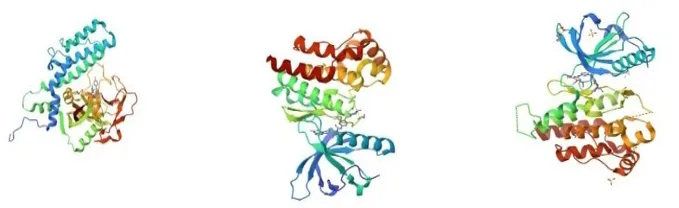
Figure 1: 3D Structures of PARP1 (2RCW), JAK2 (7RN6), and VEGFR-2 (3CJF)
Table 1: Selected Target Proteins and Structural Characteristics.
| Target protein | PDB ID | Class | Resolution |
|---|---|---|---|
| PARP1 | 2RCW | Transferase | 2.80 Å |
| JAK2 | 7RN6 | Transferase | 1.50 Å |
| VEGFR-2 | 3CJF | Transferase | 2.15 Å |
Protein structures were prepared by removing unwanted molecules before docking and defining the relevant binding regions. [11,12]
Network pharmacology
Network pharmacology was applied to investigate potential compound–target–disease relationships. Candidate targets were collected using chemical/bioactivity resources, while ovarian-cancer-associated targets were retrieved from disease databases. Overlapping targets were identified using Venn analysis, followed by protein–protein interaction mapping with STRING and Cytoscape. Degree and betweenness concepts were used for hub-target analysis, and GO/KEGG enrichment was used to explore biological processes and pathways.[13]
Virtual screening and lead identification
Compounds retrieved from the ZINC database were screened against the selected protein targets using iGEMDOCK. The compounds were ranked according to predicted fitness scores incorporating van der Waals, hydrogen-bonding, and electrostatic contributions. Compounds showing favorable predicted interactions across multiple targets were considered potential hits. ZINC3861531 was selected as the lead for subsequent optimization. [14,15,16]
Lead optimization
Ten derivatives, designated TP1–TP10, were designed by retaining the essential [1,2,4] triazolo[1,5-a] pyrimidine nucleus and modifying the substituent region. The series included piperidinyl, morpholinyl, pyrrolidinyl, piperazinyl, methylpiperazinyl, thiomorpholinyl, and hydroxy-substituted cyclic amine derivatives.
Table 2: Designed TP1–TP10 Triazolo-Pyrimidine Derivatives
| Compound Code | Designed derivative (project nomenclature/IUPAC description) |
|---|---|
| TP1 | 2-(4-chlorophenyl)-5-methyl-7-(piperidin-1-yl) [1,2,4] triazolo[1,5-a] pyrimidine |
| TP2 | 2-(4-chlorophenyl)-5-methyl-7-(morpholin-4-yl) [1,2,4] triazolo[1,5-a] pyrimidine |
| TP3 | 2-(4-chlorophenyl)-5-methyl-7-(pyrrolidin-1-yl) [1,2,4] triazolo[1,5-a] pyrimidine |
| TP4 | 2-(4-chlorophenyl)-5-methyl-7-(piperazin-1-yl) [1,2,4] triazolo[1,5-a] pyrimidine |
| TP5 | 2-(4-chlorophenyl)-5-methyl-7-(4-methylpiperazin-1-yl) [1,2,4] triazolo[1,5-a] pyrimidine |
| TP6 | 2-(4-chlorophenyl)-5-methyl-7-(thiomorpholin-4-yl) [1,2,4] triazolo[1,5-a] pyrimidine |
| TP7 | 1-[2-(4-chlorophenyl)-5-methyl [1,2,4] triazolo[1,5-a] pyrimidin-7-yl] piperidin-4-ol |
| TP8 | 2-(4-chlorophenyl)-5-methyl-7-(4-methylpiperidin-1-yl) [1,2,4] triazolo[1,5-a] pyrimidine |
| TP9 | 1-[2-(4-chlorophenyl)-5-methyl [1,2,4] triazolo[1,5-a] pyrimidin-7-yl] pyrrolidin-3-ol |
| TP10 | 7-(4-chlorophenyl)-5-methyl-3-(4-phenylpiperidin-1-yl) [1,2,4] triazolo[1,5-a] pyrimidine |
Molecular docking and interaction analysis
Docking of TP1–TP10 was performed against JAK2, VEGFR-2 and PARP1. SeeSAR was used for pose generation, estimated affinity analysis and examination of hydrogen-bonding and hydrophobic contacts. The project used the HYDE-based affinity assessment available in SeeSAR. Interaction profiles were examined together with predicted affinity rather than interpreting docking score alone. [17,18,19]
Drug-likeness, ADMET and toxicity assessment
The compounds were assessed using the reported physicochemical descriptors, Lipinski-related parameters, SwissADME and pkCSM. The evaluated descriptors included molecular weight, nitrogen and oxygen counts, hydrogen-bond donor/acceptor-related parameters, logP, TPSA, rotatable bonds and molecular volume. Toxicity prediction included organ-toxicity endpoints and additional ecotoxicological parameters reported in the project. [20,21,22]
RESULTS
Network pharmacology interpretation
The network-pharmacology component extended the docking analysis from individual protein–ligand interactions to a systems-level view. Compound-associated targets were intersected with ovarian-cancer-associated genes, followed by PPI construction and hub analysis. GO and KEGG analyses were used to identify biological processes and signaling pathways represented by the common targets. This approach is consistent with the multifactorial nature of cancer and provides a complementary framework for interpreting potential multi-target activity.
Virtual screening and lead identification
Thirty compounds representing the investigated heterocyclic scaffold set were screened against the three selected targets. ZINC3861531 produced the most favorable overall screening scores in the final project dataset: −83.66 for JAK2, −84.69 for PARP1 and −79.98 for VEGFR-2. The compound was identified as 3,6-dihydrotriazolo[4,5-d] pyrimidin-7-one in the project and was selected as the starting point for lead optimization.
Table 3: Screening Performance of the Selected Lead ZINC3861531 Against the Target Proteins
| ZINC lead | JAK2 (7RN6) | PARP1 (2RCW) | VEGFR-2 (3CJF) |
|---|---|---|---|
| ZINC3861531 | −83.66 | −84.69 | −79.98 |
Physicochemical and drug-likeness profile
The optimized derivatives generally displayed physicochemical characteristics compatible with early drug-discovery criteria. TP1–TP9 had no reported Lipinski violations in the project dataset, while TP10 showed one violation and a higher logP value. Molecular weights ranged from 313.79 to 403.90 Da, with logP values ranging from 2.16 to 5.13. TP7 had a molecular weight of 343.81 Da, logP 2.71, TPSA 66.55 Ų, one hydrogen-bond donor and two rotatable bonds.
Table 4: Physicochemical and Drug-Likeness Properties of TP1–TP10
| Compound | MW (Da) | N atoms | nON | nOHNH | LogP | TPSA (Ų) | Violations | nrotb |
|---|---|---|---|---|---|---|---|---|
| TP1 | 327.81 | 5 | 5 | 0 | 3.74 | 46.32 | 0 | 2 |
| TP2 | 329.78 | 5 | 6 | 0 | 2.58 | 55.55 | 0 | 2 |
| TP3 | 313.79 | 5 | 5 | 0 | 3.35 | 46.32 | 0 | 2 |
| TP4 | 328.80 | 6 | 6 | 1 | 2.16 | 58.35 | 0 | 2 |
| TP5 | 342.83 | 6 | 6 | 0 | 2.50 | 49.56 | 0 | 2 |
| TP6 | 345.80 | 5 | 6 | 0 | 3.30 | 71.62 | 0 | 2 |
| TP7 | 343.81 | 5 | 6 | 1 | 2.71 | 66.55 | 0 | 2 |
| TP8 | 341.84 | 5 | 5 | 0 | 3.98 | 46.32 | 0 | 2 |
| TP9 | 329.70 | 5 | 6 | 1 | 2.324 | 66.55 | 0 | 2 |
| TP10 | 403.90 | 5 | 5 | 0 | 5.13 | 46.32 | 1 | 3 |
ADME prediction
SwissADME and pkCSM predictions indicated high gastrointestinal absorption for the complete series in the project dataset. Consensus logP values ranged from 1.89 to 4.50, and most derivatives were classified as soluble or moderately soluble. TP10 showed the least favorable aqueous-solubility prediction among the series, whereas TP4 and TP9 were reported as soluble. These findings support continued optimization but do not substitute for experimentally measured solubility or pharmacokinetic studies.
Toxicity prediction
The project reported generally acceptable predicted safety profiles for TP1–TP10, with no major toxicity alerts identified by the applied computational workflow. For TP7, the reported toxicity endpoint scores were IN-0.65 for metabolism, A-0.86 for hepatotoxicity, IN-0.67 for neurotoxicity, IN-0.89 for nephrotoxicity, IN-0.51 for cardiotoxicity, IN-0.54 for carcinogenicity, IN-0.60 for mutagenicity, IN-0.95 for cytotoxicity and IN-0.54 for immunotoxicity. These values are model outputs and should be interpreted as prioritization information rather than proof of safety.
Multitarget molecular docking
The docking results showed that TP7 had the most favorable predicted affinity values across all three targets in the reported dataset. TP9 also showed a strong JAK2 value, whereas TP4 displayed a comparatively favorable PARP1 value. The broad performance of TP7 supports its selection as the principal computational lead for subsequent investigation.
Table 5: Molecular Docking Scores of TP1–TP10 Against JAK2, VEGFR-2 and PARP1
| Compound | JAK2 (7RN6) | VEGFR-2 (3CJF) | PARP1 (2RCW) |
|---|---|---|---|
| TP1 | −12.0356 | −27.4218 | −12.832 |
| TP2 | −14.4382 | −18.5445 | −6.1585 |
| TP3 | −14.4382 | −18.5445 | −6.1585 |
| TP4 | −14.3412 | −17.2571 | −19.127 |
| TP5 | −12.4161 | −13.4380 | −9.3447 |
| TP6 | −11.9190 | −12.8954 | −9.1169 |
| TP7 | −32.5972 | −26.9956 | −20.3980 |
| TP8 | −12.5895 | −22.6998 | −9.8599 |
| TP9 | −28.0050 | −23.0290 | −7.7675 |
| TP10 | −16.5728 | −22.6998 | −15.1391 |
For JAK2, the reported interaction analysis showed ILE1051 as a recurring contact for most derivatives, while TP1 additionally involved TYR1050. The three-dimensional analysis reported ILE973 for most compounds, with TP7 showing LYS882 in the reported pose. For VEGFR-2, TP7 was associated with CSO1043 in the reported 3D interaction table. For PARP1, the interaction profiles included residues such as GLN98, LYS242, ASP105, TYR235 and TYR246 among the series. The recurrence of binding-pocket contacts across the series supports the structural relevance of the optimized scaffold, although pose reproducibility should be assessed in future studies.
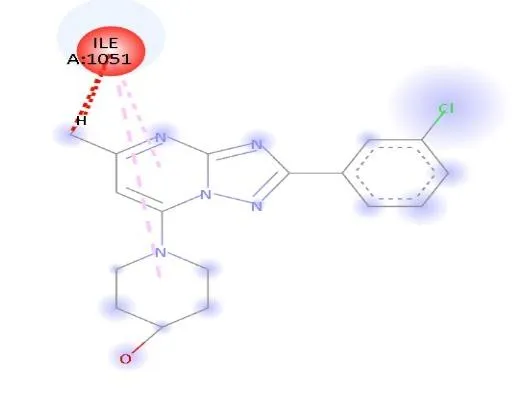
Figure 2: 2D Docking Interaction Profile of TP7 with JAK2 (PDB ID: 7RN6)
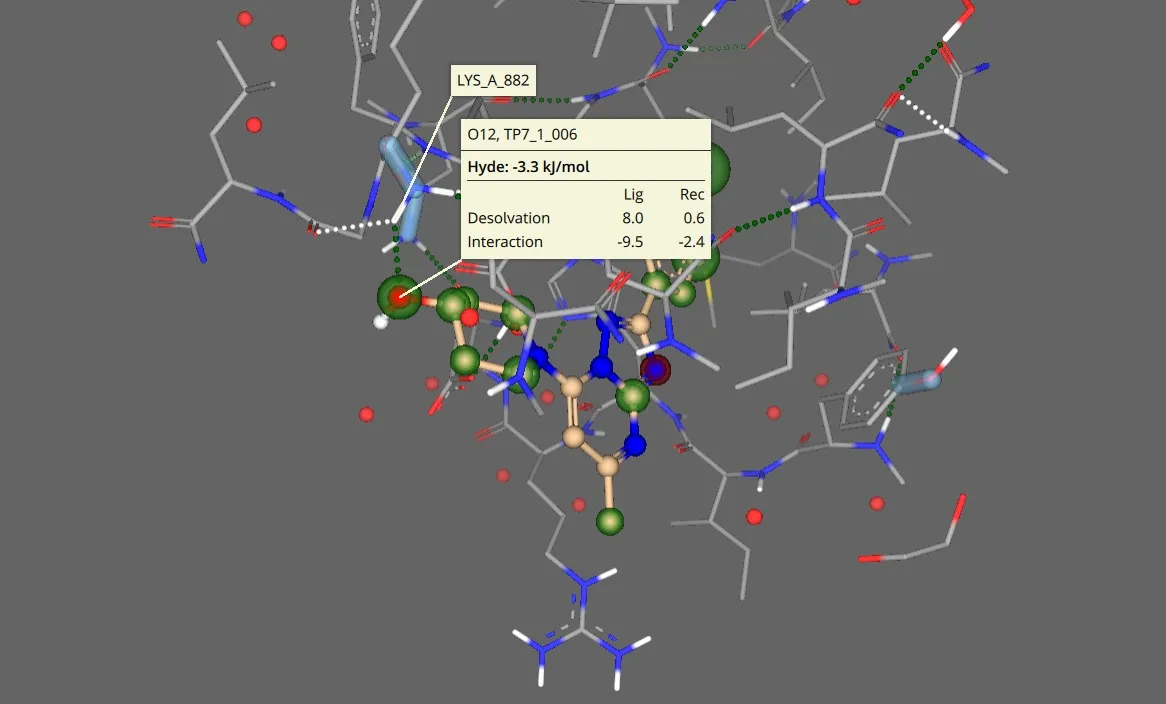
Figure 3: 3D Docking Pose of TP7 within the JAK2 (PDB ID: 7RN6)
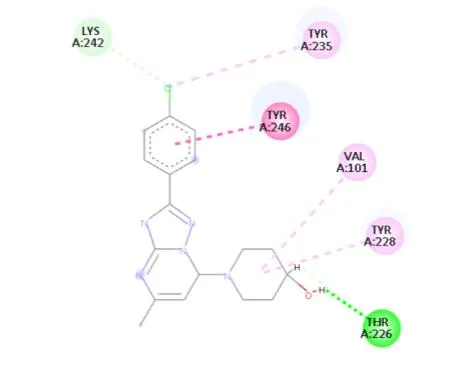
Figure 4: 2D Docking Interaction Profile of TP7 with PARP1 (PDB ID: 2RCW)
.
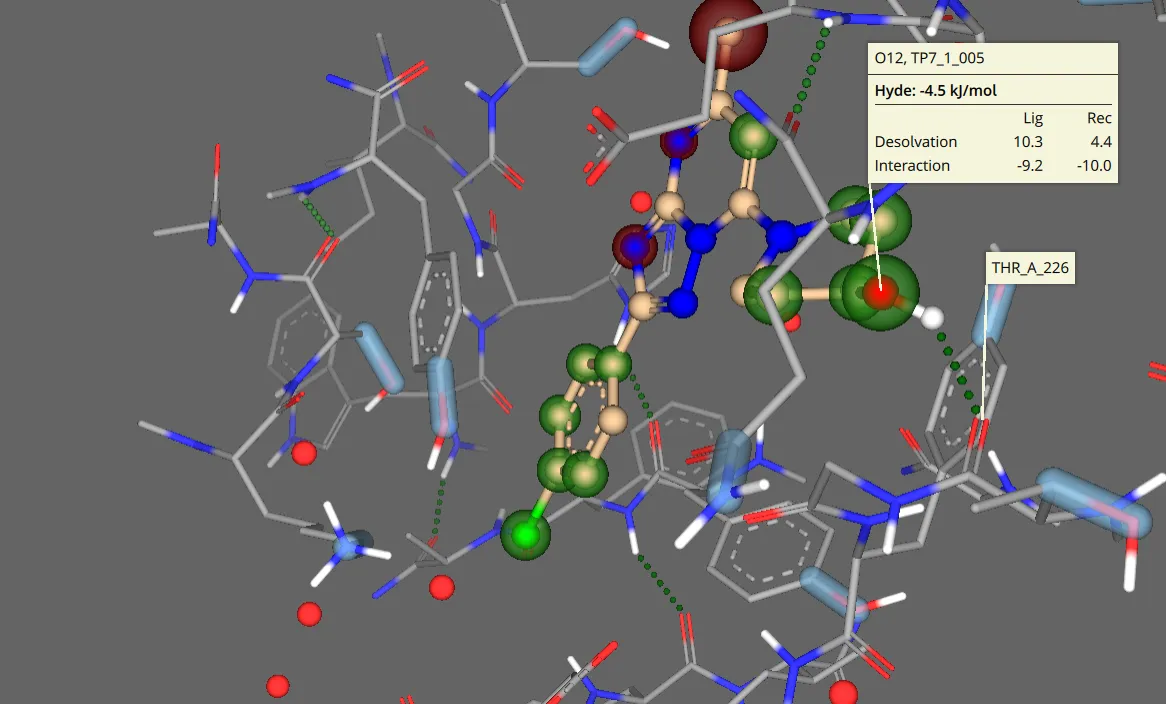
Figure 5: 3D Docking Pose of TP7 within the PARP1 (PDB ID: 2RCW)
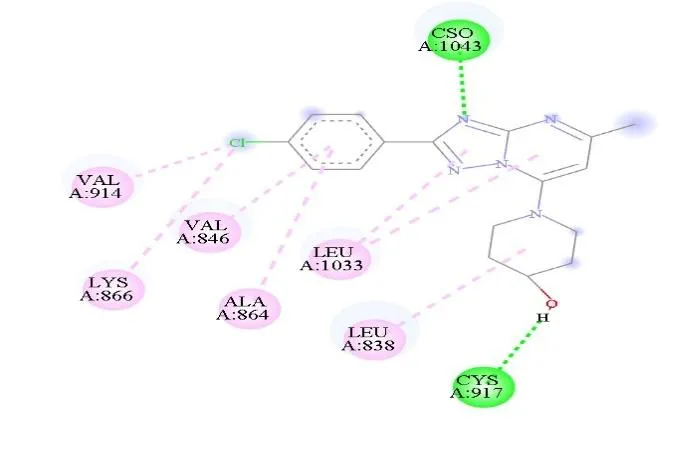
Figure 6: 2D Docking Interaction Profile of TP7 with VEGFR-2 (PDB ID: 3CJF)
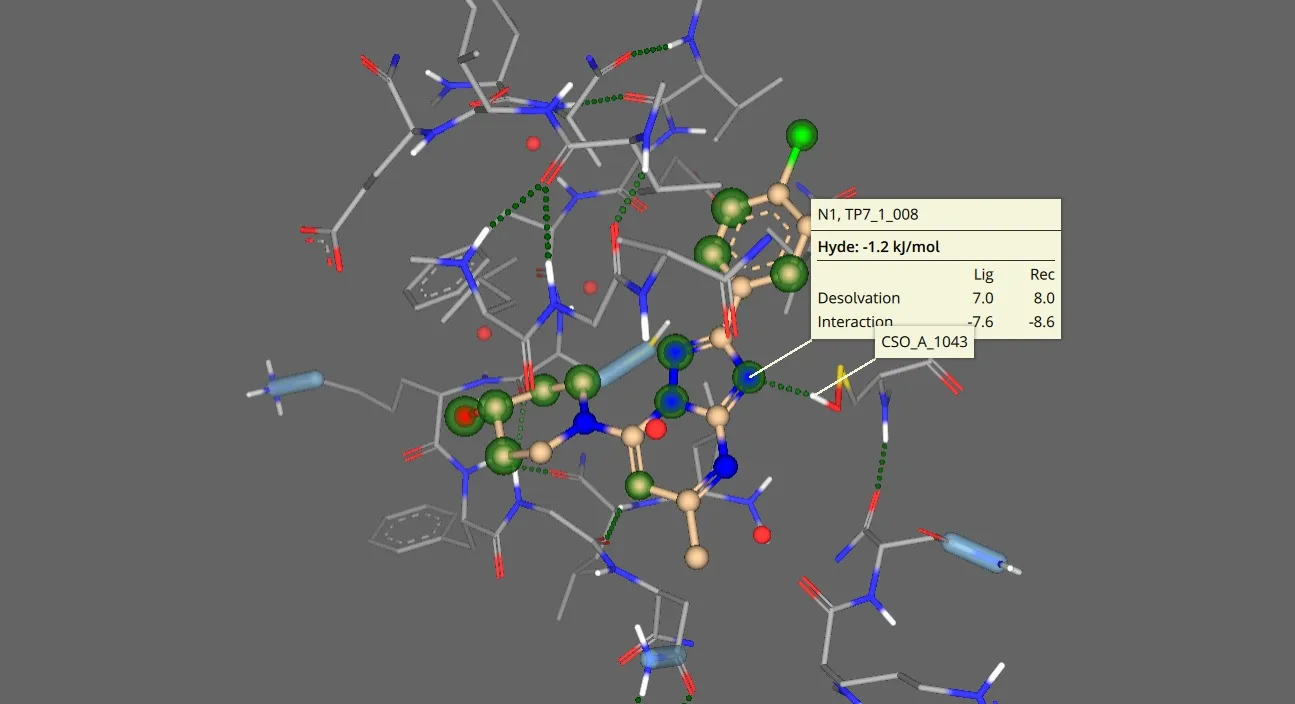
Figure 7: 3D Docking Pose of TP7 within the VEGFR-2 (PDB ID: 3CJF)
TP7 interaction analysis with the selected targets
TP7 was examined in detail because it showed the most favorable overall predicted docking performance across JAK2, VEGFR-2 and PARP1 in the final project dataset. The reported TP7 estimated affinity values were −32.5972 for JAK2 (7RN6), −26.9956 for VEGFR-2 (3CJF), and −20.3980 for PARP1 (2RCW). These computational values were interpreted together with the interaction profiles rather than as experimental binding constants.
Table 6: TP7 Two-Dimensional and Three-Dimensional Interaction Residues
| Target protein | PDB ID | TP7 2D interacting residues | Interacting residue(s) |
|---|---|---|---|
| JAK2 | 7RN6 | ILE 1051 | LYS 882 |
| PARP1 | 2RCW | LYS 242; THR 226; TYR 228; TYR 235; TYR 246; VAL 101 | THR 226 |
| VEGFR-2 | 3CJF | ALA 864; CSO 1043; CYS 917; LEU 838; LEU 1033; LYS 866; VAL 846; VAL 914 | CSO 1043 |
DISCUSSION
The computational workflow provided a stepwise strategy for moving from chemical-library screening to an optimized triazolo-pyrimidine series. The identification of ZINC3861531 as a multi-target screening hit enabled rational generation of TP1–TP10, in which the heterocyclic core was retained while the cyclic-amine substituent was varied. Among these derivatives, TP7 combined favourable predicted docking performance with a physicochemical profile that remained within the reported early drug-discovery criteria. The comparative docking data are particularly informative because TP7 maintained favorable predicted affinity across JAK2, VEGFR-2 and PARP1 rather than showing strong performance at only one target. This observation is consistent with the project's multitarget rationale. However, the numerical values generated by different docking/scoring systems should not be compared directly with experimental binding constants or with scores from unrelated software platforms. The ADME and toxicity predictions provide additional prioritization criteria. High predicted gastrointestinal absorption and generally acceptable drug-likeness support further investigation of the series. At the same time, computational predictions have inherent uncertainty, and factors such as protein flexibility, solvation, conformational sampling, metabolism and off-target pharmacology cannot be fully captured by the present workflow.
CONCLUSION
An integrated in silico strategy was used to investigate novel triazolo-pyrimidine derivatives against three ovarian-cancer-associated targets, PARP1, JAK2 and VEGFR-2. Virtual screening identified ZINC3861531 as the principal computational lead, and ten derivatives were subsequently designed for lead optimization. The final docking dataset identified TP7 as the derivative with the most favorable overall predicted performance across the three targets. The optimized series also showed generally acceptable predicted drug-likeness, ADME characteristics and toxicity profiles. Taken together, the findings nominate TP7 and related derivatives for further experimental investigation, while emphasizing that biological efficacy and safety must be established experimentally before any therapeutic conclusion can be drawn.
REFERENCES


Dr. K. P. Beena, Priyadharshini M., Priyadharshini Bai M., Priyanka P., Ragul Prasanth T. R., Rajanandhini S., Multitarget Computational Investigation of Novel Pyrimidine Scaffolds Against Ovarian Cancer, Int. J. of Pharm. Sci., 2026, Vol 4, Issue 10, 232-239. https://doi.org/10.5281/zenodo.23110838
 10.5281/zenodo.23110838