

We use cookies to ensure our website works properly and to personalise your experience. Cookies policy
Department of Pharmacy, Tulsiramji Gaikwad Patil College of Pharmacy, Mohgaon, Wardha Road, Nagpur.
Osteoporosis a progressive skeletal disease. It is fracture caused by low bone mineral density. There are no clear symptoms of these disease, but modern studies suggest that it can be detected by receding gum, brittle nails, etc. The risk factors considered for this disease are ageing, smoking, alcoholism, menopausal women, hyperthyroidism and many more. It was historically first found in Egyptian mummies 4000 thousand years ago, which confirms that this disease existed long ago. For diagnosis of this disease WHO have created criteria based on BMI, if T-score is less than 2.5 the patient is considered infected with this disease. This disease can be treated by many drugs but the mostly used are biphosphates. The remedies associated are having diet with high vitamin-D and calcium. The diet should also include fibers, animal origin protein. Patients should avoid sodium usage etc. The patient is also recommended to exercise and not to just seat and take medicine. This review highlights the risk factors associated with osteoporosis and also focuses on allopathic and ayurvedic remedies for prevention and cure of the disease.
Osteoporosis is a progressive disease. It is not very commonly known among general public. It is a skeletal disease and its prevalence increases as we grow old. The patient has T-score less than 2.5. It is silent disease and its symptoms can’t be noticed before a bone is fractured, but these fractures are different, they are associated with mineral bone density. It occurs when BMI decreases and bone tissues start deteriorating which causes pore formation in bones. Its risk increases in postmenopausal women especially once with descendants related to weak bones or affected by this disease.
This disease also have some historical refence proving it was always there but rusk is increasing with every other generation, The risk of getting infected increases based on lifestyle, like smoking, alcoholism, improper diet, lack of exercise, etc. It can be treated with proper medication like biphosphates and many more. The risk of fracture can be reduced with proper diet, exercise. This disease is actually very serious, if not treated in early days can make living life, doing daily work unbearable. In this stressful world probability of occurrence of this disease is increasing, as some also associate with stress our generation face and is probably increasing with passing days.
The progression starts with deterioration of bone tissue, and disruption of bone microarchitecture, which leads comprised bone strength which increases fracture risk.1 This is very common human bone disease, and now a days regarded as major public health problem. It most commonly found in people in old age and Caucasian women. It actually affects people of both sexes but very high probability in postmenopausal women. It is silent disease, can only be noticed as soon as fracture arrives, which leads to secondary health problems and even death.
As days are passing this disease is become more and more dangerous, and studies say that people dying from osteoporosis fracture are more than people dying from heart attack.2 The total people affected by this disease are more than 200 million worldwide.3
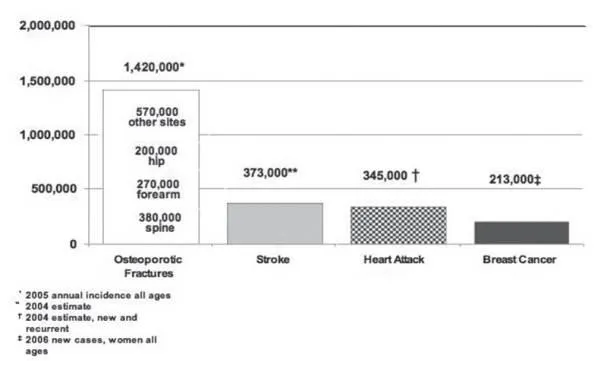
Fig.1: Comparing approx. annual death count of different diseases.
Bone tissue is lost continuously by resorption and then is rebuilt by formation process; bone loss occurs when formation rate is less than reabsorption rate. The bone mass can grow and is shaped until puberty, after that bone loss starts. Peak bone mass (PBM) is determined by many factors such as genetic, health, nutrition, gender, etc. In Bone remodeling older bone is removed and is replaced by new bone., microfractures are also repaired by this process and also help in prevention from getting worse. But with old age an imbalance is caused between resorption and formation rate which lead to increase in fracture risk. It leads to formation of pores in bone making it weak, which is called osteoporosis.
The bones become so porous and weak that even jerk, a sneeze can lead to fracture. If not treated in early stage it makes leaving a normal life.
In postmenopausal women with sudden stoppage of menstruation leads to estrogen deficiency, which leads to most common type of osteoporosis. Bone turnover owing is increased on all the bone cells when we face deficiency in this hormone, and imbalance in bone formation and resorption occurs due to this, which has bed effect on cortical bone and trabecular bone.4 Which leads to porous bones and increase in risk fracture.
2. SYMPTOMS
Osteoporosis is called silent disease because it comes silently without showing any major symptoms.
2.1 Receding Gum: In early stage of this disease cannot be detected, but some modern studies says that there can be some minor symptoms such as Receding gum, as gum start receding if jaws are losing bone which detect bone loss occurring in the body and should be consulted with dentist if you suspect the disease.
2.2 Weaker frip: In the study related women after menopause and overall bone mineral density, many researchers have proved that low bone mineral density can be linked to “weaker grip strength” which is actual cause of disease.
2.3 Weak and brittle finger nails: Weak and brittle finger nails also signal toward weak bones but you should also take in consideration other exercises which affect your nails.
2.4 Loss of height and stooped poster: Later stage of the disease when has already demerited significantly more, patients start to experience more obvious symptoms such as loss of height and stooped posture also known as kyphosis, which is caused by compression factors in the spine, fracture are most common signs of weak bones, minor movement such as stepping off a curb or jerk or even triggered by strong sneeze or cough can also cause fracture. These fractures can be very painful as broken vertebrae can pinch the nerve radiating out of spinal cord.
It can also be detected by simultaneous pain though out body especially back, neck, or wrist pain.
3.RISK FACTORS
With the aging of world, the number of people with Osteoporosis are increasing exponentially. This disease is common in Caucasian and Asian race. The pain, suffering and economic cost are becoming enormous. The factors that will increase the risk of developing this disease are
3.1. Age: Osteoporosis is more common is more common in middle-aged women, or precisely women above 50 years of age.5
3.2. Gender: this commonly in seen in post-menopausal women, as they become androgen deficient. But this doesn’t mean it can’t be seen in men.6
3.3. Genetic Factor: Osteoporosis is polygenic disease; its affect is determined by several genes which moderately affect bio mass and other determinants of fracture risk. So, its risk increases if it runs in family.7
3.4. Smoking: Smoking reduces the blood supply to the bones and other body tissues. Cigarettes contains Nicotine, which effect on formation of bone producing cells,
“osteoblasts”. Smoking have bad effect on body’s absorption of calcium which is necessity bone health and some vital cellular function.8
3.5. Alcoholism: It is dose-dependent, if alcohol is overdosed as in more than 3 units daily it can be associated with higher fracture risk.
3.6. Hyperthyroidism: Thyroid hormone affects the rate of bone replacement. So, when thyroxine level is increased, the rate at which the bone is lost increases. Osteoblast may not be able to replace the bones that quickly enough.
3.7. Organ transplant: After 6-12 months of transplantation bone loss rate increases, hence these patients are at high risk of this disease.
3.8. Certain Medications: Medicines such as heparin, warfarin, cyclosporine, glucocorticoids, medroxyprogesterone acetate, cancer drugs, and thyroid hormone can affect bone which can lead to bone loss.
And some other factors including inadequate nutritional absorption, lack of physical activity(obesity), stress, certain chronical diseases, high wight loss, etc.9
4. HISTORICAL REFERENCE
If we look at disease through historical perspective, the initial identification of disease was as “DOWAGER’S HUMP” seen in Egyptian mummies 4000 years ego. Bone with holes were seen first time during this period.
Osteoporosis as a disease we know today was first discovered by John Hunter, a surgeon in Britain , in 1800. He was first one to introduce “remodeling” as well.
In 1830s, Jean Lobstein, a pathologist in France, found that every bone have holes, but the hole is especially bigger in people on specific age and group. He called this bone “porous”, and the disease was named as “osteoporosis”.
During same time, 1830’s, Astley Cooper introduced age-related bone reduction and fracture risk.
In 194o’s, Fuller Albright, an American endocrinologist, established relation between osteoporosis and postmenopausal state, and started treating postmenopausal women with androgen to avoid this disease.10
5. DEVELOPMENT
In 1950, detention of disease become more specific as “Bone densitometer” was developed by Norman, an American researcher. It detected early bone loss. In 1960’s, Herbert Fleish discovered biphosphates which inhibit bone resorption, and this was the discovery that revolutionized the treatment of osteoporosis.11
In 1984, it was declared that osteoporosis is a significant threat to health by the National institute of health (NIH) and gave some advice to reduce it by estrogen therapy, calcium supplementation, good nutrition, and exercise. 12
In 1990’s, specific cytokines were discovered which could influence the biggest cause of this disease, osteoblast, which were the compound which tends the bone to breakdown.13
In 1988, Selective Estrogen Receptor Modulators (SERMs), like raloxifene, were introduced. These also helped in treatment of breast tumors and stimulated the growth of uterine cells. 14
Currently many advanced treatments are introduced in market such as biphosphate, denosumab, hormonal therapy, estrogen-progestin therapy, testosterone therapy, etc.
6. DIAGNOSIS
WHO have established a criterion for diagnosis of this disease, which is based on BMD (Bio Mass Density) T-score.15 Osteoporosis is defined as a BMD 2.5 SD AND its below average value for postmenopausal women.16 Criteria for osteopenia diagnosis is if BMD is more than 1.0 SD but below 2.5 SD.17 T-score were initially developed for estimating total population with disease and not for diagnostic purpose.
The most recommended is DXA (Dual energy X-ray Absorptiometry). It is also highly recommended method by National Osteoporosis Foundation and international Society for Clinical Densitometry.
QCT is also used in diagnosis of this disease. It measures BMD of lumbar spine or peripheral sites.18 One of the widely used research unit, Biochemical marker can also determine the occurrence of this disease.
A pulse-echo device called Blidex is also used in diagnostic purpose. It is an ultrasound devise which is plugs in to computer and measure tibia bone thickness.19
And many other means are used in diagnosis of this disease. And with developing world many more simpler machines might come.
7. TREATMENT METHODS
7.1 Primary Approach
Different patient is counselled individually depending their risk of fracture, and other consequences.
A beneficial diet is recommended like adequate intake of calcium, event supplements are recommended if intake in insufficient.20
The vitamin-D sufficiency is maintained, and some are even high dosed if malabsorption occurs in patient.21
Patient who are alcoholic or frequent smokers are prescribed with medicine for taking their habits in control.
Guidance is provided for physical training like muscle-strengthening exercise, and some safer movement strategies, etc.
In post fracture patients heat or ice home care, physical therapy and alternative non pharmacological therapies are recommended.
Some patients are coordinated with FLS (fracture liaison service) and multidisciplinary programs which help in proper consultation.
7.2 Pharmaceutical Approach
In Pharmaceutical treatment bisphosphonates, which is accompanied by calcium and vitamin D3 supplements and regular blood rest are recommended.
Denosumab is another drug used frequently in treatment of osteoporosis. It is most useful in inhibiting activity of osteoclasts and producing rapid and reversible antiresorptive affect.
In severe cases, like with osteoporosis with fracture, when every other drug becomes useless, teriparatide are used. It’s actually a parathyroid hormone derivative and promote bone formation process. But this drug is quite expensive and even unavailable is some countries. Another drug called raloxifene, are also expensive and rare to find. It can also cause complication such as thrombosis and hot flushes.22
One of the drugs very effective in reducing risk fracture is strontium ranelate. It inhibits bone resorption and promote bone formation. But this drug can cause adverse effect in cardiovascular system, so it’s not very recommendable.23
Table 1: Different drugs and their form of dosage
|
Drug Dosage form |
|
1.Alendronate Tablet 2.Ibandronate Tablet/prefilled syringe 3.Risedronate Tablet 4.Zelodronate Solution for infusion 5.Denosumab Tablets 6.Raloxifene Tablets 7.Teriparatide Solution for injection 8.Strontium ranelate Granules for oral solution |
7.3 Non-pharmaceutical approach
7.3.1 Proper Diet
This disease has multifactorial origin. Around 38-54% cause of variance in BMD is due to environmental factors, in which proper diet and nutrition plays an important role.24
Proper intake of calcium and vitamin-D is most important for maintaining BMD. Also, it is found out that more protein plays an important role in this, most importantly the protein originated from animal like dairy protein than vegetable origin protein. Hence milk, butter, are recommended. It is also found out that excessive use of protein can cause acid production which is responsible for metabolic increase of acid production which can increase risk on fracture.25
High consumption of sodium intake has negative impact on calcium balance by increasing calcium excretion through urination.26 Hence salt consumption should be reduced.
It is found that high consumption of caffein can increase fracture risk.25 Caffein increases urinary and faecal calcium losses.
Potassium found in fruits and vegetables have positive effect in this disease. It reduces calcium loss though urination.27
Hence the best way to have minimal damages in these diseases is to eat high number of dairy products, have high fibre-diet, low salt or sodium consumption, etc.
7.3.2 Exercise
The main objective of exercise is to reduce fracture incidence. In young and healthy patient endurance and intensity of exercise have independent and additive effect on bone density.28
Studies show that in postmenopausal women high impact exercise such as vertical jumps or rope jumping, running, aerobic or step class were effective in increasing BMD at both lumbar spine and femoral neck.29
Recent studies show bone strength can be improved by weight bearing aerobic exercise or without muscle strengthening exercise.30
It is recommended that exercise should be performed more than 3 time in a week. It must include 20-60 min which include set of strength training and aerobics. The intensity should be nearly 75% of our “functional capacity”. Some of the most important recommended are jogging and skipping. If proper exercise is followed in help in strengthening bones which decrease the risk of falling. Hence people are always recommended to exercise even if they physically fine as these things always help in future especially when you grow old.
7.4 Herbal remedies
Table 2: Various herbal drugs used in treatment of osteoporosis
|
Sr.no |
Name |
Synonym |
Biological source |
Family |
Part used |
|
1. |
Red sage |
Salvia miltiorrhiza |
It is a perennial plant obtained from Salvia genus |
Lamiaceae |
Roots |
|
2. |
Red clove |
Trifolium prantense |
Herbaceous spieces of flowering plant |
Fabaceae |
Flower |
|
3. |
Horsetail |
Snakegrass |
It is only living genus of Equisetum plant |
Equisetaceae |
Candocks |
|
4. |
Thyme |
Thymus vulgaris |
It is the herb of plant of the genus Thymus of aromatic perennial evergreen herb. |
Lamiaceae |
Dried aerial part |
|
5. |
Turmeric |
Indian Saffron |
It is obtained from Curcuma longa. |
zingiberaceae |
Rhizomes |
7.4.1 Red sage:
It is also known as Salvia militarize Bunge. It is native to China and Japan. According to some cases it is believed to have potent compounds which target bone formation pathways.31 It contains compounds which target various pathways in the bone remodelling cycle with anti-resorptive and bone-formation-stimulating properties. The pathways that are impacted include those that control osteoblast activation, osteoclast genesis, and cathepsin K's suppression of collagen breakdown.32
7.4.2 Red clove:
A wild flowering plant in the same family as peas and beans is the red clover (Trifolium pratense). It is frequently used in traditional medicine as a treatment for arthritis, cancer, whooping cough, asthma, menopause symptoms, and even whooping cough. As a woman enters menopause, a drop in oestrogen and other reproductive hormones can cause an increase in bone turnover and a fall in BMD.
Isoflavones, a kind of phytoestrogen found in red clover, can only slightly resemble oestrogen in the body. Consuming isoflavones has been linked in certain studies to a lower risk of osteoporosis.33
7.4.3 Horsetail:
The herb horsetail, also known by the generic name Equisetum, is a well-liked osteoporosis treatment. Horsetail is not only effective as a nutrition, but also for boosting the mineral composition of bone due to its silicon content. According to scientific research, horsetail:
The polyphenol chemicals in horsetail act as a natural antihistamine. These antihistamines prevent inflammation from triggering bone loss.34
7.4.4 Thyme:
Herbs help your body get the nutrients it needs to keep your bones and connective tissues healthy and avoid post-menopausal osteoporosis. Herbs that are high in nutrients support your body's overall health and provide it with the energy it needs to develop and repair connective tissues. Herbs high in antioxidants delay the effects of ageing, which accelerates the deterioration of bones and the tissues that support them.35
7.4.5 Turmeric:
According to a study in the journal of Agriculture and Food Chemistry, turmeric is the ancient herb that is said to protect bones against osteoporosis. It is also shown that curcumin in turmeric prevents osteoclastgenesis or formation of bone.36
CONCLUSION
As mentioned above, Osteoporosis is a progressive skeletal disease. These fractures which are caused by low bone mineral density are very dangerous. As there are no clear symptoms of this disease one should always have their body checked up once in at least three months or once in a month (for adults). Now a days there are many modern studies that says it can be detected by receding gum and brittle nails, but still these symptoms are not actually noticeable.
Smoking, alcoholism, stress and pressure are considered risk factor in this disease. So, one should always have a balanced lifestyle.
Especially menopausal women should regularly get bone density tested, if any symptoms appear. Hyperthyroidic patients are also recommended to be cautious.
There are numerous treatment methods for treating osteoporosis. Now a days, getting treatment has become easier and affordable. But we know that prevention is better than cure, thus one must start taking care of their body as early as possible. Daily exercises, properly balanced diet, stressless lifestyle and regular check-ups by physicians or doctors will help to avoid the illness.
9. AUTHOR CONTRIBUTION STATEMENT
Mr. Mukul S. Khodke conceptualized and gathered the data regarding this work And analyzed the data and necessary inputs were given for designing the methodology and results leading to final manuscripts.
10. DECLARATION OF INTEREST’S STATEMENT
No conflicts of interest states by the authors.
REFERENCES
Endocrinol. 2000 Aug;166(2):235-45. PMID: 10927613. DOI: 10.1677/joe.0.1660235
Med. 2020 Apr 6;9(4):1034.PMID: 32268542; PMCID: PMC7230461 . doi: 10.3390/jcm9041034
Cell Pathol (Amst). 2015: 434389. doi:10.1155/2015/434389. PMC 4605147. PMID 26491648

20. National Institute for Health and Care Excellence. Bindex for investigating suspected osteoporosis. Medtech innovation briefing MIB106. May 2017. Available from: https://www.nice.org.uk/advice/mib106
21. LeBoff, M., Greenspan, S., Insogna, K. et al. The clinician’s guide to prevention and
22. treatment of osteoporosis. Osteoporos Int 33, 2049–2102 (2022) ttps://doi.org/10.1007/s00198-021-05900-yHolick MF, Binkley NC, Bischoff-Ferrari HA, Endocrine Society et al (2011) Evaluation, treatment, and prevention of vitamin D deficiency: an Endocrine Societyclinical practice guideline. J Clin Endocrinol Metab 96(7):1911–1930 https://doi.org/10.1210/jc.2011-0385
Wrocław Medical University, Wrocław, Poland. https://www.researchgate.net/profile/Anna-SzymanskaChabowska/publication/351703729_Osteoporosis_-_risk_factors_pharmaceutical_and_non-pharmaceutical_treatment/links/61094c4c1ca20f6f86fc9046/Osteoporosis-riskfactors-pharmaceutical-and-non-pharmaceutical-treatment.pdf
Med. 2007 Sep;28(9):773-9. . Epub 2007 Apr 23. PMID: 17455122 DOI: 10.1055/s2007-964979
Endocrinol. 2000 Aug;166(2):235-45. PMID: 10927613. DOI: 10.1677/joe.0.1660235
Med. 2020 Apr 6;9(4):1034.PMID: 32268542; PMCID: PMC7230461 . doi: 10.3390/jcm9041034
Cell Pathol (Amst). 2015: 434389. doi:10.1155/2015/434389. PMC 4605147. PMID 26491648

20. National Institute for Health and Care Excellence. Bindex for investigating suspected osteoporosis. Medtech innovation briefing MIB106. May 2017. Available from: https://www.nice.org.uk/advice/mib106
21. LeBoff, M., Greenspan, S., Insogna, K. et al. The clinician’s guide to prevention and
22. treatment of osteoporosis. Osteoporos Int 33, 2049–2102 (2022) ttps://doi.org/10.1007/s00198-021-05900-yHolick MF, Binkley NC, Bischoff-Ferrari HA, Endocrine Society et al (2011) Evaluation, treatment, and prevention of vitamin D deficiency: an Endocrine Societyclinical practice guideline. J Clin Endocrinol Metab 96(7):1911–1930 https://doi.org/10.1210/jc.2011-0385
Wrocław Medical University, Wrocław, Poland. https://www.researchgate.net/profile/Anna-SzymanskaChabowska/publication/351703729_Osteoporosis_-_risk_factors_pharmaceutical_and_non-pharmaceutical_treatment/links/61094c4c1ca20f6f86fc9046/Osteoporosis-riskfactors-pharmaceutical-and-non-pharmaceutical-treatment.pdf
Med. 2007 Sep;28(9):773-9. . Epub 2007 Apr 23. PMID: 17455122 DOI: 10.1055/s2007-964979


Mukul Khodke, Shruti Dethe, Sakshi Parsutkar, An Overview on Osteoporosis: Prevention and Cure, Int. J. of Pharm. Sci., 2026, Vol 4, Issue 9, 1761-1770, https://doi.org/10.5281/zenodo.22763248
 10.5281/zenodo.22763248