

We use cookies to ensure our website works properly and to personalise your experience. Cookies policy
Department of Pharmacology, Shree Krishna College of Pharmacy, Sitapur, Uttar Pradesh (261125).
Inflammation and pain have a substantial impact on quality of life and are important causes of chronic diseases. Non-steroidal anti-inflammatory drugs (NSAIDs) and opioids continue to be the mainstay of treatment, although prolonged use of these medications is linked to severe consequences relating to the gastrointestinal tract, kidneys, heart, and dependency. As a result, medicinal plants with anti-inflammatory and analgesic qualities have drawn more and more interest from scientists. Hygrophila Spinosa (syn. Curcuma longa and Hygrophila auriculata have long been used in Ayurvedic medicine to treat rheumatism, pain, inflammation, and other conditions. Flavonoids, alkaloids, terpenoids, sterols, phenolic chemicals, and curcuminoids, which are responsible for a variety of pharmacological effects, have been identified via phytochemical studies. By modifying cyclooxygenase pathways, inflammatory cytokines, oxidative stress, and nociceptive mediators, experimental investigations show notable analgesic and anti-inflammatory benefits.This review summarizes the botanical aspects, phytochemistry, pharmacological evidence, mechanisms of action, safety profiles, and future therapeutic prospects of these medicinal plants, highlighting their potential as alternative or adjunctive therapies for inflammatory disorders
The body uses inflammation as a defence mechanism against viruses, tissue damage, and toxic substances. On the other hand, chronic inflammation has a role in the development of cancer, diabetes, neurological illnesses, cardiovascular disease, and arthritis. One of the most frequent reasons for seeking medical attention is pain, which is intimately linked to inflammatory processes.
NSAIDs and corticosteroids are examples of conventional anti-inflammatory drugs that are helpful but can have negative side effects such gastrointestinal ulcers, nephrotoxicity, and cardiovascular problems. As a result, medicinal plants with enhanced safety profiles and anti-inflammatory and analgesic qualities are gaining popularity.
Hygrophila spinosa and Curcuma longa are two traditional medicinal plants that have garnered a lot of interest because of their widespread ethnomedical use and pharmacological properties that have been verified by science. Their phytoconstituents include immunomodulatory, anti-inflammatory, antioxidant, and antinociceptive qualities, indicating possible therapeutic uses in inflammatory conditions.
2. METHODOLOGY OF LITERATURE SEARCH
The literature was collected from:
Publications from 2000–2025 were reviewed with emphasis on peer-reviewed research articles, review papers, and pharmacological studies.
3. BOTANICAL PROFILE OF HYGROPHILA SPINOSA
TAXONOMY
|
Parameter |
= Description |
|
Family = |
Acanthaceae |
|
Genus = |
Hygrophila |
|
Species = |
Hygrophila spinosa T. Anders |
|
Synonym = |
Hygrophila auriculata |
TRADITIONAL USES
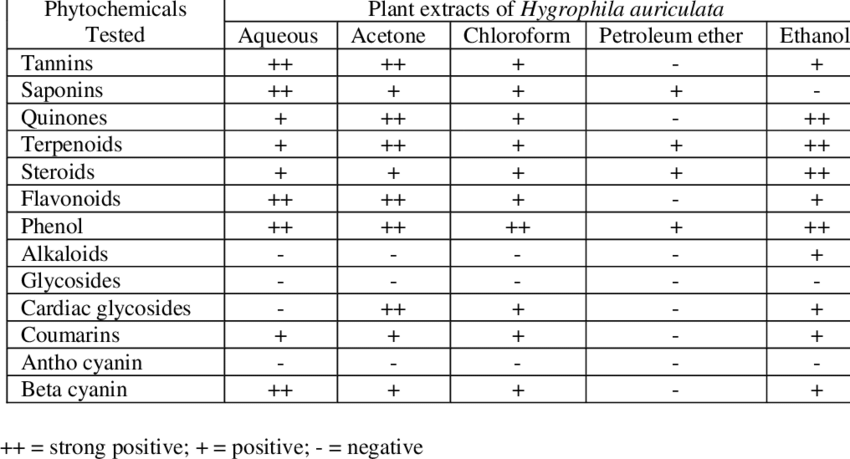
The plant contains flavonoids, alkaloids, sterols, terpenoids, tannins, and phenolic compounds contributing to its medicinal properties
MAJOR PHYTOCHEMICAL CLASSES
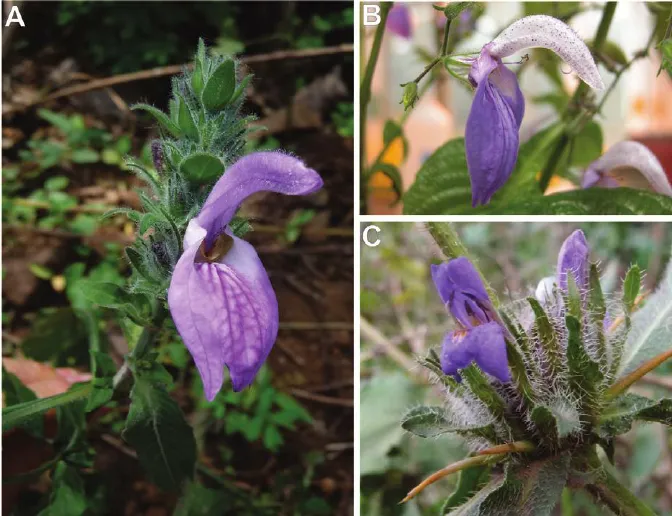
FIGURE 1. BOTANICAL REPRESENTATION OF HYGROPHILA SPINOSA
TABLE 1. MAJOR PHYTOCHEMICAL CONSTITUENTS OF HYGROPHILA SPINOSA
PATHOPHYSIOLOGY OF PAIN AND INFLAMMATION AND THE ROLE OF HYGROPHILA SPINOSA
After tissue damage, infection, or exposure to damaging stimuli, pain and inflammation are closely associated physiological reactions. Redness, swelling, heat, pain, and loss of function are signs of inflammation. Inflammatory mediators like histamine, serotonin, bradykinin, prostaglandins, leukotrienes, and pro-inflammatory cytokines like tumor necrosis factor-alpha (TNF-α), interleukin-1β (IL-1β), and interleukin-6 (IL-6) are released when immune cells like neutrophils, mast cells, and macrophages are activated.
These mediators encourage leukocyte migration to the site of damage by increasing vascular permeability. Concurrently, prostaglandins produced by the cyclooxygenase (COX) pathway cause nociceptors to become more sensitive, which causes pain perception. By continuously activating peripheral and central sensitization processes, persistent inflammation can result in chronic pain.
Numerous bioactive phytochemicals, such as flavonoids, alkaloids, sterols, triterpenoids, tannins, and phenolic compounds, are present in Hygrophila Spinosa. Through a variety of processes, these components support its analgesic and anti-inflammatory properties. By scavenging reactive oxygen species (ROS) and lowering oxidative stress, which is a significant factor in inflammatory tissue damage, flavonoids and phenolic compounds function as powerful antioxidants.
Experimental studies suggest that extracts of H. spinosa inhibit the synthesis and release of inflammatory mediators such as prostaglandins and cytokines. The plant may suppress the activation of nuclear factor-kappa B (NF-κB), a key transcription factor involved in the expression of inflammatory genes. Inhibition of NF-κB leads to reduced production of TNF-α, IL-1β, and IL-6, thereby attenuating the inflammatory response.
The analgesic effect of H. spinosa is attributed to its ability to interfere with peripheral pain pathways by reducing prostaglandin formation and inflammatory mediator release. Additionally, certain phytoconstituents may exert central analgesic effects by modulating neurotransmitter systems involved in pain transmission. Reduction of oxidative stress and inflammatory cytokine production further contributes to pain relief.
Overall, the anti-inflammatory and analgesic properties of Hygrophila spinosa are mediated through antioxidant activity, inhibition of inflammatory mediator synthesis, suppression of pro-inflammatory cytokines, stabilization of cellular membranes, and modulation of pain signaling pathways. These pharmacological actions support its traditional use in the management of inflammatory disorders and painful conditions.
4. BOTANICAL PROFILE OF CURCUMA LONGA
TAXONOMY
|
PARAMETER |
DESCRIPTION |
|
Family = |
Zingiberaceae |
|
Genus = |
Curcuma |
|
Species= |
Curcuma longa Linn. |
TRADITIONAL USES
The rhizome is rich in curcuminoids and volatile oils responsible for therapeutic activity. Another important factor in the pathophysiology of inflammation is oxidative stress. Reactive oxygen species (ROS) and reactive nitrogen species (RNS) produced by activated immune cells during inflammation result in lipid peroxidation, cellular damage, and a
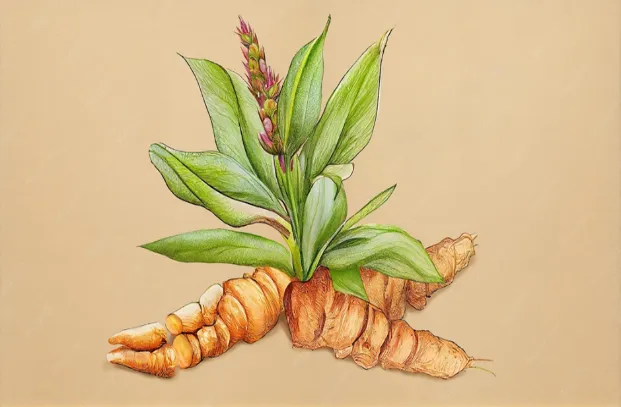
FIGURE 2. BOTANICAL REPRESENTATION OF CURCUMA LONGA:
5. PHYTOCHEMISTRY OF HYGROPHILA SPINOSA
Major phytoconstituents include:
FLAVONOIDS
TRITERPENOIDS
STEROLS
ALKALOIDS
OTHER CONSTITUENTS
These compounds exhibit antioxidant, anti-inflammatory, and analgesic effects.
6. PHYTOCHEMISTRY OF CURCUMA LONGA
CURCUMINOIDS
ESSENTIAL OILS
OTHER CONSTITUENTS
Curcumin is considered the principal bioactive compound responsible for anti-inflammatory and analgesic actions.
PATHOPHYSIOLOGY OF PAIN AND INFLAMMATION AND THE ROLE OF CURCUMA LONGA
Inflammation and pain are defensive physiological reactions brought on by immune-mediated harm, infection, or tissue damage. When immune cells like neutrophils, macrophages, and mast cells are activated during acute inflammation, they release inflammatory mediators such histamine, serotonin, bradykinin, prostaglandins, leukotrienes, and cytokines. These mediators cause pain, redness, swelling, and heat by increasing vascular permeability, encouraging leukocyte infiltration, and stimulating nociceptors.
The transcription factor Nuclear Factor Kappa B, which controls the production of pro-inflammatory genes encoding cytokines like TNF-α, IL-1β, IL-6, cyclooxygenase-2 (COX-2), and inducible nitric oxide synthase (iNOS), is activated during inflammation. Persistent pain and chronic inflammatory disorders are linked to the overproduction of these mediators.
n increase in inflammatory signaling pathways. Pain receptor sensitization and tissue damage are encouraged by prolonged oxidative stress.
Curcumin is the main pharmacologically active polyphenol found in Curcuma longa, or turmeric. Through a variety of molecular pathways, curcumin demonstrates strong analgesic and anti-inflammatory properties. It decreases the transcription of inflammatory cytokines, chemokines, COX-2, and iNOS via suppressing NF-κB activation. As a result, prostaglandins, nitric oxide, TNF-α, IL-1β, and IL-6 are produced at much lower levels.
Additionally, curcumin reduces the production of prostaglandins and leukotrienes, which influence pain and inflammation, by inhibiting the activity of the enzymes cyclooxygenase and lipoxygenase. Curcumin also has potent antioxidant qualities, scavenging free radicals and boosting natural antioxidant defenses including glutathione peroxidase, catalase, and superoxide dismutase (SOD).Curcuma longa's analgesic effects are mainly ascribed to its regulation of pain-signaling pathways and suppression of inflammatory mediator production. By lowering prostaglandin synthesis, curcumin lessens peripheral sensitivity. It may also affect central pain pathways by modifying neurotransmitters and inflammatory signals in the central nervous system.
Recent studies further indicate that curcumin regulates multiple intracellular signaling cascades, including the mitogen-activated protein kinase (MAPK) pathway, Janus kinase/signal transducer and activator of transcription (JAK/STAT) pathway, and Toll-like receptor (TLR)-mediated inflammatory responses. Through these mechanisms, Curcuma longa effectively suppresses both acute and chronic inflammatory processes.
7. ANALGESIC ACTIVITY OF HYGROPHILA SPINOSA
Experimental studies have demonstrated significant analgesic activity using:
Extracts of alcohol and chloroform dramatically decreased pain reactions, indicating both peripheral and central analgesic processes. Flavonoids, sterols, and triterpenoids that affect prostaglandin synthesis and nociceptive pathways may be responsible for the reported action.
8. ANTI-INFLAMMATORY ACTIVITY OF HYGROPHILA SPINOSA
Studies using carrageenan-induced paw edema models demonstrated significant inhibition of inflammation by alcoholic and chloroform extracts.
Proposed mechanisms include:
These findings support the traditional use of the plant in rheumatism and inflammatory disorders.
9. ANALGESIC ACTIVITY OF CURCUMA LONGA
Curcuma longa exhibits potent antinociceptive activity in:
Curcumin reduces pain perception by modulating:
Experimental studies suggest efficacy comparable to standard analgesics in some models.
10. ANTI-INFLAMMATORY ACTIVITY OF CURCUMA LONGA
Curcumin exerts anti-inflammatory effects through multiple pathways:
SUPPRESSION OF PRO-INFLAMMATORY CYTOKINES
INHIBITION OF ENZYMES
MODULATION OF SIGNALING PATHWAYS
These mechanisms contribute to the reduction of edema, inflammatory cell infiltration, and oxidative damage.
11. COMPARATIVE PHARMACOLOGICAL PROFILE
|
PARAMETER |
HYGROPHILA SPINOSA |
CURCUMA LONGA |
|
Major Actives |
Flavonoids, Lupeol, Sterols |
Curcuminoids |
|
Analgesic Activity |
Significant |
Strong |
|
Anti-inflammatory Activity |
Significant |
Strong |
|
Antioxidant Activity |
High |
Very High |
|
Clinical Evidence |
Limited |
Extensive |
|
Safety Profile |
Good |
Excellent |
13. TOXICOLOGICAL ASSESSMENT
H. spinosa extracts have comparatively low toxicity at therapeutic dosages, according to acute toxicity tests. The experimental animals did not exhibit any notable behavioral problems or death.
But there are still a few restrictions:
• Studies on chronic toxicity are lacking.
• Limited assessment of reproductive toxicity
• Inadequate information on human safety
• The lack of uniform dosage recommendations
Prior to clinical application, additional toxicological research is necessary.
14. FUTURE PERSPECTIVES
Future research should focus on:
CONCLUSION
According to available data, the various phytochemical components of Hygrophila Spinosa and Curcuma longa may have important analgesic and anti-inflammatory effects. Their traditional application in pain and inflammatory conditions is supported by experimental research. In contrast to Hygrophila spinosa, which has promising pharmacological potential but is still understudied, Curcuma longa has considerably stronger clinical data. For the treatment of chronic inflammatory disorders and pain syndromes, combined formulations may offer a novel therapeutic approach. To determine efficacy, safety, and standardization for therapeutic usage, more clinical research is needed.
REFERENCES


Sushant Mishra, Dhruva Kumar Yadav, Dr. Anurag Kumar, Analgesic And Anti-Inflammatory Potential of Hygrophila Spinosa and Curcuma Longa: An Updated Review, Int. J. of Pharm. Sci., 2026, Vol 4, Issue 6, 5959-5966, https://doi.org/10.5281/zenodo.20813408
Severity: 8192
Message: substr(): Passing null to parameter #1 ($string) of type string is deprecated
Filename: frontend/article.php
Line Number: 706
Severity: 8192
Message: substr(): Passing null to parameter #1 ($string) of type string is deprecated
Filename: frontend/article.php
Line Number: 706
Severity: 8192
Message: substr(): Passing null to parameter #1 ($string) of type string is deprecated
Filename: frontend/article.php
Line Number: 741
 10.5281/zenodo.20813408
Severity: 8192
Message: substr(): Passing null to parameter #1 ($string) of type string is deprecated
Filename: frontend/article.php
Line Number: 890
Severity: 8192
Message: substr(): Passing null to parameter #1 ($string) of type string is deprecated
Filename: frontend/article.php
Line Number: 925
Severity: 8192
Message: substr(): Passing null to parameter #1 ($string) of type string is deprecated
Filename: frontend/article.php
Line Number: 925
Severity: 8192
Message: substr(): Passing null to parameter #1 ($string) of type string is deprecated
Filename: frontend/article.php
Line Number: 957
Severity: 8192
Message: substr(): Passing null to parameter #1 ($string) of type string is deprecated
Filename: frontend/article.php
Line Number: 957