

We use cookies to ensure our website works properly and to personalise your experience. Cookies policy
LCIT, School of Pharmacy, Bilaspur, (C.G) India.
Angina pectoris remains one of the most common clinical expressions of ischemic heart disease, and while its pharmacological management has advanced considerably, existing anti-anginal agents are not without shortcomings, ranging from tolerance and side effects to incomplete symptom control in a meaningful subset of patients. Against this backdrop, Terminalia arjuna, a bark long used in Ayurvedic cardiac care, has attracted renewed scientific interest because of its unusually broad phytochemistry and multi-target pharmacological profile spanning antioxidant, antiplatelet, lipid-lowering and vasodilatory effects. This review draws together the traditional, phytochemical, pharmacological and clinical literature on Terminalia arjuna in the context of angina and ischemic heart disease, and examines it alongside the parallel and increasingly intersecting field of nanoparticle-based cardiovascular drug delivery. We trace how the poor aqueous solubility and rapid systemic clearance that limit the oral bioavailability of Arjuna's active triterpenoids and glycosides have prompted several research groups to explore polymeric and lipid-based nanocarriers, particularly chitosan and poly(lactic-co-glycolic acid) systems, as a means of improving its pharmacokinetic handling and enabling preferential accumulation at ischemic or inflamed vascular tissue through passive and active targeting mechanisms. Evidence from formulation studies indicates that nanoencapsulation can improve entrapment efficiency, sustain release over extended periods, and enhance protective activity in hypoxia-challenged cardiomyocyte models relative to the free extract. At the same time, the literature remains largely preclinical, and questions around in vivo pharmacokinetics, long-term safety, scalable manufacture and regulatory pathway remain open. We conclude by outlining the research priorities that would need to be addressed before nanoparticle-encapsulated Terminalia arjuna could reasonably be considered for clinical evaluation as an adjunct in angina pectoris
Ischemic heart disease remains the leading cause of death worldwide, and angina pectoris, its most familiar clinical expression, continues to account for a substantial share of cardiology consultations and emergency department visits.[1,2] The condition arises when myocardial oxygen demand outstrips what the coronary circulation can supply, most often because of atherosclerotic narrowing of the epicardial arteries but sometimes because of microvascular or vasospastic disease in vessels that look entirely normal on angiography.[3] Epidemiological trends have diverged over the last few decades: incidence has fallen gradually across much of the industrialised world even as it has risen in India and other rapidly urbanising nations, a pattern usually attributed to shifting diet, reduced physical activity and a growing burden of metabolic risk factors[5].
Conventional anti-anginal therapy, comprising nitrates, beta-blockers, calcium channel blockers and, where indicated, ranolazine, remains effective for many patients but is not universally so, and a meaningful proportion continue to experience limiting symptoms despite optimised medical therapy.[2] It is against this therapeutic ceiling that traditional cardiotonic botanicals, and Terminalia arjuna in particular, have drawn renewed scientific attention. Known in classical Ayurvedic texts as Hridya, or ‘heart-friendly’, Arjuna bark has been used for centuries in decoction form for chest pain, breathlessness and generalised cardiac weakness, and a substantial modern pharmacological literature has since attempted to place these traditional claims on a mechanistic footing.[16]
What emerges from that literature, however, is a familiar tension in phytopharmaceutical research: strong and repeatable evidence of biological activity in vitro and in animal models, set against persistent uncertainty about whether enough of the active material ever reaches the myocardium in patients taking the crude extract or powdered bark by mouth. Arjuna's principal triterpenoids and glycosides are poorly water-soluble, are absorbed unevenly from the gastrointestinal tract, and are cleared from the circulation relatively quickly, all of which work against sustained therapeutic exposure at the site of disease[63]. This bioavailability problem is, in fact, common to many phytopharmaceuticals, and it is one that nanotechnology has been applied to with growing frequency across cardiovascular medicine over the past decade.[30][36]
The purpose of this review is to bring these two literatures together. We first examine angina pectoris itself, its classification, pathophysiology and current diagnostic approach, before turning to Terminalia arjuna, its traditional use, phytochemistry and the accumulated pharmacological and clinical evidence for its cardioprotective activity. We then review the broader rationale for nanoparticle-based cardiovascular drug delivery and the specific carrier systems that have been applied to Arjuna and related cardioprotective phytoconstituents, before closing with a critical assessment of the gaps that remain between the current, largely preclinical evidence base and a genuinely clinic-ready delivery platform.
Angina Pectoris: Classification, Pathophysiology and Diagnosis
Clinical Classification
Three broad clinical phenotypes are conventionally recognised. Stable angina follows a predictable pattern, appearing during exertion or emotional stress and resolving with rest or sublingual nitroglycerin, and reflects a fixed, flow-limiting atherosclerotic lesion that cannot meet the increased demand of exertion.[3][4] Unstable angina is a more precarious entity, occurring at rest or with minimal provocation and often signalling plaque rupture or an evolving thrombus, which places it on a continuum with acute coronary syndrome rather than in the stable category.[2][11] Variant, or Prinzmetal's, angina differs mechanistically from both, arising from coronary vasospasm that can occur in otherwise angiographically normal vessels and often at rest or during sleep.[13]
Pathophysiology
At its core, angina reflects a mismatch between myocardial oxygen supply and demand, and several overlapping mechanisms can tip that balance toward ischemia (Figure 1). Obstructive atherosclerotic plaque remains the most familiar cause, but endothelial dysfunction, coronary microvascular disease, inflammatory plaque destabilisation, and superimposed thrombosis or vasospasm can each independently precipitate ischemic episodes.[12][7]A substantial and increasingly appreciated subset of patients have angina with no obstructive epicardial lesion at all, a phenotype now understood to reflect microvascular or vasospastic dysfunction rather than classical stenosis, and one that carries important implications for how these patients should be investigated and treated.[7][13]Non-atherosclerotic contributors, including anomalous coronary artery origin, severe anaemia, hypertrophic cardiomyopathy and conditions that markedly raise left ventricular filling pressure, can produce a clinically similar picture through distinct routes.[10,8,9]
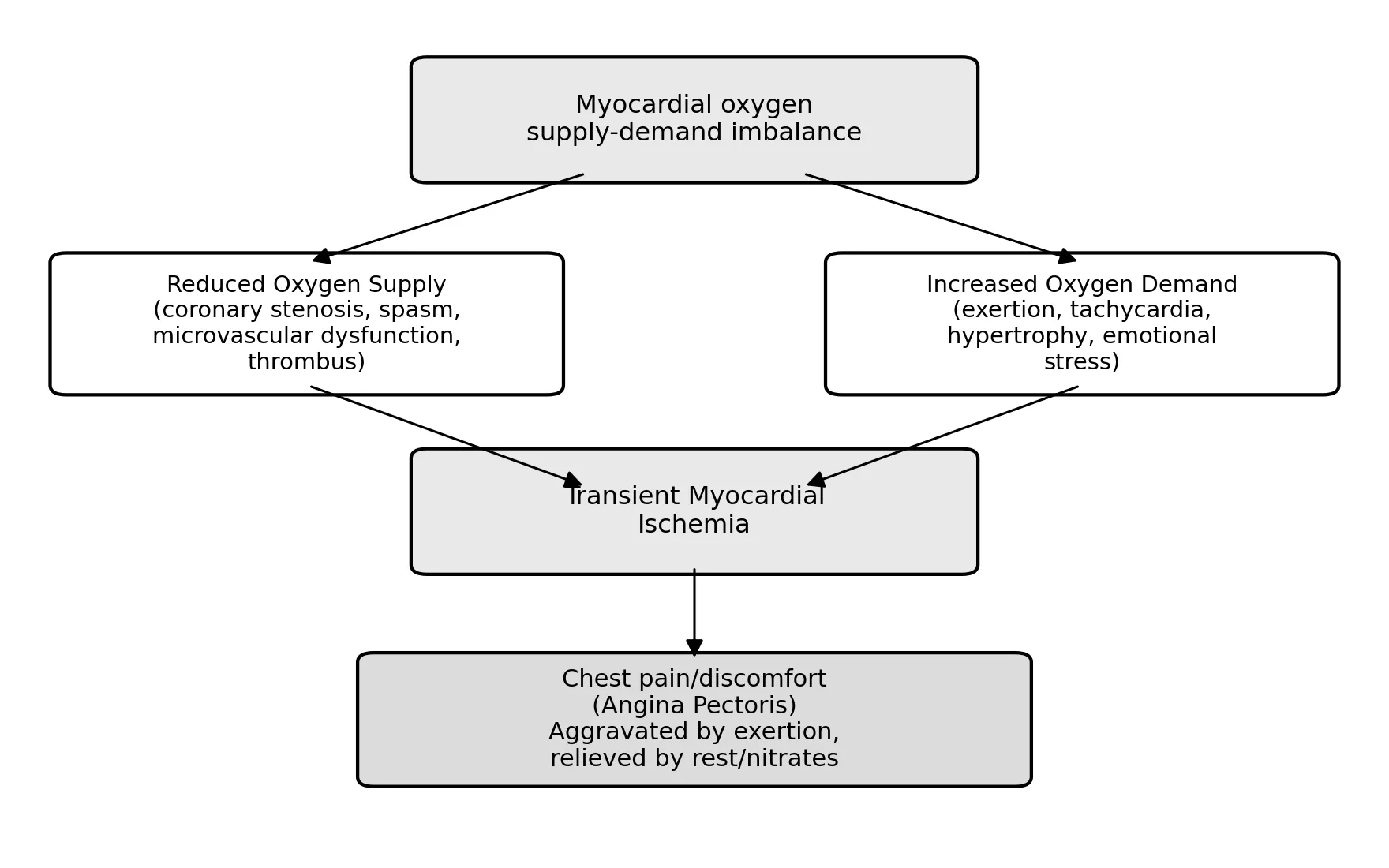
Figure 1. Pathophysiological basis of angina pectoris, illustrating the convergence of reduced coronary oxygen supply and increased myocardial oxygen demand on transient ischemia.
Diagnostic Approach
Diagnosis begins with a careful history and physical examination, which remain central to distinguishing angina from other causes of chest discomfort and to estimating pre-test probability of obstructive coronary disease.[2] Where the clinical picture is ambiguous, exercise stress testing and ambulatory ECG monitoring help characterise exertional or silent ischemia, while CT coronary angiography has become an increasingly useful tool for clarifying diagnosis, guiding revascularisation decisions and, in some analyses, reducing downstream risk of myocardial infarction.[14][15] High-sensitivity cardiac troponin, though developed primarily for acute coronary syndrome, has also proved informative in stable disease as a marker of the burden of obstructive coronary disease[2]. Taken together, prognosis in angina is shaped less by the presence of symptoms per se than by the degree of underlying left ventricular dysfunction, the extent of ischemic burden, and the presence of comorbid disease, all of which argue for a diagnostic approach that looks beyond symptom control alone.[2][14]
It is this combination, a genuinely heterogeneous underlying pathophysiology together with treatment options that do not fully address every phenotype, that leaves room for adjunctive approaches such as Terminalia arjuna, particularly for the subset of patients in whom microvascular or oxidative mechanisms, rather than fixed obstructive disease, predominate.
Terminalia arjuna: Traditional Use, Phytochemistry and Pharmacology
Ethnopharmacological Background
Terminalia arjuna, a member of the Combretaceae family native to the Indian subcontinent, occupies a distinctive place in Ayurvedic cardiology, where its bark decoction has been prescribed for centuries under the name Hridya for chest pain, palpitations and generalised weakness of the heart.[16] Its therapeutic scope in traditional use extends beyond angina to hypertension, heart failure and dyslipidaemia, and this breadth is one reason the plant has drawn sustained pharmacological interest rather than being investigated for a single, narrow indication.[16][17]
Phytochemical Composition
The stem bark, the part almost exclusively used medicinally, contains a phytochemically dense mixture of several constituent classes.[22] (Figure 2; Table 1). Triterpenoids, including arjunic acid, arjunolic acid, arjunin, arjunglucosides IV and V and related compounds, form what is generally regarded as the principal active fraction.[17][18] Glycosides such as arjunetin, arjunoside I and II and terminoside A add to this pharmacological load, while a broad flavonoid profile, spanning luteolin, quercetin, gallic acid derivatives and oligomeric proanthocyanidins, contributes further antioxidant character.[19][60] Tannins, present as pyrocatechols, punicallin and related polyphenols, lend astringent and additional antioxidant properties, and trace minerals including calcium, magnesium, zinc and copper round out a composition in which several classes of compound plausibly act together rather than through a single dominant mechanism.[18][60]
Table 1. Phytoconstituent classes of Terminalia arjuna bark and their reported pharmacological relevance.
|
Constituent Class |
Representative Compounds |
Reported Pharmacological Relevance |
|
Triterpenoids |
Arjunic acid, arjunolic acid, arjunin, arjunglucosides IV/V |
Antioxidant, anti-apoptotic, cardiotonic; principal active fraction[17,18] |
|
Glycosides |
Arjunetin, arjunoside I/II, terminoside A |
Contribute to overall cardioprotective and antioxidant profile[19] |
|
Flavonoids |
Luteolin, quercetin, gallic acid derivatives, proanthocyanidins |
Free-radical scavenging, endothelial protection [19,60] |
|
Tannins |
Pyrocatechols, punicallin, terflavin C, castalagin |
Astringent and antioxidant activity [18,60] |
|
Minerals/trace elements |
Calcium, magnesium, zinc |
Possible supportive role in cardiovascular physiology [18] |
Pharmacological Activities
The cardiovascular pharmacology attributed to Terminalia arjuna is unusually broad for a single botanical, which is part of what makes it an attractive candidate for further development. Its oleanane triterpenoids have been shown to exert anti-apoptotic and antioxidant protection during ischaemia-reperfusion injury, reducing myocardial necrosis and preserving cellular integrity under oxidative challenge.[6,20,23-25] Arjunic acid demonstrates concentration-dependent antiplatelet activity, plateauing at higher concentrations, which is relevant given the central role platelet activation plays in acute coronary events25. Lipid-lowering effects have been documented in animal models, where bark extract or powder reduces LDL cholesterol and raises HDL, addressing one of the principal modifiable risk factors for coronary disease [21], and antihypertensive activity has similarly been reported through relaxation of vascular smooth muscle and improvement of endothelial function.[26 Direct work on isolated adult ventricular myocytes has further shown that aqueous Arjuna bark extract exerts a positive inotropic, cardiotonic effect, lending experimental support to the traditional description of the bark as a cardiac tonic rather than a purely protective agent.[64]
In vitro models of cardiomyocyte stress provide some of the more mechanistically direct evidence. Studies using H9c2 cardiomyoblasts exposed to cobalt chloride-induced hypoxia, and isoproterenol-induced cardiac stress models in rodents, have both shown that Arjuna extract mitigates apoptosis and oxidative damage through upregulation of protective cellular pathways [23,24], findings that align well with the broader antioxidant and anti-apoptotic narrative running through this literature.
Clinical Evidence
Clinical data, while less abundant and methodologically more variable than the preclinical literature, generally point in a consistent direction. Patients with congestive heart failure given standardised bark powder alongside conventional therapy have shown improvements in daily functioning and, in some studies, left ventricular ejection fraction[27], and similar functional gains have been described in cardiomyopathy when Arjuna is used adjunctively rather than as monotherapy.[16] A dedicated ethnopharmacological and safety review of Arjuna in coronary artery disease likewise concluded that available evidence, while still limited in scale, is broadly supportive of a favourable benefit-risk profile.[28] A systematic review focused specifically on chronic stable angina found that several trials reported symptomatic improvement and better exercise tolerance with Arjuna bark, though the authors were careful to note that overall evidence quality and sample sizes across these trials remain limited47, a caveat that recurs across much of this literature (Table 2).
Table 2. Summary of representative preclinical and clinical evidence for Terminalia arjuna in cardioprotection and angina
|
Study Focus |
Model/Population |
Key Reported Finding |
|
Congestive heart failure [27] |
Patients on standardised bark powder |
Improved functional capacity and ejection fraction alongside standard therapy |
|
Cardiomyopathy [16] |
Patients, adjunctive use |
Functional improvement when combined with conventional treatment |
|
Chronic stable angina [47] |
Systematic review of clinical trials |
Symptomatic improvement and better exercise tolerance, but limited trial quality |
|
Ischemia-reperfusion injury [49] |
Isolated rat heart |
Reduced infarct size and improved recovery of cardiac function after chronic bark treatment |
|
Hypoxic cardiomyocyte stress [23] |
H9c2 cells, CoCl₂-induced hypoxia |
Reduced apoptosis and oxidative damage with extract pre-treatment |
|
Isoproterenol-induced cardiac stress[24] |
Wistar rats |
Reduced oxidative stress and apoptosis via protective pathway activation |
The Bioavailability Constraint
The consistent thread running beneath this otherwise encouraging evidence base is a delivery problem rather than a pharmacology problem. Arjuna's most pharmacologically active triterpenoids and glycosides are poorly soluble in water, are absorbed unevenly from the gastrointestinal tract, and undergo relatively rapid systemic clearance, all of which constrain how much active material actually reaches the myocardium after oral administration of the crude bark or its extract.[63] This is precisely the kind of constraint that pharmaceutical nanotechnology has been developed to address, and it forms the bridge to the second half of this review.
Nanotechnology in Cardiovascular Drug Delivery
Rationale and Targeting Strategies
Nanomedicine, broadly defined as the application of nanoscale materials to diagnosis, monitoring and treatment, has been applied across cardiovascular disease with the specific goal of overcoming exactly the kind of pharmacokinetic limitations described above for Terminalia arjuna.[35,36] Two targeting logics recur throughout this literature. Passive targeting relies on the fact that injured, inflamed or atherosclerotic vascular endothelium becomes more permeable than healthy endothelium, allowing appropriately sized nanoparticles to extravasate and accumulate preferentially at sites of vascular stress without any additional engineering. Active targeting builds on this by attaching ligands or antibodies, for example against vascular cell adhesion molecule-1, that bind selectively to receptors expressed on stressed endothelial cells, activated monocytes or platelets, sharpening the accumulation still further.[31,34]
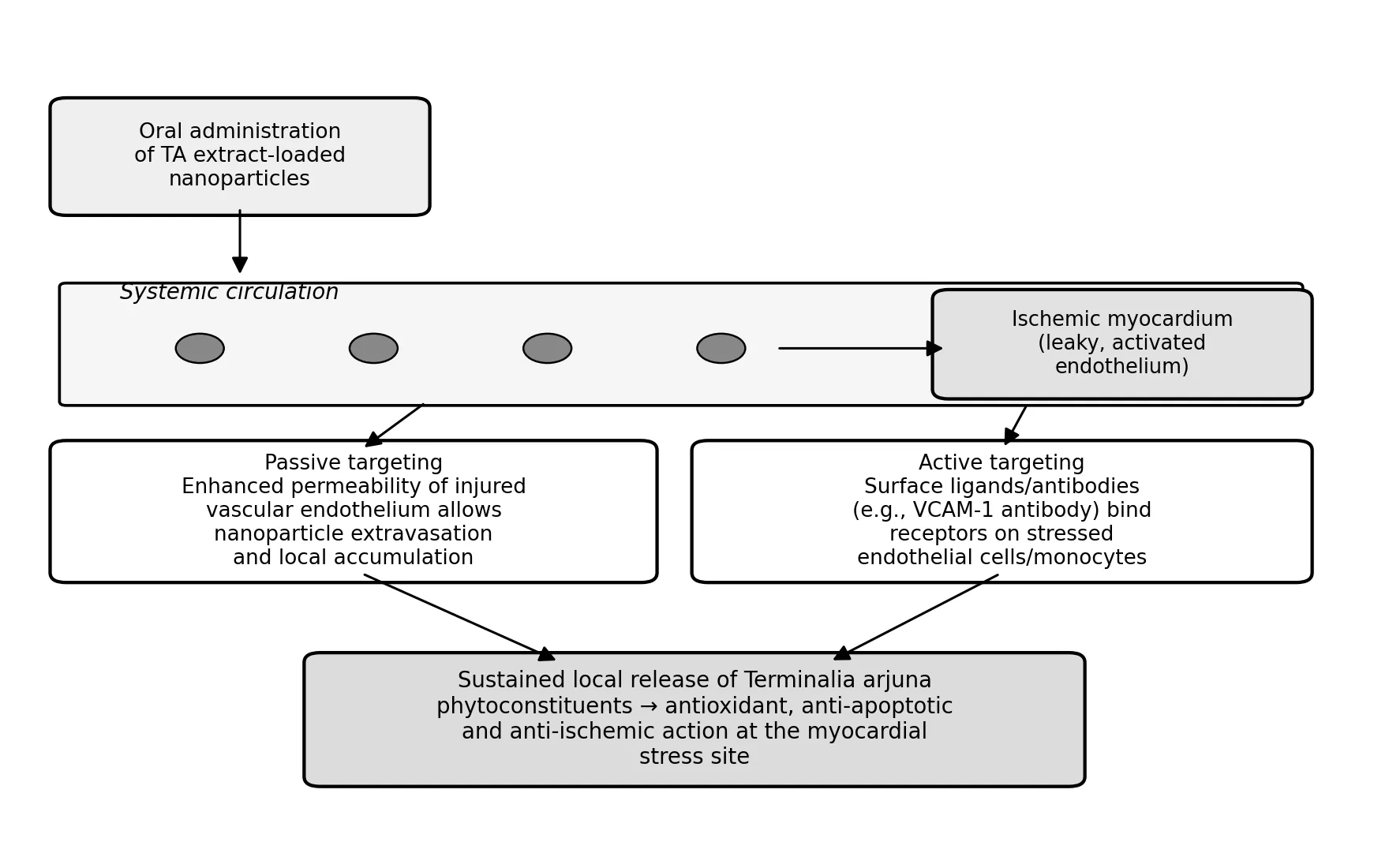
Figure 3. Schematic representation of passive and active nanoparticle targeting mechanisms directed at ischemic myocardial tissue.
Carrier Systems
A range of carrier chemistries has been explored, each with a distinct balance of biocompatibility, drug-loading capacity and ease of surface modification (Figure 4; Table 3). Among organic carriers, liposomes remain attractive for their ability to encapsulate both lipophilic and hydrophilic payloads within a biocompatible lipid bilayer.[55] Polymeric nanoparticles built from chitosan or poly(lactic-co-glycolic acid) have become particularly prominent in the phytopharmaceutical space; chitosan, a cationic polysaccharide derived from chitin, is valued for its mucoadhesive character and the simplicity of fabricating nanoparticles through ionic gelation with crosslinkers such as sodium tripolyphosphate, while PLGA offers tunable, hydrolytically controlled degradation and generally higher entrapment of semi-polar phytoconstituents[39,40] Dendrimers represent a further organic option, carrying drug either within a hollow interior or conjugated to surface functional groups.[55]
Inorganic carriers occupy a complementary niche. Gold nanoparticles are notable for their physical stability, low immunogenicity and strong targeting performance in ischemic tissue, and related work on green-synthesised nanoceria using plant extracts, including Terminalia arjuna itself, has demonstrated enhanced antioxidant and stability profiles relative to chemically synthesised counterparts. [42] Anti-inflammatory nanomedicine approaches more broadly have targeted the inflammatory component of atherosclerotic disease using a mix of these carrier platforms[34], and nano-formulations of traditional Chinese cardiotonic medicines provide a useful parallel literature illustrating how similar delivery logic has already been applied outside the Indian herbal tradition [33].
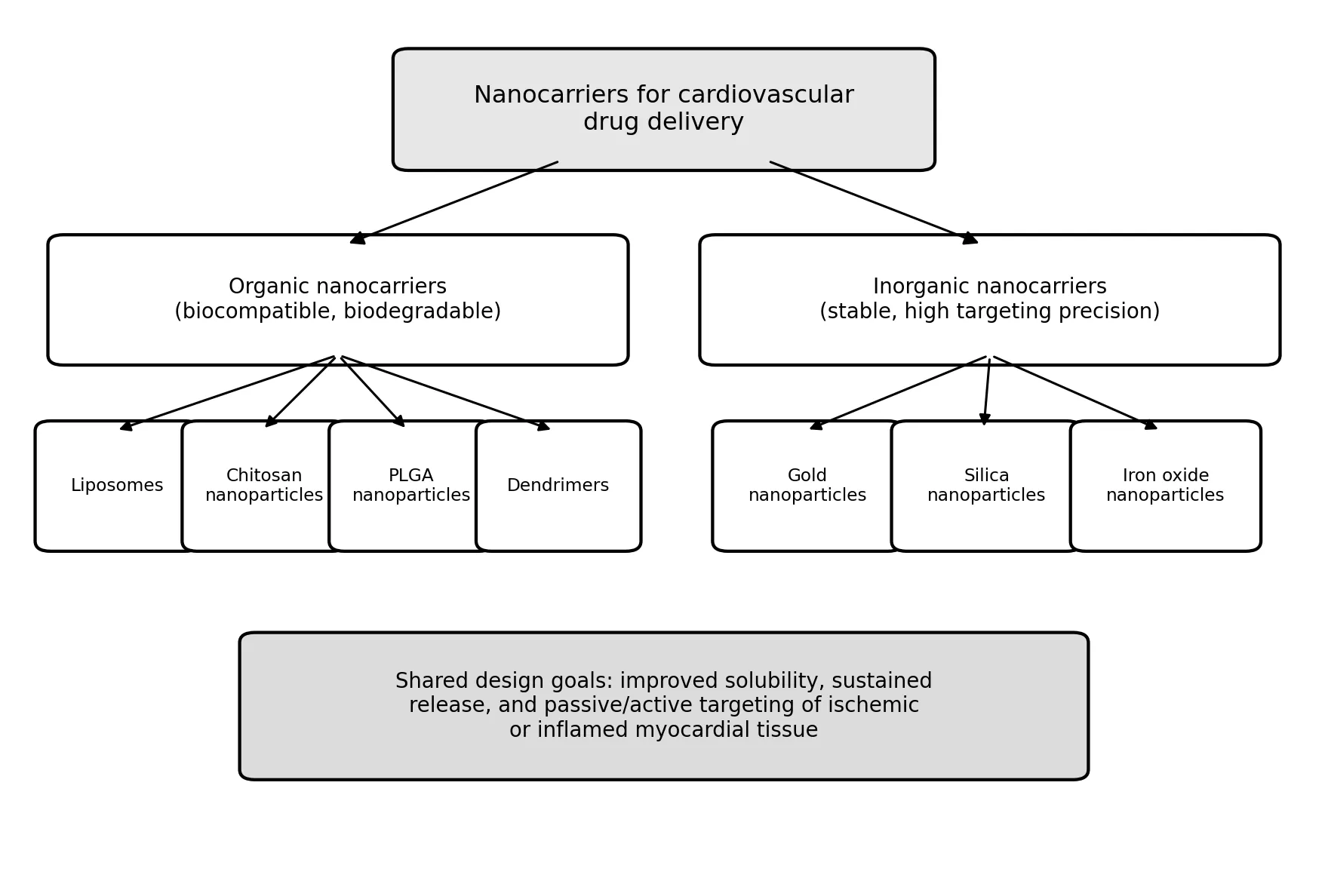
Figure 4. Classification of nanocarrier systems explored for cardiovascular drug delivery..
Table 3. Classification of nanocarrier systems explored for cardiovascular and cardioprotective drug delivery.
|
Carrier Type |
Category |
Notable Features Relevant to Cardioprotective Delivery |
|
Liposomes |
Organic |
Encapsulate both lipophilic and hydrophilic payloads; well-established biocompatibility[55] |
|
Chitosan nanoparticles |
Organic |
Mucoadhesive, cationic surface, simple ionic-gelation fabrication[39,40] |
|
PLGA nanoparticles |
Organic |
Tunable degradation, generally higher entrapment of semi-polar phytoconstituents[37] |
|
Dendrimers |
Organic |
High drug-loading capacity via core encapsulation or surface conjugation[55] |
|
Gold nanoparticles |
Inorganic |
High physical stability, low immunogenicity, strong ischemic-tissue targeting[36] |
|
Nanoceria (green-synthesised) |
Inorganic |
Enhanced antioxidant and stability profile when synthesised using plant extracts[42] |
Across a range of specific indications, biodegradable polymer nanoparticles carrying combination cardioprotective agents have been shown to mitigate myocardial ischemia-reperfusion injury more effectively than free drug[37], and nanoparticle encapsulation of established anti-anginal agents such as ivabradine and ranolazine has improved their oral bioavailability and half-life[62,43], providing a useful precedent for what might be achievable with a phytopharmaceutical payload such as Terminalia arjuna extract.
Nanoparticle-Based Delivery of Terminalia arjuna: Converging Evidence
Direct Evidence on Terminalia arjuna Nanoformulations
Direct experimental work combining Terminalia arjuna with nanotechnology is still a comparatively young literature, but it is growing quickly and the results reported so far are encouraging. Green synthesis of nanoceria using Terminalia arjuna extract as both reducing and stabilising agent has yielded particles with markedly enhanced stability, antioxidant capacity and, in preliminary work, anticancer activity relative to conventionally synthesised nanoceria, illustrating that the plant's phytoconstituents can themselves participate constructively in nanoparticle fabrication rather than being purely passive cargo[42]. At a more applied, formulation level, emulgel systems incorporating Terminalia arjuna bark extract have demonstrated that its phytoconstituents can be successfully entrapped within semi-solid nano- or microstructured carriers with controlled-release characteristics, at least for topical delivery, offering a proof of concept for nanostructuring the extract more generally[61]. Broader narrative and systematic reviews specifically focused on Arjuna as a cardioprotective herbal medicine have likewise argued for its relevance in the era of green nanomedicine, tracing a reasonably coherent case for why this particular botanical is a rational candidate for nanoparticle-based reformulation[45], while dedicated reviews on herbal nanoparticles for cardiovascular disease management have positioned Terminalia arjuna among the more promising candidates in that class[44]. Complementary phytochemical and pharmacological reviews consolidating clinical and experimental cardiovascular data on the plant46, and a comprehensive recent review centred on arjunolic acid as a natural product lead for new drug development[41], together with an earlier general review of Arjuna's medicinal properties[48], collectively provide the phytochemical and pharmacological foundation on which nanoparticle-based reformulation work has been built.
Precedent from the Wider Cardiovascular Nanomedicine Literature
Where direct evidence on Terminalia arjuna nanoformulations remains limited, the broader cardiovascular nanomedicine literature offers a useful and reassuring precedent. Nanomedicine approaches to vascular disease more generally have repeatedly demonstrated that nanocarriers can improve the targeted delivery of therapeutic agents to diseased vascular segments[29], and dedicated literature reviews of nanoparticle-based therapies for cardiovascular disease have concluded that the ability of nano-platforms to encapsulate diverse molecular payloads makes them a genuinely versatile tool across this disease area rather than a solution tailored to any single drug class[38]. Work aimed specifically at overcoming the limitations of conventional cardiovascular treatments through nanotechnology reinforces this picture, emphasising controlled release and reduced off-target exposure as the principal advantages nanocarriers bring over conventional oral or parenteral dosing[32]. Taken as a whole, this parallel literature suggests that whatever gains have been demonstrated for synthetic anti-anginal and cardioprotective agents through nanoencapsulation are mechanistically transferable to a phytopharmaceutical payload such as Terminalia arjuna extract, since the underlying obstacles, poor solubility, unpredictable absorption and rapid clearance, are shared rather than drug-specific.
Shared Methodological Toolkit Across the Reviewed Studies
A further point that emerges from reading across this literature as a whole is how much methodological common ground exists between studies that otherwise vary considerably in their specific carrier chemistry or therapeutic target. Extraction and standardisation of the plant material itself typically follows established pharmacognostic practice, with solvent extraction methods and quality-control criteria for medicinal plant material drawn from long-standing reference frameworks[50,51], and thin-layer chromatography remains the most widely used tool for phytochemical fingerprinting and batch-to-batch comparison[52]. On the nanoparticle side, nanoprecipitation following solvent displacement, first described several decades ago, continues to underpin much of the polymeric nanoparticle fabrication work seen in this space[53], while dynamic light scattering for particle size and zeta potential remains the default characterisation approach across essentially every study reviewed here54. Release kinetics are almost universally interpreted against the same family of mathematical models, most often Higuchi and Korsmeyer-Peppas, reflecting a shared interest in distinguishing diffusion-controlled from matrix-erosion-controlled release[56], formal stability testing follows internationally harmonised storage-condition frameworks[57], and statistical treatment of the resulting data relies on conventional parametric methods appropriate to small, triplicate-replicate experimental designs[58], Cardioprotective or cytoprotective claims, for their part, are almost invariably substantiated using the tetrazolium-based MTT assay in cardiomyocyte or cardiomyoblast cell lines[59]. This shared toolkit is worth noting explicitly because it means that results across different research groups and different carrier systems are, in principle, reasonably comparable, which is not always the case in phytopharmaceutical nanomedicine research.
CHALLENGES AND FUTURE PERSPECTIVES
Notwithstanding the encouraging direction of this literature, several gaps stand between the current evidence base and a genuinely clinic-ready nanoparticle-encapsulated Terminalia arjuna product. The first and most obvious is the near-total absence of in vivo pharmacokinetic and pharmacodynamic data specific to Arjuna nanoformulations; almost all of the direct evidence discussed in Section 5.1 is cell-based or, at best, ex vivo, and translating favourable in vitro entrapment, release and cytoprotection data into demonstrated benefit in an intact animal model of myocardial ischaemia remains an essential and currently missing step.
Addressing these gaps would plausibly follow a fairly natural sequence: consolidating phytochemical standardisation of the extract itself, confirming cardioprotective benefit and favourable pharmacokinetics in a suitable small-animal model of myocardial ischaemia, layering in active-targeting surface chemistry once passive accumulation has been confirmed in vivo, and only then progressing toward the kind of controlled clinical evaluation that would be needed to support a genuine therapeutic claim. None of these steps is individually novel within pharmaceutical nanotechnology, and the fact that broadly analogous work has already been completed for other cardiovascular agents is, if anything, a reason for optimism about the feasibility of this trajectory for Terminalia arjuna specifically.
CONCLUSION
Angina pectoris remains a clinically important and mechanistically heterogeneous condition for which existing pharmacotherapy, while generally effective, does not fully resolve symptoms or address underlying vascular pathology for every patient. Terminalia arjuna offers a traditionally validated and mechanistically broad alternative, supported by a substantial phytochemical and pharmacological literature, but its clinical value has long been constrained by the poor solubility and rapid clearance of its principal active constituents. Nanoparticle-based delivery, drawing on chitosan- and PLGA-based carrier systems already validated for other cardiovascular agents, offers a rational and increasingly evidence-supported route around this constraint, and the small but growing body of direct work on Arjuna nanoformulations, together with the much larger parallel literature on cardiovascular nanomedicine more broadly, together make a reasonably coherent case for pursuing this line of development further.
What is missing, at present, is not biological rationale but translational evidence: in vivo confirmation of the pharmacokinetic and pharmacodynamic gains suggested by in vitro work, and a clearer regulatory and manufacturing pathway for standardised herbal nanomedicines more generally. Addressing these gaps in a stepwise fashion, rather than attempting to leap directly to clinical evaluation, represents the most credible route by which nanoparticle-encapsulated Terminalia arjuna could eventually take its place as a genuinely evidence-based adjunct in the management of angina pectoris.
REFERENCES

Chhaya Kaushik, Sudhir Kathane, Terminalia arjuna and Nanoparticle-Based Delivery for Cardioprotection in Angina Pectoris: A Review, Int. J. of Pharm. Sci., 2026, Vol 4, Issue 8, 512-525, https://doi.org/10.5281/zenodo.21788881
 10.5281/zenodo.21788881