

We use cookies to ensure our website works properly and to personalise your experience. Cookies policy
Student of Ashokrao Mane Institute of Pharmaceutical Sciences and Research, Save. Shahuwadi, Kolhapur
Tuberculosis (TB) is an infectious disease caused by Mycobacterium tuberculosis bacteria. TB majorly affects the organ i.e. Lungs as well as organs other than lungs such as abdomen, genitourinary tract, joints and bones. It is a most prevalent disease after AIDS and as per WHO news update 2022, about 10.6 million people were diagnosed with TB including 5.8 million men, 3.5 million women and 1.3 million children. The most defined cause of deaths in TB is due to drug resistance in patients which are already on antitubercular drug therapy. The pathogens have developed resistance to drugs phenotypically as well as genetically hence it would be a major challenge to design drug candidates with potential effects. Many aromatic and heterocyclic analogues were evaluated for their efficacy against bacteria, among them 1,4-naphthoquinone moiety has diverse structural features and properties. The significant peculiarity of 1,4-naphthoquinone is generation of ROS in destruction of genetic material of MTB which makes them different from other analogues. Cardioprotective, hepatoprotective and neuroprotective properties have been found, among them antimicrobial and antitumor activity has been studied in depth. Many derivatives of 1,4-naphthoquinone have been developed with potential activities. In this review we summarized potential derivatives of 1,4-naphthoquinone and its structure-function relationship along with challenges associated with it also the newly found derivatives based on SAR are assessed for their binding affinity.
Tuberculosis:-
The infectious disease tuberculosis is triggered by the germ Mycobacterium tuberculosis (MTB). Concerning taxonomic information, Mycobacterium has existed on our planet for approximately 150 years (Order: Actinomycetales, Class: Actinomycetes, Family: Mycobacteriacae, Genus: Mycobacterium). Trailing HIV or AIDS, it is a grave deadly sickness.
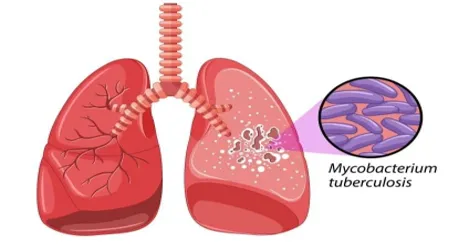
Fig.1: Tuberculosis
As indicated by the WHO update in 2022, about 10.6 million individuals- including 5.8 million males, 3.5 million females, and 1.3 million children- acquired a tuberculosis diagnosis. The goal of the national strategic plan (spanning 2017 to 2025) is to eliminate tuberculosis before 2025. The main reason for TB deaths is drug resistance in TB patients getting treatment. NQs have been shown to provide effective therapies for drug-resistant tuberculosis. [1]
TB is a bacterial infection that primarily affects the lungs but can affect other parts of the body. It can spread through the air when an infected person coughs or sneez-es.
2. Pathogenesis: -
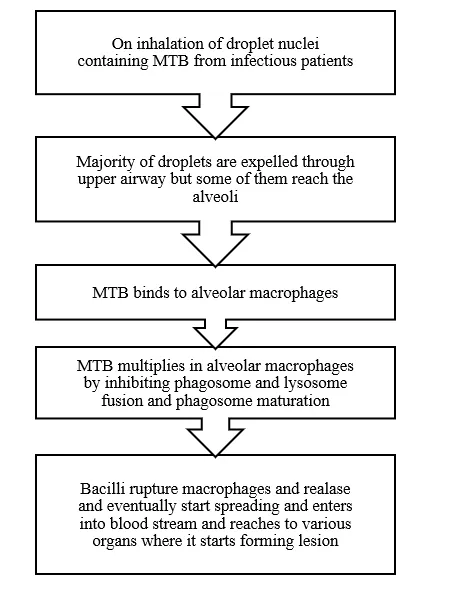
Types of TB:-
Diagnosis:-
Treatment:-
Anti-TB medication forms the fundamental approach to managing EPTB. However, the specific treatment plan represents one of the debated elements in the management of EPTB. Current prevailing guidelines suggest utilizing the same treatment plan for both EPTB and PTB, despite the evidence supporting the recommended treatment for the majority of other EPTB types not being as thoroughly researched as the evidence for PTB. Furthermore, the ability of the blood-brain barrier to regulate the concentration of anti-TB drugs within the brain plays a crucial role in the treatment of TB meningitis. While ethambutol and p-aminosalicylic acid demonstrate minimal to no penetration into the cerebrospinal fluid (CSF), isoniazid, pyrazinamide, protionamide, and cycloserine do .[3]
B. Pulmonary TB (PTB):-
The lungs are primarily affected by pulmonary TB, which is a form of tuberculosis infection. Signs and symptoms of pulmonary TB include cough, sputum production, coughing up blood, difficulty breathing, weight reduction, loss of appetite, fever, general feeling of discomfort, weakening, and severe wasting.
Diagnosis:-
Though culture is preferred if feasible, the majority of TB programs rely on direct sputum smear examination. Reliable susceptibility testing, while especially beneficial for re-treatment, is an advantage that few underdeveloped countries can manage. Rapid susceptibility testing and culture procedures are frequently available in wealthier countries. Though culture is recommended when resources are available, most TB programs employ direct smear examination of sputum. Molecular techniques have enabled the development of rapid, sensitive, and specific tests for Mycobacterium tuberculosis, including polymerase chain reaction, DNA and RNA probes, and interferons. Even though it is especially needed for re-treatment, dependable susceptibility testing is a luxury that only a small number of impoverished countries can afford. The affluent countries frequently have access to quick susceptibility testing and culture methods. Although costly and technologically challenging, molecular methods such as polymerase chain reaction, DNA and RNA probes, and interferon assays have led to the creation of quick, sensitive, and specific tests for Mycobacterium tuberculosis.
Treatment:-
The British Thoracic Society, the World Health Organization, the International Union Against Tuberculosis and Lung Disease, and the National Institute for Health and Clinical Excellence (NICE) all advise using standard chemotherapy. It involves two months of ethambutol and pyrazinamide, followed by six months of rifampicin and isoniazid (typically administered as combination tablets). A combination tablet including pyrazinamide, isoniazid, and rifampicin is also available, along with a tablet that contains all four of these first-line medications. Fixed-dose medication combinations in a single tablet offer a number of benefits, one of which is a lower chance of developing drug resistance. [4]
Newer Drugs for TB Treatment:-
In 2015, the WHO added bedaquiline (Bdq), a diarylquinoline class medication that inhibits ATP synthase and inhibits MTB from obtaining energy, to the MDR TB regimen. Delamanid (Dlm) is a nitroimidazole class medicine that prevents the production of mycolic acid and produces nitric oxide, which is toxic to MTB. Linezolid usage, according to safety studies on bedaquiline and delamanid, has been associated with QT prolongation, peripheral neuropathy, and myelosuppression, all of which can be lessened by optimizing dosage. [5]
Basic structure of 1,4-Naphthoquinone : -
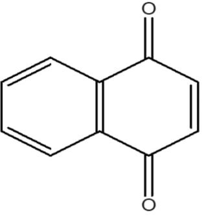
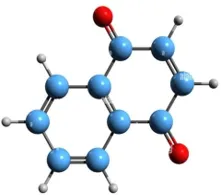
Fig. 2 : 1,4-Naphthoqinone
Derivatives of 1,4 – Naphthoquinone:-
The structural design of 1,4-NQs, which participate in oxidation-reduction reactions, bears resemblance to the arrangement of naphthalene. Investigations have focused on the properties of 1,4-NQ derivatives, including their ability to combat bacteria, fungi, viruses, cancer cells, and parasites. The following sections will explore 1,4-NQs, compounds found both naturally and produced synthetically, which possess considerable potential to fight various bacterial infections. Naphthoquinones, molecules abundant in phenol groups, are present in significant quantities in numerous plants, animals, and fungi. The minimum inhibitory concentration (MIC) serves as a distinct measure of an antimicrobial agent's practical effectiveness. The lowest concentration that prevents visible bacterial growth is the minimum inhibitory concentration (MIC). The minimum bactericidal concentration (MBC) refers to the lowest concentration of a substance needed to eradicate an organism, thereby halting its growth. Consequently, MIC and MBC values are crucial for assessing the suitability of any antimicrobial drug for potential medicinal use.[6]
Structure Activity Relationship:-
DNA gyrase activity of NQs:-
DNA gyrase, a type of DNA topoisomerase, has been a popular target for medications that fight infections because it is present in bacteria and plants but not in animals. All cells require DNA topoisomerases, which are enzymes that cause changes in the structure of DNA. Depending on whether their processes involve brief breaks in a single strand (type I) or both strands (type II) of DNA, they are divided into two groups. While all topoisomerases have the ability to unwind supercoiled DNA, gyrase, a type II enzyme, is also able to generate negative supercoils in a process that is connected to ATP hydrolysis. The subunits GyrA and GyrB make up gyrase, and when the enzyme is active, they combine to form an A2B2 complex with a section of DNA that encircles the protein. The GyrA subunit, which interacts with DNA, contains the active-site tyrosine that causes DNA to break and creates a covalent protein-DNA connection during the reaction cycle. DNA is also bound by GyrB, which houses the ATPase active site. Due to its unique features, gyrase has been a successful target for antibacterial medications. Gyrase is the target of fluoroquinolones, including moxifloxacin and ciprofloxacin, which are highly successful clinical treatments for TB. Fluoroquinolone-resistant tuberculosis, however, is still a major concern despite their efficacy.[7]
Molecular Docking:
Molecular docking is a crucial computational technique used in drug discovery and design to forecast the best orientation of small molecules when they are linked to target proteins. This technique helps to understand the interactions between chemicals and proteins, which encourages the creation of innovative medicinal therapies.
The docking procedure entails the following steps:
Step 1 - Protein and Ligand Preparation: Download the protein's 3D structure from the Research Collaboratory for Structural Bioinformatics Protein Data Bank (PDB). The downloaded structure needs to be pre-processed after that. This includes getting rid of water molecules, stabilizing charges, filling in any gaps, and adding hydrogen atom side chains.
Step 2 - Ligand Preparation: Ligand molecules can be downloaded using databases like ZINC and Pub Chem. It can be drawn as a mol file using the Chem sketch tool. Then, use LIPINSKY'S RULE OF 5 on these ligand molecules. It is used to identify molecules that are similar to or unlike drugs. It raises the likelihood of success and lowers the possibility of failure due to the molecules' drug-like characteristics.
Step 3 - Grid Generation: In this location, rotatable groups, excluded volumes, and constraints are held constant. The primary factor in deciding the number of operations carried out (crossover, migration, mutation). Binding cavity prediction must be completed.
Step 4 - The active site of protein molecule should be predicted. After that Preparation of protein, the water molecules and hetero atoms if present they are removed from cavity
Types of molecular Docking :
|
Sr. No. |
Types of Molecular Docking |
Method |
Application |
Limitation |
|
1. |
Rigid Docking |
|
and Analysis |
|
|
interactions |
|
||
|
Mechanisms |
|
||
|
|
|
||
|
2. |
Flexible Docking |
|
Cost |
|
|
Accuracy |
|
||
|
Sampling |
|
||
|
Flexibility |
|
||
|
3. |
Induced Fit Docking |
|
|
|
|
|
|
||
|
|
|
||
|
|
|
||
|
4. |
Ligand Based Docking |
|
|
|
|
|
|
||
|
|
|
||
|
|
|
||
|
5. |
Protein-Protein Docking |
|
|
|
|
|
|
||
|
|
|
||
|
|
|
Methods of rigid docking:
Limitations of rigid docking
Even though rigid docking stands as a beneficial instrument within molecular modeling, its utility encounters various constraints:
Methods of Flexible Docking:
Limitations of Flexible Docking:
Following this, the most favorable binding configuration is identified
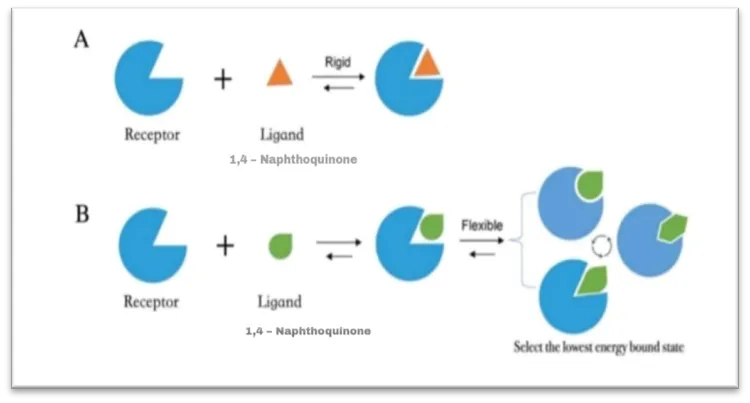
Fig no. 3: Rigid and Flexible Docking
PyRx Software:
To conduct the molecular docking analyses, the PyRx virtual screening program, along with its Graphical User Interface (GUI), was used to create a grid, produce a dockscore, and analyze various conformers. As a computational drug discovery tool, PyRx facilitates the comparison of compound collections against specific therapeutic targets through virtual screening. This software effectively shortens the time and lowers the costs associated with assessing an entire database trial by pinpointing the most suitable candidates. The docking-based virtual screening (DBVS) strategy is beneficial in identifying the best molecular interaction for experimentation and understanding how small compounds attach to their targets.[12]
Objectives
Need of study
The urgent need for innovative medications to treat tuberculosis arises from several significant challenges present in contemporary TB care. The main factors contributing to this demand include:
Given that several NQs and their related compounds have shown promise in tackling these challenges, research indicates a greater opportunity to produce a variety of NQ derivatives to improve their performance and minimize the possibility of drug resistance.[14]
Materials and Method
Programs:
Table No. 1 – Software Utilized for Docking Simulation and the Companies Behind Them
|
Softwares |
Company Names |
|
ChemDraw |
Cheminformatics |
|
ChemSketch |
ACD/Labs |
|
BIOVIA Discovery Studio |
Dassault Systemes |
|
PyRx 0.8 program |
SourceForge |
Method:-
Ligand preparation:
The chemical structures of the intended compounds were sketched out, and their SMILES notations were created using ACD/ChemDraw software. The structures were then protonated with BIOVIA Discovery Studio to fix any tautomeric or ionization problems. The Avogadro software was used to reduce the energy levels of the chemical structures produced. Energy minimization of the synthesized compounds was performed using chem 3D ultra. The structure of the ligands that were just created was then displayed.
Preparing Proteins:
The "extremely open" clamp structure of DNA gyrase, previously published as a crystal form structure (PDB ID: 6GAV) with a resolution of 2.6 Å, can be accessed from the RCSB Protein Data Bank. All heteroatoms and water molecules were then taken out. To protonate the amino acid residues, polar hydrogen atoms were introduced to a purified protein crystal structure. BIOVIA Discovery Studio was used to carry out the protein structure refinement process.[12,15]
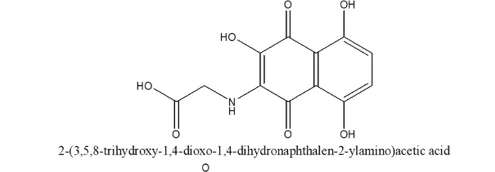
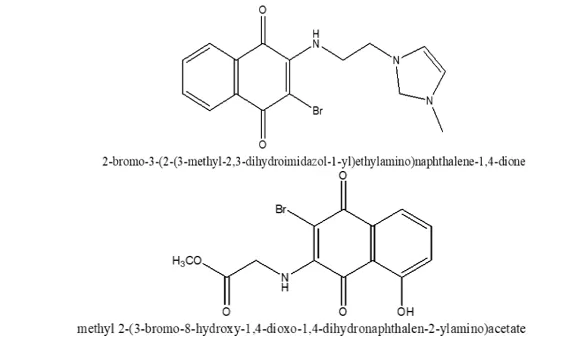
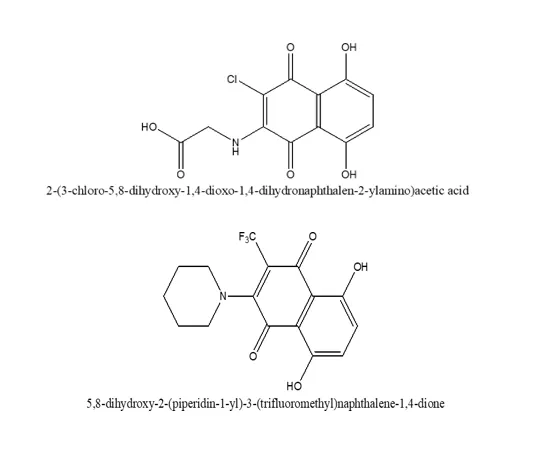
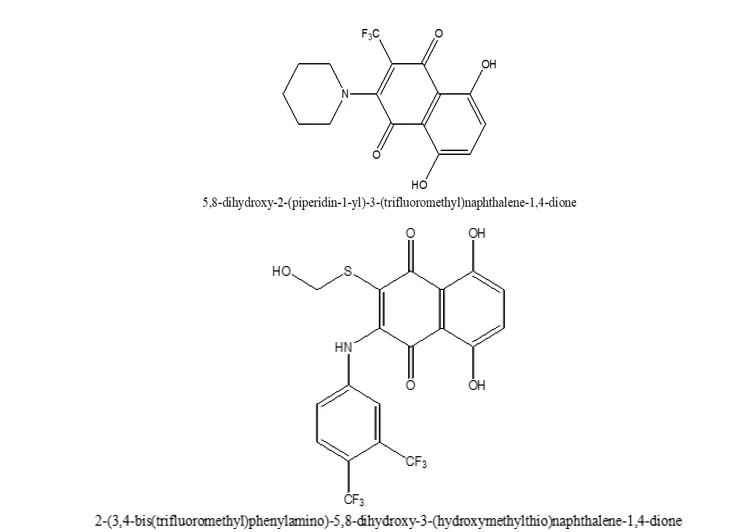
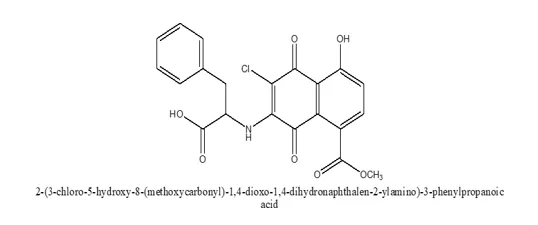
The newly designed 1,4-Naphthoquinone Derivatives as follow:
Future Perspective
1,4-naphthoquinones have strong interactions with MTB proteins, including:
Enzymes are part of the pathway that produces menaquinones.
To avoid toxicity to the host, future design strategies should focus on selective, target-guided inhibitors that use structure-based pharmacophore models.
Even if many compounds show in-vitro effectiveness, further research must include:
This will decide whether it's possible to develop the lead compounds for preclinical use.
AI-guided de novo design can be used to produce novel naphthoquinone analogues with:
The discovery of innovative anti-TB leads can be greatly expedited by combining generative models with docking/MDS.[16]
CONCLUSION
The highlighted paper emphasizes how crucial it is to have innovative medication development tactics to combat chronic illnesses, like tuberculosis (TB), which remains a major health concern worldwide. In conclusion, this study provides valuable information on the efficacy of naphthoquinone derivatives in addition to emphasizing the ongoing need for research and development of new antimicrobial agents in order to accomplish global health objectives like the WHO's End TB Strategy and to address the rising threat of drug-resistant infections. Insights from this paper will be helpful for future research aimed at enhancing our understanding and treatment of infectious diseases. The docking study of 1,4-naphthoquinone revealed that a large number of these substances had high binding affinities. It was discovered that Compound 7 had the strongest binding affinity of all the compounds tested. As a result, based on the data presented above, it was concluded that 1,4-naphthoquinone derivatives may be helpful in the treatment of tuberculosis.
REFERENCES






Avinash Shinde*, Vidya Chougule, Avishkar Kamble, Karan Bhedse, Saloni Dalavi, Vyankatesh Atigidad, 1, 4 - Naphthoquinone: Drug Design, Sar And Molecular Docking Studies For Anti-Tubercular Activity, Int. J. of Pharm. Sci., 2026, Vol 4, Issue 8, 593-608. https://doi.org/10.5281/zenodo.21795743
 10.5281/zenodo.21795743