

We use cookies to ensure our website works properly and to personalise your experience. Cookies policy
Savitribai Phule Pune University.
Inflammation is a preservative pathological process underlying numerous dermatological disorders, including eczema, psoriasis, and arthritis-associated cutaneous manifestations. This necessitates the exploration of novel topical therapeutics with improved efficacy and minimal adverse effects. Solanum Nigrum Linn. A perennial herbaceous plant of the Solanaceae family, commonly known as black nightshade, has been widely employed in traditional systems of medicine across Asia, Africa, and Europe for its anti-inflammatory, analgesic, and wound healing properties. These effects are attributed to a diverse array of bioactive phytoconstituents, including steroidal alkaloids (solamargine, solasonine), saponins, polyphenols, and polysaccharides. The objective was to develop a phytotherapeutic alternative to synthetic corticosteroids, such as hydrocortisone, which are associated with tachyphylaxis, skin atrophy, and risks of systemic absorption.
Solanum nigrum (black nightshade) is a member of the Solanaceae family that has been widely used in traditional medicine for its anti-inflammatory, wound-healing, and antimicrobial activities. Topical formulations such as creams and gels prepared from its extracts are commonly applied in the management of various skin conditions. These preparations contain bioactive compounds including alkaloids, saponins, flavonoids, and steroidal constituents, which have been shown to suppress pro-inflammatory mediators such as nitric oxide (NO), interleukin-6 (IL-6), and interleukin-1β (IL-1β). Although there is no single commercially dominant “Solanum nigrum anti-inflammatory cream,” several studies have reported the use of herbal topical formulations incorporating this plant for the treatment of inflammation-related disorders, including arthritis, burns, and dermatitis.
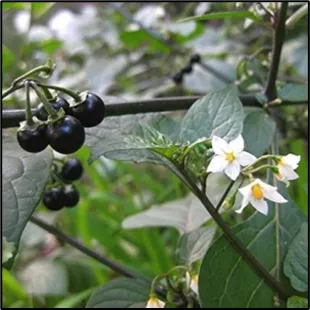
Figure 1.1: Solanum nigrum plant
An annual herb with upright branches, Solanum nigrum is used in Ayurvedic and traditional medicine to treat skin conditions, inflammation, tumors, and ulcers. [Bioactive substances like solanine, a glycoalkaloid with COX-2 inhibitory effects, steroidal saponins, and glycoproteins that support analgesic and anti-inflammatory properties can be found in its leaves, fruits, and stems. Research validates its effectiveness in mitigating both acute and subacute inflammation, with hydroalcoholic extracts exhibiting organ-protective properties at doses of approximately 100
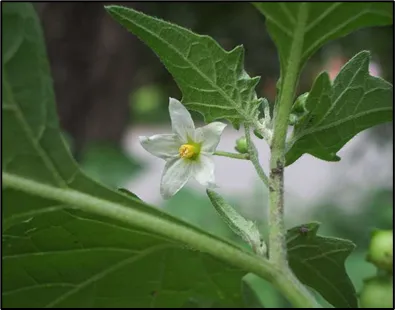
Figure 1.2: Solanum Nigrum Flower
Solanum nigrum extracts reduce inflammation in models such as LPS-stimulated macrophages and DNCB-induced atopic dermatitis in mice by blocking p-p38, NF-κB pathways, and cytokine production. Berries' steroidal saponins lower IL-6/IL-1β levels and show strong NO inhibition (IC50 9.7 μM). Topically, it helps with disorders like arthritis and burns by limiting mast cell infiltration, reducing skin thickness, and promoting collagen formation.
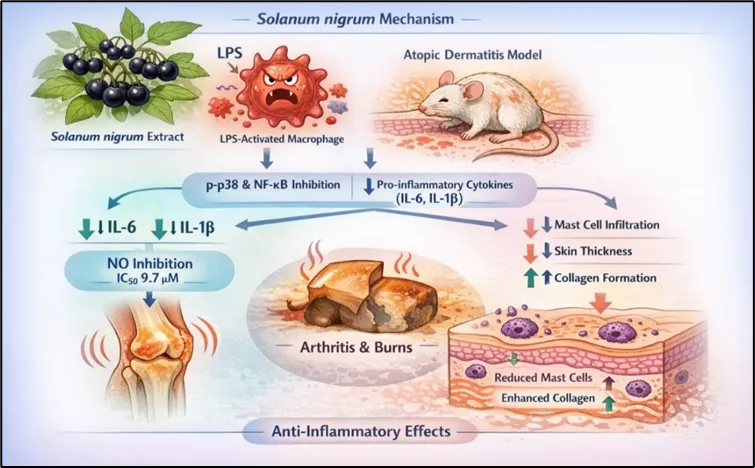
Figure 1.3: Anti-inflammatory Mechanism of Solanum Nigrum
Solanum nigrum (black nightshade) is an important medicinal plant that has been widely used in traditional medicine for the treatment of inflammation and skin-related problems. In many cultures, its leaves and fruits are processed and applied as creams, pastes, or ointments to reduce swelling, pain, redness, and irritation. The plant contains bioactive compounds such as flavonoids, alkaloids, and polyphenols, which are known to possess anti-inflammatory and antioxidant properties. These compounds help in controlling inflammatory responses and promoting tissue repair, making Solanum nigrum useful in the management of wounds, burns, rashes, and joint or muscle pain.
The traditional anti-inflammatory cream made from Solanum nigrum is also valued because it is natural, affordable, and easily available, especially in rural communities where access to modern healthcare may be limited. Its use supports local knowledge systems and provides a low-cost alternative to synthetic medicines. In addition, regular application of properly prepared extracts may enhance skin protection and speed up the healing process. However, since the plant contains toxic substances in raw form, traditional methods of preparation are important to reduce possible side effects. Overall, Solanum nigrum plays a significant role in traditional medicine as a safe and effective herbal remedy when used correctly, and it continues to attract scientific interest for the development of natural anti-inflammatory treatments.
1.General Habit:
2.Stem:
3.Leaves:
4.Flower:
5.Floral Parts
6.Fruit
7.Seeds
Solanum nigrum, also known as black nightshade or Kakamachi, has a variety of therapeutic applications supported by pharmacological research and rooted in traditional systems such as Ayurveda.
Through external pastes or decoctions that reduce swelling and promote healing, the plant treats skin problems such as eczema, boils, carbuncles, and wounds. Because of its carminative and purgative properties, it treats fever, liver problems, splenomegaly, hemorrhoids, and digestive problems such as ascites and appetite loss.
By blocking mediators like cytokines and COX-2, extracts relieve inflammatory disorders like arthritis, unpleasant menstrual cramps, bruises, sprains, and joint inflammation. Topical formulations, like the gels or creams mentioned earlier, are used to treat scrotal edema, burns, and dermatitis.
It uses antibiotic activity against pathogens like S. aureus to fight illnesses such as urinary tract problems, diarrhoea, prostatitis, chronic bronchitis, and eye/ear disorders. Traditionally, it has been used to remove heat and poisons, as well as to treat rat bites and opium toxicity
Antitumor, hepatoprotective, antidiabetic, neuroprotective, antioxidant, and immunomodulatory activities are highlighted in contemporary research, with applications in diarrhoea, hypertension, and intestinal flora regulation.
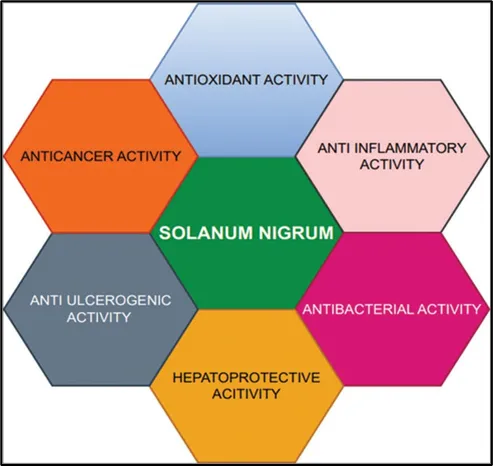
Figure 1.3: Uses of Solanum nigrum
AIM & OBJECTIVE
To formulate and evaluate a topical anti-inflammatory cream incorporating Solanum nigrum extract
LITERATURE SURVEY
1. Anzoom, S., Tahsin, M. R., Kabir, S., & Amran, M. S. (2023). Anzoom et al. provide a comprehensive and mechanistic review of Solanum nigrum, emphasizing its strong anti-inflammatory potential driven by a diverse range of phytochemicals including flavonoids, alkaloids, polyphenols, and glycoproteins.Their analysis highlights that these constituents act synergistically to suppress key inflammatory mediators such as tumor necrosis factor-alpha (TNF-α), interleukin-6 (IL-6), and interleukin-1 beta (IL-1β), while also inhibiting signaling pathways like nuclear factor kappa B (NF-κB) and cyclooxygenase (COX). The review further suggests that these molecular interactions position S. nigrum as a promising candidate for managing chronic inflammatory diseases, although it calls for more targeted clinical validation.
2. Saleem, T. S. M., et al. (2009) Saleem and colleagues present a foundational pharmacological overview of Solanum nigrum, with particular emphasis on its anti-inflammatory effects rooted in traditional medicinal usage.They report that steroidal alkaloids and saponins present in the plant significantly contribute to the inhibition of inflammatory cascades, particularly by interfering with prostaglandin biosynthesis. The study integrates ethnobotanical knowledge with experimental findings, reinforcing the plant’s long-standing application in treating inflammatory conditions such as arthritis, fever, and swelling.
3. Wang, X. et al. (2023) Wang et al. conducted a detailed phytochemical and pharmacological investigation focusing on steroidal sapogenins isolated from the stems of Solanum nigrum. Their study identified multiple novel compounds that demonstrated potent anti-inflammatory activity in LPS-induced macrophage models. Specifically, these compounds significantly inhibited nitric oxide production and downregulated the expression of key inflammatory mediators, including NF-κB, inducible nitric oxide synthase (iNOS), cyclooxygenase-2 (COX-2), IL-1β, and IL-6. This work provides strong molecular-level evidence supporting the plant’s anti-inflammatory potential.
4. Thompson et al. (2009) Thompson and co-workers carried out in vivo pharmacological evaluations of aqueous leaf extracts of Solanum nigrum using established animal models of inflammation. Their results demonstrated a significant reduction in inflammation, as evidenced by decreased edema and inflammatory responses. The study attributes these effects to inhibition of prostaglandin synthesis and modulation of inflammatory signaling pathways, thereby validating traditional medicinal claims with experimental data.
5. V, N., S, V., & R, K. (2025). In an in-vitro study using THP-1 macrophage models, V et al. investigated the anti-inflammatory potential of ethanolic leaf extracts of Solanum nigrum.
Their findings revealed a marked downregulation of pro-inflammatory cytokines such as TNF-α, IL-1β, and IL-6. The study further suggests that the extract interferes with intracellular signaling pathways responsible for cytokine production, highlighting its potential application in inflammatory conditions such as recurrent aphthous stomatitis and other oral inflammatory disorders.
6. Zakaria, Z. A., et al. (2006). Zakaria and colleagues evaluated the anti-inflammatory activity of Solanum nigrum extracts using carrageenan-induced paw edema models in rats. The study demonstrated significant inhibition of edema formation, indicating both peripheral and central anti-inflammatory actions. The authors proposed that the extract may act through suppression of inflammatory mediators such as histamine, serotonin, and prostaglandins.
7. Jain, R. et al. (2011) investigated the hepatoprotective activity of Solanum nigrum with emphasis on its anti-inflammatory mechanisms. The study utilized chemically induced liver damage models in experimental animals. Significant reduction in liver inflammation was observed following treatment. This was evidenced by decreased levels of inflammatory biomarkers. The extract also normalized elevated liver enzymes. Histopathological analysis showed improved liver architecture. The anti-inflammatory effect was attributed to flavonoids and phenolic compounds. These compounds are known to suppress oxidative stress. Reduction in cytokine-mediated inflammation was also reported. The study indicated a strong link between antioxidant and anti-inflammatory actions. The authors recommended further molecular-level investigations. Overall, the findings confirmed its role in hepatic inflammation control.
8. Arunachalam, G. et al. (2009). Arunachalam et al. evaluated the pharmacological effects of Solanum nigrum in diabetic animal models. The study focused on both metabolic and inflammatory parameters. Results showed a significant reduction in blood glucose levels. Simultaneously, inflammatory markers were notably decreased. Cytokines such as TNF-α and IL-6 were suppressed. The extract improved insulin sensitivity. Oxidative stress levels were also reduced. This contributed to decreased systemic inflammation. The findings suggest dual antidiabetic and anti-inflammatory roles. The study emphasized the importance of phytochemicals. Further clinical validation was recommended. Overall, the plant demonstrated systemic inflammation control.
9. Heo, K. S., et al. (2004). Heo et al. studied the antioxidant properties of Solanum nigrum and their relation to inflammation. Various in-vitro assays were used to evaluate free radical scavenging activity. The extract showed strong antioxidant potential. This activity plays a key role in reducing inflammation. Oxidative stress is a major cause of inflammatory responses. By neutralizing free radicals, inflammation was reduced. The study highlighted the role of polyphenols and flavonoids. These compounds contribute significantly to antioxidant defense. Indirect anti-inflammatory effects were clearly demonstrated. The results support traditional medicinal applications. Further pharmacological studies were suggested. Overall, antioxidant-mediated anti-inflammatory action was confirmed.
10. Patel, S. et al. (2012). Patel et al. investigated the wound healing activity of Solanum nigrum extracts. The study emphasized the role of anti-inflammatory mechanisms in healing. Experimental wound models were used for evaluation. The extract significantly reduced inflammation at wound sites. This facilitated faster tissue repair and regeneration. Antimicrobial activity also contributed to healing. Reduced infection led to lower inflammatory responses. The presence of flavonoids enhanced the therapeutic effect. Collagen synthesis was improved during treatment. The extract showed dose-dependent activity. The study supported traditional wound healing uses. Overall, anti-inflammatory effects played a central role in recovery.
11. Singh, A. et al. (2014). Singh et al. explored the neuroprotective effects of Solanum nigrum. The study focused on inflammation in neuronal tissues. Experimental models of neurodegeneration were used. Results showed reduced neuroinflammation. Inflammatory cytokines in brain tissues were decreased. Oxidative stress markers were also lowered. The extract protected neurons from damage. This effect was linked to anti-inflammatory mechanisms. The study highlighted the role of bioactive compounds. Potential applications in neurological disorders were suggested. Further studies were recommended for clinical use. Overall, the plant showed promise in neuroinflammatory conditions.
12. Kanchana, N., & Sadiq, A. M. (2011). Kanchana and Sadiq evaluated cytotoxic and anti-inflammatory properties of Solanum nigrum. The study used cancer cell lines for analysis. Significant inhibition of cell proliferation was observed. Inflammation-associated pathways were suppressed. The extract reduced the expression of inflammatory mediators. This contributed to the inhibition of tumor growth. Alkaloids and saponins were identified as active compounds. These compounds play a role in inflammation control. The study suggested a link between inflammation and cancer progression. Anti-inflammatory activity enhanced anticancer effects. Further molecular studies were recommended. Overall, the findings highlighted therapeutic potential in oncology.
13. Gupta, S. et al. (2013). Gupta et al. investigated the antiulcer activity of Solanum nigrum. The study focused on gastric inflammation and mucosal damage. Experimental ulcer models were employed. The extract significantly reduced the ulcer index. Gastric inflammation was markedly decreased. Mucosal protection was observed during treatment. The mechanism involved the reduction of inflammatory mediators. Antioxidant activity also contributed to the effect. The extract improved gastric healing processes. Dose-dependent responses were recorded. The study supported traditional medicinal uses. Overall, anti-inflammatory action was key to gastroprotection.
14. Krishnamurthi, K. et al. (2010) Krishnamurthi et al. studied the anti-asthmatic activity of Solanum nigrum. The research focused on airway inflammation. Animal models of asthma were used. The extract reduced inflammation in lung tissues. Infiltration of inflammatory cells was decreased. Bronchodilatory effects were also observed. Cytokine levels in respiratory tissues were reduced. This contributed to improved breathing function. The study highlighted immunomodulatory effects. Anti-inflammatory activity played a central role. Further clinical studies were suggested. Overall, the plant showed potential in respiratory inflammation.
15. Hussain, T. et al. (2015) examined the hepatoprotective effects of Solanum nigrum. The study emphasized anti-inflammatory mechanisms. Liver injury models were used for evaluation. The extract reduced inflammatory cytokine levels. Oxidative stress markers were also decreased. Improvement in liver enzyme levels was observed. Histological analysis showed tissue recovery. The study highlighted the role of phenolic compounds. These compounds contribute to inflammation reduction. The extract showed strong therapeutic potential. Further pharmacological studies were recommended. Overall, the anti-inflammatory effects supported liver protection.
16. Kumar, S., et al. (2015). Kumar et al. investigated the immunomodulatory effects of Solanum nigrum. The study focused on the regulation of immune responses. Inflammatory cytokine levels were significantly reduced. The extract enhanced immune system balance. Both pro- and anti-inflammatory pathways were modulated. Macrophage activity was regulated effectively. The study demonstrated improved immune responses. Reduction in chronic inflammation was observed. Phytochemicals played a major role in activity. The findings support therapeutic applications. Further clinical validation was recommended.
Overall, the plant showed strong immunomodulatory and anti-inflammatory effects.
MATERIALS AND METHODS
Table 4.1: Ingredients & their sources
|
Sr. No. |
Ingredients |
Category |
Source |
|
1 |
Solanum Nigrum Dried Fruit Powder |
Anti-Inflammatory |
Herbal Supplier/ Dried Leaves |
|
2 |
Carrier oil ( Coconut oil) |
Oil phase/Solvent for actives |
Grocery/cosmetic oil supplier |
|
3 |
Beeswax |
Thickener + Stabalizer |
Cosmetic raw material |
|
4 |
Vit. E Oil |
Antioxident+skin healing+preservative booster |
Pharmacy |
|
5 |
Citric acid |
Ph adjuster + mild preservative |
Pharmacy |
|
6 |
Distilled Water |
Aqueous phase |
Medical store |
Table 4.2: Equipment & their Purpose
|
Sr. No. |
Equipment |
Purpose |
|
1 |
Digital weighing scale |
Accurate measurement pf ingredients |
|
2 |
Herb-proof glass beaker |
Heating Oil and Wax Safety |
|
3 |
Water bath |
Gentle heating |
|
4 |
Thermometer |
Motor infusion and melting temperature |
|
5 |
Fine Muslin Cloth/ Filter |
Staining infused herbal oil |
|
6 |
Stirring Rod |
Mixing Phase |
|
7 |
Hand blender |
Emulsifying oil+water into cream |
|
8 |
Clean glass air |
Final storage |
Table 4.3: Drug Profile
|
Common Name
|
Black nightshade, Makoi
|
||
|
Prioritised Scientific Name
|
Solanum nigrum L.
|
||
|
Alternative Scientific Name: |
Solanum retroflexum Dunal
|
||
|
International Common Name: |
English: blackberry nightshade
|
||
|
Geographical Source
|
Chennai, Tamil Nadu, India
|
||
|
Species in India
|
S. americanum, S. nigrum, S. villosum |
||
|
Synonyms |
|
Table 4.4: Taxonomical Character Of Drug
|
|
Kingdom: Plantae – Plants Subkingdom: Tracheobionta – Vascular Plant Infra-kingdom: Streptophyta Division: Magnoliophyta – Flowering Plant |
Used in the treatment of:
The first step is to carefully gather fresh, fully mature, healthy, and disease-free Solanum nigrum fruits from a clean, uncontaminated region. The fruits should be dark purple to black in color, as this signifies proper maturity and better medicinal efficacy.
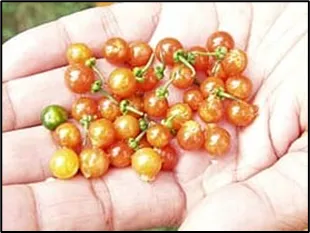
Figure 4.1: Collection of Fruits
In order to eliminate dust, soil particles, pesticides, and microbiological pollutants that could compromise the finished cream's quality and safety, the fruits should be properly cleaned multiple times under clean running water before being rinsed with distilled water.
In order to prevent excessive heat from destroying the active phytochemicals, the washed fruits should then be uniformly spread out on clean trays or muslin cloth and left to dry for a few days at room temperature in a shady, well-ventilated place away from direct sunlight.
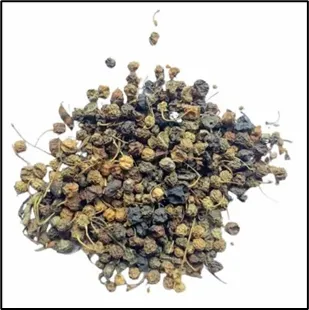
Figure 4.3: Drying Of fruits
The fruits should be crushed and ground into a fine, consistent powder using an electric grinder or a clean mortar and pestle once they are completely dry and moisture-free. After removing any coarse particles with a sieve, the powder should be stored in an airtight container.
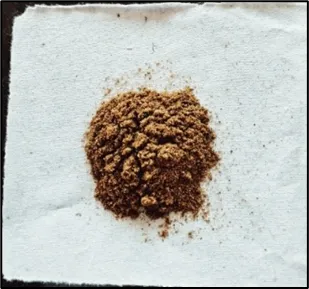
Figure 4.4: Powder preparation
A determined quantity of the dried fruit powder should be mixed with a suitable carrier oil, such as coconut oil, olive oil, or almond oil, in a clean glass container to extract the active compounds from the fruits into the oil. After that, the mixture should be continuously stirred while being gradually heated at a low temperature for one to two hours using the water bath method.
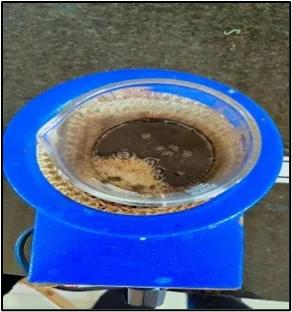
Figure 4.5: Herbal Oil Preparation
In order to get a clear, herbal-infused oil for cream manufacturing, the oil mixture should be heated, allowed to cool somewhat, and then filtered using clean muslin cloth or filter paper to remove the solid fruit residues.
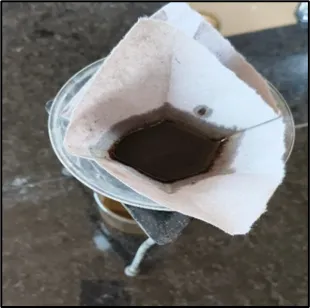
Figure 4.6: Filtration of herbal Oil
A determined amount of beeswax should be placed in a different heat-resistant container and gradually melted using a double boiler or water bath method, being careful to avoid direct heat to prevent wax deterioration.
The melted beeswax should then be gradually mixed with the filtered Solanum nigrum fruit-infused oil while being constantly stirred to create a sturdy, lump-free base.
After removing the mixture from heat and allowing it to cool slightly, vitamin E oil should be added slowly while stirring gently, since vitamin E functions as an antioxidant and skin-nourishing agent that improves the stability and healing characteristics of the cream.
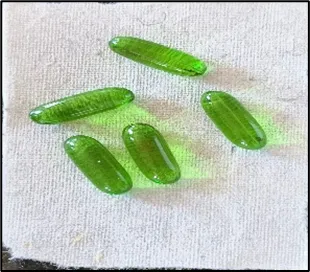
Figure 4.7: Addition of Vit-E Oil
To maintain the cream's pH and extend its shelf life, a small amount of citric acid should be separately dissolved in distilled water to create a dilute solution.
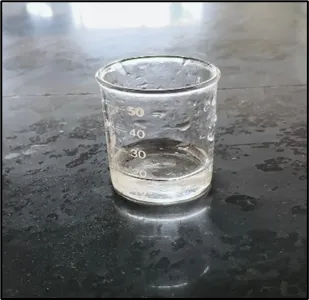
Figure 4. 8: Citric acid solution
To maintain the pH of the cream and extend its shelf life, a tiny amount of citric acid should be separately dissolved in distilled water to create a diluted solution.
As the mixture cools to room temperature, it should be constantly mixed to allow it to gradually thicken into a smooth, creamy consistency without creating air bubbles or an uneven texture
.
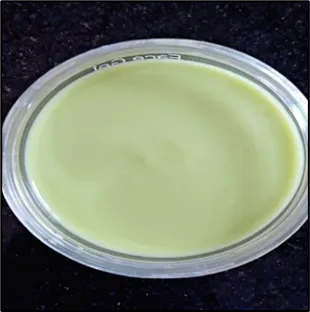
Figure 4.8: Anti- Inflammatory Cream
EVALUATION
1. Organoleptic Evaluation:
To evaluate the cream's sensory qualities and physical appearance, an organoleptic examination was conducted. A tiny amount of the formulation was taken in a sterile container and examined visually for color, clarity, and homogeneity under normal lighting. In order to identify any unpleasant or unusual smell, the sample was carefully smelt. A tiny quantity of the cream was rubbed between the fingers to test its smoothness, grittiness, and greasiness in order to assess its texture and feel. If the formulation had a consistent color, a pleasant smell, a smooth texture, and no phase separation, it was deemed acceptable
2. pH Determination:
To guarantee skin compatibility and reduce irritation, the cream's pH was established. To create a homogenous solution, roughly 1 gram of the formulation was precisely weighed and dissolved in 10 milliliters of purified water. With periodic stirring, the dispersion was let to stand for half an hour. A calibrated digital pH meter was then used to measure the solution's pH. Before and after the measurement, distilled water was used to rinse the electrode. To determine whether the recorded pH value was appropriate for topical administration, it was compared to the usual pH range of skin.
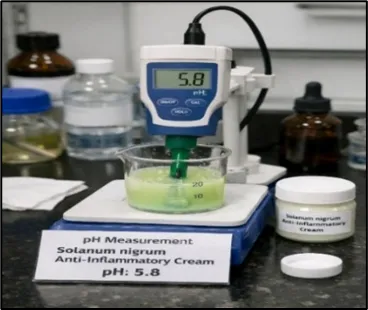
Figure 5.1 PH meter
3. Viscosity Test:
An Ostwald viscometer is used to measure the viscosity of Solanum nigrum anti-inflammatory cream. The viscometer is first completely cleaned and dried. After that, it is filled with distilled water and kept in a water bath at a steady temperature of roughly 25 °C. A stopwatch is used to measure the amount of time it takes for water to move between the two markings after the liquid is dragged above the upper mark using suction and allowed to flow freely. The Solanum nigrum cream is then diluted and added to the viscometer. The same method is used to capture the sample's flow time between the same two markings. The relative viscosity formula is then used to determine the viscosity of the cream formulation by contrasting the sample's density and flow time with those of water.
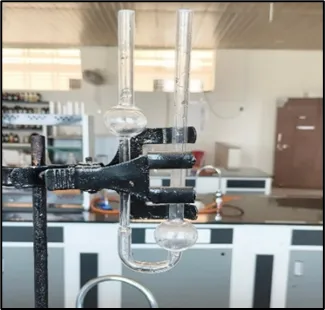
Figure 5.2: Oswald Viscometer
4. Homogeneity Test:
To guarantee that the active ingredient and excipients were distributed uniformly, the formulation's homogeneity was assessed. On a spotless glass slide, a tiny bit of cream was applied, and it was examined in standard lighting. We looked for lumps, aggregates, or coarse particles in the sample. If necessary, a microscopic examination was also performed. If there were no discernible particles or imperfections, the formulation was deemed homogenous.
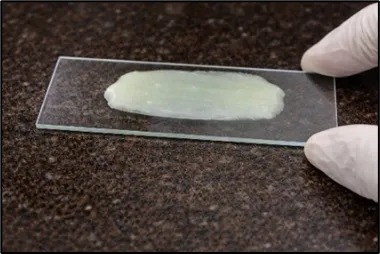
Figure 5.3: Determination of Homogeneity
5. Spreadability Test:
To find out how easily the cream spreads on the skin's surface, the spreadability test was conducted. A predetermined amount of cream sandwiched two pristine glass slides. To release trapped air and create a consistent film, a standard weight was applied to the upper slide for five minutes. A timer was used to record how long it took the slide to travel a predetermined distance after the weight was removed and another weight was fastened to the upper slide. An established formula was used to determine spreadability. Better application ease was indicated by a greater spreadability value.
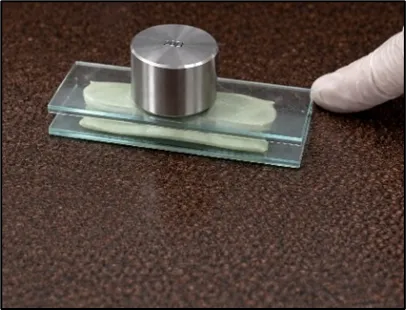
Figure 5.3: Measurement of Spreadability
The purpose of the skin irritation test was to assess the formulation's safety for topical application. Under controlled conditions, the cream was administered to the forearm of human volunteers or to a shaved portion of animal skin. After being treated, the area was patched and left for a full day. Following the patch's removal, the skin's redness, swelling, itching, and inflammation were assessed. Up to 72 hours of observations were made at regular intervals. In cases where no discomfort was noticed, the formulation was deemed safe
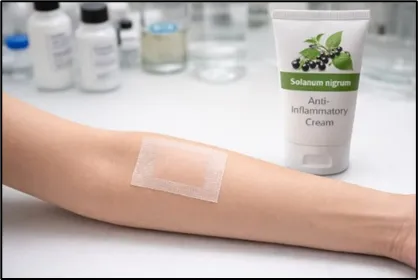
Figure 5.4: Skin Irritation Model
7. Stability Studies:
To ascertain the cream's shelf life and storage requirements, stability tests were conducted. In accordance with ICH requirements, the formulation was stored at various temperatures and humidity levels while being packaged in appropriate containers. Samples were removed at regular intervals and analyzed for changes in color, odor, pH, viscosity, medication content, and microbiological growth. If the formulation did not alter significantly over the course of the trial, it was deemed stable.
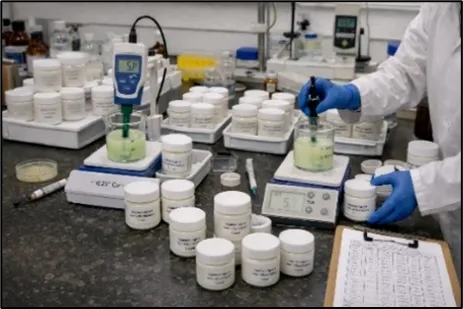
8. Microbial Limit Test:
A straightforward and popular approach for assessing the biological activity of herbal formulations, such as a cream made from Solanum nigrum, is the cup-plate method. This procedure involves first preparing and sterilizing nutritional agar or Mueller-Hinton agar before pouring it into sterile Petri dishes. Following solidification, a sterile brush is used to inoculate the agar's surface with a standardized microbiological suspension. A sterile cork borer is then used to create uniform-diameter wells or cups in the agar. These wells are carefully filled with the prepared anti-inflammatory Solanum nigrum cream. A standard medication and a control (base cream) are applied to different wells in addition to the test sample for comparison. After that, the plates are incubated under ideal conditions for 18–24 hours at 37°C. The plates are checked for the development of clear zones surrounding the wells after incubation. These distinct regions, which show antimicrobial activity, are referred to as zones of inhibition. To evaluate the efficacy of the formulation, the zones' diameter is measured in millimeters. Greater biological activity of the cream is shown by a bigger zone of inhibition. This approach can indirectly promote anti-inflammatory potential even if it primarily assesses antibacterial effects. As a result, it is frequently employed in herbal research as an initial screening technique. To verify actual anti-inflammatory activity, more testing is necessary.
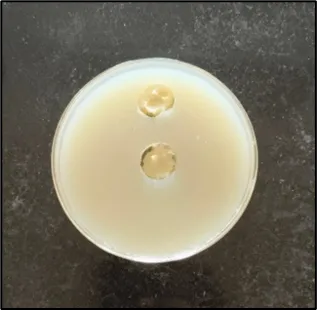
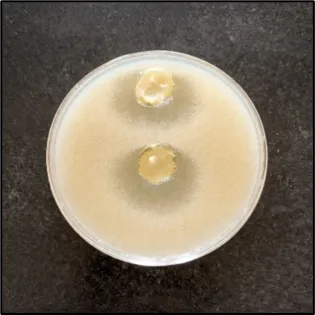
Figure 5.6: Zone of Inhibition
9. Washability Test
To ascertain how easily the cream might be removed from the skin, a washability test was conducted. On the back of the hand, a tiny bit of cream was put, and it was left there for a few minutes. After that, tap water was used to clean the area. The presence of greasy residue and ease of removal were noted. Better patient comfort was suggested by good washability.
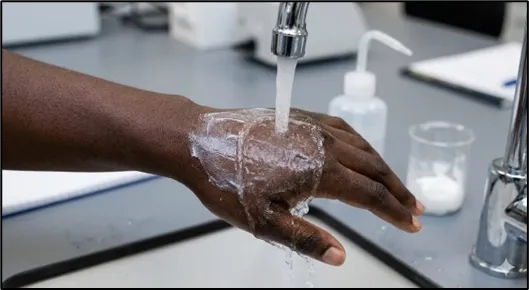
Figure 5.7: Test of washability
10. Extrudability Test
To evaluate the cream's ease of dispensing from the container, the extrudability test was performed. Standard pressure was applied to the crimped end of the filled tube. A weight and record of the amount of cream extruded were made. The average value was determined after the test was conducted three times. Extrusion that was smooth and uniform suggested high compatibility with packing.
11. Solanine Content Test
Using 20–30 mL of methanol, extract 1–5 g of Solanum nigrum cream by boiling or sonicating it. The sample solution is obtained by filtering and concentrating the extract, then dissolving the residue in methanol. Make a standard solution of solanine in methanol (0.1–1 mg/mL). Draw a baseline 1.5 cm from the bottom of a silica gel 60 F254 TLC plate, then use a capillary tube to add equal quantities of the standard and sample solutions. Develop the plate in a saturated chamber with the mobile phase being either chloroform:methanol:water (65:35:4) or chloroform:methanol:ammonia (70:30:1). After letting the solvent rise to a height of 8 to 10 cm, take the plate out and dry it. See the spots when exposed to UV light (254/365 nm) or when you spray Dragendorff's reagent on them. Compute the Rf. Using 20–30 mL of methanol, extract 1–5 g of Solanum nigrum cream by boiling or sonicating it. The sample solution is obtained by filtering and concentrating the extract, then dissolving the residue in methanol. Make a standard solution of solanine in methanol (0.1–1 mg/mL). Draw a baseline 1.5 cm from the bottom of a silica gel 60 F254 TLC plate, and then use a capillary tube to add equal quantities of the standard and sample solutions. Develop the plate in a saturated chamber with the mobile phase being either chloroform:methanol:water (65:35:4) or chloroform:methanol:ammonia (70:30:1). After letting the solvent rise to a height of 8 to 10 cm, take the plate out and dry it. See the spots when exposed to UV light (254/365 nm) or when you spray Dragendorff's reagent on them. To verify and semi-quantitatively estimate the solanine concentration, calculate the Rf value and compare the sample spot with the standard.
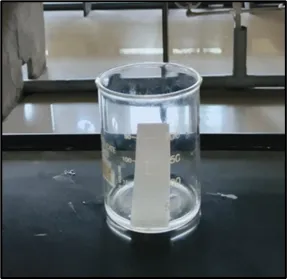
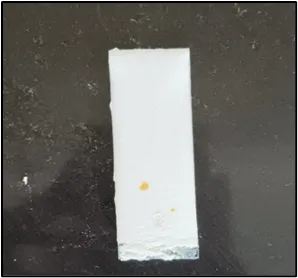
Figure 5.8: TLC for solanine content
RESULT & DISCUSSION
1. Organoleptic characteristics:
Table 6.1: Organoleptic Characteristics
|
Sr. No. |
Parameter |
Result |
|
1 |
Colour |
Light greenish (normal) |
|
2 |
Odour |
Mild/characteristic |
|
3 |
Texture |
Smooth, soft, and easily spreadable |
2. PH Determination:
Table 6.2: PH Determination
|
Sr No. |
Parameter |
Observation |
Result |
|
1 |
PH |
5.8 |
The cream is slightly acidic, which is close to the natural skin pH |
|
2 |
Interpretation |
Within skin-friendly range |
Suitable for topical application |
3. Viscosity Test:
Formula:
ηsample=ηwater×ρsample×tsampleρwater×twater

η

ρ

t

Table 6.3: Viscosity Test
|
Sr. No. |
Parameter |
Value |
|
1 |
Viscosity of water (η₁) |
0.89 cp |
|
2 |
Density of water (ρ₁) |
1g/cm3 |
|
3 |
Flow time of water (t₁) |
31 sec |
|
4 |
Density of sample (ρ₂) |
0.98 g/cm3 |
|
5 |
Flow time of sample (t₂) |
51 sec |
Calculation :
ηsample=0.89×0.98×51/1×31
ηsample=0.89 ×1.61


= 1.43 cP
The cream formulation's viscosity was determined to be roughly 1.43cP, indicating a consistency appropriate for topical administration.
4. Homogeneity Test:
Table 6.4: Homogeneity test
|
Sr. No. |
Parameter |
Observation |
Result |
||
|
1 |
Homogeneity Test |
Smooth, uniform appearance; no lumps or particles |
Homogeneous |
||
|
2 |
Visual Inspection |
|
Pass |
||
|
3 |
Consistency Check |
Even distribution on the glass slide. |
Uniform |
5. Spreadability Test:
Table 6.5: Spreadability Test
|
Sr. No |
Parameter |
Observation |
Result |
||
|
1 |
Spreadability Test |
Cream spread easily between the glass slides. |
Good |
||
|
2 |
Time Taken |
Short time to move the upper slide |
indicates high spreadability |
||
|
3 |
Consistency |
|
Smooth and uniform |
||
|
4 |
Ease of Application |
Cream spreads effortlessly on the surface. |
Suitable for topical application |
6. Skin Irritation Test:
Table 6.6: Skin irritation test
|
Sr. No. |
Parameter
|
Observation |
Result |
|
1 |
Skin Irritation Test |
No redness or swelling observed |
Non-irritant |
|
2 |
Itching Sensation |
No itching or discomfort reported |
Absent |
|
3 |
Patch Test Observation |
Skin remained normal after 24 hours. |
Safe |
|
4 |
Extended Observation |
No delayed irritation up to 72 hours |
Stable and non-reactive |
7. Stability Test:
Table 6.7: Stability Test
|
Sr. No. |
Parameter
|
Observation |
Result |
|
1 |
Colour |
No change in characteristic colour |
Stable |
|
2 |
Odour |
No change in characteristic odour |
Stable |
|
3 |
pH |
Remained within acceptable range (5.5–6.5) |
Stable |
|
4 |
Viscosity |
No major variation |
Consistent |
|
5 |
Overall Stability |
No physical or chemical changes during the study period |
Stable formulation
|
8. Microbial Limit Test:
Table 6.8: Microbial limit test
|
Sr No. |
Parameter |
Observation |
Result |
||
|
1 |
Sample Application |
Two wells (cups) filled with cream were observed. |
Proper loading |
||
|
2 |
Zone of Inhibition |
|
Antimicrobial activity present |
||
|
3 |
Zone Diameter (approx.) |
Moderate and uniform zones around both samples |
Effective |
||
|
4 |
Comparison Between Wells |
Similar zone size observed |
Consistent activity |
||
|
5 |
Diffusion Pattern |
Uniform radial diffusion |
Good diffusion property |
9. Washability Test:
Table 6.9: Washability Test
|
Sr. No. |
Parameter
|
Observation |
Result |
|
1 |
Washability Test |
Cream removed easily with tap water |
Good |
|
2 |
Residue |
No greasy or sticky residue observed |
Non-greasy |
|
3 |
Ease of Removal |
Washed off without excessive rubbing |
Easy |
|
4 |
Skin Feel |
Skin felt clean and smooth after washing |
Comfortable |
Table 6.10: Extrudability test
|
Sr. No. |
Parameter
|
Observation |
Result |
|
1 |
Extrudability Test |
Cream extruded smoothly and uniformly from the tube |
Good |
|
2 |
Amount Extruded |
Adequate quantity under standard pressure |
Satisfactory |
|
3 |
Consistency |
No breakage or irregular flow during extrusion |
Uniform |
11. Solanine Content Test:
Formula (Rf value):
RF=Distance travelled by solute (spot)Distance travelled by solvent front

RF = 3.1/5.3
= 0.58
Table 6.11: Solanine Content Test
|
Sr. No. |
Parameter |
Value |
|
1 |
Distance travelled by the solute |
3.1 cm |
|
2 |
Distance travelled by the solvent |
5.3 cm |
|
3 |
RF Value |
0.58 |
DISCUSSION
1. Physical Evaluation (Colour, Odour, Texture):
The cream had a consistent consistency without lumps or phase separation, a smooth texture, a distinctive smell, and a pale greenish color. These characteristics show consistent ingredient distribution and acceptable formulation aesthetics, both of which are critical for patient acceptability and product stability.
2. pH Determination:
The pH of the cream was determined using a calibrated digital pH meter. The observed pH value was 5.8, indicating that the formulation is slightly acidic in nature. This pH is close to the natural skin pH, suggesting good compatibility and minimal risk of irritation. Therefore, the formulation can be considered safe and suitable for topical application.
3. Viscosity Determination:
The viscosity was determined to be appropriate for topical application, guaranteeing appropriate stability, consistency, and spreadability. Additionally, it promotes the cream's general performance and good extrudability.
4. Homogeneity Test:
Examined on a glass slide, the formulation appeared uniform and smooth, with no aggregates or particles apparent. This verifies that the ingredients are properly mixed and that the formulation is consistent throughout.
5. Spreadability Test:
The cream spread readily and produced a consistent thin coating, indicating acceptable spreadability. This characteristic guarantees superior coverage across the skin's surface and simplicity of administration, increasing therapeutic efficacy.
6. Skin Irritation Test:
The formulation is non-irritating and safe for topical usage because no redness or itching was noticed during the trial period.
7. Stability Studies:
Throughout the trial period, there were no appreciable changes in color, odor, pH, viscosity, medication content, or microbiological growth. This suggests that the formulation has a good shelf life and is stable under the evaluated storage circumstances.
8. Microbial Limit Test:
The cup plate method showed a clear zone of inhibition around the wells, indicating antimicrobial activity of the Solanum nigrum cream. The uniform circular zones suggest good diffusion of the active constituents. The zone size confirms the effectiveness of the formulation against microorganisms. Reproducible results indicate consistent drug distribution. Overall, the cream demonstrates good antimicrobial potential and therapeutic effectiveness.
9. Washability Test:
Good washability and improved user comfort were demonstrated by the cream's simple removal with water and lack of greasy residue.
10. Extrudability Test:
Under regular pressure, the formulation extruded from the container with ease and a consistent flow. This implies ease of use and good compatibility with packaging.
11. Solanine Content Test (TLC):
The TLC analysis of Solanum nigrum anti-inflammatory cream showed an Rf value of 0.58, indicating moderate mobility of the compound. This value falls within the acceptable range (0.3–0.6), suggesting an appropriate solvent system was used. It indicates the presence of moderately polar bioactive compounds such as flavonoids or phenolics. The single visible spot suggests a major component in the formulation. Overall, TLC serves as a useful method for preliminary identification and quality control.
REFERENCES

Ashlesha Zol, Shivani Malve, Vidya Lonkar, Formulation and Evaluation of Solanum Nigrum Anti-Inflammatory Cream, Int. J. of Pharm. Sci., 2026, Vol 4, Issue 8, 534-554, https://doi.org/10.5281/zenodo.21789098
 10.5281/zenodo.21789098