

We use cookies to ensure our website works properly and to personalise your experience. Cookies policy
Department of Pharmacognosy, GES’s Sir Dr. M. S. Gosavi College of Pharmaceutical Education and Research, Nashik – 05
Ageing is a physiological phenomenon in which cells cease to undergo division and inhibit apoptotic mechanisms. Principal factors contributing to senescence are damage to DNA and metabolic failure, telomere degradation, and mitochondrial malfunction. Ageing leads to heightened ?-galactosidase activity, cellular proliferation, and depletion of Lamin B1, therefore expediting the ageing process. It is linked to several physiological disorders as type II diabetes, Parkinson's disorder, Alzheimer's disorder, and long term swelling. A conventional Chinese medicinal herb with anti-aging qualities is ginseng. Ginseng's bioactive components, which include polysaccharides, saponins, and active peptides, have rejuvenating, antiproliferative, reduce cell death, along with antioxidant qualities. The main factor that leads to the ageing process is damage to DNA, and the exact way in which ginseng's active compounds prevent DNA harm and delay the effects of ageing is still not fully understood. This review emphasises to explore the rejuvenating features of bioactive compounds present in ginseng. Moreover, it expands the spectrum of future investigation on natural chemicals and the process of ageing.
Individuals are universally affected by the inherent phenomenon of ageing. The process is pinned by a continual decrease in metabolic health and mobilitiy, along with alterations in cellular characteristics like sluggish cell development, diminished autophagy, changes in chromatin structure, metabolic reconfiguration, and heightened generation of pro-inflammatory cytokines [1]. Lipid production diminishes with keratinocyte differentiation and the integrity of the dermal-epidermal junction (DEJ) degrades. However, exogenous aging results from exposure to outside stimuli such fine dust, smoking, UV radiation, and infrared rays (I.R.) [2]. UV rays that penetrate the skin and harm the dermal collagen and elastin are one of the causes of photoaging [3]. Sagging and reduced elasticity are the results of this process, which deforms the skin's collagen and elastic fibers. Tissue function is significantly influenced by collagen, a significant extracellular matrix constituent [4-5]. Type 1 collagen makes up roughly 75–80% of the overall amount of collagen among the other types [6]. Because of the acknowledged link between skin ageing and quality of life, there are numerous attempts in the realms of health care, drugs, and beauty products to enhance and cure the process of skin ageing. The creation of rejuvenating components is a crucial strategy goal[7].
Six herbal extracts were synthesised utilising the extraction process by ultrasound waves to manufacture novel rejuvenating compounds including Forsythiae fructus, Tribuli Fructus, and Siberian ginseng. Saponins, flavonoids, alkaloids, oleanolic acid, arctigenin, and matairesinol are bioactive compounds found in forsythiae fructus. Anti-inflammatory in nature antimicrobial, antiviral, cancer fighting, controlling blood sugar levels, reduce cholestrol levels, preventing hair loss, prevent nausea , rejuvenation, and avoid obesity are just a few of the many bioactivities that these chemicals possess.Siberian ginseng, a member of the Oga family, is employed as a botanical remedy for the treatment of acute stroke, hypertension, and diabetes[8]. The most metabolically active components are the phenolic chemicals. An extract derived from Siberian ginseng has demonstrated reduce in fine lines, collagen production properties in opposition to sun damage[9].
The roots of Solomon's Seal, which is obtained from Polygonatum odoratum, has a significant regulatory influence on the gastrointestinal immunity, has an adaptogenic effect, and can be used to treat insulin and heart problems[10][11]. Ginseng is a conventional botanical remedy known for its diverse bioactive properties, such as antiseptic, antioxidant, anticancer effects [12]. Genomic damage, metabolic failure, telomere degradation, and dysfunctional mitochondria are the main factors contributing to the process of ageing [13]. A significant determinant of the ageing process is DNA damage, which leads to lasting interruption of the cell cycle. As an individual ages, the resulting markers accumulate in senescent cells [14-15]. From the Araliaceae family, the perennial plant Panax ginseng C. A. Meyer is a prominent homoeopathic herb[16-17]. Primary constituents of this substance include polyacetylene, ginsenosides, amino acids, essential oils, and polysaccharides. Ginseng, also referred to as the "king of herbs," has been used for generations for the treatment of a variety of disorders.
In instance, it functioned to decelerate the activity of ageing by safeguarding DNA, reducing oxidative stress, and regulating blood microbiota [18]. The initial aim of this review is on the specific active components of ginseng that have the potential to decelerate the ageing process, as well as the relationship between ginseng, ageing, and DNA damage [19].
GEOGRAPHICAL DISTRIBUTION
North Korea, South Korea, Japan, and northeast China all grow P. ginseng, a perennial herbaceous plant with stolons. Growing to a height of 60 cmP. notoginseng is an evergreen herb that stands tall. found primarily in the Chinese provinces of Yunnan, Guangxi, Jiangxi, and Sichuan. Notoginseng is made from its roots, and the type grown in Yunnan province's Wenshan is regarded as genuine medicinal herb. The geographical distribution of China's P. ginseng and P. notoginseng growth regions [20].
GC-MS, NMR spectroscopy, and MS, as well as the intention of providing the data related to their profile. When utilizing metabolomics to differentiate between origins, one can analyze variations in a multitude of metabolites, but also gain a more precise comparison by comparing the whole profile of the metabolome Furthermore, because they are directly linked to efficacy, metabolite product in ginseng are significant objectives for evaluation. The development of an ongoing evaluation condition capable of identifying the peaks of several ginsenoside varieties is important. Specifically, more research has been done on ginsenosides, which are believed to be vital to ginseng, than in earlier ginseng research[21].
CULTIVATION METHODS
Plant Materials In July 2011, 8th P. ginseng farmed populations, totaling 126 plants, were seized from Mount Tai in Ji'an, Jilin Province, China.It has been verified that authorizations were acquired from Yisheng Pharmaceutical Company, the location of the collection. Additionally, we attested to the fact that neither the field research nor the site it was accessible belonged to a private entity or endangered or protected species. After collecting them, storing at -80 ° C for a while, Silica gel was used to seal the fresh leaves in plastic bags. At same time, dirt attached to the surface of the roots (called Rhizfer) is gathered, put in a sterilized plastic bag, returned to the laboratory, and is supported by -20 °C[22].
DNA Extraction Changsheng Biotechnology Co., Ltd., Beijing Dingguo, China's NEP003-1 Genomic DNA Isolation Kit for plants was utilised to recover total genomic DNA from leaves. DNA sample from vegetation were then compared to industry-wide standard lambda DNA on an agarose gel with a 0.8% (w/v) concentration of DNA, and the result was corrected for 5 nanogram/microliter [23].
The University of British Columbia primer set states that Chinese company Changsheng Biotechnology Co., Ltd., Beijing Dingguo, manufactured the ISSR primers utilized in this investigation. Twelve of the one hundred ISSR primers that produced visible, vivid bands after initial screening were employed to analyze all 126 samples. In order to verify the durability and repeatability of ISSR fragments, PCR amplifications were performed again using working primers on fifteen or sixteen members of every group. Using One unit of Taq DNA polymerase (TaKaRa) ,1.75mM MgCl2, 10 ng DNA templates,25 μl, 0.2 μM primers and 0.25 mM dNTPs reactions were used for PCR. Every PCR cycle contained a negative control that had no DNA added. The amplification products 1.5% TAE buffer-containing agarose gels separation at 1.5 hours at 80 V, ethidium bromide staining while Ultraviolet light photos apply gel elctrophoresis EC3[24, 25].
Extraction of Ginsenosides: With minor adjustments, the ginsenoside extraction technique is determined by the Lim W et al.procedure [26]. One 50 milliliter centrifuge tube was filled with a precisely 100 milligrams of weighted sample the roots from each group. After being captured in 20 milliliters of methanol that is 100% HPLC-grade, the ginsenosides were cooled to 60°C for 15 minutes in a sonicator bath. After the tube was spun down for 10 minutes, the field weighed 5625 g, and the supernatant was moving forward. The supernatants were blended after the precipitate was extracted twice using more than twenty millilitres of solvents every time.The supernatant was dried using a hoover and a rotating evaporator set to 38 degrees Celsius. The residual material was then reabsorbed in two millilitres of a solution containing only methanol. It was dehydrated at 38°C under a N2 stream and then reabsorbed in 500 μl of 70% (v/v) methanol diluted with HPLC-grade water. Following a second filtering of the samples, an extract of 15 μl was added right away to the HPLC apparatus [27,28].
Identification of rhizosphere soil: According to Guan, the action of acid phosphatase, sucrase, urease, and catalase were measured within the P. ginseng rhizosphere soil. Chemical studies were conducted based on an examination of the physical and chemical features of the soil. These analyses included nitrate nitrogen, available potassium, total nitrogen, ammonium nitrogen, organic matter, available phosphorus, total potassium, and total phosphorus [29].
PHYTOCONSTITUENTS
Panaxosides, also known as ginsenosides, are bioactive substances that are present in ginseng plants and provide a number of health benefits for people. These substances are glycosides, which are composed of one or more sugar chains, an aglycone, and a part that isn't sugar. Ginsenosides are categorized as "Rx" and fall into two primary groups: protopanaxatriol (PPT) and protopanaxadiol (PPD).Rb3 ginsenosides account for almost 70% of the overall ginsenoside content in AG [30].AG's roots and leaves also contain panaxosides of the ocotillol type, namely pseudoginsenoside F11.Using trans-anethole as an elicitator, AG root cultures with hairy roots may have higher levels of triterpene saponins, which can prevent inflammation and low and lower mediators associated with inflammation. Though protopanaxadiols and protopanaxatriols are present in all ginseng plants, their compositions might vary. AG has ginsenosides Re, Rb1, and Rd, while Asian ginseng primarily contains Rg1, Rb1 and Rb2 ginsenosides. The amount of saponins in ginseng plants varies with age as well [31].
COSMETIC USES
Even though ginseng leaves are taken more frequently than its core, they nevertheless have a significant amount of saponin and level. To detect the utilisation of ginseng for leaves that would benefit from their properties, we considered their use as a basis for anti -aging cosmetics. This paper highlights the study on the therapeutic effects and cellular activity of ginseng leaf extract, which provides important information for the creation of innovative beauty products. It was found that purified extract of ginseng leaf (PGLE) contained large amounts of Rb3 and Rb2. Rb3, one of primary constituents of PGLE, pushed the production of purified gelatin by human skin fibroblast cells by making TGF-β. Additionally, scientific evidence for PGLE's efficacy as a rejuvenating medication has been presented. A lotion with advanced spraying in a deep groove (RI) (RI) had a small depth in eight weeks, and a crow's feet, according to our test. These findings lead us to propose that PGLE, with its elevated Rb3 levels, would be a desirable option for topical application as a wrinkle-reducing agent [32,33].
According to reports, Panax Ginseng has therapeutic qualities and is utilised as a functional component in traditional therapies to support longevity and vitality.Recently, ginseng roots have gained popularity as a beneficial component for skin care products. Recent studies have concentrated on the creation of novel ginseng-based health items. It has been documented that ginseng crude extracts in a dermatological formulation have a variety of effects on the dermis of both humans and animals. Regretfully, the price of ginseng root alone is excessive. to be applied externally, such as in skin care products. Scientists are less interested in ginseng leaf, despite the fact that the leaves contain a significant proportion of the plant's active components. Compared to the roots, ginseng leaves contain more of the ginsenosides (Rh1, Rb2, Rb3, Re, Rd, etc.). The leaf hasn't been used much, though. Although ginseng leaf is typically gathered annually, it is frequently thrown away without being used. Finding a use for the leftover ginseng leaves is a good goal [34]. Purified extract (PGLE) from dried Panax ginseng leaves was prepared for this investigation. This has a significant percentage of combinations containing a minimum of 12 percent for Rb2 and a minimum of 55 percent for Rb3. Multiple researches show that skin aging is directly linked to the structural properties of dermal collagen levels. An appearance of wrinkles is caused by the breakdown the dermal layer's collagen. The primary controller of the ECM is TGF-β. The main components are collagen, the extracellular matrix (ECM) of the skin, synthesized through dermal fibroblasts, and stimulated. TGF-β also initiates the production of collagen IV, collagen VII, and laminin V, which are elements of the dermoepidermal junction. [35,36].
For the skin to remain healthy and functional as well as to promote the general maintenance of a youthful appearance, Thus, it is essential that TGF-β signaling be in balance. TGF-β levels and activity are, however, impacted by aging. In vitro senescent fibroblasts and in vivo skin aging. A decrease in TGF-β levels has been demonstrated that is similar to skin aging over time and is even more pronounced than photoaging. Hence, in aged skin conditions, it is necessary to replenish the lost activity. It's demonstrated that topical TGF-β can be used successfully to repair injured skin. Even in individuals with significant photodamage, it demonstrated improved skin appearance through neocollagenesis, greater fibroblast density, and epidermal thickness. Cultures of human skin fibroblasts were utilised to assess the extract in vitro anti-aging properties and kind I collagen synthesis activity through TGF-β production. Additionally, we assessed how the main chemical constituents of PGLE affected the synthesis of transforming growth factor beta and human collagen 1. Relative to the untreated control, the outcomes demonstrated that Rb3 markedly raised Type 1 collagen production and transforming growth factor beta. On the other hand, Rb2 marginally increased TGF-β and human cutaneous fibroblast collagen production. These findings raise the prospect that Rb3 functions as a mediator in the transforming growth factor beta signalling pathway that affects synthesis type I collagen in humans. Furthermore, clinical validation has been provided for the potential of PGLE as an anti-aging drug When using PGLE lotion in RI throughout an eight-week period the profundity of the profound grooves dropped, according to our examination of frown lines in the crow's feet. Further research is required to clarify the chemical processes that underlie the biological activity and to corroborate the obtained results [37,38].
Human skin does not exhibit primary irritation from PGLE, despite its capacity to stimulate the manufacture of Type I collagen. Moreover. Owing presumably to the presence of ginsenoside Rb3, PGLE exhibits strong in vivo anti-aging characteristics. Because PGLE stops collagen degradation in the dermis, we propose that it may be employed as a potential anti-aging agent. Its effect may be transmitted by the TGF-β signal transmission route. [39].
MECHANISM OF AGING
Among the primary reasons of aging is damage to DNA and is caused by chromosomal telomere shortening. As a result, one significant development in the aging process is cell cycle halt. [40]. Under normal conditions, DNA is vulnerable to threats by substances found inside cells or outside of cells, which can cause a variety of DNA damage, such as the apyrimidinic/apurinic (AP) site's development, oxidation, nitrosylation, and alkylation alterations of DNA bases, including breaks in the single and double strands [41]. DNA damage recognition activates checkpoints, causes cell cycle halt, and finally leads to senescence, apoptosis, and DNA repair [42]. Aged cells exhibit grow lysosomal β-galactosidase process, cell spreading, shorter telomeres, along with decrease in LMNB1[43]. Furthermore, senescence-associated secretory phenotypes (SASPs), mostly growth factor proteases, metalloproteinases, cytokines, and chemokines, are produced by senescent cells [44]. These factors influence tissue and aging via paracrine and autocrine processes [45]. This activity promotes to the development of indigenous and fundamental pathogenic properties and increases the prevalence of disorders linked to ageing, such as diabetes type 2, atherosclerosis, and osteoarthritis[46-47], and neurodegenerative diseases (Figure 1.1). Route of aging caused by damage to DNA triggers reaction mechanisms for DNA damage[48].Including, damage of DNA activates CDKN2A, a protein which prevents the binding of protein D to CDK4[49].
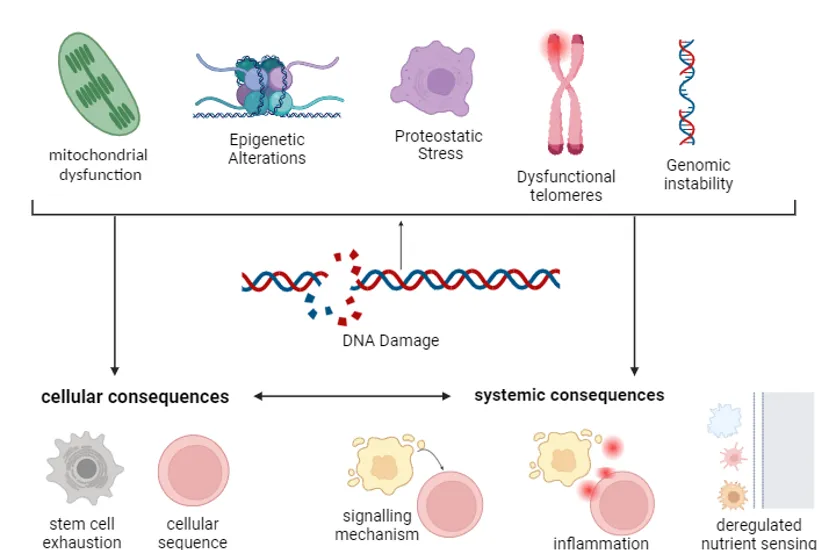
Figure 1.1 Route of aging caused by damage to DNA.
Moreover, free DNA moving into the cytoplasm from the nucleus or mitochondria might hasten ageing and induce inflammation[50]. cCGAS, or Adenosine monophosphate-cyclic guanosine monophosphate synthase, is able to identify bonded DNA within the cytoplasm and changes the catalytic centre of cGAS in a conformational shift, converting ATP and GTP to cGAMP(Figure 1.2). IRF3 and TBK1 are enlist as well as activated by STING via a phosphorylation-dependent mechanism. This activates NF-B and initiates transcriptional activation genes linked to senescence that are downstream pro-inflammatory cytokines [51].
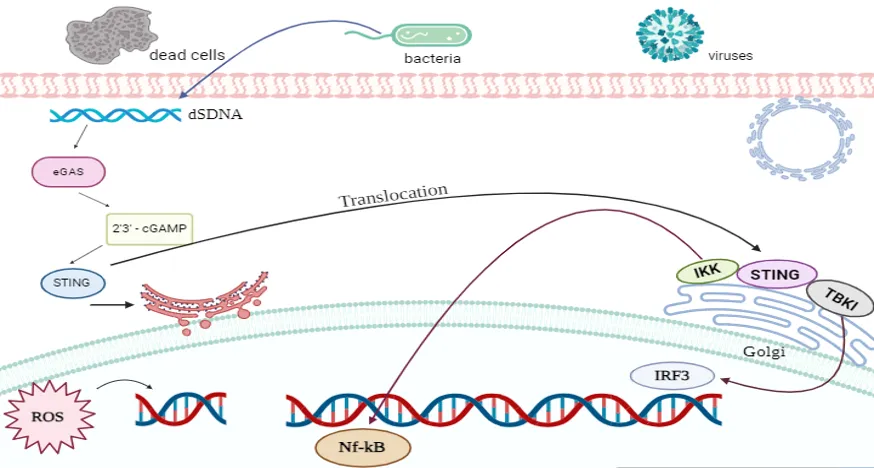
Figure 1.2. The cGAS-STING pathway's activation mechanism
ANTI-AGING EFFECTS OF GINSENG'S ACTIVE INGREDIENTS
Ginseng constituent parts that are active are categorized as amino acids, polyethylenes, polysaccharides, saponins and volatile oils. Most polysaccharides are composed of amylose glucan and pectin. Aspartic acid, arginine and glutamic acid are the three essential amino acids [29]. The most common kind of volatile oil is sesquiterpenes, followed by aldehydes, heterocycles, alkanes, fatty acids and fatty acid esters. Triacetyl alcohol, linolenic acid, diacetyl alcohol and acetic acid are the main constituents of polyacetylenes [32]. Moreover, ginseng has been used to extract and identify enzymes, maltose, vitamins, salicylamine, glucoside and varied trace components. The separated elements and purified ginseng, as indicated in Tables 1 and 2, can be used in many ways to reduce the signs of aging [53]. Ginsenosides regulate the immune system, stop the aging process, prevent DNA damage caused by anti-inflammatory and antioxidant mechanisms, and protect the nervous system. It has been shown that ginseng volatile oil, which has anti-aging and antioxidant qualities, prolongs the lifespan of Caenorhabditis elegans and Drosophila models used in experiments [54]. Bioactive peptides stimulate DNA synthesis, delay cellular senescence, reduce the quantity of senescence markers, and significantly prevent S-phase cell cycle arrest in NIH/3T3 murine fibroblasts [55].
ANTI-AGING MECHANISM OF GINSENG
Ginseng's active ingredients reduce endogenous oxidative DNA damage and retard the aging process
Exogenous damage, which results from exposure to external stimuli like chemicals and ionizing radiation, and spontaneous endogenous damage, which results from internal factors like metabolic byproducts of cellular respiration and reactive oxygen species, is a useful tool for classifying DNA damage in general. Intracellular ROS are most often associated with endogenous damage. . The primary producer of reactive oxygen species in tissues is the mitochondrial reactive pathway.The stress of the endoscular or intracellular mitochondrial dysfunction is AFK formation [56]. Reactive oxygen species attack double bonds within DNA molecules, oxidizing nucleoside bases and causing single- or double-stranded DNA breaks [57]. Oxidative/antioxidative dysregulation brought on by an excess of oxygen species that are reactive (ROS) intensifies oxidative stress and DNA damage [58]. Therefore, oxidative stress can be reduced by decreasing the excess making of ROS, which is a key tactic to slow down the aging process. This will also balance intracellular oxidation and antioxidation [59][60]. In the end, they slow down aging (Figure 1.3), attenuate endogenous DNA damage, enhance oxidation/antioxidation balance, and reduce ROS generation enhance the equilibrium between oxidation and antioxidants, reduce endogenous DNA damage, and eventually slow down aging.
Aging-related disorders are largely influenced by PI3K/Akt/Nrf2 signalling [61]. Antioxidant defense in different cells is regulated by Nrf2, a crucial redox-sensitive transcription factor that enhances antioxidant enzyme activity, guards against endogenous and external oxidative stress, and preserves normal mitochondrial structure and function. A cytoplasmic complex is typically formed by the oxidative stress sensor Kelch-1ike ECH-associated protein 1 (Keap1) binding to Nrf2 [62]. When an organism experiences oxidative stress, Nrf2 phosphorylation facilitates Nrf2's separation from Keap1 (Figure 1.3)[63]. By phosphorylating Nrf2 and initiating the PI3K/Akt pathway, ginsenoside Rg1 increases the way that antioxidant enzymes are expressed [40]. A longevity gene is forkhead box protein O transcription factor 3 [64]. One of the first genes known to prevent aging, Klotho inhibits the actions of serine-threonine kinase Akt (AKT) and phosphatidylinositol 3 kinase (PI3K), which in turn raises FoxO3 activity and lessen the oxidative stress caused by ROS. Klotho has the same effect as ginseng[65]. Furthermore, the signalling pathway is below of mTOR, crucial serine-threonine protein kinase; mTOR overactivation raises the risk of endogenous oxidative damage and increases the production of ROS. Ginseng and its ginsenoside 20(S)Rg3 may reduce reactive stress-related ageing, downregulate mTOR expression, decrease phosphatidylinositol 3 kinase/Ak strain transformation, and reduce ROS production[66].
Prevent a decrease in the possibilities of the outer layer of the mitochondria, control of the permeability of mitochondria to maintain a form of normal mitochondria, reduce the generation of the AFC and suppress Pi3K / AKT / MTO phosphorylation [67]. The generation of ROS is decreased when the traditional Wnt/β-linked protein signalling pathway is activated [48]. The principal components of the Wnt/β-catenin signalling system include β-catenin, the β-catenin complex, APC, GSK-3, CK1, and glycogen synthase kinase 1 (CK1).
Normal conditions result in phosphate exchange of beta-catenin by cyclin dependent inhibitor, which then targets β-catenin for destruction [68]. When GSK-3β is phosphorylated by oxidative stress, it becomes inactive. As a result, β-catenin is moved into the nucleus, which promotes transcription. Ginsenoside Rg1 increased GSK-3β phosphorylation, which in turn assists Beta-catenin breakdown, suppressed Beta-catenin production, improved age-related neurological disorders in mice and decreased oxidative damage[69].
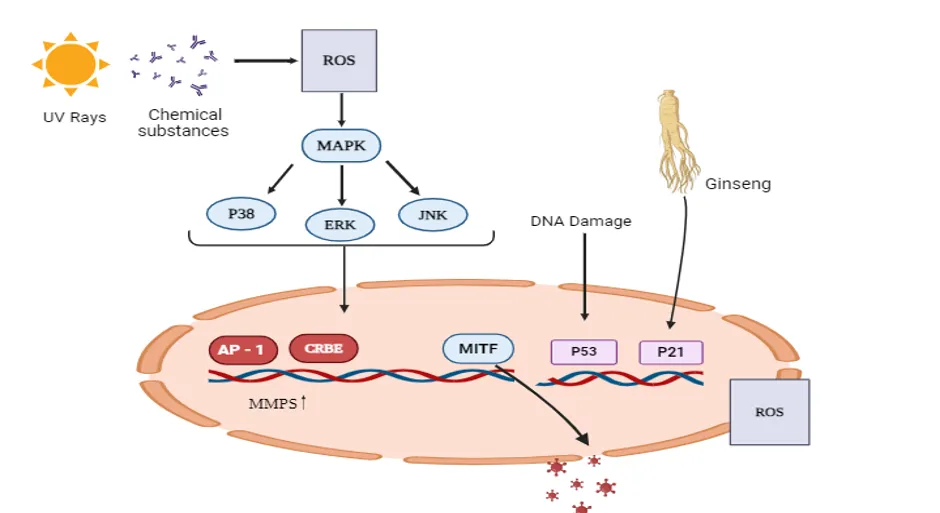
Figure 1. 3. The active component pathway of ginseng that suppresses intrinsic DNA damage.
Ginseng's Active Components Reduce Exogenous Oxidative DNA Damage to detain Aging
The primary causes of exogenous DNA damage include ultraviolet (UV) rays, cosmic radiation, ionizing radiation (IR), and ambient chemicals [70-71]. By applying the generated energy to biological macromolecules, radiation directly affects them, breaking DNA. The chemicals can produce a lot of reactive oxygen species which harm biological molecules, oxidatively damage DNA, disrupt cellular communication routes, and hasten maturing.Being the largest component of body, skin is regularly harmed by outside influences. Collagen can be broken down and remodelled by matrix metalloproteinases (MMPs) [72]. UV radiation causes an increase in MMP-1, which breaks down collagen fibers and makes them more susceptible to degradation by other MMP family members, ultimately resulting in the aging of the skin. In order to reduce photoaging, wrinkle, and melanin production and to reduce aging caused by external damage such as ultraviolet rays, the working ingredients in ginseng mainly inhibit Matrix Metalloproteinases through signaling pathways such as MITF, P53, JNK, Jun-N terminal kinase and MAPK/ERK/p38. [73].
In order to affect the fate of cells, the MAPK signalling pathway responds to signals from within and outside the cell. This route consists of the MAPK elements, MAPK kinase (MKK), and MAPK kinase (MKKK). Dermal collagen breakdown is catalysed by Activator protein-1, An internal transcription activator that controls MMP synthesis. The ginseng calyx ethanol extract and ginseng protein (GP) can delay skin aging (Figure 1. 4) by inhibiting the expression of ERK, p38, and JNK, blocking the transcription of AP-1 and CRBE, and reducing MMPS synthesis when UVB causes cells to produce significant levels of ROS. (Figure 1.4) [74]. Moreover, C-Mx, an active component that is ginsenoside derived, exhibits some anti-aging properties. C-Mx suppresses the expression of AP-1, p38 JNK, and ERK and instead increases the fusion of procollagen by controlling the TGF-_/Smad pathway. It also keeps the balance between oxidative and antioxidant responses within cells, lessens exogenous oxidative damage, and slows down the aging process of the skin. [75].
Melanin is produced in significant quantities by cells in response to external UV radiation stimulation. The cells can now absorb UV light thanks to this procedure originating from the environment, but over time, this can cause aberrant pigmentation and ageing of the skin [76]. It is necessary for melanin producing cells for survival and development [57Rg2, Rg3, and Rh3 ginsenosides (a combination of several active components) suppress the expression of ERK, which stops the transcription-related protein MITF from doing its job, curbs the creation of age spots, stops excessive melanin synthesis, and slows down the aging process of the skin. [78]. Additionally, MMP overexpression causes superoxide radical formation during photo-oxidation with UVB radiation, which is then changed into other molecules, such as hydrogen peroxide and ROS[79].
Ginsenosides can slow down ageing by reducing the external MAPK/ERK/p38/JNK pathway, which damages DNA, the MITF pathway, and the multifunctional protein the protein p53 which plays a role in DNA fixing, nutritional regulation, embryo implantation, and the promotion of cellular senescence[80]. In HaCaT cells, Extract from Koryo Red Ginseng (KRG) suppresses radiation-induced apoptosis, repairs DNA damage through P53 signalling control, and stops intracellular ROS formation. Through downregulation of P53-P21 proteins, black ginseng (BG) prevents senescence of mouse primordial embryonic fibroblasts induced by external stimuli such as ionizing radiation. [81].
Ginseng's Active Compounds Slow Down Aging by Managing DNA Damage Repair
DNA damage in organisms are associated with at least five primary DNA repairs: homologous recombination (heart rate), non-humorous compound (NHEJ), basic excision, catering (BER), non-compliance restoration (non-compliance ( MMR), removal of nucleotides and recombination (HP). Unslated separation, apoptosis and cell aging can be the result of transcription deregulation and genomic restructuring caused by poorly restored DNA [82]. DNA repair, regulation of metabolic pathways, and cellular senescence are all affected by p53. Its primary function is to cause the stoppage of cell cycle and suicide.In addition to inhibiting cell cycle progression, cyclin-dependent kinase inhibitor p21 affects DNA repair, transcription, and apoptosis [83]. P53 phosphorylation occurs because it is impossible to recover double rupture due to DNA damage. This version of P53 controls the P21 stop, guides the cell cycle, which causes apoptosis. [84].
The enzymatic constituents of ginseng inhibit the aging process by blocking the pathway and increasing the action of sirtuin family members as well as DNA glycosylases in the DNA damage restoration method. Proteins known as Nucleic acid Endonuclease VIII, make up the majority of DNA glycosylase, part of the crucial BER pathway enzymes [85].To regulate diverse biological processes, including the fixation of DNA damage, aging, cancer, and the preservation of genomic integrity, each member of the family locates upto a distinct sub unit cells area as well as focuses at specific substrate [86]. Following an attack on the body's DNA, DNA glycosylase detects damaged DNA and creates an AP site [87].When NEIL1 was knocked down in mice, there was substantial DNA damage [88]. In order to prevent DNA damage by encouraging DNA glycosylases to perform their repair activity, ginsenoside Rd increased NEIL1 and NEIL3 development in rat brain cells. SIRT6 is a sirtuin family member that attaches itself to PARP and activates DNA glycosylase to repair damaged DNA [89]. By triggering PARP, ginsenoside RC activates SIRT6's deacetylase activity and promotes BER [90].
Additional Anti-Aging Properties of Ginseng
Through the management of intestinal bacteria, the stimulation of cellular autophagy, and anti-inflammatory mechanisms, the active components in ginseng can postpone the aging process. Reduced tissue synthesis and repair as a result of inflammation is among the major reasons for aging. [91]. Following DNA damage, production of pro inflammatory signaling molecules is thought to depend on ATM-dependent the initiation of canonical immune transcription factor NF-B [92]. The aging process is accelerated by the NF-B signalling pathway. In both autocrine and paracrine forms, harmful substances play a part in the emergence for persistent inflammation [93]. Chronic inflammation releases cytokines that worsen oxidative damage, sustain inflammation and redox stress, and trigger the generation of ROS, H2O, and hydroxyl radicals. These processes aggravate DNA damage and hasten the start of aging and associated disorders [94]. By means of the NF-B signaling cascade, the active components and aqueous extracts of ginseng reduce the rate of aging and control the development of inflammatory factors. For instance, by inhibiting the release of common pro-inflammatory factors, active ginseng peptides and an aqueous extract of Korean red ginseng delayed the ageing process in elderly mice[95][96]. Autophagy is a precise systemic removal method linked to preserving the equilibrium of cells and tissues. It involves the lysosomal degradation and regeneration of all inside the cells. [97][98]. Autophagosomes featuring a dual-layered membrane configuration are formed during macro-autophagy and are responsible for engulfing intracellular components. Degradation and recovery, autophagosome production, autophagosome transport and fusion with lysosomes, and stimulation of autophagy are the four primary steps of autophagy. Deficits in autophagy cause cellular senescence to occur more quickly, and in various organisms, autophagy activity declines with aging [99]. One key player in the autophagy process is the autophagic receptor p62. Autophagy mediates the benefits of Korean red ginseng for antiaging [100]. Also, evidence suggests that ginseng volatile oil increase the expression of the autophagy substrate p62 protein within the prototype organism C. elegans, delaying the aging process and lengthening life [101]. Rg2 promotes the breakdown of p62, which preserves mitochondrial function and slows down the aging of the brain [102]. Skin aging becomes evident when ROS cause the extracellular matrix to break down. Ginseng berries' active components use autophagy to reduce the signs of aging on the skin [103].
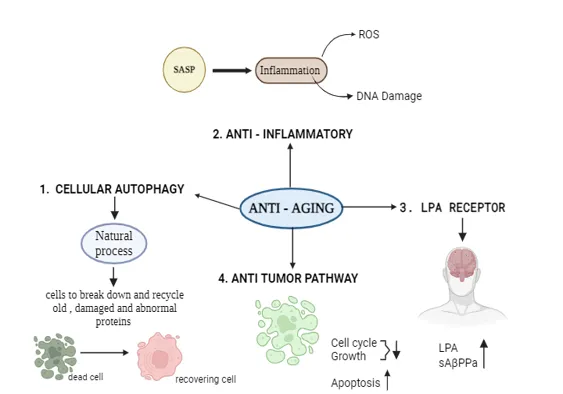
Figure 1.4. Additional anti-aging mechanisms associated with ginseng. Senescence-associated secretory phenotype, or SASP.
The active component of ginseng, ginsonin, inhibits LPA receptor in the Guanine nucleotide binding protein-coupled receptor to postpone the aging process (Figure 1.4). In the early stages of brain development, LPA and LPA1 receptors are essential [104]. Gintin, the active ingredient in ginseng, activates the release of gliotransmitters, neurotransmitters, and second messenger Ca2+ through the LPA receptor. As a result, the activation of Ca2+-dependent kinase, receptor, and first-order amplification, which further enhances intracellular effects and facilitates intercellular communication [105]. Aging of the brain alters hippocampus function, which in turn causes memory impairment, a significant ailment in neurodegenerative illnesses. Hippocampal LPA1 receptors are decreased in D-galactose-induced aged mouse brains, but gintonin treatment increases the expression of LPA1 receptors in the murine hippocampal region [106]. Gintaminosides (gintonins) stimulate the release of non-amyloid protein (sA_PP_) in memory loss through means of LPA1 receptor signalling method, Ca2+- dependent activation of metalloproteinase secretase and translocation of proteins mechanisms. By doing this, brain aging in old AD model animals is finally postponed and A production and amyloid plaque accumulation are prevented [107].
The elements of ginseng that are active also demonstrated strong anti-tumor effects. Aging has a close relationship with tumor formation. Through different mechanisms, including triggering cellular suicide, blocking the cell cycle, and preventing cancer cell growth, proliferation, and viability, the active ginsenoside components have anticancer actions [108][109]. Furthermore, it has been gradually shown that additional ginseng's active ingredients have anti-tumor properties. By reducing the expression of VEGF- A in the cells of anaplastic thyroid carcinoma (ATC) and Growth factor-C for vascular endothelium in PTC cells, Rg3 prevents the spread of thyroid cancer. In the end, this stops ERK and Akt signalling, which lowers the proliferation of melanoma cells. The Wnt/_-collagen pathway is modulated by downregulating MMP2, MMP7, and MMP9, which inhibits osteosarcoma .
Ginseng's active components control the amount of intestinal bacteria, which helps postpone aging. Numerous microbial communities can be found in the human digestive tract that support the host's health and participate in a number of physiological functions. The start of many diseases and aging are influenced by alterations to the gut's makeup microorganisms . In order to slow down aging and prevent dopaminergic neuron death, Korean ginseng reduces the number of bacteria that cause inflammation, such as Eubacterium. The bacteria in C. elegans's stomach can be regulated by fermented ginseng, which can also enhance the intestinal flora's composition and structure, raise the amount of Erythrobacter, as well as extend the organism's duration. Inhibiting inflammation and postponing the ageing process, ginsenoside RH4 has been shown to boost bacteria and reduce company[110].
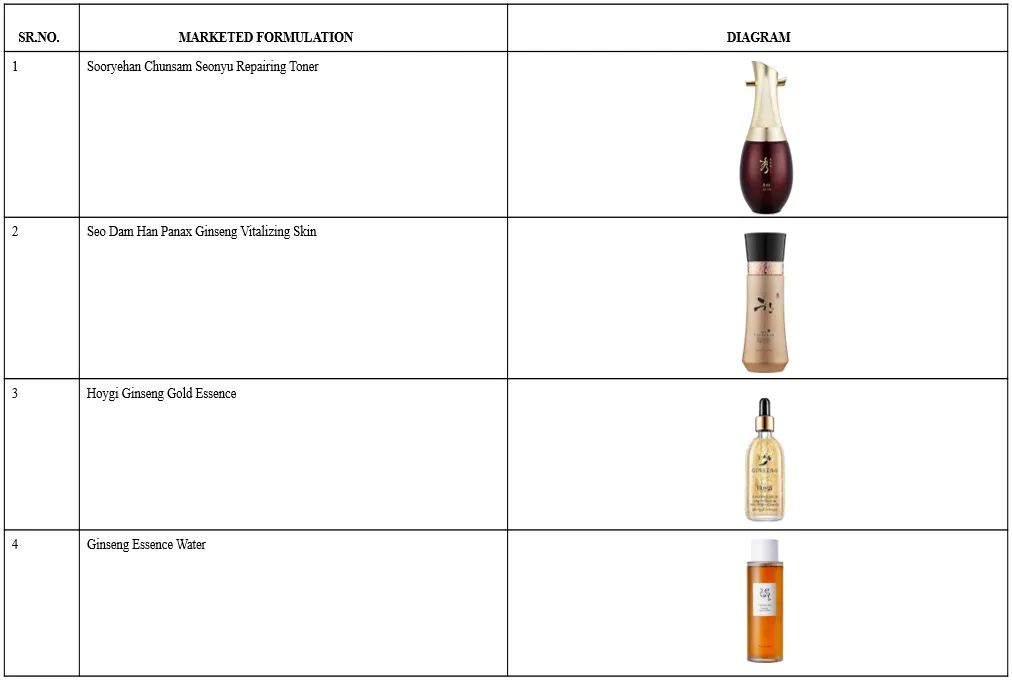
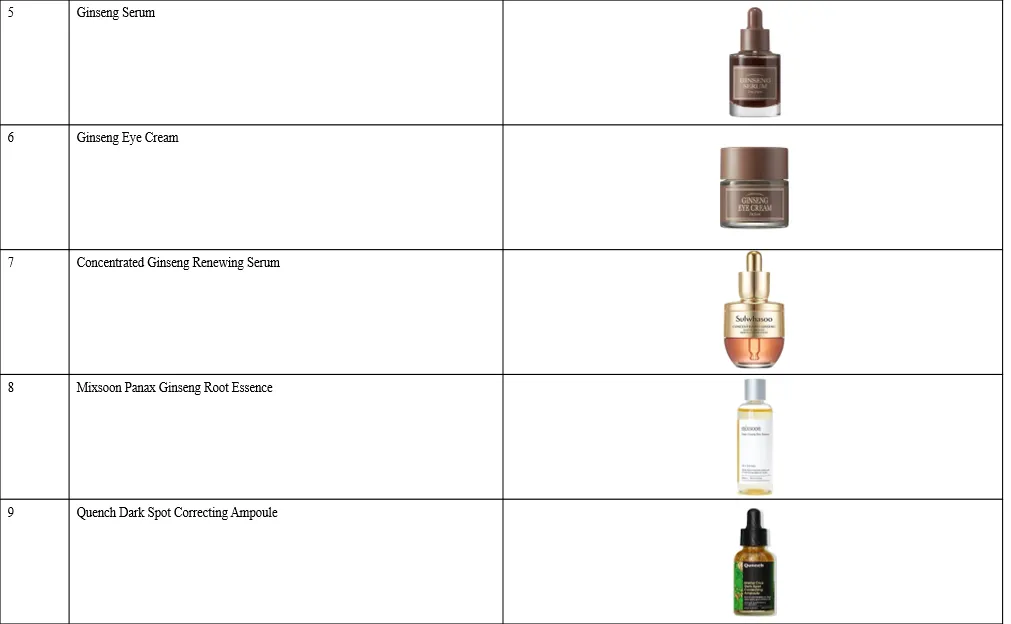
Table 1.1 Marketed Formulations and their Diagrams
CONCLUSION
Ageing is a natural process for all biological beings. Ginseng's anti-aging qualities have been demonstrated since ancient times. Ginseng contains volatile oils, oligopeptides, extracts, and monomers that can postpone aging and treat age-related illnesses. The active ingredients that have been studied the most are ginsenosides. Ginsenoside monomers such as RG3, have a good treatment effect on aging diseases, diabetes, neural degeneration diseases, muscle degeneration and other aging. The main methods for ginseng's active components to delay aging are as follows: (1) Increase the production of antioxidant enzymes to maintain the oxidation and antioxidant in the cells in equilibrium, reduce excessive ROS production, reduce endogenous DNA injury, and prevent cell cycle stop and aging delay. (2) DNA glycosillase and sustain as well as participation in repair as well as adjustment of DNA death. Therefore, it has been verified that the DNA restoration method can precisely fix the damaged DNA caused by different aging-related causes. In this review, most research evaluated lifespan, inflammatory variables, antioxidant enzymes, and ageing indicators solely in model organisms (e.g., flies and C. elegans). This is really notable. Moreover, there are few thorough investigations on galactosidase's involvement in the molecular process of aging, and research on the enzyme's activity is confined to alterations in the amounts of proteins connected to related pathways. Additionally, the intricacy of ginseng's active components has impeded study on its cellular functions, leading to a lack of understanding of the molecular mechanisms behind the actions of these active substances. Using biological models and knockout mice, CRISPR and network pharmacology techniques have been utilized to test possible ginseng medicines in order to overcome these constraints and pinpoint certain targets and methods of action. With these innovative approaches, there is potential to enhance our comprehension of the mechanisms behind ginseng's anti-aging effects.
REFERENCES



Mansi Maid, Kunjal Thorat, Sanjana Choudhary, Anti-Aging Activity of Ginseng Phytoconstituents: Molecular Mechanisms and Therapeutic Potential, Int. J. of Pharm. Sci., 2026, Vol 4, Issue 9, 255-274. https://doi.org/10.5281/zenodo.22235963
 10.5281/zenodo.22235963