

We use cookies to ensure our website works properly and to personalise your experience. Cookies policy
1. Student, A and E college of pharmacy
2. Faculty of Pharmaceutics, Raj College Of Pharmacy, Odar, Kaimur, Bihar
Diabetes mellitus affects over 589 million adults worldwide, with projections indicating the burden will reach 783 million by 2045. Despite advances in pharmacotherapy and glucose monitoring, glycemic targets remain poorly achieved, and the disease continues to impose substantial morbidity, mortality, and economic burden. The integration of artificial intelligence into diabetes care offers transformative potential to address these challenges through enhanced screening, personalized treatment, and proactive management. This review synthesizes the current landscape of AI applications in diabetes management—from early detection and risk prediction to diagnosis, continuous glucose monitoring, insulin dose optimization, personalized treatment planning, patient engagement, and drug discovery—while exploring emerging opportunities and persistent challenges that will shape the future of the field. AI has demonstrated clinically meaningful benefits across multiple domains of diabetes care. For diabetic retinopathy screening, AI systems have achieved 93% sensitivity and 91% specificity, with three FDA-approved autonomous systems now available. Automated insulin delivery systems incorporating AI algorithms are standard of care for type 1 diabetes and have recently been approved for type 2 diabetes. In a landmark randomized trial, an AI-enabled lifestyle intervention enabled 71% of participants to achieve HbA1c below 6.5% without glucose-lowering medications except metformin, compared to only 2.4% in usual care, with significant medication de-escalation and weight loss. However, significant challenges remain, including algorithmic bias from underrepresentation of minority populations, data quality and interoperability gaps, the "black box" nature of many models limiting clinical trust, limited real-world validation, fragmented regulatory frameworks, and healthcare infrastructure constraints—particularly in low- and middle-income countries.
Diabetes mellitus represents one of the most urgent global health emergencies of the twenty-first century. According to the International Diabetes Federation Diabetes Atlas 10th edition, approximately 537 million adults aged 20-79 years were living with diabetes in 2021. This figure has more than tripled since the 2000 estimate of 151 million, and projections indicate the burden will reach 643 million by 2030 and 783 million by 2045. The Western Pacific region alone is expected to witness a 27% increase, from 206 million in 2019 to 260 million by 2045.
Beyond those diagnosed, an estimated 541 million people have impaired glucose tolerance, placing them at high risk for developing diabetes, while 240 million individuals—nearly one in two adults with diabetes—remain undiagnosed. The consequences extend far beyond individual health, with over 6.7 million people aged 20-79 estimated to die from diabetes-related causes in 2021. Direct health expenditures have already approached one trillion USD and are projected to exceed this figure by 2030.[1]
Key Statistics on Global Diabetes Burden:
|
Metric |
Value |
Year/Projection |
|
Adults living with diabetes (20-79 years) |
537 million |
2021 |
|
Projected adults with diabetes |
643 million |
2030 |
|
Projected adults with diabetes |
783 million |
2045 |
|
Adults with impaired glucose tolerance |
541 million |
2021 |
|
Undiagnosed adults with diabetes |
240 million (46.5%) |
2021 |
|
Diabetes-related deaths (20-79 years) |
6.7 million |
2021 |
|
Direct health expenditure |
~$1 trillion USD |
2021 |
|
Pregnancies affected by hyperglycemia |
1 in 6 |
2021 |
|
Children and adolescents with type 1 diabetes |
1.2 million |
2021 |
Despite evidence-based guidelines, achievement of glycemic targets remains stubbornly low. Conventional diabetes care relies on episodic clinic visits and standardized treatment pathways, fundamentally failing to address the dynamic day-to-day variability inherent in diabetes management. Glycemic control fluctuates markedly due to dietary intake, physical activity, psychological stress, and adherence patterns.
Real-world data from India reports a mean HbA1c of 8.9 ± 2.1%, with over 83% of individuals having HbA1c levels above 7%. In Korea, only 55.6% achieve HbA1c < 7%, and merely 9.7% meet all three goals of glycemic control, blood pressure, and lipid management. In the United States, only 14% of adults with diabetes achieve combined glycemic, blood pressure, and lipid targets.
Patient-related barriers include lack of acceptance and motivation following diagnosis, poor adherence to complex self-management regimens, and inadequate support from healthcare systems. Healthcare professionals often lack confidence in managing insulin treatment and complication management. These persistent gaps call for fundamental re-evaluation of current management strategies and integration of innovative approaches.[2]
2.3 Evolution of Artificial Intelligence in Healthcare
The concept of artificial intelligence was introduced at the 1956 Dartmouth Conference. The application of AI to medicine began in the 1970s with early expert systems such as INTERNIST-I and MYCIN. The trajectory has progressed through distinct epochs: symbolic and probabilistic reasoning (1970s-1990s), logic-based inference and statistical revolution (1990s-2000s), and deep learning and foundation models (2010s-present).
The transformative inflection point arrived with deep learning methods achieving expert-level performance in medical image interpretation. The most recent epoch, characterized by foundation models and generative AI including Large Language Models, has shifted the paradigm from task-specific tools to versatile systems capable of performing multiple functions without retraining.[1,3]
2.4 Need for AI in Diabetes Care
The growing burden and heterogeneity of diabetes necessitate management strategies extending beyond episodic clinic visits. Recent advances in digital health technologies—including continuous glucose monitoring, insulin pumps, connected smart pens, mobile health platforms, wearables, and telemedicine—generate high-frequency real-world data. Evidence suggests mobile health platforms among individuals with type 2 diabetes are associated with approximately 0.5% reduction in HbA1c.
AI techniques can process massive volumes of complex data to inform risk prediction, treatment optimization, complication detection, patient stratification, and personalized lifestyle guidance. By transforming vast streams of health data into actionable insights, AI-enhanced systems shift diabetes management from reactive clinician-driven care toward proactive, data-informed patient-centered models.
3. Overview of Diabetes Mellitus
3.1 Definition and Classification
Diabetes mellitus is a group of metabolic disorders characterized by chronic hyperglycemia resulting from defects in insulin secretion, insulin action, or both. The disease develops when insulin production from pancreatic beta-cells does not meet the body's demand. Chronic hyperglycemia is associated with long-term damage, dysfunction, and failure of various organs, particularly the eyes, kidneys, nerves, heart, and blood vessels.
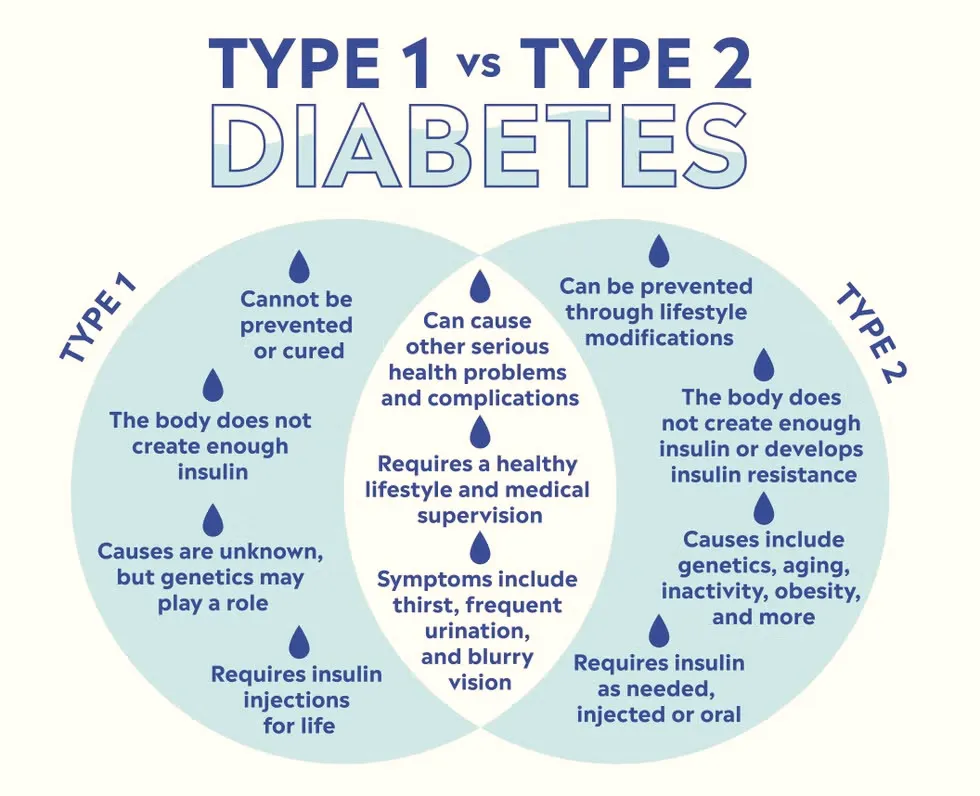
Type 1 Diabetes Mellitus (T1DM): Accounts for approximately 5-10% of all diabetes cases. It is an autoimmune disorder characterized by T-cell-mediated destruction of pancreatic β-cells, resulting in absolute insulin deficiency. Autoimmune markers, including glutamic acid decarboxylase autoantibodies, islet cell autoantibodies, and insulin autoantibodies, are present in 85-90% of patients at diagnosis.
Type 2 Diabetes Mellitus (T2DM): Constitutes approximately 90-95% of all diabetes cases. Characterized by two interrelated pathophysiological defects: insulin resistance and β-cell dysfunction. The pathogenesis involves complex genetic predispositions and environmental influences, with strong associations with obesity, physical inactivity, family history, and advancing age.
Gestational Diabetes Mellitus (GDM): Defined as glucose intolerance first recognized during pregnancy. Women who develop GDM have a sevenfold higher risk of developing type 2 diabetes later in life.
3.2 Diagnosis and Monitoring
Diagnosis is established through laboratory measurement of blood glucose or hemoglobin A1c:
Monitoring approaches include Self-Monitoring of Blood Glucose, Continuous Glucose Monitoring providing real-time interstitial glucose readings, HbA1c monitoring, and urinalysis for ketone detection.[4]
3.3 Current Treatment Approaches
Type 1 Diabetes Management: Insulin therapy required for all patients, administered via multiple daily injections or continuous subcutaneous insulin infusion. Adjunctive therapies include amylin analogs, teplizumab for high-risk individuals, and inhaled insulin.
Type 2 Diabetes Management: Follows stepwise approach: first-line metformin, followed by GLP-1 receptor agonists, SGLT-2 inhibitors, DPP-4 inhibitors, sulfonylureas, thiazolidinediones, and insulin.
4. Fundamentals of Artificial Intelligence in Healthcare
4.1 What is Artificial Intelligence?
Artificial intelligence refers to computer systems that can perform tasks normally dependent on human intelligence. Key characteristics include pattern recognition, learning from data, and continuous improvement. Major subfields relevant to healthcare include machine learning, deep learning, natural language processing, and computer vision.
4.2 Machine Learning
Machine learning enables computer systems to analyze data, detect patterns, and make informed decisions with minimal human input. Types include:
Supervised Learning: Algorithms trained on labeled datasets. Key algorithms include Support Vector Machines, Decision Trees, and Random Forests.
Unsupervised Learning: Training on unlabelled data to discover intrinsic patterns. Key techniques include Clustering Algorithms and Principal Component Analysis.
Reinforcement Learning: Training through interaction with an environment, receiving feedback to achieve a goal.
Evaluation metrics include Accuracy, Precision, Recall, F1-Score, and Area Under the Receiver Operating Characteristic Curve.
4.3 Deep Learning
Deep learning uses multilayered neural networks to model complex patterns in data. Revolutionary advantage lies in automatic feature extraction from raw data. Key architectures include Convolutional Neural Networks for image analysis, Recurrent Neural Networks and LSTMs for sequential data, and Vision Transformers for medical image analysis.
4.4 Explainable AI in Medicine
Explainable AI addresses the "black box" problem, making AI decision-making interpretable to humans. Methods include model-agnostic explanation techniques (LIME, SHAP), feature importance visualization, attention mechanisms, and saliency maps/heatmaps. XAI is crucial for trust, regulatory approval, bias detection, and medico-legal accountability.
5. AI Applications in Diabetes Management
5.1 Early Detection and Risk Prediction
AI-powered predictive models transform how diabetes and its complications are identified. Machine learning algorithms analyze electronic health records, demographic information, lifestyle factors, and smartwatch data. AI-based risk assessment achieves accuracy rates between 80% and 95%. Support Vector Machines predict hospital readmission, identify diabetes subtypes, and predict glucose values. Non-invasive digital biomarkers from smartwatch data and food logs predict interstitial glucose with up to 87% accuracy.[5]
5.2 AI-Based Diagnosis
Image Analysis: Deep learning models analyze retinal fundus photographs to detect and grade diabetic retinopathy. Three FDA-cleared systems (IDx-DR, EyeArt, AEYE-DS) demonstrate sensitivities of 93% and specificities of 91%. Over five years, 27,000 fewer Americans would experience vision loss with AI-based eye screening.
Laboratory Data Interpretation: Machine learning models predict diabetic nephropathy risk using clinical parameters. Integration of radiomics and ML predicts anti-VEGF treatment response in macular edema patients.
5.3 Continuous Glucose Monitoring
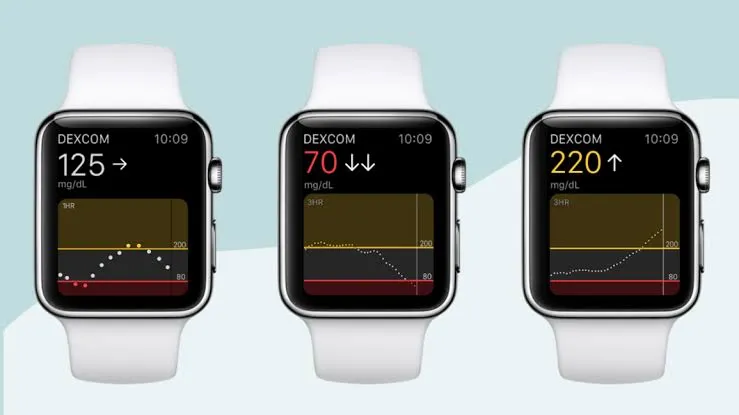
AI integration with CGM devices enables more accurate and actionable glucose monitoring. AI algorithms analyze CGM time-series data to identify glycemic variability patterns. Hypoglycemia prediction is one of the most clinically impactful applications, predicting events hours in advance to enable preemptive intervention.[5,6]
5.4 Insulin Dose Optimization
AI transforms insulin delivery through personalized dosing recommendations and automated delivery systems. AI-based decision support systems assist with personalized insulin titration. Automated Insulin Delivery systems are standard of care for type 1 diabetes and approved for type 2 diabetes. AI enhancement of AID systems is moving toward fully autonomous operation using digital twin technology.
5.5 Personalized Treatment Planning
AI enables precision medicine by integrating clinical features, molecular omics, and imaging data. AI-powered smartphone applications provide personalized dietary and exercise recommendations. A smartphone-based behavioral coaching intervention was associated with 1.9% reduction in HbA1c compared to 0.7% in controls.
5.6 Clinical Decision Support Systems
AI-CDSS integrate diverse data streams to create comprehensive health profiles, enabling precise risk assessment and individualized recommendations. Evidence shows up to 25% reduction in hospitalization rates and 30% increase in treatment adherence. Machine learning-based CDSS have reduced medication errors by up to 50%.[6]
5.7 AI in Diabetic Retinopathy Screening
Diabetic retinopathy screening represents the most clinically mature AI application. Within 20 years of diagnosis, nearly all type 1 and over 60% of type 2 diabetes patients will develop DR. Early detection can prevent up to 98% of blindness caused by DR. Three FDA-cleared systems use deep learning models with multiple neural networks. The InSight mobile application enables simultaneous diagnosis of five major eye diseases operating entirely offline.
5.8 AI in Diabetic Foot Ulcer Detection
AI-based models for DFU assessment focus on image segmentation, diagnostic classification, and risk prediction. Thermal imaging combined with AI has demonstrated strong potential for early detection, achieving high accuracy (0.9827), sensitivity (0.9684), and specificity (0.9892). Lightweight models with low parameter counts are well-suited for mobile applications.
5.9 AI in Diabetic Nephropathy Prediction
Machine learning algorithms predict DKD progression, outperforming traditional risk score models. Random Forest and XGBoost models achieve AUC of 0.75 for any stage CKD and 0.82 for severe stages. Integration of retinal vascular parameters with clinical data achieved 84.5% accuracy. The KidneyIntelX risk score received FDA approval.[7]
5.10 AI for Cardiovascular Risk Assessment
AI-integrated coronary heart disease risk assessment achieves AUC values of 0.71-0.80. The WATCH-DM risk score for heart failure hospitalizations has been validated (AUC=0.64). Performance variability exists between cerebrovascular and cardiac prediction, with AI showing strong predictive ability for cerebrovascular complications but needing refinement for cardiac prediction.
6. Wearable Devices and Digital Health Technologies
6.1 Smartwatches
Smartwatches capture heart rate, physical activity, and sleep patterns containing clues about metabolic health. Combining heart rate and step detector data with CGM readings significantly improves prediction accuracy. Smartwatch-based approaches offer scalable screening opportunities as millions already wear these devices.
6.2 Continuous Glucose Monitoring Devices
CGM represents one of the most significant technological advances. Systems consist of sensor, transmitter, and software displaying glucose levels, trends, and alerts. Clinical benefits include significant improvements in patient adherence and HbA1c reductions. A 12-month pilot study of AI-powered multi-agent system demonstrated 1.3% HbA1c reduction and 89.2% predictive accuracy in glucose trend forecasting.
6.3 Mobile Health Applications
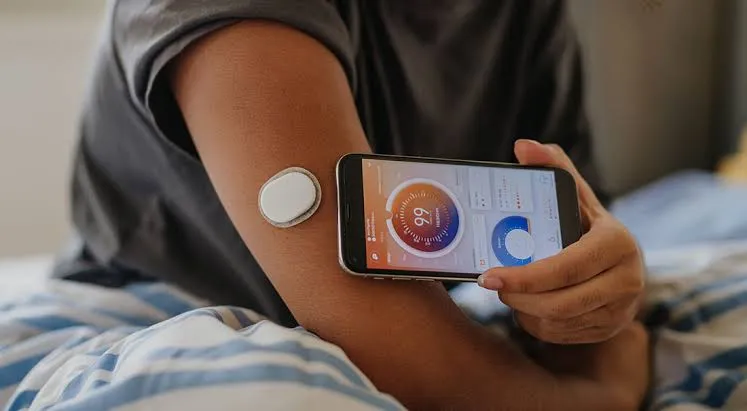
mHealth applications support glucose data visualization, dietary tracking, physical activity monitoring, and medication adherence. Evidence suggests mHealth platforms are associated with approximately 0.5% reduction in HbA1c. Applications designed with engagement features (scoring algorithms, personalized recommendations) result in better health outcomes.
6.4 Internet of Medical Things
IoMT connects medical devices, sensors, and applications through internet-enabled networks. Smart insulin pens incorporate Bluetooth/NFC connectivity, enabling automated dose tracking and integration with smartphone applications. Studies demonstrate smart pens reduce hypoglycemic events, increase time-in-range, and improve adherence. Cost-effectiveness analyses reveal smart insulin pens improve clinical outcomes while reducing long-term healthcare expenditures.[8]
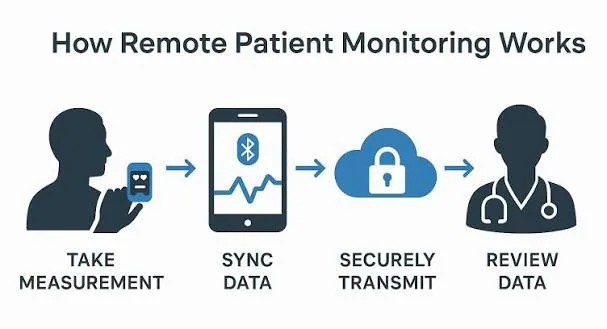
6.5 Remote Patient Monitoring
RPM enables more frequent touchpoints and timely interventions. A successful RPM program showed average HbA1c decrease from 10.4% to 7.0% (p<0.001). RPM costs $133 monthly compared to $388 for one level 4 clinic visit. Challenges include equity concerns and limited trained diabetes educators.
7. Machine Learning Algorithms Used in Diabetes Research
7.1 Logistic Regression
Fundamental classification algorithm effective when relationships are approximately linear. Achieves accuracy 77-79%, serving primarily as benchmark for more sophisticated algorithms.
7.2 Decision Trees
Creates tree-like model of decisions. Primary advantage lies in interpretability. Applied to risk stratification and identifying key predictors. Prone to overfitting, addressed by ensemble methods.
7.3 Random Forest
Ensemble method constructing multiple decision trees. Achieves accuracy 85-90% with AUC-ROC exceeding 0.90. Handles high-dimensional data effectively, captures nonlinear relationships, provides feature importance scores.
7.4 Support Vector Machine
Finds optimal hyperplane to separate data points. Effective for high-dimensional data and imbalanced datasets. One comparative analysis found SVM achieving 96.5% accuracy, outperforming Artificial Neural Networks.
7.5 Artificial Neural Networks
Interconnected layers of neurons processing input data through weighted connections. Fully Connected Neural Networks capture intricate patterns. Requires careful hyperparameter tuning and large datasets.
7.6 Convolutional Neural Networks
Specialized for grid-like data such as images. Predominant architecture for diabetic retinopathy screening. Achieve AUC >0.95 in retinal image analysis. Applied to diabetic foot ulcer detection and meal image analysis.
7.7 Recurrent Neural Networks
Designed for sequential data by maintaining "memory" of previous inputs. LSTM models achieve 85-90% accuracy in CGM predictions. Ideal for analyzing CGM time-series data to predict future glucose trends and hypoglycemic events.
7.8 Gradient Boosting Algorithms
Builds models sequentially with each new tree correcting previous errors. XGBoost achieves 85-90% accuracy with AUC-ROC >0.90. Hybrid ensemble models integrating XGBoost with stacking achieved 99% accuracy.
7.9 Transformer-Based Models
Uses self-attention mechanisms to process sequential data. Transformer model achieved highest performance (91% accuracy, 89% sensitivity, 92% specificity) in identifying honeymoon phase in type 1 diabetes. Requires larger datasets and computationally intensive.[9]
8. AI in Diabetes Drug Discovery
8.1 Identification of Drug Targets
AI enables detection of higher-order nonlinear relationships in high-dimensional biological data. BioBERT-based biomedical text mining systematically delineates therapeutic landscape. SELFormer model achieved R² values of 0.937 on training and 0.918 on testing datasets for multi-target prediction.
8.2 Drug Repurposing
AI/ML methods incorporate genomic and transcriptomic data, chemical structures, and existing drug-target interaction knowledge. Monash University researchers identified associations between medicines and type 2 diabetes risk from over 300 million records. Machine learning predicts off-target effects by integrating kinase profiling predictions with GWAS data.
8.3 Virtual Screening
Computational methods rapidly evaluate large chemical libraries. AI-integrated pipeline combined BioBERT-based semantic mining with high-throughput virtual screening, identifying five lead candidates with robust binding affinities. Approximately two million compounds screened using SELFormer model identified 35 natural compounds with high predicted activity.
8.4 Clinical Trial Optimization
AI addresses challenges in patient selection, heterogeneity, and trial duration. Explainable AI identified demographic, clinical, and biological markers providing optimal responder profiles enabling approximately 1% HbA1c reduction over placebo. AI-enabled digital twin models enable rapid in silico testing with ≥80% prediction accuracy.[10]
9. AI in Diabetes Education and Patient Engagement
9.1 Virtual Health Assistants
AI-powered platforms simulate human-like dialogue to deliver personalized diabetes care guidance. Mitraa achieved 89% accuracy in providing safe recommendations, comparable to certified diabetes educators (92%), reducing interaction time by 35%. Dia-vera achieved 98% training and 95% testing accuracy in assessing self-management behaviors.
9.2 Chatbots
AI-based conversational machines communicate in natural language. Systematic review of 16 studies found chatbot-supported diabetes self-management demonstrated meta-analyzed HbA1c reductions of approximately 0.30%. Studies report >80% acceptability across multiple domains. However, pediatric studies revealed omissions of critical pediatric-specific details and failure to reference ISPAD guidelines.
9.3 Personalized Health Coaching
AI-powered coaching platforms integrate data from wearable sensors, CGM, and Bluetooth-connected devices. Cleveland Clinic NEJM Catalyst trial: 71% of intervention participants achieved HbA1c <6.5% without glucose-lowering medications except metformin versus 2.4% standard care. Mean HbA1c change -1.3% versus -0.3%, mean body weight change -8.6% versus -4.6%.
9.4 Medication Adherence Monitoring
AI-enhanced monitoring systems demonstrated 17.9% improvement in medication adherence. AI-CDSS reduce medication errors by up to 50%. Machine learning pipelines predict medication non-adherence with AUC values of 0.82.
10. Advantages of AI in Diabetes Care
10.1 Early Diagnosis
AI identifies high-risk individuals by scrutinizing genetic information, lifestyle factors, and electronic health records. MapReduce-capsule network model achieves 80-95% accuracy. AI analysis of retinal images detects early signs of retinopathy comparable to human specialists. AI predicts kidney disease and heart issues by spotting patterns humans might miss.
10.2 Improved Accuracy
AI demonstrates diagnostic accuracy matching or exceeding human experts. DR screening achieves 93% sensitivity and 91% specificity. AI-CDSS achieve diagnostic accuracy rates up to 93.07%. Cleveland Clinic AI study: 71% of participants achieved HbA1c <6.5% without glucose-lowering medications except metformin.
10.3 Personalized Care
AI enables shift from standardized to truly personalized management. Twin Precision Treatment system provides real-time tailored nutrition and exercise guidance based on AI-enabled predictions of each patient's blood glucose responses. Foods color-coded green-recommended, orange-eat in moderation, red-discouraged. Radiomics-based ML predicts anti-VEGF treatment response.
10.4 Cost Effectiveness
Meta-analysis: AI-assisted DR screening yields pooled INMB of $2,179.39 compared to human grader-based screening. Medication de-escalation translates to substantial cost savings. RPM costs $133 monthly compared to $388 for clinic visit. Evidence shows up to 25% reduction in hospitalization rates with AI integration.
10.5 Better Patient Outcomes
Cleveland Clinic study: 71% achieved HbA1c <6.5%, mean change -1.3% versus -0.3%, mean weight change -8.6% versus -4.6%. Quality-of-life and treatment satisfaction improved significantly. Most participants remained engaged for entire 12 months. AI enables patients to follow evidence-based self-management behaviors.[11]
11. Challenges and Limitations
11.1 Data Privacy and Security
AI systems rely on large volumes of sensitive health data, raising critical privacy concerns. Regulatory frameworks like GDPR and CCPA address concerns but compliance is complex. Federated learning offers promising solution allowing AI models to be trained without sending personal data to central server.
11.2 Algorithm Bias
Bias represents significant threat to equitable implementation. QDiabetes risk prediction model revealed substantial disparities in false positive and false negative rates across demographic subgroups. Underlying causes include imbalanced training datasets, inappropriate feature proxies, omission of socioeconomic determinants, and failure to co-create models with vulnerable communities. Fairness impossibility theorem demonstrates mathematically impossible to simultaneously satisfy calibration and particular discrimination metrics in presence of unequal base rates.
11.3 Data Quality
Performance fundamentally dependent on data quality. Data is often siloed, fragmented across sources, making comprehensive datasets difficult. Reliance on historical data introduces concerns. Class imbalance in medical datasets is major issue. Standardized data collection protocols and robust validation needed.
11.4 Ethical Considerations
Questions of accountability in event of AI errors remain unresolved. "Black box" nature complicates ethical oversight. Patient autonomy and informed consent at stake. Potential for AI to shift responsibility for health outcomes onto patients, reinforcing individualistic explanations while obscuring structural forces.
11.5 Regulatory Issues
FDA regulates AI-based medical devices through 510(k) process. Managing algorithm updates and software modifications is significant challenge. EU AI Act establishes strict rules for high-risk AI. Fragmented global frameworks create patchwork of regulations. In LMICs, fragmented regulatory frameworks further constrain adoption.[12]
11.6 Clinical Validation
Insufficient validation in real-world settings. Many models developed on curated retrospective datasets not reflecting clinical complexities. Prospective validation studies essential. Lack of randomized controlled trials evaluating AI interventions remains significant gap. Validation in diverse populations critical.
11.7 Healthcare Infrastructure
Robust infrastructure lacking, particularly in resource-limited settings. LMICs face fragmented regulatory frameworks, affordability issues, limited reimbursement. Even in high-income countries, integration into existing clinical workflows is persistent challenge. Alert fatigue phenomenon documented but not systematically studied. Human resource challenge significant—healthcare professionals often lack confidence managing complex aspects of diabetes care.
12. Future Opportunities
12.1 Explainable AI
XAI addresses "black box" problem. Counterfactual explanations suggest minimal changes patient could make to alter predicted risk. Actionable risk factor insights using LIME and DiCE. Regulatory agencies increasingly demanding explainability. Practical implementation integrating human assessment ensures counterfactuals align with real-world conditions.
12.2 Federated Learning
FL enables collaborative model training across decentralized data sources without exposing patient information. Personalized glucose prediction frameworks developed for T1D without exposing patient information. Patient groups clustered based on carbohydrate intake levels for more effective personalized predictions. Lightweight FL frameworks demonstrate high predictive accuracy with low computational demands.
12.3 Digital Twins
Digital twins are virtual representations maintaining real-time connection with physical counterpart. For T1D, integrate real-time glucose monitoring, insulin administration records, and physical activity data. For T2D, analyze glucose readings, food intake, and biometric data enabling precision nutrition. Hybrid modeling integrates mechanistic physiological models with data-driven empirical models. FDA acceptance of simulation-based performance evaluation accelerated testing.[13]
12.4 Precision Medicine
Multi-omics integration combined with AI enables unprecedented mechanistic insights. Type 2 diabetes understood not as single disease but umbrella term for metabolically distinct subgroups. Deep learning uncovers latent patient structures driven by molecular signatures. Multi-omics-based risk prediction models predict disease onset and progression with greater accuracy. Future paradigm: transform from reactive phenotype-based to proactive mechanism-guided precision medicine.
12.5 AI and Genomics
ML/DL address limitations of traditional GWAS by detecting subtle patterns, modeling genetic interactions, improving variant prioritization. AI integrates epigenomic and transcriptomic data to understand gene regulation and expression patterns. AI-driven genomic analysis enables discovery of novel biomarkers, early diagnostic signatures, and actionable therapeutic targets.
12.6 Generative AI in Diabetes Care
Customized generative AI tools help healthcare professionals answer diabetes-related questions. Diabetes Help GPT achieved 91.7% accuracy. Performance best in general knowledge and nutrition domains. Conversational agents with explainable AI deployed in mobile applications successfully answered 88.86% of user queries. Future potential includes dynamic personalized patient education, clinical summaries, translation for diverse populations.[14]
12.7 Robotics and Automation
Social robots assist children with diabetes management. PAL system demonstrated ability to support long-term engagement through personalized feedback. Robot-assisted diabetes education showed significantly greater improvement in knowledge scores and better glycemic control (-1.00% vs -0.75%, p=.033). Acceptability high (>80%), with younger children showing highest acceptance. IoT-integrated robotics enable real-time monitoring and feedback.
12.8 Integration with Smart Hospitals
Smart wards integrate digital health technologies for complex elderly patients with comorbidities. Integration of 5G, big data cloud, AI enables simultaneous data transmission, real-time sharing, prompt evaluation. Elderly-friendly diabetes apps, health chatbots, visual assistants improve health literacy. Smart hospital concept extends to RPM with AI-powered platforms providing automated feedback.
13. Recent Clinical Studies and Real-World Evidence
13.1 Major Clinical Trials
AI-Enabled Lifestyle Intervention (NEJM Catalyst, 2025): Twin Precision Treatment system randomized 150 adults with T2D. Primary endpoint (HbA1c <6.5% without glucose-lowering medications except metformin) achieved by 71% intervention versus 2.4% usual care (P<0.001). Mean HbA1c change -1.3% versus -0.3%, mean weight change -8.6% versus -4.6%. Medication de-escalation: GLP-1 RAs 41% to 6%, SGLT-2 inhibitors 27% to 1%, DPP-4 inhibitors 33% to 3%, insulin 24% to 13%.
Machine Learning in Electronic Medical Records (Italy, 2025): Study embedded ML-based prediction tool across 38 Italian diabetes clinics. Test group showed significantly greater improvements in HbA1c ≤7.0% (+9.0% vs +4.5%), LDL-C <70mg/dL (+27.9% vs +20.7%), and BMI <25kg/m² (+16.5% vs +11.0%).[15]
Digital Twin Real-World Study (2024): 1,853 participants completing one year of Digital Twin Precision Treatment program. HbA1c decreased by mean -1.8% (p<0.0001), 89.0% achieved HbA1c <7%. Antidiabetic medication decreased from mean 1.9 to 0.5 medications. Weight decreased -4.8kg, beta-cell function improved +21.6.
AI-Powered CGM Platform (ADA 2025): 100-day study of 1,752 individuals. Time-in-Range increased 45.74% to 49.31%, Time-Below-Range decreased 7.46% to 5.34%, HbA1c improved 8.75% to 7.50%, weight decreased 76.60kg to 75.11kg.[16]
13.2 FDA-Approved AI Technologies
iLet Bionic Pancreas: Wearable automated insulin delivery device combining insulin infusion pump with algorithm-controlled dosing. Cleared for people aged 6+ with T1D. Users need only enter weight—system uses continuous learning to regulate blood glucose with minimal input.
MiniMed 780G: Expanded indication for adults with insulin-treated T2D. IMPACT2D study: HbA1c 7.9% to 7.2%, Time-in-Range 72% to 81%. Separate single-arm study: HbA1c 7.7% to 6.9%, Time-in-Range 76.4% to 84.9%.
Diabeloop DBLG2: FDA 510(k) clearance as Class II interoperable automated glycemic controller for T1D aged 12+. Represents strategic regulatory pivot from hardware-dependent system to standalone interoperable software platform.
14. Comparative Analysis of AI Technologies
14.1 Comparison of AI Algorithms
AI techniques applied across predictive modeling, pattern recognition, and event prediction. Head-to-head evaluation of four AI models for insulin injection guidance: Claude 3.7 Sonnet highest mean score (95.7±3.4), GPT-4 Omni balanced accuracy (94.1±3.2), Gemini 2.0 Flash wide score dispersion (92.4±6.7), DSM-GPTs lowest mean score (90.6±3.4) but uniquely incorporated geriatric-specific considerations.
Chatbot performance in nutrition management: Gemini significantly outperformed ChatGPT in overall scores (4.34 vs 3.79, p<0.001), particularly complex cases. Carbohydrate counting accuracy: Dietitians (13±10g), ChatGPT (20±18g), Gemini (28±26g), Claude (23±21g). ChatGPT matched dietitians' accuracy; Gemini showed notably more large overestimations.
14.2 Comparison of AI-Based Diabetes Devices
Automated Insulin Delivery Systems comparison: CODIAC study extension compared AndroidAPS (open-source) and commercial systems. Time-in-Range comparable (84.2% vs 85%), Time-in-Tight-Range significantly higher with AndroidAPS (66.38% vs 63.4%, P=0.035), hypoglycemia risk significantly lower with commercial systems (2.2% vs 3.8%, P<0.001). Open-source achieved tighter control at cost of increased hypoglycemia.
Hybrid vs Fully Closed-Loop: FCL significantly improved nighttime glycemic outcomes (p<0.05) and reduced daytime management burden. User-programmable vs Autonomous AID: Autonomous bolusing AID demonstrated significant GMI/TIR reduction at 4 weeks (p=0.003) while user-programmable showed no significant change.[17]
14.3 AI vs Conventional Management
Retrospective cohort study of 280 T2DM patients: AI-driven personalized management significantly improved glycemic control within 6 months. FBG 6.79 vs 7.03 mmol/L (P<0.01), 2h-PBG 8.96 vs 9.48 mmol/L (P<0.01), HbA1c 6.81% vs 7.11% (P<0.001). Self-care behavior improvements across all domains.
NEJM Catalyst trial: Primary endpoint 71% intervention vs 2.4% usual care. AI-led DPP vs human-led DPP: AI-led was "less useful but used more often" whereas human-led was "more useful but used less often," ultimately rendering similar effectiveness.
15. Research Gaps and Future Research Directions
15.1 Demographic and Geographic Representation
Only 7% of studies reported racial and ethnic demographics. No AI-based DR screening algorithms developed in Africa. Future research must prioritize inclusive datasets representing LMICs and underserved populations.
15.2 Data Quality, Standardization, and Interoperability
Substantial gaps in data infrastructure. Data frequently siloed, unstructured, scattered. No standardized approach for AI development. Early-stage information rarely captured. Future research must establish benchmarks, develop interoperable systems, and create AI-ready data.
15.3 Model Interpretability and Transparency
60% of studies use complex black-box models. 40% incorporate interpretability measures but gap remains between development and clinical integration. Future research must prioritize interpretable models specifically designed for clinical settings where explainability is critical.
15.4 Real-World Validation and Clinical Translation
Most studies of short duration, limited data on long-term complications. Prospective validation scarce. Most models developed on single-center datasets. Future research must prioritize real-world validation studies, large-scale prospective RCTs, and implementation science frameworks.
15.5 Generative AI and Large Language Models
Significant research gaps regarding safety, accuracy, and clinical utility. ChatGPT omitted critical pediatric-specific details and failed to reference ISPAD guidelines. Systematic comparison revealed variable performance across clinical domains. Future research must evaluate LLMs across diverse patient populations and develop specialized curated models.
15.6 Health Economics and Implementation Science
Limited evidence on cost-effectiveness. High cost of devices significant barrier. No established reimbursement models. Implementation science needed to understand operational, behavioral, organizational factors. Future research must prioritize rigorous health economic evaluations and implementation science frameworks.
15.7 Long-Term Outcomes and Impact on Complications
Current research focuses on short-term glycemic control. Direct evidence on reducing complications lacking. Durability of glycemic improvements unknown. Future research must prioritize long-term prospective studies evaluating impact on hard clinical outcomes.
15.8 Ethical Frameworks and Regulatory Science
Rapid innovation outpaced development of ethical frameworks. Liability questions unresolved. Algorithmic drift requires continuous monitoring. Informed consent and data governance complex. Future research must address robust ethical frameworks and governance structure[18]
16. CONCLUSION
Artificial intelligence has emerged as a transformative force in diabetes management, offering unprecedented opportunities to address limitations of conventional care. This review demonstrates AI technologies have moved beyond theoretical promise to deliver measurable clinical benefits. Landmark studies report remarkable outcomes including 71% of participants achieving HbA1c targets below 6.5% without glucose-lowering medications, significant medication de-escalation, and meaningful improvements in quality of life.
The convergence of continuous glucose monitors, wearable devices, machine learning algorithms, and digital health platforms enables paradigm shift from reactive episodic care to proactive continuous personalized management. AI's ability to integrate multidimensional data streams enables precision medicine approaches previously unimaginable. Digital twins and federated learning represent next frontier, promising privacy-preserving personalized simulation and prediction.
However, substantial challenges must be addressed with urgency and rigor. Data quality, standardization, and interoperability remain foundational obstacles. Underrepresentation of diverse populations threatens to exacerbate health disparities. "Black box" problem persists as barrier to clinical trust. Real-world validation studies and prospective clinical trials urgently needed. Generative AI requires rigorous evaluation and safeguards against hallucination.
Ethical, legal, and social implications demand careful consideration. Regulatory science must evolve to address algorithmic drift and unique challenges posed by self-learning systems. Health economic evaluations needed to establish cost-effectiveness. Implementation science must identify and address operational, behavioral, and organizational factors influencing successful integration.
Looking forward, future lies not in replacing human clinicians but augmenting capabilities and empowering patients with actionable insights. Most successful models strike optimal balance between automation and human oversight, recognizing therapeutic relationship remains essential. Development of culturally adapted, linguistically accessible, economically feasible AI tools for low-resource settings essential to ensure benefits shared globally.
Artificial intelligence represents paradigm shift with potential to transform outcomes for millions worldwide. Realizing transformative potential requires sustained commitment to rigorous research, equitable implementation, robust governance, and ethical practice. By fostering interdisciplinary collaboration among clinicians, data scientists, patients, policymakers, and industry partners, we can build future where AI-enabled diabetes care is accessible, effective, safe, and equitable for all.
REFERENCES


Sonu Kumar*, Siddharth kowsik, Artificial Intelligence In Diabetes Management: Current Applications And Future Opportunities, Int. J. of Pharm. Sci., 2026, Vol 4, Issue 7, 5411-5427. https://doi.org/10.5281/zenodo.21651943
 10.5281/zenodo.21651943