

We use cookies to ensure our website works properly and to personalise your experience. Cookies policy
Dr. D. Y. Patil College Of Pharmacy, Akurdi, Pune 411044, Maharashtra, India (Savitribai Phule Pune University).
Pharmacovigilance (PV) is an important aspect of drug safety monitoring and yet, the underreporting of adverse drug reactions (ADRs) is a significant challenge in India. While the use of digital PV tools, such as PvPI ADR App, VigiFlow, and Med Safety App is well documented as scalable solutions, these have not been well documented in clinical practice. To examine the awareness, preparedness and adoption of digital PV tools, a validated, cross-sectional, observational study was conducted in India, targeting 156 healthcare professionals (doctors, pharmacists, nurses) using Google Forms from January to March 2026. Purposive sampling method was used and data were analyzed using descriptive statistics. There was high conceptual awareness of PV (92.9%) but only half knew how to do it formally (51.9%). Awareness of digital PV was 67.9% and 10.9% were doing digital-only reporting. Major obstacles were as follows: no training, 60.3%; and lack of awareness, 59.6%. Digital readiness was excellent with 93.6% of respondents saying they would be willing to be trained digitally on PV and 92.3% saying they agreed that digital ADR reports should be mandatory). The findings showed that there is a significant gap between awareness and practice among healthcare professionals in India with respect to digital pharmacovigilance. Increased education, institutional requirement and further improvement of the PvPI ADR App are recommended to improve the digital pharmacovigilance environment and patient safety in India as the high preparedness and low uptake is observed.
Pharmacovigilance (PV) is defined by the World Health Organization (WHO) as the science and activities of identification, assessment, understanding and prevention of adverse effects of medicines1. It forms the basis of drug safety surveillance at an international level. WHO's International Drug Monitoring Programme (IDMP) was created following the thalidomide tragedy of the 1950s-60s and currently has over 150 member states2.
Adverse drug reactions (ADRs) contribute to large morbidity and mortality events in the world, causing 6-15% of hospitalisation and about 6% of patients in the hospital to have suffered an ADR3. It is estimated however, that only 6-10% of all ADRs occurring worldwide are reported spontaneously4. As remarkable as it is, the rate of reporting of ADRs in India is still considerably under the international markers despite the efforts made by the Pharmacovigilance Programme of India (PvPI) by the Indian Pharmacopoeia Commission (IPC) since its inception in the year 2010.
Digital PV is designed to be used with mobile applications, web portals, electronic medical records (EMRs), and AI-based signal detection, enabling real-time, large-volume ADR reporting. The PvPI ADR Mobile App, VigiFlow (WHO-UMC) and Med Safety App (WHO) are key tools in India and the VigiBase platform is a harmonised surveillance worldwide. Doctors, pharmacists, and nurses, especially pharmacists are the primary reporters to Spontaneous PV systems because of their close association with drugs7.
But awareness and practice has not yet been influenced through the infrastructure, particularly with regard to the use of digital tools, which has resulted in inefficiencies in PV. Past Indian studies have mainly been based on knowledge, attitude, and practice (KAP) without specifically measuring digital preparedness and tool uptake8,9. The purpose of the present study was to do this by gauging awareness, readiness and adoption of digital PV tools among a multi-professional sample of Indian healthcare professionals (HCPs) as well as systematically identifying the barriers to digital ADR reporting.
MATERIALS AND METHODS
Study design and setting
The research design is an observational study with cross sectional approach in academic institutions, private hospitals, government hospitals, clinics and pharmacies, in urban, semi-urban and rural areas in India using a questionnaire. The study took place in the months of January-March 2026. The Strengthening the Reporting of Observational Studies in Epidemiology (STROBE) statement guidelines were used for the reporting of cross-sectional studies.
Study population and sampling
The target population consisted of registered healthcare workers (doctors, pharmacists, nurses and allied health workers) who volunteered to participate in the study. Purposive sampling was used and the survey was conducted online by Google Forms. Students not yet in clinical practice were not included and those who did not respond to the questions were not included. 150 responses were targeted and 156 were received that were valid.
Survey instrument
A questionnaire, consisting of 25 items, developed by authors and validated, was used. The instrument consisted of four sections (A) Demographics (7 items); (B) PV Awareness (5 items); (C) ADR Identification and Reporting Practice (7 items); and (D) Digital Readiness and Barriers (6 items). The items were dichotomous yes/no items, multiple-choice and multi-select items, 5 point Likert scale and frequency rating items. All participants signed a consent form and provided informed consent prior to starting the survey.
Statistical analysis
Descriptive statistics (frequency and percentage) were used to summarise all the variables and they were presented in tabular and graphical format (pie and bar chart). The study is descriptive and hence no inferential statistical test was performed.
Ethical considerations
This study was a cross sectional anonymous self-administered online survey, which did not contain any patient information, biological material or animal subjects. The survey did not present itself for the assessment of the ethics committee, since because of the nature of the survey, no risk can be taken upon the participants in the survey. All the respondents gave informed consent before participating in the study and the study was carried out following the ethical principles laid down by the Declaration of Helsinki and subsequent amendments.
RESULTS AND DISCUSSION
A total of 156 valid responses were obtained. The findings are presented across five areas: demographic profile, PV awareness, ADR reporting practice, digital readiness, and barriers.
Demographic profile
Table 1 shows the demographic characteristics of the respondents. The majority of the doctors had a higher proportion of females (48.7%) compared to males (45.5%), while a higher proportion of males (51.3%) participated in the sample group compared to the females (48.7%). Pharmacists were the second largest group, with almost equal distribution of males (32.1%) and females (30.2%) while the nurses showed the highest proportion of females (19.2%) and the lowest proportion of males (16.5%). The majority of respondents (78.2%) were in the 18-35 age group, a generation used to a digital lifestyle. Most of the practice settings were private hospitals (35.3%) and clinics (28.2%) with 80.1% of the sample being urban. The profession distribution is shown in Fig. 1 and age and gender distribution is shown in Fig. 2.
TABLE 1: DEMOGRAPHIC PROFILE OF RESPONDENTS (N = 156)
|
Category |
Sub-group |
n |
% |
|
Age |
18-25 years |
61 |
39.1 |
|
|
26-35 years |
61 |
39.1 |
|
|
36-45 years |
24 |
15.4 |
|
|
>45 years |
10 |
6.4 |
|
Gender |
Male |
80 |
51.3 |
|
|
Female |
76 |
48.7 |
|
Profession |
Doctor |
71 |
45.5 |
|
|
Pharmacist |
50 |
32.1 |
|
|
Nurse |
30 |
19.2 |
|
|
Other |
5 |
3.2 |
|
Experience |
<1 year |
39 |
25.0 |
|
|
1-5 years |
71 |
45.5 |
|
|
6-10 years |
21 |
13.5 |
|
|
>10 years |
25 |
16.0 |
|
Practice setting |
Private hospital |
55 |
35.3 |
|
|
Clinic |
44 |
28.2 |
|
|
Academic institution |
30 |
19.2 |
|
|
Government hospital |
27 |
17.3 |
|
Location |
Urban |
125 |
80.1 |
|
|
Semi-urban |
24 |
15.4 |
|
|
Rural |
6 |
3.8 |
n = number of respondents
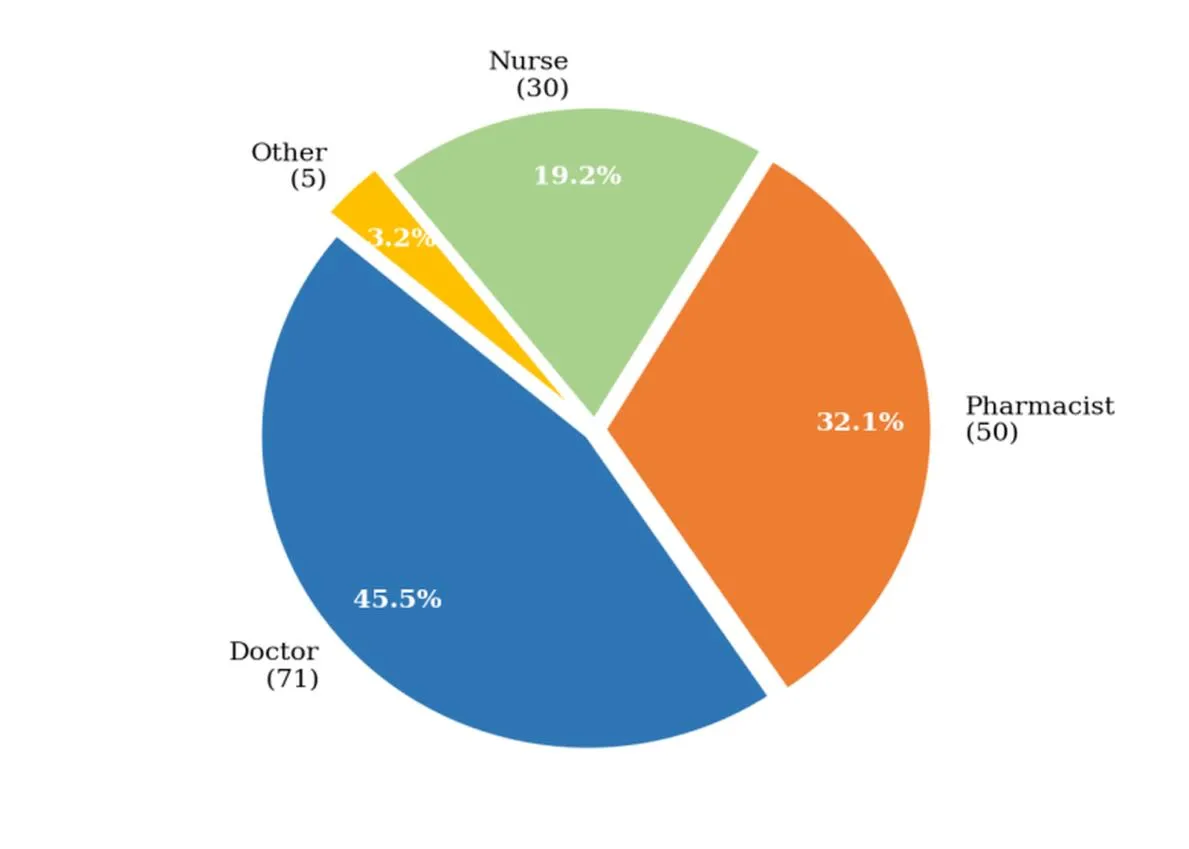
Fig. 1: Distribution of professions of respondents (n = 156). Pie chart of proportions per category of professionals.
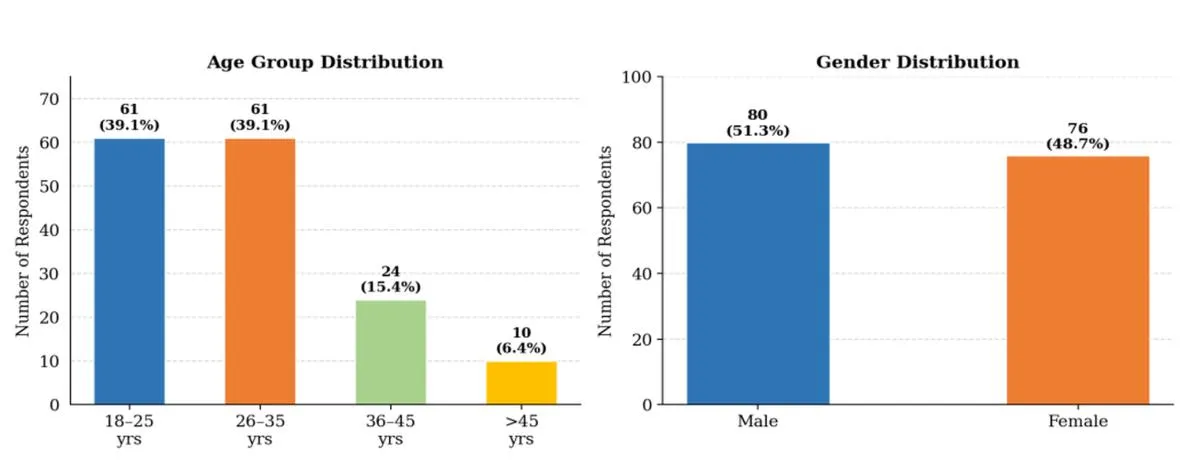
Fig. 2: Age and gender structure of the respondents (n = 156). Left panel: distribution of four age groups. Right panel: gender distribution.
Awareness of pharmacovigilance and digital tools
Table 2 summarises awareness data, plotted in Fig. 3. The conceptual awareness of PV was good (92.9%) and almost universal (98.1%) for awareness of the recommendation/mandate for reporting of ADR. There was, however, a disparity between knowledge and training with only 51.9% of respondents stating that they had been trained in reporting on ADR and only 63.5% stating that they knew the actual ADR reporting procedure. The PvPI ADR App was the best known (46.8%) followed by Med Safety App (31.4%) and VigiFlow (30.1%) for tool-specific awareness (multi-select). Interestingly, 32.7% of respondents knew nothing of any digital PV tool.
TABLE 2: AWARENESS OF PHARMACOVIGILANCE AND DIGITAL PV TOOLS AMONG RESPONDENTS (N = 156)
|
Awareness item |
Yes, n (%) |
No, n (%) |
|
Aware of pharmacovigilance concept |
145 (92.9) |
11 (7.1) |
|
ADR reporting is mandatory/recommended in clinical practice |
153 (98.1) |
3 (1.9) |
|
Received formal training on ADR reporting |
81 (51.9) |
75 (48.1) |
|
Aware of digital PV tools (PvPI ADR App/VigiFlow/Med Safety App) |
106 (67.9) |
50 (32.1) |
|
Know the digital ADR reporting procedure |
99 (63.5) |
57 (36.5) |
ADR = adverse drug reaction; PV = pharmacovigilance; PvPI = Pharmacovigilance Programme of India
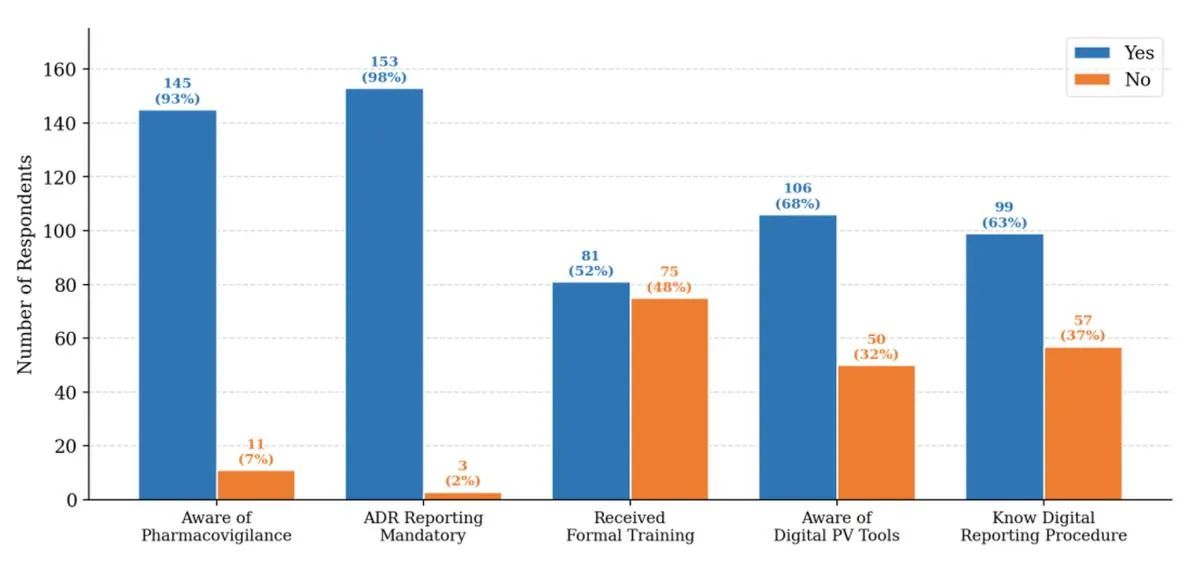
Fig. 3: Recognition of pharmacovigilance and digital PV tools among the respondents (n = 156).
ADR identification and reporting practice
The data for identification and reporting of ADR are provided in Table 3 and Fig. 4. Some 55.8% of respondents had formally reported an ADR in practice while 73.7% identified an ADR in practice, with an approximate gap of 18 percentage points between the two. Of those that said they reported, 'rarely' was the most frequent (35.9%), 14.7% said they did so regularly, and 20.5% said they did not report. Only 10.9% did exclusive digital reporting and 35.3% did both paper based and digital reporting.
TABLE 3: ADR IDENTIFICATION AND REPORTING PRACTICE AMONG RESPONDENTS (N = 156)
|
Variable |
n (%) |
|
Identified an ADR in clinical practice - Yes |
115 (73.7) |
|
Identified an ADR in clinical practice - No |
41 (26.3) |
|
Ever formally reported an ADR - Yes |
87 (55.8) |
|
Ever formally reported an ADR - No |
69 (44.2) |
|
Reporting frequency: Never |
32 (20.5) |
|
Reporting frequency: Rarely |
56 (35.9) |
|
Reporting frequency: Occasionally |
45 (28.8) |
|
Reporting frequency: Regularly |
23 (14.7) |
|
Reporting method: Paper-based only |
33 (21.2) |
|
Reporting method: Digital tool only |
17 (10.9) |
|
Reporting method: Both (paper-based and digital) |
55 (35.3) |
|
Reporting method: Not applicable |
51 (32.7) |
|
Used a digital PV tool for ADR reporting - Yes |
88 (56.4) |
|
Used a digital PV tool for ADR reporting - No |
68 (43.6) |
ADR = adverse drug reaction; PV = pharmacovigilance
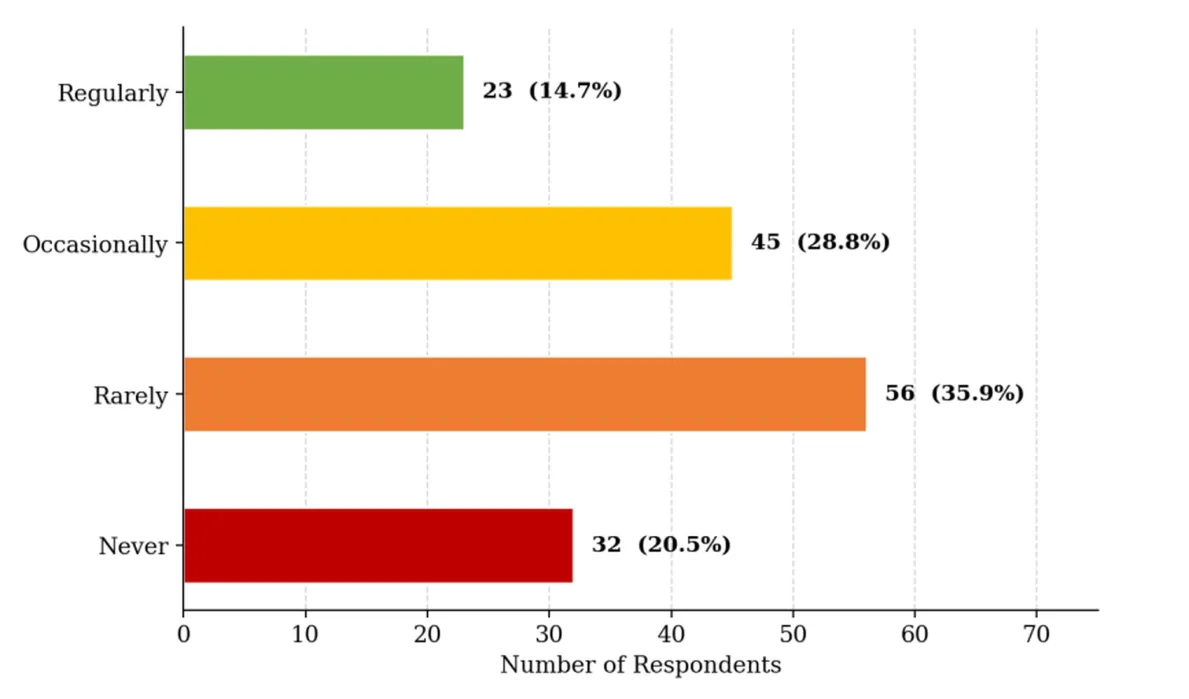
Fig. 4: ADR reporting frequency of respondents (n = 156).
Digital readiness and attitudes
Digital readiness indicators are provided in Table 4 and Fig. 5. The majority of respondents reported that the digital ADR reporting systems were Easy or Very Easy to use (69.9%) and 62.2% said they felt confident in their use of digital tools. The majority of respondents (81.4% and 87.8% respectively) believe that digital tools are having a positive effect on patient safety and on the reporting of ADR. The most significant findings were that 93.6% were ready to undertake digital PV training, and 92.3% agreed to mandatory digital reporting.
TABLE 4: DIGITAL READINESS INDICATORS AMONG RESPONDENTS (N = 156)
|
Indicator |
n (%) |
|
Digital ADR reporting systems rated Easy or Very Easy to use |
109 (69.9) |
|
Digital ADR reporting systems rated Difficult or Very Difficult |
47 (30.1) |
|
Confident using digital tools for ADR reporting (Agree + Strongly Agree) |
97 (62.2) |
|
Neutral regarding confidence in digital tools |
48 (30.8) |
|
Digital tools improve patient safety (Agree + Strongly Agree) |
127 (81.4) |
|
Digital tools increase ADR reporting rates - Yes |
137 (87.8) |
|
Willing to receive digital PV training - Yes |
146 (93.6) |
|
Support mandatory digital ADR reporting - Yes |
144 (92.3) |
ADR = adverse drug reaction; PV = pharmacovigilance

Fig. 5: Digital preparedness and perception towards digital pharmacovigilance among the respondents (n = 156).
Barriers to digital ADR reporting
The barriers to digital ADR reporting are summarised in Table 5 and Fig. 6. Lack of training (60.3%) and lack of awareness (59.6%) were far more common than technical issues (14.1%) or time constraints (14.1%), with the former being more than four times as common as the latter. This hierarchy can be used to represent digital adoption of PV as an educational problem, rather than an infrastructural problem.
TABLE 5: BARRIERS TO DIGITAL ADR REPORTING AMONG RESPONDENTS (N = 156; MULTIPLE RESPONSES PERMITTED)
|
Barrier |
Frequency (n) |
Respondents (%) |
|
Lack of training |
94 |
60.3 |
|
Lack of awareness |
93 |
59.6 |
|
Technical issues |
22 |
14.1 |
|
Time constraints |
22 |
14.1 |
ADR = adverse drug reaction; n = number of respondents
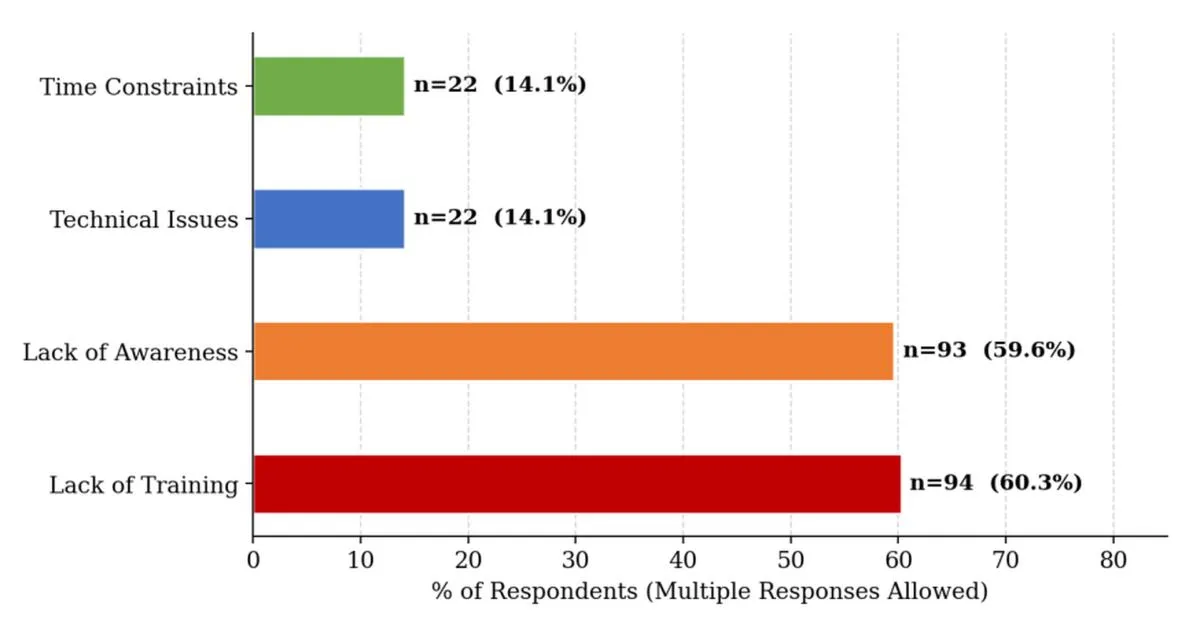
Fig. 6: Obstacles to digital reporting of ADR among the respondents (n = 156).
Awareness-to-training gap
While most (92.9%) understood the PV, only half of the respondents had received formal training in the reportage of ADR. This is comparable with Sharma et al.11 who reported 72% awareness of PV and 73% unawareness of digital reporting practices and with Tripathi et al.12 who reported that high awareness of PV (76%) and high unawareness of digital reporting practices (73%) does not translate into HCPs reporting an ADR (only 45%). The results shown here all indicate that conceptual knowledge without systematic and practical training is not enough to support reporting behaviour.
ADR identification-to-report gap and digital adoption
There is a problem transforming clinical observations to PV data throughout the system as evidenced by the gap between identification (73.7%) and formal reporting (55.8%) of ADR by 18 percentage points. A low percentage of respondents (10.9%) used digital tools only, which is similar to Singh et al.17 who reported low adoption rates of mobile PV tools among Indian HCPs, largely due to the lack of training and awareness. Reporting rate as a whole (55.8%) is also at the high end of the range (12-60.8%) of the 25 studies used by Putri et al.13. This could be the result of a sample that was more 'digitally literate'.
Digital readiness: a generational policy opportunity
The most innovative and relevant discovery of this study was the digitally ready nature of the HCPs; 93.6% said they were willing to take part in digital PV training; 92.3% said that they should be required to report digitally. These rates are significantly higher than found in similar PV studies in India and are consistent with the rates observed in the study by Reddy et al.18 that found that younger HCPs are much more digitally ready. HRLW is a policy window that has a short time window that can be used by appropriately designed interventions.
Educational rather than infrastructural barriers
Both training and lack of awareness barriers are over four times more prevalent than technical barriers and time constraints, respectively, and serve as a clear reminder that digital PV underreporting is an educational problem, not a technological one. This is in line with the results of Putri et al.13 and Sharma et al.11, who found education and training to be the top two intervention targets in 12 countries. Programmes and activities that are financially supported (funded CME), specially designed digital programmes for PV training and integration of the programme in the curriculum are likely to create a much greater impact than infrastructure development in practice.
Limitations
There were certain limitations in this study. The downside to the online survey method was that it might have sought out HCPs that are more urban-oriented and are active online. Secondly, the sample size (156) was larger than the minimum size set before the study, but not of a size that the study could support national level generalisation and larger multi-centre studies are warranted. Third, the sample was heavily urban, 80.1% of the respondents, which may not apply to the PV landscape in rural healthcare facilities.
CONCLUSION
This is cross sectional study, which aims to conclude that, India digital pharmacovigilance is at a pivotal juncture. There is a high conceptual awareness within the healthcare professionals (92.9%), and an almost complete awareness and reporting rate (98.1%), but there is a clear training need (51.9% trained), a significant difference between awareness identification and reporting (73.7% vs. 55.8%) and a limited exclusive use of digital tools (10.9%). The biggest take-home lesson is that the makings of a digital adoptee is in education, not technology. This digital preparedness is also evident in the extremely high share of this group that feels prepared to train for digital readiness (93.6%) as well as would like digital systems to be obligatory (92.3%) – a wonderful chance for systemic change. High impact interventions that could help strengthen the PV programme in India and improve the safety outcomes for patients include the integration of digital PV education into the Pharmacy & Medical colleges' curriculum, introduction of institutional mandates for digital ADR reporting and ongoing enhancement of the user experience of the PvPI ADR App.
ACKNOWLEDGEMENT
The authors thank all healthcare professionals who voluntarily participated in this survey. No external persons, institutions, or funding sources contributed to this work, and the authors declare no conflicts of interest relevant to the content of this article.
CONFLICTS OF INTEREST
The authors declare no conflicts of interest relevant to the content of this article.
REFERENCES


Snehal Chavan, Sachin Shinde, Assessment of Awareness, Readiness, and Adoption of Digital Pharmacovigilance Tools among Healthcare Professionals in India: A Cross-Sectional Survey, Int. J. of Pharm. Sci., 2026, Vol 4, Issue 8, 130-139, https://doi.org/10.5281/zenodo.21737030
 10.5281/zenodo.21737030