

We use cookies to ensure our website works properly and to personalise your experience. Cookies policy
1,8 University of Alzaiem Alazhary –faculty of medical laboratory science. Department of Hematology & Immunohematology
2,3,4,5,6 Faculty of Medical Laboratory Sciences-Sudan International University &-Hayat University College-7 Department of Hematology & Immunohematology
7Associate professor, faculty of medicine, University of Dongola department of community medicine –Sudan.
9 Register professional Master in Emergency Medicine – Sfax University- Tunisia.
Background: Dengue is a major global public health problem, particularly in tropical and subtropical regions, with millions of infections occurring annually. Its prevention remains difficult because of limitations in vaccination and mosquito-control strategies, as well as the presence of four distinct dengue virus serotypes. In Sudan, dengue transmission has been exacerbated by the war and population displacement, contributing to widespread infection and deaths associated with hematological complications, particularly thrombocytopenia and bleeding. Therefore, this study was conducted to evaluate hematological parameters in dengue patients and assess changes following nutritional supplementation with squash (pumpkin) juice.Methodology: This cohort study included 30 patients diagnosed with dengue fever and 30 healthy individuals as controls. Whole blood samples were analyzed for complete blood count (CBC) using a Mindray BC-3000 automated hematology analyzer, focusing on hemoglobin (Hb), total white blood cell count (TWBC), and platelet count. CBC measurements were performed at diagnosis and repeated 10–14 days later after nutritional support and consumption of pumpkin juice (squash). Data were analyzed using SPSS version 22, with CBC parameters compared between dengue patients and healthy controls and between the two assessment periods.Result: Comparison between pre- and post-intervention values reveals a marked increase in platelet count (+93 ×10?/L), which represents the most significant hematological improvement. Hemoglobin levels showed a moderate increase (+1.0 g/dL), while white blood cell count exhibited a slight decrease (-0.5 ×10?/L). Overall, the findings indicate that squash juice may have a more pronounced effect on platelet recovery compared to other blood parametersConclusion: it has been observed that enhancement if CBC parameters after taking squash juice
Dengue virus (DENV) infection is regarded as one of the most significant mosquito-borne diseases worldwide, affecting approximately 2.5 billion people living in tropical and subtropical regions. DENV belongs to the family Flaviviridae and is primarily transmitted to humans through the bites of infected female Aedes mosquitoes, particularly Aedes aegypti and Aedes albopictus. The four recognized DENV serotypes (DENV-1 to DENV-4) share broadly similar biological and epidemiological characteristics 1. Annually 10,000 deaths across over 125 countries in the world2.
As a tropical neglected illness, dengue infection brought on by DENV can produce a wide range of clinical symptoms, from asymptomatic infections to severe dengue hemorrhagic fever (DHF) with shock. Acute, biphasic fever, myalgia, arthralgia, headache, and a characteristic skin rash are the usual symptoms of dengue fever. Leukopenia, lymphadenopathy, and thrombocytopenia are frequently found in laboratory results. The disease develops in three different stages: (a) Febrile Phase: characterized by a high-grade fever that appears suddenly and lasts for two to seven days. (b) Critical Phase: Hemostatic dysfunction, increased vascular permeability, and plasma leakage are possible complications that could progress to DHF. (c) Convalescent Phase: This phase of recuperation is marked by rash, cutaneous itching, and an increase in hunger 3.
DENV replication and the early events underlying dengue pathogenesis begin shortly after the virus gains entry into its host. Following ingestion of an infectious blood meal by a female Aedes mosquito, DENV first establishes infection in the mosquito midgut and subsequently replicates before disseminating to other tissues. Under suitable environmental conditions, particularly at temperatures around 25°C, the extrinsic incubation period typically lasts approximately 8–10 days, during which the virus replicates, undergoes maturation, and migrates to the salivary glands. Once the salivary glands become infected, DENV can be transmitted to another host through the mosquito's saliva during a subsequent blood meal. During feeding, the mosquito releases saliva containing compounds that interfere with host hemostasis, thereby facilitating blood uptake. DENV is consequently inoculated into the skin, primarily involving the dermal and epidermal tissues, although a proportion of viral particles may gain direct access to the circulation. At the site of inoculation, the virus can infect susceptible skin cells, including keratinocytes and Langerhans cells, a specialized population of dendritic cells involved in local immune surveillance. Replication within these cells represents an important early step in DENV infection and facilitates subsequent viral dissemination within the host 4. Following initial infection of the skin, DENV can disseminate to the lymphatic system and reach the regional lymph nodes, where it stimulates the recruitment and activation of leukocytes. Like other flaviviruses, DENV begins its replication cycle when viral particles bind to specific receptors on the surface of susceptible host cells. The virus is subsequently internalized through receptor-mediated endocytosis and enclosed within an endosomal compartment. Acidification of the endosome induces conformational changes in the viral envelope (E) protein, promoting fusion of the viral and endosomal membranes and subsequent release of the viral genome into the cytoplasm. The released positive-sense RNA genome is transported to the endoplasmic reticulum (ER), where it serves as a template for translation into a single polyprotein. This polyprotein is subsequently processed into structural and nonstructural proteins that are essential for viral RNA replication, assembly, and maturation. During genome replication, the viral RNA-dependent RNA polymerase (RdRp) first synthesizes a complementary negative-sense RNA strand, which then serves as a template for the production of multiple positive-sense RNA copies. These newly synthesized RNA genomes, together with the structural proteins, are incorporated into newly formed viral particles. Following maturation, newly produced virions are released from infected cells and can spread to neighboring susceptible cells, thereby sustaining the infection 5-6. Through a combination of immune-mediated mechanisms, platelet malfunction and destruction, bone marrow suppression, and activation of inflammatory and coagulation pathways, dengue virus infection results in hematological abnormalities. Impaired platelet production, increased platelet clearance, and increased platelet consumption all contribute to the typical feature of thrombocytopenia 7. In severe cases of dengue, due to endothelial injury which affects hemostasis, there is concomitant activation of coagulation due to the release of cytokines and fibrinolysis due to the formation of fibrin. A relative imbalance in the coagulation system can lead to disseminated intravascular coagulation which can cause widespread thrombosis and bleeding. Microvascular thrombosis can cause multi-organ ischemia and eventually lead to failure. Dengue fever can cause suppression of the bone marrow leading to exacerbation of thrombocytopenia, development of anemia and dysfunction of the immune system. Another hematological complication is the development of hypovolemic shock the development of which is contributed by the leakage of plasma leading to hemoconcentration 8--10. Many of the clinical signs of dengue, such as fever, headache, myalgia, arthralgia, rash, bleeding, and severe vascular-leakage syndromes, are caused by the combination of these hematological and vascular abnormalities and the host inflammatory response 7.
Using squash as treatment of dengue virus infection
The term 'using squash as a treatment for dengue virus infection' should be interpreted as supportive nutritional therapy rather than a definitive medical treatment. Currently, there is no scientific evidence that squash can cure or directly eliminate the dengue virus. Instead, squash may serve as a nutritional supplement due to its content of vitamins, minerals, antioxidants, and other bioactive compounds that could support the patient's nutritional status and recovery when used alongside standard medical care. Therefore, this study investigates squash as an adjunctive supportive intervention rather than as a replacement for conventional dengue management."
Methodology
This cohort study targeted dengue virus infected patients, they were 30, they undergoing blood collection in ethylene diamine tetra acetic acid (EDTA) for complete blood count (CBC) which conducted by hematology analyzer Mindray BC 3000, which performed first time with the diagnosis of dengue fever and after 10 days after administration of infusions as antipyretic and taking pumpkin (squash) in form of juice. Hemoglobin concentration, white blood cell and platelet counts were followed for checking. Comparison against health subjects set as control group involved 30 subjects.
Result
As in table 1 and figure 1: The distribution of the study population shows that males constituted the majority of participants (56.7%), while females accounted for 43.3%. Regarding age, most patients were within the 50–65 years’ age group (43.3%), followed by those above 65 years (26.7%) and those under 50 years (30%). In terms of disease duration, the majority of patients (70%) presented after 4–5 days of illness, while 30% presented earlier (2–3 days).
As in table 4.2: The baseline hematological findings demonstrate that dengue patients had reduced platelet counts, with a mean value of 79 ×10⁹/L, indicating thrombocytopenia. The mean white blood cell count was slightly decreased (5.3 ×10⁹/L), suggesting mild leukopenia, while hemoglobin levels (mean = 10.9 g/dL) showed mild anemia in some patients. These findings are consistent with the known effects of dengue virus infection on bone marrow suppression and immune-mediated destruction of blood cells.
Table 1: Demographic Characteristics of Study Population (n = 30)
|
Variable |
Category |
Frequency |
Percentage (%) |
|
Gender |
Male |
17 |
56.7% |
|
Female |
13 |
43.3% |
|
|
Age Group |
<50 years |
9 |
30% |
|
50–65 years |
13 |
43.3% |
|
|
>65 years |
8 |
26.7% |
|
|
Duration of Dengue |
2–3 days |
9 |
30% |
|
4–5 days |
21 |
70% |
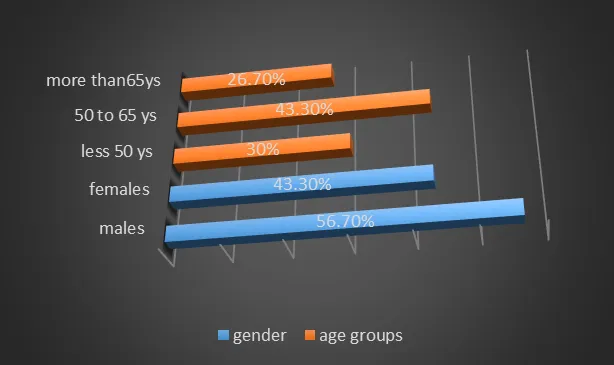
Figure 1: Demographic Characteristics of Study Population (n = 30)
Table 2: Baseline CBC Parameters in Dengue Patients (Before Squash Juice)
|
Parameter |
Mean ± SD |
|
Hemoglobin (Hb) |
10.9 ± 2.7 g/dL |
|
Total WBC (×10⁹/L) |
5.3 ± 2.6 |
|
Platelet Count (×10⁹/L) |
79 ± 42 |
Table 3: Following the administration of squash juice, there was a noticeable improvement in hematological parameters. The mean platelet count increased substantially to 172 ×10⁹/L, approaching normal levels. Hemoglobin levels also improved to a mean of 11.9 g/dL, while the white blood cell count showed slight stabilization (mean = 4.8 ×10⁹/L). These results suggest a potential supportive role of squash juice in enhancing hematopoietic recovery, particularly in platelet production.
Table 3: CBC Parameters after Squash Juice Intervention
|
Parameter |
Mean ± SD |
|
Hemoglobin (Hb) |
11.9 ± 2.3 g/dL |
|
Total WBC (×10⁹/L) |
4.8 ± 1.5 |
|
Platelet Count (×10⁹/L) |
172 ± 32 |
Comparison between pre- and post-intervention values reveals a marked increase in platelet count (+93 ×10⁹/L), which represents the most significant hematological improvement. Hemoglobin levels showed a moderate increase (+1.0 g/dL), while white blood cell count exhibited a slight decrease (-0.5 ×10⁹/L). Overall, the findings indicate that squash juice may have a more pronounced effect on platelet recovery compared to other blood parameters as in table 4.
Table 4: Comparison of CBC Parameters before and After Squash Juice
|
Parameter |
Before (Mean) |
After (Mean) |
Mean Difference |
Interpretation |
|
Hemoglobin |
10.9 |
11.9 |
+1.0 |
Improved |
|
WBC |
5.3 |
4.8 |
-0.5 |
Slight decrease |
|
Platelets |
79 |
172 |
+93 |
Markedly improved |
As in table 4.5: The control group demonstrated normal hematological values, with mean hemoglobin of 12.9 g/dL, white blood cell count of 6.9 ×10⁹/L, and platelet count of 280 ×10⁹/L. These values fall within standard reference ranges and highlight the contrast between healthy individuals and dengue patients at baseline. This comparison further emphasizes the degree of hematological impairment caused by dengue infection.
Table 5: CBC Parameters in Control Group
|
Parameter |
Mean ± SD |
|
Hemoglobin (Hb) |
12.9 ± 2.1 g/dL |
|
Total WBC (×10⁹/L) |
6.9 ± 1.8 |
|
Platelet Count (×10⁹/L) |
280 ± 90 |
Analysis of platelet count changes by gender shows that both males and females experienced significant improvement after squash juice administration. Males demonstrated an increase of approximately 92 ×10⁹/L, while females showed a similar increase of about 94 ×10⁹/L. This indicates that the effect of squash juice on platelet recovery is consistent across genders and is not influenced by sex differences as in table 6.
Table 6: Platelet Count Improvement by Gender
|
Gender |
Mean Platelet Before |
Mean Platelet After |
Improvement |
P value |
|
Male |
88 |
180 |
+92 |
0.000 |
|
Female |
68 |
162 |
+94 |
0.000 |
Patients who presented earlier (2–3 days) showed an increase in platelet count of about 90 ×10⁹/L, whereas those who presented later (4–5 days) exhibited a slightly higher improvement (+96 ×10⁹/L). This suggests that patients in the later stage of illness may experience greater recovery, possibly due to the natural disease course combined with the supportive effect of squash juice as in table 7.
Table 7: Platelet Count Improvement by Duration of Illness
|
Duration |
Platelets Before |
Platelets After |
Improvement |
P value |
|
2–3 days |
95 |
185 |
+90 |
0.000 |
|
4–5 days |
72 |
168 |
+96 |
0.000 |
The paired t-test analysis revealed a highly significant increase in platelet count after squash juice administration (p < 0.001), indicating a strong effect of the intervention. Hemoglobin levels also showed a statistically significant improvement (p = 0.003). However, the change in white blood cell count was not statistically significant (p = 0.156). These findings suggest that squash juice may specifically enhance platelet recovery, with limited effect on white blood cells.
There was a statistically significant increase in platelet count after administration of squash juice (t = 9.87, p < 0.001). Hemoglobin levels also showed a significant improvement (t = 3.21, p = 0.003). However, the change in white blood cell count was not statistically significant (t = 1.45, p = 0.156). These findings suggest that squash juice may have a beneficial effect on platelet recovery in dengue patients as in table 8.
: Before treatment, dengue patients demonstrated significantly lower hematological values compared with the control group. Hemoglobin levels were significantly reduced (p = 0.003), indicating mild anemia. White blood cell counts were also significantly lower (p = 0.008), reflecting leukopenia associated with dengue infection. The most prominent difference was observed in platelet count, which was markedly reduced among dengue patients compared with healthy controls (p < 0.001), confirming severe thrombocytopenia as a characteristic hematological manifestation of dengue fever as in table 9.
Table 8: Paired t-test for CBC Parameters (Before vs After Squash Juice)
|
Parameter |
Mean Before |
Mean After |
Mean Difference |
t-value |
p-value |
Significance |
|
Hemoglobin (Hb) |
10.9 |
11.9 |
+1.0 |
3.21 |
0.003 |
Significant |
|
WBC (×10⁹/L) |
5.3 |
4.8 |
-0.5 |
1.45 |
0.156 |
Not Significant |
|
Platelets (×10⁹/L) |
79 |
172 |
+93 |
9.87 |
<0.001 |
Highly Significant |
Table 9: Comparison of Baseline CBC Parameters between Dengue Patients (Before Treatment) and Control Group
|
Parameter |
Dengue Patients Before Treatment (Mean ± SD) |
Control Group (Mean ± SD) |
t-value |
P-value |
Significance |
|
Hemoglobin (g/dL) |
10.9 ± 2.7 |
12.9 ± 2.1 |
3.22 |
0.003 |
Significant |
|
WBC (×10⁹/L) |
5.3 ± 2.6 |
6.9 ± 1.8 |
2.76 |
0.008 |
Significant |
|
Platelets (×10⁹/L) |
79 ± 42 |
280 ± 90 |
11.54 |
<0.001 |
Highly Significant |
As in table 4.10: Following squash juice administration, hemoglobin levels improved and were no longer significantly different from those of the control group (p = 0.084), suggesting partial hematological recovery. However, white blood cell counts remained significantly lower than those of healthy controls (p < 0.001). Platelet counts increased substantially after treatment but remained significantly lower than those observed in the control group (p < 0.001). These findings indicate that squash juice may contribute to hematological improvement, particularly platelet recovery, although complete normalization was not achieved during the study period.
Table 10: Comparison of CBC Parameters between Dengue Patients after Squash Juice Treatment and Control Group
|
Parameter |
Dengue Patients After Treatment |
Control Group |
P-value |
Significance |
|
(Mean ± SD) |
(Mean ± SD) |
|||
|
Hemoglobin (g/dL) |
11.9 ± 2.3 |
12.9 ± 2.1 |
0.084 |
Not Significant |
|
WBC (×10⁹/L) |
4.8 ± 1.5 |
6.9 ± 1.8 |
<0.001 |
Highly Significant |
|
Platelets (×10⁹/L) |
172 ± 32 |
280 ± 90 |
<0.001 |
Highly Significant |
DISCUSSION
The present study was conducted to evaluate the effect of squash juice on hematological parameters among dengue fever patients, with particular emphasis on platelet count, white blood cell count, and hemoglobin levels. The findings demonstrated that dengue infection was associated with significant hematological abnormalities, including thrombocytopenia, leukopenia, and mild anemia. Following squash juice administration, substantial improvement was observed in platelet count and hemoglobin levels, while changes in white blood cell count were not statistically significant.
The demographic characteristics of the study population showed that males constituted the majority of participants (56.7%), while females represented 43.3%. Most patients were within the age group of 50–65 years. These findings partially agree with the study that analyzed 280 dengue patients, where males were more frequently affected than females and dengue infection was more common among adults. The higher proportion of male patients may be attributed to greater occupational and environmental exposure to mosquito vectors.
The baseline hematological findings revealed a reduced mean platelet count (79 ×10⁹/L) among dengue patients, confirming thrombocytopenia as one of the major manifestations of dengue fever. These findings are consistent with previous studies that reported significant thrombocytopenia among dengue-positive patients and identified platelet count as an important predictor of dengue infection. Similarly, the study involving 280 dengue patients demonstrated that severe thrombocytopenia was significantly associated with more severe forms of dengue fever. The reduction in platelet count observed in the current study may be explained by bone marrow suppression, immune-mediated platelet destruction, and increased peripheral consumption associated with dengue virus infection.
The mean white blood cell count before treatment was 5.3 ×10⁹/L, indicating mild leukopenia. This finding agrees with the meta-analysis conducted among dengue patients in Nepal, which reported significantly lower total leukocyte counts in dengue-infected individuals compared with healthy controls. The reduction in leukocyte count is likely due to transient suppression of bone marrow activity caused by viral infection. Furthermore, previous research identified total leukocyte count as one of the significant hematological predictors of dengue positivity, supporting the observations of the current study.
The current study also demonstrated lower hemoglobin levels among dengue patients compared with controls. Although anemia is not considered a classical feature of dengue fever, the reduced hemoglobin levels observed in this study may be related to nutritional status, underlying health conditions, or the hematological effects of acute infection. The significant differences between patients and healthy controls further emphasize the impact of dengue infection on overall hematological status.
One of the most important findings of the present study was the significant increase in platelet count following squash juice administration. The mean platelet count increased from 79 ×10⁹/L before treatment to 172 ×10⁹/L after treatment, representing an average increase of 93 ×10⁹/L. Statistical analysis confirmed that this improvement was highly significant (p < 0.001). These findings suggest that squash juice may contribute to hematopoietic recovery and platelet regeneration. Although previous studies primarily focused on hematological changes associated with dengue infection rather than therapeutic interventions, the observed improvement indicates a potential supportive role of squash juice in the management of dengue-associated thrombocytopenia.
The improvement in platelet count was observed in both males and females, with nearly identical levels of recovery between the two groups. This suggests that the beneficial effect of squash juice on platelet production is independent of gender. Likewise, patients presenting after 4–5 days of illness demonstrated slightly greater platelet recovery than those presenting earlier, possibly reflecting the combined influence of the natural recovery phase of dengue infection and the supportive effect of squash juice.
Hemoglobin levels increased significantly from 10.9 g/dL to 11.9 g/dL following squash juice administration (p = 0.003). This improvement may indicate enhanced nutritional support and recovery of hematopoietic function. After treatment, hemoglobin levels were no longer significantly different from those of the control group, suggesting partial restoration of normal hematological status. In contrast, white blood cell counts showed a slight decrease after treatment, and the difference was not statistically significant (p = 0.156). These findings indicate that squash juice may have limited influence on leukocyte recovery. The persistence of lower white blood cell counts compared with healthy controls after treatment may reflect the prolonged effect of dengue virus infection on bone marrow function. Similar observations have been reported in previous studies that documented leukopenia as a characteristic feature of dengue infection.
Comparison with the control group further highlighted the hematological impact of dengue fever. Before treatment, patients exhibited significantly lower hemoglobin, white blood cell, and platelet counts than healthy individuals. Following squash juice administration, hemoglobin levels approached normal values, whereas platelet counts improved substantially but remained below control values. White blood cell counts continued to be significantly lower than those of healthy controls. These findings suggest that although squash juice may accelerate hematological recovery, complete normalization may require a longer recovery period.
The findings of this study support previous evidence regarding the hematological manifestations of dengue fever, particularly thrombocytopenia and leukopenia. In addition, the study provides evidence that squash juice may serve as a beneficial supportive intervention for improving platelet count and hemoglobin levels among dengue patients. Further studies involving larger sample sizes, randomized controlled designs, and longer follow-up periods are recommended to confirm these findings and clarify the mechanisms responsible for the observed hematological improvements.
Partial agreement with studies conducted at the same manner included as study focused on the fact that infection of DENV causes lower in white blood cell (WBC) and this condition is known as leukopenia due to depletion of bone marrow, so the study assessed hematological parameters, especially the WBC for the proper diagnosis, management and prognosis of this viral infection through meta-analysis to understand the impact of dengue virus on the hematology of patients from Nepal. The data showed a significantly lower (p < 0.05) total leukocytes counts in dengue infected groups than in control group 11.
Another partial agreement with a laboratory-based cross-sectional study was conducted among the patients with DENV. When compared to dengue-negative cases, dengue-positive cases had thrombocytopenia, leucopenia, erythrocytosis, high hemoconcentration, low mean corpuscular hemoglobin (MCH), and mean corpuscular hemoglobin concentration (MCHC). However, binary logistic regression predicted platelet count, total leucocyte count, MCH, MCHC, neutrophil count and lymphocyte count as significant predictors of dengue positivity. The study revealed the characteristics and demographics of dengue-positive cases and their associations with hematological parameters. Furthermore, the identified predictive markers can help healthcare professionals diagnose and manage dengue cases more promptly, potentially reducing the disease's burden 12.
Another partial agreement with a study analyzed 280 dengue patients (77.8% male, 22.1% female) with a median age of 30 years. The highest incidence occurred in the 40–60 age group (53%). Dengue fever (DF) was predominant (229 cases), while dengue hemorrhagic fever (DHF) affected 51 patients, with males showing higher infection rates (p=0.03). DHF patients were younger (median age 24.5 vs. 30 years) and exhibited severe symptoms like abdominal pain, rash. Thrombocytopenia (<69,000 cells/mm³) was significant in DHF (p=0.001) 13.
CONCLUSION
This study was conducted to evaluate the effect of squash juice on hematological parameters among patients with dengue fever. The findings demonstrated that dengue infection was associated with significant hematological abnormalities, particularly thrombocytopenia, leukopenia, and reduced hemoglobin levels compared with healthy individuals.
Following the administration of squash juice, a significant improvement was observed in platelet count, which increased from a mean of 79 ×10⁹/L to 172 ×10⁹/L. Hemoglobin levels also showed a statistically significant increase after the intervention. However, no significant change was observed in white blood cell count. The improvement in platelet count was consistent across both genders and different durations of illness.
The study concludes that squash juice may serve as a beneficial supportive nutritional intervention for dengue patients, particularly in enhancing platelet recovery and improving hemoglobin levels. Although complete normalization of hematological parameters was not achieved during the study period, the observed improvements suggest that squash juice could contribute positively to the recovery process in patients with dengue fever.
Recommendations
Based on the findings of this study, the following recommendations are proposed:
Supportive nutrition: Squash juice may be used as a supportive nutritional supplement, especially in dengue patients with thrombocytopenia.
Hematological monitoring: Regular monitoring of CBC parameters, particularly platelet counts, is recommended to assess disease progression and recovery.
Further clinical trials: Larger randomized controlled trials are needed to confirm the effectiveness of squash juice.
Mechanistic studies: Future research should investigate how squash juice may affect platelet production and hematopoiesis.
Long-term follow-up: Longer follow-up periods are needed to determine whether hematological improvements are sustained.
Comparative research: Squash juice should be compared with other nutritional and supportive interventions for dengue-associated thrombocytopenia.
Health education: Public health programs should promote appropriate nutritional support while emphasizing that it complements, not replaces, standard medical care.
Safety and dosage: Further studies should determine its safety, optimal dose, and duration of use across different age groups and clinical presentations.
REFERENCES
Comprehensive Review. Pharmacy and Drug Development: 30 November 2024
Comprehensive Review. Pharmacy and Drug Development: 30 November 2024

Wala Eldin Osman Alradi, Esra B A. Algaili, Lenaa Omer SalahAdin Omer, Mohammed Abdelazeem M. Musa, Mortada B. M. Suliman, Weam Abdo M. Abdalgani, Amira Hassan AbdAlrahman Arman, Safa Wdidi, Ines Belaiba Aloulou , Assessment of the Effect of Squash Juice on Hematological parameters (Hemoglobin, white blood cells and platelet counts) among Sudanese Patients with Dengue Virus infection in time of war -2026, Int. J. of Pharm. Sci., 2026, Vol 4, Issue 9, 3288-3298, https://doi.org/10.5281/zenodo.22955893
 10.5281/zenodo.22955893