

We use cookies to ensure our website works properly and to personalise your experience. Cookies policy
1Student, Department of Pharmacology, SSJ College of Pharmacy, Vattinagulapally, Gandipet, Rangareddy District.
2Professor and HOD, Department of Pharmacology, SSJ College of Pharmacy, Vattinagulapally, Gandipet, Rangareddy District.
Diabetes mellitus is a chronic metabolic disorder characterized by persistent hyperglycemia, resulting from defects in insulin secretion, insulin action, or both. The present study was designed to evaluate the antidiabetic and antioxidant activity of the ethanolic extract of Thespesia populnea in streptozotocin (STZ)-induced diabetic rats.Diabetes was induced in Wistar albino rats by a single intraperitoneal injection of streptozotocin (50 mg/kg). Diabetic animals were treated with ethanolic extract of Thespesia populnea at two different doses (200 and 400 mg/kg, p.o.) for 21–28 days. Metformin (100 mg/kg, p.o.) was used as the standard drug. The antidiabetic activity was assessed by evaluating fasting blood glucose, oral glucose tolerance test, serum insulin level, and lipid profile parameters. In vitro antioxidant activity was determined using superoxide, nitric oxide, hydrogen peroxide, hydroxyl radical, and DPPH scavenging assays.The results revealed that the ethanolic extract significantly reduced fasting blood glucose levels, improved glucose tolerance, and increased serum insulin levels in a dose-dependent manner. The extract also improved lipid profile parameters by reducing total cholesterol, triglycerides, LDL, and VLDL levels while increasing HDL levels. Furthermore, the extract exhibited strong antioxidant activity against various free radicals in a dose-dependent manner, indicating potent free radical scavenging potential.The observed pharmacological effects may be attributed to the presence of bioactive phytoconstituents such as flavonoids, phenolic compounds, tannins, and terpenoids. The findings suggest that the ethanolic extract of Thespesia populnea possesses significant antidiabetic and antioxidant properties and may serve as a potential natural therapeutic agent for the management of diabetes mellitus and its
Diabetes mellitus is a complex metabolic disorder characterized by elevated blood glucose levels resulting from defects in insulin secretion, insulin action, or both. It has emerged as one of the most significant global health challenges, affecting millions of people worldwide. The prevalence of diabetes continues to rise due to rapid urbanization, sedentary lifestyles, unhealthy dietary habits, obesity, and genetic predisposition. Persistent hyperglycemia associated with diabetes leads to severe complications such as nephropathy, neuropathy, retinopathy, cardiovascular diseases, and impaired wound healing, thereby increasing morbidity and mortality.According to the World Health Organization, diabetes is among the leading causes of death and disability worldwide. The disease is primarily classified into Type 1 diabetes mellitus, characterized by autoimmune destruction of pancreatic β-cells and absolute insulin deficiency, and Type 2 diabetes mellitus, which is associated with insulin resistance and relative insulin deficiency. Type 2 diabetes constitutes the majority of diabetes cases and is strongly linked to lifestyle and environmental factors.Several synthetic antidiabetic drugs, including Metformin, Glibenclamide, and Acarbose, are currently available for the management of diabetes. Although these medications effectively control blood glucose levels, their long-term use may be associated with adverse effects such as hypoglycemia, gastrointestinal disturbances, weight gain, and drug resistance. Therefore, there is a growing interest in exploring medicinal plants as alternative therapeutic agents due to their efficacy, affordability, accessibility, and lower incidence of side effects.
Medicinal plants contain a variety of bioactive phytoconstituents such as flavonoids, alkaloids, phenolic compounds, tannins, saponins, and terpenoids that have been reported to possess antidiabetic properties. These phytochemicals exert their effects through multiple mechanisms, including stimulation of insulin secretion, enhancement of peripheral glucose uptake, inhibition of carbohydrate-digesting enzymes, reduction of oxidative stress, and protection of pancreatic β-cells. Consequently, plant-based therapies have gained considerable attention in the development of novel antidiabetic agents.Experimental evaluation of antidiabetic activity is commonly performed using in vitro assays such as α-amylase and α-glucosidase inhibition studies and in vivo diabetic animal models induced by streptozotocin (STZ) or alloxan. These models provide valuable information regarding the hypoglycemic, antihyperlipidemic, antioxidant, and pancreatic protective effects of test substances. Assessment of biochemical parameters, oxidative stress markers, and histopathological changes further helps elucidate the mechanisms underlying the antidiabetic activity of plant extracts [1-2].
Symptoms of Diabetes Mellitus
Types of Diabetes Mellitus
Diabetes mellitus is a group of metabolic disorders characterized by chronic hyperglycemia resulting from defects in insulin secretion, insulin action, or both. It is mainly classified into Type 1 diabetes mellitus, Type 2 diabetes mellitus, gestational diabetes mellitus, and other specific types of diabetes. Type 1 diabetes mellitus is an autoimmune disorder caused by the destruction of pancreatic β-cells, leading to absolute insulin deficiency and requiring lifelong insulin therapy. Type 2 diabetes mellitus is the most common form, characterized by insulin resistance and impaired insulin secretion, and is often associated with obesity, sedentary lifestyle, and genetic factors. Gestational diabetes mellitus develops during pregnancy due to hormonal changes that affect insulin sensitivity and usually resolves after childbirth, although it increases the risk of developing Type 2 diabetes later in life. Other specific types of diabetes include those resulting from genetic defects, pancreatic diseases, endocrine disorders, infections, or the use of certain medications. Additionally, prediabetes is a condition in which blood glucose levels are higher than normal but not high enough to be classified as diabetes, serving as an important risk factor for the future development of Type 2 diabetes mellitus. Together, these forms of diabetes represent a significant global health burden and require appropriate diagnosis and management to prevent long-term complications [3].
1. Type 1 Diabetes Mellitus (T1DM)
Type 1 Diabetes Mellitus (T1DM) is a chronic autoimmune disorder characterized by the destruction of insulin-producing β-cells of the pancreas, resulting in an absolute deficiency of insulin. The exact cause of T1DM is not fully understood, but genetic susceptibility and environmental factors such as viral infections are believed to contribute to its development. This form of diabetes commonly occurs in children, adolescents, and young adults, although it can develop at any age. Due to the lack of insulin, glucose cannot effectively enter the body's cells for energy production, leading to elevated blood glucose levels. Common symptoms include excessive thirst (polydipsia), frequent urination (polyuria), increased hunger (polyphagia), unexplained weight loss, fatigue, and blurred vision. If left untreated, Type 1 diabetes can result in serious complications such as diabetic ketoacidosis, which is a life-threatening condition. Management of T1DM requires lifelong administration of insulin along with regular monitoring of blood glucose levels, dietary control, and physical activity to maintain optimal glycemic control and prevent complications.
2. Type 2 Diabetes Mellitus (T2DM)
Type 2 Diabetes Mellitus (T2DM) is the most common form of diabetes, accounting for approximately 90–95% of all diabetes cases worldwide. It is characterized by insulin resistance, in which the body's cells fail to respond effectively to insulin, along with a progressive decline in pancreatic β-cell function that leads to inadequate insulin production. The development of T2DM is influenced by various factors, including obesity, physical inactivity, unhealthy dietary habits, aging, and genetic predisposition. Unlike Type 1 diabetes, Type 2 diabetes usually develops gradually and is more common in adults, although its incidence among younger individuals is increasing due to rising obesity rates. Common symptoms include excessive thirst, frequent urination, increased hunger, fatigue, blurred vision, and delayed wound healing. Long-term uncontrolled diabetes can lead to serious complications such as cardiovascular diseases, neuropathy, nephropathy, and retinopathy. Management of Type 2 diabetes involves lifestyle modifications, including a balanced diet, regular physical activity, weight management, and pharmacological treatment with oral hypoglycemic agents such as Metformin or insulin when necessary. Early diagnosis and proper glycaemic control are essential to prevent complications and improve the quality of life of affected individuals [4].
3. Gestational Diabetes Mellitus (GDM)
Gestational Diabetes Mellitus (GDM) is a form of diabetes that develops during pregnancy in women who were not previously diagnosed with diabetes. It occurs when hormonal changes associated with pregnancy impair the body's ability to utilize insulin effectively, resulting in insulin resistance and elevated blood glucose levels. GDM is usually diagnosed during the second or third trimester of pregnancy through glucose tolerance testing. Risk factors include obesity, advanced maternal age, family history of diabetes, previous history of gestational diabetes, and polycystic ovary syndrome (PCOS). Most women with GDM may not experience noticeable symptoms; however, uncontrolled blood glucose levels can increase the risk of complications such as preeclampsia, cesarean delivery, fetal macrosomia, neonatal hypoglycemia, and birth injuries. Although gestational diabetes often resolves after childbirth, affected women have a significantly higher risk of developing Type 2 Diabetes Mellitus later in life. Management of GDM primarily involves dietary modifications, regular physical activity, blood glucose monitoring, and insulin therapy when necessary. Proper management during pregnancy is essential to ensure the health and well-being of both the mother and the developing fetus [5].
4. Secondary Diabetes Mellitus
Secondary Diabetes Mellitus refers to a form of diabetes that develops as a consequence of other underlying medical conditions, genetic disorders, or the use of certain medications that impair insulin secretion or insulin action. Unlike primary diabetes, secondary diabetes is not caused directly by autoimmune destruction of pancreatic β-cells or insulin resistance alone. Common causes include pancreatic diseases such as chronic pancreatitis, pancreatic cancer, and cystic fibrosis; endocrine disorders such as Cushing’s syndrome, acromegaly, and hyperthyroidism; and prolonged use of drugs such as corticosteroids, thiazide diuretics, and certain antipsychotic medications. The clinical manifestations of secondary diabetes are similar to those of other forms of diabetes and include excessive thirst, frequent urination, increased hunger, fatigue, and elevated blood glucose levels. Management primarily focuses on treating the underlying condition while simultaneously controlling blood glucose through lifestyle modifications, oral antidiabetic medications, or insulin therapy when required. Early diagnosis and appropriate treatment of the causative disorder are essential to prevent complications and achieve effective glycemic control [6].
5. Prediabetes
Prediabetes is a metabolic condition in which blood glucose levels are higher than normal but not sufficiently elevated to be diagnosed as diabetes mellitus. It is considered an intermediate stage between normal glucose regulation and Type 2 Diabetes Mellitus and serves as an important warning sign for future diabetes development. Prediabetes occurs due to insulin resistance and impaired glucose metabolism, causing the body to become less effective at utilizing insulin. Individuals with prediabetes often do not exhibit noticeable symptoms; however, some may experience increased thirst, frequent urination, or signs of insulin resistance such as acanthosis nigricans. Major risk factors include obesity, physical inactivity, unhealthy dietary habits, family history of diabetes, advancing age, hypertension, and dyslipidaemia. If left unmanaged, prediabetes can progress to Type 2 diabetes and increase the risk of cardiovascular diseases. Fortunately, progression can often be prevented or delayed through lifestyle modifications such as maintaining a healthy diet, regular physical exercise, weight reduction, and routine monitoring of blood glucose levels. Early identification and intervention are therefore crucial for reducing the burden of diabetes and its associated complications [7].
6. Other Specific Types of Diabetes
Other specific types of diabetes comprise a diverse group of uncommon forms of diabetes that arise due to specific genetic defects, diseases, or medical conditions affecting insulin production or action. These include genetic defects of pancreatic β-cell function, such as Maturity-Onset Diabetes of the Young (MODY), genetic abnormalities affecting insulin action, diseases of the exocrine pancreas (e.g., pancreatitis, pancreatic cancer, and cystic fibrosis), endocrinopathies such as Cushing’s syndrome and acromegaly, and diabetes induced by infections, medications, or chemical agents. Certain drugs, including glucocorticoids, immunosuppressive agents, and antipsychotic medications, may also contribute to the development of diabetes by impairing glucose metabolism. The clinical manifestations of these forms of diabetes are similar to those of Type 1 and Type 2 diabetes and may include hyperglycemia, excessive thirst, frequent urination, fatigue, and weight loss. Diagnosis requires careful evaluation of the underlying cause, genetic factors, and clinical history. Management depends on the specific etiology and may involve lifestyle modifications, oral antidiabetic drugs, insulin therapy, and treatment of the underlying disorder. Understanding these specific forms of diabetes is important for accurate diagnosis, individualized treatment, and prevention of long-term complications.
Diabetic Complications
Diabetes mellitus is associated with a wide range of complications that arise due to prolonged and uncontrolled hyperglycemia. These complications can affect multiple organs and systems of the body, significantly increasing morbidity and mortality. Diabetic complications are generally classified into microvascular and macrovascular complications. Microvascular complications include diabetic retinopathy, which can lead to visual impairment and blindness; diabetic nephropathy, characterized by progressive kidney damage that may result in renal failure; and diabetic neuropathy, which causes nerve damage leading to numbness, pain, and loss of sensation, particularly in the extremities. Macrovascular complications involve large blood vessels and include cardiovascular diseases such as coronary artery disease, myocardial infarction, stroke, and peripheral arterial disease. Diabetes also impairs wound healing and increases susceptibility to infections, often resulting in diabetic foot ulcers that may require amputation in severe cases. Additionally, acute complications such as diabetic ketoacidosis (DKA) and hyperosmolar hyperglycaemic state (HHS) can be life-threatening if not promptly treated. Effective glycaemic control, regular monitoring, healthy lifestyle practices, and early intervention are essential to prevent or delay the onset of these complications and improve the quality of life of diabetic patients [8].
Diabetes Mellitus Management
The management of diabetes mellitus aims to maintain blood glucose levels within the normal range, prevent acute and chronic complications, and improve the overall quality of life of patients. Effective diabetes management involves a combination of lifestyle modifications, pharmacological therapy, regular monitoring, and patient education. Lifestyle interventions, including a balanced diet, regular physical activity, weight management, smoking cessation, and stress reduction, form the cornerstone of diabetes care. Dietary management focuses on controlling carbohydrate intake, increasing fiber consumption, and maintaining adequate nutrition to achieve optimal glycemic control.Pharmacological treatment depends on the type and severity of diabetes. Patients with Type 1 diabetes require lifelong insulin therapy due to the absence of endogenous insulin production. In Type 2 diabetes, oral hypoglycemic agents such as Metformin, Sulfonylureas, and Acarbose may be prescribed, while insulin therapy may be necessary in advanced cases. Regular monitoring of blood glucose levels, glycated hemoglobin (HbA1c), lipid profile, blood pressure, and kidney function is essential to evaluate treatment effectiveness and detect complications early.Patient education plays a vital role in diabetes management by promoting adherence to medication, healthy lifestyle practices, self-monitoring of blood glucose, and awareness of hypoglycemia and hyperglycemia symptoms. Routine screening for diabetic complications, including retinopathy, nephropathy, neuropathy, and cardiovascular diseases, is also crucial for timely intervention. Through a comprehensive and individualized approach, effective diabetes management can significantly reduce disease-related complications and enhance long-term health outcomes [9].
Current Oral Anti-Diabetic Agents
Oral antidiabetic agents play a crucial role in the management of Type 2 Diabetes Mellitus (T2DM) by helping to maintain blood glucose levels within the normal range. These medications act through different mechanisms, such as enhancing insulin secretion, improving insulin sensitivity, reducing glucose absorption from the intestine, or increasing glucose excretion through the kidneys. They are often prescribed alone or in combination with lifestyle modifications and other antidiabetic therapies to achieve optimal glycaemic control.Biguanides are the most commonly prescribed class of oral antidiabetic drugs, with Metformin being the first-line treatment for Type 2 diabetes. Metformin lowers blood glucose levels primarily by reducing hepatic glucose production and increasing insulin sensitivity in peripheral tissues. It is widely preferred because of its effectiveness, safety profile, and low risk of causing hypoglycemia. Sulfonylureas, including Glibenclamide, Glimepiride, and Gliclazide, stimulate pancreatic β-cells to release insulin. These drugs are effective in lowering blood glucose levels but may be associated with side effects such as hypoglycemia and weight gain. Meglitinides, such as Repaglinide and Nateglinide, also stimulate insulin secretion but have a shorter duration of action and are particularly useful for controlling postprandial blood glucose levels.Thiazolidinediones (TZDs), represented by Pioglitazone, improve insulin sensitivity by activating peroxisome proliferator-activated receptor-gamma (PPAR-γ). These agents enhance glucose uptake by muscle and adipose tissues and reduce insulin resistance. However, their use may be limited by adverse effects such as weight gain, edema, and an increased risk of heart failure in susceptible individuals. Alpha-glucosidase inhibitors such as Acarbose and Miglitol act by inhibiting intestinal enzymes responsible for carbohydrate digestion. This delays glucose absorption and reduces postprandial hyperglycemia. Gastrointestinal side effects, including flatulence and abdominal discomfort, are commonly associated with this class of drugs.More recently, Dipeptidyl Peptidase-4 (DPP-4) inhibitors, including Sitagliptin, Vildagliptin, and Linagliptin, have gained popularity. These drugs prolong the action of incretin hormones, thereby enhancing glucose-dependent insulin secretion and suppressing glucagon release. They are generally well tolerated and have a low risk of hypoglycemia. Another important class is the Sodium-Glucose Cotransporter-2 (SGLT2) inhibitors, including Empagliflozin, Dapagliflozin, and Canagliflozin. These agents reduce blood glucose levels by inhibiting renal glucose reabsorption, thereby promoting glucose excretion through urine. In addition to glycaemic control, they provide cardiovascular and renal protective benefits in many diabetic patients.
Despite the availability of several effective oral antidiabetic agents, long-term therapy may be associated with adverse effects, reduced efficacy over time, and high treatment costs. Therefore, considerable research is being directed toward the discovery of novel antidiabetic agents, particularly from medicinal plants and natural products, which may offer safer, more affordable, and effective alternatives for the management of diabetes mellitus [10-11].
Side Effects of Antidiabetic Drugs
Although antidiabetic drugs are highly effective in controlling blood glucose levels and preventing diabetic complications, their long-term use may be associated with various adverse effects. The type and severity of side effects depend on the class of medication, dosage, duration of treatment, and individual patient characteristics. These adverse effects can affect patient compliance and may necessitate adjustments in therapy. One of the most common side effects associated with several antidiabetic agents, particularly sulfonylureas and insulin, is hypoglycemia, which is characterized by abnormally low blood glucose levels. Symptoms of hypoglycemia include dizziness, sweating, tremors, confusion, weakness, and, in severe cases, loss of consciousness. Weight gain is another frequently reported adverse effect, especially with sulfonylureas and thiazolidinediones, which may further worsen insulin resistance and increase cardiovascular risk.Gastrointestinal disturbances are commonly observed with biguanides such as Metformin. Patients may experience nausea, vomiting, diarrhea, abdominal discomfort, bloating, and loss of appetite, particularly during the initial stages of treatment. Although rare, prolonged use of metformin has been associated with vitamin B12 deficiency and, in exceptional cases, lactic acidosis. Thiazolidinediones, such as Pioglitazone, may cause fluid retention, peripheral edema, weight gain, and an increased risk of congestive heart failure in susceptible individuals. Long-term use has also been associated with an increased risk of bone fractures, particularly in postmenopausal women.Alpha-glucosidase inhibitors, including Acarbose, frequently produce gastrointestinal side effects such as flatulence, abdominal pain, diarrhea, and abdominal distension due to the fermentation of undigested carbohydrates in the colon. These effects may limit patient adherence to therapy. Dipeptidyl Peptidase-4 (DPP-4) inhibitors, such as Sitagliptin, are generally well tolerated but may occasionally cause headache, nasopharyngitis, upper respiratory tract infections, and gastrointestinal discomfort. Rare cases of pancreatitis and severe joint pain have also been reported.Sodium-Glucose Cotransporter-2 (SGLT2) inhibitors, including Empagliflozin and Dapagliflozin, increase urinary glucose excretion and may lead to urinary tract infections, genital fungal infections, dehydration, hypotension, and electrolyte imbalances. In rare cases, they may also increase the risk of diabetic ketoacidosis. Despite their therapeutic benefits, the occurrence of adverse effects, the need for lifelong treatment, and the high cost of some medications have encouraged researchers to explore alternative therapies, particularly plant-derived compounds [12-15]
MATERIALS AND METHODS
Collection and authentication of Plant material
Thespesia populnea , was selected for investigation and were procured from the nearest area of Hydrabad Ranga Reddy District. The plant material was taxonomically identified and authenticated by Dr. Madhava Chetty, Head of Department, Botany, Sri Venkateshwara academia, Tirupathi, Andhra Pradesh.
Preparation of plant extract
Thespesia populnear was air dried in shade and extracted with 1:4 ratio ethanol extract, using a Soxhlet extractor for 8 hrs at 55-600C. The supernatant was filtered through Whatman filter paper No.1 and concentrated under reduced pressure using vacuum at 44 ± 100C in a rotavapor (IKA ® RB 10 Rota Evaporator, India) The extract was stored at 220C in a seeded air tight container.
The percentage of extract yield was calculated by using the formula
% of extract yield=(weight in gm of extract obtained)/(weight in gm of plant material taken)×100
Pharmacological evaluation
Animals and Management
For this research, Wistar albino rats of both sexes measuring between 150 and 200 gm were used. The animals were picked up from the residence of the pets, from our institute. The pets were randomly put upon entry and assigned as bedding in polypropylene tanks with paddy husk to treatment groups. Animals were housed at a temperature of 24±2oC and relative humidity of 30 to 70 %. A 12:12 light: day cycle was followed. All animals were allowed to free access to water and fed with standard commercial pelleted rat. however, food and water were withdrawn 18 hours before the experiment. Jeeva life sciences The Institutional Animal Ethics Committee approved the protocol of this study.
Acute Toxicity Study [16]
The acute toxicity study is use to establish the therapeutic index, i.e. the ratio between the pharmacologically effective dose and lethal dose on the same strain and species (LD50/ED50). Greater is the index; safer is the compound and vice versa. The acute toxicity study was done according to OECD (Organization of Economic Co-operation and Development) guidelines 425- Fixed Dose Procedure (FDP).
Procedure:
The animals were divided into two groups and each group consisted of five rat. The defined or fixed dose level of aqueous and ethanolic extracts (2000 mg/kg) were given orally to identify a dose producing evident toxicity. The animals were observed continuously for 2 hours for behavioral, neurological and autonomic profiles. The toxicity signs were observed after 24 hours till fourteen days for any lethality or death. Hence in our studies we selected 1/4th and 1/8th of the highest dose.
Induction of Diabetes Using Streptozotocin (STZ) [17]
Experimental diabetes mellitus was induced in rats using streptozotocin (STZ). The animals were fasted overnight for 12–16 hours with free access to water before induction. Streptozotocin was freshly dissolved in cold 0.1 M citrate buffer (pH 4.5) and administered as a single intraperitoneal injection at a dose of 50 mg/kg body weight. Following STZ administration, the animals were provided with 5% glucose solution for 24 hours to prevent hypoglycemic shock caused by the sudden release of insulin from damaged pancreatic β-cells. After 72 hours, fasting blood glucose levels were measured using a glucometer from tail vein blood samples. Rats exhibiting fasting blood glucose levels greater than 250 mg/dL were considered diabetic and selected for the study. The diabetic animals were then randomly allocated to different treatment groups and administered the respective treatments for the experimental period. Streptozotocin induces diabetes through selective destruction of pancreatic β-cells, resulting in insulin deficiency, persistent hyperglycemia, and metabolic alterations that closely resemble diabetes mellitus in humans.
Experimental design [18]
Group I Normal Control Vehicle (0.5% CMC, p.o.) |
Group II Diabetic Control Streptozotocin (STZ) induced + Vehicle (0.5% CMC, p.o.) Group III Standard Drug STZ + Metformin (100 mg/kg, p.o.) |
Group IV Test Low Dose STZ + Ethanolic Extract of Thespesia populnea (200 mg/kg, p.o.)
Group V Test High Dose STZ + Ethanolic Extract of Thespesia populnea (400 mg/kg, p.o.)
Fasting Blood Glucose (FBG) Estimation [19]
Procedure
Fasting blood glucose (FBG) levels were measured to evaluate the antihyperglycemic effect of the ethanolic extract of Thespesia populnea in streptozotocin-induced diabetic rats. The animals were fasted overnight for 12 hours with free access to water before blood collection. Blood samples were obtained from the tail vein by making a small incision at the tip of the tail. A drop of blood was placed on a glucose test strip, and the blood glucose concentration was measured using a digital glucometer. Fasting blood glucose levels were recorded before induction of diabetes (baseline), 72 hours after streptozotocin administration to confirm diabetes, and subsequently on days 7, 14, 21, and 28 during the treatment period. The results were expressed as milligrams per deciliter (mg/dL). A significant reduction in fasting blood glucose levels in the treatment groups compared to the diabetic control group was considered indicative of antidiabetic activity of the test extract.
Oral Glucose Tolerance Test (OGTT) [20]
Procedure
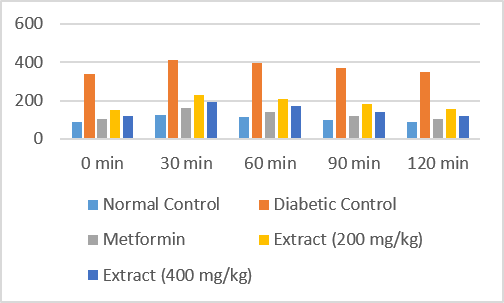
The Oral Glucose Tolerance Test (OGTT) was performed to evaluate the effect of the ethanolic extract of Thespesia populnea on glucose utilization and tolerance in experimental rats. The animals were fasted overnight for 12 hours with free access to water. On the day of the experiment, the rats received the respective treatments, including vehicle, standard drug, or test extract, orally. Thirty minutes after treatment administration, a glucose solution was administered orally at a dose of 2 g/kg body weight. Blood samples were collected from the tail vein at 0 (before glucose administration), 30, 60, 90, and 120 minutes after glucose loading. Blood glucose levels were measured using a glucometer and expressed as mg/dL. The ability of the extract to reduce the rise in blood glucose levels and facilitate a faster return to normal glucose concentrations compared with the diabetic control group was considered indicative of improved glucose tolerance and antidiabetic activity. The OGTT is a useful method for assessing the capacity of the body to metabolize and regulate glucose following an oral glucose challenge.
Serum Insulin Level Estimation [21]
Procedure
At the end of the experimental period, blood samples were collected from overnight-fasted rats under light anesthesia through retro-orbital plexus puncture or cardiac puncture. The collected blood was allowed to clot at room temperature and then centrifuged at 3000 rpm for 15 minutes to separate the serum. The serum samples were stored at −20°C until analysis. Serum insulin levels were estimated using a commercially available Rat Insulin ELISA (Enzyme-Linked Immunosorbent Assay) kit according to the manufacturer's instructions. Briefly, standards and serum samples were added to ELISA plate wells pre-coated with insulin-specific antibodies and incubated for the specified time. After washing to remove unbound materials, enzyme-conjugated antibodies and substrate solution were added. The resulting color intensity was measured using a microplate reader at 450 nm. The insulin concentration was calculated from the standard calibration curve and expressed as micro-international units per milliliter (µIU/mL). An increase in serum insulin levels in the treatment groups compared with the diabetic control group was considered indicative of improved pancreatic β-cell function and antidiabetic activity of the ethanolic extract of Thespesia populnea.
Lipid Profile Parameters [22]
Procedure
At the end of the experimental period, blood samples were collected from overnight-fasted rats under light anesthesia through retro-orbital plexus puncture or cardiac puncture. The collected blood was allowed to clot at room temperature and centrifuged at 3000 rpm for 15 minutes to obtain serum. The separated serum was used for the estimation of lipid profile parameters, including total cholesterol (TC), triglycerides (TG), high-density lipoprotein cholesterol (HDL-C), low-density lipoprotein cholesterol (LDL-C), and very-low-density lipoprotein cholesterol (VLDL-C). Total cholesterol and triglyceride levels were determined using standard enzymatic colorimetric diagnostic kits according to the manufacturer's instructions. HDL-C was estimated after precipitation of LDL and VLDL fractions or by a direct enzymatic method. LDL-C and VLDL-C concentrations were calculated using the Friedewald equation:
LDL-C (mg/dL) = Total Cholesterol – HDL-C – VLDL-C
VLDL-C (mg/dL) = Triglycerides / 5
The absorbance of the reaction mixtures was measured using a UV-visible spectrophotometer or an automated biochemical analyzer at the specified wavelength recommended by the kit manufacturer. The lipid concentrations were expressed as mg/dL. Alterations in serum lipid levels were used to evaluate the effect of the ethanolic extract of Thespesia populnea on diabetes-induced dyslipidemia. A decrease in total cholesterol, triglycerides, LDL-C, and VLDL-C levels along with an increase in HDL-C levels was considered indicative of antihyperlipidemic and cardioprotective activity.
Assay of Superoxide Radical Scavenging Activity [23]
Procedure
The superoxide radical scavenging activity of the ethanolic extract of Thespesia populnea was determined by the nitro blue tetrazolium (NBT) reduction method. The reaction mixture consisted of 1 mL of nitro blue tetrazolium (NBT, 156 μM), 1 mL of nicotinamide adenine dinucleotide (NADH, 468 μM), and 1 mL of the test extract at different concentrations prepared in phosphate buffer (0.1 M, pH 7.4). The reaction was initiated by adding 100 μL of phenazine methosulfate (PMS, 60 μM). The mixture was incubated at room temperature for 5 minutes. Superoxide radicals generated in the reaction reduce NBT to form a blue-colored formazan product. The absorbance was measured at 560 nm using a UV-Visible spectrophotometer against an appropriate blank. Ascorbic acid was used as the standard antioxidant. The decrease in absorbance indicated the scavenging of superoxide radicals by the test extract. The percentage inhibition of superoxide radicals was calculated using the following formula:
% Inhibition=(Acontrol-Asample)/Acontrol×100
Where:
The concentration of the extract required to inhibit 50% of the superoxide radicals (IC₅₀) was determined from the plot of percentage inhibition versus concentration and used as a measure of antioxidant activity.
Assay of Nitric Oxide Scavenging Activity [24]
Procedure
The nitric oxide scavenging activity of the ethanolic extract of Thespesia populnea was evaluated using the sodium nitroprusside method. Sodium nitroprusside in aqueous solution at physiological pH spontaneously generates nitric oxide, which reacts with oxygen to produce nitrite ions. The nitrite ions formed were estimated using Griess reagent. Briefly, 2 mL of sodium nitroprusside solution (10 mM) prepared in phosphate-buffered saline (PBS, pH 7.4) was mixed with 0.5 mL of the test extract at various concentrations and incubated at 25°C for 150 minutes. After incubation, 0.5 mL of the reaction mixture was mixed with 0.5 mL of Griess reagent containing 1% sulfanilamide, 2% phosphoric acid, and 0.1% N-(1-naphthyl) ethylenediamine dihydrochloride. The mixture was allowed to stand for 10 minutes at room temperature for color development. The absorbance of the resulting pink chromophore was measured at 546 nm using a UV-Visible spectrophotometer. Ascorbic acid was used as the standard antioxidant. The decrease in absorbance indicated the scavenging of nitric oxide radicals by the extract.
The percentage inhibition of nitric oxide radicals was calculated using the following formula:
% Inhibition=(Acontrol-Asample)/Acontrol×100
Where:
The IC₅₀ value, representing the concentration of the extract required to inhibit 50% of nitric oxide radicals, was calculated from the inhibition curve and used as an indicator of nitric oxide scavenging activity.
Hydrogen Peroxide Scavenging Activity [25]
Procedure
The hydrogen peroxide scavenging activity of the ethanolic extract of Thespesia populnea was determined by measuring its ability to neutralize hydrogen peroxide (H₂O₂). A hydrogen peroxide solution (40 mM) was prepared in phosphate buffer (pH 7.4). Various concentrations of the test extract were prepared in distilled water and mixed with 0.6 mL of hydrogen peroxide solution. The reaction mixture was incubated at room temperature for 10 minutes. After incubation, the absorbance was measured at 230 nm using a UV-Visible spectrophotometer against a blank solution containing phosphate buffer without hydrogen peroxide. Ascorbic acid was used as the standard antioxidant.
The decrease in absorbance indicated the scavenging ability of the extract against hydrogen peroxide. The percentage scavenging activity was calculated using the formula:
% Scavenging=(Acontrol-Asample)/Acontrol×100
Where:
The IC₅₀ value, representing the concentration required to scavenge 50% of hydrogen peroxide radicals, was determined from the dose–response curve and used as a measure of antioxidant potential of the extract.
Hydroxyl Radical Scavenging Activity
Procedure
The hydroxyl radical scavenging activity of the ethanolic extract of Thespesia populnea was determined by the deoxyribose degradation method. Hydroxyl radicals were generated in a reaction mixture containing ferric-EDTA complex, hydrogen peroxide, and ascorbic acid in phosphate buffer (20 mM, pH 7.4). The reaction mixture consisted of 0.2 mL EDTA (1.04 mM), 0.2 mL FeCl₃ (1 mM), 0.2 mL deoxyribose (28 mM), 0.2 mL hydrogen peroxide (10 mM), 0.2 mL ascorbic acid (1 mM), and various concentrations of the test extract. The final volume was adjusted with phosphate buffer.
The reaction mixture was incubated at 37°C for 1 hour to allow hydroxyl radical formation and subsequent degradation of deoxyribose. After incubation, 1 mL of trichloroacetic acid (TCA, 2.8%) and 1 mL of thiobarbituric acid (TBA, 1%) were added to the mixture. The solution was then heated in a boiling water bath for 15 minutes to develop a pink chromogen. After cooling, the absorbance was measured at 532 nm using a UV-Visible spectrophotometer. Ascorbic acid was used as the standard antioxidant.
The hydroxyl radical scavenging activity was calculated using the following formula:
% Scavenging=(Acontrol-Asample)/Acontrol×100
Where:
The IC₅₀ value was determined from the dose–response curve and used as an indicator of hydroxyl radical scavenging potential of the extract.
Free Radical Scavenging Activity (DPPH Assay)
Procedure
The free radical scavenging activity of the ethanolic extract of Thespesia populnea was evaluated using the DPPH (2,2-diphenyl-1-picrylhydrazyl) assay. A 0.1 mM solution of DPPH was prepared in methanol and protected from light. Various concentrations of the test extract were prepared in methanol and mixed with 1 mL of DPPH solution. The final volume was adjusted with methanol and the reaction mixture was shaken well. The mixture was then incubated in the dark at room temperature for 30 minutes to allow the reaction to occur.
After incubation, the absorbance of the resulting solution was measured at 517 nm using a UV-Visible spectrophotometer against a suitable blank. Ascorbic acid was used as the standard antioxidant. The decrease in absorbance indicated the scavenging of DPPH free radicals by the test extract, resulting in a color change from deep violet to light yellow.
The percentage inhibition of DPPH radicals was calculated using the formula:
% Scavenging=(Acontrol-Asample)/Acontrol×100
Where:
The IC₅₀ value, defined as the concentration required to inhibit 50% of DPPH radicals, was calculated from the dose–response curve and used as a measure of the antioxidant activity of the ethanolic extract of Thespesia populnea.
Statistical Analysis
All experimental data obtained from the study were expressed as Mean ± Standard Error of Mean (SEM). The statistical analysis was performed using appropriate statistical software. The differences between groups were analyzed using one-way analysis of variance (ANOVA) followed by Dunnett’s multiple comparison test to compare the control group with the diabetic control and treatment groups.
A p-value of less than 0.05 (p < 0.05) was considered statistically significant, while p < 0.01 and p < 0.001 were considered highly and very highly significant, respectively. The results were compared between the normal control, diabetic control, standard drug, and test extract-treated groups to evaluate the antidiabetic and antioxidant effects of the ethanolic extract of Thespesia populnea. Graphs and tables were prepared to represent the data clearly and to interpret the statistical significance of the findings.
RESULTS
Percentage of yield
Percentage of yield=(Weight of crude extract)/(Weight of dried material)×100
Percentage of yield=15g/50g×100 = 30 %
Phytochemical tests
| Phytochemical Constituents | Ethanolic Extract Result |
|---|---|
| Alkaloids | +++ Present |
| Flavonoids | +++ Present |
| Phenolic compounds | +++ Present |
| Tannins | ++ Present |
| Saponins | ++ Present |
| Glycosides | ++ Present |
| Steroids | ++ Present |
| Terpenoids | ++ Present |
| Carbohydrates | ++ Present |
| Proteins | + Present |
| Fixed oils & fats | + Present |
Fasting Blood Glucose (FBG)
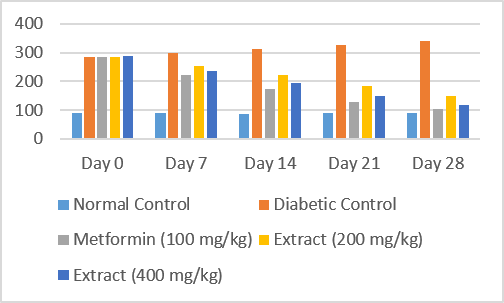
Fasting blood glucose levels were measured on days 0, 7, 14, 21, and 28 of the experimental period. The animals were fasted overnight (12 hours) with free access to water. Blood samples were collected from the tail vein, and glucose levels were determined using a glucometer and compatible glucose test strips. The values were expressed as mg/dL. Changes in fasting blood glucose levels were used to assess the antidiabetic activity of the ethanolic extract of Thespesia populnea.
| Group | Day 0 | Day 7 | Day 14 | Day 21 | Day 28 |
|---|---|---|---|---|---|
| Normal Control | 88.5 ± 2.4 | 89.2 ± 2.6 | 87.8 ± 2.2 | 88.9 ± 2.5 | 89.1 ± 2.3 |
| Diabetic Control | 286.4 ± 5.8 | 298.6 ± 6.4 | 312.5 ± 7.1 | 326.8 ± 6.9 | 340.2 ± 7.5 |
| Metformin (100 mg/kg) | 284.2 ± 5.6 | 221.3 ± 5.1 | 172.8 ± 4.6 | 128.7 ± 3.8 | 102.6 ± 3.2 |
| Extract (200 mg/kg) | 285.8 ± 5.4 | 252.7 ± 5.7 | 220.6 ± 5.1 | 185.3 ± 4.5 | 148.9 ± 4.2 |
| Extract (400 mg/kg) | 286.7 ± 5.2 | 236.8 ± 5.4 | 195.4 ± 4.8 | 148.5 ± 4.0 | 118.2 ± 3.5 |
The ethanolic extract significantly reduced fasting blood glucose levels in a dose-dependent manner. The 400 mg/kg dose exhibited greater antihyperglycemic activity and produced results comparable to the standard drug metformin.
Oral Glucose Tolerance Test (OGTT)
| Group | 0 min | 30 min | 60 min | 90 min | 120 min |
|---|---|---|---|---|---|
| Normal Control | 89.1 ± 2.3 | 125.6 ± 3.4 | 114.2 ± 3.1 | 98.4 ± 2.8 | 90.6 ± 2.4 |
| Diabetic Control | 338.5 ± 7.2 | 412.7 ± 8.4 | 398.3 ± 8.0 | 372.4 ± 7.6 | 350.8 ± 7.1 |
| Metformin | 104.6 ± 3.2 | 162.5 ± 4.0 | 138.6 ± 3.5 | 118.7 ± 3.0 | 102.5 ± 2.7 |
| Extract (200 mg/kg) | 149.2 ± 4.1 | 230.8 ± 5.2 | 205.7 ± 4.8 | 182.6 ± 4.4 | 155.8 ± 4.0 |
| Extract (400 mg/kg) | 118.3 ± 3.5 | 192.4 ± 4.5 | 170.2 ± 4.1 | 142.7 ± 3.8 | 120.4 ± 3.3 |
Treatment with Thespesia populnea extract significantly improved glucose tolerance by reducing postprandial blood glucose levels compared with diabetic control animals.
Serum Insulin Level
| Group | Serum Insulin (µIU/mL) |
|---|---|
| Normal Control | 15.84 ± 0.62 |
| Diabetic Control | 5.12 ± 0.31 |
| Metformin | 13.92 ± 0.54 |
| Extract (200 mg/kg) | 10.68 ± 0.47 |
| Extract (400 mg/kg) | 12.84 ± 0.51 |
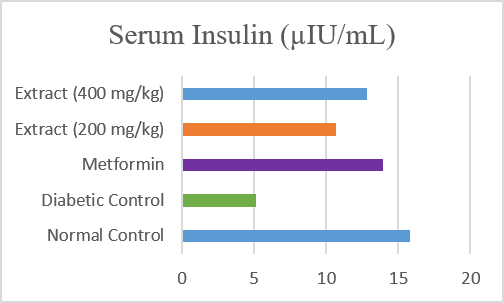
Diabetic rats showed a significant reduction in serum insulin levels. Treatment with the ethanolic extract significantly increased insulin secretion, with the higher dose showing greater efficacy.
Lipid Profile Parameters
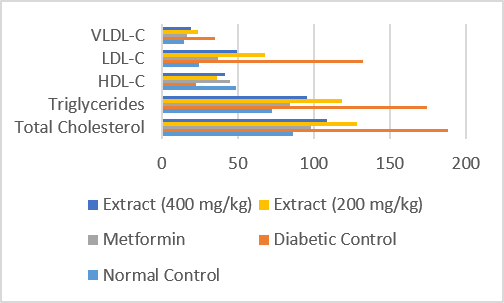
At the end of the experimental period, blood samples were collected and serum was separated by centrifugation. Serum total cholesterol (TC), triglycerides (TG), high-density lipoprotein cholesterol (HDL-C), low-density lipoprotein cholesterol (LDL-C), and very-low-density lipoprotein cholesterol (VLDL-C) were estimated using standard enzymatic diagnostic kits according to the manufacturer's protocols.
| Parameter (mg/dL) | Normal Control | Diabetic Control | Metformin | Extract (200 mg/kg) | Extract (400 mg/kg) |
|---|---|---|---|---|---|
| Total Cholesterol | 86.4 ± 2.8 | 188.6 ± 5.4 | 98.5 ± 3.1 | 128.4 ± 3.8 | 108.7 ± 3.3 |
| Triglycerides | 72.3 ± 2.4 | 174.5 ± 4.8 | 84.2 ± 2.7 | 118.5 ± 3.5 | 95.6 ± 2.9 |
| HDL-C | 48.5 ± 1.8 | 22.4 ± 1.2 | 44.8 ± 1.7 | 36.5 ± 1.5 | 41.7 ± 1.6 |
| LDL-C | 24.8 ± 1.4 | 132.6 ± 4.1 | 36.9 ± 1.8 | 68.2 ± 2.6 | 49.5 ± 2.1 |
| VLDL-C | 14.5 ± 0.8 | 34.9 ± 1.5 | 16.8 ± 0.9 | 23.7 ± 1.1 | 19.1 ± 0.9 |
The diabetic control group exhibited significant dyslipidaemia characterized by elevated TC, TG, LDL-C, and VLDL-C levels and decreased HDL-C levels. Treatment with the ethanolic extract of Thespesia populnea significantly improved lipid abnormalities in a dose-dependent manner. The 400 mg/kg dose demonstrated marked antihyperlipidemic activity comparable to metformin.
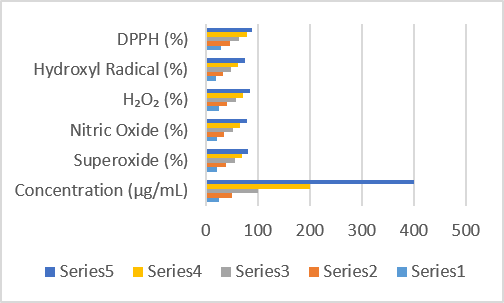
in-vitro free radical scavenging effect
| Concentration (µg/mL) | Superoxide (%) | Nitric Oxide (%) | H₂O₂ (%) | Hydroxyl Radical (%) | DPPH (%) |
|---|---|---|---|---|---|
| 25 | 22.4 ± 1.1 | 20.8 ± 1.0 | 25.6 ± 1.2 | 18.9 ± 0.9 | 28.5 ± 1.3 |
| 50 | 38.7 ± 1.4 | 35.2 ± 1.3 | 41.5 ± 1.5 | 33.6 ± 1.2 | 46.8 ± 1.6 |
| 100 | 55.3 ± 1.6 | 52.1 ± 1.5 | 58.7 ± 1.7 | 49.4 ± 1.4 | 63.2 ± 1.8 |
| 200 | 68.9 ± 1.8 | 66.4 ± 1.7 | 71.2 ± 1.9 | 62.8 ± 1.6 | 78.5 ± 2.0 |
| 400 | 81.6 ± 2.0 | 79.3 ± 1.9 | 85.7 ± 2.1 | 76.4 ± 1.8 | 88.9 ± 2.2 |
The ethanolic extract of Thespesia populnea showed a dose-dependent increase in antioxidant activity across all radical scavenging assays. Maximum inhibition was observed at 400 µg/mL, with the highest activity recorded in the DPPH assay followed by hydrogen peroxide and superoxide radical scavenging assays. Nitric oxide and hydroxyl radical scavenging activities were also significant but comparatively lower. These findings indicate that the extract possesses strong antioxidant potential, which may be attributed to the presence of flavonoids, phenolic compounds, tannins, and other bioactive phytoconstituents. The antioxidant activity supports the possible role of the plant in mitigating oxidative stress associated with diabetes mellitus.
DISCUSSION
The present study was designed to evaluate the antidiabetic and antioxidant potential of the ethanolic extract of Thespesia populnea in streptozotocin (STZ)-induced diabetic rats. STZ selectively destroys pancreatic β-cells, leading to insulin deficiency, persistent hyperglycemia, and metabolic disturbances that closely resemble human diabetes mellitus. In this study, diabetic control animals showed a marked increase in fasting blood glucose levels, impaired glucose tolerance, altered lipid profile, and reduced serum insulin levels, confirming successful induction of diabetes. Treatment with the ethanolic extract of Thespesia populnea produced a significant reduction in fasting blood glucose levels and improved oral glucose tolerance in a dose-dependent manner. The observed antihyperglycemic effect may be attributed to enhanced peripheral glucose utilization, improved insulin secretion, or regeneration/protection of pancreatic β-cells. The increase in serum insulin levels in treated groups further supports the possibility of β-cell protective or insulinotropic activity of the extract. These effects may be due to the presence of phytoconstituents such as flavonoids, phenolics, tannins, and terpenoids, which are known to exert antidiabetic actions.
The lipid profile abnormalities observed in diabetic control rats, characterized by elevated total cholesterol, triglycerides, LDL, VLDL, and reduced HDL levels, were significantly improved following treatment with the extract. This antihyperlipidemic effect suggests that the extract may enhance lipid metabolism and reduce cardiovascular risk associated with diabetes. Improved lipid regulation may also be linked to better insulin sensitivity and reduced hepatic lipid synthesis. In addition, the antioxidant assays demonstrated that the ethanolic extract possesses strong free radical scavenging activity against superoxide, nitric oxide, hydrogen peroxide, hydroxyl radicals, and DPPH radicals. The dose-dependent antioxidant activity indicates the presence of bioactive compounds capable of neutralizing reactive oxygen species (ROS). Since oxidative stress plays a major role in the pathogenesis and progression of diabetes and its complications, the antioxidant property of the extract may contribute significantly to its antidiabetic effect by protecting pancreatic β-cells from oxidative damage and improving overall metabolic function. Overall, the findings suggest that the ethanolic extract of Thespesia populnea exhibits significant antidiabetic, antihyperlipidemic, and antioxidant activities in STZ-induced diabetic rats. The therapeutic potential of the plant may be attributed to its rich phytochemical composition, which synergistically acts to restore glucose homeostasis and reduce oxidative stress. Further studies involving isolation of active compounds and elucidation of molecular mechanisms are required to fully understand its pharmacological potential and to develop it as a promising natural antidiabetic agent.
CONCLUSION
The present investigation was undertaken to evaluate the antidiabetic and antioxidant potential of the ethanolic extract of Thespesia populnea in streptozotocin (STZ)-induced diabetic rats. The results of the study clearly demonstrated that the extract possesses significant antihyperglycemic activity, as evidenced by a marked reduction in fasting blood glucose levels, improved oral glucose tolerance, and increased serum insulin levels in treated groups when compared to the diabetic control group. The extract also exhibited a dose-dependent improvement in body weight and overall metabolic status. In addition, the ethanolic extract showed a significant antihyperlipidemic effect by reducing total cholesterol, triglycerides, LDL, and VLDL levels while elevating HDL levels, thereby indicating its beneficial role in correcting diabetes-associated dyslipidemia. The in vitro antioxidant studies further confirmed strong free radical scavenging activity against superoxide, nitric oxide, hydrogen peroxide, hydroxyl, and DPPH radicals, suggesting a potent ability to neutralize oxidative stress. The overall antidiabetic and antioxidant effects may be attributed to the presence of bioactive phytoconstituents such as flavonoids, phenolic compounds, tannins, and terpenoids, which may act synergistically to improve glucose homeostasis and protect pancreatic β-cells from oxidative damage. Based on these findings, it may be concluded that the ethanolic extract of Thespesia populnea possesses promising therapeutic potential for the management of diabetes mellitus and its associated complications. However, further detailed pharmacological, toxicological, and clinical studies are required to isolate the active principles and establish their mechanism of action for safe therapeutic use.
REFERENCES

V. Divya Rani, I. Veena Rani, Evaluation of the Anti-Diabetic Activity of Ethanolic Extract of Thespesia Populnea in Streptozotocin Induced Diabetic in Rats., Int. J. of Pharm. Sci., 2026, Vol 4, Issue 11, 1110-1125. https://doi.org/
 10.5281/zenodo.23973452