View Article

Abstract

Benzimidazole is a privileged heterocyclic scaffold that has attracted considerable attention in medicinal chemistry owing to its broad spectrum of biological activities and favourable pharmacological properties. They have attracted significant attention due to their diverse pharmacological activities, including antimicrobial, anticancer, and antioxidant properties. Numerous benzimidazole derivatives have been synthesized through conventional and modern synthetic methodologies involving diverse substitution patterns, leading to compounds with enhanced potency and selectivity. The most recent computational methods, like molecular docking, density functional theory (DFT), and molecular dynamics simulation, are especially included because they can be crucial for comprehending structure–activity correlations and logical drug design. Overall, this review provides a comprehensive overview of the synthetic strategies, diverse biological activities of benzimidazole derivatives, molecular docking and various software’s serving as a valuable resource for researchers engaged in medicinal chemistry, pharmaceutical sciences, and drug discovery

Keywords

Benzimidazole, synthesis, biological activities, molecular docking, DFT, molecular dynamic simulation

Introduction

× Popup Image

Heterocyclic compounds are characterized by the presence of at least one heteroatom within their cyclic rings of atoms. Nitrogen, oxygen, and sulfur are the heteroatoms that occur most frequently [1]. Research interest in heterocycles is growing as a result of its medical, anti-microbial and industrial


applications. Heterocycles are the most important traditional division of organic chemistry and they are also the subject of most scientific investigation [2]. Due to the fact that heterocyclic compounds are also common in macromolecules like enzymes, vitamins, natural products and biologically active substances, they have been considered to be an essential component in the field of medical chemistry [3].

Benzimidazole is a heterocyclic compound that serves as a building block in chemical synthesis. Benzimidazole is a bicyclic molecule with a benzene ring fused to a five membered imidazole that has two nitrogen atoms. It is often referred to as1-H benzimidazole, benzoglyoxaline [4]. Benzimidazole derivatives has been reported to exhibit various biological activities such as antiulcer [5], antifungal [6], antitubercular [7], antimicrobial [8], antimalarial [9]. Benzimidazole is a crucial pharmacophore among the several physiologically active heterocyclic compounds with a variety of pharmacological activities. Additionally, a variety of benzimidazole derivatives have been employed to cause sunburn by absorbing UV light and protecting the skin [10]. Mebendazole, telmisartan, omeprazole, enviradene, candesartan and astemizole are among the clinically authorized benzimidazole medications [11]. Benzimidazole derivatives are also reported to exhibit anticancer activities on various cell lines [12]. Thiabendazole, which operates as both antiparasitic and fungicide, was the first benzimidazole -based medication to be made accessible for clinical use [13].
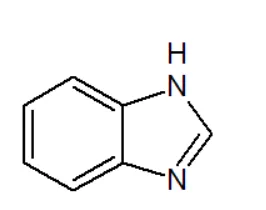


Structure of benzimidazole

Benzimidazole and purine based nucleic acids are isostere of one another because of their structural similarity [14]. When Woolley surmised in 1944 that benzimidazole could function similarly to purines to elicit certain biological reactions, its pharmacological profile became apparent [15]. In addition, benzimidazole has a broad range of applications in material science, synthetic organic chemistry, polymer chemistry, coordination chemistry and agriculture. Because of their considerable structural flexibility, benzimidazoles seem to be able to accommodate a wide range of biological targets. This structural plasticity of bio-derived materials offers several potentials for generating new medicinal molecules [16]

Various Synthesis methods of Benzimidazole

The benzimidazole was firstly synthesized by Hoebrecker in 1872 through the reduction of 2-nitro-4-methylacetanilide in the presence of tin and hydrochloric acid. Subsequently, Ladenburg in 1875 carried out the second synthesis by refluxing 3,4-diaminotoluene with acetic acid [17]. There are several methods are used for the synthesis of benzimidazole, the most straightforward technique is the condensation of o-phenylenediamine and formic acid [18]. Some of the methods for synthesis of benzimidazole is given below;

1.From o-phenylenediamine:

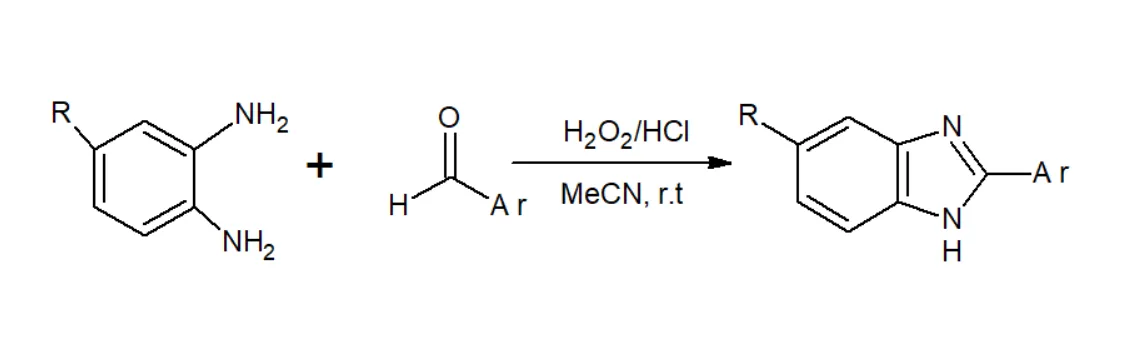
Reaction with Aldehydes

Benzimidazole derivatives were synthesized in a single pot from o-phenylenediamines and different aryl aldehydes using H2O2/HCl as catalysts in a solvent-free environment at ambient temperature or by single-step condensation in acetonitrile. These methods give high yields of benzimidazole [19].


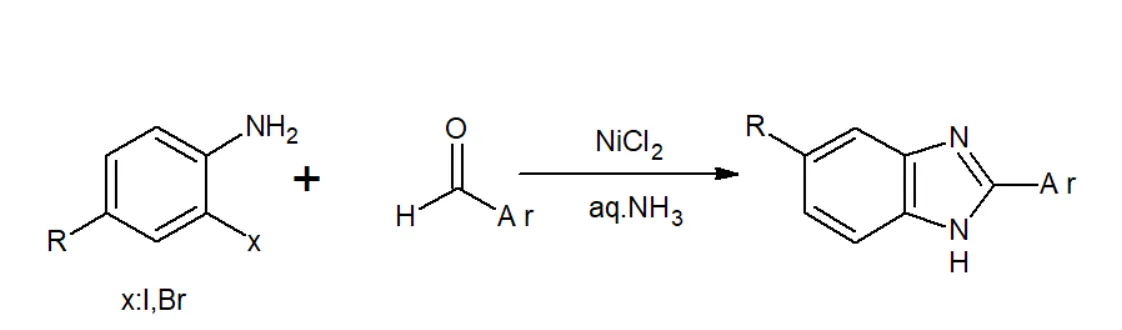
2.From 2-Haloanilines:

This method condenses 2-Haloanilines with various aldehydes using ammonia as a source of nitrogen. Nickel catalyses the reaction, which effectively creates C-N bonds and produces the benzimidazole compounds in good to high yields [20].


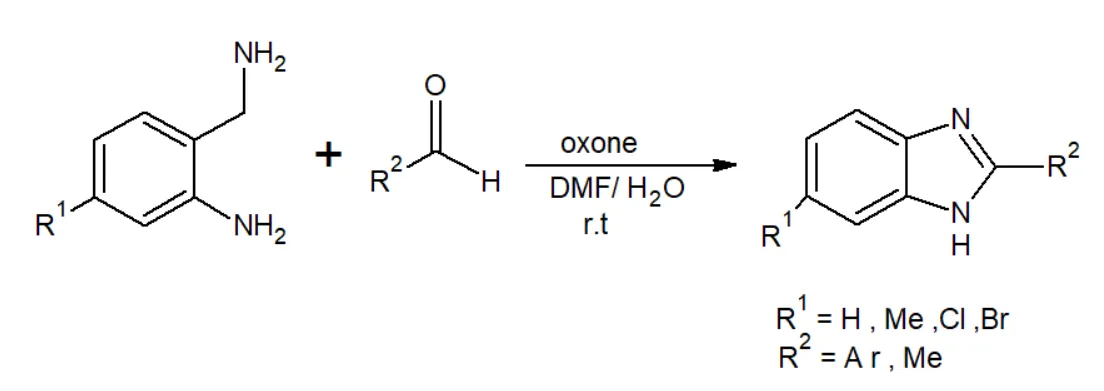
3. From 2-Aminobenzylamines:

2-Aminobenzylamine was converted into 2-substituted benzimidazoles in a single pot at room temperature using an Oxone-mediated sequential conversion method.2-Aminobenzylamine condenses with aromatic, heteroaromatic or aliphatic aldehydes to start the reaction. This produces a tetrahydro quinazoline intermediate, which is then ring-distorted with Oxone to produce benzimidazoles in excellent yields [21].


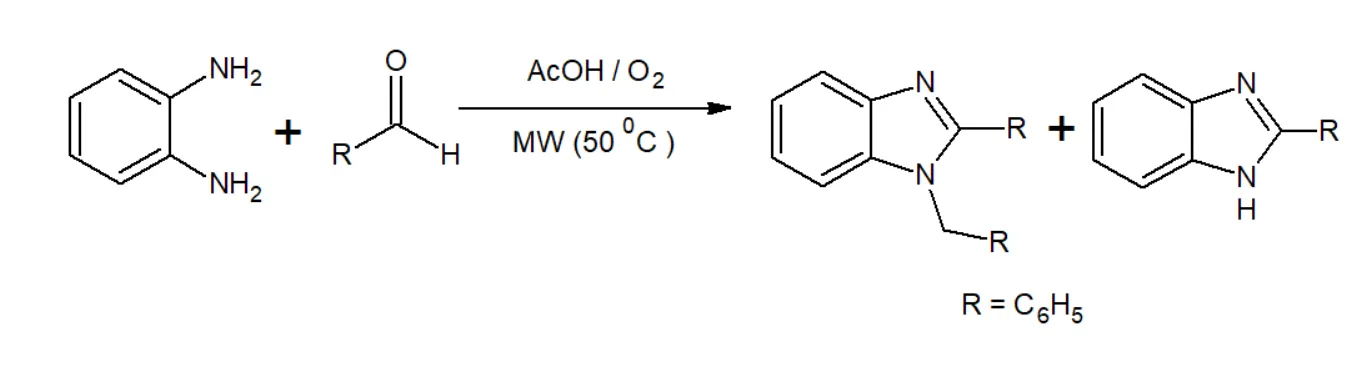
4.Synthesis using microwave:

One of the most effective contemporary techniques for creating benzimidazole derivatives is the use of microwave technology. This is a green chemistry method. When acetic acid is present as a catalyst, this method has shown great efficacy in speeding up condensation reactions between ortho-phenylenediamine and aldehydes [22].


Biological Activities of Benzimidazole Derivatives

One significant nitrogen- containing heterocyclic scaffold with a variety of biological functions is benzimidazole. Benzimidazole derivatives can interact with a variety of biological targets, including enzymes, receptors, DNA and microtubules because of their structural resemblance to naturally occurring purines. Compounds with antibacterial, anticancer, antiviral, anti-inflammatory, antifungal, antitubercular, antiparasitic and antioxidant properties have been developed as a result of structural alteration on the benzimidazole nucleus. Some of the benzimidazole containing drugs are given below [23].
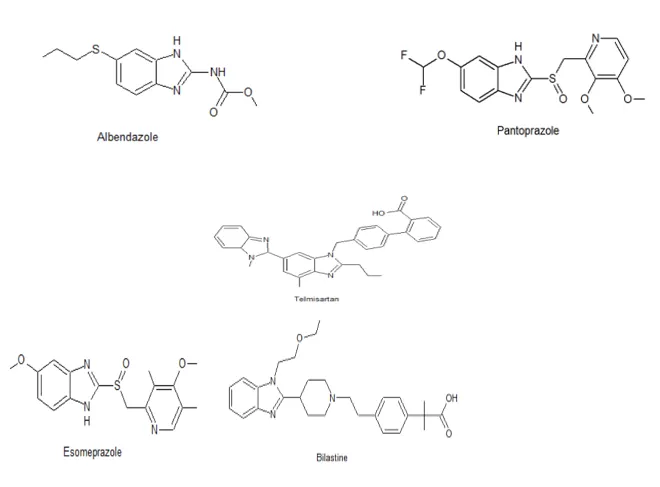


Antimicrobial Activity:

Antimicrobials have the ability to eradicate all germs or to prevent their further proliferation. Antimicrobial drugs are classified by the microbes they target.in contrast to antibiotics, which are used to treat bacterial infections, antifungals are developed specifically to treat fungal infections and prevent their spread [24].

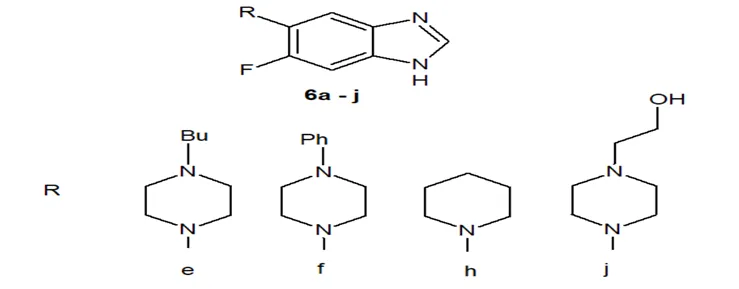
Alghawi said et al.,2026 synthesized a series of fluoro-substituted benzimidazole derivatives 6a-j through the condensation of o-phenylenediamine intermediates with formic acid. Using the agar well diffusion method, an evaluation of the antibacterial activity was conducted in vitro against Staphylococcus aureus, Bacillus cereus, Escherichia coli, and Klebsiella pneumoniae. The positive control was nitrofurantoin at a concentration of 300 µg/mL. Amphotericin B was used as the reference medication at the same concentrations for antifungal screening against Aspergillus flavus, Penicillium duclauxii, and P. italicum at 20 and 50 µg/ml. The majority of substances showed moderate to strong antibacterial activity. The most effective antibacterial agent was found to be 6h (MIC = 5.0 µg/mL). The bactericidal mechanism of action was supported by the SEM study of bacteria treated with 6h, which showed significant morphological damage, including cell deformation and membrane disintegration. Out of all the derivatives, the most effective antimicrobials were 6e, 6f, 6h, and 6j, which displayed inhibition zones comparable to those of common reference medications [25].


Isik and coworkers in 2024 synthesized a series of new benzimidazole – thiadiazole hybrids(5a-i) and evaluated their antimicrobial activity against bacterial and fungal species. The antibacterial activity was better for 5a,5b,5f and 5h compounds with an MIC value of 3.90μg/ ml. According to the results of the antifungal activity test, compounds 5f ,5h demonstrated superior efficacy against Candida albicans with a MIC value of 3. 90μg/ ml. They performed molecular docking study. Density functional theory (DFT) was utilized in order to model the eight synthesized compounds. The Molecular Dynamics simulation of the compounds 5f and 5h were discovered to be rather stable in the 14-alpha demethylase (5TZ1) proteins active site [26].

Ram A et al.,2025 designed, synthesized a series of benzimidazole derivatives and evaluated their antimicrobial and anticancer activity. Synthesis of benzimidazole derivatives was accomplished by condensation, which was then followed by cyclization. In vitro antimicrobial activity of the compounds was evaluated using the agarwell diffusion method against gram-negative bacteria such as Escherichia coli, Salmonella enterica, and Klebsiella pneumoniae, as well as gram-positive bacteria such as Staphylococcus aureus. Additionally, in vitro antifungal activity was evaluated against Candida albicans. The invitro results shows that the derivatives 1g-1k showing encouraging antimicrobial activity. They also performed molecular docking study and showed binding interaction with bacterial, fungal and cancer targets. Molecular Electroscopic Potential (MEP) of the synthesized derivatives are showed [27].

Anticancer activity:

Cancer is still one of the deaths causing disease in world, it is necessary to develop effective anticancer drugs without harming normal cells. 

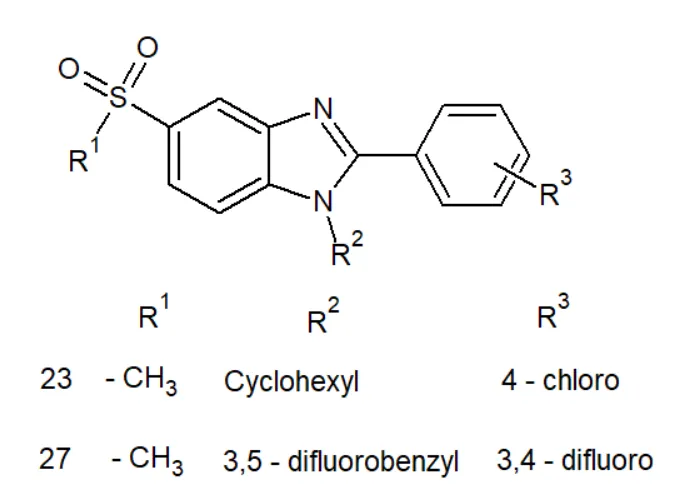
Abbade Y et al.,2026 anticancer potential of a number of alkylsulfonyl 1H-benzo[d]imidazole derivatives was assessed in vitro against MCF-7 human breast cancer cells. The xCELLigence real-time cell analysis was used to assess the cytotoxic potential, and quantitative real-time polymerase chain reaction was used to assess the expression levels of genes linked to microtubule organization, tumour suppression, apoptosis, cell cycle, and proliferation. AutoDock Vin was employed to conduct molecular docking against Bcl-2. After analyzing the data, it was discovered that compounds 23 and 27 exhibited the highest levels of cytotoxicity when tested against MCF-7 cells. A persistent stabilization was observed in the binding site of Bcl-2 for a period of 200 nanoseconds, as demonstrated by molecular dynamics simulations of compounds 23 and 27[28].


A study was conducted by Ram A et al.,2024 they covered synthesis, QTAIM, anticancer activity evaluation of pyrrole-imidazole/benzimidazole derivatives and examination of their reactivity characteristics utilizing molecular docking and DFT calculations. All the synthesized derivatives (3h-3o) were characterized by spectroscopic techniques. In vitro tests conducted on the proliferative cell line L1210 leukemia cells revealed that all of the synthesized pyrrole imidazole (3l, 3p) and benzimidazole (3h-3o) derivatives exhibited potent antileukemia activity [29].Mirgany et al.,2025 conducted a study involving synthesis, evaluation and molecular docking of benzimidazole-hydrazone derivatives as potential anticancer agents targeting Tyrosine Kinases. Biological tests were conducted to determine the cytotoxicity of the substance against cancer cell lines (HCT-116, MCF-7, and HepG2) as well as a normal cell line (WI-38). Compounds 6f and 6h–j, exhibited remarkable cytotoxicity, as evidenced by IC50 values ranging from 4.82 to 10.23 µM against MCF-7 cells. These values were significantly lower than those of reference medications such as sorafenib and doxorubicin. The compound 6i shown the strongest activity against kinases such as EGFR, Her2, and VEGFR2, and the cell cycle study revealed that HepG2 cells were arrested in the G0–G1 phase [30].

 Starting with the commercially available 1H-benzo[d]imidazole-2-amine, six new Benzimidazole-hydrazone derivatives were synthesized by Demirci s and team in 2024. Using xCELLigence real-time cell analysis, the anticancer properties of the produced compounds were examined against the cancer cell lines HT29 and A549. Compound 4c had the strongest anticancer efficacy against A549 and HT29 cancer cell lines, with IC50 values of 0.0019 μM and 0.0093 μM, respectively [31].

Anti-inflammatory Activity:

The ability of a chemical to lessen or prevent inflammation-which is typified by swelling, redness, heat, and pain-is referred to as anti-inflammatory. Since many analgesics reduce pain by addressing the underlying inflammatory processes, they also have anti-inflammatory qualities [32].

Bano s et al.,2024 conducted a study and synthesised a number of 2-substituted benzimidazole derivatives and their potential to reduce inflammation was evaluated using both in vitro and in vivo tests. The mechanism of action of these drugs against COX enzymes and additional therapeutic targets linked to NSAIDs, including phospholipase A2, aldose reductase, and AIKRC, was clarified using molecular docking studies. While in vivo screening revealed B4, B8, and B2 to be exceptional anti-inflammatory agents, in vitro anti-inflammatory study predicted B4, B2, B8, and B7 as good agents [33].

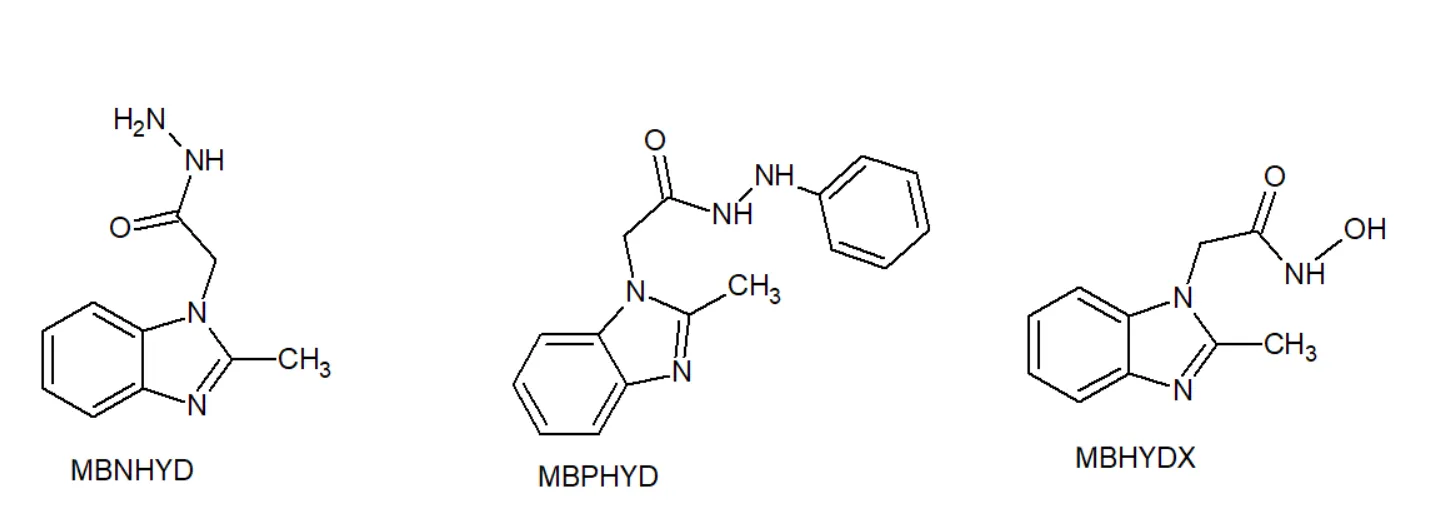
Moharana Ak and team in 2022 reports the synthesis and biological evaluation of three novel benzimidazole derivatives-MBNHYD, MBPHYD, and MBHYDX- developed to explore anti-inflammatory potential. Starting from 2‑methylbenzimidazole, the authors prepared and characterized the compounds using FTIR, NMR, MS, and HPLC, confirming high purity. Toxicity assays showed that all derivatives were non-toxic in vitro (Vero cells) and in vivo (Wistar rats). Anti-inflammatory activity was assessed using carrageenan-induced paw edema in rats, where MBNHYD demonstrated the strongest effect, comparable to ibuprofen, while MBPHYD showed moderate activity and MBHYDX was weak. In silico ADME predictions indicated favourable drug-likeness, good oral bioavailability, and low off-target toxicity, with MBPHYD additionally predicted to cross the blood–brain barrier. Overall, the findings highlight MBNHYD and MBPHYD as promising scaffolds for further development of safe and effective anti-inflammatory benzimidazole-based therapeutics [34].


Antioxidant Activity:

One of the body's numerous defenses against oxidative and nitrosative damage is antioxidants [35]. The ability to suppress or stop, the oxidation of oxidizable substrates in chain reactions is known as antioxidant activity, and it is crucial for avoiding and managing a number of illnesses associated with reactive oxygen species (ROS) [36,37]. Living cells include antioxidant defense mechanisms that prevent oxidative stress-induced cell damage in a variety of disorders, preserving cellular equilibrium and life. Oxidative stress results from a shift in the balance between antioxidant defenses and oxygen-derived free radicals when antioxidant systems are compromised [37,38].

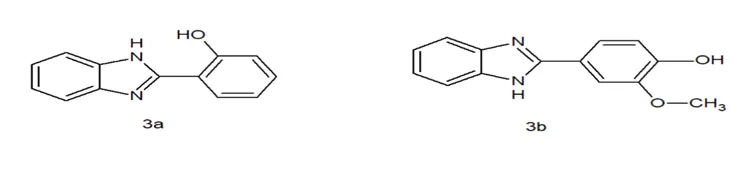
Rudrapal M et al.,2025 conducted a study involving synthesis of two benzimidazole derivatives (3a and 3b), evaluation of toxicity and antioxidant activity, molecular interaction with NAD(P)H oxidase. The compounds synthesised through the condensation of o-phenylenediamine with aromatic aldehydes. Antioxidant activity was identified using DPPH assay and compound 3a shows higher activity than compound 3b. Molecular docking studies results that compound 3b exhibit stronger binding affinity. DFT calculations give insight into the antioxidant mechanisms of these compounds [39].


Bhandari et.al., conducted a study in 2022 which involved design, synthesis, molecular docking and antioxidant activity evaluation of benzimidazole-1,3,4- Oxadiazole Derivatives. The compounds were prepared via microwave assisted reactions, characterized by spectroscopic methods and tested using the DPPH radical scavenging assay alongside molecular docking against PTK2β.Results showed that compound 2A exhibited the strongest antioxidant activity (IC₅₀ = 53 μg/ml) with favourable docking interactions, while compounds 3A and 4A also demonstrated notable activity. Computational ADMET and DFT analyses supported the stability and reactivity of the most active molecules, highlighting 2A, 3A, and 4A as promising candidates for further biological evaluation [40].

Anti-ulcer Activity:

About 10% of people around the world have peptic ulcer disease (PUD), which includes both gastric and duodenal ulcers. It is the most common digestive problem and its main reason is change in lifestyle [41]. Helicobacter pylori infection, excessive gastric acid secretion and decreased mucosal defense against acid secretion these are the main causes of ulcer [42].

Nalini et al.,2023 conducted a study involving design, synthesis and in-vivo anti-ulcer activity evaluation of new substituted benzimidazole derivatives. Using albino rats as the screening model and acetyl salicylic acid as the ulcer-inducing agent, aspirin-induced gastric ulcer models were utilized to investigate antiulcer activity. Compounds R1, R2, and R8 were discovered to have strong inhibitory action. According to the molecular docking data, compound R8 has a maximum binding affinity of -9.3 kcal/mol for H+/K+ ATPase. Compound R8 exhibits strong activity and can be utilized as a lead molecule, according to the study [43].

Molecular docking

Molecular docking is a computational technique used in drug discovery to predict how ligand binds to a biological target, usually a protein receptor or enzyme. It helps identify potential drug candidates by estimating the binding mode and binding affinity between molecules [44,45].

It is possible to conduct molecular docking studies between proteins and ligands, proteins and nucleotides, and proteins and other proteins. The synthesis of ligands, creation of three-dimensional protein structures, calculation of the binding energy in a protein-ligand complex, and data interpretation are all part of the molecular docking method [46]. Molecular docking, which controls the creation of stable complexes between molecules in biological systems, is based on basic concepts of thermodynamics and molecular recognition [47]. The possibilities of molecular docking have been improved by recent developments in algorithmic development and computer capacity. Prediction accuracy and computing efficiency have been significantly enhanced by the combination of artificial intelligence and machine learning techniques [48].

Molecular Docking Software

Some of the molecular docking software’s are given below [49,50]


software

Type

features

AutoDock

Open source

Uses Lamarckian Genetic Algorithm; widely used in academia

AutoDock Vina

Open source

Faster and more accurate than AutoDock 4

Dock

Academic

One of the earliest docking programs

Gold

Commercial

Uses genetic algorithm; highly flexible docking

Glide

Commercial

High accuracy; HTVS, SP, and XP docking modes

MOE

Commercial

Integrated drug discovery platform

SwissDock

Free Web Server

Easy-to-use online docking

Rosetta Dock

Academic

Protein–protein docking with refinement

LeDock

Free

Fast and accurate docking

rDock

Open source

Suitable for proteins and nucleic acids


Discovery studio: Dassault Systèmes BIOVIA created the software program Discovery Studio for molecular modeling and simulation. It contains a variety of tools for protein modeling, molecular docking, virtual screening, and molecular dynamics simulation analysis. Additionally, the software offers capabilities for comparing the binding modalities of several ligands to the same protein target as well as for displaying and analyzing the docking results [51].

Chimera: The University of California, San Francisco created the software program Chimera to see, analyze, and model molecular structures. It offers a variety of tools for running molecular docking simulations and showing the three-dimensional structures of proteins, nucleic acids, and tiny compounds. Additionally, Chimera offers tools for studying the docking results, including the ability to calculate binding energies, visualize binding poses, and create interaction maps between ligand and protein residues [49,52].

Density Functional Theory (DFT)

DFT in chemistry is a quantum‑mechanical method that uses the electron density as the fundamental variable to compute molecular structures, energies, reaction pathways, and electronic properties with a favourable balance of accuracy and cost [53]. DFT is used in drug modeling research to examine the intricate electrical characteristics of drug delivery systems and isolated drug molecules. It is also used in conjunction with MM-based techniques to investigate drug–receptor interactions. The most extensively used and well-liked quantum theory for determining the electronic structures of atoms and molecules is DFT [54]. DFT works on the concept that a system's electronic density impacts its ground-state energy and other molecular properties. A system's density functional is represented by its ground-state energy, which maps a function to a value [55].

Molecular Dynamic Simulation

MD simulation visualizes the structural alterations and flexibility of docked complexes in a biophysical environment over time. MD simulation can be used to visualize the actual movement and structural changes of a protein in a biological system [56]. MD trajectories can be analysed by calculating the compounds' root mean square deviation (RMSD) and root mean square fluctuation (RMSF) [57]. Using Newton's Laws of Motion, MD Simulation may reveal the temporal evolution of biological systems [58].

REFERENCES

  1. Kabir E, Uzzaman M. A review on biological and medicinal impact of heterocyclic compounds. Results in Chemistry. 2022;4(100606):100606.
  2. Pozharskii AF, Soldatenkov AT, Katritzky AR. Heterocycles in life and society: an introduction to heterocyclic chemistry, biochemistry and applications. John Wiley & Sons; 2011 Jun 7.
  3. Shaikh AR, Farooqui M, Satpute RH, Abed S. Overview on Nitrogen containing compounds and their assessment based on ‘International Regulatory Standards.’ Journal of Drug Delivery & Therapeutics. 2018 [cited 2026 May 18];8(6-s):424–8. 
  4. Keri RS, Hiremathad A, Budagumpi S, Nagaraja BM. Comprehensive review in current developments of benzimidazole‐based medicinal chemistry. Chemical biology & drug design. 2015 Jul;86(1):19-65.
  5. Singh K, Bhushan B, Varma AK, Shekhar R, Sharma RK, Ghosh NS, Pandey E, Saha S, Kumar S, Mishra AK, Agrawal M. A comprehensive review of the benzimidazole scaffold as a potential nucleus for anti-ulcer activity. Letters in Organic Chemistry. 2024 Jun 1;21(6):493-504.
  6. Ibrahim AA, Said EG, AboulMagd AM, Amin NH, Abdel-Rahman HM. Novel benzimidazole hybrids: design, synthesis, mechanistic studies, antifungal potential and molecular dynamics. RSC Medicinal Chemistry. 2025;16(7):3291-311.
  7. Vasava M, Khandelwal R, Parmar C, Thacker S, Rajani DP, Patel HD. Design, Synthesis, and Pharmacological Profiling of Benzimidazole-based Isoniazid analogues: A Comprehensive Investigation into Antitubercular Activity, Molecular Characterization, and Computational Study. Tetrahedron. 2025 Nov 19:135066.
  8. A. Isık, U.A. Cevik, A. Karayel, I. Ahmad, H. Patel, I. Celik, U.D. Gul, G. Bayazıt, H. E. Bostancı, A. Kocak, Y. Ozkay, Synthesis, DFT calculations, in silico studies, and antimicrobial evaluation of benzimidazole-thiadiazole derivatives, ACS Omega.2024;9 (16):18469.
  9. Morcoss MM, Saddik JN, Amin ME, Mohamed FA, El-Rashedy AA, Almutairi TM, Youssif BG, Lamie PF. Design, synthesis, antimalarial activity, and in-silico studies of new benzimidazole/pyridine hybrids as dihydrofolate reductase inhibitors. Bioorganic Chemistry. 2025 Mar 1; 156:108171.
  1. Djuidje EN, Durini E, Sciabica S, Serra E, Balzarini J, Liekens S, Manfredini S, Vertuani S, Baldisserotto A. Skin damages—Structure activity relationship of benzimidazole derivatives bearing a 5-membered ring system. Molecules. 2020 Sep 21;25(18):4324.
  2. Brishty SR, Hossain MJ, Khandaker MU, Faruque MR, Osman H, Rahman SA. A comprehensive account on recent progress in pharmacological activities of benzimidazole derivatives. Frontiers in pharmacology. 2021 Nov 3; 12:762807.
  3. Narasimhan B, Sapra A. Benzimidazole derivatives as anticancer agents: A review of recent literature and structure-activity relationships. Letters in Drug Design & Discovery. 2026 Jan 10:100237.
  4. Yadav G, Ganguly S. Structure activity relationship (SAR) study of benzimidazole scaffold for different biological activities: A mini-review. European journal of medicinal chemistry. 2015 Jun 5; 97:419-43.
  5. Patel A, Shah D, Patel N, Patel K, Soni N, Nagani A, Parikh V, Shah H, Bambharoliya T. Benzimidazole as ubiquitous structural fragment: An update on development of its green synthetic approaches. Mini-Reviews in Organic Chemistry. 2021 Dec 1;18(8):1064-85.
  6. D.W. Woolley. Some biological effects produced by benzimidazole and their reversal by purines, J. Biol. Chem. 152 (2) (1944) 225–232.
  7. Marinescu M, Tudorache DG, Marton GI, Zalaru CM, Popa M, Chifiriuc MC, Stavarache CE, Constantinescu C. Density functional theory molecular modeling, chemical synthesis, and antimicrobial behaviour of selected benzimidazole derivatives. Journal of Molecular Structure. 2017 Feb 15; 1130:463-71.
  8. Anand K, Wakode S. Development of drugs based on Benzimidazole Heterocycle: Recent advancement and insights. Int. J. Chem. Stud. 2017;5(2):350-62.
  9.  Martin EL. o‐Phenylenediamine. Organic Syntheses. 2003 Apr 28; 19:70.
  10. Bahrami K, Khodaei MM, Kavianinia I. A simple and efficient one-pot synthesis of 2-substituted benzimidazoles. Synthesis. 2007 Feb;2007(04):547-50.
  11. Ke F, Zhang P, Xu Y, Lin X, Lin J, Lin C, Xu J. Microwave-assisted nickel-catalysed synthesis of benzimidazoles: ammonia as a cheap and nontoxic nitrogen source. Synlett. 2018 Dec;29(20):2722-6.
  12. Hati S, Kumar Dutta P, Dutta S, Munshi P, Sen S. Accessing benzimidazoles via a ring distortion strategy: an oxone mediated tandem reaction of 2-Aminobenzylamines. Organic letters. 2016 Jul 1;18(13):3090-3.
  13. Azarifar D, Pirhayati M, Maleki B, Sanginabadi M, Yami NR. Acetic acid-promoted condensation of o-phenylenediamine with aldehydes into 2-aryl-1-(arylmethyl)-1H-benzimidazoles under microwave irradiation. Journal of the Serbian chemical society. 2010;75(9):1181-9.
  14. Sundharaj V, Vijayakumar V, Sarveswari S. A review on biologically important benzimidazole derivatives. Results in Chemistry. 2026;21(103042):103042.
  15. Davies J, Davies D. Origins and evolution of antibiotic resistance. Microbiology and molecular biology reviews. 2010 Sep;74(3):417-33.
  16. Alghawi S, Sivakumar N, Hassan SH, Abdel-Jalil RJ. Synthesis, Characterization, and Bioactivity Investigation of Novel Benzimidazole Derivatives as Potential Antibacterial and Antifungal Agents. Molecules. 2026 Mar 3;31(5):844.
  17. Işık A, Çevik UA, Karayel A, Ahmad I, Patel H, Çelik İ, Gül ÜD, Bayazıt G, Bostancı HE, Koçak A, Özkay Y. Synthesis, DFT calculations, in silico studies, and antimicrobial evaluation of benzimidazole-thiadiazole derivatives. ACS omega. 2024 Apr 9;9(16):18469.
  18. Ram A, Pandey A, Shukla PN, Rawat P, Singh RN. Eco-friendly synthesis, spectroscopic, in-vitro anticancer and antimicrobial activity of benzimidazole derivatives with in-silico ADME and molecular modeling study. Journal of Molecular Structure. 2025 Aug 16:143672.
  19. Abbade Y, Kisla MM, Hassan MA, Celik I, Dogan TS, Mutlu P, Ates-Alagoz Z. Synthesis, anticancer activity, and in silico modeling of alkylsulfonyl benzimidazole derivatives: unveiling potent Bcl-2 inhibitors for breast cancer. ACS omega. 2024 Feb 14;9(8):9547-63.
  20. Ram A, Rawat P, Pandey S, Pandey A, Gautam A, Gautam S, Darwari A, Ranjan A, Shukla PN, Singh PC, Kumar S. Synthesis, QTAIM, anticancer activity analysis of pyrrole-imidazole/benzimidazole derivatives and investigation of their reactivity properties using DFT calculations and molecular docking. Journal of Molecular Structure. 2025 Feb 5; 1321:139622.
  21. Mirgany TO, Asiri HH, Alobaid S, Ahmed WU, Motiur Rahman AF, Alanazi MM. Synthesis, Biological Evaluation, and Molecular Docking of Benzimidazole‐hydrazone Derivatives as Potential Anticancer Agents Targeting Tyrosine Kinases: Induces G0–G1 Phase Arrest in HepG2 Cells. Chemistry & Biodiversity. 2026 Feb;23(2): e03043.
  22. Demirci S, Köprülü TK, Mermer A, Yılmaz GT. Synthesis, Biological Investigation, and Molecular Docking of Novel Benzimidazole‐Hydrazone Hybrids as Potential Anticancer Agent Candidates. Chemistry Select. 2024 Mar 5;9(9): e202304716.
  23. Jahan J, Barik S, Chagaleti BK, Kathiravan MK, Deivasigamani P. The synthetic approach of benzimidazole derivatives as anti-inflammatory agents. inflammation. 2023;14(19):10-55522.
  24. Bano S, Nadeem H, Zulfiqar I, Shahzadi T, Anwar T, Bukhari A, Masaud SM. Synthesis and anti-inflammatory activity of benzimidazole derivatives; an in vitro, in vivo and in silico approach. Heliyon. 2024 May 15;10(9).
  25. Moharana AK, Dash RN, Mahanandia NC, Subudhi BB. Synthesis and anti-inflammatory activity evaluation of some benzimidazole derivatives. Pharmaceutical chemistry journal. 2022 Nov;56(8):1070-4.
  26. Lobo V, Patil A, Phatak A, Chandra N. Free radicals, antioxidants and functional foods: Impact on human health. Pharmacognosy reviews. 2010 Jul;4(8):118.
  27. Sotler R, Poljšak B, Dahmane R, Jukić T, Pavan Jukić D, Rotim C, Trebše P, Starc A. Prooxidant activities of antioxidants and their impact on health. Acta Clinica Croatica. 2019 Dec 1;58(4.):726-36.
  28. Santos-Sánchez NF, Salas-Coronado R, Villanueva-Cañongo C, Hernández-Carlos B. Antioxidant compounds and their antioxidant mechanism. IntechOpen; 2019 Mar 22.
  29. Herbetko K, Szymańska N, Stecko J, Maruszak M, Niedziela M, Harasiuk J, Kulbacka J. Oxidative Stress and its Role in Carcinogenesis. Cell Biochemistry and Biophysics. 2026 Feb 24:1-6.
  30. Rudrapal M, Mojammil M, Farooque A, Ansari M, de Oliveira AM, Khan J. Synthesis, toxicity and antioxidant activity of phenolic benzimidazole derivatives: In vitro and in silico studies. Chemical Physics Impact. 2025 Jun 1; 10:100875.
  31. Bhandari SV, Nagras OG, Kuthe PV, Sarkate AP, Waghamare KS, Pansare DN, Chaudhari SY, Mawale SN, Belwate MC. Design, synthesis, molecular docking and antioxidant evaluation of benzimidazole-1, 3, 4 oxadiazole derivatives. Journal of Molecular Structure. 2023 Mar 15; 1276:134747.
  32. Kuna L, Jakab J, Smolic R, Raguz-Lucic N, Vcev A, Smolic M. Peptic ulcer disease: a brief review of conventional therapy and herbal treatment options. Journal of clinical medicine. 2019 Feb 3;8(2):179.
  33. O'Connor A, Furuta T, Gisbert JP, O'Morain C. Review–treatment of Helicobacter pylori infection 2020. Helicobacter. 2020 Sep;25: e12743.
  34. Nalini CN, Prabakaran A, Jayasree R. Design, synthesis, pharmacological screening and molecular docking study of new substituted benzimidazole derivatives. Pharmaceutical Chemistry Journal. 2023 Apr;57(1):51-9.
  35. Aguiar C, Camps I. Molecular docking in drug discovery: techniques, applications, and advancements. Current medicinal chemistry. 2025 Aug 1;32(28):5924-38.
  36. Muhammed MT, Aki-Yalcin E. Molecular docking: principles, advances, and its applications in drug discovery. Letters in Drug Design & Discovery. 2024 Mar 1;21(3):480-95.
  37. Tripathi A, Misra K. Molecular docking: A structure-based drug designing approach. JSM Chem. 2017;5(2):1042-7.
  38. Mobley DL, Gilson MK.  Predicting binding free energies:  frontiers and benchmarks.  Annual Review of Biophysics.  2017; 46:531-58.
  39. Ekins S, Puhl AC, Zorn KM, Lane TR, Russo DP, Klein JJ, Hickey AJ, Clark AM. Exploiting machine learning for end-to-end drug discovery and development. Nature Materials. 2019;18(5):435-41
  40. Agu PC, Afiukwa CA, Orji OU, Ezeh EM, Ofoke IH, Ogbu CO, Ugwuja EI, Aja PM. Molecular docking as a tool for the discovery of molecular targets of nutraceuticals in diseases management. Scientific reports. 2023 Aug 17;13(1):13398.
  41. Harmalkar A, Lyskov S, Gray JJ. Reliable protein–protein docking with AlphaFold, Rosetta, and replica exchange. Elife. 2025 May 27;13:RP94029.
  42. Baroroh U, Biotek M, Muscifa ZS, Destiarani W, Rohmatullah FG, Yusuf M. Molecular interaction analysis and visualization of protein-ligand docking using Biovia Discovery Studio Visualizer. Indonesian Journal of Computational Biology (IJCB). 2023 Jul 21;2(1):22-30.
  43. Butt SS, Badshah Y, Shabbir M, Rafiq M. Molecular docking using chimera and autodock vina software for nonbioinformaticians. JMIR Bioinformatics and Biotechnology. 2020 Jun 19;1(1): e14232.
  44. Bursch M, Mewes JM, Hansen A, Grimme S. Best‐practice DFT protocols for basic molecular computational chemistry. Angewandte Chemie. 2022 Oct 17;134(42): e202205735.
  45. Ye N, Yang Z, Liu Y. Applications of density functional theory in COVID-19 drug modeling. Drug discovery today. 2022 May 1;27(5):1411-9.
  46. Oselusi SO, Dube P, Odugbemi AI, Akinyede KA, Ilori TL, Egieyeh E, Sibuyi NR, Meyer M, Madiehe AM, Wyckoff GJ, Egieyeh SA. The role and potential of computer-aided drug discovery strategies in the discovery of novel antimicrobials. Computers in biology and medicine. 2024 Feb 1; 169:107927.
  47. Ghahremanian S, Rashidi MM, Raeisi K, Toghraie D. Molecular dynamics simulation approach for discovering potential inhibitors against SARS-CoV-2: A structural review. Journal of molecular liquids. 2022 May 15; 354:118901.
  48. Aghajani J, Farnia P, Farnia P, Ghanavi J, Velayati AA. Molecular dynamic simulations and molecular docking as a potential way for designed new inhibitor drug without resistance. Tanaffos. 2022 Jan;21(1):1.
  49. Badar MS, Shamsi S, Ahmed J, Alam MA. Molecular dynamics simulations: concept, methods, and applications. InTransdisciplinarity 2022 Nov 14 (pp. 131-151). Cham: Springer International Publishing.

Reference

  1. Kabir E, Uzzaman M. A review on biological and medicinal impact of heterocyclic compounds. Results in Chemistry. 2022;4(100606):100606.
  2. Pozharskii AF, Soldatenkov AT, Katritzky AR. Heterocycles in life and society: an introduction to heterocyclic chemistry, biochemistry and applications. John Wiley & Sons; 2011 Jun 7.
  3. Shaikh AR, Farooqui M, Satpute RH, Abed S. Overview on Nitrogen containing compounds and their assessment based on ‘International Regulatory Standards.’ Journal of Drug Delivery & Therapeutics. 2018 [cited 2026 May 18];8(6-s):424–8. 
  4. Keri RS, Hiremathad A, Budagumpi S, Nagaraja BM. Comprehensive review in current developments of benzimidazole?based medicinal chemistry. Chemical biology & drug design. 2015 Jul;86(1):19-65.
  5. Singh K, Bhushan B, Varma AK, Shekhar R, Sharma RK, Ghosh NS, Pandey E, Saha S, Kumar S, Mishra AK, Agrawal M. A comprehensive review of the benzimidazole scaffold as a potential nucleus for anti-ulcer activity. Letters in Organic Chemistry. 2024 Jun 1;21(6):493-504.
  6. Ibrahim AA, Said EG, AboulMagd AM, Amin NH, Abdel-Rahman HM. Novel benzimidazole hybrids: design, synthesis, mechanistic studies, antifungal potential and molecular dynamics. RSC Medicinal Chemistry. 2025;16(7):3291-311.
  7. Vasava M, Khandelwal R, Parmar C, Thacker S, Rajani DP, Patel HD. Design, Synthesis, and Pharmacological Profiling of Benzimidazole-based Isoniazid analogues: A Comprehensive Investigation into Antitubercular Activity, Molecular Characterization, and Computational Study. Tetrahedron. 2025 Nov 19:135066.
  8. A. Is?k, U.A. Cevik, A. Karayel, I. Ahmad, H. Patel, I. Celik, U.D. Gul, G. Bayaz?t, H. E. Bostanc?, A. Kocak, Y. Ozkay, Synthesis, DFT calculations, in silico studies, and antimicrobial evaluation of benzimidazole-thiadiazole derivatives, ACS Omega.2024;9 (16):18469.
  9. Morcoss MM, Saddik JN, Amin ME, Mohamed FA, El-Rashedy AA, Almutairi TM, Youssif BG, Lamie PF. Design, synthesis, antimalarial activity, and in-silico studies of new benzimidazole/pyridine hybrids as dihydrofolate reductase inhibitors. Bioorganic Chemistry. 2025 Mar 1; 156:108171.
  1. Djuidje EN, Durini E, Sciabica S, Serra E, Balzarini J, Liekens S, Manfredini S, Vertuani S, Baldisserotto A. Skin damages—Structure activity relationship of benzimidazole derivatives bearing a 5-membered ring system. Molecules. 2020 Sep 21;25(18):4324.
  2. Brishty SR, Hossain MJ, Khandaker MU, Faruque MR, Osman H, Rahman SA. A comprehensive account on recent progress in pharmacological activities of benzimidazole derivatives. Frontiers in pharmacology. 2021 Nov 3; 12:762807.
  3. Narasimhan B, Sapra A. Benzimidazole derivatives as anticancer agents: A review of recent literature and structure-activity relationships. Letters in Drug Design & Discovery. 2026 Jan 10:100237.
  4. Yadav G, Ganguly S. Structure activity relationship (SAR) study of benzimidazole scaffold for different biological activities: A mini-review. European journal of medicinal chemistry. 2015 Jun 5; 97:419-43.
  5. Patel A, Shah D, Patel N, Patel K, Soni N, Nagani A, Parikh V, Shah H, Bambharoliya T. Benzimidazole as ubiquitous structural fragment: An update on development of its green synthetic approaches. Mini-Reviews in Organic Chemistry. 2021 Dec 1;18(8):1064-85.
  6. D.W. Woolley. Some biological effects produced by benzimidazole and their reversal by purines, J. Biol. Chem. 152 (2) (1944) 225–232.
  7. Marinescu M, Tudorache DG, Marton GI, Zalaru CM, Popa M, Chifiriuc MC, Stavarache CE, Constantinescu C. Density functional theory molecular modeling, chemical synthesis, and antimicrobial behaviour of selected benzimidazole derivatives. Journal of Molecular Structure. 2017 Feb 15; 1130:463-71.
  8. Anand K, Wakode S. Development of drugs based on Benzimidazole Heterocycle: Recent advancement and insights. Int. J. Chem. Stud. 2017;5(2):350-62.
  9.  Martin EL. o?Phenylenediamine. Organic Syntheses. 2003 Apr 28; 19:70.
  10. Bahrami K, Khodaei MM, Kavianinia I. A simple and efficient one-pot synthesis of 2-substituted benzimidazoles. Synthesis. 2007 Feb;2007(04):547-50.
  11. Ke F, Zhang P, Xu Y, Lin X, Lin J, Lin C, Xu J. Microwave-assisted nickel-catalysed synthesis of benzimidazoles: ammonia as a cheap and nontoxic nitrogen source. Synlett. 2018 Dec;29(20):2722-6.
  12. Hati S, Kumar Dutta P, Dutta S, Munshi P, Sen S. Accessing benzimidazoles via a ring distortion strategy: an oxone mediated tandem reaction of 2-Aminobenzylamines. Organic letters. 2016 Jul 1;18(13):3090-3.
  13. Azarifar D, Pirhayati M, Maleki B, Sanginabadi M, Yami NR. Acetic acid-promoted condensation of o-phenylenediamine with aldehydes into 2-aryl-1-(arylmethyl)-1H-benzimidazoles under microwave irradiation. Journal of the Serbian chemical society. 2010;75(9):1181-9.
  14. Sundharaj V, Vijayakumar V, Sarveswari S. A review on biologically important benzimidazole derivatives. Results in Chemistry. 2026;21(103042):103042.
  15. Davies J, Davies D. Origins and evolution of antibiotic resistance. Microbiology and molecular biology reviews. 2010 Sep;74(3):417-33.
  16. Alghawi S, Sivakumar N, Hassan SH, Abdel-Jalil RJ. Synthesis, Characterization, and Bioactivity Investigation of Novel Benzimidazole Derivatives as Potential Antibacterial and Antifungal Agents. Molecules. 2026 Mar 3;31(5):844.
  17. I??k A, Çevik UA, Karayel A, Ahmad I, Patel H, Çelik ?, Gül ÜD, Bayaz?t G, Bostanc? HE, Koçak A, Özkay Y. Synthesis, DFT calculations, in silico studies, and antimicrobial evaluation of benzimidazole-thiadiazole derivatives. ACS omega. 2024 Apr 9;9(16):18469.
  18. Ram A, Pandey A, Shukla PN, Rawat P, Singh RN. Eco-friendly synthesis, spectroscopic, in-vitro anticancer and antimicrobial activity of benzimidazole derivatives with in-silico ADME and molecular modeling study. Journal of Molecular Structure. 2025 Aug 16:143672.
  19. Abbade Y, Kisla MM, Hassan MA, Celik I, Dogan TS, Mutlu P, Ates-Alagoz Z. Synthesis, anticancer activity, and in silico modeling of alkylsulfonyl benzimidazole derivatives: unveiling potent Bcl-2 inhibitors for breast cancer. ACS omega. 2024 Feb 14;9(8):9547-63.
  20. Ram A, Rawat P, Pandey S, Pandey A, Gautam A, Gautam S, Darwari A, Ranjan A, Shukla PN, Singh PC, Kumar S. Synthesis, QTAIM, anticancer activity analysis of pyrrole-imidazole/benzimidazole derivatives and investigation of their reactivity properties using DFT calculations and molecular docking. Journal of Molecular Structure. 2025 Feb 5; 1321:139622.
  21. Mirgany TO, Asiri HH, Alobaid S, Ahmed WU, Motiur Rahman AF, Alanazi MM. Synthesis, Biological Evaluation, and Molecular Docking of Benzimidazole?hydrazone Derivatives as Potential Anticancer Agents Targeting Tyrosine Kinases: Induces G0–G1 Phase Arrest in HepG2 Cells. Chemistry & Biodiversity. 2026 Feb;23(2): e03043.
  22. Demirci S, Köprülü TK, Mermer A, Y?lmaz GT. Synthesis, Biological Investigation, and Molecular Docking of Novel Benzimidazole?Hydrazone Hybrids as Potential Anticancer Agent Candidates. Chemistry Select. 2024 Mar 5;9(9): e202304716.
  23. Jahan J, Barik S, Chagaleti BK, Kathiravan MK, Deivasigamani P. The synthetic approach of benzimidazole derivatives as anti-inflammatory agents. inflammation. 2023;14(19):10-55522.
  24. Bano S, Nadeem H, Zulfiqar I, Shahzadi T, Anwar T, Bukhari A, Masaud SM. Synthesis and anti-inflammatory activity of benzimidazole derivatives; an in vitro, in vivo and in silico approach. Heliyon. 2024 May 15;10(9).
  25. Moharana AK, Dash RN, Mahanandia NC, Subudhi BB. Synthesis and anti-inflammatory activity evaluation of some benzimidazole derivatives. Pharmaceutical chemistry journal. 2022 Nov;56(8):1070-4.
  26. Lobo V, Patil A, Phatak A, Chandra N. Free radicals, antioxidants and functional foods: Impact on human health. Pharmacognosy reviews. 2010 Jul;4(8):118.
  27. Sotler R, Poljšak B, Dahmane R, Juki? T, Pavan Juki? D, Rotim C, Trebše P, Starc A. Prooxidant activities of antioxidants and their impact on health. Acta Clinica Croatica. 2019 Dec 1;58(4.):726-36.
  28. Santos-Sánchez NF, Salas-Coronado R, Villanueva-Cañongo C, Hernández-Carlos B. Antioxidant compounds and their antioxidant mechanism. IntechOpen; 2019 Mar 22.
  29. Herbetko K, Szyma?ska N, Stecko J, Maruszak M, Niedziela M, Harasiuk J, Kulbacka J. Oxidative Stress and its Role in Carcinogenesis. Cell Biochemistry and Biophysics. 2026 Feb 24:1-6.
  30. Rudrapal M, Mojammil M, Farooque A, Ansari M, de Oliveira AM, Khan J. Synthesis, toxicity and antioxidant activity of phenolic benzimidazole derivatives: In vitro and in silico studies. Chemical Physics Impact. 2025 Jun 1; 10:100875.
  31. Bhandari SV, Nagras OG, Kuthe PV, Sarkate AP, Waghamare KS, Pansare DN, Chaudhari SY, Mawale SN, Belwate MC. Design, synthesis, molecular docking and antioxidant evaluation of benzimidazole-1, 3, 4 oxadiazole derivatives. Journal of Molecular Structure. 2023 Mar 15; 1276:134747.
  32. Kuna L, Jakab J, Smolic R, Raguz-Lucic N, Vcev A, Smolic M. Peptic ulcer disease: a brief review of conventional therapy and herbal treatment options. Journal of clinical medicine. 2019 Feb 3;8(2):179.
  33. O'Connor A, Furuta T, Gisbert JP, O'Morain C. Review–treatment of Helicobacter pylori infection 2020. Helicobacter. 2020 Sep;25: e12743.
  34. Nalini CN, Prabakaran A, Jayasree R. Design, synthesis, pharmacological screening and molecular docking study of new substituted benzimidazole derivatives. Pharmaceutical Chemistry Journal. 2023 Apr;57(1):51-9.
  35. Aguiar C, Camps I. Molecular docking in drug discovery: techniques, applications, and advancements. Current medicinal chemistry. 2025 Aug 1;32(28):5924-38.
  36. Muhammed MT, Aki-Yalcin E. Molecular docking: principles, advances, and its applications in drug discovery. Letters in Drug Design & Discovery. 2024 Mar 1;21(3):480-95.
  37. Tripathi A, Misra K. Molecular docking: A structure-based drug designing approach. JSM Chem. 2017;5(2):1042-7.
  38. Mobley DL, Gilson MK.  Predicting binding free energies:  frontiers and benchmarks.  Annual Review of Biophysics.  2017; 46:531-58.
  39. Ekins S, Puhl AC, Zorn KM, Lane TR, Russo DP, Klein JJ, Hickey AJ, Clark AM. Exploiting machine learning for end-to-end drug discovery and development. Nature Materials. 2019;18(5):435-41
  40. Agu PC, Afiukwa CA, Orji OU, Ezeh EM, Ofoke IH, Ogbu CO, Ugwuja EI, Aja PM. Molecular docking as a tool for the discovery of molecular targets of nutraceuticals in diseases management. Scientific reports. 2023 Aug 17;13(1):13398.
  41. Harmalkar A, Lyskov S, Gray JJ. Reliable protein–protein docking with AlphaFold, Rosetta, and replica exchange. Elife. 2025 May 27;13:RP94029.
  42. Baroroh U, Biotek M, Muscifa ZS, Destiarani W, Rohmatullah FG, Yusuf M. Molecular interaction analysis and visualization of protein-ligand docking using Biovia Discovery Studio Visualizer. Indonesian Journal of Computational Biology (IJCB). 2023 Jul 21;2(1):22-30.
  43. Butt SS, Badshah Y, Shabbir M, Rafiq M. Molecular docking using chimera and autodock vina software for nonbioinformaticians. JMIR Bioinformatics and Biotechnology. 2020 Jun 19;1(1): e14232.
  44. Bursch M, Mewes JM, Hansen A, Grimme S. Best?practice DFT protocols for basic molecular computational chemistry. Angewandte Chemie. 2022 Oct 17;134(42): e202205735.
  45. Ye N, Yang Z, Liu Y. Applications of density functional theory in COVID-19 drug modeling. Drug discovery today. 2022 May 1;27(5):1411-9.
  46. Oselusi SO, Dube P, Odugbemi AI, Akinyede KA, Ilori TL, Egieyeh E, Sibuyi NR, Meyer M, Madiehe AM, Wyckoff GJ, Egieyeh SA. The role and potential of computer-aided drug discovery strategies in the discovery of novel antimicrobials. Computers in biology and medicine. 2024 Feb 1; 169:107927.
  47. Ghahremanian S, Rashidi MM, Raeisi K, Toghraie D. Molecular dynamics simulation approach for discovering potential inhibitors against SARS-CoV-2: A structural review. Journal of molecular liquids. 2022 May 15; 354:118901.
  48. Aghajani J, Farnia P, Farnia P, Ghanavi J, Velayati AA. Molecular dynamic simulations and molecular docking as a potential way for designed new inhibitor drug without resistance. Tanaffos. 2022 Jan;21(1):1.
  49. Badar MS, Shamsi S, Ahmed J, Alam MA. Molecular dynamics simulations: concept, methods, and applications. InTransdisciplinarity 2022 Nov 14 (pp. 131-151). Cham: Springer International Publishing.

Photo
Anudhanya Parengal
Corresponding author

Department of pharmaceutical chemistry, Devaki Amma Memorial College of pharmacy, chelembra, malappuram, kerala

Photo
Kadeeja Jumailath
Co-author

Department of Pharmaceutical Chemistry, Devaki Amma Memorial College of Pharmacy, Chelembra, Malappuram, Kerala

Photo
Ayswarya K
Co-author

Department of Pharmaceutical Chemistry, Devaki Amma Memorial College of Pharmacy, Chelembra, Malappuram, Kerala

Photo
Dr. Byju K
Co-author

Department of Pharmaceutical Chemistry, Devaki Amma Memorial College of Pharmacy, Chelembra, Malappuram, Kerala

Photo
Dr. G. Babu
Co-author

Department of Pharmaceutical Chemistry, Devaki Amma Memorial College of Pharmacy, Chelembra, Malappuram, Kerala

Anudhanya Parengal, Kadeeja Jumailath, Ayswarya K, Dr. Byju K, Dr.G. Babu, Benzimidazole Derivatives in Modern Medicinal Chemistry: Synthetic Innovations and Biological Potential, Int. J. of Pharm. Sci., 2026, Vol 4, Issue 7, 2137-2150, https://doi.org/10.5281/zenodo.21294685

More related articles
Herbal Therapeutic Approaches for Metabolic Dysfun...
Gautam Gundecha, Naziya Inamdar , Mitali Gandhi...
Nanoformulated Evaluation Extract of Momordica Cha...
Snega Boopathy, Neha, Vijay Kumar, Udayageethan L, Nilesh Saha, M...
Plant-Derived Anticancer Agents: From Traditional ...
Kavita Gaisamudre (Sarwade), Ayush Gaikar, Pooja Patra, Saurav Ku...
Pharmacological Management of Depression in the Modern Era: Established Therapie...
Rohit Kumar, Ayush Kamlakar Gaikar, Saurav Kumar, Nuri Farzina Rahman, Pooja Patra, Indresh Malakar,...
CDSCO Versus USFDA Regulatory Systems for API Registration and DMF Submission: A...
Amod Patil, Nitin Haswani, Pritam Jain, Omkar Shivalkar, Pranjali Lingalwar...
Nanoemulsion - Based Cosmeceuticals: Formulation Strategies and Quality by Desi...
Chinnaguravagari Saranya, Velpuri Nikitha lakshmi, Vothani Sarath Babu...
Related Articles
Review Article on Stoneman Disease...
Ravroop Singh, Gaurav Hastir, Amar Pal Singh, Ajeet Pal Singh, Rajesh Kumar...
More related articles
Nanoformulated Evaluation Extract of Momordica Charantia and Mangifera Indica fo...
Snega Boopathy, Neha, Vijay Kumar, Udayageethan L, Nilesh Saha, Mohammed Aashik, Prerona Das...
Plant-Derived Anticancer Agents: From Traditional Medicine To Modern Therapeutic...
Kavita Gaisamudre (Sarwade), Ayush Gaikar, Pooja Patra, Saurav Kumar, Prasanjit Das, Mohammed Aashik...
Nanoformulated Evaluation Extract of Momordica Charantia and Mangifera Indica fo...
Snega Boopathy, Neha, Vijay Kumar, Udayageethan L, Nilesh Saha, Mohammed Aashik, Prerona Das...
Plant-Derived Anticancer Agents: From Traditional Medicine To Modern Therapeutic...
Kavita Gaisamudre (Sarwade), Ayush Gaikar, Pooja Patra, Saurav Kumar, Prasanjit Das, Mohammed Aashik...