View Article

  • Carbonic Anhydrase Ix Inhibitors in Cancer Therapy: Design Principles and Recent Innovations

  • Pharmaceutical chemistry, College of Pharmaceutical Sciences, Government medical college, Thiruvananthapuram.

Abstract

Carbonic Anhydrase IX (CAIX) is a major metabolic effector of tumor hypoxia and regulates intra- and extracellular pH and acidosis. carbonic anhydrase (hCA) isoforms hCA IX and hCA XII are well established anticancer drug targets and their selective inhibition is highly desired for the proper treatment of cancer. Lack of isoform-selectivity in current clinically used CA inhibitors (CAIs) is a major concern as it leads to undesired side effects, associated with off-target inhibition. Thus, there is need to explore alternative approaches for the design of isoform-selective inhibitors and the leading promising approach for the design of isoform-selective CAIs is “the tail-approach”.Recent research has explored several structural classes, including thiadiazole–urea derivatives, coumarin derivatives, pyrazole benzenesulfonamides, thiopyrimidine–benzenesulfonamide hybrids, isatin-sulfonamides, quinoline hybrids, indolylchalcone benzenesulfonamides, coumarin–triazole derivatives, quinazoline–sulfonamide hybrids, benzimidazole derivatives, and thiazole-based chalcones. Several of these compounds showed nanomolar or submicromolar CA IX inhibition and, in some cases, significant selectivity over CA I and CA II.

Keywords

Carbonic anhydrase IX inhibitor, Tail-approach design, Anticancer

Introduction

× Popup Image

Carbonic anhydrases (CAs) belong to a group of zinc metalloprotein enzymes (1). Carbonic anhydrases (CAs) are zinc-containing enzymes (metalloenzymes) catalyzing the interconversion of CO2 and H2O to bicarbonates (HCO3 ) by following a metal hydroxide involving nucleophilic mechanism. The active site of CAs contains metal ions (Zn2+) in a tetrahedral geometric shape with the ligands which are three amino acid residues in addition to a H2O/OH (2). In humans 15 CAs are expressed, 12 of which are catalytically active: the cytosolic CA I-III, VII and XIII, the membrane-bound CA IV, the mitochondrial CA VA and VB, the secreted (in saliva and tears) CA VI, and the transmembrane CA IX, XII and XIV the catalytic forms are CA VIII, X and XI). many of these enzymes are drug targets, as their inhibitors show pharmacological applications for drugs treating edema, glaucoma, obesity, epilepsy, and tumors (1, 3).

Carbonic anhydrase responsible for facilitating the conversion of carbon dioxide into bicarbonate ion and proton. During the process, it releases a proton, which is an essential physiological process for several biological functions.(1,4). These enzymes are widely expressed in a variety of tissues and are essential for numerous physiological activities, including respiration, ureagenesis, gluconeogenesis, lipogenesis, acid-base balance, and the transfer of ions and gases (5).

In humans, 15 α-class hCA isoforms have been identified, of which 12 are catalytically active, and differ markedly in tissue distribution and subcellular localization (2, 6). Tumor cells that live in hypoxic settings produce carbonic anhydrase IX (CAIX), a potent effector of hypoxia, on their cell surface. This enzyme has drawn a lot of interest as a cancer-specific therapeutic target since it is rarely produced on healthy cells (7).


Figure.1.The significance of carbonic anhydrase IX in hypoxic tumor cells and its localization.


The alteration of intracellular pH (pHi) due to extracellular acidification impacts key cellular activities such as metabolism, membrane integrity, energy production, and proliferation. Once the extra cellular pH decreases, cells must adjust pHi, a process that is especially important for tumor cells, which prefer a little more alkaline pHi than normal cells. The reason is to reverse the pH gradient in tumors relative to normal tissues by re-establishing a slightly alkaline intracellular pH and generating a significant acidic extracellular environment. While extracellular pH (pHe) can decrease to values as low as pH 6.5, intracellular pH (pHi) becomes slightly alkaline in cancer cells. This reversal in the pH gradient has been shown to occur at an early point in malignant transformation and can further increase with proceeding tumor growth. The import of bicarbonate ions generated by CO2 hydration and the export of lactate and protons are the primary mechanisms for intracellular pH regulation (1,4,5).

Mechanism of carbonic anhydrase inhibitor

Under normal oxygen conditions (normoxia), tumor cells usually show low levels of CAIX; however, under hypoxia, this level sharply rises  (2, 4) CA IX plays a crucial part in maintaining the intracellular pH necessary for aggressive tumor cells to survive. In order to counterbalance the varying oxygen levels, the hypoxia-inducible factor 1 (HIF1) tumor suppressor protein controls the production of CA IX. Through proline hydroxylation, the Von Hippel Lindau (VHL) tumor suppressor protein, a part of a ubiquitin ligase complex, inhibits the production of CA IX and causes the transcription factor to be degraded by proteasomes (4,5).


Figure.2.Mechanism of carbonic anhydrase inhibitor


DESIGNING STRATEGIES FOR CARBONIC ANHYDRASE   INHIBITORS                      

ZBG: primary

 Zinc binding group :  aromatic sulfonamide, especially [p]-sulfamoylbenzene.

Core/linker: 1,3,4-thiadiazole, triazole, pyrimidine, amide, urea, or hydrazone etc .

Tail: substituted phenyl, heteroaryl, sugar, morpholine, piperazine, or a hydrophilic/cationic group etc . 

Significance of zinc binding group     
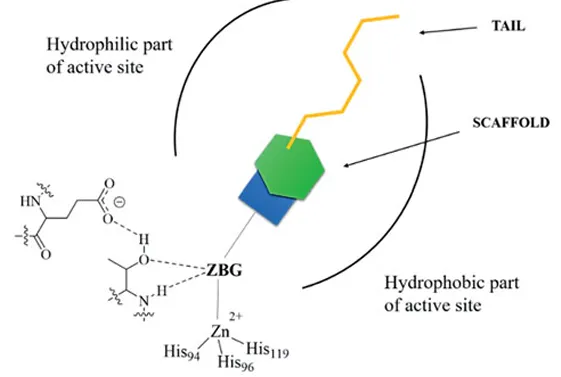


Figure.3.General scheme for CAI  belonging to the zinc binders class( sulfonamide, sulfamate, sulfamide)(8)


  These CAIs bind in deprotonated form, as anions, to the Zn(II) ion from the enzyme active site, which is in a tetrahedral geometry, being coordinated by three His residues from the enzyme and by the zinc-binding group (ZBG) of the inhibitor  The ZBG also interacts with two other conserved residues in all a-CAs, acting as “gate keepers”, i.e. Thr199  hydrogen bonded through its OH group with the water molecule/hydroxide ion coordinated to the zinc in the uninhibited enzyme, and with the ZBG, as shown in Figure 3, in the enzyme–inhibitor adducts  and Glu106, which is hydrogen bonded to Thr199 through its carboxylate moiety.(8,9)               

TAIL BASED APPROACH  DRUG DESIGN OF CARBONIC ANHYDRSE INHIBITOR

 The “tail approach” has become a milestone in human carbonic anhydrase inhibitor (hCAI) design for various therapeutics, including tumor, antiglaucoma agents etc. Besides the classical hydrophobic/hydrophilic division of hCA active site, several sub pockets have been identified at the middle/outer active sites rim, which could be targeted to increase the CAI isoform selectivity(9). This postulate is explored here by three-tailed benzene sulfonamide CAIs  to fully exploit such amino acid differences among hCAs. The active site architecture is quite similar in all the twelve catalytically active -CA isoforms, thus making task of obtaining isoform- selective inhibitors rather difficult . However, the conserved amino acid residues in the human isoforms are at the bottom and middle parts of the active sites, whereas the most variable ones are at their entrances. Thus, the most successful approach termed as “the tail-approach” consists of appending one or more ‘tails’ to a scaffold (usually an aromatic or heterocyclic ring system incorporating a zinc binding group (ZBG) such as sulfonamide or their bioisosteres) leading to an elongated molecule with its tail being able to interact with the amino acid residues present mainly in the external-middle and outer rim of the active site cavity, which, as mentioned above, are the regions of the highest variability among the different CA isoforms  (10,11).


Figure .4. Schematic representation of (A) "tail " (B) Two tail (C) Three tail approach design for the CAI(11)


2.1 Tail approach based drug design on Thiadiazole compounds

Tail approach based drug design on thiadiazole  compounds connect benzene sulfonamide as a zinc‐binding moiety to different urea motifs using 1,3,4‐thiadiazole ring as a linker. In this way, they followed the tail‐approach based design to yield effective and selective CAIs. Alkyl, alkoxy, nitro, and halogen are among the substituents we selected because they are likely to establish hydrophobic contact, hydrogen bonds, or halogen bonds with the target enzyme(12).
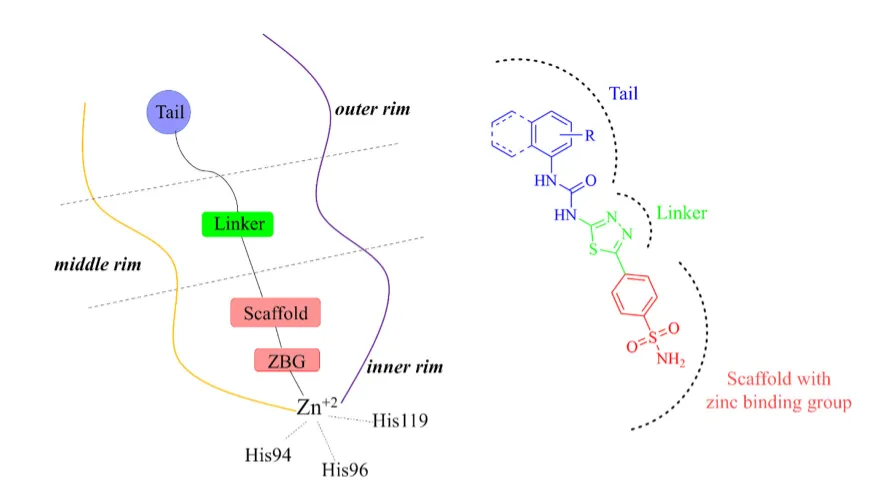


Figure.5. Tail based approach design of thiadiazole compounds


Figure.6. Proposed binding mode of  within active site of human carbonic anhydrase IX enzyme


2.2 Tail-approach-based design of coumarin monoterpene derivatives

Adding "tail(s)" to an aromatic or heterocyclic scaffold with a zinc connecting group (ZBG), such as sulfonamides or related bioisosteres, is the "tail approach," a structure-based drug design method. This results in an enlarged molecule that can interact with the inner or outer edge of the active site cavity in a selective manner between different isoforms (depending on amino acid residues). (13)                                                                                             


Figure .7.Tail based approach design of coumarin-monoterpene derivatives
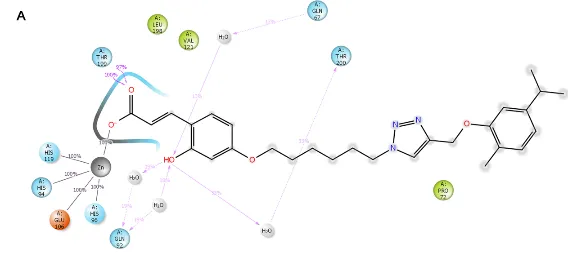


Figure .7A.Docked image of coumarin monoterpene derivatives


The docked pose shows a hydrogen bond of the ligand’s hydroxyl group with the sidechain of Thr200, while the carboxylic acid group interacts with the Zn2+ ion. The ligand is in a folded conformation and the terminal phenyl group forms hydrophobic interactions with the sidechains of Trp5 and Pro202.  ligand’s carboxylic acid interacts with the Zn2+ ion and Thr199 (Figure 7). The interaction of the hydroxyl group with Thr200 is not stable instead, it forms hydrogen bonds with bridging water molecules with Gln67, Gln92, and Thr200. Due to the flexible chain, the ligand adopts several conformations in the active site with a near-extended alkyl        chain conformation. As a result, the triazole and phenyl groups of the ligand form occasionally hydrogen bonds or aromatic hydrogen bonds with the active site.(13)

2.3 Tail based approach design of Pyrazole  derivatives

In order to accommodate the enzyme variable halves, they are using the tail approach strategy in the design of the target CAIs. As a result, nine series of distinct 3,4-disubstituted pyrazole benzene sulfonamides were created (Figure 8). To explore their potential as potential anticancer drugs via CA inhibition, the substitutions at positions 3 and 4 were changed with various functional moieties that had varying electronic nature and/or lipophilicity.(14)


Figure .8. Design of pyrazole derivatives(14)


2.4 Dual tail approach design of  thiopyrimidine-benzene sulfonamide derivatives

A dual-tail approach was applied to the design of a novel series of 2-thiopyrimidine benzene sulfonamides as carbonic anhydrase (CA) inhibitors. The design strategy is based on the hybridization between a benzene sulfonamide moiety as Zn2+ binding group and 2,4-disubstituted thiopyrimidine as a tail. (15)


Figure .9.The design strategy for the dual- tail pyrimidine benzene sulfonamide hybrids as hCA IX inhibitors


Recent Developments of Carbonic Anhydrase Inhibitors as Potential Anticancer Drugs

3.1 Isatin-sulfonamide derivatives

Isatin-sulfonamide derivatives has a main sulfonamide moiety and an unsubstituted isatin ring connected by a methyl-branched flexible linker (meta-propanamide) became the most effective human Carbonic Anhydrase IX (hCA IX) inhibitor in its manufactured series; activity was further increased by adding the methyl-branched meta-propanamide linker(16) .


3.2  Dimethoxy quinoline hybrid derivatives

Dimethoxy quinoline represents a first-in-class hybrid small molecule engineered to combine ATP-competitive kinase inhibition with zinc-binding carbonic anhydrase suppression with CA IX Inhibition (Ki

)93.3 nM
.Hydrophobic pocket accommodates extended aromatic rings (e.g., quinoline or biphenyl groups) via π
-π
 stacking and hydrophobic interactions with residues such as Val121, Val131, and Leu198.Hydrophilic pocket Interacts with polar linkers or hydrogen-bonding elements to differentiate CA IX from off-target cytosolic isoforms (CA I and CA II) (17).


3.3 Indolylchalcone benzenesulfonamides

Indolylchalcone benzenesulfonamides  shows marked selectivity for tumor-associated hCA IX over off-target isoforms, 61.9-fold selectivity over hCA I and 7.2-fold selectivity over hCA II.  5-CN functional group  showed potent and selective inhibition of hCA IX (Ki = 8.9 nM) with selectivity over hCA I, II, and XII (SI=61.9, 7.2, and 5.7, respectively),   outperforming the standard inhibitor acetazolamide. SAR analysis indicated that electron withdrawing groups, particularly cyano and substituent on the indole scaffold, enhanced selectivity toward tumor-associated hCA IX . A clear positional effect was observed in which substitution at the 5-position of the indole core favors hCA IX inhibition whereas substitution at the 6-position promotes hCA XII selectivity.(18)



 3.4   Coumarin/Thiazole Chalcone Hybrid

Novel (E)-6-(3-(4-methyl-2-thioxo-2,3-dihydrothiazol-5-yl)-3-oxoprop-1-en-1-yl)-2H-chromen-2-one (chemical 6) as a dual inhibitor of tubulin polymerization and tumor-associated carbonic anhydrases (CAs) IX and XII.shown strong antiproliferative action with good selectivity for non-tumorigenic cells, especially against MDA-MB231 triple-negative breast cancer cells (IC50 = 0.37 µM). downregulation of CA-IX and CA-XII protein expression and submicromolar inhibition of CA IX (IC50 = 0.102 ± 0.005 µM) and CA XII (IC50 = 0.213 ± 0.004 µM)(19).


3.5 Umbelliferone -vanilloid hybrids

 The Umbelliferon–vanilloid hybrids selectively target tumor-associated isoforms hCA IX (Ki=69.6941 nM

) and hCA XII (Ki=66.1694 nM
). They show virtually no activity against off-target cytosolic isoforms hCA I and hCA II (Ki>10,000 nM
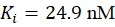
).While unmodified Umbelliferon displays strong activity (Ki=24.9 nM
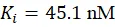
 for hCA IX; Ki=45.1 nM
 for hCA XII), in human bronchial epithelial and lung adenocarcinoma (A549) cell lines it lacks the functional tail to modulate downstream cellular anti-inflammatory/anti-cancer pathways. Unmodified vanilloids  exhibit almost no CA inhibitory activity (Ki>10,000 nM
).(20)


3.6  Coumarin-Triazole Derivatives

             In this study, twenty novel 6-functionalized coumarin derivatives synthesized  bearing 1,2,3-triazole moieties via amide linkers of varying alkyl chain lengths. These molecules were isoforms I, II, IX,and XII. The data demonstrated selective inhibition to the cancer-related isoforms hCA IX and XII (Ki values ranging from 79  to 96 nM), with negligible activity against the off-target isoforms hCA I and II (Ki > 100 μM). Among the three linker types studied, the acetyl and butanoyl-linked derivatives demonstrated superior activity  (hCA IX: Ki = 79.5 nM)  SAR analysis highlighted that electron withdrawing groups (e.g., F, OCF3) and shorter linkers enhanced activity, while electron-donating groups and longer linkers diminished potency. Overall, the results validate the coumarin-linked triazoles as a promising lead for selective inhibition of carbonic anhydrase. (21)


3.7  Quinazoline-sulfonamide hybrids

The most potent compounds in the study, exhibiting sub-micromolar inhibition of a) CA IX (IC50=0.077 μM

) and CA XII (IC50=0.205 μM
), alongside VEGFR-2  (IC50=0.069 μM
)               b) CA IX (IC50=0.168 μM
), CA XII (IC50=0.154 μM
), and VEGFR-2 (IC50=0.145 μM
).It demonstrated strong broad-spectrum cytotoxicity (IC50=7.81--19.50 μM
) and high selectivity toward cancer cells over normal cells (SI=6.94
). The introduction of the acetamide linker significantly enhanced the anticancer activity, with compounds a and b emerging as the most potent derivatives. These compounds exhibited potent dual enzymatic inhibition comparable to that of sorafenib and acetazolamide, along with broad-spectrum antiproliferative activity against multiple cancer cell lines. Mechanistic studies proved that compound a produced G2/M arrest of the cell cycle and promoted intrinsic apoptosis via modulation of Bax/Bcl-2 and caspase activation. Supported by molecular modeling, these findings validate the design rationale and highlight this scaffold as a promising platform for further development of multitarget anticancer agents targeting hypoxic tumors as VEGFR-2 and CA dual inhibitors.(22)


3.8 Benzimidazole-thiazole  derivatives

 Benzimidazole-thiazole derivatives  was rationally designed and synthesized. 4-(5-Chloro-1H-benzo[d]imidazol-2-yl)-N'-(4-(2,4-dimethoxyphenyl)thiazol-2-yl)benzohydrazide demonstrated the highest carbonic anhydrase IX inhibitory activity among the tested series. Showed notable cytotoxicity across multiple cancer cell lines with IC50

 values of 36.6±11.98 μM
 (HT29 colon cancer), 22.8±5.18 μM
 (MCF7 breast cancer), and 42.06±6.58 μM
 (C6 glioma).(23)


3.9  Diazo and Pyrazole-Carboxamide-Linked Benzenesulfonamides

In diazo and Pyrazole-Carboxamide linked Benzenesulfonamides More specifically, para-substituted analogs exhibited enhanced inhibitory properties relative to their meta-substituted counterparts. Compound  with a 3,4-dichloro motif, exhibited the highest activity with a very low KI value of 1.8 nM  against carbonic anhydrase IX. Electron-withdrawing substituents improved inhibitory efficacy,whereas electron-donating groups often reduce   activity.(24)                                                         


3.91 Thiazole- Chalcones Linked to Sulfanilamide derivatives

Tail-focused design strategy was employed to synthesize thiazole-based chalcone derivatives bearing a sulfanilamide moiety as the zinc-binding group for selective inhibition of tumor-associated CA isoforms. This compound  emerged as the most potent, exhibiting strong inhibition of hCA IX/XII, outperforming acetazolamide and SLC-0111, showed broad-spectrum anticancer activity, with GI50 values below 2 μM in melanoma, breast, and colon cancer. Demonstrates exceptional inhibition against the tumor-associated isoforms with Ki


 values of 15.5 nM for hCA IX and 2.0 nM for hCA XII.(25)


3.92 Non-sulfonamide derivatives

 This study focuses on derivatives containing a trifluorodihydroxypropanone (TDP) . Mechanistically, the TDP pharmacophoric motif mimics a typical zinc-binding group (such as those found in classic sulfonamide-based inhibitors) by coordinating directly with the active site zinc ion through one hydroxyl group of its diol moiety, displacing the zinc-bound solvent molecule. TDP exhibits most potent inhibitors of the tumor-associated hCA IX isoform (Ki=0.78 μM
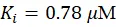
) Additionally, high selectivity for hCA IX over cytosolic hCA II (SI=6.0
) and hCA XII (SI=25.2
).(26)


3.93  Di-meta-Substituted Fluorinated Benzenesulfonamides

                     Trifluorinated benzenesulfonamide with cyclooctylamino substituent at the meta position, with up to 10-fold affinity improvement for CAIX, resulting in low picomolar binders. The resulting CAIX-targeting compounds showed up to 1000-fold selectivity over off-target CA isozymes. Compound  achieved low picomolar affinity for CA IX, with an observed dissociation constant a) (Kd,obs

) of 0.0045 nM
 (4.5 pM
) b) (Kd,obs
) of 0.050 nM
 (50 pM
)  at pH 7.0.(27)


3.94  Benzenesulfonamides carrying thiadiazole and urea moieties

Carbonic anhydrase inhibitors synthesized based on the tail approach design. Based on this strategy, connected benzenesulfonamide, the zinc‐binding scaffold, to different urea moieties with the 1,3,4‐thiadiazole ring as a linker it selectively inhibits the tumor-associated isoforms   hCA IX (Ki=7.8 nM

) and hCA XII (Ki=5.3 nM
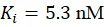
) while effectively sparing the off-target, physiologically dominant isoforms hCA I (Ki=6092 nM

) and hCA II (Ki=91.8 nM
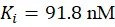
). Spairing hCA I and II reduces potential side effects(28).


CONCLUSION

CA IX is an attractive anticancer target because it is closely connected with tumor hypoxia, extracellular acidification, metabolic adaptation, invasion, and resistance to therapy. Its restricted expression in many normal tissues and increased expression in hypoxic tumors provide a useful basis for developing tumor-selective pharmacological agents. The "tail-approach" which appends structural tails to a zinc-binding scaffold—effectively exploits the amino acid variability at the outer rim of the active site. This design strategy successfully differentiates tumor-associated CAIX from off-target physiological isoforms, because the bottom and middle active-site regions are largely conserved across different hCA isoforms, obtaining selective inhibitors is challenging. The outer rim exhibits the highest structural variability, making the tail-approach a leading strategy to improve ligand-isoform matching and selectively target tumor-associated isoforms like hCA IX and XII. Recent drug discovery efforts have explored alternative scaffolds, such as derivatives containing a trifluorodihydroxypropanone (TDP) moiety, which act as non-sulfonamide inhibitors. Non-sulfonamide derivatives such as TDP demonstrate potent inhibition of the tumor-associated hCA IX isoform with a Ki of 0.78 uM.These compounds maintain high selectivity for hCA IX over cytosolic isoforms like hCA II (selectivity index of 6.0) and hCA XII (selectivity index of 25.2).Recent advancements have yielded exceptional drug candidates. For instance, di-meta-substituted fluorinated benzenesulfonamides achieve low picomolar affinities, while diazo and pyrazole-carboxamide derivatives and thiadiazole-urea hybrids exhibit potent nanomolar inhibition coupled with high selectivity against off-target variants. Their anticancer potential is further increased when CA inhibition is combined with inhibition of VEGFR-2, PDGFR, tubulin polymerization, or other cancer-related pathways.

REFERENCES

  1. Saravanan V, Chagaleti BK, Manivasakan K, Vellapandian C, Dudhe PB, Prabha T, et al. Structure based identification of small molecules targeting Human Carbonic Anhydrase: A pharmacophore modeling, molecular docking, quantum and molecular dynamics study. Silico Res Biomed. 2026 Jan 1;2:100496. doi:10.1016/j.insi.2026.100496
  2. Hussain T, Ullah S, Alrokayan S, Alamery S, Mohammed AA, Ejaz SA, et al. Synthesis, characterization and biological evaluation of pyrazole-based benzene sulfonamides as inhibitors of human carbonic anhydrase II, IX and XII. RSC Adv. 2023;13(27):18461–79. doi:10.1039/D3RA03276K
  3. Provensi G, Nocentini A, Passani MB, Blandina P, Supuran CT. Activation of carbonic anhydrase isoforms involved in modulation of emotional memory and cognitive disorders with histamine agonists, antagonists and derivatives. J Enzyme Inhib Med Chem. 2021 Jan 1;36(1):719–26. doi:10.1080/14756366.2021.1891051
  4. Becker HM. Carbonic anhydrase IX and acid transport in cancer. Br J Cancer. 2020 Jan 21;122(2):157–67. doi:10.1038/s41416-019-0642-z
  5. Packiapalavesam SD, Saravanan V, Mahajan AA, Almutairi MH, Almutairi BO, Arockiaraj J, et al. Identification of novel CA IX inhibitor: Pharmacophore modeling, docking, DFT, and dynamic simulation. Comput Biol Chem. 2024 Jun;110:108073. doi:10.1016/j.compbiolchem.2024.108073
  6. Roshdy E, Kilic A, Mustafa M, Celik I, Sarı ZB, Simsek E, et al. Design and Synthesis of Bis-Triazole-Linked Benzenesulfonamides as Selective Carbonic Anhydrase IX/XII Inhibitors with Chemosensitizing Activity. J Med Chem. 2026 May 14;69(9):11365–81. doi:10.1021/acs.jmedchem.6c00547
  7. McDonald PC, Chafe SC, Supuran CT, Dedhar S. Cancer Therapeutic Targeting of Hypoxia Induced Carbonic Anhydrase IX: From Bench to Bedside. Cancers. 2022 Jul 6;14(14):3297. doi:10.3390/cancers14143297
  8. Supuran CT. Carbon- versus sulphur-based zinc binding groups for carbonic anhydrase inhibitors? J Enzyme Inhib Med Chem. 2018 Jan 1;33(1):485–95. doi:10.1080/14756366.2018.1428572
  9. Alterio V, Di Fiore A, D’Ambrosio K, Supuran CT, De Simone G. Multiple Binding Modes of Inhibitors to Carbonic Anhydrases: How to Design Specific Drugs Targeting 15 Different Isoforms? Chem Rev. 2012 Aug 8;112(8):4421–68. doi:10.1021/cr200176r
  10. Bonardi A, Nocentini A, Bua S, Combs J, Lomelino C, Andring J, et al. Sulfonamide Inhibitors of Human Carbonic Anhydrases Designed through a Three-Tails Approach: Improving Ligand/Isoform Matching and Selectivity of Action. J Med Chem. 2020 Jul 9;63(13):7422–44. doi:10.1021/acs.jmedchem.0c00733
  11. Kumar A, Siwach K, Supuran CT, Sharma PK. A decade of tail-approach based design of selective as well as potent tumor associated carbonic anhydrase inhibitors. Bioorganic Chem. 2022 Sep;126:105920. doi:10.1016/j.bioorg.2022.105920
  12. Han Mİ, Gündüz MG, Ammara A, Supuran CT, Doğan ŞD. Tail‐approach based design, synthesis, and molecular modeling of benzenesulfonamides carrying thiadiazole and urea moieties as novel carbonic anhydrase inhibitors. Arch Pharm (Weinheim). 2024 Nov;357(11):e2400439. doi:10.1002/ardp.202400439
  13. Zengin Kurt B, Celebi G, Ozturk Civelek D, Angeli A, Akdemir A, Sonmez F, et al. Tail-Approach-Based Design and Synthesis of Coumarin-Monoterpenes as Carbonic Anhydrase Inhibitors and Anticancer Agents. ACS Omega. 2023 Feb 14;8(6):5787–807. doi:10.1021/acsomega.2c07459
  14. Ahmed RF, Mahmoud WR, Abdelgawad NM, Fouad MA, Said MF. Exploring novel anticancer pyrazole benzenesulfonamides featuring tail approach strategy as carbonic anhydrase inhibitors. Eur J Med Chem. 2023 Dec;261:115805. doi:10.1016/j.ejmech.2023.115805
  15. Abdel-Mohsen HT, El Kerdawy AM, Omar MA, Petreni A, Allam RM, El Diwani HI, et al. Application of the dual-tail approach for the design and synthesis of novel Thiopyrimidine–Benzenesulfonamide hybrids as selective carbonic anhydrase inhibitors. Eur J Med Chem. 2022 Jan;228:114004. doi:10.1016/j.ejmech.2021.114004
  16. Charissopoulos E, Pontiki E. Dual Targeting Strategies in Cancer: Carbonic Anhydrase IX Inhibitors Targeting EGFR or VEGFR-2. Molecules. 2026 Jul 1;31(13):2306. doi:10.3390/molecules31132306
  17. Roshdy E, Řezníčková E, Elbadawi MM, Celik I, Giovannuzzi S, Veselá D, et al. First-in-Class Dual PDGFR/Carbonic Anhydrase IX/XII Inhibitors: 6,7-Dimethoxyquinoline-Sulfonamides as Promising Antileukemic Agents. J Med Chem. 2026 Feb 12;69(3):3115–37. doi:10.1021/acs.jmedchem.5c03037
  18. Lee J, Biernacki K, Giovannuzzi S, Nada H, C Rivonker S, Kim C, et al. Discovery of indolylchalcone benzenesulfonamides as selective inhibitors of tumor-associated carbonic anhydrase IX and XII. Sci Rep. 2026 Jul 8;16(1):21192. doi:10.1038/s41598-026-49231-6
  19. Saleem BAA, Qurtam AA, Ahmed M, Al-Aouadi RFA, Alrikabi AAA, Hetta HF, et al. Discovery of a Novel Coumarin/Thiazole Chalcone Hybrid as a Potent Dual Inhibitor of Tubulin and Carbonic Anhydrases IX & XII with Promising Anti-Proliferative Activity. Molecules. 2026 Mar 10;31(6):917. doi:10.3390/molecules31060917
  20. Melfi F, Mencarelli N, Carradori S, Gallorini M, Angeli A, Poli G, et al. Hybridization Approach Applied to Umbelliferon and Vanilloids toward New Inhibitors of Carbonic Anhydrases IX and XII with In Vitro Antiproliferative and Anti-inflammatory Activities. J Med Chem. 2026 Jan 22;69(2):1454–72. doi:10.1021/acs.jmedchem.5c02930
  21. Manasa V, Ghouse SM, Paoletti N, Sinha K, Danaboina S, Tamang N, et al. Exploring Coumarin‐Triazole Derivatives as Selective Inhibitors of Carbonic Anhydrase IX and XII. ChemMedChem. 2026 Feb 25;21(4):e202500959. doi:10.1002/cmdc.202500959
  22. Zeidan MA, Al-Sanea MM, Elnagar MR, Tawfik MM, El-Shafey HW, Tawfik SS, et al. Quinazoline-sulfonamide hybrids as multitarget anticancer agents: inhibition of carbonic anhydrase IX/XII isoforms and VEGFR-2 with in vitro and in silico validation. Mol Divers. 2026 Apr 19. doi:10.1007/s11030-026-11543-0
  23. Şahin Inan ZD, Bostancı HE, Kapancık S, Işık A, Kılıç HA, Acar Çevik U, et al. Synthesis of Novel Benzimidazole Derivatives as a Carbonic Anhydrase IX (Ca IX ) Inhibitor With Anticancer Potential. J Heterocycl Chem. 2026 Mar;63(3):418–31. doi:10.1002/jhet.70138
  24. Akocak S, Lolak N, Ammara A, Gürbüz G, Bozgeyik I, Taşdemir D, et al. Investigating the Inhibitory Properties of Diazo and Pyrazole‐Carboxamide‐Linked Benzenesulfonamides Against Carbonic Anhydrase Isoforms I, II, IX, and XII. ChemMedChem. 2026 Jul 14;21(13):e70369. doi:10.1002/cmdc.70369
  25. Elshamsy AM, Mustafa M, Nocentini A, Massardi ML, Ali TFS, Rabea SM, et al. Design, Synthesis, and In Vitro Anticancer Evaluation of Thiazole-Based Chalcones Linked to Sulfanilamide as Tumor-Associated Carbonic Anhydrase IX and XII Inhibitors. J Med Chem. 2025 Jul 24;68(14):15151–64. doi:10.1021/acs.jmedchem.5c01392
  26. Pala N, Ladu F, Szlasa W, Cadoni R, Lomelino C, Mahon BP, et al. Design, anticancer activity, and mechanistic evaluation of a novel class of selective human carbonic anhydrase IX inhibitors featuring a trifluorodihydroxypropanone pharmacophore. Eur J Med Chem. 2025 Nov;298:118043. doi:10.1016/j.ejmech.2025.118043
  27. Vaškevičius A, Žvirblis M, Kurtenoka M, Leitans J, Manakova E, Paketurytė-Latvė V, et al. Di- meta -Substituted Fluorinated Benzenesulfonamidesas Potent and Selective Anticancer Inhibitors of Carbonic AnhydraseIX and XII. J Med Chem. 2025 Sep 11;68(17):18389–406. doi:10.1021/acs.jmedchem.5c01142
  28. Han Mİ, Gündüz MG, Ammara A, Supuran CT, Doğan ŞD. Tail‐approach based design, synthesis, and molecular modeling of benzenesulfonamides carrying thiadiazole and urea moieties as novel carbonic anhydrase inhibitors. Arch Pharm (Weinheim). 2024 Nov;357(11):e2400439. doi:10.1002/ardp.202400439

Reference

  1. Saravanan V, Chagaleti BK, Manivasakan K, Vellapandian C, Dudhe PB, Prabha T, et al. Structure based identification of small molecules targeting Human Carbonic Anhydrase: A pharmacophore modeling, molecular docking, quantum and molecular dynamics study. Silico Res Biomed. 2026 Jan 1;2:100496. doi:10.1016/j.insi.2026.100496
  2. Hussain T, Ullah S, Alrokayan S, Alamery S, Mohammed AA, Ejaz SA, et al. Synthesis, characterization and biological evaluation of pyrazole-based benzene sulfonamides as inhibitors of human carbonic anhydrase II, IX and XII. RSC Adv. 2023;13(27):18461–79. doi:10.1039/D3RA03276K
  3. Provensi G, Nocentini A, Passani MB, Blandina P, Supuran CT. Activation of carbonic anhydrase isoforms involved in modulation of emotional memory and cognitive disorders with histamine agonists, antagonists and derivatives. J Enzyme Inhib Med Chem. 2021 Jan 1;36(1):719–26. doi:10.1080/14756366.2021.1891051
  4. Becker HM. Carbonic anhydrase IX and acid transport in cancer. Br J Cancer. 2020 Jan 21;122(2):157–67. doi:10.1038/s41416-019-0642-z
  5. Packiapalavesam SD, Saravanan V, Mahajan AA, Almutairi MH, Almutairi BO, Arockiaraj J, et al. Identification of novel CA IX inhibitor: Pharmacophore modeling, docking, DFT, and dynamic simulation. Comput Biol Chem. 2024 Jun;110:108073. doi:10.1016/j.compbiolchem.2024.108073
  6. Roshdy E, Kilic A, Mustafa M, Celik I, Sar? ZB, Simsek E, et al. Design and Synthesis of Bis-Triazole-Linked Benzenesulfonamides as Selective Carbonic Anhydrase IX/XII Inhibitors with Chemosensitizing Activity. J Med Chem. 2026 May 14;69(9):11365–81. doi:10.1021/acs.jmedchem.6c00547
  7. McDonald PC, Chafe SC, Supuran CT, Dedhar S. Cancer Therapeutic Targeting of Hypoxia Induced Carbonic Anhydrase IX: From Bench to Bedside. Cancers. 2022 Jul 6;14(14):3297. doi:10.3390/cancers14143297
  8. Supuran CT. Carbon- versus sulphur-based zinc binding groups for carbonic anhydrase inhibitors? J Enzyme Inhib Med Chem. 2018 Jan 1;33(1):485–95. doi:10.1080/14756366.2018.1428572
  9. Alterio V, Di Fiore A, D’Ambrosio K, Supuran CT, De Simone G. Multiple Binding Modes of Inhibitors to Carbonic Anhydrases: How to Design Specific Drugs Targeting 15 Different Isoforms? Chem Rev. 2012 Aug 8;112(8):4421–68. doi:10.1021/cr200176r
  10. Bonardi A, Nocentini A, Bua S, Combs J, Lomelino C, Andring J, et al. Sulfonamide Inhibitors of Human Carbonic Anhydrases Designed through a Three-Tails Approach: Improving Ligand/Isoform Matching and Selectivity of Action. J Med Chem. 2020 Jul 9;63(13):7422–44. doi:10.1021/acs.jmedchem.0c00733
  11. Kumar A, Siwach K, Supuran CT, Sharma PK. A decade of tail-approach based design of selective as well as potent tumor associated carbonic anhydrase inhibitors. Bioorganic Chem. 2022 Sep;126:105920. doi:10.1016/j.bioorg.2022.105920
  12. Han M?, Gündüz MG, Ammara A, Supuran CT, Do?an ?D. Tail?approach based design, synthesis, and molecular modeling of benzenesulfonamides carrying thiadiazole and urea moieties as novel carbonic anhydrase inhibitors. Arch Pharm (Weinheim). 2024 Nov;357(11):e2400439. doi:10.1002/ardp.202400439
  13. Zengin Kurt B, Celebi G, Ozturk Civelek D, Angeli A, Akdemir A, Sonmez F, et al. Tail-Approach-Based Design and Synthesis of Coumarin-Monoterpenes as Carbonic Anhydrase Inhibitors and Anticancer Agents. ACS Omega. 2023 Feb 14;8(6):5787–807. doi:10.1021/acsomega.2c07459
  14. Ahmed RF, Mahmoud WR, Abdelgawad NM, Fouad MA, Said MF. Exploring novel anticancer pyrazole benzenesulfonamides featuring tail approach strategy as carbonic anhydrase inhibitors. Eur J Med Chem. 2023 Dec;261:115805. doi:10.1016/j.ejmech.2023.115805
  15. Abdel-Mohsen HT, El Kerdawy AM, Omar MA, Petreni A, Allam RM, El Diwani HI, et al. Application of the dual-tail approach for the design and synthesis of novel Thiopyrimidine–Benzenesulfonamide hybrids as selective carbonic anhydrase inhibitors. Eur J Med Chem. 2022 Jan;228:114004. doi:10.1016/j.ejmech.2021.114004
  16. Charissopoulos E, Pontiki E. Dual Targeting Strategies in Cancer: Carbonic Anhydrase IX Inhibitors Targeting EGFR or VEGFR-2. Molecules. 2026 Jul 1;31(13):2306. doi:10.3390/molecules31132306
  17. Roshdy E, ?ezní?ková E, Elbadawi MM, Celik I, Giovannuzzi S, Veselá D, et al. First-in-Class Dual PDGFR/Carbonic Anhydrase IX/XII Inhibitors: 6,7-Dimethoxyquinoline-Sulfonamides as Promising Antileukemic Agents. J Med Chem. 2026 Feb 12;69(3):3115–37. doi:10.1021/acs.jmedchem.5c03037
  18. Lee J, Biernacki K, Giovannuzzi S, Nada H, C Rivonker S, Kim C, et al. Discovery of indolylchalcone benzenesulfonamides as selective inhibitors of tumor-associated carbonic anhydrase IX and XII. Sci Rep. 2026 Jul 8;16(1):21192. doi:10.1038/s41598-026-49231-6
  19. Saleem BAA, Qurtam AA, Ahmed M, Al-Aouadi RFA, Alrikabi AAA, Hetta HF, et al. Discovery of a Novel Coumarin/Thiazole Chalcone Hybrid as a Potent Dual Inhibitor of Tubulin and Carbonic Anhydrases IX & XII with Promising Anti-Proliferative Activity. Molecules. 2026 Mar 10;31(6):917. doi:10.3390/molecules31060917
  20. Melfi F, Mencarelli N, Carradori S, Gallorini M, Angeli A, Poli G, et al. Hybridization Approach Applied to Umbelliferon and Vanilloids toward New Inhibitors of Carbonic Anhydrases IX and XII with In Vitro Antiproliferative and Anti-inflammatory Activities. J Med Chem. 2026 Jan 22;69(2):1454–72. doi:10.1021/acs.jmedchem.5c02930
  21. Manasa V, Ghouse SM, Paoletti N, Sinha K, Danaboina S, Tamang N, et al. Exploring Coumarin?Triazole Derivatives as Selective Inhibitors of Carbonic Anhydrase IX and XII. ChemMedChem. 2026 Feb 25;21(4):e202500959. doi:10.1002/cmdc.202500959
  22. Zeidan MA, Al-Sanea MM, Elnagar MR, Tawfik MM, El-Shafey HW, Tawfik SS, et al. Quinazoline-sulfonamide hybrids as multitarget anticancer agents: inhibition of carbonic anhydrase IX/XII isoforms and VEGFR-2 with in vitro and in silico validation. Mol Divers. 2026 Apr 19. doi:10.1007/s11030-026-11543-0
  23. ?ahin Inan ZD, Bostanc? HE, Kapanc?k S, I??k A, K?l?ç HA, Acar Çevik U, et al. Synthesis of Novel Benzimidazole Derivatives as a Carbonic Anhydrase IX (Ca IX ) Inhibitor With Anticancer Potential. J Heterocycl Chem. 2026 Mar;63(3):418–31. doi:10.1002/jhet.70138
  24. Akocak S, Lolak N, Ammara A, Gürbüz G, Bozgeyik I, Ta?demir D, et al. Investigating the Inhibitory Properties of Diazo and Pyrazole?Carboxamide?Linked Benzenesulfonamides Against Carbonic Anhydrase Isoforms I, II, IX, and XII. ChemMedChem. 2026 Jul 14;21(13):e70369. doi:10.1002/cmdc.70369
  25. Elshamsy AM, Mustafa M, Nocentini A, Massardi ML, Ali TFS, Rabea SM, et al. Design, Synthesis, and In Vitro Anticancer Evaluation of Thiazole-Based Chalcones Linked to Sulfanilamide as Tumor-Associated Carbonic Anhydrase IX and XII Inhibitors. J Med Chem. 2025 Jul 24;68(14):15151–64. doi:10.1021/acs.jmedchem.5c01392
  26. Pala N, Ladu F, Szlasa W, Cadoni R, Lomelino C, Mahon BP, et al. Design, anticancer activity, and mechanistic evaluation of a novel class of selective human carbonic anhydrase IX inhibitors featuring a trifluorodihydroxypropanone pharmacophore. Eur J Med Chem. 2025 Nov;298:118043. doi:10.1016/j.ejmech.2025.118043
  27. Vaškevi?ius A, Žvirblis M, Kurtenoka M, Leitans J, Manakova E, Paketuryt?-Latv? V, et al. Di- meta -Substituted Fluorinated Benzenesulfonamidesas Potent and Selective Anticancer Inhibitors of Carbonic AnhydraseIX and XII. J Med Chem. 2025 Sep 11;68(17):18389–406. doi:10.1021/acs.jmedchem.5c01142
  28. Han M?, Gündüz MG, Ammara A, Supuran CT, Do?an ?D. Tail?approach based design, synthesis, and molecular modeling of benzenesulfonamides carrying thiadiazole and urea moieties as novel carbonic anhydrase inhibitors. Arch Pharm (Weinheim). 2024 Nov;357(11):e2400439. doi:10.1002/ardp.202400439

Photo
Ajeesha J S
Corresponding author

Pharmaceutical chemistry, College of Pharmaceutical sciences,Govt medical college Thiruvananthapuram

Photo
Girish Kumar K
Co-author

Pharmaceutical chemistry, College of Pharmaceutical sciences Government medical College Thiruvananthapuram

Ajeesha J S, Girish Kumar K, Carbonic Anhydrase Ix Inhibitors in Cancer Therapy: Design Principles and Recent Innovations, Int. J. of Pharm. Sci., 2026, Vol 4, Issue 9, 1448-1462, https://doi.org/10.5281/zenodo.22723014

More related articles
Synergistic Combination of Phytochemical a Multi-...
Chaitali Dhande, Zeenat Meharoz, Shreyash MIshra, Pratik Chahande...
Ethyl Protocatechuate: Integrative Perspectives On...
Haritha M.S, Nesla P. P., Bijesh Vatakkeel...
Pharmacogenomics and Personalized Medicine...
Kiran Rayate, Sharavari Mhaske , Vaishnavi Devhad, Namrata God...
Formulation And Evaluation Of A Herbal Wound Healing Cream Using Neem, Aloe Vera...
Mr.Sadanad Patil, Shivraj Mundkar, Aditya Holkar, Parshuram Garad, Joshi D.A., Dr.Ganesh V Bansode...
A Research Paper On Phytochemical Profiling And In-Vitro Antibacterial Evaluatio...
Anmol chandel, Akanksha Sharma , Richa Agnihotri, Dr. Chinu Kumari, Dr. Abhishek Soni, Dr. Bhupender...
A Research Paper On Phytochemical Profiling And In-Vitro Antibacterial Evaluatio...
Surender Kumar, Kiran Kumari, Richa Agnihotri, Dr. Chinu Kumari, Dr. Abhishek Soni, Dr. Bhupender Si...
Related Articles
Bilayer Tablet Drug Delivery Systems: Formulation Strategies, Manufacturing Tech...
Dharani Priya B, Vigasini C, Muthuramalingam N, Dharshini S, Deebika P, Chinthana K ...
Effect Of Bilvadi Ghrita in The Management of Grahani Roga: A Reference-Based Re...
Dr Arvind Kumar Payasi , Dr. Tanishka, Dr. Pranshu Gupta, Dr G.V. karunakar...
Review On Plant Drug Quality Control Review...
Dr. D. Rama Brahma Reddy, K. Venkata Sai , K. Malleswari...
Synergistic Combination of Phytochemical a Multi-Target Strategy Against Cancer...
Chaitali Dhande, Zeenat Meharoz, Shreyash MIshra, Pratik Chahande...
More related articles
Synergistic Combination of Phytochemical a Multi-Target Strategy Against Cancer...
Chaitali Dhande, Zeenat Meharoz, Shreyash MIshra, Pratik Chahande...
Pharmacogenomics and Personalized Medicine...
Kiran Rayate, Sharavari Mhaske , Vaishnavi Devhad, Namrata Godhari, Rahul Khaire...
Synergistic Combination of Phytochemical a Multi-Target Strategy Against Cancer...
Chaitali Dhande, Zeenat Meharoz, Shreyash MIshra, Pratik Chahande...
Pharmacogenomics and Personalized Medicine...
Kiran Rayate, Sharavari Mhaske , Vaishnavi Devhad, Namrata Godhari, Rahul Khaire...