

We use cookies to ensure our website works properly and to personalise your experience. Cookies policy
Rungta Institute of Pharmaceutical Sciences.
Varicose veins are a common chronic venous disorder characterized by dilated, elongated, and tortuous veins, predominantly affecting the lower limbs. They develop due to dysfunction of venous valves and vessel walls, resulting in venous pooling, circulatory impairment, pain, edema, and discomfort, and in severe cases, lead to skin changes and ulcers. Conventional treatment options and surgical interventions are available; however, an increasing number of patients prefer to use natural remedies. Medicinal plants that possess vascular protective and anti-inflammatory activity are of great interest in the treatment of patients with varicose veins. Centella asiatica and Murraya koenigii are commonly used medicinal plants with a variety of biologically active compounds. C. asiatica is a source of many triterpenoids, including asiaticoside, madecassoside, asiatic acid, and madecassic acid, which are known to exhibit a variety of pharmacological effects, including wound healing, antioxidant, antiinflammatory, and connective tissue supportive properties. Another medicinal plant, M. koenigii, contains various carbazole alkaloids and flavonoids, which are beneficial for the circulatory system by reducing oxidative stress and inflammation. This review focuses on the phytochemistry, pharmacology, and traditional use of these two medicinal plants. The combined positive effects of C. asiatica and M. koenigii on the circulatory system, and their potential role in the treatment of varicose veins, were discussed. However, there is a need for further preclinical and clinical studies to explore the mechanisms of action, formulations, and clinical effectiveness of these two medicinal plants in the treatment of patients with varicose veins.
1.1 Varicose Veins
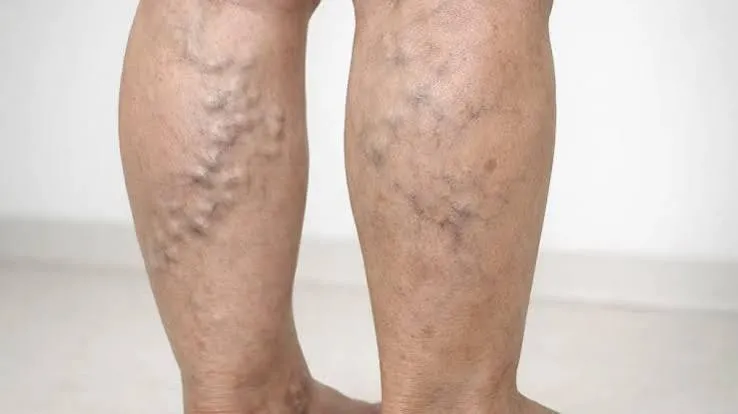
Varicose veins are a common chronic venous disorder, characterized by the formation of enlarged, elongated, twisted and tortuous superficial veins, predominantly affecting the lower limbs. This condition arises as a result of impaired return of blood from the legs to the heart, which predominantly occurs due to the malfunction of venous valves and increased venous pressure. Normally the venous valves prevent the retrograde flow of blood, whereas the contraction of the calf muscles promotes the movement of the blood upward and hence towards the heart. However, incompetent venous valves allow backward flow of blood resulting in venous pooling and dilatation of the veins of the lower limbs. Although, varicose veins can initially appear only as a cosmetic concern, in many patients they can adversely affect the activities of daily living. Furthermore, the condition can present from mild cosmetic complaints to debilitating chronic venous disease involving pain, swelling, skin changes, inflammation and ulceration.
1.2 Causes and Pathophysiology
The etiology of varicose veins is multifactorial and can include venous valve incompetence, venous wall weakness, aging, prolonged standing or sitting, pregnancy, obesity, family history, and previous venous thrombosis or trauma. The incompetent venous valves are a major contributor to the development of varicose veins. The malfunction of valves causes the retrograde flow of blood under the influence of gravity, resulting in the pooling of blood in the lower limb veins. This leads to venous hypertension and places the venous walls under constant stress, ultimately leading to their dilation and tortuosity. Additionally, the dilation of the veins results in the separation of the venous valve leaflets, which in turn exacerbates the valvular incompetence. Moreover, chronic venous hypertension can cause capillary pressure to rise, leading to the leakage of fluid into the interstitial space, which results in edema. Additionally, the elevated hemodynamic stress might also contribute to the impairment of endothelial function, inflammation, oxidative stress, and remodeling of the vein wall. Hence, the development of the pathophysiology of the disease occurs through a series of events, which begin from valve incompetence which causes venous reflux, venous hypertension, vascular dilation, and subsequent tissue damage.
1.3 Symptoms and Complications
The presentation of varicose veins can vary depending on the severity of the disease. The most common clinical manifestations of varicose veins include the appearance of prominent, large, dark blue or bluish veins under the skin. Additionally, patients often complain of aching and pain, heaviness, fatigue, burning sensation, tingling, and muscle cramps at the affected area. Swelling of the ankles and legs may also occur due to fluid retention and can worsen upon standing for long periods of time or at the end of the day. Chronic venous hypertension can cause a number of skin manifestations ranging from dryness and irritation to darkening of the skin, inflammation, thickening of the skin, and altered texture. Furthermore, superficial thrombophlebitis, bleeding from varicose veins, chronic edema, fibrosis, and venous leg ulcers are also possible complications of the disease. The development of venous leg ulcers is of particular concern as the high venous pressure can impair the oxygen supply and wound healing capacity of the tissue. Hence, the spectrum of clinical manifestations of varicose veins can severely affect the patient's comfort and quality of life.
1.4 Current Treatment Options
The management of varicose veins is primarily dictated by the severity of the disease, the symptoms presented, the anatomical abnormalities observed, and the patient's factors. Symptomatic treatment normally consists of regular physical activity, avoidance of prolonged standing or sitting, maintenance of a healthy weight, and the use of compression stockings. Additionally, venoactive drugs can be applied to provide symptomatic relief, although they normally do not have a significant effect on the underlying venous valve incompetence. Furthermore, for moderate to severe cases of the disease, minimally invasive procedures such as sclerotherapy, endovenous thermal ablation, and other similar procedures can be used. Sclerotherapy involves the injection of a sclerosing agent into the diseased vein, which causes it to collapse and seal. The use of endovenous laser ablation or radiofrequency ablation involves the use of heat to remove incompetent veins. Additionally, surgical intervention in the form of ligation, stripping, and phlebectomy are also therapeutic options. Lastly, the management of complications, such as venous ulcers, thrombosis, and bleeding, is also an important part of the treatment.
1.5 Limitations of Conventional Topical Treatments
The conventional topical treatments can be used for the symptomatic relief of varicose veins, although they normally act only locally and have minimal effect on the underlying venous valve incompetence. Although, these formulations can provide temporary reduction of pain, discomfort, heaviness, swelling, or itching, they are not indicated for the management of chronic venous disease. Moreover, the efficacy of these products can be dictated by the ability of the active ingredient to penetrate the skin barrier and exert systemic effects. Furthermore, many conventional topical treatments require frequent application, which can decrease patient compliance, while some formulations can cause local irritation upon prolonged use. Moreover, topical treatment options normally show limited efficacy in moderate to severe cases of varicose veins. Hence, the limitations of conventional topical treatment options for varicose veins have encouraged the need for alternative therapeutic options. Topical herbal formulations containing active plant constituents with antioxidant, anti-inflammatory, and wound healing properties are potential therapeutic options for the management of varicose-vein-associated symptoms. Therefore, Centella asiatica and Murraya koenigii can be potential candidates for the development of a herbal formulation for varicose veins.
2. HERBAL APPROACHES FOR VARICOSE VEINS
Herbal products have attracted considerable interest because of the diverse bioactive components in medicinal plants that may act on multiple biological pathways involved in the disorder. Varicose veins are associated with venous hypertension, oxidative stress, tissue damage, edema, inflammation, and impaired wound healing. Thus, plants with antioxidant, anti-inflammatory, vascular-protective, venotonic, and wound-healing properties may have potential as a supportive therapy. Centella asiatica and Murraya koenigii contain various bioactive components that have shown potential in preliminary investigations and may be considered for herbal formulations for varicose-vein-associated symptoms.
2.1 Antioxidant Activity
Oxidative stress plays a critical role in vascular and tissue damage associated with chronic venous disorders. Excess production of reactive oxygen species can cause cellular damage, impairment of endothelial function, and inflammatory cascades. Medicinal plants containing flavonoids, phenolic compounds, and other antioxidant constituents may neutralize free radicals and protect tissues from oxidative damage. Centella asiatica contains triterpenoids, flavonoids, and phenolic compounds that contribute to its antioxidant potential. Its antioxidant activity may help protect vascular and connective tissues from oxidative stress. Murraya koenigii contains flavonoids, phenolic compounds, carbazole alkaloids, and other phytoconstituents that have been reported to have free-radical-scavenging properties. The antioxidant activity of both plants may provide protective effects against oxidative damage associated with chronic venous insufficiency.
2.2 Anti-inflammatory Activity
Inflammation is an essential contributor to chronic venous disease progression. Chronic venous hypertension and vascular stress can lead to inflammatory responses that impair endothelial function, tissue damage, edema, and venous wall remodeling. Herbal medicines with anti-inflammatory activity may help reduce these inflammatory processes that contribute to vein dysfunction. Centella asiatica has demonstrated anti-inflammatory potential, with triterpenoid constituents such as asiaticoside, madecassoside, asiatic acid, and madecassic acid playing a critical role in modulating inflammatory pathways. Murraya koenigii contains carbazole alkaloids, flavonoids, and phenolic compounds that have been investigated for their anti-inflammatory effects. Thus, the anti-inflammatory properties of these plants may help reduce venous inflammation associated with chronic venous disorders.
2.3 Vascular Protective Activity
Vascular protection is a crucial aspect of managing varicose veins because of the impact of prolonged venous pressure on the integrity of blood vessels and connective tissues. Plantderived bioactive compounds may provide vascular protection through antioxidant, antiinflammatory, and tissue-supporting mechanisms. Centella asiatica is particularly important because its triterpenoid constituents have been studied for their effects on connective tissue, collagen formation, microcirculation, and vascular integrity. These properties may support the structure of vascular and surrounding tissues and potentially reduce the impact of venous hypertension. Murraya koenigii contains antioxidant and anti-inflammatory phytoconstituents that may help protect cells and tissues from oxidative and inflammatory damage. The combined vascular-supportive properties of these plants make them potential candidates for investigation in herbal formulations intended to manage varicose veins.
2.4 Venotonic Activity
Venotonic activity refers to an effect that supports venous tone and circulation. In varicose veins, impaired venous return and venous valve dysfunction can cause blood pooling, increased venous pressure, swelling, and discomfort in the lower limbs. Herbal medicines used for venous disorders may help improve venous circulation and reduce symptoms associated with venous congestion. Centella asiatica has been investigated for its effects on microcirculation and connective tissue and has traditionally been used in conditions associated with venous insufficiency. Its triterpenoid constituents may contribute to these vascular effects. Murraya koenigii is less extensively studied specifically for venotonic activity; however, its antioxidant and anti-inflammatory properties may provide supportive effects on vascular tissues. Further experimental and clinical studies are required to establish the direct venotonic effects of these plants and their suitability for the treatment of varicose veins.
2.5 Wound Healing Activity
Wound healing is an important consideration for advanced cases of chronic venous disease, as persistent venous hypertension, edema, inflammation, and impaired tissue oxygenation can contribute to the development of venous ulcers. Herbal plants with wound-healing properties may support tissue regeneration and repair. Centella asiatica is widely investigated for its wound-healing potential and is associated with triterpenoid compounds such as asiaticoside and madecassoside. These constituents support collagen synthesis, extracellular matrix formation, tissue regeneration, and repair of damaged skin. Murraya koenigii contains antioxidant and anti-inflammatory constituents that may support the wound-healing process by reducing oxidative and inflammatory stress. Therefore, the wound-healing properties of these plants may be relevant for developing topical herbal formulations to support skin integrity and tissue repair in patients with chronic venous disorders.
3. CENTELLA ASIATICA
Centella asiatica is an important medicinal plant that has been traditionally used in various systems of medicine. It is particularly known for its effects on connective tissue, wound healing, microcirculation, and skin health. Due to the presence of triterpenoid compounds and other bioactive constituents, C. asiatica has attracted interest for a potential herbal ingredient for formulations intended for vascular and venous disorders.
3.1 Botanical Description
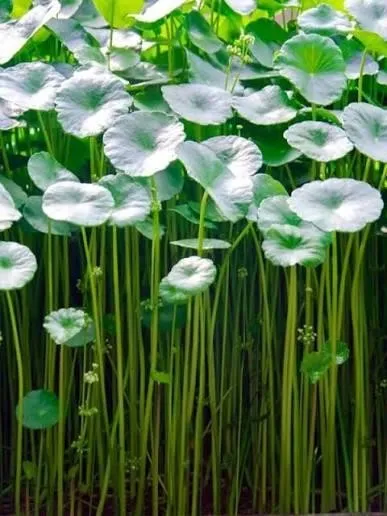
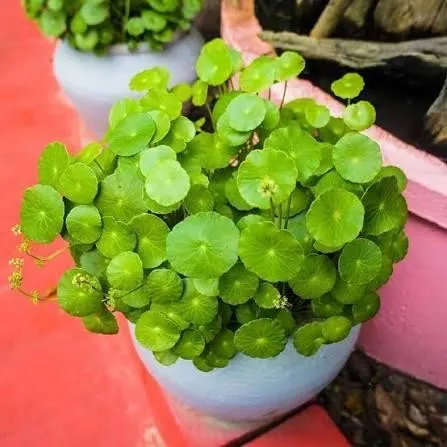
Centella asiatica is a small, perennial, herbaceous plant belonging to the family Apiaceae. It is commonly known as Gotu Kola and is found in tropical and subtropical regions, especially India and other parts of Asia. The plant generally grows in moist and shady places and has slender, creeping stems that run along the ground. The leaves are green and simple, rounded or kidney-shaped, and arise from long petioles. Small flowers occur in clusters near the base of the leaves and may be pinkish, reddish or whitish in colour. The plant produces small fruits with the seeds. The whole plant, especially the leaves and aerial parts, is used medicinally and is a source of several pharmacologically important phytoconstituents.
3.2 Phytoconstituents
Centella asiatica contains several classes of bioactive phytoconstituents that contribute to its medicinal properties. The major constituents include triterpenoid saponins, especially asiaticoside, madecassoside, asiatic acid and madecassic acid. Other constituents include flavonoids, phenolic compounds, tannins, alkaloids, carbohydrates, volatile components and other minor compounds. The concentration and composition of these constituents can vary based on geographical origin, plant part, growth stage, environmental factors and extraction method. Among these constituents, the triterpenoid fraction is particularly important for the pharmacological activities of C. asiatica.
3.3 Important Constituents
The most important bioactive constituents of Centella asiatica are asiaticoside, madecassoside, asiatic acid, and madecassic acid. Asiaticoside and madecassoside are major triterpenoid glycosides, whereas asiatic acid and madecassic acid are their corresponding aglycone-type triterpenoids. These compounds have been studied for their antioxidant, antiinflammatory, wound-healing and connective-tissue-supporting activities. Asiaticoside is particularly associated with collagen synthesis and tissue repair, while madecassoside has been studied for its anti-inflammatory and skin-protective effects. Asiatic acid and madecassic acid may also contribute to antioxidant and anti-inflammatory actions. Together, these constituents provide the pharmacological basis for investigating C. asiatica in topical herbal preparations.
3.4 Pharmacological Activities
Centella asiatica exhibits a range of pharmacological activities that contribute to its medicinal importance. It has been shown to have wound-healing, antioxidant, anti-inflammatory, antimicrobial, neuroprotective and connective-tissue-supporting activities in experimental studies. Its triterpenoid constituents may promote collagen synthesis and tissue regeneration and therefore it is useful in skin repair and wound management. The antioxidant activity may help protect cells from oxidative stress and its anti-inflammatory effects can reduce inflammatory responses in damaged tissues. C. asiatica has been studied for effects on microcirculation and vascular function, which are particularly relevant to its potential application in venous disorders.
3.5 Evidence related to Venous Insufficiency and Varicose Veins
Centella asiatica has attracted particular interest in relation to chronic venous insufficiency due to its reported effects on microcirculation, connective tissue and vascular function. Studies of standardized C. asiatica preparations have investigated their potential to improve symptoms and functional parameters associated with chronic venous disorders. Its triterpenoid constituents may support the integrity of connective tissue surrounding blood vessels and may influence processes involved in vascular permeability and tissue repair. Experimental evidence also suggests antioxidant and anti-inflammatory effects that may be relevant to the pathological changes occurring in chronic venous insufficiency. However, the available evidence varies in study design, preparation, dose and clinical population and therefore, further well-controlled studies are needed to establish its precise therapeutic role in varicose veins.
3.6 Reason for Selection
Centella asiatica was selected for the present study because its phytochemical composition and reported pharmacological activities are relevant to several factors involved in varicose veins and chronic venous insufficiency. Its important triterpenoids, especially asiaticoside and madecassoside, are associated with wound healing, collagen formation, tissue repair and antiinflammatory activity. Its antioxidant and vascular-supportive properties may also provide additional benefits for protecting tissues from oxidative and inflammatory damage. Furthermore, its reported association with microcirculatory and venous function makes it a suitable candidate for investigation in a topical herbal formulation. Therefore, C. asiatica provides a rational herbal component for the proposed formulation, especially when combined with another plant such as Murraya koenigii, to explore complementary pharmacological activities.
4. MURRAYA KOENIGII
Murraya koenigii is an aromatic medicinal plant used in traditional medicine as well as a culinary herb. This plant is commonly known as curry leaf and it belongs to the Rutaceae family. Active principles in M. koenigii include several types of phytoconstituents, including carbazole alkaloids, flavonoids, phenolic constituents, and essential-oil components.
4.1 Botanical Description
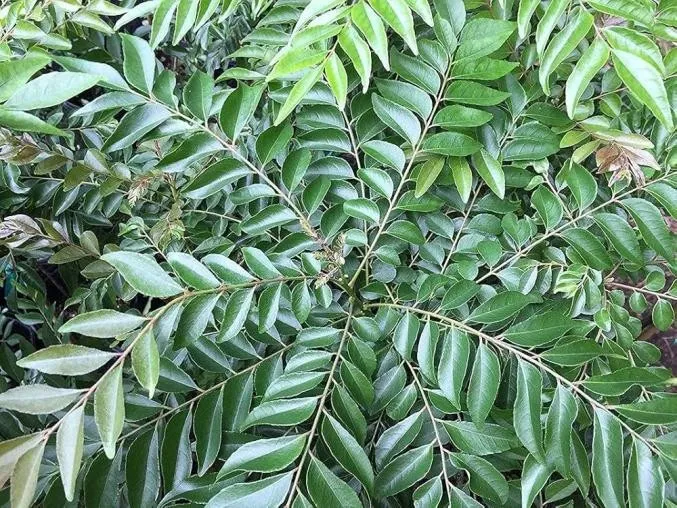
Murraya koenigii is a small to medium-sized aromatic evergreen or semi-evergreen shrub or tree belonging to the Rutaceae family. It is commonly found in India and other tropical and subtropical regions. It has a branched stem and smooth to slightly rough bark. The leaves of M. koenigii are compound and pinnate and are made up of a number of small glossy green leaflets that are borne on either side of a central rachis. The leaves are strongly aromatic and commonly used as a culinary spice. M. koenigii also has small, fragrant white flowers that grow in clusters. After blooming, the plant bears small, ovoid fruits that turn dark purple to black when ripe and contain seeds. Leaves are the most common part of the plant used for medicinal and culinary purposes.
4.2 Phytoconstituents
Murraya koenigii has a number of phytoconstituents belonging to various classes of chemicals. The plant has been reported to contain several groups of constituents, including carbazole alkaloids, flavonoids, phenolic compounds, terpenoids, steroids, tannins, glycosides, and volatile oils. Carbazole alkaloids constitute an important group of constituents found particularly in the leaves, stems, bark, and roots of the plant. The leaves of
M. koenigii also contain essential-oil components and various phenolic and flavonoid compounds. It may be noted that the phytochemical composition of M. koenigii varies greatly depending on the plant part, geographical origin, environmental conditions, and method of extraction.
4.3 Important Constituents
The important bioactive constituents of M. koenigii include mahanimbine, girinimbine, koenimbine, koenigine, koenine, and murrayafoline-A among the group of carbazole alkaloids. The plant has been reported to possess flavonoids such as rutin and quercetinrelated compounds together with various phenolic constituents and volatile-oil constituents. Some of the active constituents found in M. koenigii have been investigated for their antioxidant, anti-inflammatory, antimicrobial, and other related biological activities. In particular, constituent compounds of the type carbazole alkaloids are considered to be characteristic phytoconstituents of M. koenigii.
4.4 Pharmacological Activities
M. koenigii has shown antioxidant, anti-inflammatory, antimicrobial, antidiabetic, hepatoprotective, cardioprotective, and wound-healing activities in various experimental studies. The antioxidant activity of the plant may be attributed to its flavonoids and phenolic compounds, which have been reported to scavenge reactive oxygen species and protect the cell from oxidative damage. Carbazole alkaloids present in M. koenigii have also been investigated for anti-inflammatory and antioxidant activities. The antimicrobial and tissuehealing properties of the plant may be used in the management of various skin infections. Thus, the various pharmacological activities of M. koenigii serve as a basis for investigating its potential for inclusion as an ingredient in herbal formulations.
4.5 Reason For Selection
M. koenigii was selected for this study due to its diverse phytochemical composition and reported pharmacological activities. Oxidative stress and inflammation have been implicated as key factors in the development and progression of chronic venous diseases, while impaired tissue repair and regeneration may lead to venous ulcers. Thus, the antioxidant, antiinflammatory, antimicrobial, and wound-healing properties of M. koenigii make it a suitable choice for investigation as a component of topical herbal formulations. In particular, the presence of a number of active constituents such as carbazole alkaloids, flavonoids, and phenolic compounds is expected to confer a range of pharmacological effects. It is also expected that the combination of M. koenigii with C. asiatica will prove to be more effective and safer in the management of varicose-vein-associated symptoms and tissue changes, since C. asiatica provides some of the triterpenoids that are beneficial for connective-tissue support and wound healing, while M. koenigii provides additional antioxidant and anti-inflammatory phytoconstituents.
5. Why combine Centella asiatica & Murraya koenigii?
The combination of Centella asiatica and Murraya koenigii is proposed based on the presence of different phytoconstituents in each plant which may act synergistically to counter multiple causative and contributory factors in varicose veins, namely, venous hypertension, oxidative stress, inflammation, alteration in vascular tissue, and impaired tissue repair. A combination of herbal drugs may offer a variety of pharmacological activities as compared to a single drug.
C. asiatica is considered an important medicinal plant due to the triterpenoids like asiaticoside, madecassoside, asiatic acid, and madecassic acid present in it. The herb has been found to possess wound-healing, collagen production, tissue repair, anti-inflammatory, and vascular effects. Triterpenoids have been found to contribute to the pharmacological actions of the plant. The Asiatic herbal is used traditionally for the management of connective-tissue injuries and repair of damaged tissues and skin.
| Plant | Important phytoconstituents | Major reported activities | Relevance to varicose veins | ||
|---|---|---|---|---|---|
| Centella asiatica | Asiaticoside, madecassoside, asiatic acid, madecassic acid, flavonoids, phenolic compounds |
Wound healing, antioxidant, anti-inflammatory, connective-tissue supporting, vascular/microcirculatory effects | May support tissue repair, reduce oxidative and inflammatory stress, and support vascular/connectivetissue integrity | ||
| Murraya koenigii | Mahanimbine, girinimbine, koenimbine, koenigine, flavonoids, phenolic compounds, volatile constituents | Antioxidant, antiinflammatory, antimicrobial, wound-healing and other pharmacological activities | May provide antioxidant and anti-inflammatory support and contribute to tissue protection |
M. koenigii contains various bioactive constituents, including carbazole alkaloids, flavonoids, phenolic acids, and other compounds, which have antioxidant and anti-inflammatory activity. The plant has antimicrobial and tissue repair properties and has been used traditionally to manage skin diseases. Thus, both of these medicinal plants can be combined to formulate a topical herbal preparation to manage varicose-vein complications. However, the synergistic activity of these two herbs should be confirmed by appropriate formulation, pharmacological, and clinical studies.
6. EXTRACTION PROCEDURE
The extraction procedure is carried out for Centella asiatica and Murraya koenigii, extracting the active phytoconstituents present in the selected plant materials. The suitable extraction procedure will help produce a concentrated extract keeping the vital phytochemicals. The following procedure can be implemented for the proposed herbal formulation.
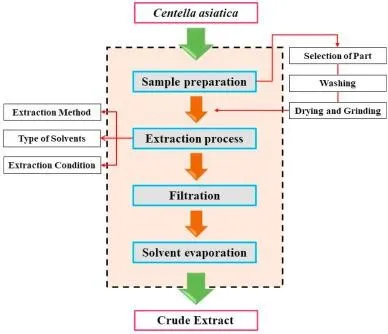
6.1 Collection and authentication of plant material
The fresh leaves of Centella asiatica and Murraya koenigii can be collected from the suitable source. The leaves are correctly identified and authenticated by the qualified botanist or other recognized herbarium. Getting an authentication certificate and preserving it for the documentation should be done.
6.2 Drying
The collected leaves are carefully washed with clean water to remove soil and other foreign materials. Then, the leaves are dried under the shade (preferably with a good air circulation) at room temperatures. Avoiding exposing the leaves to direct sunlight is vital since it can negatively impact heat- or light-sensitive phytoconstituents.
6.3 Powdering
After complete drying, the leaves are carefully separated from unwanted materials and powdered into a coarse or moderately fine powder using the suitable grinder. The obtained powder is sieved to get an approximately consistent particle size and stored in a clean, dry, and airtight container until extraction.
6.4 Selection of solvent
The suitable hydroalcoholic solvent like 70% ethanol can be selected as it can efficiently extract a wide range of polar and moderately polar phytoconstituents including phenolic compounds, flavonoids, and some glycosidic constituents. The choice of the solvent can be optimized based on the targeted phytochemicals.
6.5 Extraction method
The powdered plant material can be extracted by maceration or Soxhlet extraction. Maceration can be used for the extraction in a simple laboratory procedure. A measured quantity of the powdered C. asiatica and M. koenigii is separately soaked in the selected solvent (in a suitable closed container) for an appropriate period with occasional stirring or shaking. After extraction, the mixture is filtered through suitable filter paper to separate the liquid extract and the plant residue. The extraction can be repeated with fresh solvent to enhance the yield.
6.6 Concentration of extract
The obtained filtered extracts are then concentrated under reduced pressure using a rotary evaporator (preferably, under controlled temperature) to remove the solvent minimizing the degradation of heat-sensitive constituents. The concentrated extract can be further dried, if needed, to obtain a semisolid or dry extract.
6.7 Storage
The obtained extracts are transferred to clean, dry, and airtight (preferably amber-colored) containers and stored under appropriate conditions. The extracts are kept safe from excess heat, moisture, and sunlight until further phytochemical evaluation and formulation development.
Extraction Flow
Collection → Authentication → Washing → Shade Drying → Powdering → Solvent selection → Extraction → Filtration → Concentration → Storage
7. FILM-FORMING GEL
7.1 Definition
A film-forming gel is a topical semi-solid preparation that contains a film-forming polymer, which forms a thin, uniform, flexible film after its application on the skin. The semi-solid preparation with film-forming property is characterized by being spreadable like a gel and at the same time having the ability to form a thin film. The formed film can enhance the residence time of a formulation on the skin and can provide controlled delivery of the active ingredients to the skin.
7.2 Principle
The working principle of a film-forming gel is the formation of a thin polymeric film on the skin after its application on the targeted area. The principle involves that a semi-solid system initially consists of active ingredients, a film-forming polymer, plasticizer, a penetration enhancer, and other ingredients necessary for its proper functioning. Upon its topical application, the volatile solvent present in the formulation evaporates, and the polymeric film-forming system undergoes a conformational change and reduces in volume to form a thin layer on the skin. The thin polymeric film consists of the active ingredients present in the formulation that are delivered to the targeted area.
7.3 Advantages over Conventional Gel
A film-forming gel formulation offers several advantages over a conventional gel formulation. The film-forming gel can increase the residence time of an active ingredient on the skin. This characteristic can improve the patient compliance as less frequent dosing can be achieved. The formulation can provide a uniform distribution of the active ingredient over the targeted area and can offer protection to the targeted area. The film-forming gel can offer prolonged contact of the active ingredient with the skin. The formulation can also offer controlled release of the active ingredient from the polymeric film. The film-forming gel can be easily spreadable on the targeted area and can offer a non-greasy formulation upon the proper selection of its ingredients.
7.4 Components of Film-Forming Gel
A film-forming gel consists of several components that are necessary for proper film formation on the targeted area after the application of the formulation. The active constituents such as the extracts of Centella asiatica and Murraya koenigii are responsible for imparting the desired pharmacological activity to the formulation. The film-forming polymer is the key component of a film-forming gel that is needed for the formation of a polymeric film. The plasticizer is added to improve the flexibility of the formed film and to prevent the film from becoming brittle. The penetration enhancer is used to enhance the penetration of the desired active ingredients through the skin. The gelling agent is used to provide the desired consistency to the formulation. The formulation may also contain a solvent or vehicle, humectant, preservative, pH modifier, and purified water.
7.5 Film-Forming Polymer
The film-forming polymers are the key components of film-forming gels that are needed for the formation of polymeric films on the targeted area upon the topical application of the formulation. The film-forming polymers can be PVP, PVA, HPMC, sodium alginate, carbopol, ethyl cellulose, and certain acrylic polymers. The film-forming polymer can be selected based on its film-forming property, flexibility, adhesion property, and compatibility with other constituents, the rate of drying, and the feel on the skin. An optimum amount of the polymer should be used as an excess amount can cause a thick and uncomfortable film while a lesser amount would not provide sufficient film formation.
7.6 Plasticizer
A plasticizer is an additive that is used in the film-forming gel formulation to impart flexibility and elasticity to the formed polymeric film. Without an appropriate plasticizer, the polymeric film can be brittle and prone to cracking upon the bending and rubbing of the targeted area. Some common plasticizers that can be used in film-forming gels include glycerin, propylene glycol, polyethylene glycol, and triethyl citrate. The amount of the plasticizer that is added to the formulation must be optimum as an excess amount can make the film sticky while an insufficient amount can make the film brittle.
7.7 Penetration Enhancer
A penetration enhancer is an additive that can be used to enhance the penetration of the desired active ingredients through the skin. The penetration enhancer can temporarily alter the barrier function of the stratum corneum. Some common penetration enhancers include propylene glycol, ethanol, certain fatty acids, and certain terpenes. In the case of a herbal film-forming gel, a penetration enhancer can help in promoting the cutaneous bioavailability of certain phytoconstituents. The amount of penetration enhancer added to the formulation must be optimum in order to avoid causing skin irritation.
7.8 How the Film is Formed after the Application of Gel
A film-forming gel formulation generally works on a simple principle. The principle states that upon application of the gel on the targeted area, the formulation first spreads over the targeted area until it reaches a gel-like consistency. The volatile solvent or vehicle present in the gel formulation evaporates upon the exposure of the formulation to the aerial environment. With the evaporation of the solvent, the film-forming polymer present in the formulation becomes more concentrated and undergoes conformational changes to form a continuous thin layer on the skin surface. The thin polymeric film formed on the skin surface contains the active constituents that were present in the formulation and can provide prolonged contact of the active constituents with the targeted area. This helps in enhancing the residence time of the formulation on the targeted area as well as provide a controlled rate of release of the active constituents.
Simple schematic of the working principle:
Application → Spreading on targeted area → Evaporation of volatile solvent → Increased concentration of polymer → Conformational changes to form a thin film → Formation of thin flexible polymeric film with active constituents → Prolonged contact of active constituents with skin
8. PROPOSED HERBAL FILM-FORMING GEL
The proposed formulation is a topical herbal film-forming gel containing Centella asiatica and Murraya koenigii extract for supportive management of symptoms related to the varicose veins. It will combine the pharmacological potential of both plants with those of a filmforming topical system. Centella asiatica provides the triterpenoid constituents that have been implicated in wound healing, connective-tissue support, antioxidant and anti-inflammatory activities, while Murraya koenigii provides a variety of carbazole alkaloids, flavonoids and phenolic constituents that may show antioxidant and anti-inflammatory properties. The filmforming system will keep the formulation in close contact with the skin for a prolonged period.
8.1 Formulation Concept
The formulation will be a gel that forms a thin, but flexible film upon application to the skin. The herbal extracts will be incorporated into a suitable gel base containing a film-forming polymer, plasticizer, penetration enhancer and other necessary excipients. Evaporation of the volatile solvent after application will enable the polymer to form a continuous film over the skin, thus increasing retention time of the herbal constituents.
8.2 Selection of Excipients
The excipients will be selected according to their role and compatibility with the herbal extract. A suitable film-forming polymer will be used to generate the protective film. A gelling agent will give the required viscosity and consistency. A plasticizer will impart flexibility and prevent cracking of the dried film. A penetration enhancer may be included to facilitate the penetration of suitable phytoconstituents through the skin. A suitable solvent or vehicle will be used to dissolve or disperse the extracts and other ingredients. Preservatives may be incorporated if required to maintain microbiological stability, while a pH-adjusting agent may also be used to obtain a skin-compatible pH.
8.3 Role of Ingredients
The Centella Asiatica extract will act as a source of triterpenoid phytoconstituents and will contribute mainly to the tissue repair, wound healing, antioxidant, anti-inflammatory and connective-tissue-supporting effects. The Murraya Koenigii extract will contribute the carbazole alkaloids, flavonoids and phenolic constituents that may provide antioxidant and anti-inflammatory effects. The film-forming polymer will create the continuous film, while the plasticizer will improve its flexibility. The penetration enhancer may improve the availability of suitable active constituents on the skin. The gelling agent will provide the required consistency and spreadability of the formulation.
8.4 Proposed Formulation Methodology
The required quantities of Centella Asiatica and Murraya Koenigii extracts will be accurately weighed. The selected polymer and gelling agent will be separately dispersed or dissolved in the appropriate vehicle with continuous stirring. The herbal extracts will then be incorporated gradually into the prepared base with gentle mixing to obtain uniform distribution. The plasticizer and penetration enhancer will be added in suitable concentrations. The pH of the formulation will be adjusted to a skin-compatible range and the final volume or weight adjusted with the vehicle. The formulation will then be mixed until a homogeneous filmforming gel is obtained followed by allowing it to stand to remove entrapped air bubbles before evaluation.
8.5 Proposed Mechanism of Action
Upon application to the afflicted area, the film-forming gel will spread out uniformly over the skin. The volatile portion of the formulation will gradually evaporate resulting in the formation of a thin polymeric film. The film will keep the herbal constituents in close contact with the skin and may allow for a gradual release of the active phytoconstituents. The antioxidant constituents may help reduce oxidative stress, while the anti-inflammatory constituents may help reduce inflammatory responses. Centella Asiatica may also provide additional support for connective tissues and wound healing, whereas Murraya Koenigii may contribute towards antioxidant and anti-inflammatory effects. Thus, the formulation is proposed as a supportive topical herbal approach to the management of the symptoms of varicose veins, rather than as a replacement for the established medical treatment for significant venous disease.
9. RESEARCH GAP
Though Centella asiatica and Murraya koenigii are reported to possess a variety of pharmacological activities including antioxidant, anti-inflammatory, vascular-protective, and wound-healing effects, their applicability towards the management of varicose veins in particular is yet to be explored. While Centella asiatica has a higher level of evidence for the management of venous insufficiency, further studies are warranted to determine its efficacy in standardised topical formulations.
Murraya koenigii is well-documented for its antioxidant, anti-inflammatory, antimicrobial and wound-healing properties but its specific role in varicose veins and chronic venous insufficiency is yet to be studied. Particular to varicose-vein management, there is limited literature to elucidate its specific venotonic and vascular-protective effects.
Further, a gap in literature pertains to the combined role of Centella asiatica and Murraya koenigii in the management of varicose veins. While both the herbs individually are welldocumented for their plethora of pharmacological activities, a combined extract of the two has limited studies to explore their synergistic topical activity for the management of varicose-vein-associated conditions.
Additionally, current literature lacks studies that focus on the development of a film-forming gel containing both the herbal extracts. Development of such a formulation would facilitate prolonged contact of the herbal extracts with the epidermis while optimising the residence time of the drug molecules. Formulation variables such as polymer concentration, extract concentration, plasticizer, penetration enhancer, drying time, film flexibility, drug release, and skin permeation need to be systematically optimised.
Therefore, the present work aims to bridge these gaps in literature by exploring the combined potential of Centella asiatica and Murraya koenigii and their encapsulation in a film-forming gel for the supportive management of varicose-vein-associated symptoms. However, it is crucial to conduct further pharmacological, formulation, safety, and clinical studies to establish the efficacy of the film-forming gel.
10. FUTURE PROSPECTS
The combination of Centella asiatica and Murraya koenigii has potential for future research as a herbal approach for the supportive treatment of the symptoms of varicose-veinassociated conditions. Further investigations should examine the pharmacological effects of both plants individually and in combination, especially with regard to their antioxidant, antiinflammatory, vascular-protective, wound-healing, and possible venous-supportive properties.
Further studies are needed to isolate and standardize the essential phytoconstituents in both plant extracts. Advanced analytical techniques such as HPLC, HPTLC, GC-MS, and LC-MS, could be used for quality control and standardization of the extracts. This could promote the consistency of the composition and therapeutic activity of the herbal formulation.
The development of a suitable film-forming gel containing both of the herbal extracts can further be optimized by studying different film-forming polymers, plasticizers, penetration enhancers, extract concentrations, and formulation ratios. By evaluating parameters such as drying time, film thickness, flexibility, adhesion, viscosity, drug release, skin permeation, stability, and skin compatibility, an effective and patient-friendly formulation could be developed.
Future research should also examine the possible combined or synergistic effects of both plants. In-vitro and in-vivo studies could determine whether the combination provides greater pharmacological effects than when using either of the plant extracts individually. Appropriate safety and toxicity studies will also be required before further development of its therapeutic potential.
Finally, well-designed clinical studies are required to determine the effectiveness, safety, appropriate dosage, duration of treatment, and clinical usefulness of the proposed herbal formulation in patients with chronic venous insufficiency or symptoms associated with varicose veins. With appropriate standardization, formulation development, pharmacological evaluation, and clinical validation, it has the potential to become a valuable complementary approach for future research in herbal topical therapy.
CONCLUSION
Varicose veins are a common chronic venous disease characterized by functional incompetence of venous valves, increased venous pressure, inflammation, oxidative stress, and consequential vascular and tissue damage. While there are established standard treatments, there is a growing interest in herbal remedies as they provide multiple bioactive compounds with potential therapeutic effects.
Both Centella asiatica and Murraya koenigii possess numerous medicinal properties due to the presence of triterpenoids, flavonoids, phenolic acids, alkaloids, and other phytochemicals. These compounds demonstrate antioxidant, anti-inflammatory, antimicrobial, connective tissue-rebuilding, and wound healing effects. The combined use of C. asiatica and M.
koenigii in the form of a film-forming gel may ensure prolonged exposure of the active compounds to the skin surface.
However, there is a lack of clinical evidence for the effectiveness of this combination in the treatment of varicose veins. Therefore, further preclinical and clinical studies should be conducted to evaluate the quality, formulation, pharmacological activity, and safety of such a composition.
To conclude, both C. asiatica and M. koenigii are promising herbs in the development of a topical film-forming gel dosage form for the treatment of varicose-vein-induced tissue damage.
REFERENCES


Akanksha Singh, S. Tejashwar Rao, Centella Asiatica and Murraya Koeingii in the Management of Varicose Veins: A Review of Phytochemistry, Pharmacological Properties, Therapeutic Potential , Int. J. of Pharm. Sci., 2026, Vol 4, Issue 10, 4016-4030. https://doi.org/10.5281/zenodo.23659408
 10.5281/zenodo.23659408