

We use cookies to ensure our website works properly and to personalise your experience. Cookies policy
1Research Scholar, HIMT College of Pharmacy, Greater Noida.
2Associate Professor, HIMT College of Pharmacy, Greater Noida.
Obesity is a growing global public health challenge traditionally attributed to excessive energy intake, physical inactivity, genetic predisposition, and socioeconomic factors. However, emerging evidence suggests that environmental exposures may also influence metabolic regulation and susceptibility to obesity. This review examines endocrine-disrupting chemicals (EDCs) and environmental obesogens, focusing on their sources, molecular mechanisms, metabolic consequences, and implications for public health. Major chemical classes, including bisphenols, phthalates, per- and polyfluoroalkyl substances (PFAS), selected pesticides, and organotins, are discussed in relation to their potential effects on adipogenesis, nuclear receptor signalling, lipid accumulation, and epigenetic regulation. The review further explores associations between obesogen exposure and metabolic comorbidities, including insulin resistance, type 2 diabetes mellitus, dyslipidaemia, metabolic dysfunction-associated steatotic liver disease, cardiovascular risk, and reproductive dysfunction. Evidence from experimental models and human epidemiological studies is critically evaluated, emphasizing limitations in causal inference, exposure assessment, dose–response relationships, and chemical mixture analysis. Biomonitoring, regulatory frameworks, safer chemical substitution, and emerging research approaches are also considered. Although experimental findings support the biological plausibility of obesogenic effects, human evidence remains heterogeneous across chemical classes and populations. Integrating mechanistic research, longitudinal epidemiology, and environmental risk assessment is essential to clarify causal relationships and inform effective strategies for reducing chemical exposure and preventing obesity-related metabolic complications.
1.1. Global Obesity Epidemic and the Limitations of Traditional Explanatory Models
Obesity has emerged as one of the most significant global public health challenges, contributing substantially to the burden of non-communicable diseases, healthcare expenditure, and premature mortality. The World Health Organization (WHO) reported that, in 2022, approximately 2.5 billion adults aged 18 years and older were overweight, including 890 million individuals living with obesity. These figures corresponded to approximately 43% of the adult population being overweight and 16% living with obesity. The prevalence of adult obesity had more than doubled between 1990 and 2022, while the proportion of children and adolescents aged 5–19 years living with obesity increased from 2% to 8% over the same period. This increasing burden highlights the need to understand obesity as a complex, multifactorial disease rather than simply a consequence of excessive caloric intake [1].
Traditionally, obesity has been explained primarily through the energy balance model, which attributes weight gain to a sustained imbalance between energy intake and energy expenditure. Excessive consumption of energy-dense foods, sedentary behaviour, genetic predisposition, socioeconomic inequalities, and changes in the built environment remain important determinants of obesity. Nevertheless, these explanations may not fully account for individual differences in susceptibility to weight gain, the persistence of obesity despite preventive interventions, or the possibility that environmental exposures alter the biological processes governing energy regulation [2]. Importantly, this does not invalidate the energy balance model; rather, it raises the question of how biological, environmental, and behavioural factors interact to influence energy intake, energy expenditure, nutrient storage, and adipose tissue function. A 2024 review proposed an integrated framework linking energy balance, carbohydrate–insulin signalling, redox biology, and environmental obesogen exposure, suggesting that chemical exposures may interfere with metabolic regulation through multiple interconnected pathways [3].
Environmental obesogens have consequently attracted growing scientific attention as potential contributors to the obesity epidemic. These chemicals may influence adipocyte differentiation, lipid accumulation, insulin signalling, appetite regulation, and energy expenditure, potentially modifying an individual's susceptibility to obesity even when conventional risk factors are also present. Experimental studies indicate that certain chemicals can alter adipose tissue development and metabolic regulation, particularly during sensitive developmental periods. However, the magnitude of their contribution to obesity at the population level remains uncertain, and the strength of evidence varies according to the chemical, exposure level, developmental timing, and health outcome investigated. Therefore, understanding obesity requires an integrated perspective that considers chemical exposures alongside established nutritional, behavioural, genetic, and socioeconomic determinants [4].
1.2. Endocrine-Disrupting Chemicals and Environmental Obesogens: Definitions, Classification, and Scope
Endocrine-disrupting chemicals (EDCs) are exogenous substances or mixtures that interfere with one or more functions of the endocrine system and consequently produce adverse effects in an intact organism, its offspring, or populations. Their biological effects may arise through interactions with hormone receptors, alterations in hormone synthesis and metabolism, changes in hormone transport, or disruption of endocrine feedback mechanisms. Environmental obesogens represent a functionally important group of chemicals that may promote obesity by interfering with the biological pathways responsible for adipose tissue development, lipid storage, appetite regulation, and energy homeostasis. Although the terms endocrine disruptor and obesogen overlap, they are not interchangeable: not every EDC promotes obesity, and not every chemical associated with increased adiposity necessarily acts through an established endocrine-disrupting mechanism. The obesogen hypothesis proposes that certain environmental chemicals can modify metabolic regulation and increase susceptibility to excess fat accumulation, complementing rather than replacing established explanations of obesity [5].
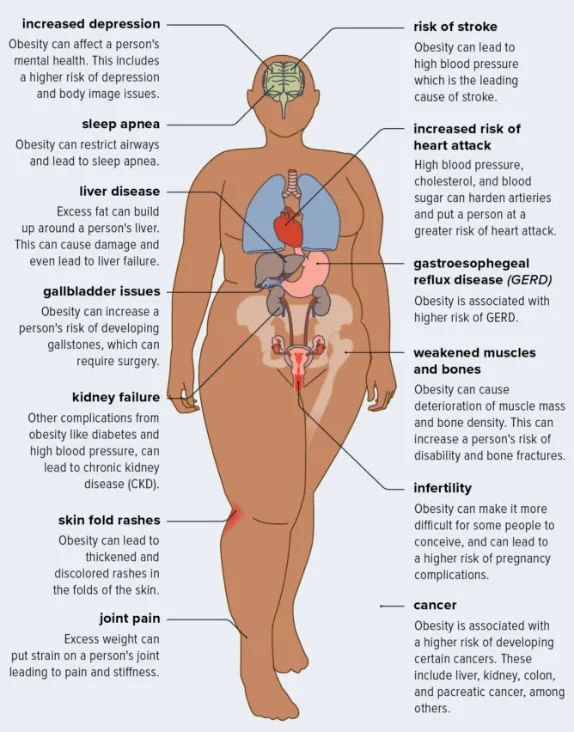
Figure 1: Effects of Obesity [6]
Several chemical classes have been investigated for their potential obesogenic effects. Bisphenol A (BPA) and related bisphenols are used in certain plastics and epoxy resins, while phthalates are commonly employed as plasticizers in consumer and industrial products. Per- and polyfluoroalkyl substances (PFAS) comprise a large group of chemicals used in applications requiring resistance to water, grease, or stains. Certain pesticides, organotins such as tributyltin, and persistent organic pollutants have also been investigated for their effects on adipogenesis and metabolic regulation [7]. These compounds differ considerably in their chemical structures, environmental persistence, routes of exposure, biological half-lives, and potential mechanisms of action. Some can influence nuclear receptor signalling, including pathways involving peroxisome proliferator-activated receptor gamma (PPARγ), whereas others may affect thyroid hormone function, steroid hormone signalling, glucose metabolism, or adipose tissue inflammation. Consequently, the obesogenic potential of an individual chemical should be evaluated according to its specific toxicological and epidemiological evidence rather than inferred solely from its chemical class [8].
Human exposure to these chemicals may occur through food and drinking water, food-contact materials, household dust, personal-care products, consumer goods, air, and occupational environments. Of particular concern is exposure during sensitive developmental windows, including pregnancy, fetal development, infancy, and childhood, when endocrine and metabolic systems are undergoing substantial maturation. Experimental research suggests that exposure during these periods may alter the developmental programming of adipose tissue and metabolic pathways, potentially influencing susceptibility to weight gain later in life [9]. Nevertheless, the evidence is not uniform across chemicals, exposure levels, sexes, or developmental stages. A scientific workshop report published in 2023 identified environmental obesogens as an important research and prevention priority while emphasizing the need to improve exposure assessment, causal inference, and the translation of experimental findings into human health evidence. Thus, a comprehensive classification of environmental obesogens must consider not only their sources and chemical properties but also their biological activity, exposure timing, and strength of evidence for obesity-related outcomes [10].
1.3. Rationale, Objectives, and Scope of the Review
The growing prevalence of obesity, together with the increasing recognition of environmental chemical exposure as a potential metabolic determinant, provides a strong rationale for examining the relationship between endocrine disruption and obesity. Although substantial research has investigated individual chemicals, the evidence is distributed across toxicology, endocrinology, developmental biology, epidemiology, and metabolic research. This fragmentation can make it difficult to establish how chemical exposure translates into changes in adipose tissue biology and, subsequently, into clinically relevant metabolic outcomes. A review published in the International Journal of Obesity in 2024 proposed an integrated model connecting environmental obesogen exposure with oxidative stress, altered insulin signalling, and changes in metabolic regulation [11]. In addition, a 2023 scientific workshop review synthesized the state of the science on obesogens and identified important opportunities for improving mechanistic understanding, assessing human exposure, and developing preventive strategies. Together, these contributions support the need for a critical synthesis that connects molecular mechanisms with epidemiological findings without overstating causal relationships.
The primary objective of the present review is to critically examine how endocrine-disrupting chemicals and environmental obesogens may contribute to obesity and associated metabolic comorbidities. Specifically, the review aims to characterize the major classes of chemicals implicated in obesogenic processes, identify their environmental sources and routes of human exposure, and explain the molecular and cellular mechanisms through which they may influence adipogenesis, lipid accumulation, endocrine signalling, and energy homeostasis. It also aims to examine the potential links between chemical exposure and metabolic outcomes, including insulin resistance, type 2 diabetes mellitus, dyslipidaemia, metabolic dysfunction-associated steatotic liver disease (MASLD), and cardiovascular risk. Particular emphasis is placed on developmental exposure, epigenetic regulation, oxidative stress, inflammation, and interactions among multiple chemical exposures, while distinguishing experimental evidence from observational associations in human populations [12].
The scope of the review extends from the identification and classification of environmental obesogens to the evaluation of their proposed mechanisms and their implications for human metabolic health. Experimental studies involving cellular and animal models are considered alongside human epidemiological investigations to assess the consistency of findings, biological plausibility, exposure–response relationships, and limitations in causal interpretation. The review also considers methodological challenges, including chemical mixtures, differences in exposure assessment, residual confounding, sex-specific responses, and the difficulty of translating experimental doses into real-world human exposures. Finally, the review discusses implications for biomonitoring, chemical risk assessment, regulatory approaches, exposure reduction, and future research. By integrating evidence across these domains, the review seeks to clarify the extent to which environmental obesogens may contribute to obesity and metabolic comorbidities and identify the scientific gaps that must be addressed before stronger causal conclusions and effective public health interventions can be established [13].
2. Environmental Obesogens: Sources, Classification, and Human Exposure
2.1. Major Classes of Obesogenic Chemicals: Bisphenols, Phthalates, PFAS, Pesticides, and Organotins
Environmental obesogens comprise a heterogeneous group of chemicals that may interfere with endocrine signalling, adipose tissue development, and metabolic homeostasis. Their potential to promote obesity depends on chemical structure, biological activity, exposure concentration, duration, and timing. Importantly, obesogenic activity is not an established property of every member of these chemical classes; evidence varies considerably between individual compounds, experimental models, and human populations. Major groups investigated for their potential obesogenic effects include bisphenols, phthalates, per- and polyfluoroalkyl substances (PFAS), selected pesticides, and organotins. These compounds are of particular interest because they are encountered in everyday environments and may interact with biological pathways governing adipocyte differentiation, lipid metabolism, insulin sensitivity, and hormonal regulation. However, demonstrating that a chemical can induce adipogenesis experimentally is not equivalent to establishing that typical human exposure causes obesity [14].
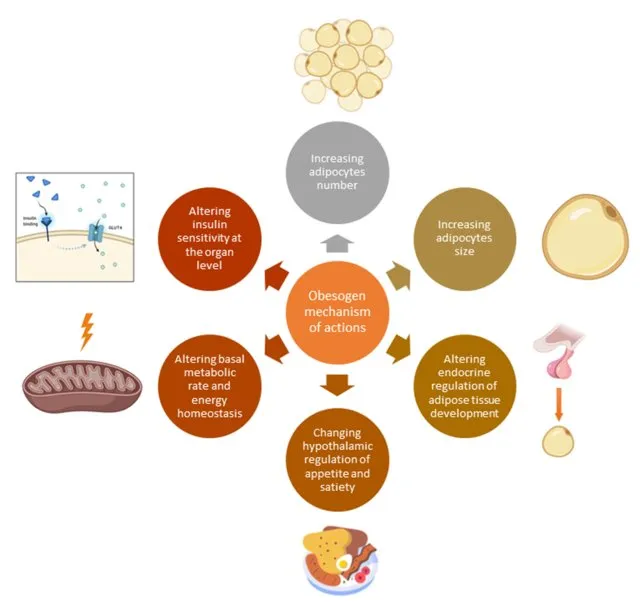
Figure 2: Mechanism of Obesogens Action [16]
Bisphenols, particularly bisphenol A (BPA), have been extensively investigated because of their estrogenic activity and potential to interfere with metabolic signalling. BPA has been used in polycarbonate plastics and epoxy resins, including certain food-contact materials. Its proposed metabolic effects include alterations in estrogen receptor signalling, pancreatic beta-cell function, adipocyte differentiation, and glucose homeostasis. Bisphenol S (BPS) and bisphenol F (BPF), which have been used as alternatives to BPA in some applications, also warrant investigation because chemical substitution does not necessarily eliminate endocrine activity. Phthalates, including di (2-ethylhexyl) phthalate (DEHP), diethyl phthalate (DEP), and diisononyl phthalate (DINP), are used in various plastic and consumer-product applications. Because many phthalates are not chemically bound to the polymer matrix, they can migrate into surrounding materials or environments. Experimental and epidemiological studies have investigated associations between phthalate exposure, altered PPAR signalling, adiposity, and metabolic dysfunction, although findings differ by compound, sex, age, and exposure window [15].
Per- and polyfluoroalkyl substances constitute a large family of synthetic chemicals used in applications requiring resistance to water, oil, grease, or heat. Some PFAS are highly persistent, and several can remain in the human body for years. Perfluorooctanoic acid (PFOA) and perfluorooctanesulfonic acid (PFOS) have received particular attention because of their persistence and potential associations with lipid metabolism, endocrine function, and body-weight regulation. Nevertheless, human evidence linking PFAS exposure to obesity is complex; studies have reported heterogeneous associations, and some findings suggest that PFAS may also influence weight change following dietary intervention rather than simply increase adiposity [17]. Selected pesticides, including organochlorine compounds and certain organophosphorus pesticides, have also been investigated for endocrine-disrupting and metabolic effects. Persistent organochlorines can accumulate in lipid-rich tissues, whereas many other pesticides have different environmental persistence and metabolic profiles. Organotins, particularly tributyltin (TBT), provide an important mechanistic example because experimental research has demonstrated that TBT can activate the retinoid X receptor (RXR) and PPARγ-related pathways, promoting adipocyte differentiation in model systems. Collectively, these chemical classes illustrate the diversity of potential obesogenic mechanisms, but their relative importance to human obesity must be evaluated using compound-specific toxicological and epidemiological evidence [18].
2.2. Environmental Sources and Routes of Exposure: Diet, Water, Air, Consumer Products, and Occupational Settings
Human exposure to endocrine-disrupting chemicals occurs through interconnected environmental pathways, including ingestion, inhalation, and dermal absorption. Food consumption is considered an important route of exposure for many EDCs because chemicals may enter the food chain through agricultural practices, environmental contamination, industrial processing, and migration from food-contact materials. Bisphenols may migrate from certain food packaging and can linings, while phthalates can enter food through processing equipment, packaging materials, and environmental contamination. Pesticide residues may occur in fruits, vegetables, cereals, and other agricultural products following pesticide application, although residue levels depend on the compound, agricultural practices, processing, and regulatory controls [19]. Contamination of fish, meat, dairy products, and other foods may also occur through environmental pollutants entering terrestrial and aquatic food chains. A comprehensive review published in Heliyon in 2023 identified food as a major potential exposure pathway for EDCs while emphasizing the additional contributions of drinking water, inhalation, and direct skin contact. These pathways are particularly relevant when considering repeated low-level exposure to multiple chemicals rather than exposure to a single compound in isolation [20].
Drinking water and aquatic environments represent additional exposure pathways, particularly for persistent and mobile contaminants. PFAS may enter water supplies through industrial discharges, firefighting foam residues, landfill leachate, contaminated groundwater, and wastewater-related sources. Their environmental distribution varies according to chemical properties, local industrial activities, hydrological conditions, and the effectiveness of water treatment systems. Certain persistent organic pollutants can also enter aquatic ecosystems, accumulate in organisms, and undergo biomagnification through food webs. Although drinking-water exposure may be important in communities affected by contaminated groundwater or industrial pollution, its contribution to total exposure differs substantially across geographical locations [21]. Airborne exposure can occur through indoor dust, volatilization, industrial emissions, and particles generated by the degradation or wear of consumer materials. Indoor environments are especially relevant because phthalates, bisphenols, flame retardants, and other chemicals have been detected in household dust. A 2023 review of endocrine-disrupting chemicals in indoor dust reported the continued detection of several established chemicals, including BPA, DEHP, PFOA, and PFOS, alongside alternative compounds such as BPS and BPF. This demonstrates that restrictions on particular chemicals do not necessarily eliminate exposure when alternative substances with incompletely characterized biological effects enter commercial use [22].
Consumer products and occupational settings provide further opportunities for exposure. Cosmetics, personal-care products, plastic materials, textiles, cleaning products, furnishings, and certain food-contact articles may contain chemicals that are released during normal use, storage, washing, heating, or material degradation. Dermal absorption may occur when chemicals present in products or contaminated surfaces contact the skin, while ingestion of contaminated dust can contribute to exposure, particularly among young children. Occupational exposure may be elevated in workers involved in pesticide application, plastics manufacturing, chemical processing, waste management, firefighting, and selected industrial operations [23]. However, exposure intensity depends on the substances handled, workplace conditions, engineering controls, and the use of protective equipment. The US Centers for Disease Control and Prevention uses biomonitoring to measure environmental chemicals or their metabolites in biological specimens, including blood and urine, thereby providing evidence of internal exposure rather than merely external environmental contamination. Importantly, detection of a chemical in a biological sample does not by itself establish that the exposure caused obesity or another disease. For obesogen research, environmental measurements should therefore be integrated with biomonitoring, exposure histories, and metabolic outcomes to determine whether particular exposure patterns are associated with biologically meaningful effects [24].
2.3. Exposure Windows, Bioaccumulation, and Population-Level Vulnerability
The timing of exposure is a critical consideration in understanding the potential metabolic consequences of environmental obesogens. The developmental origins of health and disease (DOHaD) framework proposes that environmental conditions during sensitive stages of development can influence physiological programming and susceptibility to disease later in life. Pregnancy, fetal development, infancy, childhood, and puberty are particularly important periods because endocrine signalling, adipose tissue formation, appetite regulation, and metabolic pathways undergo substantial developmental changes [25]. Exposure to certain endocrine-disrupting chemicals during these periods may modify gene expression, hormone receptor activity, adipocyte differentiation, or epigenetic regulation, potentially influencing subsequent body-weight trajectories. Experimental studies have provided evidence that developmental exposure to selected chemicals can alter adipose tissue development and metabolic function in later life. Human epidemiological studies have also investigated associations between prenatal or early-life exposure to bisphenols, phthalates, PFAS, and persistent organic pollutants and subsequent childhood adiposity. Nevertheless, findings vary between chemicals and populations, and differences in exposure measurement, confounding factors, and follow-up duration limit definitive causal interpretation. The available evidence therefore supports investigating early-life exposure as a potentially important determinant of metabolic susceptibility without assuming that every prenatal exposure produces adverse outcomes [26].
Bioaccumulation is another important factor differentiating environmental obesogens. Persistent organic pollutants, including certain organochlorine pesticides and other lipophilic contaminants, can accumulate in adipose tissue and persist in the body because of their resistance to degradation and elimination. Some persistent compounds can also undergo biomagnification through food webs, increasing concentrations in organisms at higher trophic levels. PFAS exhibit different toxicokinetic behaviour: several well-studied PFAS bind to proteins in blood and other tissues rather than accumulating exclusively in adipose tissue, and some have elimination half-lives measured in years [27]. By contrast, many phthalates and bisphenols are metabolized and excreted relatively rapidly, meaning that their urinary concentrations often reflect recent exposure more strongly than long-term cumulative exposure. This distinction has important implications for epidemiological research. A single urine sample may inadequately characterize long-term exposure to chemicals with short biological half-lives, whereas serum measurements may be more informative for selected persistent compounds. Repeated biological sampling, chemical-specific toxicokinetic information, and appropriately timed exposure assessments are therefore essential for estimating cumulative exposure and examining its relationship with obesity. Furthermore, the presence of a chemical in adipose tissue does not automatically demonstrate that it promotes fat accumulation; the direction and magnitude of any metabolic effect must be established independently [28].
Population-level vulnerability reflects the interaction of biological susceptibility, environmental conditions, socioeconomic circumstances, and opportunities to reduce exposure. Pregnant individuals, fetuses, infants, and children may be particularly susceptible to developmental endocrine disruption, while workers in chemical-intensive occupations and communities near industrial facilities, contaminated sites, or affected water sources may experience elevated exposure to particular substances. Socioeconomic disadvantage can further influence exposure through housing quality, occupational conditions, access to safe drinking water, and dependence on particular food sources or consumer products [29]. However, these relationships should not be generalized across all chemicals or populations because exposure profiles differ considerably between settings. Sex-related biological differences may also modify responses to endocrine-disrupting chemicals, particularly where compounds interact with estrogen, androgen, or other hormone-regulated pathways. Moreover, individuals are generally exposed to mixtures of chemicals rather than isolated compounds, raising questions about additive, synergistic, or antagonistic effects [30]. Regulatory reviews have identified mixture effects, non-linear dose–response relationships, and delayed health consequences as important challenges in evaluating EDC-related risks. Accordingly, population-level research should integrate environmental monitoring, biomonitoring, life-course exposure assessment, and socioeconomic data to identify vulnerable groups and determine whether exposure reduction can contribute meaningfully to obesity and metabolic disease prevention [31].
3. Molecular and Cellular Mechanisms of Obesogen-Induced Adiposity
Environmental obesogens may influence body-fat accumulation by interacting with molecular pathways that regulate adipocyte development, lipid storage, endocrine signalling, and metabolic homeostasis. Their effects are not restricted to a single biological target; rather, different chemicals may influence nuclear receptors, cellular differentiation, mitochondrial function, inflammatory signalling, and epigenetic regulation. These mechanisms provide biological plausibility for the hypothesis that certain environmental exposures can modify susceptibility to obesity. However, the strength of evidence differs between chemicals and experimental systems, and mechanistic findings should not automatically be interpreted as proof of obesity causation in humans [32].
3.1. Nuclear Receptor Signalling: PPARγ, RXR, and Other Metabolic Regulatory Pathways
Nuclear receptors are important molecular targets through which environmental chemicals may influence adipose tissue development and metabolic regulation. Peroxisome proliferator-activated receptor gamma (PPARγ) is a central regulator of adipocyte differentiation, lipid storage, and insulin sensitivity. Retinoid X receptor (RXR) forms heterodimers with PPARγ and other nuclear receptors, coordinating the expression of genes involved in lipid metabolism and energy homeostasis [33]. Experimental evidence indicates that certain obesogens, particularly the organotin compound tributyltin (TBT), can activate RXR and PPARγ-related signalling and promote adipogenic responses in model systems. Other chemicals may influence estrogen receptors, glucocorticoid receptors, androgen receptors, or thyroid hormone signalling, potentially modifying metabolic processes through different mechanisms. These interactions depend on the chemical structure, receptor affinity, dose, and biological context. Consequently, receptor activation represents a plausible mechanism of obesogenic activity, but its relevance to human obesity must be evaluated alongside realistic exposure levels and evidence from human studies [34].
3.2. Adipogenesis, Lipid Accumulation, and Adipocyte Differentiation
Adipogenesis is the process through which precursor cells differentiate into mature adipocytes capable of storing lipids and regulating energy metabolism. This process is controlled by a network of transcription factors, including PPARγ and CCAAT/enhancer-binding proteins (C/EBPs). Certain environmental chemicals may alter this regulatory network, increasing adipogenic differentiation or changing the capacity of adipose tissue to store lipids. Experimental studies have demonstrated that selected compounds can influence adipocyte number, lipid accumulation, and the expression of genes involved in fat-cell development [35]. In addition to increasing lipid storage, chemical exposures may affect adipocyte function by promoting oxidative stress, mitochondrial dysfunction, or inflammatory responses. These changes could contribute to adipose tissue dysfunction and impaired insulin sensitivity. Nevertheless, increased lipid accumulation in cultured cells does not necessarily predict increased body weight in humans, because whole-body energy balance, tissue interactions, metabolism, and exposure conditions also determine the final outcome [36].
3.3. Epigenetic Modifications, Gene Expression, and Developmental Programming of Obesity
Epigenetic mechanisms provide a potential link between early-life chemical exposure and long-term changes in metabolic function without requiring alterations to the underlying DNA sequence. These mechanisms include DNA methylation, histone modifications, and regulation by non-coding RNAs. Experimental research indicates that selected obesogens, including tributyltin, can alter chromatin organization and the expression of genes involved in adipocyte differentiation. Such changes may influence the developmental fate of mesenchymal stem cells, potentially favouring adipogenic differentiation over alternative cell lineages [37]. Exposure during fetal development or early life may therefore modify the regulation of genes involved in lipid metabolism, insulin signalling, and energy homeostasis. However, evidence for persistent epigenetic changes is stronger in experimental models than in human populations, and the extent to which these changes directly cause obesity remains uncertain. Claims of transgenerational inheritance also require particular caution because effects observed in subsequent generations do not necessarily establish transmission through the germline [38].
Table 1: Major Molecular and Cellular Mechanisms of Environmental Obesogens
| Mechanism/pathway | Proposed biological mechanism | Representative chemicals or examples | Potential metabolic consequence |
|---|---|---|---|
| PPARγ–RXR signalling | Activation of nuclear receptor pathways that regulate adipocyte differentiation and lipid storage | Tributyltin (TBT), triphenyltin (TPT) | Increased adipogenic commitment and lipid accumulation |
| Adipocyte differentiation | Alteration of transcription factors, including PPARγ and C/EBPs, during precursor-cell differentiation | Selected bisphenols, phthalates, organotins | Changes in adipocyte number and fat-storage capacity [39] |
| Estrogen receptor signalling | Interference with estrogen-mediated regulation of metabolic and endocrine functions | BPA and selected related compounds | Potential changes in adiposity and glucose regulation |
| Glucocorticoid and thyroid pathways | Disruption of hormonal regulation of lipid metabolism, energy expenditure, and tissue development | Selected EDCs; effects are compound-specific | Altered metabolic regulation and energy homeostasis [40] |
| DNA methylation | Changes in methylation patterns that may modify expression of genes involved in adipogenesis and metabolism | TBT and other chemicals investigated experimentally | Persistent changes in metabolic gene regulation |
| Histone modification and chromatin remodelling | Alteration of chromatin accessibility and transcriptional activity during cell-lineage commitment | TBT in experimental models | Potential developmental bias toward adipocyte differentiation |
| Non-coding RNA regulation | Potential changes in microRNAs and other regulatory RNAs involved in adipogenic and metabolic pathways | Various EDCs under investigation | Altered expression of genes controlling lipid and glucose metabolism [41] |
| Developmental programming | Exposure during sensitive developmental windows may influence later metabolic phenotype | Selected organotins, bisphenols, and other EDCs | Possible increased susceptibility to a |
4. Obesogens and Metabolic Comorbidities
Environmental obesogens may contribute to metabolic disease through interconnected effects on adipose tissue function, glucose regulation, lipid metabolism, endocrine signalling, and inflammatory pathways. These effects are important because obesity frequently coexists with insulin resistance, type 2 diabetes mellitus, dyslipidaemia, fatty liver disease, cardiovascular abnormalities, and reproductive dysfunction. Experimental research indicates that some environmental chemicals can influence several of these processes simultaneously, while human studies have reported associations between selected chemical exposures and metabolic outcomes [42]. However, the strength and direction of these associations vary across chemicals, populations, and exposure periods. A 2024 review of environmental obesogens and lipid metabolism highlighted the involvement of nuclear receptors, transcription factors, cytokines, and hormones in chemical-induced metabolic disruption. A 2025 review of epidemiological studies published between 2014 and 2024 also examined evidence linking endocrine-disrupting chemicals with obesity and related metabolic effects [43].
4.1. Insulin Resistance, Glucose Intolerance, and Type 2 Diabetes Mellitus
Insulin resistance is a major pathway connecting excess adiposity with metabolic dysfunction. Under normal physiological conditions, insulin promotes glucose uptake in skeletal muscle and adipose tissue, suppresses hepatic glucose production, and regulates energy storage. Certain environmental chemicals may interfere with these processes by altering pancreatic beta-cell function, insulin receptor signalling, inflammatory responses, or lipid accumulation in metabolically active tissues. Bisphenol A and selected phthalates have been investigated for their potential effects on glucose homeostasis, while experimental studies suggest that some persistent organic pollutants may contribute to insulin resistance under particular exposure conditions. A 2024 critical review specifically examined the evidence linking di (2-ethylhexyl) phthalate (DEHP) exposure with type 2 diabetes and related metabolic conditions, including insulin resistance and obesity [44].
One proposed mechanism involves the accumulation of excess lipids in tissues such as the liver and skeletal muscle, where lipid intermediates may interfere with insulin signalling. Environmental chemicals may also affect mitochondrial function, oxidative balance, and inflammatory mediators, potentially worsening metabolic regulation. In addition, altered adipokine secretion from dysfunctional adipose tissue may reduce insulin sensitivity and impair communication between adipose tissue, liver, and muscle. When insulin resistance develops, pancreatic beta cells may initially compensate by producing more insulin; sustained metabolic stress can eventually contribute to impaired glucose tolerance and, in susceptible individuals, type 2 diabetes. Nevertheless, these pathways are not uniform across all obesogens, and evidence that a chemical alters insulin signalling in experimental models does not establish that typical environmental exposure causes diabetes in humans [45].
4.2. Dyslipidaemia, Metabolic Dysfunction-Associated Steatotic Liver Disease (MASLD), and Cardiovascular Risk
Dyslipidaemia is characterized by abnormalities in circulating lipids, including elevated triglycerides, increased concentrations of atherogenic lipoproteins, and reduced high-density lipoprotein cholesterol. Environmental obesogens may influence lipid homeostasis by modifying hepatic lipid synthesis, fatty-acid oxidation, lipoprotein metabolism, and adipose tissue storage. PFAS, bisphenols, phthalates, and persistent organic pollutants have been investigated for their associations with altered lipid profiles, although the direction and magnitude of the observed effects differ among compounds. A 2024 review in Environment & Health described several potential mechanisms through which obesogens can disturb lipid metabolism, including changes in nuclear receptor signalling, transcriptional regulation, cytokine activity, and hormonal control. These mechanisms suggest that chemical exposures may affect lipid metabolism independently of, or in combination with, changes in body weight [46].
Metabolic dysfunction-associated steatotic liver disease (MASLD), previously termed non-alcoholic fatty liver disease (NAFLD), is characterized by excessive hepatic fat accumulation in association with at least one cardiometabolic risk factor. The liver plays a central role in glucose regulation, fatty-acid oxidation, triglyceride synthesis, and lipoprotein production, making it a potential target of environmental chemical-induced metabolic disruption. Experimental studies have investigated whether selected obesogens promote hepatic lipid accumulation by altering fatty-acid metabolism, mitochondrial function, oxidative stress, and inflammatory signalling. When hepatic lipid input exceeds its oxidation and export, triglycerides may accumulate within hepatocytes, contributing to steatosis. However, the progression from steatosis to steatohepatitis, fibrosis, or advanced liver disease involves additional processes, and the contribution of individual environmental chemicals to this progression remains incompletely established. The association between chemical exposure and MASLD should therefore be interpreted in the context of diet, alcohol consumption, physical activity, medication use, genetic susceptibility, and other metabolic risk factors [47].
Cardiovascular risk may increase when environmental chemical exposure coincides with obesity, insulin resistance, dyslipidaemia, hypertension, and chronic inflammation. Potential mechanisms include impaired lipid regulation, endothelial dysfunction, oxidative stress, altered vascular signalling, and changes in blood pressure regulation. Certain PFAS have been investigated in relation to cholesterol concentrations and cardiovascular outcomes, while other EDCs have been studied for their effects on vascular and metabolic function. Nevertheless, an observed association between a chemical and a cardiovascular biomarker does not necessarily demonstrate that the chemical causes cardiovascular disease through an obesogenic mechanism. Some chemicals may influence cardiovascular outcomes through pathways that are partly independent of adiposity. Distinguishing direct chemical effects from effects mediated by obesity, insulin resistance, or dyslipidaemia is therefore essential for identifying the mechanisms that contribute most strongly to cardiovascular risk [48].
4.3. Reproductive Dysfunction, Developmental Metabolic Effects, and Multisystem Complications
Reproductive function is regulated by a complex network of hormones that also influence adipose tissue development, glucose metabolism, and energy balance. Endocrine-disrupting chemicals may interfere with estrogen, androgen, thyroid, or other hormone-regulated pathways, potentially affecting reproductive development and function. Bisphenols, selected phthalates, and certain persistent pollutants have been investigated for associations with altered reproductive hormone concentrations, impaired semen quality, menstrual disturbances, and other reproductive outcomes. Some of these chemicals may also influence metabolic pathways, creating a potential biological connection between reproductive dysfunction and metabolic health. However, evidence differs substantially by chemical, sex, life stage, and outcome, and reproductive effects should not automatically be attributed to obesogenic mechanisms [49].
Developmental exposure is particularly important because endocrine and metabolic systems are established through coordinated processes during fetal development, infancy, and childhood. Experimental studies suggest that exposure to selected endocrine-disrupting chemicals during sensitive developmental windows can modify adipocyte differentiation, hormone signalling, and metabolic gene expression. These changes may influence later susceptibility to excess adiposity or impaired glucose regulation. Epidemiological investigations have examined prenatal exposure to bisphenols, phthalates, and PFAS in relation to childhood growth and adiposity, but findings remain heterogeneous. Differences in exposure measurement, maternal metabolic health, diet, socioeconomic conditions, sex-specific responses, and postnatal exposures complicate interpretation. Furthermore, associations between prenatal exposure and later obesity do not necessarily establish that the chemical caused the outcome; prospective studies with repeated exposure measurements and long-term follow-up are needed to strengthen causal inference [50].
Beyond metabolic and reproductive outcomes, environmental obesogens may be relevant to a broader range of organ systems because endocrine signalling, inflammatory responses, and energy metabolism are interconnected throughout the body. Potentially affected systems include the liver, cardiovascular system, pancreas, reproductive organs, and developing nervous system. For example, impaired insulin sensitivity can influence hepatic lipid accumulation and vascular function, while chronic inflammation may exacerbate metabolic dysfunction across multiple tissues. Developmental exposure may also produce effects that become apparent only later in life, complicating the identification of causal relationships. These possibilities support a multisystem perspective in environmental health research, but they do not imply that all obesogens affect every organ or that every reported association is causal. Future investigations should integrate metabolic, endocrine, reproductive, and developmental endpoints within longitudinal research designs to determine whether chemical exposure contributes to clusters of adverse outcomes and to identify the most vulnerable populations [51].
Table 2: Environmental Obesogens and Their Potential Metabolic and Systemic Consequences
| Health outcome | Potential mechanisms | Representative chemicals investigated | Evidence interpretation |
|---|---|---|---|
| Insulin resistance | Impaired insulin signalling, oxidative stress, inflammation, altered lipid metabolism | DEHP, BPA, selected persistent organic pollutants | Mechanistic and observational evidence; causal strength varies |
| Glucose intolerance and type 2 diabetes | Altered pancreatic beta-cell function, glucose regulation, and insulin sensitivity | Selected phthalates, BPA, persistent pollutants | Associations reported; human causality remains uncertain [52] |
| Dyslipidaemia | Altered hepatic lipid synthesis, fatty-acid oxidation, and lipoprotein metabolism | PFAS, BPA, selected persistent pollutants | Human studies report compound-specific and sometimes inconsistent lipid associations |
| MASLD | Hepatic lipid accumulation, mitochondrial dysfunction, oxidative stress, inflammatory signalling | Selected PFAS, bisphenols, and persistent pollutants | Experimental evidence supports plausibility; human disease-progression evidence remains limited [53] |
| Cardiovascular risk | Endothelial dysfunction, altered lipid profiles, oxidative stress, blood pressure regulation | Selected PFAS and other EDCs | Associations vary by compound and cardiovascular endpoint |
| Reproductive dysfunction | Disruption of sex-hormone signalling and reproductive endocrine regulation | BPA, selected phthalates, persistent pollutants | Evidence varies by sex, exposure window, and reproductive outcome |
| Developmental metabolic effects | Altered adipogenesis, epigenetic regulation, and developmental programming | Selected organotins, bisphenols, PFAS | Experimental findings support biological plausibility; human findings are heterogeneous [54] |
| Multisystem complications | Interactions among metabolic, endocrine, inflammatory, hepatic, and vascular pathways | Multiple EDC classes | Requires integrated, longitudinal investigation |
5. Evidence from Experimental, Epidemiological, and Human Studies
The evidence linking environmental obesogens to obesity has developed through the integration of cellular experiments, animal models, human observational studies, and systematic reviews. Experimental studies help identify biological mechanisms and establish whether particular chemicals can produce adipogenic or metabolic effects under controlled conditions, whereas epidemiological studies investigate whether comparable relationships occur in exposed human populations. However, evidence across these levels is not always consistent. Differences in chemical properties, exposure doses, developmental timing, study design, and outcome measurement can produce conflicting findings. A 2025 review by Jaskulak and colleagues examined 75 human studies published between 2014 and early 2024, identifying associations between selected endocrine-disrupting chemicals and obesity-related outcomes while highlighting substantial heterogeneity across chemical classes and population groups [55].
5.1. In Vitro and Animal Models: Mechanistic Evidence and Experimental Limitations
In vitro experiments and animal models provide essential evidence for investigating whether environmental chemicals can influence adipogenesis, lipid storage, endocrine signalling, and metabolic homeostasis. Cell-based studies allow researchers to examine specific pathways, including PPARγ–RXR signalling, adipocyte differentiation, insulin responses, and gene expression. For example, Grün and colleagues demonstrated that organotin compounds can induce adipogenesis through nuclear receptor pathways in experimental systems, providing mechanistic support for the obesogen hypothesis. Animal experiments extend these observations by examining whole-body responses, including changes in fat mass, glucose tolerance, lipid metabolism, and susceptibility to diet-induced obesity. These models can also investigate developmental exposure, allowing researchers to assess whether exposure during pregnancy or early life influences metabolic outcomes later in development. Such controlled experiments provide stronger evidence for causation within the experimental model than observational studies alone, particularly when findings are supported by dose–response patterns and mechanistic evidence [56].
Nevertheless, experimental findings require careful interpretation before they can be extrapolated to humans. Chemical concentrations used in laboratory studies may exceed typical environmental exposures, and experimental routes of administration may differ from real-world exposure through food, water, air, or consumer products. Species differences in metabolism, hormone regulation, receptor activity, and developmental timing can also influence the results. Moreover, a change in lipid accumulation in cultured adipocytes does not necessarily translate into increased whole-body adiposity, because body weight is influenced by energy intake, energy expenditure, organ interactions, and compensatory physiological responses. Animal studies may also differ in strain, sex, diet, exposure duration, and the age at which outcomes are measured. Consequently, the most informative experimental evidence combines biologically plausible mechanisms, environmentally relevant exposure levels, multiple doses, appropriate controls, and outcomes that can be compared with human epidemiological findings. The strongest conclusions emerge when results are consistent across cellular, animal, and human evidence rather than when a single experimental result is treated as definitive proof of human risk [57].
5.2. Human Epidemiological Studies: Associations Between Chemical Exposure, Adiposity, and Metabolic Outcomes
Human epidemiological research provides evidence for evaluating whether experimental observations correspond to obesity-related outcomes under real-world exposure conditions. Studies have examined associations between chemical biomarkers measured in urine, blood, or other biological specimens and outcomes such as body mass index (BMI), waist circumference, body-fat percentage, childhood growth, insulin resistance, and lipid profiles [58]. A systematic review and meta-analysis published in BMJ Open in 2020 reported statistically significant associations between bisphenol A (BPA) exposure and overweight in adults (odds ratio [OR] 1.254; 95% confidence interval [CI] 1.005–1.564), obesity (OR 1.503; 95% CI 1.273–1.774), and increased waist circumference (OR 1.503; 95% CI 1.267–1.783). The same analysis reported an association between exposure to 2,5-dichlorophenol and obesity in children (OR 1.8; 95% CI 1.018–3.184) [59]. These estimates indicate associations within the populations and study definitions analyzed; they do not establish that exposure caused the outcomes or quantify the risk attributable to the chemicals at the population level [60].
Evidence differs across chemical classes and developmental stages. The 2025 review by Jaskulak and colleagues analyzed 75 human studies published between 2014 and early 2024. It identified comparatively consistent associations between selected phthalates, parabens, and bisphenols and obesity-related outcomes in some groups, particularly children and women, while results for PFAS and organochlorine pesticides were more heterogeneous, especially among adolescents and adults [61]. Prenatal and early-childhood exposures have also received attention because developmental changes may influence later metabolic susceptibility. However, findings from individual birth cohorts are not uniform, and the direction of association may vary according to the chemical, exposure window, sex of the child, and age at outcome assessment [62]. The number of studies included in a review should therefore not be interpreted as the number demonstrating a positive association; evidence must be evaluated according to the direction, consistency, precision, and quality of individual findings [63].
A major challenge in human epidemiology is the accurate assessment of exposure. Many bisphenols and phthalates are metabolized and eliminated relatively rapidly, so a single urine measurement may reflect recent exposure rather than long-term exposure. Repeated measurements can improve exposure characterization for these compounds [64]. By contrast, selected persistent pollutants may remain in the body for years, although their concentrations are also affected by age, diet, body composition, and elimination [65]. Researchers must also account for potential confounders, including dietary patterns, physical activity, socioeconomic status, smoking, medication use, and pre-existing metabolic conditions [66]. Reverse causation is particularly relevant because obesity can influence the distribution, metabolism, and elimination of some chemicals, making it difficult to determine whether exposure precedes weight gain. Prospective cohort studies with repeated exposure measurements, standardized adiposity outcomes, and long follow-up are therefore particularly valuable for establishing temporal relationships and strengthening causal inference [67].
5.3. Critical Appraisal of Causality, Dose–Response Relationships, Mixture Effects, and Study Heterogeneity
Establishing whether environmental obesogens cause obesity requires more than identifying statistically significant associations. Causal inference depends on temporality, consistency across studies, biological plausibility, appropriate exposure assessment, and the exclusion of alternative explanations. The 2020 systematic review and meta-analysis of EDC exposure and anthropometric outcomes concluded that observational findings supported associations between selected chemicals and obesity but could not independently establish causality [68]. Experimental evidence can strengthen causal arguments when it demonstrates a plausible mechanism and effects at relevant exposure levels; however, the translation of these findings into human populations remains a central challenge. A chemical may influence adipogenesis in vitro without producing measurable weight gain under typical human exposure conditions [69]. Conversely, a chemical may influence glucose regulation or lipid metabolism without causing a detectable increase in BMI. Therefore, obesity-related outcomes should be assessed using multiple indicators, including waist circumference, body composition, metabolic biomarkers, and longitudinal changes in weight, rather than BMI alone [70].
Dose–response relationships introduce additional complexity because endocrine-disrupting chemicals may not always follow conventional linear dose–response patterns. Some endocrine-active substances may produce different effects at low and high concentrations, potentially reflecting receptor sensitivity, feedback mechanisms, developmental timing, or changes in metabolic regulation. Such non-monotonic responses are biologically plausible but must be demonstrated experimentally for each chemical and outcome rather than assumed to occur universally [71]. Developmental timing also matters: exposure during fetal development may produce different effects from exposure during adulthood, even when the external dose is comparable. Reliable evaluation therefore requires multiple exposure levels, appropriate controls, sufficient statistical power, and assessment of both immediate and delayed outcomes. Human studies should similarly consider exposure ranges, non-linear statistical models where justified, and interactions between exposure timing and susceptibility. Without these measures, genuine exposure–response relationships may be missed or incorrectly characterized [72].
Mixture exposure presents a further limitation because individuals are exposed simultaneously to multiple chemicals that may act through shared or distinct biological pathways. A review of statistical methods for persistent organic pollutant mixtures identified 240 epidemiological studies published between January 2011 and April 2023, illustrating the growing methodological interest in evaluating chemical mixtures rather than isolated compounds. However, this number represents mixture-focused epidemiological studies across health outcomes, not 240 studies demonstrating that pollutant mixtures cause obesity. Appropriate approaches, including weighted quantile sum regression, quantile g-computation, and Bayesian kernel machine regression, can help investigate joint associations, identify potentially influential chemicals, and explore non-linear interactions. Their validity nevertheless depends on study design, sample size, exposure correlation, model assumptions, and the quality of exposure and outcome measurements [73].
Study heterogeneity also limits direct comparison across the literature. Research varies in the chemicals investigated, biomonitoring methods, exposure units, age groups, sex distribution, follow-up duration, definitions of obesity, and adjustment for confounding factors. Some studies measure general adiposity using BMI, while others assess abdominal obesity, body-fat percentage, insulin resistance, or metabolic syndrome. These outcomes are related but not interchangeable. Differences in statistical modelling and exposure categorization may further contribute to inconsistent findings. Future research should prioritize prospective birth cohorts and adult cohorts with repeated biomonitoring, standardized metabolic outcomes, mixture-aware statistical analyses, and transparent reporting of effect estimates and uncertainty. Triangulation across experimental toxicology, mechanistic studies, human epidemiology, and systematic reviews will be essential to distinguish well-supported obesogenic effects from preliminary associations. Such an approach can improve risk assessment and help identify which chemicals, exposure windows, and population groups warrant the greatest attention in obesity prevention [74].
6. Risk Assessment, Prevention, and Future Research Directions
6.1. Biomonitoring, Exposure Assessment, and Identification of High-Risk Populations
Biomonitoring helps assess human exposure to environmental obesogens by measuring chemicals or their metabolites in blood, urine, and other biological samples. Urinary measurements are commonly used for bisphenols and phthalates, whereas blood measurements are useful for selected persistent pollutants, including PFAS. The CDC’s National Health and Nutrition Examination Survey (NHANES) provides population-level biomonitoring data for numerous environmental chemicals. However, chemical detection alone does not establish that exposure causes obesity. Pregnant individuals, infants, children, occupationally exposed workers, and communities near contaminated industrial sites may warrant particular attention. Future studies should combine repeated biomonitoring with dietary, occupational, and environmental exposure assessments to identify vulnerable populations and investigate relationships with BMI, body-fat percentage, insulin resistance, and lipid profiles [75].
6.2. Regulatory Frameworks, Chemical Substitution, and Population-Level Exposure Reduction
Regulatory frameworks help identify endocrine-disrupting chemicals and establish appropriate testing and exposure controls. The OECD provides standardized testing guidance for assessing endocrine activity, while the European Union's Commission Regulation (EU) 2024/3190 introduced restrictions on BPA in specified food-contact materials. These measures demonstrate the importance of translating toxicological evidence into preventive policies. Chemical substitution requires careful evaluation because alternatives such as bisphenol S and bisphenol F may also possess biological activity. Population-level prevention should prioritize safer chemical design, industrial emission controls, drinking-water monitoring, workplace protection, and transparent product safety assessments. Such strategies can reduce avoidable exposure, although their direct effects on obesity prevalence require further investigation [66].
6.3. Research Priorities: Longitudinal Cohorts, Mixture Toxicology, Multi-Omics, and Precision Prevention
Future research should prioritize longitudinal studies with repeated exposure measurements to determine whether chemical exposure precedes obesity and metabolic dysfunction. Prospective birth cohorts and adult studies should assess body composition, glucose regulation, lipid profiles, and liver health while accounting for relevant lifestyle and socioeconomic factors. Mixture toxicology should investigate combined exposure using appropriate statistical methods and experimental models. Multi-omics approaches, including epigenomics, transcriptomics, metabolomics, and proteomics, may help identify biological pathways connecting chemical exposure with metabolic outcomes. Ultimately, integrating mechanistic research, epidemiological evidence, and environmental monitoring can support more effective risk assessment and targeted prevention [76].
CONCLUSION
Environmental obesogens have emerged as potential contributors to the global obesity epidemic by interfering with endocrine signalling, adipocyte differentiation, lipid metabolism, and energy homeostasis. Chemicals such as bisphenols, phthalates, PFAS, selected pesticides, and organotins have been investigated for their capacity to influence molecular pathways associated with adiposity and metabolic dysfunction. Experimental evidence supports several biologically plausible mechanisms, including PPARγ–RXR activation, altered insulin signalling, oxidative stress, inflammation, and epigenetic modifications. Human epidemiological studies have also reported associations between selected chemical exposures and obesity-related outcomes, including insulin resistance, dyslipidaemia, and altered glucose regulation. However, the strength of evidence varies across chemical classes, exposure levels, developmental stages, and populations. Consequently, environmental obesogens should be considered potential contributors to metabolic disease rather than universal or independently established causes of obesity.
Addressing the potential health effects of environmental obesogens requires an integrated approach combining improved exposure assessment, longitudinal epidemiological research, mechanistic toxicology, and evidence-based regulatory policies. Greater attention should be directed towards developmental exposure, chemical mixtures, vulnerable populations, and the long-term metabolic effects of replacement chemicals. Advanced approaches, including multi-omics and repeated biomonitoring, may help clarify biological mechanisms and strengthen causal inference. Meanwhile, safer chemical design, effective environmental monitoring, and appropriate exposure-reduction strategies can support preventive public health efforts. Future research should prioritize standardized methodologies and representative populations to establish which chemicals, exposure windows, and metabolic outcomes warrant the greatest concern. Ultimately, understanding the interaction between environmental exposures and established determinants of obesity may contribute to more comprehensive strategies for preventing obesity and its associated metabolic comorbidities.
REFERENCES

Kushal Bhadru, Rana Firdaus, Endocrine Disruptors and Environmental Obesogens: Mechanism Linking Chemical Exposure to Obesity and Metabolic Comorbidities, Int. J. of Pharm. Sci., 2026, Vol 4, Issue 10, 3980-4000. https://doi.org/10.5281/zenodo.23659241
 10.5281/zenodo.23659241