

We use cookies to ensure our website works properly and to personalise your experience. Cookies policy
Department of Pharmaceutics, faculty of pharmacy, Maharashtra Institute of Pharmacy, Betala, Bramhapuri, Chandrapur.
Fenofibrate is a Biopharmaceutical Classification System (BCS) Class II drug with poor aqueous solubility and limited oral bioavailability, which may reduce its therapeutic effectiveness. Lipid-based drug delivery systems and natural bioenhancers have emerged as promising strategies to overcome these limitations. This review highlights the pharmaceutical potential of the thermal fraction of clarified butter as a natural lipid carrier and piperine as a bioenhancer for improving the oral bioavailability of fenofibrate. The review summarizes the physicochemical properties of fenofibrate, composition and characterization of clarified butter, mechanisms of bioavailability enhancement, lipid-based formulation approaches, and analytical characterization techniques. It also discusses current challenges, future research opportunities, and the potential clinical applications of these natural excipients. Overall, the combination of the thermal fraction of clarified butter and piperine represents a promising, safe, and sustainable approach for enhancing the oral delivery and therapeutic performance of poorly water-soluble drugs such as fenofibrate
The oral route remains the most widely preferred method for drug administration because of its convenience, patient compliance, cost-effectiveness, and ease of manufacturing. Despite these advantages, many newly developed drug molecules exhibit poor aqueous solubility and limited intestinal permeability, resulting in inadequate oral bioavailability. Improving the absorption of such drugs has become one of the major challenges in modern pharmaceutical research. Various formulation strategies, including lipid-based drug delivery systems, nanotechnology, and the use of natural bioenhancers, have been extensively investigated to overcome these limitations.
Fenofibrate, a widely prescribed antihyperlipidemic agent, belongs to Biopharmaceutical Classification System (BCS) Class II and is characterized by low aqueous solubility but high membrane permeability. Because its oral absorption is primarily governed by its dissolution rate, the therapeutic efficacy of fenofibrate is often compromised by poor bioavailability. Consequently, considerable research has focused on developing novel delivery systems capable of improving its dissolution characteristics and gastrointestinal absorption.[1]
Among the various approaches explored, lipid-based formulations have attracted significant attention because they enhance drug solubilization, facilitate lymphatic transport, and improve intestinal absorption. Natural lipids such as clarified butter (ghee) have recently emerged as promising pharmaceutical excipients due to their unique fatty acid composition, biocompatibility, and excellent safety profile. Furthermore, thermal processing of clarified butter produces lipid fractions with modified physicochemical properties that may further improve drug dissolution and absorption.
In addition to lipid carriers, natural bioenhancers have become increasingly important in pharmaceutical formulation. Piperine, the principal alkaloid isolated from Piper nigrum and Piper longum, has been extensively investigated because of its ability to inhibit drug-metabolizing enzymes and intestinal efflux transporters, thereby enhancing the oral bioavailability of several therapeutic agents. The combined use of lipid-based carriers and bioenhancers represents a promising strategy for improving the pharmacokinetic performance of poorly water-soluble drugs.
This review critically discusses the pharmaceutical significance of the thermal fraction of clarified butter as a novel lipid carrier and the role of piperine as a natural bioenhancer for enhancing the oral bioavailability of fenofibrate. It also summarizes the available literature on formulation approaches, characterization techniques, mechanisms of bioavailability enhancement, and future research opportunities in this rapidly evolving area. [2]
1.1 Background
Poor aqueous solubility remains one of the major obstacles in successful oral drug delivery. A substantial proportion of newly developed pharmaceutical compounds exhibit low water solubility, which limits their dissolution in gastrointestinal fluids and ultimately reduces systemic drug absorption. Since oral administration is the preferred route for chronic therapies, improving the bioavailability of poorly soluble drugs has become a primary objective in pharmaceutical formulation research.
Fenofibrate is a fibric acid derivative extensively used for the treatment of dyslipidemia and hypertriglyceridemia. Although it possesses good membrane permeability, its poor aqueous solubility results in slow dissolution and variable oral absorption. Consequently, innovative formulation strategies are required to maximize its therapeutic effectiveness while maintaining patient safety and treatment consistency. [3]
1.2 Oral Drug Delivery Challenges
Oral drug delivery offers numerous advantages, including convenience, non-invasive administration, improved patient acceptance, and reduced treatment costs. Nevertheless, several physiological and physicochemical factors significantly influence drug absorption following oral administration. Drug dissolution in gastrointestinal fluids is often the rate-limiting step for poorly soluble compounds, leading to incomplete absorption and reduced therapeutic efficacy. [4]
Table 1: Oral Drug Delivery and Bioavailability
|
Parameter |
Description |
|
Oral Drug Delivery |
Drug administration through the mouth |
|
Advantages |
Convenient, safe, economical |
|
Limitations |
Poor solubility, first-pass metabolism |
|
Bioavailability |
Fraction of drug reaching systemic circulation |
|
Absorption Site |
Small intestine |
|
Factors Affecting Bioavailability |
Solubility, permeability, metabolism |
|
Importance |
Influences therapeutic effectiveness |
|
Enhancement Methods |
Lipid carriers, bioenhancers, nanoparticles |
Additional challenges include degradation in the gastrointestinal tract, first-pass hepatic metabolism, variable gastric emptying, intestinal efflux transporters such as P-glycoprotein (P-gp), and extensive metabolism by cytochrome P450 enzymes. Collectively, these factors contribute to inconsistent bioavailability and create difficulties in achieving predictable pharmacokinetic profiles for many orally administered drugs. [5]
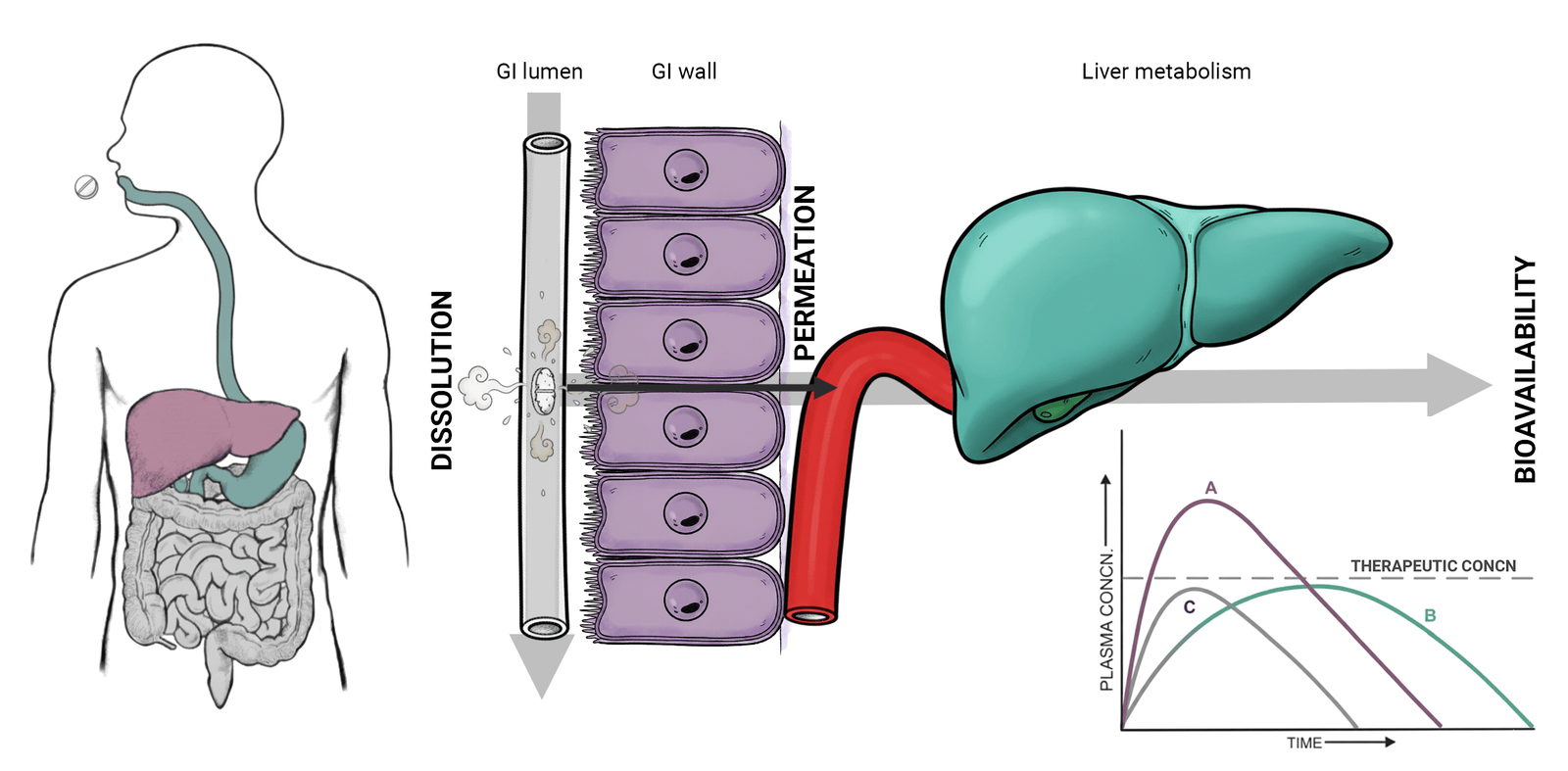
Figure 1: Oral Drug Delivery
1.3 Importance of Bioavailability Enhancement
Enhancing oral bioavailability is essential for improving the therapeutic performance of drugs with poor aqueous solubility. Increased bioavailability leads to higher plasma drug concentrations, better therapeutic outcomes, reduced dose variability, and improved patient compliance. It may also decrease the required dose, thereby minimizing adverse effects and lowering treatment costs. [6]
Several formulation approaches have been developed to improve bioavailability, including particle size reduction, solid dispersions, inclusion complexes, lipid-based drug delivery systems, nanoformulations, and permeability enhancers. Among these strategies, lipid-based formulations combined with natural bioenhancers have demonstrated considerable promise because they simultaneously improve drug solubility, permeability, and intestinal absorption. [7]
1.4 Natural Lipid-Based Drug Delivery Systems
Lipid-based drug delivery systems have gained considerable attention as effective platforms for enhancing the oral delivery of poorly water-soluble drugs. These systems improve drug solubilization within the gastrointestinal tract, promote lymphatic transport, reduce first-pass metabolism, and increase overall drug absorption. [8]
Table 2: Lipid-Based Drug Delivery Systems
|
Parameter |
Description |
|
Definition |
Drug delivery systems containing lipids to enhance solubility and absorption |
|
Purpose |
Improve oral bioavailability of poorly soluble drugs |
|
Mechanism |
Enhances drug solubilization and intestinal absorption |
|
Advantages |
Increased dissolution, absorption, and bioavailability |
|
Types |
Emulsions, Nanoemulsions, SEDDS, SMEDDS |
|
Suitable Drugs |
BCS Class II and IV drugs |
|
Application |
Oral delivery of poorly water-soluble drugs such as fenofibrate |
Natural lipids are particularly attractive because of their excellent biocompatibility, biodegradability, and low toxicity. Clarified butter (ghee), a traditional dairy-derived lipid, contains a complex mixture of saturated and unsaturated fatty acids, phospholipids, and fat-soluble vitamins. Thermal processing of clarified butter generates distinct lipid fractions with modified physicochemical characteristics that may serve as promising carriers for hydrophobic drugs. Their natural origin, safety profile, and potential pharmaceutical applications make them attractive alternatives to synthetic lipid excipients. [9]
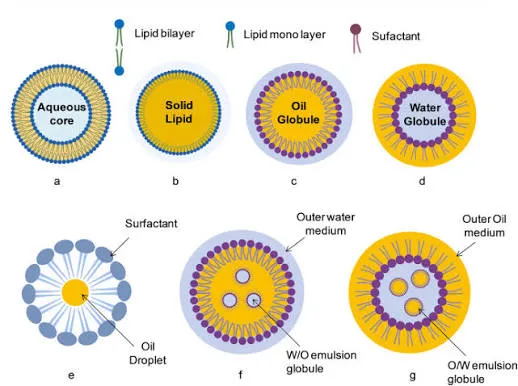
Figure 2: Lipid-Based Drug Delivery Systems
1.5 Role of Bioenhancers
Bioenhancers are compounds that improve the absorption and therapeutic efficacy of drugs without exhibiting significant pharmacological activity at the administered dose. They enhance drug bioavailability through multiple mechanisms, including increased membrane permeability, inhibition of drug-metabolizing enzymes, suppression of intestinal efflux transporters, and improved gastrointestinal absorption.
Piperine is one of the most extensively studied natural bioenhancers. It inhibits cytochrome P450 enzymes, particularly CYP3A4, and reduces the activity of P-glycoprotein, thereby decreasing drug metabolism and increasing systemic drug exposure. In addition, piperine enhances intestinal blood flow and membrane fluidity, facilitating greater drug absorption. Owing to these properties, piperine has been successfully incorporated into numerous pharmaceutical formulations aimed at improving the oral bioavailability of poorly soluble drugs. [10]
1.6 Scope and Objectives of the Review
The present review aims to critically evaluate the current scientific evidence regarding the use of the thermal fraction of clarified butter and piperine for enhancing the oral bioavailability of fenofibrate. The review summarizes recent advances in lipid-based formulation strategies, physicochemical characterization methods, pharmacokinetic studies, and mechanisms underlying bioavailability enhancement.
Furthermore, it compares findings from published studies, identifies existing research gaps, and discusses future opportunities for the development of innovative, safe, and effective lipid-based drug delivery systems. The information presented in this review is expected to provide valuable guidance for researchers involved in formulation development, pharmaceutical analysis, and translational drug delivery research.
3. Fenofibrate
Fenofibrate is a widely prescribed lipid-lowering agent belonging to the fibrate class of drugs. It is primarily indicated for the treatment of hypertriglyceridemia, mixed dyslipidemia, and primary hypercholesterolemia. After oral administration, fenofibrate is rapidly hydrolyzed to its active metabolite, fenofibric acid, which acts as a selective agonist of peroxisome proliferator-activated receptor alpha (PPAR-α). Activation of PPAR-α enhances lipid metabolism by increasing fatty acid oxidation, reducing triglyceride synthesis, and elevating high-density lipoprotein (HDL) cholesterol levels. Despite its established clinical efficacy, the pharmaceutical performance of fenofibrate is significantly restricted by its poor aqueous solubility, making it a suitable candidate for formulation strategies aimed at improving oral bioavailability. [11]
Table 3: Fenofibrate – Pharmacology and Therapeutic Applications
|
Parameter |
Description |
|
Drug Name |
Fenofibrate |
|
Drug Class |
Fibric Acid Derivative |
|
Mechanism of Action |
PPAR-α Agonist |
|
Therapeutic Use |
Hyperlipidemia and Hypertriglyceridemia |
|
Effect on Lipids |
Decreases TG and LDL, increases HDL |
|
Route of Administration |
Oral |
|
Bioavailability Issue |
Poor water solubility |
|
Major Adverse Effects |
Gastrointestinal disturbances, myopathy |
|
Clinical Importance |
Prevention of cardiovascular complications |
3.1 Chemistry
Fenofibrate (isopropyl 2-[4-(4-chlorobenzoyl) phenoxy]-2-methylpropanoate) is a lipophilic fibric acid derivative. The molecular formula is C20H21ClO4, with a molecular weight of 360.83 g/mol. Structurally, it contains aromatic rings, an ester functional group, and a chlorine-substituted benzophenone moiety, contributing to its hydrophobic nature and limited aqueous solubility. [12]
3.2 Physicochemical Properties
Fenofibrate is a white to off-white crystalline powder with a melting point of approximately 79–82°C. It is practically insoluble in water but readily soluble in organic solvents such as methanol, ethanol, acetone, and chloroform. The drug exhibits high lipophilicity with a log P value of approximately 5.2, which contributes to poor dissolution in gastrointestinal fluids. According to the Biopharmaceutical Classification System (BCS), fenofibrate is classified as a Class II drug, characterized by low solubility and high permeability. [13]
3.3 Pharmacology
Fenofibrate exerts its pharmacological action through activation of the PPAR-α receptor. This activation stimulates lipoprotein lipase activity, promotes β-oxidation of fatty acids, decreases hepatic triglyceride production, and increases synthesis of apolipoproteins A-I and A-II. Consequently, plasma triglyceride levels decrease while HDL cholesterol levels increase, leading to improved lipid profiles and reduced cardiovascular risk. [14]
3.4 Pharmacokinetics
Following oral administration, fenofibrate undergoes rapid hydrolysis by esterases to form fenofibric acid, the active metabolite responsible for therapeutic activity. Peak plasma concentrations are generally achieved within 4–8 hours, although absorption is strongly influenced by food intake due to its lipophilic nature. Fenofibric acid is highly protein-bound (>99%) and is primarily eliminated via renal excretion after glucuronidation. The elimination half-life is approximately 20 hours, permitting once-daily dosing.
3.5 Clinical Applications
Fenofibrate is extensively used for the management of hypertriglyceridemia, mixed dyslipidemia, and primary hypercholesterolemia. It is also recommended for reducing cardiovascular risk in selected patients with type 2 diabetes mellitus and metabolic syndrome. Clinical studies have demonstrated that fenofibrate effectively lowers triglycerides while increasing HDL cholesterol, making it an important therapeutic option for dyslipidemic patients.
3.6 Limitations
Despite its therapeutic benefits, fenofibrate suffers from several pharmaceutical limitations.
Poor Aqueous Solubility
Fenofibrate possesses extremely low aqueous solubility, resulting in slow dissolution within gastrointestinal fluids. Since dissolution is the rate-limiting step for its absorption, poor solubility significantly limits therapeutic efficiency following oral administration.
Low Oral Bioavailability
The oral bioavailability of fenofibrate is highly variable and depends largely on dietary fat intake. Extensive first-pass metabolism and limited dissolution contribute to inconsistent plasma drug concentrations. Therefore, formulation approaches capable of enhancing drug solubilization and intestinal absorption remain an active area of pharmaceutical research. [15]
4. Clarified Butter as a Pharmaceutical Lipid
Clarified butter, commonly known as ghee, has recently gained attention as a naturally derived lipid excipient for oral drug delivery systems. Owing to its complex composition of triglycerides, fatty acids, phospholipids, and fat-soluble vitamins, clarified butter exhibits excellent biocompatibility and digestibility. These characteristics make it a promising alternative to synthetic lipid excipients for improving the solubility and oral absorption of lipophilic drugs. [16]
Table 4: Clarified Butter as a Natural Lipid Carrier
|
Parameter |
Description |
|
Source |
Clarified Butter (Ghee) |
|
Nature |
Natural lipid carrier |
|
Major Components |
Triglycerides, fatty acids, phospholipids |
|
Function |
Solubilizes lipophilic drugs |
|
Advantages |
Biocompatible, biodegradable, economical |
|
Role in Formulation |
Enhances drug dissolution and absorption |
|
Pharmaceutical Potential |
Suitable for lipid-based oral drug delivery systems |
|
Example Drug |
Fenofibrate |
4.1 Composition
Clarified butter primarily consists of triglycerides along with minor quantities of phospholipids, cholesterol, tocopherols, carotenoids, and fat-soluble vitamins (A, D, E, and K). The precise composition varies depending on milk source, processing conditions, and storage. [17]
4.2 Fatty Acid Profile
The lipid fraction contains both saturated and unsaturated fatty acids. Major saturated fatty acids include palmitic, stearic, and myristic acids, whereas the principal unsaturated fatty acids are oleic and linoleic acids. Short-chain fatty acids such as butyric acid also contribute to the nutritional and pharmaceutical properties of clarified butter. [18]
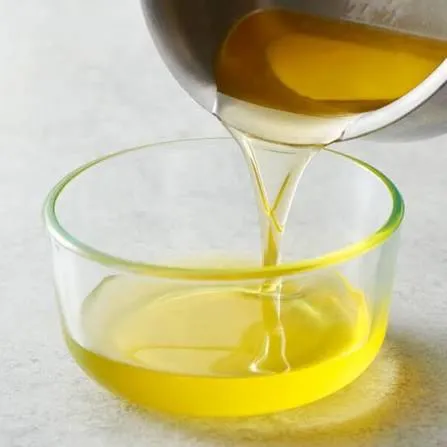
Figure 3: Clarified Butter
4.3 Pharmaceutical Properties
Clarified butter demonstrates excellent solvent capacity for lipophilic drugs, enhances gastrointestinal emulsification, promotes lymphatic transport, and exhibits good oxidative stability. These properties improve dissolution and absorption of poorly water-soluble drugs. [19]
4.4 Advantages
4.5 Challenges
Despite its advantages, clarified butter presents certain limitations, including variability in composition, susceptibility to oxidative degradation during prolonged storage, batch-to-batch differences, and limited pharmaceutical standardization. These factors necessitate appropriate characterization before formulation development. [20]
5. Thermal Fraction of Clarified Butter
Thermal processing of clarified butter results in separation of lipid fractions possessing distinct physicochemical characteristics. These thermal fractions may exhibit improved solvent capacity and enhanced compatibility with hydrophobic drug molecules. Consequently, they have emerged as promising excipients for lipid-based drug delivery systems. [21]
5.1 Preparation
The thermal fraction is obtained by controlled heating of clarified butter followed by cooling and separation of the desired lipid layer under standardized processing conditions. Careful control of temperature and heating duration is essential to preserve lipid quality while minimizing oxidative degradation. [22]
5.2 Characterization
Comprehensive characterization of the thermal fraction includes:
These analyses provide valuable information regarding chemical composition, thermal behavior, and pharmaceutical suitability. [23]
5.3 Physicochemical Properties
The thermal fraction possesses lower viscosity, improved lipid fluidity, enhanced emulsification capacity, and excellent compatibility with hydrophobic drug molecules. These characteristics facilitate greater drug solubilization and improve gastrointestinal absorption. [24]
5.4 Pharmaceutical Applications
Thermal fractions of clarified butter have potential applications in:
Controlled-release formulations. [25]
6. Piperine as a Natural Bioenhancer
Piperine is a naturally occurring alkaloid isolated from the fruits of Piper nigrum (black pepper) and Piper longum (long pepper). It is one of the most extensively investigated natural bioenhancers because of its remarkable ability to improve oral drug absorption and systemic bioavailability. [26]
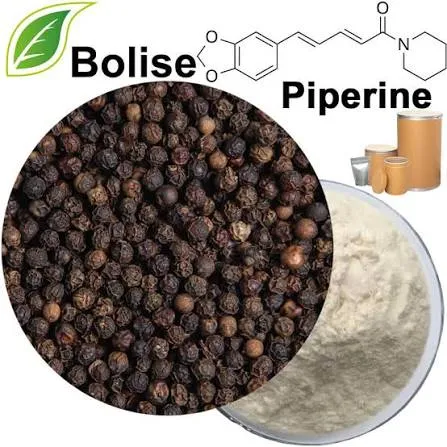
Figure 4: piperine
6.1 Source
Piperine is extracted mainly from black pepper and long pepper, where it constitutes approximately 2–9% of the dried fruit depending on geographical origin and processing conditions. [27]
6.2 Chemistry
Piperine is an alkaloid with molecular formula C17H19NO3 and molecular weight 285.34 g/mol. It is practically insoluble in water but readily soluble in ethanol, methanol, chloroform, and acetone. [28]
6.3 Pharmacological Properties
Besides its bioenhancing activity, piperine possesses antioxidant, anti-inflammatory, antimicrobial, hepatoprotective, immunomodulatory, neuroprotective, and anticancer properties, making it a multifunctional phytoconstituent. [29]
6.4 Mechanism of Bioavailability Enhancement
Piperine enhances oral bioavailability by increasing intestinal membrane permeability, improving drug solubility, delaying gastrointestinal transit, enhancing blood flow, inhibiting metabolic enzymes, and suppressing drug efflux transporters. These combined mechanisms significantly improve systemic drug exposure.
6.5 CYP450 Inhibition
Piperine inhibits cytochrome P450 enzymes, particularly CYP3A4 and CYP2D6, thereby reducing first-pass metabolism and increasing plasma concentrations of several therapeutic agents.
6.6 P-glycoprotein (P-gp) Inhibition
Piperine inhibits intestinal P-glycoprotein (P-gp), decreasing active drug efflux back into the intestinal lumen. This action improves intestinal absorption and enhances oral bioavailability of many poorly absorbed drugs.
6.7 Safety Profile
Piperine is generally regarded as safe when administered at appropriate therapeutic doses. Experimental and clinical studies have demonstrated good tolerability with a low incidence of adverse effects. Nevertheless, because of its influence on drug-metabolizing enzymes and transporters, caution should be exercised when piperine is co-administered with drugs having a narrow therapeutic index, and further long-term clinical safety studies remain warranted. [30]
7. Mechanisms of Oral Bioavailability Enhancement
Improving the oral bioavailability of poorly water-soluble drugs has become a major focus in pharmaceutical research. Several physiological and formulation-based mechanisms contribute to enhanced drug absorption following oral administration. Lipid-based formulations and natural bioenhancers improve bioavailability by increasing drug solubility, promoting intestinal permeability, facilitating lymphatic transport, inhibiting metabolic enzymes, and reducing drug efflux. These mechanisms collectively enhance systemic drug exposure and therapeutic efficacy. [31]
7.1 Solubility Enhancement
Poor aqueous solubility is one of the primary factors limiting the oral absorption of many therapeutic agents. Increasing drug solubility improves the dissolution rate within gastrointestinal fluids, allowing a greater amount of drug to be available for absorption. Lipid-based carriers enhance solubilization by incorporating hydrophobic drug molecules into lipid droplets or mixed micelles formed during digestion. This process maintains the drug in a dissolved state throughout the gastrointestinal tract and minimizes precipitation before absorption. [32]
7.2 Permeability Enhancement
Following dissolution, drug molecules must cross the intestinal epithelium to reach systemic circulation. Certain lipid excipients and natural bioenhancers increase membrane fluidity and alter the integrity of epithelial tight junctions, thereby improving transcellular and paracellular transport. Piperine has also been reported to increase intestinal permeability, facilitating greater absorption of several poorly absorbed drugs. [33]
7.3 Lipid Digestion
After oral administration, lipid-based formulations undergo enzymatic digestion by gastric and pancreatic lipases. The resulting monoglycerides and free fatty acids combine with bile salts to form mixed micelles, which effectively solubilize lipophilic drug molecules. This physiological digestion process increases the concentration of dissolved drug at the intestinal absorption site, thereby improving bioavailability. [34]
7.4 Lymphatic Transport
Highly lipophilic drugs can be absorbed through the intestinal lymphatic system rather than directly entering the portal circulation. Incorporation of such drugs into lipid-based formulations promotes their association with chylomicrons formed during lipid absorption. Transport through the lymphatic pathway bypasses hepatic first-pass metabolism, resulting in higher systemic drug concentrations and improved therapeutic performance.
7.5 Enzyme Inhibition
Extensive metabolism by intestinal and hepatic enzymes significantly reduces the oral bioavailability of many drugs. Natural bioenhancers such as piperine inhibit several drug-metabolizing enzymes, particularly members of the cytochrome P450 family. Reduced metabolic degradation increases the fraction of unchanged drug reaching systemic circulation, thereby enhancing overall bioavailability. [35]
7.6 Efflux Transporter Inhibition
Efflux transporters, particularly P-glycoprotein (P-gp), actively pump absorbed drugs back into the intestinal lumen, thereby limiting drug absorption. Piperine has been shown to inhibit P-glycoprotein activity, reducing drug efflux and increasing intracellular drug concentration within intestinal epithelial cells. Inhibition of these transporters enhances intestinal absorption and contributes significantly to improved oral bioavailability.
Table 5. Mechanisms of Oral Bioavailability Enhancement
|
Mechanism |
Role in Bioavailability Enhancement |
|
Solubility Enhancement |
Improves drug dissolution by increasing aqueous solubility. |
|
Permeability Enhancement |
Enhances drug transport across the intestinal epithelium. |
|
Lipid Digestion |
Forms mixed micelles that facilitate drug solubilization and absorption. |
|
Lymphatic Transport |
Bypasses hepatic first-pass metabolism, increasing systemic drug exposure. |
|
Enzyme Inhibition |
Inhibits CYP450 enzymes, reducing presystemic drug metabolism. |
|
Efflux Transporter Inhibition |
Suppresses P-glycoprotein (P-gp), increasing intestinal drug absorption. |
8. Characterization Techniques
Comprehensive characterization of lipid-based formulations is essential to ensure product quality, stability, and therapeutic performance. Different analytical techniques are employed to investigate the chemical composition, thermal behavior, crystalline nature, morphology, particle characteristics, and drug-loading capacity of formulations. These techniques provide valuable information that guides formulation optimization and quality assessment. [36]
8.1 Fourier Transform Infrared Spectroscopy (FTIR)
FTIR spectroscopy is widely employed to identify functional groups and investigate potential interactions between drug molecules and formulation excipients. Comparison of characteristic absorption peaks before and after formulation helps confirm drug compatibility and detect any chemical modifications that may occur during formulation development. [37]
8.2 Differential Scanning Calorimetry (DSC)
DSC is used to evaluate the thermal behavior of pharmaceutical materials by measuring heat flow associated with temperature-induced transitions. It provides information regarding melting point, crystallinity, polymorphic transitions, and possible drug–excipient interactions. Changes in thermal profiles often indicate successful incorporation of drug into lipid matrices.
8.3 Gas Chromatography–Mass Spectrometry (GC–MS)
GC–MS is an effective analytical technique for identifying and quantifying volatile and semi-volatile compounds present in lipid materials. It is particularly useful for determining the fatty acid composition of clarified butter and its thermal fraction, thereby helping to establish their pharmaceutical suitability and compositional consistency. [38]
8.4 X-ray Diffraction (XRD)
X-ray diffraction is employed to evaluate the crystalline or amorphous nature of pharmaceutical compounds and formulations. Reduction in crystalline intensity or disappearance of characteristic diffraction peaks indicates decreased crystallinity, which is often associated with improved drug dissolution and enhanced oral bioavailability.
8.5 Scanning Electron Microscopy (SEM)
SEM provides high-resolution images of particle morphology and surface characteristics. It enables visualization of particle size, surface texture, shape, aggregation, and structural integrity of drug-loaded lipid formulations. Morphological analysis plays an important role in understanding formulation behavior and stability. [39]
8.6 Particle Size Analysis
Particle size is one of the most important parameters affecting dissolution rate, drug release, physical stability, and oral absorption. Dynamic Light Scattering (DLS) is commonly used to determine the average particle diameter and particle size distribution of nanoformulations. Smaller particle size generally leads to greater surface area and enhanced dissolution.
8.7 Zeta Potential
Zeta potential measures the electrical charge present on the surface of dispersed particles and serves as an indicator of colloidal stability. Formulations possessing sufficiently high positive or negative zeta potential values exhibit reduced particle aggregation and improved physical stability during storage.
8.8 Drug Content
Drug content analysis determines the amount of active pharmaceutical ingredient successfully incorporated into the formulation. Accurate drug loading ensures dose uniformity, formulation reproducibility, and therapeutic consistency. Analytical techniques such as RP-HPLC or UV–Visible spectrophotometry are commonly employed for quantitative estimation. [40]
Table 6. Characterization Techniques Used for Lipid-Based Formulations
|
Technique |
Purpose |
|
FTIR |
Identifies functional groups and drug–excipient compatibility. |
|
DSC |
Evaluates thermal behavior and melting characteristics. |
|
GC–MS |
Determines fatty acid composition and volatile compounds. |
|
XRD |
Assesses crystalline or amorphous nature of the drug. |
|
SEM |
Examines particle morphology and surface characteristics. |
|
Particle Size Analysis |
Measures particle size and size distribution. |
|
Zeta Potential |
Determines surface charge and formulation stability. |
|
Drug Content |
Quantifies the amount of drug incorporated into the formulation. |
9. Lipid-Based Drug Delivery Systems
Lipid-based drug delivery systems have emerged as one of the most effective approaches for improving the oral delivery of poorly water-soluble drugs. These systems enhance drug solubilization, promote intestinal absorption, reduce first-pass metabolism, and improve overall therapeutic performance. Selection of an appropriate lipid carrier depends on the physicochemical properties of the drug and the desired formulation characteristics. [41]
9.1 Nanoemulsions
Nanoemulsions are thermodynamically stable or kinetically stable dispersions consisting of oil droplets with particle sizes generally ranging from 20 to 200 nm. Their extremely small droplet size provides a large surface area, leading to enhanced dissolution, improved gastrointestinal absorption, and increased oral bioavailability of lipophilic drugs. [42]
9.2 Self-Emulsifying Drug Delivery Systems (SEDDS)
SEDDS are isotropic mixtures of oils, surfactants, and co-solvents that spontaneously form fine oil-in-water emulsions upon gentle agitation in gastrointestinal fluids. They improve drug solubilization, facilitate rapid dissolution, and reduce variability in oral absorption. [43]
9.3 Self-Nanoemulsifying Drug Delivery Systems (SNEDDS)
SNEDDS are advanced lipid formulations that generate nano-sized emulsions following dilution in gastrointestinal fluids. The formation of very small droplets significantly enhances drug dissolution, intestinal permeability, and lymphatic transport, resulting in improved oral bioavailability.
9.4 Liposomes
Liposomes are phospholipid vesicles composed of one or more concentric lipid bilayers enclosing an aqueous core. They are capable of encapsulating both hydrophilic and lipophilic drugs, protecting them from degradation while improving stability, targeted delivery, and therapeutic efficacy. [44]
9.5 Solid Lipid Nanoparticles (SLNs)
Solid lipid nanoparticles consist of biodegradable solid lipids that remain solid at both room and physiological temperatures. They provide controlled drug release, protect unstable drugs from degradation, improve drug stability, and enhance oral bioavailability while maintaining good biocompatibility.
9.6 Nanostructured Lipid Carriers (NLCs)
Nanostructured lipid carriers are second-generation lipid nanoparticles composed of a mixture of solid and liquid lipids. Their imperfect lipid matrix provides greater drug-loading capacity, minimizes drug leakage during storage, and improves long-term physical stability compared with conventional solid lipid nanoparticles. Consequently, NLCs are considered promising carriers for enhancing the oral delivery of poorly water-soluble drugs such as fenofibrate. [45]
Table 7. Lipid-Based Drug Delivery Systems and Their Applications
|
Delivery System |
Key Advantage |
|
Nanoemulsions |
Improve solubility and oral absorption. |
|
SEDDS |
Form fine emulsions, enhancing drug dissolution. |
|
SNEDDS |
Produce nano-sized droplets with improved bioavailability. |
|
Liposomes |
Protect drugs and enhance targeted delivery. |
|
Solid Lipid Nanoparticles (SLNs) |
Provide controlled drug release and improved stability. |
|
Nanostructured Lipid Carriers (NLCs) |
Increase drug loading capacity and long-term stability. |
10. Challenges and Limitations
Despite significant progress in lipid-based drug delivery systems and the use of natural bioenhancers, several challenges continue to limit their widespread pharmaceutical application. The long-term physical and chemical stability of lipid formulations remains a major concern, as these systems are susceptible to oxidation, hydrolysis, and phase separation during storage. Variability in the composition of naturally derived lipids, particularly clarified butter, may result in batch-to-batch inconsistencies that affect formulation reproducibility and product quality. In addition, translating laboratory-scale formulations to industrial production is challenging because manufacturing parameters must be carefully optimized to ensure consistent performance. Regulatory approval also requires comprehensive characterization, quality control, and safety evaluation of natural excipients before they can be incorporated into pharmaceutical products. Furthermore, although numerous preclinical studies have demonstrated promising improvements in oral bioavailability, limited clinical evidence is available to confirm their long-term efficacy and safety in humans. Addressing these limitations is essential for the successful development and commercialization of lipid-based drug delivery systems.
11. FUTURE PERSPECTIVES
Future research should focus on developing innovative, safe, and sustainable strategies for improving the oral delivery of poorly water-soluble drugs. The exploration of green pharmaceutical excipients derived from natural sources offers an environmentally friendly alternative to conventional synthetic materials. Advances in artificial intelligence (AI) and machine learning have the potential to accelerate formulation optimization by predicting physicochemical properties, drug–excipient compatibility, and formulation performance with greater accuracy. The implementation of Quality by Design (QbD) principles will further enhance product quality through systematic process optimization and risk management. Personalized drug delivery approaches based on patient-specific physiological characteristics are also expected to play an important role in precision medicine. In addition, extensive pharmacokinetic investigations, toxicological assessments, and well-designed clinical trials are required to establish the therapeutic potential of lipid-based formulations. Collaborative efforts between researchers, pharmaceutical industries, and regulatory authorities will be essential to facilitate successful commercialization and clinical translation of these novel delivery systems.
CONCLUSION
The available scientific evidence demonstrates that lipid-based drug delivery systems represent an effective strategy for overcoming the limitations associated with poorly water-soluble drugs. Among various natural lipid carriers, the thermal fraction of clarified butter has emerged as a promising pharmaceutical excipient because of its excellent biocompatibility, favorable lipid composition, and ability to improve drug solubilization. Piperine further enhances oral bioavailability by increasing intestinal permeability and inhibiting drug-metabolizing enzymes and efflux transporters. The combined application of these two natural components offers considerable potential for improving the pharmacokinetic profile and therapeutic efficacy of fenofibrate. Although encouraging experimental findings have been reported, additional research is necessary to optimize formulation design, establish standardized manufacturing procedures, evaluate long-term stability, and confirm clinical effectiveness through large-scale human studies. Continued advances in lipid-based technologies are expected to contribute significantly to the development of safer, more effective, and commercially viable oral drug delivery systems in the future.
REFERENCES


Ashirwad Lonare, Dr. Suhas Sakarkar, Dr. Sachin Dudhe, Characterization Of Thermal Fraction of Clarified Butter and Evaluation of Piperine-Mediated Enhancement of Oral Bioavailability of Fenofibrate, Int. J. of Pharm. Sci., 2026, Vol 4, Issue 8, 140-155, https://doi.org/10.5281/zenodo.21737428
 10.5281/zenodo.21737428