

We use cookies to ensure our website works properly and to personalise your experience. Cookies policy
Department of Pharmaceutics, D. S. T. S. Mandal’s College of Pharmacy, Solapur, Maharashtra India – 413 004
Azithromycin is a widely used macrolide antibiotic indicated for the treatment of various bacterial infections. The present study aims to perform a comparative evaluation of different brands of Azithromycin 250 mg tablets, including both branded and generic formulations, to assess their quality, efficacy, and pharmaceutical equivalence. The study involves the analysis of key quality control parameters such as weight variation, hardness, friability, disintegration time, assay, and in vitro dissolution profile as per Indian Pharmacopoeia (IP) guidelines. UV spectrophotometric method was employed for the determination of drug content and dissolution studies. Comparative calibration curves were prepared, and regression (R²) values were calculated to ensure linearity and accuracy. The results indicated that all formulations complied with pharmacopeial standards for physical parameters. Minor variations were observed in dissolution profiles and drug release rates among different brands; however, most formulations exhibited comparable performance within acceptable limits. The percentage drug release at 45 minutes was found to be within the specified range, indicating satisfactory bioavailability. In conclusion, the study demonstrates that generic formulations of Azithromycin 250 mg tablets are pharmaceutically equivalent to branded products and can be considered as cost-effective alternatives without compromising quality and efficacy.
Azithromycin is a widely used macrolide antibiotic that is effective against a broad range of bacterial infections, including respiratory tract infections, skin infections, and sexually transmitted diseases. It works by inhibiting bacterial protein synthesis, thereby preventing the growth and multiplication of bacteria. In the pharmaceutical market, azithromycin is available in both branded and generic formulations. Generic drugs are developed to be bioequivalent to the branded product in terms of dosage form, strength, route of administration, quality, safety, and efficacy. However, due to differences in manufacturing processes, excipients, and formulation techniques, slight variations may occur in their physicochemical properties.
To ensure the quality and performance of pharmaceutical tablets, various quality control tests such as weight variation, friability, hardness, disintegration, and dissolution are carried out according to pharmacopeial standards like Indian Pharmacopoeia Commission and United States Pharmacopeial Convention. These tests help to determine whether the drug products meet the required specifications and are safe for use.
Thepresentstudyfocusesonthecomparativeevaluationofbrandedandgenericazithromycin tablets, assessing key quality control parameters such as dissolution, weight variation, hardness, thickness, disintegration and friability. Additionally, a cost comparison is performed to evaluate the economic advantage of generic drugs.
This study is important as it helps to establish whether generic formulations can serve as cost-effective and therapeutically equivalent alternatives to branded drugs, thereby improving accessibility and reducing healthcare costs.
Generic Drugs:
Generic drugs are medicines that contain the same active pharmaceutical ingredient as branded drugs and are used as their substitutes. For example, Azithromycin is available in both branded and generic forms with the same therapeutic effect. These drugs are required to be bioequivalent, meaning they have the same dosage form, strength, safety, quality, and efficacy as the original product. They are approved by regulatory authorities such as the Central Drugs Standard Control Organization. Although generic drugs may differ in color, shape, and excipients, they are more affordable and widely accessible, helping to reduce the overall cost of healthcare1.
Branded Drugs:
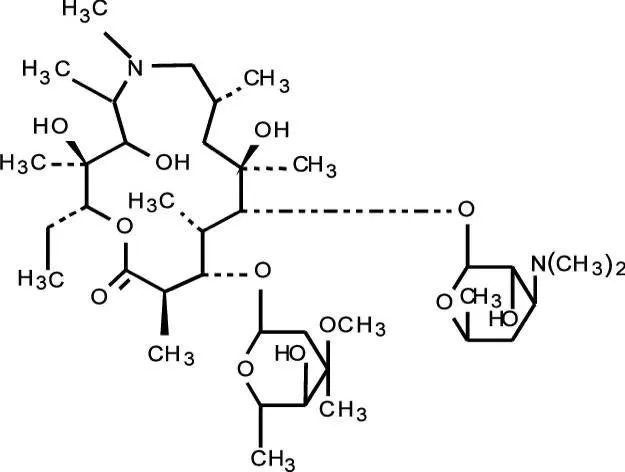
Branded drugs are original medicines developed and marketed by a pharmaceutical company under a specific brand name after extensive research, development, and clinical trials. For example, Azithromycin is sold under various brand names. These drugs are approved by regulatory authorities such as the Central Drugs Standard Control Organization and are usually more expensive due to the cost of research, development, and marketing. Branded drugs ensure high quality, safety, and efficacy, and they serve as a reference for the development of generic drugs.2
DRUG PROFILE:
Azithromycin works by inhibiting bacterial protein synthesis; it binds to the 50S ribosomal subunit (specifically 23S rRNA) of bacteria, blocks the translocation step during translation, and prevents the addition of amino acids to the growing peptide chain, thereby stopping protein formation essential for bacterial growth, making it primarily bacteriostatic (and bactericidal at higher concentrations for some organisms).
INSTRUMENTS AND REAGENTS
Table no1: List of Instruments
|
Sr.no |
Instrument name |
Model |
|
1. |
Vernier caliper |
Mitutoyo 530-312 Vernier Caliper |
|
2. |
Monsanto Hardness Tester |
Lepro 273 Monsanto Tablet Hardness Tester |
|
3. |
Friabilator |
Vinsyst VFT-2 Digital Tablet Friability Tester |
|
4. |
Disintegration Apparatus |
|
|
5. |
UV Spectrophotometer |
Systronics UV2201 |
|
6. |
Dissolution Apparatus |
Electrolab Dissolution apparatus |
TABLET INFORMATION DATA
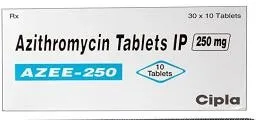
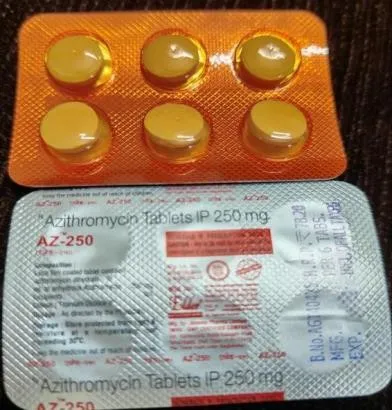
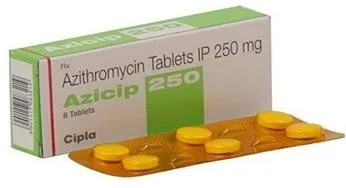
Table no.2: Details of Azithromycin Tablet Samples Used in the Study5
|
Code |
Brand Name & Strength (250mg) |
Batch number |
Manufacture |
Cost (Rs.) |
|
Standard |
AZEE |
5SN1655 |
Cipla LTD |
132.94 |
|
Generic A |
AZ |
AGT40325 |
Alverta Pharma LTD |
78.20 |
|
Generic B |
AZICIP |
4070054 |
Cipla LTD |
78.28 |
|
|
|
|
|
Fig .no 2: Standard Azithromycin Tablet(Azee 250 mg) |
Fig. no. 3: Generic Azithromycin Tablet (DrugA -AZ250 mg) |
Fig.no.4: Generic Azithromycin Tablet (Gen B -Azicip 250 mg) |
TEST PROCEDURES:
Tablets are placed one by one between the jaws of a hardness tester (Monsanto/Pfizer type). The force required to break the tablet is applied by turning the screw or using the digital system. The reading at which the tablet breaks is noted in kg/cm² or Newtons. The test is repeated for 5-10 tablets and the average value is calculated6.
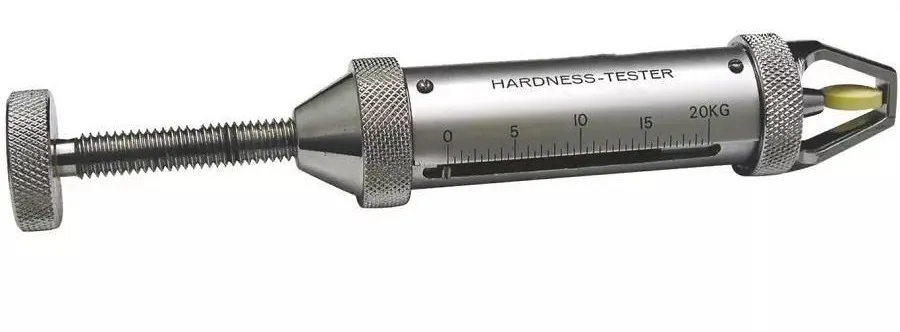
Fig.no.5: Image of Monsanto Tablet Hardness Tester
The thickness and diameter of tablets are measured using a vernier calliper or screw gauge. Each tablet is placed between the jaws of the instrument, and the reading is recorded. The test is performed on 5–10 tablets and the average value is reported.
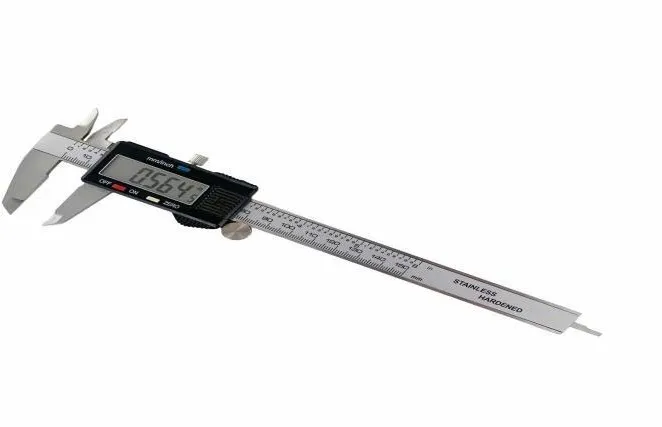
Fig.no.6: Image of Digital Vernier Calliper
A sample of pre-weighed tablets (usually 20 tablets) is placed in a friabilator. The apparatus is rotated at 25 rpm for 4 minutes (100 revolutions). After completion, tablets are deducted and reweighted. The percentage friability is calculated using the following formula7:

Limit: Should not exceed 1%.
The weight variation test is performed to ensure uniformity of weight and dosage in tablet formulations such as Azithromycin tablets. In this test, 20 tablets are selected randomly, cleaned to remove dust, and weighed collectively to determine the average weight. Each tablet is then weighed individually, and the percentage deviation of each tablet from the average weight is calculated. According to the Indian Pharmacopoeia, the permissible limits for deviation depend on the average weight of tablets8:
The tablets comply with the test if not more than two tablets deviate from the specified limits, and none deviates by more than twice the percentage limit9.
Table no.3: USP weight variation limits
|
Sr.No |
Tablet Weight |
Limit (%) |
|
1. |
130 mg or less |
±10 |
|
2. |
130-324mg |
±7.5 |
|
3. |
>324mg |
±5 |
Table no.4: IP Weight Variation Limits for Tablets
|
Sr. No |
Tablet Weight |
Limit (%) |
|
1. |
80mg or less |
±10 |
|
2. |
80-250mg |
±7.5 |
|
3. |
>250mg |
±5 |
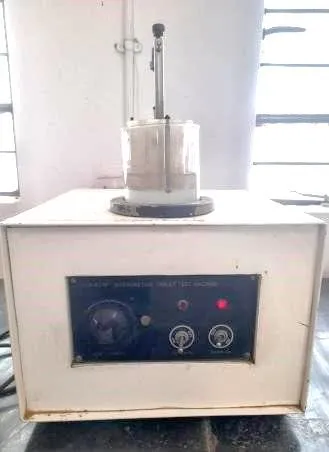
Fig.no.8: Image of Disintegration Test Apparatus
Six tablets are placed in the tubes of the disintegration test apparatus. The apparatus is operated in a medium (usually distilled water) maintained at 37±2°C. The basket is moved up and down at a constant frequency. The time taken for complete disintegration of tablets with no palpable mass remaining is recorded. The test complies if all tablets disintegrate within the specified time limit10.
The assay was performed by weighing and crushing tablets into a fine powder, from which a quantity equivalent to 10 mg of Azithromycin was accurately weighed and transferred to a volumetric flask. The drug was dissolved in methanol using sonication to ensure complete extraction, followed by filtration and systematic dilution with methanol to achieve a final concentration of 10 µg/ml. A standard solution was prepared in an identical manner using 10 mg of Azithromycin working standard. The absorbance of both the sample and standard solutions was measured at 210 nm using a UV-Visible spectrophotometer with methanol as the blank. The percentage assay was then calculated based on the absorbance ratio of the sample to the standard, with there results compared against the official acceptance limits of 90% to 110% of the label claim11.
7. Dissolution Test (IP Method):
The dissolution test is performed using a USP Apparatus II (paddle type). The dissolution medium consists of a suitable 0.1N HCl. The medium volume is 900mL and is maintained at a temperature of 37 ± 0.5°C. The 6 paddle is rotated at a speed of 50–75 rpm. One tablet is placed in each vessel, and the apparatus is operated for a specified time (usually 30–45 minutes).At the end of the test, a sample of the dissolution medium is withdrawn, filtered, and analysed using a UV spectrophotometer at about 210 nm. The amount of drug dissolved is calculated, and the test complies if not less than the specified percentage (generally NLT 80%) of the labelled amount of Azithromycin is released within the given time12.
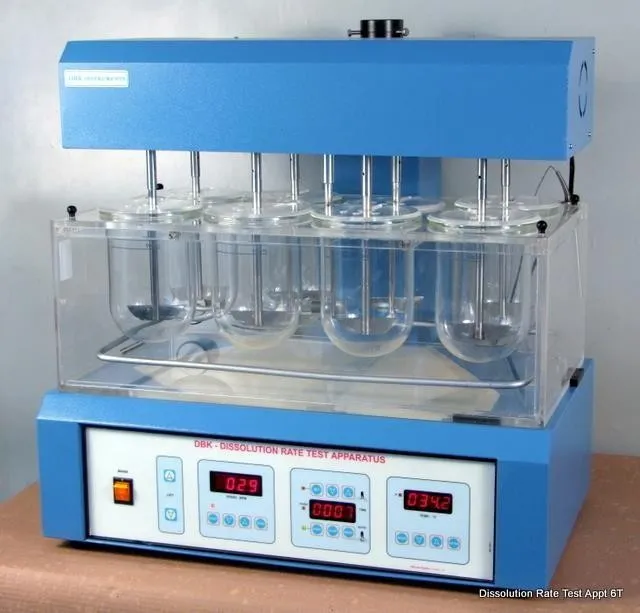
Fig.no.9: Image of Dissolution Test Apparatus (USP Type II- Paddle Method)
RESULTS AND DISCUSSION
1. Hardness test:
The hardness values of standard, Gen A, and Gen B were found to be 4.2 kg/cm², 4.86 kg/cm², and 4.9 kg/cm² respectively .All formulations showed adequate mechanical strength suitable for handling and transportation. The values were within the acceptable range, indicating good tablet integrity. Gen A and Gen B exhibited slightly higher hardness compared to the standard, which may be due to differences in formulation and compression force.
Table no.5: Hardness Test Results of Azithromycin Tablets
|
Standard (kg/cm2) |
Gen A (kg/cm2) |
Gen B (kg/cm2) |
|
3.5 |
5.0 |
4.7 |
|
3.5 |
4.6 |
5.0 |
|
4.5 |
5.1 |
4.9 |
|
4.5 |
4.7 |
5.2 |
|
5.0 |
4.9 |
4.7 |
|
Final- 4.2kg/ cm² |
Final – 4.86 Kg/cm2 |
Final- 4.9kg/ cm² |
2. Thickness test:
The thickness of the tablets was measured using a vernier caliper and found to be Standard, Gen A, Gen B were found to be 4.5 mm, 3.5 mm, 3.3 mm for all samples. The results showed no significant variation among the tablets, indicating uniform compression during manufacturing. Thus, the tablets comply with acceptable limits for thickness uniformity.
Table no.6: Thickness of Azithromycin Tablets
|
Standard(mm) |
Gen A (mm) |
Gen B (mm) |
|
4.61 |
4.52 |
2.52 |
|
4.44 |
3.2 |
3.2 |
|
4.59 |
3.5 |
3.2 |
|
4.69 |
3.4 |
3.6 |
|
4.61 |
3.2 |
4.0 |
|
Final-4.58 mm |
Final-3.56 mm |
Final-3.30 mm |
3. Diameter test:
The diameter of the tablets was measured and found to be in the range of 9.95 mm to 10.2 mm, with an average diameter of approximately 10.11 mm. The slight variation observed is within acceptable limits, indicating consistent die filling and proper compression. Therefore, the tablets meet the standard requirements for diameter uniformity.
Table no.7: Diameter of Azithromycin Tablets
|
Standard (mm) |
Gen A (mm) |
Gen B (mm) |
|
9.96 |
10.64 |
10.1 |
|
10 |
9.95 |
10.2 |
|
10 |
10.2 |
10.1 |
|
10.03 |
10.2 |
10.1 |
|
9.99 |
10.2 |
10.1 |
|
Final- 9.99 mm |
Final- 10.23 mm |
Final- 10.12 mm |
4. Friability Test:
The percentage friability for all formulations was found to be below 1%, complying with pharmacopeial limits. This indicates that the tablets possess good resistance to abrasion and mechanical stress. Gen B showed the least friability, suggesting better durability among the tested samples.
Table no.8: Friability Test Results of Azithromycin Tablets
|
Tablet |
Initial weight (mg) |
Final weight (mg) |
Limit or(%) Deviation |
|
Standard |
6.651 |
6.58 |
1.0 |
|
Gen A |
6.66 |
6.60 |
0.9 |
|
Gen B |
6.630 |
6.62 |
0.1 |
5. Assay:
The assay values for standard, Gen A, and Gen B were found to be 98%, 96%, and 99% respectively. All values lie within the acceptable limit of 90–110%, indicating uniform drug content and good quality of formulations. Drug B showed the highest drug content among the samples.
Table no.9: Assay Results of Azithromycin Tablets
|
Tablet |
Purity (%) |
|
Standard |
98 |
|
GenA |
96 |
|
GenB |
99 |
6. Disintegration Test:
The disintegration times for standard, Gen A, and Gen B were found to be 8, 10, and 11 minutes respectively. All formulations complied with the pharmacopeial requirement. The slightly longer disintegration time of Gen B may be due to higher binder concentration or tablet hardness.
Table no.10: Disintegration Time of Azithromycin Tablets
|
Sr.no. |
Standard (min.) |
Gen A (min.) |
Gen B (min.) |
|
1 |
8 |
9 |
11 |
|
2 |
7 |
11 |
12 |
|
3 |
9 |
10 |
10 |
|
Avg. |
8 |
10 |
11 |
7. Weight Variation Test:
The percentage deviation for standard, generic A, and generic B tablets was calculated using the average weight and pharmacopeial limits. The deviation for all formulations was found to be within ±5%, which complies with IP specifications. Hence, all tablets passed the weight variation test, indicating uniformity in tablet weight6.
Table no.11: Weight Variation of Azithromycin Tablets
|
Sr.no. |
Total Weight [ mg] |
Avg. Weight [mg] |
Upper limit [mg] |
Lower limit [mg] |
Deviation [%] |
|
Standard |
6620 |
331 |
347.5 |
314.4 |
5% |
|
Gen A |
6990 |
349.5 |
366.9 |
332.03 |
5% |
|
Gen B |
6600 |
330 |
346.5 |
313.5 |
5% |
8. Dissolution Test:
The dissolution study showed that the standard formulation released 100% drug within 45 minutes, whereas Gen A and Gen B released 88% and 93% respectively. According to pharmacopeial standards (NLT 80%), all formulations complied with the requirement. However, the standard formulation showed faster drug release compared to generics. This difference may be due to variation in excipients, particle size, and manufacturing techniques.
Table no.12: Dissolution Profile of Standard Azithromycin 250mg Tablets
|
Time (min) |
Absorbance |
Concentration (mg/ml) |
Drug release (%) |
|
0 |
0.000 |
0 |
0 |
|
10 |
0.260 |
18 |
50 |
|
20 |
0.380 |
26 |
73 |
|
30 |
0.470 |
32 |
90 |
|
45 |
0.520 |
35 |
100 |
Table no.13: Dissolution Profile of Generic Azithromycin 250mg Tablets (Gen A)
|
Time (min) |
Absorbance |
Concentration (mg/ml) |
Drug release (%) |
|
0 |
0.000 |
0 |
0 |
|
10 |
0.195 |
13 |
37 |
|
20 |
0.305 |
21 |
59 |
|
30 |
0.395 |
27 |
76 |
|
45 |
0.460 |
31 |
88 |
Table no.14: Dissolution Profile of Generic Azithromycin 250mg Tablets (Gen B)
|
Time (min) |
Absorbance |
Absorbance |
Drug release (%) |
|
0 |
0.000 |
0.000 |
0 |
|
10 |
0.225 |
0.225 |
43 |
|
20 |
0.345 |
0.345 |
66 |
|
30 |
0.435 |
0.435 |
83 |
|
45 |
0.485 |
0.485 |
93 |
9. Dissolution Graph:
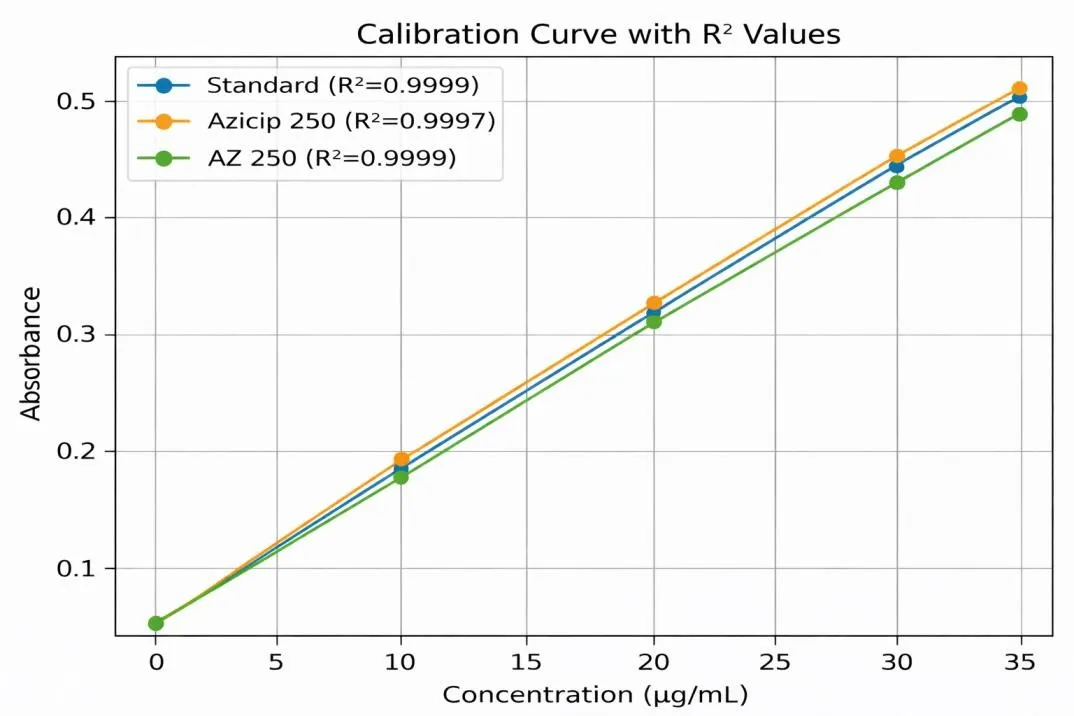
Fig. no.10: Comparative Dissolution Profile of Standard and Generic Azithromycin Tablets
10. Cost Analysis:
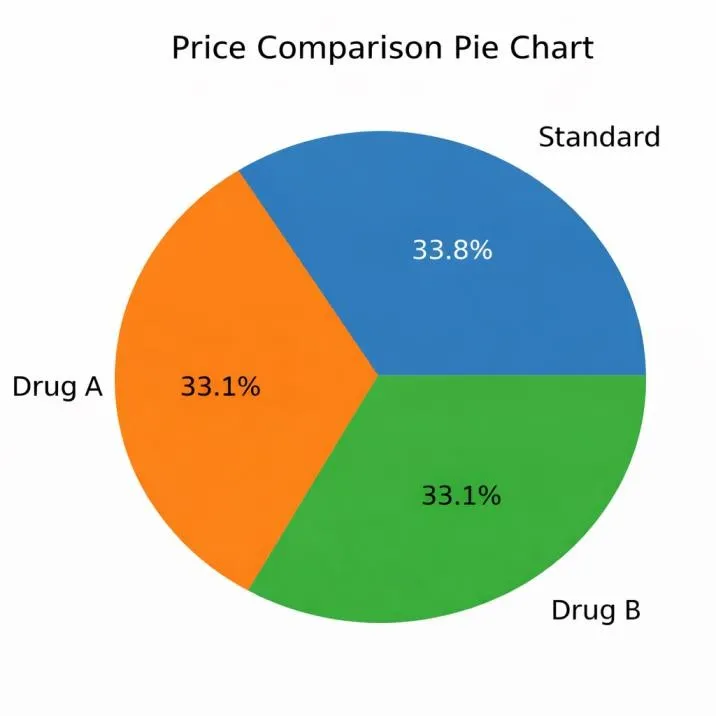
The pie chart illustrates the price comparison among the Standard (?132.94), Gen A (?130.33), and Gen B (?130.46), showing that all three have nearly equal cost distribution. The Standard product is slightly more expensive, contributing about 33.9% of the total, while Gen A and Gen B, each account for approximately 33.2%. The minimal price difference of around ?2–3 indicates a highly competitive pricing pattern, suggesting that there is no significant economic advantage in choosing one over the others. Therefore, selection between these drugs is likely to depend more on factors such as brand preference, quality, and availability rather than price alone.
CONCLUSION
The present study was carried out to evaluate and compare the quality control parameters of branded and generic Azithromycin tablets.
All the formulations were subjected to various tests including hardness, thickness, diameter, friability, weight variation, disintegration, assay, and dissolution as per pharmacopeial standards.
The results obtained indicated that all the formulations complied with the official specifications. The hardness values showed adequate mechanical strength, while friability was found to be below 1%, indicating good resistance to abrasion. The thickness and diameter measurements were within acceptable limits, confirming uniformity in tablet dimensions. The weight variation test showed that all tablets were within ±5% deviation, ensuring dose uniformity. Disintegration times were within the prescribed limits, and assay results (90-110%) confirmed uniform drug content.
Furthermore, dissolution studies demonstrated that all formulations released more than 80% of the drug within the specified time, ensuring satisfactory bioavailability. Although minor variations were observed among the formulations, they were within acceptable limits and did not affect overall performance
In conclusion, generic Azithromycin tablets were found to be comparable in quality, safety, and efficacy to the branded product. Considering their lower cost , generic formulations can be used as cost-effective and therapeutically equivalent alternatives, thereby improving accessibility and reducing healthcare expenditure.
ACKNOWLEDGEMENT
Authors are thankful to D. S. T. S. Mandal’s College of Pharmacy, Solapur,Maharashtra for Providing necessary facilities.
Conflict Of Interest:
No conflict of interest
REFERENCES

Shivani Biskite* , Deepak Bhosale, Yogita Ingole, Manoj Salunkhe, Aditya Jadhav, Emad Shaikh , Pradeep Chabukswar, M Comparative In-Vitro Quality Evaluation Of Generic & Branded Drug Products Using Pharmacopoeial Quality Control Parameters, Int. J. of Pharm. Sci., 2026, Vol 4, Issue 8, 1461-1472. https://doi.org/ 10.5281/zenodo.21843268
 10.5281/zenodo.21843268