

We use cookies to ensure our website works properly and to personalise your experience. Cookies policy
College of Pharmacy, IPS Academy, Indore, M.P, India.
Pain remains the most common and challenging clinical problems worldwide, Pain continues to be one of the most prevalent and difficult-to-manage conditions globally, causing substantial impacts on quality of life, outcomes of recovery, and healthcare systems. Opioid analgesics have traditionally used as the standard of care for the management of moderate to severe acute pain because of their strong ?-opioid receptor-mediated action. Nevertheless, mounting evidence has brought to light significant limitations, Respiratory depression, postoperative nausea and vomiting, tolerance, dependence, abuse potential, and limited long-term efficacy. These issues have led to a re-evaluation of pain management strategies centered on opioids. This comparative meta-analysis combines evidence from randomized controlled trials, systematic reviews, and network meta-analyses to compare the efficacy and safety of opioid versus non-opioid analgesics in pain conditions. The results of this meta-analysis show that although opioids offer rapid and effective pain relief in severe acute pain, optimized non-opioid and multimodal therapies often provide comparable pain relief with significantly fewer adverse events. Substances such as paracetamol, NSAIDs, ketamine, gabapentinoids, ?-2 agonists, lidocaine, and magnesium have been found to have considerable opioid-sparing effects without compromising analgesic efficacy. Opioid-free and opioid-sparing approaches were found to be significantly associated with lower rates of postoperative complications and improved safety profiles. the evidence supports a paradigm shift towards mechanism-based, multimodal pain management strategies that aim to minimize opioid exposure while maintaining adequate analgesia. The incorporation of non-opioid strategies into clinical practice is a crucial step towards achieving safer with evidence-based pharmacologic pain management.
Burden of Pain and Its Clinical Significance
Pain is a common clinical experience and is one of the main reasons people go to the doctor around the world.[1] Acute and chronic pain conditions significantly contribute to disability, diminished quality of life, psychological distress, and socioeconomic burden.[2] Epidemiological data show that up to 80% of surgical patients have acute postoperative pain, while about 20–30% of adults around the world have chronic pain. The number of people with chronic pain goes up with age and other health problems.[3] Poor pain management has been linked to slower recovery, longer hospital stays, less effective rehabilitation, and a higher chance of developing chronic pain.[4]
Chronic pain, especially chronic non-cancer pain (CNCP), presents distinct challenges owing to its intricate pathophysiology, which encompasses nociceptive, neuropathic, and central sensitization mechanisms.[5] Long-term pain is often linked to sleep problems, depression, anxiety, and lower productivity, which puts a lot of stress on people and the healthcare system.[6] As a result, effective and safe pain management continues to be a top priority in clinical pharmacology and therapeutics.[7]
Role of Opioid Analgesics in Pain Management
Opioid analgesics primarily exert their analgesic effects by activating μ-opioid receptors in the central and peripheral nervous systems, which inhibits nociceptive neurotransmission.[8] Opioids have long been thought to be essential for treating moderate to severe acute pain, pain after surgery, pain from cancer, and pain from traumatic injuries because they work so well.[9]
Clinical studies have consistently shown that opioids like morphine, fentanyl, oxycodone, tramadol, and buprenorphine are effective at lowering pain levels in a wide range of clinical settings.[10] network meta-analyses conducted in emergency and trauma contexts demonstrate that opioids such as sufentanil and fentanyl deliver prompt and efficacious analgesia for acute traumatic pain.[11] Because of this, opioids are still widely prescribed and are often seen as the standard for other painkillers.
Limitations and Risks Associated with Opioid Therapy
Although opioids are very effective pain medications, they can also lead to a variety of issues.[12] Common side effects of opioids include postoperative nausea and vomiting (PONV), sedation, dizziness, constipation, urinary retention, and respiratory depression. Long-term opioid therapy is made even harder by the fact that people become tolerant to the drugs, physically dependent on them, and more likely to misuse them and become addicted.[12]
Over the past twenty years, the number of people who are prescribed opioids has gone up all over the world. This has happened at the same time as the number of people who die or get sick from opioids has gone up, especially in people with chronic pain that isn't cancer. Observational studies indicate that extended opioid use provides only limited analgesic benefits in chronic non-cancer pain (CNCP) while markedly elevating the risk of negative consequences. Clinical guidelines are increasingly advising against long-term opioid therapy for chronic non-cancer pain (CNCP), stressing the necessity for safer and more sustainable analgesic approaches.
Opioid Dependence in Pain Management
Opioid dependence is one of the most clinically important limitations of opioid-based pain therapy. It develops in large part through prolonged μ-opioid receptor activation, resulting in neuroadaptive changes in both central pain modulatory and reward pathways. Adaptations include receptor downregulation and tolerance, physical dependence with changes in descending inhibitory pathways contributing to opioid-induced hyperalgesia and withdrawal phenomena.[13]
In addition, comparative and network meta-analyses show that the analgesic effect of opioids is comparable to the effect of non-opioid analgesics/statements of multimodal analgesics in different settings, such as postoperative pain, obstetric pain, and traumatic pain.[14,15]
Results from opioid-sparing trials showed that multimodal approaches employing opioid-free pain regimens are effective and found to offer better postoperative pain relief without any significant increase in opioid use and opioid-related adverse outcomes, thereby decreasing the risk of any further dependence.[16,17]
Misuse and Addiction of Prescription Drugs
In India, it has been noted that certain prescription medicines meant for use in the treatment of various diseases are being misused due to their potential to cause dependence and lead to addiction.[18] Some of the medicines that are commonly associated with substance misuse are heroin, tramadol, cough mixtures containing codeine phosphate, and the antispasmodic Spasmo-Proxyvon.
Benzodiazepines are misused for their sedative, relaxing, and euphoric effects. Prolonged misuse among non-medical users develops into tolerance, dependence, cognitive disorders, and withdrawal effects.[19] The misuse of opioid and opioid-like medicines like tramadol and codeine phosphate leads to analgesic and euphoric effects. Long-term use of such medicines among non-medical users develops into physical dependence, respiratory inhibition, and increased overdose. Combination analgesics like dextropropoxyphene have also led to substance abuse due to their availability and low risk.
Several factors contribute to this issue, such as the availability of potent opioid drugs without prescription from pharmacists in certain areas, inadequate regulation by law enforcement agencies, lack of awareness, self-medicating practices, and social issues.[3] Despite the ban on dextropropoxyphene preparations and increased regulations on the NDPS Act and Schedule H/H1, the issue of misuse or substitution during prescription practices still emerges as a drawback. This shows that the regulation practices need to be enhanced by incorporating addiction medicine into mainstream healthcare systems.[20]
Emergence of Non-Opioid Analgesics and Opioid-Sparing Strategies
Due to worries about the safety of opioids, non-opioid pain relievers and adjuvant therapies have become more popular in modern pain management. Non- opioid analgesics, including acetaminophen and NSAIDs, provide analgesic and anti-inflammatory effects by inhibiting prostaglandin synthesis. In contrast, adjuvant agents target different pain pathways, such as N-methyl-D-aspartate (NMDA) receptors, voltage-gated calcium channels, and α-2 adrenergic receptors.[21]
Multimodal analgesia, which means using two or more painkillers that work in different ways, aims to make painkillers work better while reducing the need for opioids. Systematic reviews and meta-analyses show that multimodal regimens can significantly lower the amount of opioids needed without making pain control worse after surgery or in cases of acute pain.[22]
Recently, opioid-free anesthesia(OFA) and opioid-sparing analgesic protocols have been investigated as alternatives to conventional opioid-based methods. Meta-analytic evidence indicates that OFA correlates with a diminished incidence of PONV and similar postoperative pain scores relative to opioid-based anesthesia.
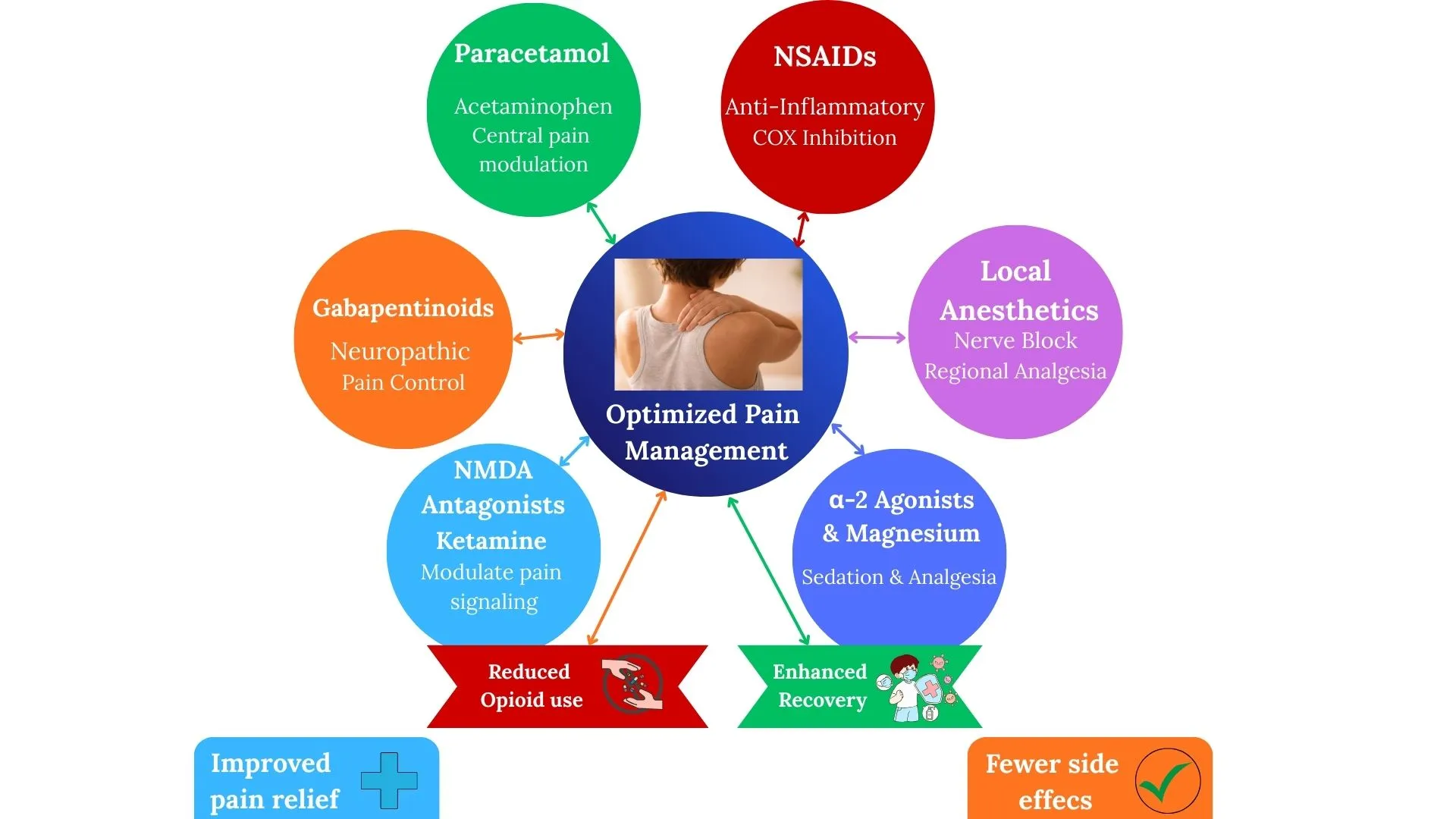
Figure 1: Multimodal Analgesia an optimized approach in the management of pain, where non-opioid and adjuvant drugs are combined to reduce the amount of opioids used in the management of pain.
Rationale for Comparative Evaluation
Although both opioid and non-opioid analgesics are widely used in clinical practice, it is important to conduct a comparative evaluation of their efficacy and safety.[23] Individual clinical trials frequently yield inconsistent results owing to disparities in pain types, dosing regimens, patient demographics, and outcome measures. Meta-analyses and systematic reviews provide a rigorous methodological framework for integrating existing evidence and discerning clinically significant differences among analgesic strategies.
A comparative meta-analytic evaluation is particularly pertinent in the context of escalating opioid stewardship initiatives and the growing focus on evidence-based, patient-centered pain management. It is very important to know the pros and cons of both opioid and non-opioid painkillers in order to choose the best one for each clinical situation.[24]
Objectives of the Review
The main goal of this review is to critically compare opioid and non-opioid analgesics for the pharmacological treatment of pain by putting together evidence from randomized controlled trials, systematic reviews, and meta-analyses.
The secondary goals are:
Table 1: Comparison of Opioid and Non-Opioid Analgesics
|
Parameter |
Opioid Analgesics |
Non-Opioid Analgesics |
|
Mechanism of action |
μ-opioid receptor activation |
Prostaglandin inhibition, NMDA antagonism, α-2 agonism |
|
Analgesic efficacy |
High (moderate–severe pain) |
Mild–moderate, effective in multimodal regimens |
|
Risk of dependence |
High |
Minimal |
|
Common adverse effects |
PONV, sedation, respiratory depression |
GI irritation (NSAIDs), hepatotoxicity (acetaminophen) |
|
Role in multimodal analgesia |
Central component |
Opioid-sparing backbone |
|
Long-term safety |
Limited |
Favorable |
Data synthesized from published pharmacological reviews, systematic reviews, and clinical guidelines. [12,13,15]
Pharmacology of Opioid Analgesics
Mechanism of Action of Opioid Analgesics
Opioid analgesics primarily alleviate pain by interacting with opioid receptors in the central and peripheral nervous systems. These receptors are part of the G-protein–coupled receptor family. The primary kinds of opioid receptors are the mu, kappa, and delta receptors.[27] The clinically important receptors in pain relief are μ-opioid receptors. When μ-opioid receptors are activated, adenylate cyclase gets inhibited, which results in lower intracellular cyclic adenosine monophosphate (cAMP). Next, potassium channel opening and closing of voltage-gated calcium channels follows. As a result, hyperpolarisation of neurones takes place. This hyperpolarisation inhibits neurotransmitter release. In turn, pain signals that are carried on the back pain pathways get inhibited at both the spinal cord and supraspinal levels.[28]
Opioids interrupt the signalling in pathway at multiple sites including dorsal horn of spinal cord, brainstem, thalamus and the limbic system to alter pain perception. Opioids change how we feel pain by acting on several places along the pain pathway, such as the dorsal horn of the spinal cord, the brainstem, the thalamus, and the limbic system. In addition to providing pain relief, activating opioid receptors also affects how people feel and respond to pain, which is part of the subjective relief that patients feel.[29] However, the same mechanisms that cause pain relief also cause many of the bad effects of opioids, which shows how narrow the therapeutic window of these drugs.
Classification of Opioid Analgesics
Opioid analgesics can be categorized according to their receptor activity into full agonists, partial agonists, mixed agonist-antagonists, and antagonists. Morphine, fentanyl, oxycodone, hydromorphone, and sufentanil are all full μ-opioid receptor agonists that have a lot of activity on their own and are often used to treat severe pain. Partial agonists, such as buprenorphine, induce analgesia while exhibiting a ceiling effect on respiratory depression, rendering them relatively safer in specific clinical scenarios.[30]
Pentazocine and nalbuphine are examples of mixed agonists and antagonists. They work on both κ-receptors and μ-receptors, either as full agonists or partial agonists. These agents may lower the risk of respiratory depression, but they usually don't work as well as full agonists for pain relief. They may also cause withdrawal in people who are dependent on opioids. Weak opioids like tramadol and codeine work as painkillers by activating opioid receptors and changing how monoaminergic pathways work. However, their effectiveness varies and is affected by genetic differences that affect how the body breaks down drugs.[31]
Adverse Effects of Opioid Analgesics
The negative effects of opioids are a big problem that limits their usefulness in medicine. Common acute adverse effects include nausea, vomiting, constipation, pruritus, dizziness, and sedation. Respiratory depression is still the most serious and potentially deadly complication, especially when opioids are given in large amounts or with other central nervous system depressants.[32]
Long-term use of opioids can cause problems with the endocrine system, the immune system, cognitive function, tolerance, physical dependence, and a higher risk of misuse and addiction. Opioid-induced hyperalgesia, which is when someone becomes more sensitive to pain, makes long-term treatment even harder and may lead to higher doses.[33]
Meta-analyses contrasting opioid-based and opioid-free anesthesia reveal markedly elevated incidences of postoperative nausea and vomiting in opioid-treated cohorts, underscoring the clinical implications of opioid-related adverse effects.
Limitations of Opioid-Centered Pain Management
Even though opioids are still very important in some medical situations, their limits have become more clear. High interindividual variability in response, narrow therapeutic index, and risk of long-term harm necessitate cautious and judicious use.[34] Evidence from comparative meta-analyses suggests that reliance on opioids alone may no longer represent the optimal strategy for pain management, particularly when effective non-opioid alternatives are available.[35]
The increasing focus on opioid stewardship highlights the necessity to reevaluate conventional opioid-centered frameworks and implement multimodal strategies that reduce opioid exposure while ensuring sufficient analgesia.
Summary of Opioid Analgesic Pharmacology
In conclusion, opioid analgesics provide significant analgesic effects via μ-opioid receptor activation and are effective for acute and severe pain. Nonetheless, their clinical application is limited by a considerable adverse-effect profile and restricted long-term efficacy in chronic pain. Emerging evidence advocates for the incorporation of non-opioid analgesics and opioid-sparing strategies to improve pain management and enhance patient safety.[36]
Non-Opioid Analgesics and Adjuvant Therapies in Pain Management
Overview of Non-Opioid Analgesic Strategies
Non-opioid analgesics are a wide range of drugs that relieve pain by different means than activating opioid receptors.[37] These agents are the most important part of multimodal analgesia. They help cut down on opioid use while still keeping pain under control. The increasing focus on opioid stewardship has heightened interest in non-opioid analgesics in acute, postoperative, traumatic, and chronic pain contexts.
Non-opioid agents influence peripheral inflammation, central sensitization, excitatory neurotransmission, and descending inhibitory pathways to produce their effects. These drugs provide additive or synergistic analgesic effects, whether used alone or in combination, and significantly diminish opioid-related adverse outcomes.[38]
Paracetamol (Acetaminophen)
Paracetamol is a common non-opioid pain reliever that is often used as the first line of treatment for mild to moderate pain. Its pain-relieving effect is thought to come from blocking cyclooxygenase (COX) enzymes in the brain, changing serotonergic pathways, and interacting with the endocannabinoid system. Paracetamol does not have much peripheral anti-inflammatory activity like NSAIDs do, but it is very safe when used within therapeutic limits.
Systematic reviews consistently show that paracetamol lowers pain levels and the need for opioids after surgery when used as part of a multimodal analgesia plan. A recent meta-analysis comparing oral and intravenous paracetamol in patients undergoing total joint arthroplasty found no significant difference in pain scores or morphine consumption between the two routes. However, intravenous paracetamol was linked to shorter hospital stays, which may help with early recovery.[39]
When given around the time of surgery, paracetamol has been shown to lower the need for opioids by about 20–30%. It is especially helpful for older people and people who are at high risk of having bad reactions to opioids because it is easy to tolerate.
Non-Steroidal Anti-Inflammatory Drugs (NSAIDs)
NSAIDs encompass a vast array of different pain medications types that do not contain steroids.3 NSAIDs are considered the most common non-prescription drugs to relieve pain as over the counter (OTC) products. One can get them over-the-counter or through prescription. NSAIDs are a type of non-opioid analgesic drug utilized to relieve pain.[40]
Meta-analyses show that NSAIDs greatly lower pain levels and the need for opioids in patients after surgery.[15] Ketorolac, ibuprofen, and diclofenac have demonstrated opioid-sparing effects between 25% and 45%, contingent upon dosage and surgical context. Importantly, NSAIDs have been linked to pain relief that is similar to that of opioids in cases of mild to moderate pain, but without the risk of addiction.
Even though NSAIDs work well, they can cause problems with the stomach, kidneys, and heart, especially if you use them for a long time. So, when adding NSAIDs to pain management plans, it's important to choose the right patients and how long the treatment will last.
Gabapentinoids (Gabapentin and Pregabalin)
Gabapentinoids are anticonvulsants that act as α2δ subunit-selective ligands of voltage-gated calcium channels. This prevents the release of excitatory neurotransmitters, thus providing pain relief. These medications are particularly effective for neuropathic pain and are currently used extensively as adjunct pain medications during surgery.
Systematic reviews and meta-analyses have shown that the perioperative use of gabapentinoids reduces postoperative pain intensity and opioid consumption, especially in the early postoperative period. Pregabalin has been found to be more effective than gabapentin in some trials, and it also has other advantages, such as reducing anxiety and improving sleep.
Gabapentinoids, on the other hand, can cause side effects like dizziness, sedation, and vision problems, which may make them less useful for some groups of patients. To weigh the benefits of pain relief against the risks, it is important to carefully adjust the dose.
Ketamine
Ketamine is an N-methyl-D-aspartate (NMDA) receptor antagonist that prevents central sensitization and wind-up phenomena, which helps with pain relief.[13] At sub-anesthetic doses, ketamine has strong pain-relieving and opioid-sparing effects without causing dissociative anesthesia. These characteristics render ketamine an essential element of multimodal analgesia, especially for opioid-tolerant individuals and those undergoing significant surgical procedures.
Research from a large number of studies indicates that low doses of ketamine significantly reduce both the amount of opioids required post-surgery and also how much pain the patient experiences, particularly for surgeries with a high likelihood of causing significant pain. Additionally, the use of ketamine prevents the development of hyperalgesia associated with opioid use and also decreases the risk of chronic pain after surgery.
Most individuals that utilize low doses of Ketamine will likely not have any trouble with the low dose being administered, however, it is possible to develop side effects from using a low dose such as experiencing psychomimetic effects (i.e. hallucinations or dysphoria). Therefore monitoring and determining appropriate dosing of Ketamine should be a priority.
α-2 Adrenergic Agonists
Drugs known as α-2 adrenergic agonists (for example clonidine and dexmedetomidine) provide pain relief in an indirect manner by decreasing the release of norepinephrine in the central nervous system (CNS) while also enhancing descending pain pathways. They can be used before and after surgery to manage surgical discomfort because they help to calm the patient, reduce anxiety, and decrease the use of opioids.
Meta-analytic evidence shows that dexmedetomidine lowers pain scores after surgery, the amount of opioids needed, and the number of times people get sick and throw up after surgery. In opioid-free anesthesia protocols, α-2 agonists have demonstrated the ability to sustain comparable analgesia while markedly diminishing opioid-related adverse effects.
Possible side effects include low blood pressure and slow heart rate, so careful monitoring of blood flow is needed during administration.
Intravenous Lidocaine
Intravenous administration of lidocaine; is a form of pain relief through membrane stabilization along with its anti-inflammatory effects. This is produced by the effects of sodium channels on decreased ectopic neuronal firing substrate, thereby reducing pain, as well as decreasing central sensitization.
Various systematic reviews indicate that using lidocaine through an infusion before and during surgery may reduce the patient's postoperative pain experience, decrease their use of opioid medication, decrease time with ileus, and decrease length of stay in the hospital especially following surgery to the abdomen or colorectal area. Its role in enhanced recovery after surgery (ERAS) protocols further underscores its potential to reduce opioid use.
Magnesium Sulfate
Magnesium functions as a physiological NMDA receptor antagonist and regulates calcium influx, leading to analgesic and anti-hyperalgesic effects. Meta-analyses show that giving magnesium before and after surgery lowers pain scores and the amount of opioids needed, especially when combined with other non-opioid drugs.
Most people can handle magnesium well, but at higher doses, it can cause low blood pressure and muscle weakness. Its low cost and good safety record make it a good addition to multimodal analgesia.
Opioid-Sparing Effects of Non-Opioid Analgesics
Evidence from several meta-analyses demonstrates that non-opioid analgesics substantially decrease opioid requirements without diminishing analgesic efficacy. Multimodal regimens that include paracetamol, NSAIDs, ketamine, α-2 agonists, and adjuvants provide better pain control with fewer side effects than strategies that focus on opioids.
Summary of Non-Opioid Analgesic Pharmacology
Non-opioid analgesics and adjuvant therapies offer effective pain relief via various mechanisms and are integral to modern pain management. Their inclusion in multimodal analgesic protocols increases the effectiveness of pain relief, reduces the risk of opioid exposure, and improves patient safety.
Comparative Evaluation of Opioid and Non-Opioid Analgesics
Comparative evidence from randomized controlled trials and meta-analyses shows that opioid and non-opioid analgesics have similar pain-relieving effects in many clinical situations, especially when non-opioid drugs are used as part of a multimodal treatment plan. Opioids offer swift and effective analgesia for severe acute pain; however, their superiority compared to optimized non-opioid strategies is increasingly scrutinized. Meta-analytic data demonstrate that non-opioid multimodal regimens yield comparable reductions in pain intensity scores in postoperative and acute pain contexts while significantly decreasing opioid exposure.
In cases of traumatic pain, opioids like fentanyl and sufentanil are still good for quick pain relief. However, studies show that mixing opioids with non-opioid painkillers lets you use less opioids without losing their pain-relieving effects.[11] For mild to moderate pain, non-opioid analgesics alone often manage pain well enough that opioids aren't needed.
Safety and Adverse Effect Profile
Safety concerns strongly favor non-opioid analgesics over opioids. Opioid therapy is consistently linked to elevated incidences of postoperative nausea and vomiting, sedation, respiratory depression, urinary retention, and protracted recovery. Meta-analyses that compare opioid-based anesthesia to opioid-free anesthesia show that opioid-free groups have a lot fewer bad side effects, especially nausea and vomiting. This is true even though the pain after surgery does not get worse.
Non-opioid analgesics, though not devoid of adverse effects, typically present more predictable and manageable safety profiles. NSAIDs carry the risk of developing both gastrointestinal and renal adverse effects, while paracetamol has been reported to have the potential for hepatotoxicity if taken at dosages above the recommended therapeutic range. However, these adverse effects are primarily dose- and duration-dependent; therefore, based on good patient selection there are ways to mitigate these possible adverse effects. It should also be understood that the abuse potential and dependency potential of non-opioids is markedly lower than that for opioid drugs.
Opioid-Sparing and Opioid-Free Strategies
Strategies that reduce the need for opioids are a major step forward in pain management. Multimodal analgesia seeks to simultaneously address multiple pain pathways, thereby diminishing dependence on opioids. Systematic reviews consistently show that using non-opioid painkillers like paracetamol, NSAIDs, ketamine, α-2 agonists, gabapentinoids, and lidocaine together greatly lowers the need for opioids and makes recovery after surgery better.
Opioid-free anesthesia (OFA) has developed as an extension of this concept, especially in surgical environments. Meta-analyses show that OFA gives the same amount of pain relief as opioid-based anesthesia while cutting down on bad effects and the need for opioids after surgery. OFA may not be appropriate for every patient or procedure, yet it underscores the potential to reduce or eradicate opioids in specific clinical scenarios.
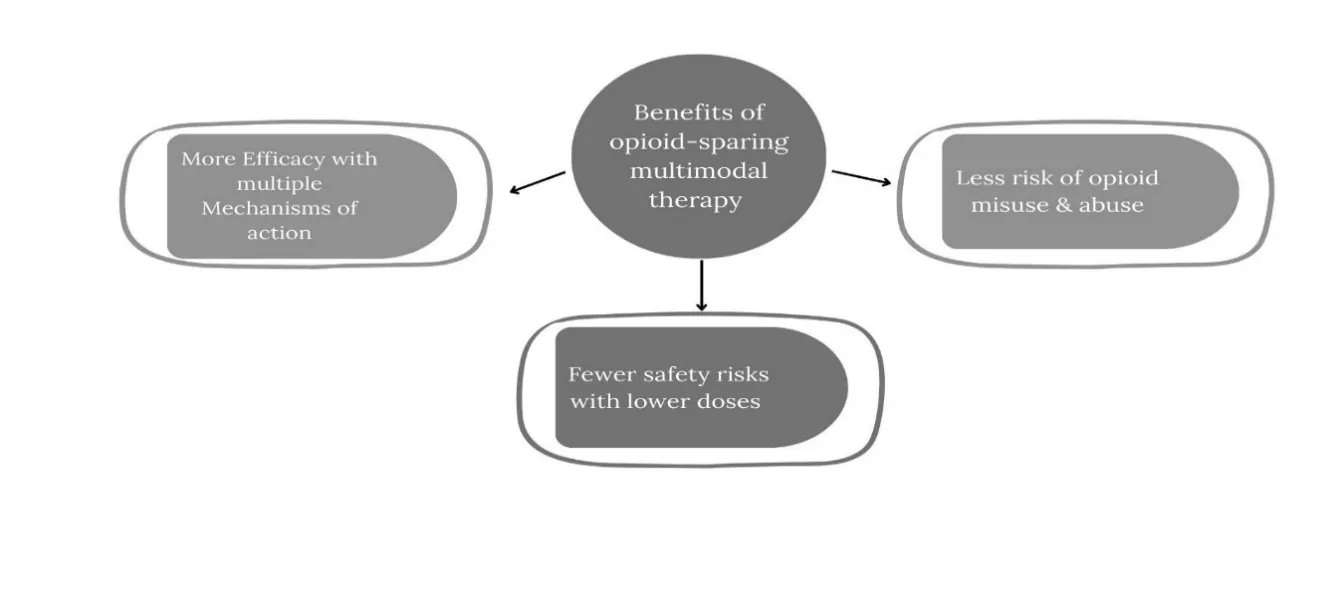
Figure 2: Benefits of opioid-sparing multimodal analgesia, highlighting improved efficacy through multiple mechanisms, reduced opioid misuse risk, and enhanced safety profile.
Discussion
Clinical Interpretation of Findings
This review emphasizes that although opioids continue to be effective for severe acute pain, their use should be progressively limited due to safety issues and minimal long-term advantages. Non-opioid analgesics and adjuvant therapies exhibit significant effectiveness in various pain contexts and offer considerable opioid-sparing advantages.
The evidence supports a shift away from pain management that focuses on opioids and toward pain management that uses multiple methods and is based on how the body works.
Relevance to Clinical Pharmacology Practice
From a clinical pharmacology standpoint, judicious analgesic selection must take into account the mechanism of action, safety profile, patient-specific variables, and the potential for long-term adverse effects. Non-opioid agents have good pharmacokinetic and pharmacodynamic profiles that are in line with the rules for safe prescribing and opioid stewardship. Adding these drugs to standard pain management plans may improve results and ease the burden on the healthcare system
Limitations of the Review
It is important to recognize a few limitations. First, the fact that the studies included had different types of pain, outcome measures, dosing regimens, and follow-up times makes direct comparison impossible. Second, a lot of meta-analyses only look at short-term results, and there isn't much long-term comparative data. Third, differences in the quality and reporting of studies may affect the pooled estimates. Even with these limitations, the overall conclusions are stronger because the findings are consistent across many systematic reviews.
Future Directions
Subsequent research should emphasize high-quality randomized controlled trials that directly compare opioid and non-opioid analgesic strategies across various pain conditions with extended follow-up. Furthermore, cost-effectiveness analyses and patient-reported outcomes ought to be amalgamated to guide clinical decision-making in real-world settings. The formulation of standardized multimodal analgesic protocols customized for distinct patient demographics constitutes a significant domain for future research.
CONCLUSION
Opioid analgesics are effective for relieving acute and severe pain, but they have serious side effects, little long-term benefit, and some people in India are addicted to or misuse them. Non-opioid analgesics and adjunct therapies provide similar analgesic effectiveness in numerous contexts, featuring enhanced safety profiles and considerable opioid-sparing capabilities. Systematic reviews and meta-analyses provide evidence advocating for a transition to multimodal and opioid-sparing pain management strategies. The logical incorporation of non-opioid analgesics into clinical practice signifies a pivotal advancement towards safer, evidence-based pharmacological pain management and the prevention of opioid analgesic addiction or misuse.
REFERENCES

Lavee Singh*, Dr. Neelam Balekar, Comparative Meta-Analysis Of Opioid And Non-Opioid Analgesics For The Pharmacological Management Of Pain, Int. J. of Pharm. Sci., 2026, Vol 4, Issue 8, 2121-2134. https://doi.org/ 10.5281/zenodo.21909026
 10.5281/zenodo.21909026