
View Article

Abstract

The Boraginaceae family includes the genus Cordia, comprising roughly 300 species distributed across tropical regions worldwide. In Asia, species such as Cordia dichotoma, C. myxa, C. sinensis, C. macleodii, and C. subcordata have long been valued in traditional medical systems including Ayurveda, Unani, and Siddha. This review focuses on these Asian species and explores their traditional uses, geographic distribution, chemical constituents, and experimentally validated biological activities. Traditional healers have used different parts of Cordia plants leaves, bark, fruits, and roots to manage digestive disorders, respiratory complaints, fevers, skin diseases, infections, and wounds. Modern phytochemical analyses using HPLC and GC-MS have shown that these plants contain flavonoids, phenolic acids, terpenoids, alkaloids, tannins, fatty acids, and phytosterols. Experimental studies have demonstrated antimicrobial, antioxidant, anti-inflammatory, hepatoprotective, wound-healing, and anticancer activities. In particular, C. dichotoma shows strong antioxidant and anticancer effects, C. myxa exhibits antimalarial and immunomodulatory activities, and C. macleodii displays antivenom and hepatoprotective properties. Because these plants are widely distributed across Asian regions, they represent promising candidates for affordable herbal medicine development. Nevertheless, well-designed clinical trials and comprehensive safety evaluations are required to develop standardized, evidence-based formulations from Cordia species.

Keywords

Cordia species, Traditional medicine, Pharmacological activities, Phytochemical constituents, Asian medicinal plants..

Introduction

× Popup Image

The genus Cordia comprises small to medium-sized trees that are widely distributed in tropical regions. These trees generally grow 5–10 meters tall, with a short trunk and a broad, spreading crown. They are mostly found growing wild and are rarely cultivated, often appearing as solitary plants. The bark is grayish-brown in color, either smooth or marked with longitudinal wrinkles. The flowers are white, pleasantly fragrant, and borne in loose clusters at the ends of branches or in the leaf axils, opening only during the night. The flowering season varies with location but typically occurs between February and May, followed by the production of small, cherry-like fruits. Fruiting takes place from March to June in some parts of India, while in other regions it extends from July to August. (1) The genus Cordia (L.) is a member of the Boraginaceae family, which includes around 2,300–2,700 species in total. Out of these, about 300 species are classified under the Cordia genus. These plants are widely distributed across tropical regions, particularly in parts of Africa, America, and Asia. (2)

Many plants are traditionally used to treat human diseases, including plants from the genus Cordia.(3) Medicines prepared from these plants are commonly used to treat pain, digestive and blood disorders, urogenital infections, influenza, cardiac and vascular diseases, cough, asthma, inflammation, worm infestation, ringworm,(4) syphilis, as well as dermal and mucosal lesions. The medicinal use of different parts (leaves, stem, stem bark, roots, flowers, and fruits) of Cordia species is due to the presence of diverse bioactive constituents, such as terpenoids,(5) cinnamates,(6) flavonoids, and pyrrolizidine alkaloids. Cordia species are a source of natural products with a wide range of pharmacological activities, including antimalarial, antioxidant, antiviral, and wound-healing properties.(5) They are promising sources for discovering and developing new drug formulations.(3)

GEOGRAPHICAL DISTRIBUTION OF SPECIES FOUND IN ASIA

The genus Cordia is distributed across regions with tropical and subtropical climates, including Central and South America, India, Asia, and Africa. From this so many species are also found in Asian countries. (7)


Table 1: Geographical distribution of different Cordia species


SPECIES NAME

GEOGRAPHICAL DISTRIBUTION

Cordia myxa

India, Iran and Pakistan and naturalized in southern Iran and Iraq, Arabia, some Mediterranean districts and in northern and tropical Africa. This Plant also occurs in Myanmar, Sri Lanka, China, and tropical Australia. (1,8)

Cordia dichotoma

Northern India, Pakistan, Nepal, Sri Lanka, Myanmar, The Philippines, China, Ryuku Islands, Taiwan, New Guinea, northern Australia and New Caledonia. (1,9)

Cordia sinensis

Egypt, Ethiopia, India, Israel, Jordan, Madagascar, Mozambique, Namibia, Pakistan, Senegal, Somalia, South Africa, Sri Lanka, Kenya, Sudan, Tanzania, Yemen and Zimbabwe. (1)

Cordia subcordata

Coasts of East Africa, India, Indochina, Singapore, Malesia, and islands of the Indian and Pacific Oceans. It occurs locally in some of the Southern Islands. (10)

Cordia fragrantissima

East Asia, northwest India (Assam) to Myanmar (Burma). (11)

Cordia macleodii

Widely distributed in Central India, Deccan, North Kanara, and the Carnatic region. (12)

Cordia diffusa

Very limited distribution in India (Southern Region, Coimbatore, Tamil Nadu). (13)


MEDICINAL HISTORY OF SPECIES FOUND IN ASIA

The genus Cordia was named in honor of Valerius Cordus, a German botanist and pharmacist. It comprises more than 300 species that are widely distributed across tropical regions of both hemispheres, including areas such as East Africa, Mexico, the West Indies, Central and South America, Pakistan, West Africa, Nigeria, Ghana, Sri Lanka, and India. Several species of Cordia have been traditionally used to manage different ailments in various systems of medicine. Notable examples include C. dichotoma, C. verbenacea, C. trichotoma, C. myxa, C. subcordata and C. sinensis. which are utilized in Ayurveda, Unani, and Siddha practices. (2,3)

Cordia dichotoma: Traditionally Various parts of this plant such as the stem, bark, fruit, flowers, roots, leaves, and sometimes the whole plant have been traditionally used to treat many health problems. (14) Its importance in ethnopharmacology goes back to ancient times, with seeds being used for their anti-inflammatory effects and fruits known for their expectorant, laxative, diuretic, and anthelmintic properties. (7)

In Ayurvedic practice, the leaves and stem bark are often used to manage conditions like dyspepsia, fever, diarrhea, and leprosy. (14,15) The bark is applied to boils and tumors to help them ripen and heal, and it is also used to ease headaches and stomach pain. Additionally, it is recognized for its antidyspeptic and febrifuge properties, with powdered bark used for mouth ulcers and infusions prepared for gargling. Bark juice mixed with coconut milk is given to relieve colicky pain.

Beyond digestive issues, the bark is used as a tonic in places like Java and Bengal, and in Java it is also applied to treat dysentery and fevers when combined with ingredients such as pomegranate rind. Some people rub the bark on their teeth to strengthen them, while the leaves are used to treat ulcers and headaches. The fruit, which contains a large amount of mucilage, is prescribed for coughs and ailments related to the chest, uterus, and urinary tract, and in larger doses, it works as a laxative. The plant’s uses vary across regions. In India, it is traditionally used to treat ulcerative colitis, ulcers, and colic pain. In Bengal, fresh fruit is taken as a laxative and to ease chest conditions. In Java, the fruit is used in treating gonorrhea, and in Punjab and Kashmir, dried fruits are commonly employed as an expectorant. (15)

Cordia myxa: The hepatoprotective, gastroprotective, and immunomodulatory effects of Cordia myxa L. fruit extracts have been evaluated in vivo. Traditionally, the fruits of this species are consumed for their medicinal properties, particularly in the treatment of respiratory and urinary infections, wounds, and for their anthelmintic and diuretic activities. Cordia myxa has long been used in traditional medicine for managing cough, chest complaints, and inflammations of the digestive and urinary tract, especially in tropical Africa and regions of the Near and Middle East, and it was also utilized in Western Europe during the 18th and early 19th centuries. (1,2)

C. sinensis: It is traditionally employed in the treatment of a wide range of ailments, including headaches, cough, chest complaints, fever, malaria, intestinal disorders, conjunctivitis, rheumatism, edema, gonorrhea, syphilis, rabies, sickle cell anemia, ulcers, toothache, and worm infestations, and it is also used as a diuretic. Both the roots and bark of this species are applied in managing various disorders in humans as well as in livestock. (1)

C. macleodii:  It is traditionally used for the treatment of bruises and swellings, and is also applied on wounds for its analgesic and antiseptic properties. (4)

3.SPECIES OF CORDIA GENUS FOUND IN ASIA

Cordia dichotoma:

COMMON NAME: English: Clammy Cherry, Indian cherry, Sebestan plum, Fragrant manjack (15,16); Gujrati: vadgundo, gunda (17); Hindi:  lasura/lasoda, bhokar, borla (16)
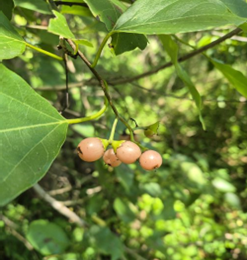


(Figure 1: Cordia dichotoma fruit)

TAXONOMICAL CLASSIFICATION: (16,18,19)                                                                                                                                                                                      

Kingdom

Plantae

Division

Magnoliophyta

Class

Dicotyledons

Subclass

Astaridae

Order

Lamiales

Family

Boraginaceae

Genus

Cordia

Species

Cordia dichotoma

                                                PHARMACOLOGICAL EFFECTS:

Cordia dichotoma has very wide range of pharmacological actions, which includes Normoglycemic and diabetes, Wound healing activity, Antimicrobial and antifungal activity, Analgesic, Degenerative disorder, Antidiabetic activity, Gastroprotective, Anti implantation activity(16), Anthelmintic activity(18), Anti-Inflammatory activity, Hepatoprotective activity(19), Antifertility activity, Antipyretic activity, Hypolipidemic Activity(20), Anti-cancer activity(21-23), Cytotoxicity(22),  Anti-oxidant(21,22,24), Anti-bacterial activity(25), Anti-depressant(26), Ulcerative colitis(27).

Besides these effects that are often mentioned some researchers have carried out studies to scientifically confirm the pharmacological properties of Cordia dichotoma such as:

Anti-cancer activity: Nazir Hussain et al. (2020) evaluated the antitumor activity of the methanolic extract of Cordia dichotoma bark using cancer cells in mice and human cell lines, and they concluded that it has significant anticancer effect. (21)

Abeer Y. Ibrahim et al. (2019) reported that the antitumor activity of the CDFP (Cordia Dichotoma Fruit Pulp) extract of Cordia dichotoma against Ehrlich ascites carcinoma (EAC) in mice is shown. (22)

Shilpa Raina et al. (2022) investigated the anticancer activity of Cordia dichotoma against a panel of human cancer cell lines and performed phytochemical profiling using HPLC and GC-MS methods. (23)

Anti-oxidant activity: Pankaj B. Nariya et al. (2013) investigated the in vitro antioxidant activity of Cordia dichotoma bark. Methanolic and butanol extracts were assessed using the DPPH (1,1, diphenyl–2, picrylhydrazyl) assay, revealing notable free radical–scavenging potential. (24)

Anti-bacterial activity: Saddam Hussain Bughio et al. (2023) analyzed hydro-distilled essential oils from the fruits, stems, seeds, and leaves of Cordia dichotoma using gas chromatography & mass spectrometry. Antibacterial activity against Escherichia coli and Staphylococcus aureus was assessed via the disc diffusion assay, and minimum inhibitory concentration (MIC) and maximum bactericidal concentration (MBC) were determined. (25)

Anti-depressant activity: Dr. Puneet Sudan et al. (2024) evaluated chloroform, ethanol, and aqueous leaf extracts of Cordia dichotoma for antidepressant activity using behavioral models and locomotor assessment in experimental animals, suggesting a potential antidepressant effect. (26)

Ulcerative colitis: Anjali B. Ganjare et al. (2011) extracted dried bark powder of Cordia dichotoma with methanol, fractionated the crude extract, and evaluated the fractions for ulcerative colitis activity. Assessment included macroscopic and histopathological examination of the colon, measurement of myeloperoxidase (MPO) and malondialdehyde (MDA) levels in colon and blood, and in vitro antioxidant screening. (27)

CHEMICAL CONSTITUENTS:

The main chemical constituents of Cordia dichotoma are Triterpenoids (α-amyrin, Botulin), Tannins (Gallic acid, Ellagic acid), Phenolic compound (Caffeic acid, Chlorogenic acid) (28), Flavonoids (Apigenin, Quercetin, Rutin, Hesperidin), Phytosterols (β-sitosterol, β-sitosterol-3 glucoside), Fatty acids (Palmitic acid, Stearic acid, Oleic acid, Linoleic acid), Sugars or Carbohydrates (Arabinoglucan, Arabinose). (16,29)

Cordia myxa:

COMMON NAME:  English: Assyrian-plum (30,31), glueberry, sapistan, selu; Arabic: bumber, makhet, dabag, megsas; Hindi: Gondi; French: bois savon, sébestier. (30,32)      
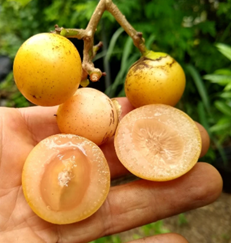


(Figure 2: Cordia myxa fruit)

Kingdom

Plantae

Subkingdom

Tracheobionta

Superdivision

Spermatophyta

Division

Magnoliophyta

Class

Magnoliopsida

Subclass

Asteridae

Order

Lamiales

Family

Boraginaceae

Genus

Cordia

Species

Cordia myxa

TAXONOMICAL CLASSIFICATION :(8,30,32)  

PHARMACOLOGICAL EFFECTS:

Cordia myxa shows wide range if pharmacological effects such as Immunomodulatory activity, Antiparasitic and insecticidal effect, Effect on blood pressure and respiratory functions, Anti-ulcer effect(30),  Anti-malarial activity(31),  Hypotensive, Cardioprotective Effect, Hepatoprotective Effect, Hematological Effects, Wound Healing properties(32), Anti-microbial activity(33), Anti-oxidant, Analgesic, Anti pyretic activity, Anti diabetic(34,35), Cytotoxicity(34,36), Anti-inflammatory activity(35,37) , Anti-bacterial activity (33,34,38).Besides these effects that are often mentioned some researchers have carried out studies to scientifically confirm the pharmacological properties of Cordia myxa such as:

Anti-malarial activity: Yufei Miao et al. (2024) investigated the anti-malarial potential of Cordia myxa using network pharmacology, molecular modeling, and machine learning. The study identified cosmosiin, stigmastanol, robinetin, and quercetin as key active constituents that may regulate Interleukin 6 (IL6) and Cysteine-aspartic acid protease 3 (CASP3), suggesting their potential as therapeutic targets for malaria treatment. (31)

Anti-oxidant activity: Mostafa H. Al-Musawi et al. (2023) evaluated the antioxidant activity of Cordia myxa fruit extract (CMF) by measuring its electron-donating ability using the 1,1-diphenyl-2-picrylhydrazyl (DPPH) assay. (34)

Khaled F. El-Massry et al. (2021) explored the potential of Cordia myxa fruit (CMF) extract for incorporation into functional foods. Due to its antioxidant properties and hydrophobic nature, micro- and nanoencapsulation techniques were used to enhance stability in food matrices. The extract’s antioxidant activities were evaluated using high-performance liquid chromatography (HPLC), ferric reducing antioxidant power (FRAP), and sulforhodamine B (SRB) assays, respectively. (36)

Anti-inflammatory activity: Enas R. Abdel-Aleem et al. (2019) extracted air-dried Cordia myxa leaves with 95% ethanol, fractionated them, and evaluated their anti-inflammatory activity using the carrageenan-induced paw edema method. (35)

Farida M. Al-Awadi et al. (2001) investigated the anti-inflammatory effects of Cordia myxa fruit on experimentally induced colitis in rats. (37)

Cytotoxicity: Mostafa H. Al-Musawi et al. (2022) evaluated the cytotoxic activity of Cordia myxa fruit extract (CMF) using the 3-(4,5-dimethylthiazol-2-yl)-2,5-diphenyltetrazolium (MTT) assay against a healthy fibroblast (L929) cell line. The results showed no significant antiproliferative effect, indicating low cytotoxicity toward L929 cells. (34)

Khaled F. El-Massry et al. (2021) evaluated the cytotoxic effects of Cordia myxa fruit extract (CMF) using the sulforhodamine B (SRB) assay. (36)

Anti-bacterial activity: Noor Riadh Taha et al. (2025) investigated the antibacterial efficacy of Cordia myxa fruit extract and its effect on the surface roughness of heat-cured acrylic denture base material. (38)

Matthieu Matcheme et al. (2023) evaluated antibacterial activity using the Muller–Hinton agar diffusion method against Salmonella typhi, Staphylococcus aureus, Vibrio cholerae, Pseudomonas aeruginosa, and Escherichia coli ATCC 25922. (39)

CHEMICAL CONSTITUENTS :(30,32,39)

The main chemical constituents of Cordia myxa include glycosides, alkaloids (pyrrolizidine and other nitrogen-containing compounds), flavonoids (rutin, hesperidin, taxifolin derivatives, quercetin), phenolic acids and tannins (gallic acid, ellagic acid), fatty acids and oils (palmitic acid, stearic acid, oleic acid, linoleic acid), terpenoids (lupeol derivatives), sterols (β-sitosterol), saponins, coumarins, gums and mucilage (arabinoglucan), sugars and carbohydrates (D-glucose, L-arabinose), minerals (sodium, calcium, potassium, iron, zinc), and other compounds such as allantoin and chlorophyll A.

Cordia sinensis:

COMMON NAME: English: Grey-leaved Cordia, Grey-leaved saucer-berry (40,41) woolly saucer-berry (41); Gujarati: Gundhi, Nana Gunda, Liar, Gundi, Liyaar (40); Hindi: Gondhi, Gundi;(40)
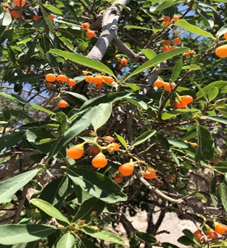


(Figure 3: Cordia sinensis)                                           

TAXONOMICAL CLASSIFICATION: (40,42)    


Kingdom

Plantae

Division

Magnoliophyta

Class

Magnoliopsida

Subclass

Magnoliidae

Order

Boraginales

Family

Boraginaceae

Genus

Cordia

Species

Cordia sinensis

PHARMACOLOGICAL EFFECTS:

Several studies have reported that Cordia sinensis exhibits diverse pharmacological activities such as Antioxidant (43,44), Antinflammatory (43), Cytotoxicity (45), Antiglycation (43,46), Anti-microbial activity (44,45), Antifungal, Insecticidal (46), Antibacterial activity, Immunomodular, Antitubercular activity, Cardioprotective, Hypoglycemic, and wound Healing (40). Anticarcinogenic (1)

In addition to its commonly reported effects, some researchers have conducted studies to scientifically confirm the pharmacological properties of Cordia sinensis, such as:

Anti-oxidant activity: Nawal Al-Musayeib et al. (2011) evaluated the antioxidant activities of isolated flavonoid and phenolic acid compounds using the DPPH radical scavenging test. (43)

Asghar Ali Shaikh et al. (2024) noted that phytochemicals such as flavonoids, terpenoids, and phenols are recognized as antioxidant sources with anti-free radical properties and are considered safe for consumption. (44)

Anti-inflammatory activity: Nawal Al-Musayeib et al. (2011) investigated Flavonoids and phenolic acid compounds for biological activity and observed significant anti-inflammatory effects in the carrageenan induced rat paw edema test. (43)

Anti-glycation activity: Nawal Al-Musayeib et al. (2011) further studied the antioxidant Flavonoids and phenolic acid compounds for their anti-glycation properties, and some showed significant anti-glycation inhibitory activity. (43)

Kehkashan Khan et al. reported that the n-hexane fraction significantly inhibited advanced glycation end products by 77.4% in the antiglycation assay, which was performed using the McPherson method with bovine serum albumin and glucose. (46)

Anti-microbial activity: Asghar Ali Shaikh et al. (2024) reported that acetone extracts of Cordia sinensis stems, leaves, and roots exhibited strong antibacterial activity against Staphylococcus aureus, Pseudomonas aeruginosa, and Klebsiella pneumoniae, along with antifungal activity against Aspergillus niger, Candida albicans, and Penicillium notatum. (44)

Ali Abdella Eltayeib et al. (2015) reported that higher concentrations of Cordia sinensis extracts showed stronger antimicrobial activity, with the methanolic extract being the most potent, followed by ethyl acetate, chloroform, and petroleum ether extracts. (45)

Antifungal and insecticidal activity: Kehkashan Khan et al. (2023) reported that the ethyl acetate fraction of Cordia sinensis exhibited significant insecticidal activity against Sitophilus oryzae and antifungal activity against Microsporum canis. (46)

Cytotoxicity: Ali Abdella Eltayeib et al. (2015) reported that all crude extracts of Cordia sinensis bark exhibited cytotoxic activity against brine shrimps, with moderate LD?? values, and noted that higher concentrations, particularly the methanolic extract, were more potent than other extracts. (45)

CHEMICAL CONSTITUENTS:

Cordia sinensis has the following chemical constituent such as phenolic compounds (trans-caffeic acid, methyl rosmarinate, rosmarinic acid), flavonoids (kaempferide-3-O-β-D-glucopyranoside, kaempferol-3-O-β-D-glucopyranoside, quercetin-3-O-β-D-glucopyranoside, kaempferide-3-O-α-L-rhamnopyranosyl (1→6)-β-D-glucopyranoside, kaempferol-3-O-α-L-rhamnopyranosyl (1→6)-β-D-glucopyranoside)(43), free fatty acids and fatty acid esters, hydrocarbons, terpenoids (terpenoid quinones, terpenoid hydroquinones), phytosterols and steroids, alkaloids, tannins ,glycosides, saponins and primary metabolites (proteins, total sugar, reducing sugar).(40,44)


Cordia macleodii:

COMMON NAME: Sanskrit:  Dadhimanth, Sitapatra; Hindi: Dahiman, Dahipalash, Dhengan, Gonni, Kuhman, Bohad, Daiwas, Dahichir; Tamil: Palandekku;(47,48) Odia: Baurlo, Bhoto, Panki, Shikari. (49)
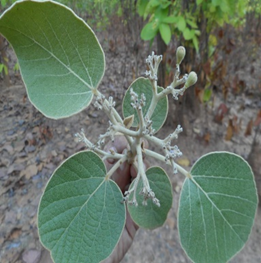


(Figure 4: Cordia macleodii)

TAXONOMICAL CLASSIFICATION: (47,48)                                           

Kingdom

Plantae

Division

Streptophyta

Class

Equisetopsida

Subclass

Magnoliidae

Order

Boraginales

Family

Boraginaceae

Genus

Cordia

Species

Cordia macleodii

PHARMACOLOGICAL EFFECTS:

Cordia macleodii has very wide range of pharmacological actions, such as Antivenom activity (50), Antimicrobial activity (51,52), Antihypertensive activity, Wound healing activity (51), Analgesic activity and acute toxicity, Anti-inflammatory activity, Antidepressant activity (47,48), Anti-bacterial activity, Anti-malarial activity and Anti-fungal Activity (49,52), Antioxidant activity (53), Hepatoprotective activity (53).

Beyond the commonly described effects, various studies have been undertaken to experimentally verify the pharmacological potential of Cordia macleodii, such as:

Antivenom activity: Pranay Soni et al. (2014) evaluated the antivenom potential of ethanolic bark extract of Cordia macleodii in Wistar rats and found it effectively neutralized Naja venom in accordance with WHO guidelines. (50)

Antimicrobial activity: Bhargav Bhide et al. (2010) evaluated the antimicrobial activity of Cordia macleodii using the agar disc diffusion method against clinically important bacteria, yeast, and fungal strains. (51)

Pankaj B. Nariya et al. (2010) reported that methanolic bark extract of Cordia macleodii showed significant antimicrobial activity, with stronger inhibition against Escherichia coli and Staphylococcus aureus compared to other tested bacteria. (52)

Wound healing activity: Bhargav Bhide et al. (2010) evaluated the wound healing activity of Cordia macleodii using excision, incision, and dead space wound models in Wistar rats, and found weak tensile strength promotion in incision wounds, no effect on excision wound contraction, and induction of neovascularization with ground substance formation in dead space wounds. (51)

Anti-fungal Activity: Pankaj B. Nariya et al. (2010) also found that the extract exhibited antifungal activity against Candida albicans and Aspergillus niger, comparable to standard antifungal agents. (52)

Antioxidant activity: Naseem N. Qureshi et al. (2009) reported that ethanolic leaf extract of Cordia macleodii showed significant dose-dependent antioxidant activity, demonstrated by 1,1-diphenyl-2-picryl hydrazyl (DPPH) radical scavenging assay, nitric oxide (NO) radical scavenging method, iron chelation method, and reducing power method, with results comparable to ascorbic acid. (53)

Hepatoprotective activity: Naseem N. Qureshi et al. (2009) also demonstrated that the extract exhibited hepatoprotective activity in carbon tetrachloride (CCl?)-induced liver damage in rats by reducing elevated serum glutamate pyruvate transaminase (SGPT), serum glutamate oxaloacetate transaminase (SGOT), alkaline phosphatase (ALP), and total bilirubin levels, with effects comparable to silymarin. (53)

CHEMICAL CONSTITUENTS:

The main chemical constituents of Cordia macleodii are flavonoids (quercetin, kaempferol), phenolic compounds and phenolic acids (ferulic acid, caffeic acid, chlorogenic acid, p-hydroxybenzoic acid, p-hydroxyphenyl lactic acid), tannins, glycosides, alkaloids, saponins, steroids/phytosterols (stigmasterol, cholest-5-en-3ol (3β)-carbonyl chlorinated, campesterol), terpenoids and triterpenoids, fatty acids (arachidic acid, linoleic acid, lauric acid, myristic acid, oleic acid, palmitic acid, ricinoleic acid, stearic acid), along with other compounds such as resin, fats, and fixed oils.(47-49)

Cordia subcordata:

COMMON NAME: English: Sea Trumpet, Beach Cordia; Papua New Guinea: Island Walnut, Kerosene Wood;(54) Hawaiian: Kou; Fijian: Tou (55)     
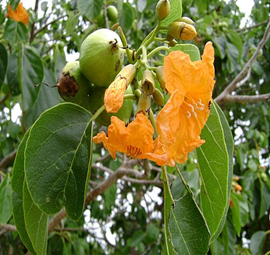


(Figure 5: Cordia subcordata)

TAXONOMICAL CLASSIFICATION:(54)                                                                   

Kingdom

Plantae

Subkingdom

Tracheobionta

Superdivision

Spermatophyta

Division

Magnoliophyta

Class

Magnoliopsida

Subclass

Asteridae

Order

Lamiales

Family

Boraginaceae

Genus

Cordia

Species

Cordia subcordata

PHARMACOLOGICAL EFFECTS:                                                      

Cordia subcordata possesses significant pharmacological properties, including antioxidant activity (54,56,57), antimicrobial activity, hepatoprotective activity, antibacterial activity, anti-inflammatory activity (54), to treat the hepatic infections. (56)

Experimental studies have been carried out to confirm the Antioxidant effects of Cordia subcordata, such as: [1] R. Gandhimathi et al. (2009) reported that the ethanol extract of Cordia subcordata protected red blood cells from carbon tetrachloride (CCl?) induced oxidative damage in rats by inhibiting lipid peroxidation, maintaining antioxidant enzyme activities (superoxide dismutase and catalase), and reducing membrane fluidity, indicating its erythrocyte-protective and antioxidant potential.(56)

[2] Marion Chambon et al. (2023) evaluated the antioxidant properties of Cordia subcordata extracts in vitro and identified 61 metabolites using HPLC-MS/MS. The extracts showed significant antioxidant activity, as measured by total phenolic content (TPC), DPPH radical scavenging, and ferric reducing antioxidant power (FRAP) assays. (57)

CHEMICAL CONSTITUENTS:

Preliminary phytochemical screening of its extracts has revealed glycosides, flavonoids, sterols, saponins, terpenoids, alkaloids, phenolic acids, and tannins, many of which are physiologically active and recognized for their potential therapeutic benefits. (54)

CONCLUSION

Asian Cordia species, particularly C. dichotoma, C. myxa, C. sinensis, C. macleodii, and C. subcordata, represent an important group of medicinal plants whose traditional uses are strongly supported by pharmacological evidence. These species show significant antimicrobial, antioxidant, anti-inflammatory, hepatoprotective, and anticancer activities, mainly due to their rich phytochemical composition, including flavonoids, phenolic compounds, terpenoids, and alkaloids. The close relationship between their use in traditional systems such as Ayurvedic, Unani, and Siddha medicine and modern scientific findings suggests that these remedies were effectively identified through generations of practice. Each species has its own unique chemical composition and mechanism of action, making them complementary rather than interchangeable in therapeutic use. Their wide distribution across Asia, along with strong cultural acceptance and proven biological activity, highlights their potential as valuable sources for developing affordable and scientifically validated herbal medicines, especially for improving healthcare access in resource-limited communities.

REFERENCES

  1. Ahuja, S. C., Ahuja, S., & Ahuja, U. (2020). Nutraceutical wild fruits of India – Lasora (Cordia) – History, origin and folklore. Scholars Academic Journal of Biosciences, 8(7), 187–209.   https://doi.org/10.36347/sajb.2020.v08i07.002
  2. Loor Constantine, S., Pazmiño Viteri, K., Vizuete, K., & Debut, A. (2023). A review of traditional uses and current applications of Cordia spp. (Boraginaceae) in the development of food and pharmaceutical products. Ethnobotany Research and Applications25, 1–32. https://ethnobotanyjournal.org/index.php/era/article/view/4357
  3. Dongmo Zeukang, R., Kalinski, J. C., Tembeni, B., et al. (2023). Quinones from Cordia species from 1972 to 2023: Isolation, structural diversity and pharmacological activities. Natural Products and Bioprospecting, 13, 52. https://doi.org/10.1007/s13659-023-00414-y
  4. Oza, M. J., & Kulkarni, Y. A. (2017). Traditional uses, phytochemistry and pharmacology of the medicinal species of the genus Cordia (Boraginaceae). The Journal of pharmacy and pharmacology69(7), 755–789. https://doi.org/10.1111/jphp.12715
  5. Dongmo Zeukang, R., Siwe-Noundou, X., Tagatsing Fotsing, M., Tabopda Kuiate, T., Mbafor, J. T., Krause, R. W. M., Choudhary, M. I., & Atchadé, A. T. (2019). Cordidepsine is A Potential New Anti-HIV Depsidone from Cordia millenii, Baker. Molecules (Basel, Switzerland)24(17), 3202. https://doi.org/10.3390/molecules24173202
  6. Bernard Dabole, Rostanie Zeukang, Alex de Theodore Atchade, Turibio Tabopda, Benoit Bargui Koubala, et al. (2016). Cinnamoyl Derivatives from Cordia Platythyrsa and Chemiotaxonomical Value of the Cordia Genus. Science Journal of Chemistry, 4(3), 36-40. https://doi.org/10.11648/j.sjc.20160403.12
  7. Matias, E. F. F., Alves, E. F., Silva, M. K. N., Carvalho, V. R. de A., Coutinho, H. D. M., & Costa, J. G. M. da. (2015). The genus Cordia: Botanists, ethno, chemical and pharmacological aspects. Revista Brasileira de Farmacognosia, 25(5), 542–552. https://doi.org/10.1016/j.bjp.2015.05.012
  8. Al-Khafaji, S. A. ., Alsaadawi, M. A. ., Al-Yasari, A. M. ., & Al-Saadawe, M. A. . (2021). Article Review: Cordia myxa L.: The Gift of the Nature, A Review. Basrah Journal of Agricultural Sciences34(2), 267–277. https://doi.org/10.37077/25200860.2021.34.2.20
  9. Gupta, R., & Gupta, G. D. (2015). A review on plant Cordia obliqua Wild. (Clammy cherry). Pharmacognosy reviews9(18), 127–131. https://doi.org/10.4103/0973-7847.162124
  10. National Parks Board. (2025, September 2). Cordia subcordata Lam. Retrieved September 8, 202. https://www.nparks.gov.sg/florafaunaweb/flora/2/8/2826
  11. Fern, K. (2025, September 8). Cordia fragrantissima. In Tropical Plants Database. Retrieved from https://tropical.theferns.info/viewtropical.php?id=Cordia+fragrantissima
  12. Ahirwar, K., Kumar, A., Nag, M., & Khan, J. (2023, April 1). Phytopharmacology and applications of Cordia macleodii: A miraculous plant. International Journal of Bio-Pharma Analysis and Science (IJBPAS), 12(4), 1519–1535.  from https://ijbpas.com/pdf/2023/April/MS_IJBPAS_2023_7018
  13. Arumugam, S., Sampath Kumar, K., Karthik, B., & Ravichandran, V. (2019). Cordia diffusa K.C. Jacob, the Kovai Manjack (Boraginaceae): A highly threatened steno-endemic species from Coimbatore City, Tamil Nadu, India. Journal of Threatened Taxa, 11(14). https://doi.org/10.11609/jott.5292.11.14.14870-14875
  14. Raghuvanshi, D., Sharma, K., Verma, R., Kumar, D., Kumar, H., Khan, A., Valko, M., Alomar, S. Y., Alwasel, S. H., Nepovimova, E., & Kuca, K. (2022). Phytochemistry, and pharmacological efficacy of Cordia dichotoma G. Forst. (Lashuda): A therapeutic medicinal plant of Himachal Pradesh. Biomedicine & pharmacotherapy = Biomedecine & pharmacotherapie153, 113400. https://doi.org/10.1016/j.biopha.2022.113400
  15. Sason, Rajveer, & Sharma, A. (2015). The Phytochemical & Pharmacological properties of Cordia dichotoma: A Review. AYUSHDHARA2(3). https://mail.ayushdhara.in/index.php/ayushdhara/article/view/59
  16. Jamkhande, P. G., Barde, S. R., Patwekar, S. L., & Tidke, P. S. (2013). Plant profile, phytochemistry and pharmacology of Cordia dichotoma (Indian cherry): a review. Asian Pacific journal of tropical biomedicine3(12), 1009–1016.https://doi.org/10.1016/S2221-1691(13)60194-X              
  17. Singh, A., Nagpoore, N. K., Singh, B. N., & Thakur, M. (2024). Comprehensive analysis of micro and macro-minerals, phytochemicals and proximate composition of Cordia dichotoma G. forst fruits. Journal of food science and technology61(9), 1790–1799. https://doi.org/10.1007/s13197-024-05957-7
  18. Sagar, A. V., & Srivani, A. (2025). Cordia dichotoma: A comprehensive review of its phytochemistry, traditional uses and therapeutic potential. International Journal of Pharmacology and Clinical Research, 7(1), 293–303. https://doi.org/10.33545/26647613.2025.v7.i1d.80
  19. Hussain, N., & Kakoti, B. B. (2013). Review on ethnobotany and phytopharmacology of Cordia dichotoma. Journal of Drug Delivery & Therapeutics, 3(1), 110–113. 10.22270/jddt.v3i1.386
  20. Prajapati, S. K., Kar, M., Maurya, S. D., Pandey, R., & Dhakar, R. C. (2017). Exploring phytochemicals and pharmacological uses of Cordia dichotoma (Indian cherry): A review. Journal of Drug Delivery and Therapeutics, 7(6), 125–131. http://dx.doi.org/10.22270/jddt.v7i6.1438
  21. Hussain, N., Kakoti, B. B., Rudrapal, M., Juneja, J. A., Laskar, M. A., Lal, M., & Sarwa, K. K. (2020). Anticancer and antioxidant activities of Cordia dichotoma Forst. International Journal of Green Pharmacy, 14(3), 265–273. https://doi.org/10.22377/ijgp.v14i03.2940
  22. Ibrahim, A. Y., El-Newary, S. A., & Ibrahim, G. E. (2019). Antioxidant, cytotoxicity and anti-tumor activity of Cordia dichotoma fruits accompanied with its volatile and sugar composition. Annals of Agricultural Sciences, 64(1), 29–37. https://doi.org/10.1016/j.aoas.2019.05.008
  23. Raina, S., Sharma, V., Sheikh, Z. N., Kour, N., Singh, S. K., Zari, A., Zari, T. A., Alharby, H. F., & Hakeem, K. R. (2022). Anticancer activity of Cordia dichotoma against a panel of human cancer cell lines and their phytochemical profiling via HPLC and GC–MS. Molecules, 27(7), 2185. https://doi.org/10.3390/molecules27072185
  24. Nariya, P. B., Bhalodia, N. R., Shukla, V. J., Acharya, R., & Nariya, M. B. (2013). In vitro evaluation of antioxidant activity of Cordia dichotoma (Forst f.) bark. Ayu, 34(1), 124–128. https://doi.org/10.4103/0974-8520.115451
  25. Bughio, S. H., Bhatti, S., Memon, S., Memon, A. A., Samejo, M. Q., Memon, R., Kazi, M., & Thebo, K. H. (2024). Phytochemical and antibacterial assessment of essential oils extracted from aerial parts of Cordia dichotoma G. Forst. International Journal of Food Properties, 27(1), 632–640. https://doi.org/10.1080/10942912.2024.2344556
  26. Sudan, P., Jallepalli, V. R., Ramu, B., Bhongiri, B., Kumar, S. D. S., Kumar, M. S., & Kumar, V. R. (2024). Evaluation of antidepressant activity and phytochemical screening of Cordia dichotoma. Chinese Journal of Applied Physiology, 40, e20240020. https://doi.org/10.62958/j.cjap.2024.020
  27. Ganjare, A. B., Nirmal, S. A., Rub, R. A., Patil, A. N., & Pattan, S. R. (2011). Use of Cordia dichotoma bark in the treatment of ulcerative colitis. Pharmaceutical Biology, 49(8), 850–855. https://doi.org/10.3109/13880209.2010.551539
  28. Ganjare, A., & Raut, N. (2019). Phytochemical and pharmacological properties of Cordia dichotoma (Bhokar): A short review. Asian Journal of Pharmacy and Pharmacology, 5(5), 858–865. https://doi.org/10.31024/ajpp.2019.5.5.1
  29. Ragasa, C. Y., Ebajo Jr., V., De Los Reyes, M. M., Mandia, E. H., Tan, M. C. S., Brklja?a, R., & Urban, S. (2015). Chemical constituents of Cordia dichotoma G. Forst. Journal of Applied Pharmaceutical Science, 5(Suppl 2), 16–21. https://doi.org/10.7324/JAPS.2015.58.S3
  30. Al-Snafi, A. E. (2016). The pharmacological and therapeutic importance of Cordia myxa: A review. IOSR Journal of Pharmacy, 6(6-3), 47–57. https://www.iosrphr.org
  31. Miao, Y., Liu, W., Alsallameh, S. M. S., Alshammari, E. M., Alfaifi, M. Y., & Aljohani, A. S. (2024). Unraveling Cordia myxa’s anti-malarial potential: Integrative insights from network pharmacology, molecular modeling, and machine learning. BMC Infectious Diseases, 24, 1180. https://doi.org/10.1186/s12879-024-10078-9
  32. Wani, A. Y., Khaliq, R., Kousar, N., & Pundir, S. (2023). The pharmacognostic profile and pharmacological importance of Cordia myxa: A review. Computational Algorithms and Numerical Dimensions, 2(3), 186–194. https://doi.org/10.22105/cand.2024.437572.1086
  33. Bhardwaj, V. (2024). Assyrian plum (Cordia myxa): A valuable ethnomedicinal plant. Journal of Pharmacology and Pharmacotherapeutics, 1(1), Article 1001.
  34. Al-Musawi, M. H., Ibrahim, K. M., & Albukhaty, S. (2022). In vitro study of antioxidant, antibacterial, and cytotoxicity properties of Cordia myxa fruit extract. Iranian Journal of Microbiology, 14(1), 97–103. http://ijm.tums.ac.ir
  35. Abdel-Aleem, E. R., Attia, E. Z., Farag, F. F., El-Wakil, E. A., & El-Hefnawy, H. M. (2019). Total phenolic and flavonoid contents and antioxidant, anti-inflammatory, analgesic, antipyretic and antidiabetic activities of Cordia myxa L. leaves. Clinical Phytoscience, 5, 29. https://doi.org/10.1186/s40816-019-0125-z
  36. El-Massry, K. F., Farouk, A., Mahmoud, K. F., El-Ghorab, A. H., M., S. S., Musa, A., Mostafa, E. M., Ghoneim, M. M., Naguib, I. A., & Abdelgawad, M. A. (2021). Chemical characteristics and targeted encapsulated Cordia myxa fruits extracts nanoparticles for antioxidant and cytotoxicity potentials. Saudi Journal of Biological Sciences, 28(9), 5349–5358. https://doi.org/10.1016/j.sjbs.2021.05.064
  37. Al-Awadi, F. M., Srikumar, T. S., Anim, J. T., & Khan, I. (2001). Anti-inflammatory effects of Cordia myxa fruit on experimentally induced colitis in rats. Nutrition, 17(5), 391–396. https://doi.org/10.1016/S0899-9007(01)00517-2
  38. Taha, N. R., & Abass, S. M. (2025). Cordia myxa fruit extract antibacterial efficacy and its effect on the surface roughness of heat-cured acrylic denture base material. Prosthesis, 7(3), 48. https://doi.org/10.3390/prosthesis7030048
  39. Matcheme, M., Dabolé, B., Moussa, D., Nyemb, J. N., Emmanuel, T., Laurent, S., & Venditti, A. (2023). Chemical constituents from Cordia myxa L. (Boraginaceae) and their antibacterial activity. Natural Product Research, 39(4), 725–733. https://doi.org/10.1080/14786419.2023.2288928
  40. Rawal, P., Jayaseelan, K., Mandal, S. K., & Abdel-Gawad, H. (2024). Exploring the therapeutic potential of Cordia sinensis Lam.: A review of its pharmacology and phytochemistry. Egyptian Journal of Chemistry, 67(11), 45–55. http://ejchem.journals.ekb.eg/
  41. Rawal, P., Jayaseelan, K., & Ashok, P. (2024). Standardizing Cordia sinensis Lam. stems: Microscopic analysis and TLC fingerprinting of phenolics and flavonoids. Pharmacognosy Journal, 16(6), 1264–1271. https://doi.org/10.5530/pj.2024.16.205
  42. POWO. (2025). Plants of the World Online. Facilitated by the Royal Botanic Gardens, Kew. Retrieved November 30, 2025, from https://powo.science.kew.org/
  43. Al-Musayeib, N., Perveen, S., Fatima, I., Nasir, M., & Hussain, A. (2011). Antioxidant, anti-glycation and anti-inflammatory activities of phenolic constituents from Cordia sinensis. Molecules, 16, 10214–10226. https://doi.org/10.3390/molecules161210214
  44. Shaikh, A. A., Naqvi, S. H. A., Siddiqui, K., Korejo, F., Palh, Z. A., Dahri, A. S., Rafiq, M., & Ali, S. (2024). Bioactive compounds, antioxidant and antimicrobial attributes of Cordia sinensis Lam. Journal of Applied Research in Plant Sciences, 5(2), 170–182. https://doi.org/10.38211/joarps.2024.05.247
  45. Eltayeib, A. A., & Ishag, W. (2015). Phytochemical screening, antimicrobial, antioxidant and cytotoxicity activities of bark's crude extracts of Cordia sinensis. Advancement in Medicinal Plant Research, 3(2), 39–45.
  46. Khan, K., Rasheed, M., Nadir, M., Firdous, S., & Faizi, S. (2019). GC-MS & preliminary screening profile of Cordia sinensis leaves – antiglycation, antifungal and insecticidal agents. Natural Product Research, 35(7), 1212–1216. https://doi.org/10.1080/14786419.2019.1641809
  47. Sikarwar, R. L. S., & Chopade, B. A. (2024). Cordia macleodii (Griff.) Hook. f. & Thomson (Boraginaceae) – A comprehensive review. Indian Journal of Natural Products and Resources, 15(3), 347–356. https://doi.org/10.56042/ijnpr.v15i3.6285
  48. Ahirwar, K., Khan, J., Kumar, A., & Nag, M. (2025). Current review on ethnopharmacological approach on medicinal value of Cordia macleodii as a traditional herb of importance. Pharmacognosy Magazine, 21, 1–10. https://doi.org/10.1177/09731296251330393
  49. Mohanta, S. K., Mahakur, B., Bedaprabha, A., Madkami, S. K., & Barik, D. P. (2025). Endangered ethno-medicinal plant, Cordia macleodii (Griff.) Hook. f. and Thomson – A brief review. International Journal of Pharmaceutical Sciences and Research, 16(5), 1223–1229. https://doi.org/10.13040/IJPSR.0975-8232.16(5).1223-29
  50. Soni, P., & Bodakhe, S. H. (2014). Antivenom potential of ethanolic extract of Cordia macleodii bark against Naja venom. Asian Pacific Journal of Tropical Biomedicine, 4(Suppl. 1), S449–S454. https://doi.org/10.12980/APJTB.4.2014C1048
  51. Bhide, B., Ashok, B. K., Acharya, R. N., & Ravishankar, B. (2011). Anti-microbial and wound healing activities of Cordia macleodii Hook. f. & Thoms. leaves. Indian Journal of Natural Products and Resources, 1(2), 198–203.
  52. Nariya, P. B., Bhalodia, N. R., Shukla, V. J., & Nariya, M. B. (2010). In vitro evaluation of antimicrobial and antifungal activity of Cordia macleodii bark (Hook. f. & Thomson). International Journal of PharmTech Research, 2(4), 2522–2526.
  53. Qureshi, N. N., Kuchekar, B. S., Logade, N. A., & Haleem, M. A. (2009). Antioxidant and hepatoprotective activity of Cordia macleodii leaves. Saudi Pharmaceutical Journal, 17, 299–302. https://doi.org/10.1016/j.jsps.2009.10.007
  54. Patil, V. P., & Khulbe, P. (2025). Phytochemical and biological properties of Cordia subcordata Lam — a review. SGVU Journal of Pharmaceutical Research & Education, 10(2), 1106–1131.
  55. Friday, J. B., & Okano, D. (2006). Cordia subcordata (kou) (ver. 3.1). In C. R. Elevitch (Ed.), Species profiles for Pacific Island agroforestry. Permanent Agriculture Resources (PAR). http://www.traditionaltree.org
  56. Gandhimathi, R., & Saravana Kumar, A. (2009). Evaluation of antioxidant activity of Cordia subcordata Lam. against carbon tetrachloride (CCl?) induced erythrocyte damage in rats. Pharmacologyonline, 2, 720–727.
  57. Chambon, M., Ho, R., Baghdikian, B., Herbette, G., Garayev, E., & Raharivelomanana, P. (2023). Identification of antioxidant metabolites from five plants (Calophyllum inophyllum, Gardenia taitensis, Curcuma longa, Cordia subcordata, Ficus prolixa) of the Polynesian pharmacopoeia and cosmetopoeia for skin care. Antioxidants, 12(10), 1870. https://doi.org/10.3390/antiox12101870.

Reference

  1. Ahuja, S. C., Ahuja, S., & Ahuja, U. (2020). Nutraceutical wild fruits of India – Lasora (Cordia) – History, origin and folklore. Scholars Academic Journal of Biosciences, 8(7), 187–209.   https://doi.org/10.36347/sajb.2020.v08i07.002
  2. Loor Constantine, S., Pazmiño Viteri, K., Vizuete, K., & Debut, A. (2023). A review of traditional uses and current applications of Cordia spp. (Boraginaceae) in the development of food and pharmaceutical products. Ethnobotany Research and Applications25, 1–32. https://ethnobotanyjournal.org/index.php/era/article/view/4357
  3. Dongmo Zeukang, R., Kalinski, J. C., Tembeni, B., et al. (2023). Quinones from Cordia species from 1972 to 2023: Isolation, structural diversity and pharmacological activities. Natural Products and Bioprospecting, 13, 52. https://doi.org/10.1007/s13659-023-00414-y
  4. Oza, M. J., & Kulkarni, Y. A. (2017). Traditional uses, phytochemistry and pharmacology of the medicinal species of the genus Cordia (Boraginaceae). The Journal of pharmacy and pharmacology69(7), 755–789. https://doi.org/10.1111/jphp.12715
  5. Dongmo Zeukang, R., Siwe-Noundou, X., Tagatsing Fotsing, M., Tabopda Kuiate, T., Mbafor, J. T., Krause, R. W. M., Choudhary, M. I., & Atchadé, A. T. (2019). Cordidepsine is A Potential New Anti-HIV Depsidone from Cordia millenii, Baker. Molecules (Basel, Switzerland)24(17), 3202. https://doi.org/10.3390/molecules24173202
  6. Bernard Dabole, Rostanie Zeukang, Alex de Theodore Atchade, Turibio Tabopda, Benoit Bargui Koubala, et al. (2016). Cinnamoyl Derivatives from Cordia Platythyrsa and Chemiotaxonomical Value of the Cordia Genus. Science Journal of Chemistry, 4(3), 36-40. https://doi.org/10.11648/j.sjc.20160403.12
  7. Matias, E. F. F., Alves, E. F., Silva, M. K. N., Carvalho, V. R. de A., Coutinho, H. D. M., & Costa, J. G. M. da. (2015). The genus Cordia: Botanists, ethno, chemical and pharmacological aspects. Revista Brasileira de Farmacognosia, 25(5), 542–552. https://doi.org/10.1016/j.bjp.2015.05.012
  8. Al-Khafaji, S. A. ., Alsaadawi, M. A. ., Al-Yasari, A. M. ., & Al-Saadawe, M. A. . (2021). Article Review: Cordia myxa L.: The Gift of the Nature, A Review. Basrah Journal of Agricultural Sciences34(2), 267–277. https://doi.org/10.37077/25200860.2021.34.2.20
  9. Gupta, R., & Gupta, G. D. (2015). A review on plant Cordia obliqua Wild. (Clammy cherry). Pharmacognosy reviews9(18), 127–131. https://doi.org/10.4103/0973-7847.162124
  10. National Parks Board. (2025, September 2). Cordia subcordata Lam. Retrieved September 8, 202. https://www.nparks.gov.sg/florafaunaweb/flora/2/8/2826
  11. Fern, K. (2025, September 8). Cordia fragrantissima. In Tropical Plants Database. Retrieved from https://tropical.theferns.info/viewtropical.php?id=Cordia+fragrantissima
  12. Ahirwar, K., Kumar, A., Nag, M., & Khan, J. (2023, April 1). Phytopharmacology and applications of Cordia macleodii: A miraculous plant. International Journal of Bio-Pharma Analysis and Science (IJBPAS), 12(4), 1519–1535.  from https://ijbpas.com/pdf/2023/April/MS_IJBPAS_2023_7018
  13. Arumugam, S., Sampath Kumar, K., Karthik, B., & Ravichandran, V. (2019). Cordia diffusa K.C. Jacob, the Kovai Manjack (Boraginaceae): A highly threatened steno-endemic species from Coimbatore City, Tamil Nadu, India. Journal of Threatened Taxa, 11(14). https://doi.org/10.11609/jott.5292.11.14.14870-14875
  14. Raghuvanshi, D., Sharma, K., Verma, R., Kumar, D., Kumar, H., Khan, A., Valko, M., Alomar, S. Y., Alwasel, S. H., Nepovimova, E., & Kuca, K. (2022). Phytochemistry, and pharmacological efficacy of Cordia dichotoma G. Forst. (Lashuda): A therapeutic medicinal plant of Himachal Pradesh. Biomedicine & pharmacotherapy = Biomedecine & pharmacotherapie153, 113400. https://doi.org/10.1016/j.biopha.2022.113400
  15. Sason, Rajveer, & Sharma, A. (2015). The Phytochemical & Pharmacological properties of Cordia dichotoma: A Review. AYUSHDHARA2(3). https://mail.ayushdhara.in/index.php/ayushdhara/article/view/59
  16. Jamkhande, P. G., Barde, S. R., Patwekar, S. L., & Tidke, P. S. (2013). Plant profile, phytochemistry and pharmacology of Cordia dichotoma (Indian cherry): a review. Asian Pacific journal of tropical biomedicine3(12), 1009–1016.https://doi.org/10.1016/S2221-1691(13)60194-X              
  17. Singh, A., Nagpoore, N. K., Singh, B. N., & Thakur, M. (2024). Comprehensive analysis of micro and macro-minerals, phytochemicals and proximate composition of Cordia dichotoma G. forst fruits. Journal of food science and technology61(9), 1790–1799. https://doi.org/10.1007/s13197-024-05957-7
  18. Sagar, A. V., & Srivani, A. (2025). Cordia dichotoma: A comprehensive review of its phytochemistry, traditional uses and therapeutic potential. International Journal of Pharmacology and Clinical Research, 7(1), 293–303. https://doi.org/10.33545/26647613.2025.v7.i1d.80
  19. Hussain, N., & Kakoti, B. B. (2013). Review on ethnobotany and phytopharmacology of Cordia dichotoma. Journal of Drug Delivery & Therapeutics, 3(1), 110–113. 10.22270/jddt.v3i1.386
  20. Prajapati, S. K., Kar, M., Maurya, S. D., Pandey, R., & Dhakar, R. C. (2017). Exploring phytochemicals and pharmacological uses of Cordia dichotoma (Indian cherry): A review. Journal of Drug Delivery and Therapeutics, 7(6), 125–131. http://dx.doi.org/10.22270/jddt.v7i6.1438
  21. Hussain, N., Kakoti, B. B., Rudrapal, M., Juneja, J. A., Laskar, M. A., Lal, M., & Sarwa, K. K. (2020). Anticancer and antioxidant activities of Cordia dichotoma Forst. International Journal of Green Pharmacy, 14(3), 265–273. https://doi.org/10.22377/ijgp.v14i03.2940
  22. Ibrahim, A. Y., El-Newary, S. A., & Ibrahim, G. E. (2019). Antioxidant, cytotoxicity and anti-tumor activity of Cordia dichotoma fruits accompanied with its volatile and sugar composition. Annals of Agricultural Sciences, 64(1), 29–37. https://doi.org/10.1016/j.aoas.2019.05.008
  23. Raina, S., Sharma, V., Sheikh, Z. N., Kour, N., Singh, S. K., Zari, A., Zari, T. A., Alharby, H. F., & Hakeem, K. R. (2022). Anticancer activity of Cordia dichotoma against a panel of human cancer cell lines and their phytochemical profiling via HPLC and GC–MS. Molecules, 27(7), 2185. https://doi.org/10.3390/molecules27072185
  24. Nariya, P. B., Bhalodia, N. R., Shukla, V. J., Acharya, R., & Nariya, M. B. (2013). In vitro evaluation of antioxidant activity of Cordia dichotoma (Forst f.) bark. Ayu, 34(1), 124–128. https://doi.org/10.4103/0974-8520.115451
  25. Bughio, S. H., Bhatti, S., Memon, S., Memon, A. A., Samejo, M. Q., Memon, R., Kazi, M., & Thebo, K. H. (2024). Phytochemical and antibacterial assessment of essential oils extracted from aerial parts of Cordia dichotoma G. Forst. International Journal of Food Properties, 27(1), 632–640. https://doi.org/10.1080/10942912.2024.2344556
  26. Sudan, P., Jallepalli, V. R., Ramu, B., Bhongiri, B., Kumar, S. D. S., Kumar, M. S., & Kumar, V. R. (2024). Evaluation of antidepressant activity and phytochemical screening of Cordia dichotoma. Chinese Journal of Applied Physiology, 40, e20240020. https://doi.org/10.62958/j.cjap.2024.020
  27. Ganjare, A. B., Nirmal, S. A., Rub, R. A., Patil, A. N., & Pattan, S. R. (2011). Use of Cordia dichotoma bark in the treatment of ulcerative colitis. Pharmaceutical Biology, 49(8), 850–855. https://doi.org/10.3109/13880209.2010.551539
  28. Ganjare, A., & Raut, N. (2019). Phytochemical and pharmacological properties of Cordia dichotoma (Bhokar): A short review. Asian Journal of Pharmacy and Pharmacology, 5(5), 858–865. https://doi.org/10.31024/ajpp.2019.5.5.1
  29. Ragasa, C. Y., Ebajo Jr., V., De Los Reyes, M. M., Mandia, E. H., Tan, M. C. S., Brklja?a, R., & Urban, S. (2015). Chemical constituents of Cordia dichotoma G. Forst. Journal of Applied Pharmaceutical Science, 5(Suppl 2), 16–21. https://doi.org/10.7324/JAPS.2015.58.S3
  30. Al-Snafi, A. E. (2016). The pharmacological and therapeutic importance of Cordia myxa: A review. IOSR Journal of Pharmacy, 6(6-3), 47–57. https://www.iosrphr.org
  31. Miao, Y., Liu, W., Alsallameh, S. M. S., Alshammari, E. M., Alfaifi, M. Y., & Aljohani, A. S. (2024). Unraveling Cordia myxa’s anti-malarial potential: Integrative insights from network pharmacology, molecular modeling, and machine learning. BMC Infectious Diseases, 24, 1180. https://doi.org/10.1186/s12879-024-10078-9
  32. Wani, A. Y., Khaliq, R., Kousar, N., & Pundir, S. (2023). The pharmacognostic profile and pharmacological importance of Cordia myxa: A review. Computational Algorithms and Numerical Dimensions, 2(3), 186–194. https://doi.org/10.22105/cand.2024.437572.1086
  33. Bhardwaj, V. (2024). Assyrian plum (Cordia myxa): A valuable ethnomedicinal plant. Journal of Pharmacology and Pharmacotherapeutics, 1(1), Article 1001.
  34. Al-Musawi, M. H., Ibrahim, K. M., & Albukhaty, S. (2022). In vitro study of antioxidant, antibacterial, and cytotoxicity properties of Cordia myxa fruit extract. Iranian Journal of Microbiology, 14(1), 97–103. http://ijm.tums.ac.ir
  35. Abdel-Aleem, E. R., Attia, E. Z., Farag, F. F., El-Wakil, E. A., & El-Hefnawy, H. M. (2019). Total phenolic and flavonoid contents and antioxidant, anti-inflammatory, analgesic, antipyretic and antidiabetic activities of Cordia myxa L. leaves. Clinical Phytoscience, 5, 29. https://doi.org/10.1186/s40816-019-0125-z
  36. El-Massry, K. F., Farouk, A., Mahmoud, K. F., El-Ghorab, A. H., M., S. S., Musa, A., Mostafa, E. M., Ghoneim, M. M., Naguib, I. A., & Abdelgawad, M. A. (2021). Chemical characteristics and targeted encapsulated Cordia myxa fruits extracts nanoparticles for antioxidant and cytotoxicity potentials. Saudi Journal of Biological Sciences, 28(9), 5349–5358. https://doi.org/10.1016/j.sjbs.2021.05.064
  37. Al-Awadi, F. M., Srikumar, T. S., Anim, J. T., & Khan, I. (2001). Anti-inflammatory effects of Cordia myxa fruit on experimentally induced colitis in rats. Nutrition, 17(5), 391–396. https://doi.org/10.1016/S0899-9007(01)00517-2
  38. Taha, N. R., & Abass, S. M. (2025). Cordia myxa fruit extract antibacterial efficacy and its effect on the surface roughness of heat-cured acrylic denture base material. Prosthesis, 7(3), 48. https://doi.org/10.3390/prosthesis7030048
  39. Matcheme, M., Dabolé, B., Moussa, D., Nyemb, J. N., Emmanuel, T., Laurent, S., & Venditti, A. (2023). Chemical constituents from Cordia myxa L. (Boraginaceae) and their antibacterial activity. Natural Product Research, 39(4), 725–733. https://doi.org/10.1080/14786419.2023.2288928
  40. Rawal, P., Jayaseelan, K., Mandal, S. K., & Abdel-Gawad, H. (2024). Exploring the therapeutic potential of Cordia sinensis Lam.: A review of its pharmacology and phytochemistry. Egyptian Journal of Chemistry, 67(11), 45–55. http://ejchem.journals.ekb.eg/
  41. Rawal, P., Jayaseelan, K., & Ashok, P. (2024). Standardizing Cordia sinensis Lam. stems: Microscopic analysis and TLC fingerprinting of phenolics and flavonoids. Pharmacognosy Journal, 16(6), 1264–1271. https://doi.org/10.5530/pj.2024.16.205
  42. POWO. (2025). Plants of the World Online. Facilitated by the Royal Botanic Gardens, Kew. Retrieved November 30, 2025, from https://powo.science.kew.org/
  43. Al-Musayeib, N., Perveen, S., Fatima, I., Nasir, M., & Hussain, A. (2011). Antioxidant, anti-glycation and anti-inflammatory activities of phenolic constituents from Cordia sinensis. Molecules, 16, 10214–10226. https://doi.org/10.3390/molecules161210214
  44. Shaikh, A. A., Naqvi, S. H. A., Siddiqui, K., Korejo, F., Palh, Z. A., Dahri, A. S., Rafiq, M., & Ali, S. (2024). Bioactive compounds, antioxidant and antimicrobial attributes of Cordia sinensis Lam. Journal of Applied Research in Plant Sciences, 5(2), 170–182. https://doi.org/10.38211/joarps.2024.05.247
  45. Eltayeib, A. A., & Ishag, W. (2015). Phytochemical screening, antimicrobial, antioxidant and cytotoxicity activities of bark's crude extracts of Cordia sinensis. Advancement in Medicinal Plant Research, 3(2), 39–45.
  46. Khan, K., Rasheed, M., Nadir, M., Firdous, S., & Faizi, S. (2019). GC-MS & preliminary screening profile of Cordia sinensis leaves – antiglycation, antifungal and insecticidal agents. Natural Product Research, 35(7), 1212–1216. https://doi.org/10.1080/14786419.2019.1641809
  47. Sikarwar, R. L. S., & Chopade, B. A. (2024). Cordia macleodii (Griff.) Hook. f. & Thomson (Boraginaceae) – A comprehensive review. Indian Journal of Natural Products and Resources, 15(3), 347–356. https://doi.org/10.56042/ijnpr.v15i3.6285
  48. Ahirwar, K., Khan, J., Kumar, A., & Nag, M. (2025). Current review on ethnopharmacological approach on medicinal value of Cordia macleodii as a traditional herb of importance. Pharmacognosy Magazine, 21, 1–10. https://doi.org/10.1177/09731296251330393
  49. Mohanta, S. K., Mahakur, B., Bedaprabha, A., Madkami, S. K., & Barik, D. P. (2025). Endangered ethno-medicinal plant, Cordia macleodii (Griff.) Hook. f. and Thomson – A brief review. International Journal of Pharmaceutical Sciences and Research, 16(5), 1223–1229. https://doi.org/10.13040/IJPSR.0975-8232.16(5).1223-29
  50. Soni, P., & Bodakhe, S. H. (2014). Antivenom potential of ethanolic extract of Cordia macleodii bark against Naja venom. Asian Pacific Journal of Tropical Biomedicine, 4(Suppl. 1), S449–S454. https://doi.org/10.12980/APJTB.4.2014C1048
  51. Bhide, B., Ashok, B. K., Acharya, R. N., & Ravishankar, B. (2011). Anti-microbial and wound healing activities of Cordia macleodii Hook. f. & Thoms. leaves. Indian Journal of Natural Products and Resources, 1(2), 198–203.
  52. Nariya, P. B., Bhalodia, N. R., Shukla, V. J., & Nariya, M. B. (2010). In vitro evaluation of antimicrobial and antifungal activity of Cordia macleodii bark (Hook. f. & Thomson). International Journal of PharmTech Research, 2(4), 2522–2526.
  53. Qureshi, N. N., Kuchekar, B. S., Logade, N. A., & Haleem, M. A. (2009). Antioxidant and hepatoprotective activity of Cordia macleodii leaves. Saudi Pharmaceutical Journal, 17, 299–302. https://doi.org/10.1016/j.jsps.2009.10.007
  54. Patil, V. P., & Khulbe, P. (2025). Phytochemical and biological properties of Cordia subcordata Lam — a review. SGVU Journal of Pharmaceutical Research & Education, 10(2), 1106–1131.
  55. Friday, J. B., & Okano, D. (2006). Cordia subcordata (kou) (ver. 3.1). In C. R. Elevitch (Ed.), Species profiles for Pacific Island agroforestry. Permanent Agriculture Resources (PAR). http://www.traditionaltree.org
  56. Gandhimathi, R., & Saravana Kumar, A. (2009). Evaluation of antioxidant activity of Cordia subcordata Lam. against carbon tetrachloride (CCl?) induced erythrocyte damage in rats. Pharmacologyonline, 2, 720–727.
  57. Chambon, M., Ho, R., Baghdikian, B., Herbette, G., Garayev, E., & Raharivelomanana, P. (2023). Identification of antioxidant metabolites from five plants (Calophyllum inophyllum, Gardenia taitensis, Curcuma longa, Cordia subcordata, Ficus prolixa) of the Polynesian pharmacopoeia and cosmetopoeia for skin care. Antioxidants, 12(10), 1870. https://doi.org/10.3390/antiox12101870.

Photo
Hirva Gajjar
Corresponding author

Khyati college of pharmacy

Photo
Nadim Chhipa
Co-author

Khyati College of Pharmacy, Palodia, Ahmedabad.

Photo
Pragnesh Patani
Co-author

Khyati College of Pharmacy, Palodia, Ahmedabad

Hirva Gajjar, Nadim Chhipa, Pragnesh Patani, Cordia Species in Asia: A Comprehensive Review of Their Pharmacological Properties, Int. J. of Pharm. Sci., 2026, Vol 4, Issue 3, 3879-3893, https://doi.org/10.5281/zenodo.19333781

More related articles
Antibody-Drug Conjugates in Modern Prodrug Design:...
G. E. Ebimo-Moko, T. Ganatra, V. Ebimo-Moko, W. E. Madu, J. E. Sa...
Natural Hand Hygiene Solutions: A Review of Areca ...
Aishwarya M, Dr. Shiju L, Bhoomika C K, Thejaswi Gowda K M, Sachi...
Related Articles
Formulation and Evaluation of Polyherbal Shampoo...
Priyanka Bandichhode, Predeep Chabukswar, Shruti Narayankar, Krishnamurthy Kamalapurkar...
Formulation and Evaluation of Natural Herbal Face Wash Tablets Containing Sandal...
Pradeep Chabukswar, Priyanka Bandichhode, Shivani Biskite, Deepak Bhosale...
A Research on Formulation and Evaluation of Herbal Soap...
Gurude Sneha, Shivraj Suryawanshi, Hambire Shradha, Gudde Saraswati, Ghevare Omkar, Gangapure Sakshi...
Virtual Screening of Bioactive Constituents of Lagenaria siceraria as Potential ...
Dinesh Kawade, Gun Chourasia, Shashwati Motghare, Dipak Rinait, Alpana Asnani...
More related articles
Antibody-Drug Conjugates in Modern Prodrug Design: Linker Chemistry and Payload ...
G. E. Ebimo-Moko, T. Ganatra, V. Ebimo-Moko, W. E. Madu, J. E. Sampson, J. D. Joel, F. O. Oladele...
Natural Hand Hygiene Solutions: A Review of Areca Catechu Leaf Sheath-Based Herb...
Aishwarya M, Dr. Shiju L, Bhoomika C K, Thejaswi Gowda K M, Sachin. M S, Harsha C J...
Antibody-Drug Conjugates in Modern Prodrug Design: Linker Chemistry and Payload ...
G. E. Ebimo-Moko, T. Ganatra, V. Ebimo-Moko, W. E. Madu, J. E. Sampson, J. D. Joel, F. O. Oladele...
Natural Hand Hygiene Solutions: A Review of Areca Catechu Leaf Sheath-Based Herb...
Aishwarya M, Dr. Shiju L, Bhoomika C K, Thejaswi Gowda K M, Sachin. M S, Harsha C J...
