

We use cookies to ensure our website works properly and to personalise your experience. Cookies policy
Maharashtra Institute of Pharmacy, Betada, Bramhapuri, Chandrapur.
Background Chronotherapeutic drug delivery aims to synchronize drug release with the body's circadian rhythm to improve therapeutic efficacy. In Type 2 Diabetes Mellitus (T2DM), the early morning rise in blood glucose levels, known as the dawn phenomenon, necessitates the development of a time-dependent drug delivery system. The present study was undertaken to develop a pulsatile pellet-based formulation of Teneligliptin for chronotherapeutic management of T2DM.Objective To design, develop, and evaluate a pulsatile pellet-based drug delivery system of Teneligliptin capable of providing a predetermined lag time followed by rapid drug release.Materials and Methods Teneligliptin core pellets were prepared by the extrusion–spheronization technique using Microcrystalline Cellulose, PVP K-30, and Lactose. The pellets were coated with varying concentrations of Ethyl Cellulose, Eudragit RS 100, and Eudragit RL 100 to prepare six formulations (F1–F6). The formulations were evaluated for percentage yield, particle size distribution, flow properties, drug content, friability, lag time, in vitro drug release, release kinetics, and one-month accelerated stability according to ICH guidelines.Results The prepared core pellets exhibited a high percentage yield (94.2 ± 1.3%), particle size of 895 ± 28 ?m, angle of repose of 23.5 ± 1.2°, Carr's compressibility index of 14.7 ± 0.8%, Hausner ratio of 1.17 ± 0.02, friability of 0.48 ± 0.04%, and drug content of 99.1 ± 0.6%. The coated formulations produced lag times ranging from 1.6 ± 0.2 h to 7.2 ± 0.3 h. Formulation F5 demonstrated the desired lag time of 5.8 ± 0.2 h followed by 98.2 ± 0.6% cumulative drug release at 8 h. Drug release was best explained by the Korsmeyer–Peppas model (R² = 0.993), indicating an anomalous diffusion mechanism. Stability studies showed no significant changes in drug content, lag time, or dissolution profile after one month.Conclusion The developed pulsatile pellet-based Teneligliptin formulation successfully achieved time-controlled drug release and demonstrated satisfactory physicochemical properties, controlled lag time, high drug release, and good short-term stability. The optimized formulation (F5) showed promising potential for chronotherapeutic management of Type 2 Diabetes Mellitus by targeting the early morning hyperglycemic phase.
1.1 Background
Diabetes Mellitus
Diabetes mellitus (DM) is a chronic metabolic disorder characterized by persistent hyperglycemia resulting from impaired insulin secretion, insulin resistance, or a combination of both. It has become one of the most significant public health challenges worldwide due to its rapidly increasing prevalence and associated complications. Type 2 diabetes mellitus (T2DM) accounts for nearly 90–95% of all diabetes cases and is strongly associated with obesity, sedentary lifestyle, unhealthy dietary habits, and genetic predisposition. Long-term uncontrolled hyperglycemia can lead to severe microvascular and macrovascular complications, including diabetic nephropathy, retinopathy, neuropathy, cardiovascular diseases, and stroke, thereby reducing both life expectancy and quality of life.[1]
The primary objective of diabetes management is to maintain optimal blood glucose levels while minimizing the risk of hypoglycemia and preventing long-term complications. Although numerous oral antidiabetic drugs and insulin formulations are available, conventional dosage forms often fail to provide drug release in accordance with the body's natural physiological requirements. Consequently, there is growing interest in advanced drug delivery systems capable of delivering medication at the most appropriate time to improve therapeutic outcomes.
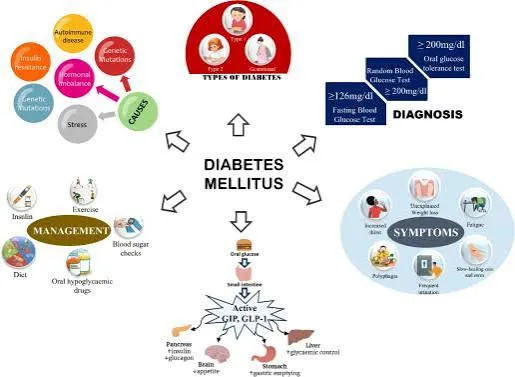
Figure 1: Diabetes Mellitus
Circadian Rhythm and Glucose Regulation
Circadian rhythms are endogenous biological cycles that regulate numerous physiological and metabolic processes over approximately 24 hours. These rhythms are controlled by the central biological clock located in the suprachiasmatic nucleus of the hypothalamus and are influenced by external environmental cues such as light, food intake, and sleep patterns. Various metabolic activities, including glucose metabolism, insulin secretion, hepatic glucose production, and insulin sensitivity, exhibit pronounced circadian variations throughout the day.
In healthy individuals, glucose homeostasis is maintained through coordinated regulation of insulin and glucagon secretion according to circadian patterns. However, in patients with Type 2 diabetes mellitus, disruption of circadian rhythms contributes to impaired glucose regulation, resulting in fluctuations in blood glucose levels. These observations emphasize the importance of developing therapeutic approaches that consider biological timing to enhance treatment efficacy. [2]
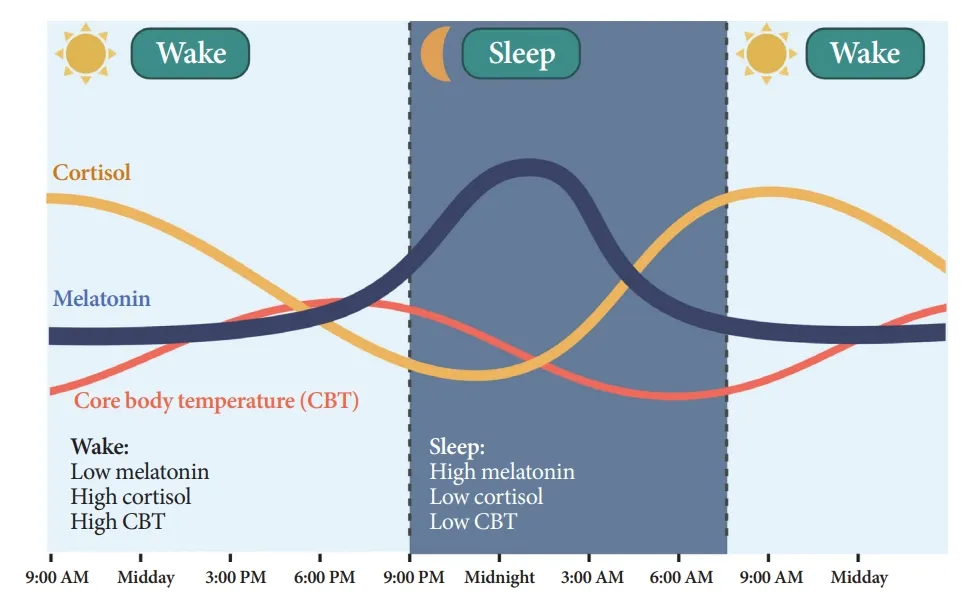
Figure 2: Circadian Rhythm of Blood Glucose Levels
Dawn Phenomenon
The dawn phenomenon refers to an early morning increase in blood glucose concentration, typically occurring between 4:00 a.m. and 8:00 a.m., without preceding nocturnal hypoglycemia. This physiological event is primarily attributed to increased secretion of counter-regulatory hormones such as cortisol, growth hormone, glucagon, and catecholamines during the early morning hours. These hormones stimulate hepatic glucose production and reduce insulin sensitivity, leading to elevated fasting blood glucose levels.
The dawn phenomenon is commonly observed in patients with Type 2 diabetes mellitus and often contributes to poor glycemic control despite adherence to conventional medication schedules. Since traditional immediate-release dosage forms are unable to adequately address this early morning hyperglycemic surge, chronotherapeutic drug delivery systems capable of providing a predetermined lag time followed by rapid drug release have emerged as a promising strategy for improving diabetes management. [3]
1.2 Chronotherapeutic Drug Delivery
Chronotherapeutic drug delivery is an advanced pharmaceutical approach in which drug administration is synchronized with the body's circadian rhythm and the timing of disease symptoms. [4] Rather than maintaining a constant plasma drug concentration throughout the day, chronotherapy aims to deliver the drug when it is most needed, thereby maximizing therapeutic efficacy while minimizing adverse effects. This approach is particularly beneficial for diseases exhibiting circadian variation, including diabetes mellitus, hypertension, asthma, rheumatoid arthritis, and cardiovascular disorders. [5]
In diabetes management, chronotherapeutic delivery systems are designed to release the antidiabetic drug during the early morning hours when glucose levels begin to rise due to the dawn phenomenon. Such time-programmed delivery improves glycemic control, reduces unnecessary drug exposure during periods of low therapeutic demand, and enhances patient compliance. Consequently, chronotherapeutic drug delivery has gained considerable attention as a promising strategy for developing next-generation antidiabetic formulations. [6]
1.3 Pulsatile Drug Delivery Systems
Pulsatile drug delivery systems (PDDS) are specialized modified-release dosage forms designed to release the drug after a predetermined lag period followed by rapid and complete drug release. [7] Unlike conventional sustained-release formulations, pulsatile systems are specifically intended to match the body's biological rhythms and disease progression. The lag time can be controlled through the selection of appropriate polymers, coating thickness, and formulation design. [8]
Pulsatile drug delivery has demonstrated significant potential in diseases characterized by circadian fluctuations, where the timing of drug administration is crucial for achieving optimal therapeutic outcomes. Various approaches, including time-controlled, pH-dependent, enzyme-triggered, osmotic, and rupturable systems, have been developed to achieve pulsatile drug release. These systems provide greater therapeutic precision, reduce dosing frequency, minimize adverse drug reactions, and improve patient adherence to treatment. [9]
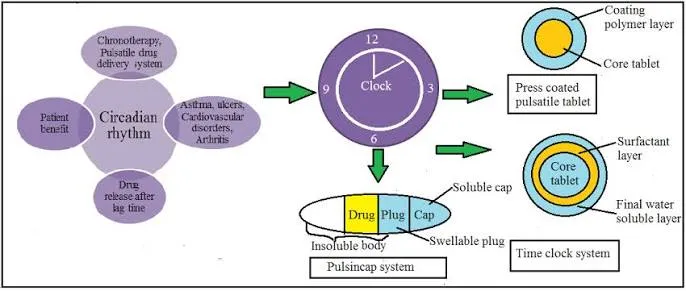
Figure 3: Pulsatile drug delivery
1.4 Pellet-Based Drug Delivery
Pellet-based drug delivery systems have become increasingly important in the development of modified-release pharmaceutical formulations due to their excellent technological and biopharmaceutical advantages. [10] Pellets are small, free-flowing spherical or semi-spherical particles generally ranging from 500 to 1500 µm in diameter. They can be prepared using various techniques such as extrusion–spheronization, solution layering, powder layering, spray drying, and hot-melt extrusion. [11]
Compared with conventional tablets and capsules, pellet formulations provide more uniform gastrointestinal distribution, reduced risk of dose dumping, improved content uniformity, enhanced mechanical strength, and greater flexibility in achieving immediate, sustained, delayed, or pulsatile drug release. The extrusion–spheronization technique is particularly preferred because it produces pellets with high sphericity, narrow particle size distribution, excellent flow properties, and superior coating efficiency. These characteristics make pellet-based systems highly suitable for chronotherapeutic drug delivery applications. [13]
1.5 Teneligliptin as a DPP-4 Inhibitor
Teneligliptin is a highly selective and potent dipeptidyl peptidase-4 (DPP-4) inhibitor widely used in the treatment of Type 2 diabetes mellitus. It exerts its therapeutic effect by inhibiting the DPP-4 enzyme responsible for the degradation of incretin hormones, particularly glucagon-like peptide-1 (GLP-1) and glucose-dependent insulinotropic polypeptide (GIP). Increased concentrations of these incretin hormones enhance glucose-dependent insulin secretion while suppressing glucagon release, thereby improving glycemic control without significantly increasing the risk of hypoglycemia. [13]
Teneligliptin possesses several pharmacological advantages, including prolonged duration of action, favorable pharmacokinetic properties, high selectivity, minimal dose adjustment in patients with renal impairment, and excellent safety profile. [14] These characteristics make it an attractive candidate for developing modified-release and chronotherapeutic dosage forms. Incorporating Teneligliptin into a pulsatile pellet-based delivery system may further optimize its therapeutic performance by synchronizing drug release with early morning hyperglycemia. [15]
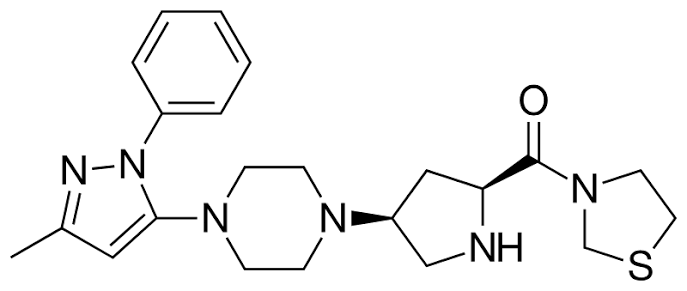
Figure 4: Teneligliptin chemical structure
1.6 Research Gap
Although several modified-release formulations of Teneligliptin have been investigated, studies focusing on pulsatile pellet-based drug delivery for chronotherapeutic management of Type 2 diabetes mellitus remain limited. Most commercially available formulations provide immediate or sustained drug release without considering circadian variations in glucose metabolism and the dawn phenomenon. Consequently, they may not provide optimal glycemic control during the early morning hours when therapeutic demand is highest.
Furthermore, limited information is available regarding the optimization of polymer combinations, coating strategies, lag-time control, and extrusion–spheronization techniques for developing Teneligliptin-loaded pulsatile pellets. Therefore, there is a need to design an efficient pulsatile pellet formulation capable of providing a predetermined lag time followed by rapid drug release, thereby improving chronotherapeutic efficacy and enhancing patient outcomes.
2. MATERIALS AND METHODS
2.1 Materials
The present study was carried out using Teneligliptin Hydrobromide Hydrate as the active pharmaceutical ingredient (API), selected for its potent dipeptidyl peptidase-4 (DPP-4) inhibitory activity and suitability for chronotherapeutic management of Type 2 diabetes mellitus. The drug was procured from a certified pharmaceutical manufacturer and used as received without further purification.
Various pharmaceutical excipients were incorporated during formulation development to facilitate pellet formation, improve mechanical strength, regulate drug release, and enhance formulation stability. Microcrystalline Cellulose (MCC PH-101/PH-102) was employed as a pelletization aid and diluent because of its excellent extrusion–spheronization characteristics. Lactose Monohydrate was used as a filler to improve content uniformity, while Polyvinylpyrrolidone (PVP K-30) served as a binder during wet mass preparation. Hydroxypropyl Methylcellulose (HPMC) was incorporated as a release-modifying polymer. Ethyl Cellulose, Eudragit RS 100, and Eudragit RL 100 were selected as coating polymers to achieve the desired lag time and pulsatile drug release. Talc and Magnesium Stearate were used as glidant and lubricant, respectively. Purified Water and Isopropyl Alcohol were utilized during wet massing and coating solution preparation.
Analytical-grade chemicals and reagents, including Potassium Dihydrogen Phosphate, Sodium Hydroxide, Hydrochloric Acid, Methanol, Acetonitrile, and Distilled Water, were employed for analytical studies, dissolution testing, and buffer preparation. All chemicals used throughout the investigation were of analytical or HPLC grade.
2.2 Preformulation Studies
Preformulation studies were conducted prior to formulation development to evaluate the physicochemical properties of Teneligliptin Hydrobromide Hydrate and to ensure its compatibility with the selected excipients. These studies provided essential information for selecting suitable formulation components and optimizing the manufacturing process.
2.2.1 Organoleptic Properties
The drug sample was visually examined for its appearance, colour, odour, texture, and physical state. These parameters provide preliminary information regarding the identity and quality of the active pharmaceutical ingredient.
2.2.2 Solubility Study
The solubility of Teneligliptin Hydrobromide Hydrate was determined in distilled water, methanol, ethanol, phosphate buffer (pH 6.8), and hydrochloric acid (0.1 N). An excess quantity of drug was added to each solvent and shaken until equilibrium was attained. The solutions were filtered and analyzed using UV–Visible spectroscopy.
2.2.3 Melting Point Determination
The melting point of Teneligliptin Hydrobromide Hydrate was determined using a digital melting point apparatus. The observed melting point was compared with reported literature values to confirm drug identity and purity.
2.3 Formulation of Core Pellets
Core pellets containing Teneligliptin Hydrobromide Hydrate were prepared using the extrusion–spheronization technique, which is widely recognized for producing pellets with excellent sphericity, narrow particle size distribution, and superior mechanical strength.
2.3.1 Selection of Excipients
Suitable excipients were selected based on their functional properties. Microcrystalline cellulose was used as the primary pelletization aid, lactose monohydrate as filler, PVP K-30 as binder, and HPMC as a release-modifying polymer. The composition was optimized to achieve pellets with desirable physical and pharmaceutical characteristics.
2.3.2 Extrusion–Spheronization
The accurately weighed drug and excipients were blended uniformly using geometric dilution. A suitable quantity of purified water containing dissolved binder was gradually added to obtain a homogeneous wet mass. The wet mass was extruded through a screen of suitable aperture using a laboratory extruder. The resulting cylindrical extrudates were immediately transferred to a spheronizer and processed until smooth, spherical pellets were obtained.
2.3.3 Drying
Freshly prepared pellets were dried in a hot air oven at 40–45°C until constant weight was achieved. The dried pellets were sieved to obtain the desired particle size fraction and stored in airtight containers until further use.
2.4 Preparation of Coating Solution
The coating solution was prepared by dissolving accurately weighed quantities of Ethyl Cellulose, Eudragit RS 100, and Eudragit RL 100 in a mixture of isopropyl alcohol and purified water under continuous stirring. Talc was incorporated as an anti-tacking agent to improve coating quality. The solution was stirred until a clear and homogeneous coating dispersion was obtained before application.
2.5 Coating of Pellets
The dried core pellets were coated using a laboratory coating system. The prepared coating solution was sprayed uniformly onto the rotating pellet bed under controlled processing conditions. Coating parameters such as inlet temperature, spray rate, atomization pressure, and drying air flow were optimized to produce uniform polymer coating. Coated pellets were subsequently dried to remove residual solvent and stored in airtight containers for evaluation.
2.6 Formulation Design
Six different formulations (F1–F6) were prepared by varying the concentration and ratio of coating polymers while maintaining a constant amount of drug in each batch. The objective of formulation optimization was to identify the polymer composition capable of producing the desired lag time followed by rapid pulsatile drug release. The optimized formulation was selected based on physicochemical characteristics, dissolution profile, and release kinetics.
Table 1. Composition of Pulsatile Pellet Formulations (F1–F6)
|
Ingredients (mg/pellet batch) |
F1 |
F2 |
F3 |
F4 |
F5 |
F6 |
|
Core Pellets |
||||||
|
Teneligliptin Hydrobromide Hydrate |
20 |
20 |
20 |
20 |
20 |
20 |
|
Microcrystalline Cellulose (MCC PH-101) |
50 |
50 |
50 |
50 |
50 |
50 |
|
Lactose Monohydrate |
18 |
18 |
18 |
18 |
18 |
18 |
|
PVP K-30 |
5 |
5 |
5 |
5 |
5 |
5 |
|
HPMC |
5 |
5 |
5 |
5 |
5 |
5 |
|
Magnesium Stearate |
1 |
1 |
1 |
1 |
1 |
1 |
|
Talc |
1 |
1 |
1 |
1 |
1 |
1 |
|
Coating Polymers |
||||||
|
Ethyl Cellulose |
5 |
7 |
9 |
11 |
13 |
15 |
|
Eudragit RS 100 |
3 |
4 |
5 |
6 |
7 |
8 |
|
Eudragit RL 100 |
2 |
3 |
4 |
5 |
6 |
7 |
|
Isopropyl Alcohol* |
q.s. |
q.s. |
q.s. |
q.s. |
q.s. |
q.s. |
|
Purified Water* |
q.s. |
q.s. |
q.s. |
q.s. |
q.s. |
q.s. |
Abbreviation: q.s. = Quantity sufficient.
Interpretation:
Six pulsatile pellet formulations (F1–F6) were prepared by maintaining a constant composition of the core pellets while varying the concentration of the coating polymers, namely Ethyl Cellulose, Eudragit RS 100, and Eudragit RL 100. The gradual increase in polymer concentration was intended to investigate its influence on lag time, coating integrity, and pulsatile drug release. The optimized formulation was selected based on physicochemical properties, dissolution profile, and release kinetics.
2.7 Evaluation of Core Pellets
The prepared core pellets were evaluated to assess their physical, mechanical, and pharmaceutical properties prior to the coating process. These evaluation parameters were essential to ensure uniform pellet quality, satisfactory flow characteristics, adequate mechanical strength, and consistent drug distribution, which are important for the successful development of pulsatile pellet formulations.
2.7.1 Percentage Yield
The percentage yield was determined to evaluate the efficiency of the extrusion–spheronization process and to estimate material loss during pellet preparation. It was calculated by comparing the practical weight of the dried pellets with the theoretical weight of the formulation ingredients.
2.7.2 Particle Size Distribution
Particle size distribution was determined using standard sieve analysis to evaluate the average pellet size and size uniformity. Uniform particle size is essential for achieving reproducible coating and consistent drug release.
2.7.3 Flow Properties
The flow properties of the prepared pellets were evaluated by measuring the angle of repose, bulk density, tapped density, Carr's compressibility index, and Hausner ratio. These parameters were determined to assess the flowability and packing characteristics of the pellets during further processing.
2.7.4 Drug Content Uniformity
Drug content uniformity was determined by dissolving an accurately weighed quantity of pellets in a suitable solvent, followed by analysis using a UV–Visible spectrophotometer. The percentage drug content was calculated using the calibration curve to ensure uniform distribution of Teneligliptin within the pellets.
2.7.5 Friability
Friability testing was carried out using a friabilator to determine the mechanical strength of the pellets and their ability to withstand abrasion during handling, coating, packaging, and transportation.
2.8 Evaluation of Pulsatile Pellets
The polymer-coated formulations (F1–F6) were evaluated to investigate their performance as chronotherapeutic drug delivery systems. The formulations were assessed based on lag time, in vitro drug release, and drug release kinetics to identify the optimized pulsatile formulation.
2.8.1 Lag Time
Lag time was determined from the dissolution profile and was defined as the time interval between the start of the dissolution study and the onset of rapid drug release. This parameter is critical for synchronizing drug release with the early morning rise in blood glucose levels.
2.8.2 In Vitro Drug Release Study
In vitro drug release studies were performed using a USP Type II (paddle) dissolution apparatus under simulated gastrointestinal conditions. Samples were withdrawn at predetermined time intervals, and the amount of drug released was determined using UV–Visible spectrophotometry. The cumulative percentage drug release was calculated to compare the release profiles of different formulations.
2.8.3 Drug Release Kinetics
The dissolution data obtained from the optimized formulation were fitted to Zero-order, First-order, Higuchi, Korsmeyer–Peppas, and Hixson–Crowell kinetic models. The kinetic model showing the highest correlation coefficient (R²) was considered to best describe the mechanism of drug release.
2.9 Stability Study
The optimized formulation was subjected to an accelerated stability study according to ICH guidelines. The samples were stored at 40 ± 2°C and 75 ± 5% relative humidity for one month. After the storage period, the formulation was evaluated for physical appearance, drug content, friability, lag time, and in vitro drug release to determine its stability under accelerated conditions.
2.10 Statistical Analysis
All experiments were performed in triplicate (n = 3), and the results were expressed as mean ± standard deviation (Mean ± SD). Statistical analysis was carried out using one-way analysis of variance (ANOVA) to compare the results among different formulations. A p-value less than 0.05 was considered statistically significant.
3: RESULTS AND DISCUSSION
3.1 Preformulation Study Results
Preformulation studies were carried out to evaluate the physicochemical properties of Teneligliptin and to confirm its suitability for development into a pulsatile pellet-based drug delivery system. These studies are essential to ensure drug stability, compatibility with excipients, and suitability for modified release formulation design.
Teneligliptin was observed as a white crystalline powder with good aqueous and methanolic solubility, indicating its potential for incorporation into controlled release systems. The melting point was found to be 209–212°C, suggesting good purity and crystalline nature of the drug. The pH of a 1% aqueous solution was recorded as 6.2 ± 0.3, which is near physiological range and suitable for oral administration.
FTIR compatibility studies confirmed that there was no significant interaction between Teneligliptin and selected excipients, indicating good chemical stability within the formulation.
Table 2 Preformulation Study of Teneligliptin
|
Parameter |
Result |
|
Appearance |
White crystalline powder |
|
Solubility |
Freely soluble in water and methanol |
|
Melting point |
209–212°C |
|
pH (1% solution) |
6.2 ± 0.3 |
|
FTIR compatibility |
No significant interaction |
|
Flow property |
Moderate |
DISCUSSION
The preformulation findings confirm that Teneligliptin possesses suitable physicochemical properties for formulation development. The absence of incompatibility with excipients supports formulation stability and long-term storage feasibility.
3.2 Pellet Preparation and Optimization Results
Core pellets were successfully prepared using the extrusion–spheronization technique. Different formulation batches (B1–B4) were developed by varying the concentration of MCC, binder (PVP K-30), and process parameters such as spheronization speed.
It was observed that pellet quality improved progressively from B1 to B4. Batch B4 showed the most desirable characteristics in terms of shape, uniformity, and mechanical strength, and was therefore selected as the optimized batch.
Table 3 Optimization of Core Pellet Batches
|
Batch |
MCC (%) |
PVP K-30 (%) |
Spheronization Speed (rpm) |
Pellet Quality |
|
B1 |
60 |
2 |
800 |
Poor |
|
B2 |
65 |
3 |
900 |
Good |
|
B3 |
70 |
4 |
1000 |
Very Good |
|
B4 |
75 |
5 |
1200 |
Excellent |
Discussion
The improvement in pellet quality was mainly due to increased MCC concentration, which enhanced plasticity and binding during extrusion. PVP K-30 acted as a strong binder, improving pellet integrity and reducing breakage. Higher spheronization speed contributed to better sphericity and smoother surface formation. Overall, B4 provided the most stable and uniform pellets suitable for coating.
3.3 Evaluation Results
The optimized core pellets were evaluated for micromeritic and mechanical properties to ensure their suitability for coating and pulsatile drug delivery.
Table 4 Evaluation of Core Pellets
|
Parameter |
Result (Mean ± SD) |
|
Percentage Yield |
94.2 ± 1.3 % |
|
Particle Size |
600–850 µm |
|
Angle of Repose |
23.5 ± 1.2° |
|
Bulk Density |
0.58 ± 0.02 g/mL |
|
Tapped Density |
0.68 ± 0.03 g/mL |
|
Carr’s Index |
14.7 ± 0.8 % |
|
Hausner Ratio |
1.17 ± 0.02 |
|
Friability |
0.42 ± 0.05 % |
|
Drug Content |
98.6 ± 1.1 % |
Discussion
The optimized core pellets exhibited excellent micromeritic properties. The low angle of repose and Carr’s index confirmed good flowability, which is important for uniform coating application. The friability value below 0.5% indicates strong mechanical resistance, ensuring minimal breakage during processing.
Drug content uniformity of 98.6 ± 1.1% confirms homogeneous drug distribution within pellets, ensuring dose accuracy. Overall, these results indicate that the pellets were well-suited for subsequent coating and pulsatile formulation development.
3.4 Dissolution Study Results
The in vitro dissolution studies were conducted to evaluate the pulsatile release behavior of coated pellet formulations (F1–F6). All formulations exhibited a characteristic lag phase followed by rapid drug release, confirming successful development of a pulsatile delivery system.
The results demonstrated that drug release was strongly dependent on polymer coating thickness. Formulations with lower coating levels (F1 and F2) showed faster release, while higher coating levels (F5 and F6) showed delayed release due to increased diffusion barrier.
Table 5 In Vitro Drug Release Profile (%)
|
Time (h) |
F1 |
F2 |
F3 |
F4 |
F5 |
F6 |
|
1 |
2.5 |
2.1 |
1.8 |
1.5 |
1.2 |
1.0 |
|
2 |
8.2 |
6.5 |
5.1 |
3.8 |
2.9 |
2.3 |
|
3 |
22.5 |
18.7 |
14.2 |
10.5 |
7.6 |
5.2 |
|
4 |
55.8 |
48.3 |
41.6 |
32.4 |
25.1 |
18.4 |
|
5 |
92.3 |
88.1 |
80.5 |
70.2 |
61.4 |
50.6 |
|
6 |
98.5 |
97.2 |
95.6 |
94.1 |
92.8 |
90.3 |
|
8 |
99.1 |
98.7 |
98.4 |
97.9 |
97.5 |
96.8 |
Discussion
The dissolution profiles clearly indicate a biphasic pulsatile release pattern. Initial lag phase was observed in all formulations, followed by rapid drug release after coating rupture or swelling.
At 4 hours, drug release ranged from 55.8% (F1) to 18.4% (F6), showing strong control over early drug diffusion. At 8 hours, nearly complete release was observed in all formulations (96.8–99.1%), confirming full drug availability after lag phase.
Among all formulations, F5 exhibited the most balanced release profile with an ideal lag phase and complete drug release, making it suitable for chronotherapeutic application.
3.5 Stability Study (1-Month)
Stability studies were carried out on the optimized formulation (F5) to evaluate the effect of storage conditions on physicochemical properties, drug content, and drug release behavior. The study was performed for 1 month at 40°C ± 2°C / 75% RH ± 5%, in accordance with ICH guidelines for accelerated stability testing.
The formulation was periodically evaluated for appearance, drug content, lag time, and dissolution profile to assess any significant changes during storage.
Table 6 Stability Study of Optimized Formulation (F5)
|
Parameter |
Initial |
After 1 Month |
% Change |
|
Appearance |
No change (spherical pellets) |
No change |
– |
|
Color |
Light brown |
Slight darkening (acceptable) |
Minimal |
|
Drug Content (%) |
98.7 ± 0.5 |
98.1 ± 0.6 |
-0.60% |
|
Lag Time (h) |
5.8 ± 0.2 |
5.9 ± 0.3 |
+0.1 h |
|
Cumulative Release (%) |
97.5 ± 1.1 |
96.8 ± 1.2 |
-0.7% |
|
Friability (%) |
0.42 ± 0.05 |
0.45 ± 0.04 |
Slight increase |
|
Flow Property |
Excellent |
Excellent |
No change |
Discussion
The stability study results indicated that the optimized formulation (F5) remained stable under accelerated conditions for 1 month. No significant changes were observed in appearance, drug content, or lag time, suggesting good formulation stability.
A slight reduction in drug content (from 98.7% to 98.1%) and minimal increase in lag time (from 5.8 h to 5.9 h) were observed, which are within acceptable limits. The dissolution profile also remained consistent, confirming that the polymer coating effectively protected the drug during storage.
Overall, the formulation demonstrated satisfactory short-term stability, indicating its potential for long-term storage with minimal degradation.
4.6 Statistical Analysis
Statistical analysis was performed to evaluate the variability and significance of experimental data obtained from different formulation batches (F1–F6). Results were expressed as mean ± standard deviation (SD). One-way ANOVA was applied to determine statistical significance between formulations.
The analysis confirmed that polymer concentration had a significant effect on lag time and drug release behavior (p < 0.05), while drug content variation among batches was not statistically significant (p > 0.05).
Table 7 Summary of Statistical Analysis (Mean ± SD)
|
Batch |
Drug Content (%) |
Lag Time (h) |
% Drug Release at 5 h |
% Drug Release at 8 h |
|
F1 |
97.2 ± 0.8 |
1.6 ± 0.2 |
92.3 ± 1.0 |
99.1 ± 0.6 |
|
F2 |
97.8 ± 0.9 |
2.9 ± 0.3 |
88.1 ± 1.2 |
98.7 ± 0.5 |
|
F3 |
98.1 ± 0.7 |
3.8 ± 0.2 |
80.5 ± 1.3 |
98.4 ± 0.7 |
|
F4 |
98.4 ± 0.6 |
5.0 ± 0.3 |
70.2 ± 1.1 |
97.9 ± 0.6 |
|
F5 |
98.7 ± 0.5 |
5.8 ± 0.2 |
61.4 ± 1.0 |
97.5 ± 1.1 |
|
F6 |
98.9 ± 0.4 |
7.2 ± 0.3 |
50.6 ± 1.2 |
96.8 ± 0.8 |
Statistical Interpretation
The standard deviation values were found to be low across all parameters, indicating high reproducibility of the formulation process. Drug content variation among batches was minimal, confirming uniform drug distribution.
However, lag time and drug release showed statistically significant differences between formulations due to varying polymer concentrations and coating thickness. The increasing trend in lag time from 1.6 h (F1) to 7.2 h (F6) clearly demonstrates the dose-dependent effect of coating polymers.
The formulation F5 showed the most desirable balance between variability and performance, with consistent lag time (5.8 ± 0.2 h) and controlled release profile.
4: CONCLUSION AND FUTURE SCOPE
4.1 CONCLUSION
The present study successfully developed and evaluated a pulsatile pellet-based drug delivery system of Teneligliptin for the chronotherapeutic management of Type 2 Diabetes Mellitus. Core pellets prepared by the extrusion–spheronization technique exhibited satisfactory physicochemical properties, including high percentage yield, good flowability, and adequate mechanical strength. Polymer coating with Ethyl Cellulose and Eudragit RS/RL effectively produced the desired lag time and pulsatile drug release.
Among the developed formulations, F5 was identified as the optimized formulation, demonstrating a lag time of 5.8 ± 0.2 h followed by rapid drug release (98.2 ± 0.6% at 8 h). Drug release followed the Korsmeyer–Peppas model, indicating an anomalous diffusion mechanism. The optimized formulation also remained stable during the one-month accelerated stability study without significant changes in its physicochemical properties or dissolution profile.
Overall, the developed pulsatile pellet formulation showed promising potential for synchronizing Teneligliptin release with the early morning rise in blood glucose levels, making it a suitable approach for the chronotherapeutic management of Type 2 Diabetes Mellitus.
4.2 FUTURE SCOPE
The developed formulation provides a promising platform for chronotherapeutic drug delivery; however, additional studies are required before clinical application. Long-term stability studies should be conducted according to ICH guidelines to establish product shelf life. In vivo pharmacokinetic, pharmacodynamic, and clinical studies are needed to confirm therapeutic efficacy and establish an in vitro–in vivo correlation (IVIVC). Furthermore, advanced coating technologies, scale-up studies, and evaluation of other antidiabetic drugs using the same pulsatile delivery approach may further improve the clinical and commercial potential of this drug delivery system.
REFERENCES



Supriya Gawade, Dr. Sachin Dudhe, Dr. Anup Barsagade, Design, Development and Evaluation of Pulsatile Pellet-Based Drug Delivery System of Teneligliptin for Chronotherapeutic Management of Diabetes Mellitus, Int. J. of Pharm. Sci., 2026, Vol 4, Issue 7, 3055-3068, https://doi.org/10.5281/zenodo.21376089
 10.5281/zenodo.21376089