

We use cookies to ensure our website works properly and to personalise your experience. Cookies policy
GH Raisoni institute of life science Nagpur.
Hand hygiene plays an important role in preventing the spread of infections and maintaining personal health. Many commercial handwashes contain synthetic chemicals that may cause dryness and skin irritation with frequent use. The present study focuses on the formulation and evaluation of a herbal handwash prepared using natural ingredients such as neem, aloe vera, and tulsi along with a natural pH-sensitive indicator. The formulation was prepared using a soap base, glycerin, and herbal extracts. Neem, aloe vera, and tulsi were selected due to their antimicrobial, moisturizing, and soothing properties. The inclusion of a natural pH indicator helped maintain skin compatibility.The formulated herbal handwash was evaluated for various parameters including pH, viscosity, foaming ability, and antimicrobial activity. The pH of the formulation was found to be in the range of 5–6, which is considered suitable for the skin. The handwash also showed satisfactory viscosity and foaming characteristics, ensuring ease of application and effective cleansing action. Antimicrobial studies indicated good activity against common microorganisms. User acceptability studies were also carried out to evaluate factors such as fragrance, texture, and overall satisfaction. Most participants reported that the product was gentle on the skin and comfortable for regular use.The developed pH-sensitive herbal handwash can be considered a safe, effective, and eco-friendly alternative to conventional handwashes. The combination of neem, aloe vera, and tulsi provides cleansing as well as skin-protective benefits, making the formulation suitable for daily hygiene practices.
Hand hygiene is considered one of the most important methods for preventing the spread of infections and maintaining good health (Boyce & Pittet, 2002; World Health Organization, 2009). Human hands come into contact with numerous contaminated surfaces during daily activities and can easily transfer harmful microorganisms such as bacteria, viruses, and fungi (Pelczar et al., 2001; Hugo & Russell, 2004). These microorganisms may spread through direct contact or through contaminated objects, resulting in various infectious diseases including respiratory and gastrointestinal disorders (Boyce & Pittet, 2002). Therefore, regular handwashing with suitable cleansing agents is essential in both healthcare settings and routine personal hygiene practices (WHO, 2009).
Commercial handwash products commonly contain synthetic chemicals such as sodium lauryl sulfate (SLS), parabens, triclosan, and artificial fragrances (Sharma, 2014; Baki & Alexander, 2015). Although these compounds improve cleansing efficiency and increase product stability, prolonged use may produce adverse effects such as skin dryness, irritation, and allergic reactions (Draelos, 2005; Rawlings & Harding, 2004). Continuous exposure to harsh chemicals may also damage the natural protective barrier of the skin (Rawlings & Harding, 2004). Human skin possesses a slightly acidic protective layer known as the acid mantle, with a normal pH ranging from 4.5 to 6.0 (Lambers et al., 2006; Schmid-Wendtner & Korting, 2006). The use of highly alkaline cleansing products may disturb this natural balance and increase skin sensitivity (Lambers et al., 2006). Hence, the development of skin-friendly handwash formulations with suitable pH has become increasingly important (Sharma, 2018).
In recent years, herbal and natural products have gained considerable attention because of their safety, biocompatibility, and eco-friendly nature (Fox et al., 2011; Kapoor, 2005). Herbal handwashes contain plant-derived ingredients possessing medicinal and therapeutic properties (NIIR Board, 2012). Neem, aloe vera, and tulsi are widely recognized for their beneficial effects on skin health (Biswas et al., 2002; Cohen, 2014; Surjushe et al., 2008). Neem exhibits strong antimicrobial activity, aloe vera provides moisturizing and soothing effects, while tulsi possesses antimicrobial as well as anti-inflammatory properties (Biswas et al., 2002; Surjushe et al., 2008; Cohen, 2014). The combination of these herbal ingredients offers effective cleansing action without damaging the skin (Kapoor & Saraf, 2010).
The present study also incorporates a natural pH-sensitive indicator into the formulation. Natural substances such as turmeric and hibiscus possess the ability to change color according to pH variation, which helps determine the skin compatibility of the formulation (Khandelwal, 2008; Kokate et al., 2019). These natural indicators are biodegradable, safe, economical, and environmentally friendly, thereby improving the innovative value of the product (Mukherjee, 2007). Neem (Azadirachta indica) is well known for its antibacterial, antifungal, antiviral, and antiseptic activities (Biswas et al., 2002). It contains bioactive constituents such as azadirachtin, nimbin, and quercetin that contribute to its antimicrobial properties (Nadkarni, 2007; Trease & Evans, 2002). Neem extract helps reduce microbial contamination and protects the skin from infections (Biswas et al., 2002).
Tulsi (Ocimum sanctum) is an important medicinal herb extensively used in traditional Ayurvedic medicine (Cohen, 2014). Tulsi contains eugenol, flavonoids, and essential oils that exhibit antibacterial, antifungal, antioxidant, and anti-inflammatory properties (Cohen, 2014; Kokate et al., 2019). It also provides cooling, soothing, and refreshing effects on the skin (Kapoor, 2005). Aloe vera is a medicinal succulent plant widely used in cosmetic and skincare preparations due to its moisturizing and wound-healing properties (Surjushe et al., 2008). Aloe vera gel contains polysaccharides, vitamins, amino acids, enzymes, and antioxidants that help maintain skin hydration and minimize irritation caused by repeated washing (Surjushe et al., 2008; Draelos, 2005).
Turmeric (Curcuma longa) possesses significant antiseptic and anti-inflammatory activities (Kokate et al., 2019). Curcumin, the major active constituent of turmeric, exhibits strong antibacterial and antioxidant properties (Trease & Evans, 2002). In addition, turmeric functions as a natural pH indicator by changing color in alkaline conditions, making it useful in pH-sensitive herbal formulations (Khandelwal, 2008). The present study focuses on the formulation and evaluation of a pH-sensitive herbal handwash containing neem, tulsi, aloe vera, and turmeric extracts (Sharma, 2018; Baki & Alexander, 2015). The objective of the formulation is to provide effective cleansing and antimicrobial activity while maintaining a skin-friendly pH (Lambers et al., 2006). The incorporation of a natural pH indicator further enhances the safety and uniqueness of the formulation (Mukherjee, 2019).
The formulated herbal handwash was evaluated for various parameters including organoleptic properties, pH, viscosity, foam height, antimicrobial activity, stability, and user acceptability (Martin, 2001; Stone & Sidel, 2004; Meilgaard et al., 2006). The study also aims to determine whether the developed formulation can serve as a safer and eco-friendly alternative to synthetic commercial handwash products (Fox et al., 2011). In conclusion, the developed pH-sensitive herbal handwash represents a safe, effective, and environmentally friendly alternative to conventional handwash formulations (Kapoor & Saraf, 2010; Fox et al., 2011). The combination of herbal ingredients with a natural pH-sensitive system supports effective hygiene maintenance while preserving skin health (Rawlings & Harding, 2004).
Hand hygiene is one of the most effective methods for preventing the transmission of infections and maintaining overall health (Boyce & Pittet, 2002; WHO, 2009). Hands frequently come into contact with various surfaces throughout the day, making them a primary carrier of pathogenic microorganisms such as bacteria, viruses, and fungi (Pelczar et al., 2001; Hugo & Russell, 2004). These microorganisms can spread through direct contact or contaminated objects, potentially causing illnesses such as respiratory and gastrointestinal infections (Boyce & Pittet, 2002). Hence, regular handwashing with soap or handwash is essential for maintaining hygiene in both healthcare environments and daily life (WHO, 2009).
Most commercially available handwash products contain synthetic ingredients such as sodium lauryl sulfate (SLS), parabens, triclosan, and artificial fragrances (Sharma, 2014; Baki & Alexander, 2015). Although these components enhance cleansing efficiency and product stability, their repeated use may lead to dryness, irritation, or allergic reactions, especially in sensitive skin (Draelos, 2005; Rawlings & Harding, 2004). In some cases, they may also disrupt the skin’s natural protective barrier known as the acid mantle (Lambers et al., 2006). Human skin maintains a slightly acidic pH range of 4.5–6.0, which plays an important role in protecting against microbial growth (Schmid-Wendtner & Korting, 2006). Harsh or alkaline formulations can disturb this balance, highlighting the need for mild and skin-compatible alternatives (Sharma, 2018).
In recent years, herbal formulations have gained significant attention due to their safety, natural origin, and eco-friendly nature (Fox et al., 2011; Kapoor, 2005). Herbal handwashes are prepared using plant-based ingredients that possess antimicrobial, soothing, and skin-friendly properties (NIIR Board, 2012). Plants such as neem, tulsi, and aloe vera are widely used for their beneficial effects on skin health and hygiene (Biswas et al., 2002; Cohen, 2014; Surjushe et al., 2008). These natural ingredients provide effective cleansing while minimizing the risk of irritation (Kapoor & Saraf, 2010).
This study focuses on the formulation of a pH-sensitive herbal handwash using neem, tulsi, aloe vera, and turmeric extracts (Sharma, 2018). The objective is to develop a safe and effective product that maintains a skin-compatible pH while offering antimicrobial protection (Lambers et al., 2006). The formulated product was evaluated for various parameters, including pH, viscosity, foam formation, stability, antimicrobial activity, and user acceptability (Martin, 2001; Stone & Sidel, 2004).
In conclusion, the developed herbal handwash provides a natural, safe, and environmentally friendly alternative to synthetic formulations, supporting effective hand hygiene and maintaining skin health (Kapoor & Saraf, 2010; Fox et al., 2011).
Characteristics of Herbal Handwash
Literature Review
Hand hygiene is considered one of the most effective methods for preventing the spread of infectious diseases and maintaining personal hygiene. Continuous exposure of hands to contaminated surfaces increases the risk of transmission of harmful microorganisms. Commercial handwash products commonly contain synthetic surfactants and preservatives, which may cause skin irritation, dryness, and allergic reactions after prolonged use. Due to these limitations, herbal formulations are gaining popularity because they are safer, biodegradable, eco-friendly, and possess natural antimicrobial activity.
Several medicinal plants have been studied for their therapeutic and antimicrobial properties in cosmetic and pharmaceutical formulations. Neem is widely used in Ayurvedic medicine due to its antibacterial, antifungal, antiviral, and antiseptic properties. Neem contains active constituents such as azadirachtin, nimbin, and quercetin, which contribute to its antimicrobial activity. Neem extract showed a significant inhibitory effect against various pathogenic microorganisms, including Escherichia coli and Staphylococcus aureus (Biswas et al., 2002).
Tulsi is another important medicinal herb extensively used in herbal preparations. Tulsi contains eugenol, flavonoids, tannins, and essential oils, which exhibit antimicrobial, antioxidant, and anti-inflammatory properties. Studies have shown that Tulsi possesses effective antibacterial action against both gram-positive and gram-negative bacteria. Herbal formulations containing tulsi are considered beneficial for maintaining skin health and preventing microbial contamination (Cohen, 2014).
Aloe vera is widely recognised for its moisturizing, soothing, and wound-healing properties. Aloe vera gel contains polysaccharides, vitamins, amino acids, and antioxidants which help maintain skin hydration and reduce irritation caused by frequent handwashing. Aloe vera is highly beneficial in cosmetic and dermatological preparations due to its anti-inflammatory and skin protective effects (Surjushe et al., 2008).
Turmeric has been traditionally used in Ayurveda because of its antibacterial, antioxidant, and anti-inflammatory activities. Curcumin, the major active constituent present in turmeric, is responsible for its medicinal properties. Turmeric also acts as a natural pH-sensitive indicator due to its colour-changing property in alkaline medium. Turmeric-containing herbal formulations exhibit significant antimicrobial activity and skin protective effects (Ammon and Wahl, 1991).
Research studies on herbal handwash and sanitizing preparations have demonstrated satisfactory antimicrobial activity along with better skin compatibility compared to synthetic formulations. Organic herbal handwash containing aloe vera and tulsi extracts showed good foamability, antimicrobial activity, and user acceptability (Srinivasan et al., 2021).
The importance of skin surface pH was studied, and it was concluded that maintaining acidic pH is essential for preserving skin barrier function and preventing microbial growth (Lambers et al., 2006). Skin-friendly pH formulations help maintain healthy skin flora and reduce irritation caused by alkaline cleansing products (Schmid-Wendtner and Korting, 2006).
Previous literature clearly indicates that herbal ingredients such as neem, tulsi, aloe vera, and turmeric possess excellent antimicrobial and skin protective properties. Herbal handwash formulations prepared using these medicinal plants can provide effective cleansing action while minimizing the side effects associated with synthetic products. Therefore, the present study was undertaken to formulate and evaluate a pH-sensitive herbal handwash with good antimicrobial activity, stability, and user acceptability.A literature review is a summary and analysis of existing research on a particular topic. It helps identify key theories, methods, and findings from previous studies. By reviewing past work, it highlights gaps and establishes the context for new research. It also shows how the current study contributes to the existing body of knowledge.
Previous Research On Herbal Hand Wash
AIM AND OBJECTIVES
AIM
Development and Evaluation of a pH-Sensitive Herbal Handwash with User Acceptability Study
Objectives of the Study
• To collect, authenticate, and prepare herbal plant materials required for the formulation of a pH-sensitive herbal hand wash.
• To prepare herbal extracts using suitable extraction techniques such as maceration or Soxhlet extraction.
• To carry out phytochemical screening of the extracts for the identification of bioactive compounds such as alkaloids, flavonoids, tannins, phenolics, saponins, and glycosides.
• To develop a pH-sensitive herbal hand wash using selected herbal extracts and suitable excipients.
• To evaluate the formulated hand wash for physicochemical parameters, including pH, viscosity, foamability, foam retention, appearance, and homogeneity.
• To assess the antimicrobial activity and skin compatibility of the formulated herbal hand wash.
• To perform stability studies of the formulation under appropriate storage conditions.
• To evaluate user acceptability based on fragrance, texture, cleansing efficiency, skin feel, and overall satisfaction.
• To determine the overall effectiveness and quality of the developed formulation based on evaluation results.
PLANT AND EXCIPIENT PROFILE
TULSI (Holy Basil)
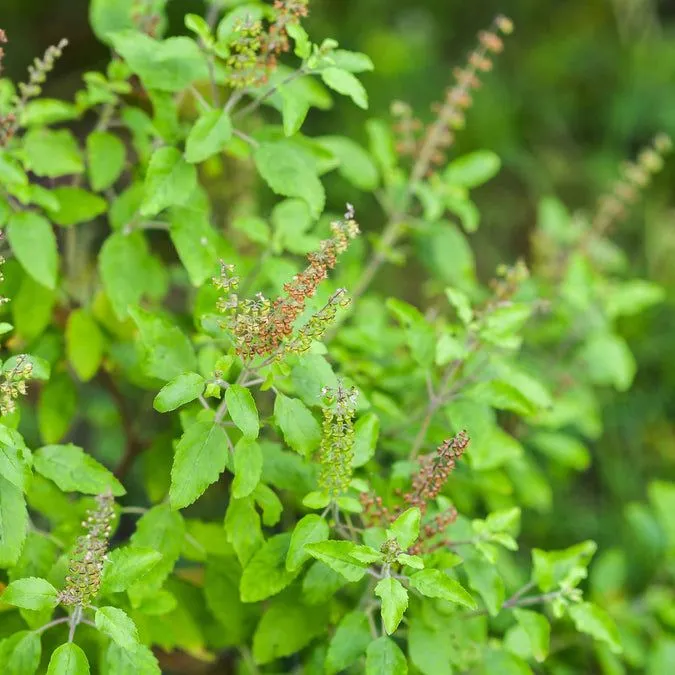
Scientific Classification
TABLE NO. 1 (Scientific Classification of Tulsi )
|
Kingdom: |
Plantae |
|
Division: |
Magnoliophyta |
|
Class: |
Magnoliopsida |
|
Order: |
Lamiales |
|
Family: |
Lamiaceae |
|
Genus: |
Ocimum |
|
Species: |
Ocimum tenuiflorum |
|
Binomial Name: |
Ocimum sanctum. |
Description
Tulsi, also known as holy basil, comes from the fresh and dried leaves of Ocimum sanctum (Cohen, 2014; Kokate et al., 2019). This plant belongs to the Lamiaceae family and is well-known for its medicinal value (Trease & Evans, 2002; Nadkarni, 2007). It is an aromatic, perennial herb that usually grows between 30 and 75 cm tall (Kokate et al., 2019). The plant is highly branched, and its leaves are green, oblong, and have a distinct aroma (Khandelwal, 2008). The surface of the leaves is slightly hairy and has small glandular structures (Trease & Evans, 2002). The seeds are small, reddish-black, and almost spherical (Nadkarni, 2007). Tulsi is widely grown for its essential oil and therapeutic purposes (Cohen, 2014; Wichtl, 2004).
Chemical Constituents
The plant includes a variety of bioactive compounds, such as:
Uses
2) ALOE VERA
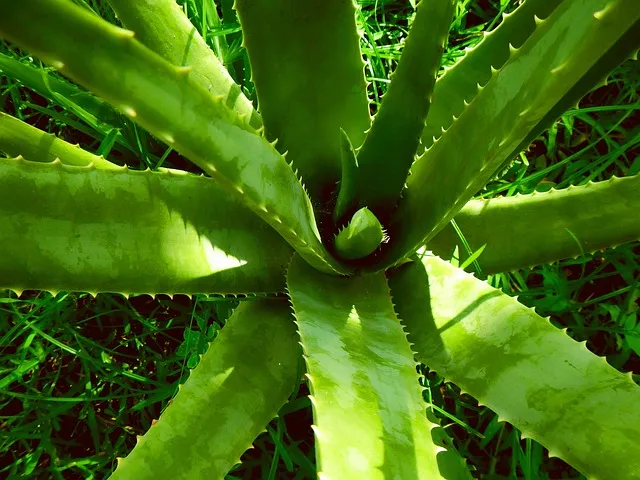
Scientific Classification
TABLE N0. 2 (Scientific Classification of Aloe vera)
|
Kingdom: |
Plantae |
|
Order: |
Asparagales |
|
Family: |
Xanthorrhoeaceae |
|
Genus: |
Aloe |
|
Species: |
Aloe vera |
|
Binomial Name: |
Aloe vera |
Description
Aloe vera is a succulent plant often used in herbal medicine and cosmetics (Surjushe et al., 2008; Kapoor, 2005). It likely originated in North Africa and grows well in dry and semi-arid conditions (Wichtl, 2004). The plant features thick, fleshy leaves filled with a clear gel that has many beneficial compounds (Trease & Evans, 2002; Kokate et al., 2019). It grows slowly and can reach heights of up to 1 meter (Nadkarni, 2007). Aloe vera is valued for its soothing, healing, and moisturizing qualities (Surjushe et al., 2008; Draelos, 2005).
Chemical Constituents
Key components include:
Uses
3) NEEM
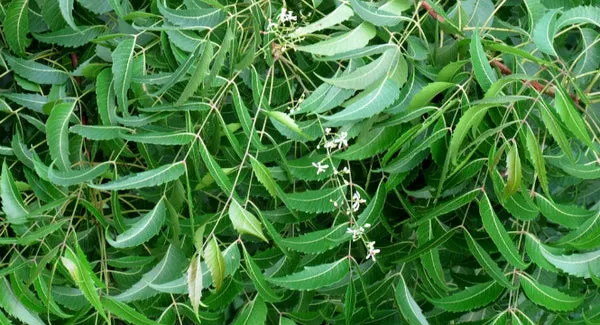
Scientific Classification
TABLE NO. 3 (Scientific Classification Of Neem)
|
Kingdom: |
Plantae |
|
Division: |
Magnoliophyta |
|
Class: |
Magnoliopsida |
|
Order: |
Sapindales |
|
Family: |
Meliaceae |
|
Genus: |
Azadirachta |
|
Species: |
Indica |
|
Binomial Name: |
Azadirachta indica |
Description
Neem is a well-known medicinal plant commonly found in tropical areas, especially in India (Biswas et al., 2002; Nadkarni, 2007). This evergreen tree is valued for its wide range of healing properties (Trease & Evans, 2002). The leaves are green and bitter and have many active compounds (Kokate et al., 2019). Different parts of the neem tree, including leaves, bark, and seeds, are used in traditional medicine (Biswas et al., 2002; Wichtl, 2004).
Chemical Constituents
Neem contains several biologically active compounds, such as:
Uses
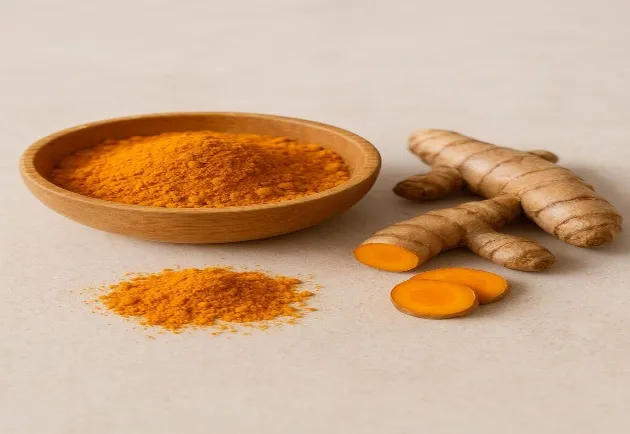
4) NATURAL INDICATOR (Turmeric )
Description
Natural indicators are substances from plants that change colour visibly in response to pH changes (Khandelwal, 2008; Kokate et al., 2019). In this case, turmeric or hibiscus extract is used as a natural pH indicator to check how well the handwash matches skin pH (Mukherjee, 2007; Lambers et al., 2006).
Chemical Constituents
Turmeric: Curcumin
Working Principle
These indicators change color with pH shifts:
- Turmeric changes color under alkaline conditions
Advantages
- Safe and non-toxic
- Environmentally friendly and biodegradable
- Cost-effective and readily available
- Provides a visual pH indication
- Adds an innovative element to the formulation
Uses in Formulation
- Helps monitor pH levels
- Ensures the formulation is safe for skin
- Enhances product appearance
- Supports the creation of pH-sensitive herbal products
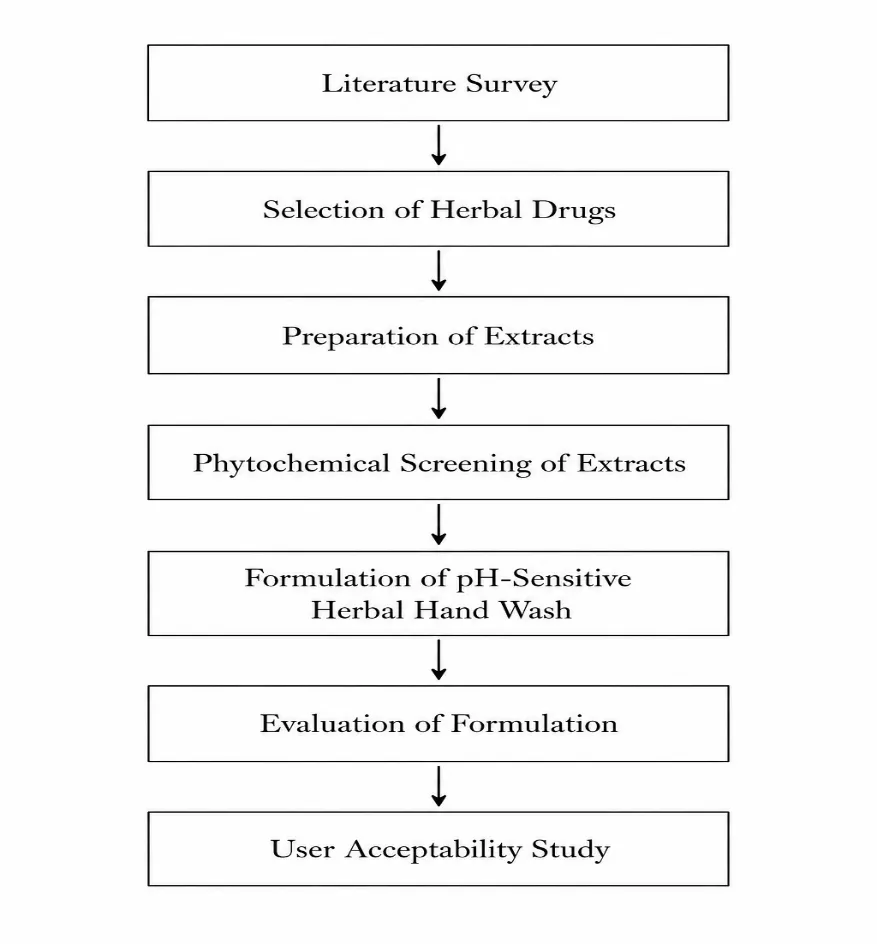
PLANOFWORK
Plan of work is a systematic outline of all experimental steps carried out in a research study, arranged in a logical sequence to achieve the aim and objectives efficiently
Materials
Table-1 List of Materials Used in Formulation of Herbal Handwash
|
Sr. No. |
Materials |
Category/Role |
Quantity for 100 mL |
|
1 |
Neem extract |
Antimicrobial agent |
5 mL |
|
2 |
Tulsi extract |
Antibacterial agent |
5 mL |
|
3 |
Aloe vera gel |
Moisturizer and soothing agent |
10 mL |
|
4 |
Turmeric extract |
Natural pH-sensitive ingredient |
2 mL |
|
5 |
Liquid Castile Soap |
Cleansing agent |
40 mL |
|
6 |
Glycerin |
Humectant and moisturizer |
5 mL |
|
7 |
Sodium Chloride |
Thickening agent |
1 g |
|
8 |
Citric Acid |
pH adjusting agent |
q.s. |
|
9 |
Fragrance (Rose Oil) |
Perfuming agent |
2–3 drops |
|
10 |
Ethanol |
Extraction solvent |
10 mL |
|
11 |
Preservative (Sodium benzoate ) |
Prevents microbial contamination |
0.5 mL |
|
12 |
Distilled Water |
Vehicle/Solvent |
q.s. to 100 mL |
Plant Collection and Authentication
Herbs Collection
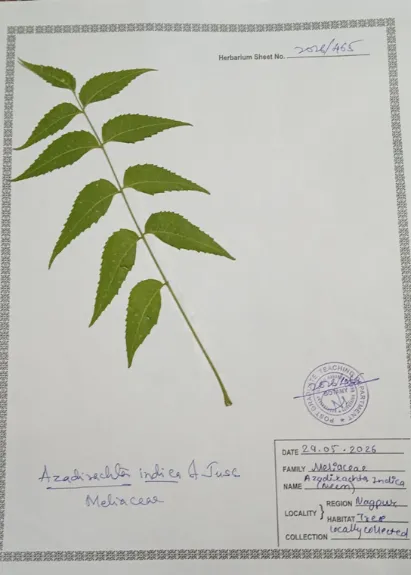
1. Fresh leaves of Neem were collected from the botanical local area of Nagpur, Maharashtra, India.
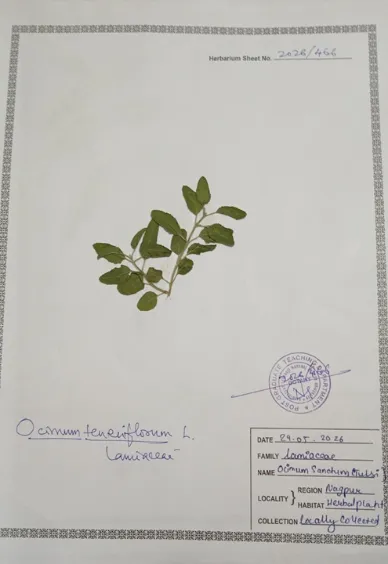
2. The leaves of Tulsi were collected from the local garden of Nagpur, Maharashtra, India.
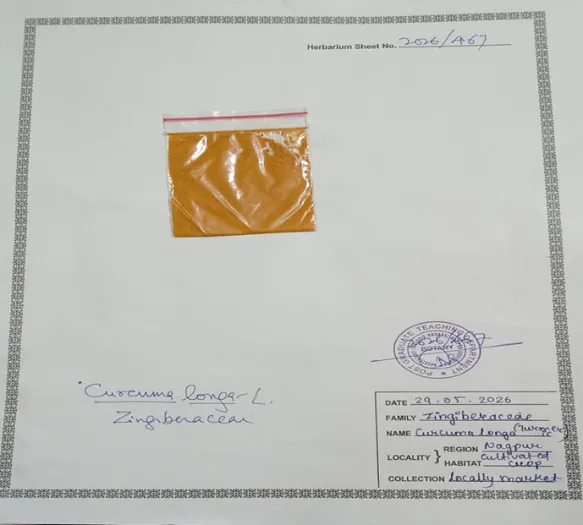
3. Fresh Turmeric powder were collected from the local area\ Market of Nagpur, Maharashtra, India.
Authentication
The plant material was authenticated by the Department of Botany, Rashtrasant Tukadoji Maharaj Nagpur
University, Nagpur, and a voucher specimen was preserved. The plant material was authenticated by the
Department of Botany, Rashtrasant Tukadoji Maharaj Nagpur University, Nagpur, and a voucher specimen
Was Submitted.
Method Of Extraction by Maceration Technique-:
This method is commonly used for the extraction of bioactive constituents from plant materials while minimizing thermal degradation of active compounds (Kokate et al., 2019). A measured quantity of powdered plant material (approximately 50 g) is placed in a suitable container and mixed with an appropriate solvent such as ethanol, methanol, or water (Kokate et al., 2019). The mixture is kept at room temperature for a specific duration, generally about three days, with intermittent stirring to ensure proper extraction (Kokate et al., 2019). After completion of extraction, the mixture is filtered through muslin cloth or filter paper to obtain the extract (Kokate et al., 2019).
Procedure
• Fresh neem leaves are collected and washed thoroughly to remove dust and impurities.
• The cleaned leaves are shade dried for about 5–7 days until complete removal of moisture is achieved.
• The dried leaves are then pulverized into coarse powder using a grinder.
• The powdered material is subjected to extraction by maceration or Soxhlet extraction using a hydroalcoholic solvent system (ethanol:water).
• The obtained extract is filtered using muslin cloth or Whatman filter paper to separate solid residues.
•The solvent is evaporated to obtain a concentrated semi-solid extract.
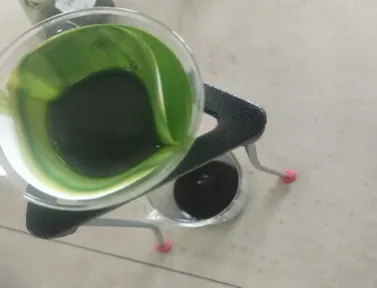
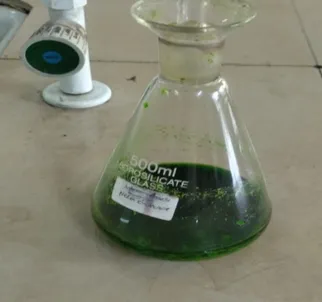
Maceration is a commonly employed extraction technique in which powdered plant material is immersed in a suitable solvent such as ethanol, methanol, or water inside a closed container for a specific period, generally ranging from 3 to 7 days (Kokate et al., 2019). The mixture is shaken intermittently to improve the extraction of phytoconstituents (Kokate et al., 2019). This method is particularly suitable for heat-sensitive compounds because it is performed at room temperature (Kokate et al., 2019).
Procedure
• Fresh tulsi leaves are collected and washed thoroughly to remove impurities (Kokate et al., 2019).
• The leaves are shade dried until complete removal of moisture is achieved (Kokate et al., 2019).
• The dried material is ground into coarse powder (Kokate et al., 2019).
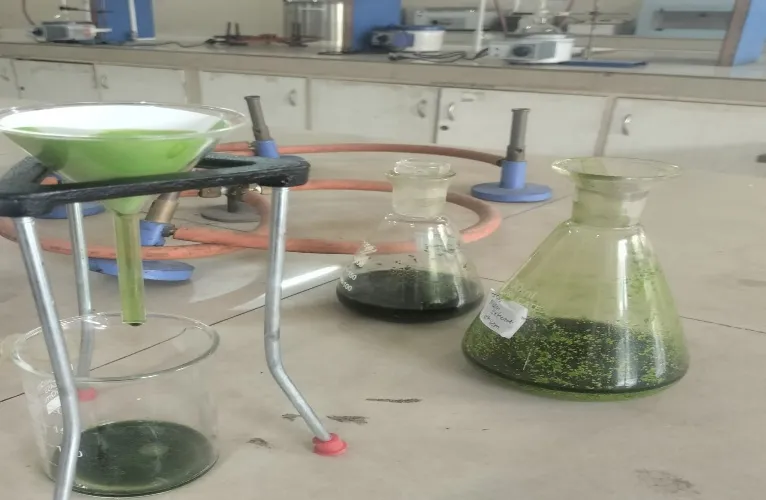
• The powdered leaves are extracted using a hydroalcoholic solvent system by maceration for 24–72 hours or by Soxhlet extraction (Kokate et al., 2019).
• The extract is filtered to remove plant residues (Kokate et al., 2019).
• The filtrate is concentrated by evaporation of the solvent to obtain the final extract (Kokate et al., 2019).
3)Turmeric-:
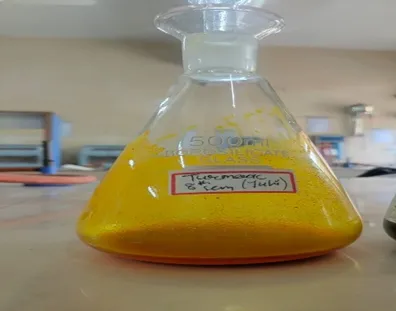
The powdered plant material is mixed with a suitable solvent, commonly 70–80% ethanol, in a closed container using an appropriate solid-to-solvent ratio, generally around 1:8 (Kokate et al., 2019). The extraction process is carried out by maceration, where the mixture is kept at room temperature for approximately 24–48 hours to facilitate the extraction of curcuminoids and other active constituents (Kokate et al., 2019). After extraction, the mixture is filtered using filter paper or a separating device to separate the plant residue from the liquid extract (Kokate et al., 2019). The filtrate is then concentrated by evaporating the solvent, usually below 70°C, to obtain a thick extract enriched with curcumin (Kokate et al., 2019).
Procedure
• Fresh turmeric rhizomes are collected and washed thoroughly to remove adhering impurities.
• The rhizomes are sliced into small pieces and dried under shade or mild heat conditions.
• The dried material is ground into fine powder.
• Extraction is performed using a hydroalcoholic solvent system (ethanol and water) by maceration or Soxhlet extraction.
• The obtained extract is filtered properly to remove insoluble plant material.
• The solvent is evaporated to obtain a concentrated turmeric extract rich in curcumin.

4) Aloe vera -:
Procedure
• Fresh, mature Aloe vera leaves are selected, preferably from plants aged 15–24 months to ensure high polysaccharide content (Surjushe et al., 2008).
• The leaves are thoroughly washed with purified water to remove dirt, microorganisms, and surface impurities (Surjushe et al., 2008).
• The base of each leaf is cut, and the leaves are kept in a vertical position for 15–30 minutes to allow the yellow latex (containing aloin and other anthraquinones) to drain out, thereby reducing bitterness and potential toxicity (Surjushe et al., 2008).
Phytochemical Screening of Herbal Extracts
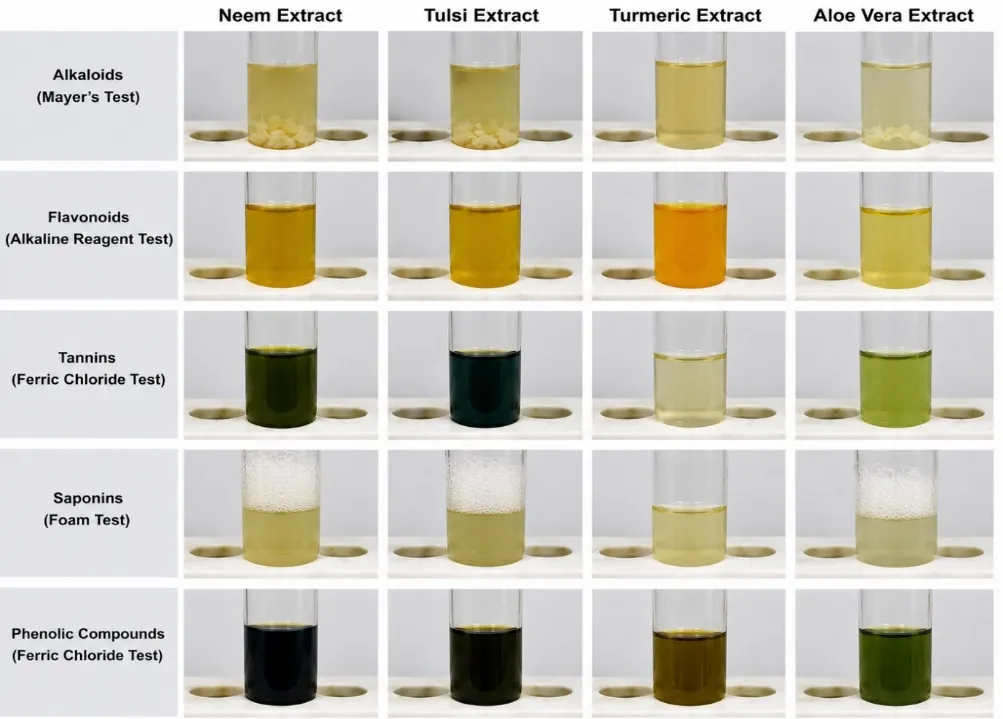
Phytochemical Screening Procedure for Neem Extract
1. Alkaloids ( Mayer’s Test)
About 2 mL of Neem extract was taken in a test tube and many drops of Mayer’s reagent were added. Cream precipitate conformation verified the presence of alkaloids.
2. Flavonoids ( Alkaline Reagent Test)
To 2 mL of Neem extract, many drops of sodium hydroxide result were added. Unheroic achromatism indicated the presence of flavonoids.
3. Tannins ( Ferric Chloride Test)
About 2 mL of Neem extract was treated with many drops of ferric chloride result. Dark green achromatism verified the presence of tannins.
4. Saponins ( Foam Test)
Neem extract was shaken vigorously with distilled water for about 2 minutes. Patient's froth conformation indicated the presence of saponins.
5. Phenolic composites ( Ferric Chloride Test)
Many drops of ferric chloride were added to the Neem extract. Bluish-black achromatism verified the presence of phenolic composites.
Table: Phytochemical Tests and Observations
|
Sr. No. |
Phytochemical Test |
Observation in Neem Extract |
Observation in Tulsi Extract |
Observation in Turmeric Extract |
Observation in Aloe vera Extract |
|
1 |
Alkaloids (Mayer’s Test) |
Cream precipitate formed |
Cream precipitate formed |
No precipitate formed |
Slight cream precipitate formed |
|
2 |
Flavonoids (Alkaline Reagent Test) |
Yellow coloration observed |
Yellow coloration observed |
Intense yellow coloration observed |
Light yellow coloration observed |
|
3 |
Tannins (Ferric Chloride Test) |
Dark green coloration observed |
Blue-green coloration observed |
No color change observed |
Light green coloration observed |
|
4 |
Saponins (Foam Test) |
Persistent foam formed |
Stable foam formed |
No stable foam formed |
Stable froth formed |
|
5 |
Phenolic Compounds (Ferric Chloride Test) |
Bluish-black coloration observed |
Greenish-black coloration observed |
Brownish-green coloration observed |
Green coloration observed |
Formulation of Hand Wash
Evaluation Tests-:
Method:
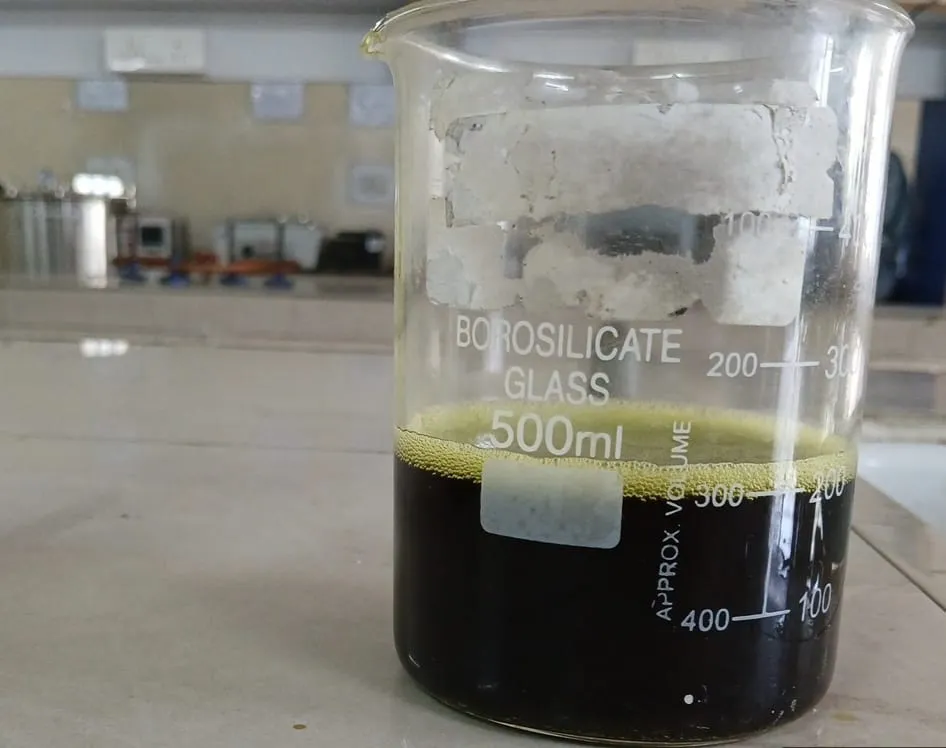
Visual inspection is carried out under normal light conditions. The formulation is observed for colour, clarity, odour, and consistency.
Parameters Checked:
Colour, clarity, odour, and consistency.
Observation (Result):
The formulation shows uniform colour, pleasant herbal odour, and no phase separation.
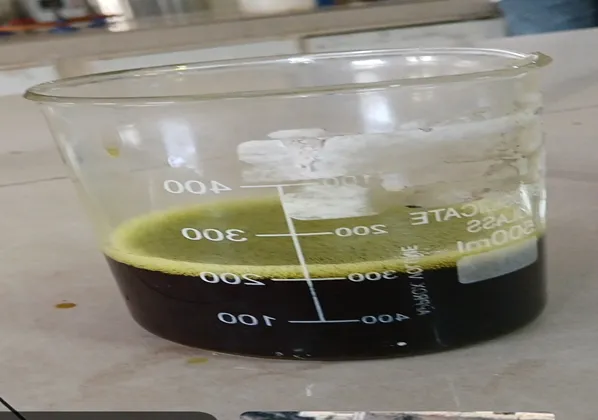
Method:
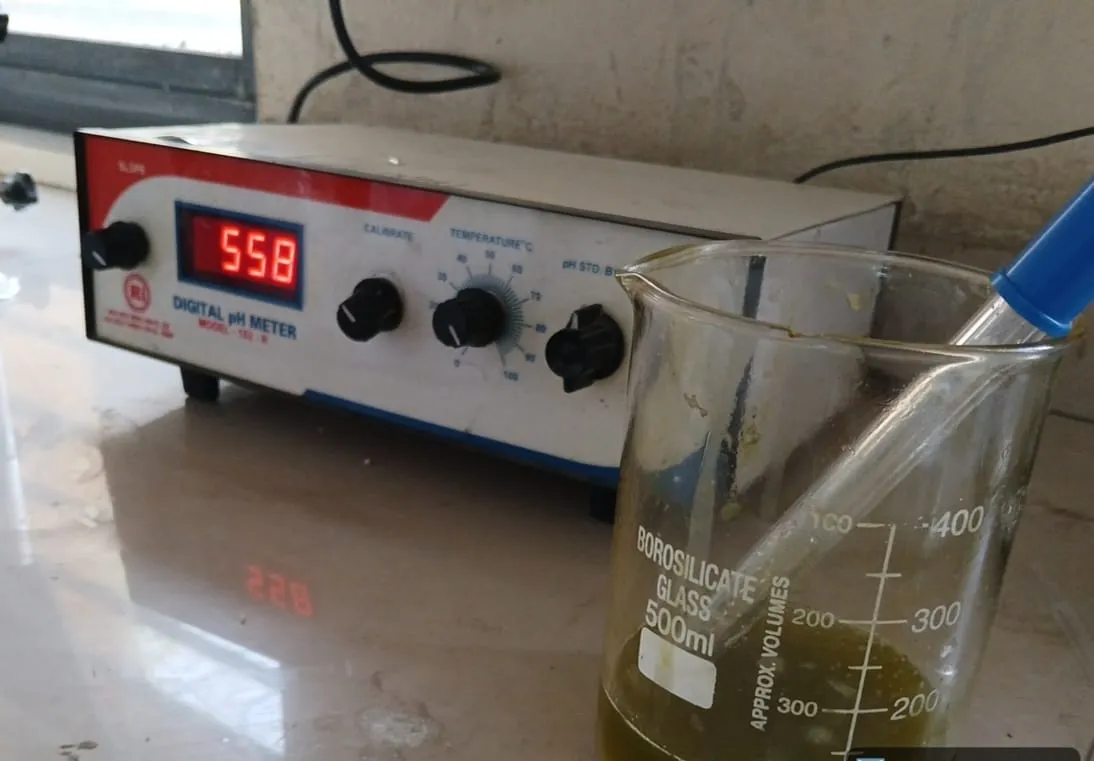
A calibrated pH meter is used for measurement. The electrode is immersed in a 1% solution of the handwash prepared in distilled water.
Observation:
The pH value is recorded and compared with the skin-friendly range (5.5–6.5).
Importance:
Maintaining pH within this range ensures skin compatibility and supports the pH-responsive nature of the formulation.
Method:
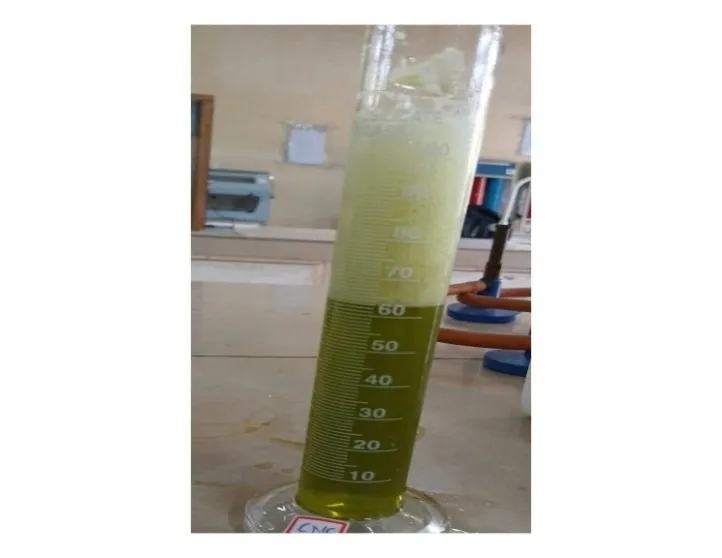
10 mL of the sample is taken in a measuring cylinder and shaken vigorously for 1 minute. Foam height is measured immediately after shaking and again after a fixed time interval. Foam stability is evaluated by observing foam retention over time.
Observation:
Foam height is recorded immediately and after 5 minutes. Foam stability is assessed based on the reduction in foam volume.
Result:
The formulation shows stable foam formation with good cleansing properties. Minimal foam collapse is observed after 5–10 minutes, indicating good foam stability.
Method:
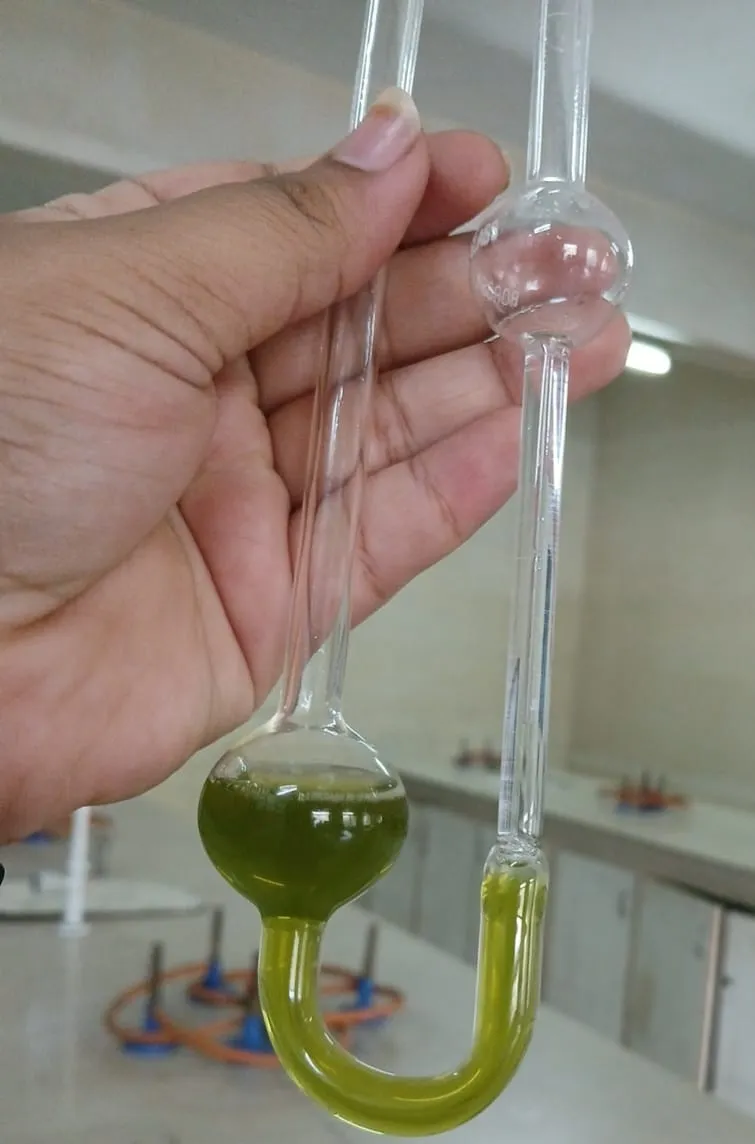
The viscosity of the formulated herbal handwash was determined using an appropriate viscometric method. The flow time of the sample was measured and compared with a standard liquid under controlled conditions. The viscosity was then calculated using the following formula:
Formula:
η₁ = η₂ × (ρ₁t₁ / ρ₂t₂)
Observation:
The viscosity of the prepared herbal handwash was found to be approximately 24.99 cP. The ideal viscosity range for handwash formulations is generally between 200–2000 cP, which can be adjusted by varying the concentration of thickening agents.
Result:
The measured viscosity of the sample is 24.99 cP.
Positive Result:
The formulation shows smooth flow properties, neither too thick nor too watery, ensuring ease of handling and application.
Test Organism:
Escherichia coli
Method:
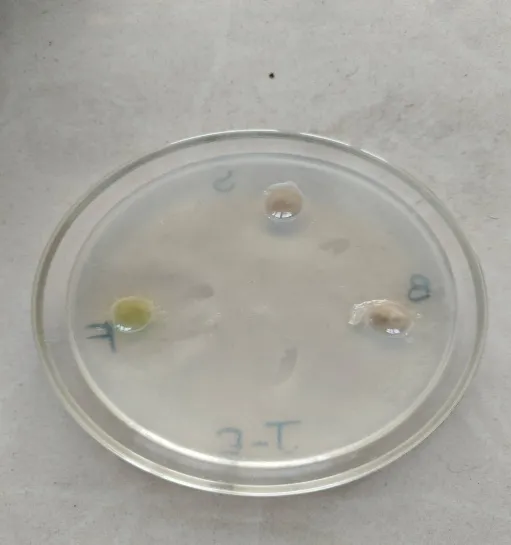
The antimicrobial activity of the formulated herbal handwash was evaluated using the agar well diffusion method. The inoculated agar plates were incubated at 37°C for 24 hours, and the zone of inhibition was measured in millimetres.
Results:
|
Concentration |
Zone of Inhibition (mm) |
|
20 µL |
7 mm |
|
40 µL |
10 mm |
|
60 µL |
13 mm |
Observation:
The formulation exhibited antimicrobial activity against Escherichia coli, with an increase in the zone of inhibition as the concentration of the sample increased.
Conclusion:
The herbal handwash showed good antimicrobial effectiveness in a concentration-dependent manner.

Method:
The formulated herbal handwash was subjected to stability testing at different storage temperatures (25°C, 37°C, and 40°C) to evaluate its physical stability under varying conditions.
Observation:
No phase separation or visible changes in appearance were observed at any of the tested temperatures.
Result:
The formulation remained physically stable under all storage conditions, indicating good stability of the prepared herbal handwash.
The prepared herbal handwash formulation was evaluated by 20 volunteers for different sensory and performance parameters, including fragrance, texture, foamability, cleansing ability, and skin feel. Participants were instructed to use the formulation and provide feedback based on their personal experience.
Overall, most volunteers rated the formulation as good to excellent. The handwash exhibited a pleasant fragrance, satisfactory foam formation, effective cleansing ability, and smooth texture. No irritation, itching, dryness, or allergic reactions were reported after use. The presence of aloe vera contributed to a moisturising effect, improving the skin's feel after washing.
The results indicate that the prepared herbal handwash was well accepted by users and is suitable for regular use.
User Acceptability Study Table
|
Parameter |
Excellent |
Good |
Average |
|
Fragrance |
12 |
6 |
2 |
|
Texture |
15 |
4 |
1 |
|
Foamability |
14 |
5 |
1 |
|
Skin feel |
16 |
3 |
1 |
|
Cleansing ability |
15 |
4 |
1 |
Interpretation of Results
The majority of users rated the formulated handwash as good to excellent.
The formulation demonstrated:
Good foam formation
Pleasant herbal fragrance
Smooth texture
Effective cleansing action
No skin irritation
Overall, the results indicate that the formulation is safe, stable, and suitable for regular use.
RESULT & DISCUSSION :
Organoleptic Evaluation Result Table
|
Sr. No. |
Evaluation Parameter |
Observation/Result |
|
1 |
Color |
Green |
|
2 |
Appearance |
Smooth liquid |
|
3 |
Odor |
Pleasant |
|
4 |
Texture |
Smooth and non-irritant |
|
5 |
pH |
5.5–6.5 |
|
6 |
Foam Height |
35–40 mL |
|
7 |
Foam Retention |
Good |
|
8 |
Viscosity |
24.99 cP |
|
9 |
Antimicrobial Activity |
Good activity against Escherichia coli |
|
10 |
Zone of Inhibition (20 µL) |
7 mm |
|
11 |
Zone of Inhibition (40 µL) |
10 mm |
|
12 |
Zone of Inhibition (60 µL) |
13 mm |
|
13 |
Stability at 25°C |
Stable |
|
14 |
Stability at 37°C |
Stable |
|
15 |
Stability at 40°C |
No phase separation |
|
16 |
User Acceptability |
Excellent to Good |
|
17 |
Skin Irritation |
Not observed |
|
18 |
Overall Performance |
Satisfactory |
DISCUSSION
The present study focused on the formulation and evaluation of a pH-sensitive herbal handwash using neem, tulsi, aloe vera, and turmeric extracts. The results support the growing interest in herbal-based personal care products as safer alternatives to synthetic formulations.The herbal ingredients contributed significantly to the performance of the formulation. Neem and tulsi provided strong antimicrobial activity, while aloe vera offered moisturizing and soothing effects. Turmeric contributed antibacterial properties and pH-sensitive characteristics.
The formulation showed a skin-friendly pH (5.5–6.5), indicating good compatibility with the skin and reduced risk of irritation. Foamability and stability results were satisfactory, suggesting acceptable cleansing performance and physical stability. However, viscosity was lower than the ideal commercial range, indicating scope for improvement by adjusting thickening agents.The antimicrobial study confirmed effective activity against Escherichia coli, and user acceptability results showed positive feedback regarding fragrance, texture, and skin feel, with no irritation reported.
Overall, the developed herbal handwash was found to be safe, effective, stable, and suitable for regular use, though minor formulation optimization may further improve its quality.
SUMMARY & CONCLUSION
SUMMARY
The present study was carried out to formulate and evaluate a pH-sensitive herbal handwash using natural plant-based ingredients such as neem, tulsi, aloe vera, and turmeric. The increasing demand for herbal and eco-friendly personal care products has encouraged the development of safer alternatives to synthetic handwash formulations. Conventional handwash products often contain harsh chemicals and synthetic surfactants that may lead to skin irritation, dryness, and allergic reactions upon frequent use. Therefore, this study focused on developing a herbal formulation with effective antimicrobial properties and good skin compatibility.
The selected herbal ingredients were chosen based on their well-known medicinal and therapeutic properties. Neem possesses strong antibacterial, antifungal, and antiseptic activity. Tulsi exhibits antimicrobial, antioxidant, and anti-inflammatory properties. Aloe vera acts as a natural moisturizer and helps maintain skin hydration, while turmeric contains curcumin, which provides antibacterial activity and also functions as a natural pH-sensitive agent.
The herbal extracts were prepared using suitable extraction techniques. Neem and tulsi leaves were dried, powdered, and extracted using the maceration method with ethanol as the solvent. Aloe vera gel was collected from fresh leaves, properly processed, and filtered. Turmeric extract was prepared using an ethanolic extraction method to obtain active constituents.
These extracts were incorporated into a handwash base containing liquid castile soap, glycerin, sodium chloride, fragrance, and distilled water. Citric acid was used to maintain the formulation within the skin-friendly pH range. Careful formulation techniques were applied to obtain a homogeneous, stable, and smooth product.
The prepared herbal handwash was evaluated for various physicochemical and performance parameters. Organoleptic evaluation revealed good appearance, green colour, pleasant odour, and smooth texture. The pH of the formulation was found to be within the skin-compatible range of 5.5–6.5, indicating suitability for topical use and reduced risk of irritation.
Foam height and foam stability studies demonstrated satisfactory cleansing and foaming properties. Viscosity analysis using an Ostwald viscometer showed acceptable flow behaviour appropriate for liquid handwash formulations.
Antimicrobial activity was evaluated against Escherichia coli using the agar well diffusion method. The formulation exhibited significant antimicrobial activity, primarily due to the presence of neem and tulsi extracts. Stability studies conducted at different temperatures showed that the formulation remained physically stable without phase separation or noticeable changes.
A user acceptability study conducted among volunteers assessed fragrance, texture, foamability, cleansing efficiency, and skin feel. Most participants rated the formulation as good to excellent. No irritation, dryness, or allergic reactions were observed, confirming good skin compatibility and user satisfaction.
Overall, the developed pH-sensitive herbal handwash was found to be effective, stable, safe, economical, and environmentally friendly. It offers a promising herbal alternative to synthetic commercial handwash products for maintaining hand hygiene and skin health.
CONCLUSION
REFERENCES
World Health Organization. WHO Guidelines on Hand Hygiene in Health Care. Geneva: WHO; 2009.

Mohammad Aqdas Ameen, Juhii Gorle, Namrata Muddalwar, Development and Evaluation of a pH-Sensitive Herbal Handwash with User Acceptability Study, Int. J. of Pharm. Sci., 2026, Vol 4, Issue 6, 2319-2338, https://doi.org/10.5281/zenodo.20610138
 10.5281/zenodo.20610138