View Article

Abstract

The increasing demand for safe, natural, and sustainable skincare products has accelerated the use of herbal ingredients in cosmetic formulations. Among these, Nelumbo nucifera (pink lotus) are recognized for their diverse phytochemicals and FACE TONER. Lotus contains flavonoids, phenolic compounds, and antioxidants that promote skin hydration, improve complexion, reduce oxidative stress, and support anti-aging through brightening and anti-wrinkle effects. Neem [Azadirachta indica] is rich in bioactive compounds with well-established antimicrobial, anti-inflammatory, antioxidant, and wound-healing activities, making it effective in managing acne, skin infections, and inflammation. The complementary actions of lotus petals and neem leaves suggest their potential as valuable ingredients in herbal skincare formulations, particularly facial toners that cleanse, refresh, protect, and revitalize the skin without loosing its natural barrier. This review highlights the phytochemical composition, pharmacological activities, cosmetic applications, and therapeutic potential of these medicinal plants in the development of safe and effective herbal facial care products

Keywords

Toner, lotus, neem, Anti-Inflammatory, Anti-microbial, Anti-aging

Introduction

× Popup Image

In recent years, cosmetics have become an essential part of daily life, with increasing consumer demand for products that are safe, effective, and derived from natural sources. Growing awareness of the adverse effects associated with prolonged use of synthetic cosmetic ingredients has led to renewed interest in herbal and Ayurvedic formulations.1 Ayurveda, the ancient Indian system of medicine, describes more than 200 medicinal herbs, minerals, and natural substances that promote healthy, radiant skin and help maintain its natural beauty. Herbal cosmetics have been used in India for thousands of years and are well recognized for their efficacy, safety, and minimal side effects.2

Medicinal plants have also gained significant importance in modern pharmaceutical and cosmetic research due to their diverse biological activities. Rich in phytochemicals such as flavonoids, alkaloids, phenolic compounds, tannins, terpenoids, and essential oils, these plants exhibit antioxidant, antimicrobial, anti-inflammatory, wound-healing, and skin-protective properties. Consequently, herbal ingredients are increasingly incorporated into skincare products including toners, cleansers, creams, gels, serums, and face packs.3

Among the most valuable medicinal plants used in herbal cosmetics are Azadirachta indica A. Juss. (Neem) and Nelumbo nucifera Gaertn. (Lotus). Neem, belonging to the family Meliaceae, has been revered in traditional Indian medicine for over 2,000 years and is widely known as the "Village Dispensary," "Nature's Drugstore," and Sarvaroga Nivarini, meaning "the cure for all diseases." The name Azadirachta is derived from the Persian words Azad (free) and Dirakht (tree), referring to its natural resistance to insects and diseases. Neem leaves contain a wide range of bioactive constituents, including flavonoids, limonoids, triterpenoids, tannins, polyphenols, and essential oils, which contribute to its potent antibacterial, antifungal, anti-inflammatory, antioxidant, and anti-acne activities. These properties make neem an excellent ingredient for skincare formulations designed to control acne, reduce microbial growth, soothe irritated skin, and improve overall skin health.4

Similarly, Nelumbo nucifera (Lotus), a member of the family Nelumbonaceae, is an aquatic perennial plant widely distributed throughout India and other Asian countries. The lotus is renowned not only for its cultural and religious significance but also for its therapeutic and cosmetic value. The plant grows in freshwater ponds and wetlands, with roots anchored in the mud while its leaves and fragrant flowers rise gracefully above the water surface.5 Different parts of the lotus, including petals, leaves, seeds, rhizomes, and stamens, are rich in flavonoids, alkaloids, polyphenols, and other antioxidant compounds. These phytochemicals provide antioxidant, anti-inflammatory, moisturizing, anti-aging, skin-brightening, and soothing effects, making lotus a valuable ingredient in modern herbal cosmetics.7

The combination of neem and lotus offers complementary skincare benefits. Neem provides strong antimicrobial and anti-inflammatory action to help prevent acne and protect the skin from microbial infections, while lotus supplies antioxidant and moisturizing properties that improve skin texture, reduce oxidative stress, and enhance the skin's natural radiance.6 Together, these medicinal plants form an effective herbal combination for the development of cosmetic formulations such as facial toners, offering cleansing, refreshing, pore-tightening, and skin-conditioning effects without the adverse reactions commonly associated with synthetic ingredients.

Therefore, the present study focuses on the formulation and evaluation of a herbal facial toner containing Azadirachta indica and Nelumbo nucifera.4 The formulation aims to combine the scientifically recognized therapeutic properties of these medicinal plants to develop a safe, effective, and natural skincare product suitable for maintaining healthy, refreshed, and glowing skin.7
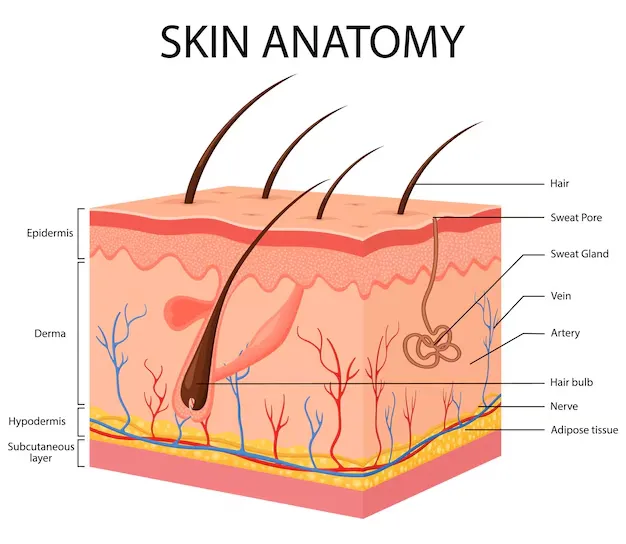


Figure No: 1


HERBAL ACTIVE CONSTITUENTS
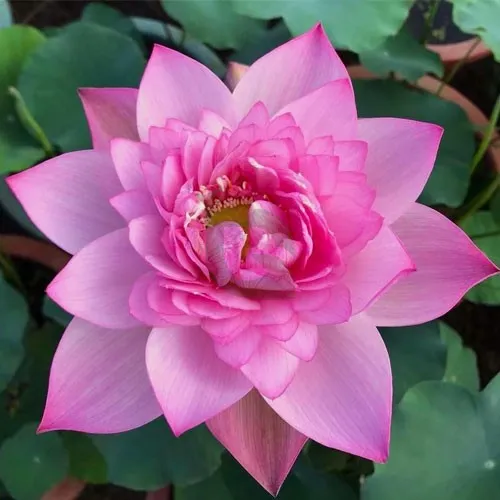
  • LOTUS


Figure No : 2

1. Biological Source

Lotus is obtained from the fresh or dried flowers, leaves, seeds, rhizomes, and stamens of Nelumbo nucifera, an aquatic perenniall plant.

2.Family: Nelumbonaceae

3. Chemical Constituents

Lotus contains many bioactive compounds, including:

Flavonoids: Quercetin, Kaempferol

Alkaloids: Nuciferine, Neferine

Phenolic compounds: Tannins, Saponins, Glycosides, Polysaccharides

Vitamins: Vitamin C and B-complex (small amounts)

Minerals: Potassium, Calcium, Magnesium, Iron 

4.USES OF LOTUS
  • Helps to control melanin production
  • Decrease the dark spots and enhance the skin tone
  • Good for brightening the skin glow, skin-soothing and cooling agent.
  • Helps in radiating, soothing inflammation and moisturize the skin.
  • Promotes skin brightening and improves complexion.
  • Used in toners, creams, face packs, and serums.
  • Traditionally used for wound healing and in herbal medicine.
  • Seeds and rhizomes are also used as nutritious food.
  • NEEM LEAVES


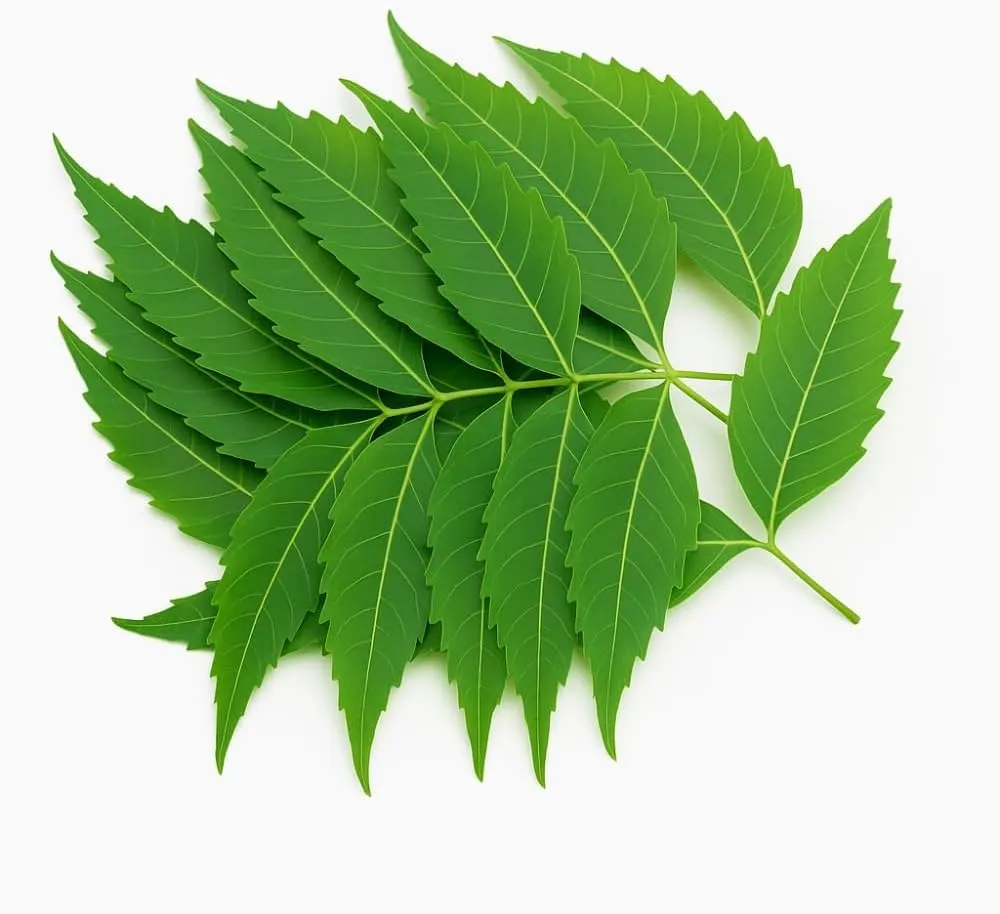
Figure No: 3

1.Biological Source

Neem consists of the fresh or dried leaves, bark, seeds, flowers, and seed oil obtained from Azadirachta indica A. Juss.

2. Family – Meliaceae

3. Chemical Constituents

     Nimbidim, nimbolid, beta-sitosterol, catechin, tannins, saponins, terpenoids [limonoids],             phenolic compounds

4. Uses

  • act as anti-acne, anti-oxidant and anti-inflammation
  • controls excess oil [sebum]
  • provides a refreshing and revitalizing effect
  • cleanses and purifies the skin
  • reduces the risk of skin infection

EXCIPIENTS


S.NO

INGREDIENTS

PRIMARY ACTION

1.

Propylene glycol

Solvent and stabilizer

2.

Glycerin

Humectant

3.

Distilled water

Vehicle

4.

Methyl parabbin

Preserative

5.

Jasemine fragnance

Perfume


EXTRACTION OF MATERIALS

  1. lotus petals:
  • collect the fresh lotus flower and separate the petals carefully.
  • Wash the petals with distilled water.
  • Shade – dried the lotus petals at room temperature for 3-5 days.
  • Dried lotus petals are grined into coarse powder.
  • Take 5 gm of dreid lotus powder is inserted into a round bottom flask.
  • Add 50 ml (95 %) of ethanol to it.
  • Heat the solution until it boils and evaporates when ethonal travel into the condenser.
  •             and dripped into plant material.
  • Store the herbal extract in 40 degree.
  •  


  1. Neem leaves:
  • Collet the fresh neem leaves and wash it with distilled water.
  • Dry the neem leaves at room temperature for 5-7 days.
  • Dried leaves are grinded into coarse powder.
  • Take 5 gm of dried neem leaves powder and mix it with 50 ml of distilled water.
  • Heat the herbal extract at 60- 70 degree for 45 minutes.
  • Cool and filter the herbal extract with Whatman no.1 filter paper.
  • Concentrate the filtrate on the water bath to obtain a concentrated extract. 


PROCEDURE:

  • In a beaker add jasmine fragnance 1-2 drops (5%w/v) and distilled water.
  • Add glycerin and propylene glycol, stir it and mix it properly.
  • Slowly add lotus petal powder extract by continuous stiring.
  • Add neem leaf extract and mix it.
  • Add phenoxyethanol and stir it until the solution is obtained.
  • Filter the toner.

EVALUATION OF HERBAL FACE TONER

  • Organoleptic properties:
  1. Description
  2. Color
  3. Odour
  4. Consistency
  • pH: Formulation was placed  in a beaker with graduations and the calibrated PH was placed in the formulation for a period of time and the measurement was noted down.
  • Homogeneity: The pressure of any clogs are observed visually to determine homogeneity.
  • Pourability: This test used to check final formulation of toner is perfectly pourable or not.
  • Light exposure testing: The product is placed in its actual packaging at direct sunlight (or) in light chamber for two days to check the discoloration of the product.
  • Skin irritation: Small amount of the mist toner was sprayed on left hand dorsal skin and kept for sometime.
  • Skin conditioning: The appearance of the skin after applying the formulation was observed.
  • Stickiness: The formulated particles were observed whether its too much sticky or appropriate stickiness to the skin.
  • Washable: checked whether the formulation is washable or not.
  • Stability testing: To determine the product stability overtime and under different environmental conditioning.

CONCLUSION

This skin revitalizing herbal facial toner blends the gentle, refreshing touch of lotus petals with purifying power of neem leaves to care for tired, dull skin. The phytoconstituents present in lotus petals, including flavonoids, phenolic compounds, and alkaloids, provide antioxidant, soothing, and moisturizing effects, whereas neem leaves contain bioactive compounds such as nimbin, nimbidin, quercetin, and azadirachtin, which exhibit antimicrobial, anti-inflammatory, and skin-protective activities. The combination of these herbal extracts produces a synergistic effect that helps cleanse, refresh, hydrate, and protect the skin while reducing microbial growth and skin irritation. The formulation is expected to possess acceptable physicochemical properties, including suitable pH, good stability, clarity, and compatibility with the skin, making it appropriate for daily use. This toner offers more than freshness, it brings a small daily ritual of care that helps the skin look healthier, feel lighter and glow with soft, natural radiance.

REFERENCES

  1. Pandey S, Meshya N, Viral D. Herbs play an important role in the field of cosmetics. Int J PharmTech Res. 2010; 2(1):632-639.
  2. Sharma PV. Dravyaguna Vijnana. Varanasi: Chaukhambha Bharati Academy; 2005; 2.
  3. Ekor M. The growing use of herbal medicines: Issues relating to adverse reactions and challenges in monitoring safety. Front Pharmacol. 2014; 4:177.
  4. Subapriya R, Nagini S. Medicinal properties of neem leaves: A review. Curr Med Chem Anticancer Agents. 2005; 5(2):149-156.
  5. Mukherjee PK, Mukherjee D, Maji AK, Rai S, Heinrich M . The sacred lotus (Nelumbo nucifera)—Phytochemical and therapeutic profile. J Pharm Pharmacol. 2009; 61(4):407-422.
  6. Biswas K, Chattopadhyay I, Banerjee RK, Bandyopadhyay U. Biological activities and medicinal properties of neem (Azadirachta indica). Curr Sci. 2002;82(11):1336-1345.
  7. Paudel KR, Panth N. Phytochemical profile and biological activity of Nelumbo nucifera. Evid Based Complement Alternat Med. 2015.
  8. Tungmunnithum D, Pinthong D, Hano C. Flavonoids from Nelumbo nucifera Gaertn., a medicinal plant: Uses in traditional medicine, phytochemistry and pharmacological activities. Medicines (Basel). 2018; 5(4):127.
  9. Huang X, Hao N, Chen G, Liu S, Che Z. Chemistry and biology of nuciferine. Ind Crops Prod. 2022; 179.
  10. Zhang, et al. Advances in the pharmacological effects and mechanisms of Nelumbo nucifera extract nuciferine. J Ethnopharmacol. 2024;331.
  11. Anupam Bishayee, Palak A Patel, Priya Sharma, Shivani Thoutireddy, Niranjan Das. Lotus (Nelumbo nucifera) and its bioactive phytocompounds: A tribute to cancer prevention and intervention. Cancer (Basel). 2022; 14(3):529.
  12. Yadav Chhavi, Chaubey Suresh, Singh Tejbeer, Singh D.C, Kumari Sangeeta. A intact review on Nelumbo nucifera with special reference to its therapeutic potential. Int J Ayurveda Pharma Res. 2016; 4(8):392.
  13. Sable NV, Pagar SA. A review on lotus: Use in herbal cosmetics. Res J Top Cosmet Sci. 2013; 4(2):81-83.
  14. Ashwini Chakote, Chetan D. Mandlik, Shruti Dhulasavant, Harsh P. Tejam. Preparation and evaluation of herbal face toner. Int J Sci Dev Res. 2024; 9(6):360-367.
  15. Omkar Prakash Neharkar, Asst.Prof. Premanand Atmaram Nighojkar. Formulation and evaluation of herbal face toner. Int J Emerg Technol Innov Res. 2025; 12(6):A47-A68.
  16. Alzohairy MA. Therapeutics role of Azadirachta indica (Neem) and their active constituents in disease prevention and treatment. Evid Based Complement Alternat Med. 2016.
  17. Pandey G, Madhuri S. Pharmacological activities of neem (Azadirachta indica): A review. Int J Biomed Res. 2010; 1(2):97-102.
  18. Koul O, Isman MB, Ketkar CM. Properties and uses of neem, Azadirachta indica. Can J Bot. 1990; 68(1):1-11.
  19. Azwanida N. A review on the extraction methods used in medicinal plants: Principles, strengths and limitations. Med Aromat Plants. 2015; 4(3):196.
  20. Sasidharan S, et al. Extraction, isolation and characterization of bioactive compounds from plants' extracts. Afr J Tradit Complement Altern Med. 2011; 8(1):1-10.
  21. Dureja H, Deepak Kaushik, Gupta M, Kumar V, Lather V. Cosmeceuticals: An emerging concept. Indian J Pharmacol. 2005; 37(3).
  22. Sumith Kumar M, Vandhana Swarnkar, Suhani Sharma, Ashish Baldi. Herbal cosmetics: Used for skin and hair. Inventi Journals. 2012; 2012(4).
  23. More S, Gadhave N, Choudhary P, Mavkar R, Rutuja Mavkar. Formulation and evaluation of herbal toner: A review. Int. J. Pharm. Sci.  2024; 84(9):7-12.
  24. Mhaske S, Wayal V, Tribhuvan H, Kute P, Gaikwad S. Formulation and evaluation of herbal face toner. IJARSCT. 2022; 2(5).
  25. Waghmare SA, Prakash KA, Patil SB, Gaikar PP. Formulation and evaluation of a multi-herbal toner for anti-acne prone skin. JAAFR. 2026; 4(4).

Reference

  1. Pandey S, Meshya N, Viral D. Herbs play an important role in the field of cosmetics. Int J PharmTech Res. 2010; 2(1):632-639.
  2. Sharma PV. Dravyaguna Vijnana. Varanasi: Chaukhambha Bharati Academy; 2005; 2.
  3. Ekor M. The growing use of herbal medicines: Issues relating to adverse reactions and challenges in monitoring safety. Front Pharmacol. 2014; 4:177.
  4. Subapriya R, Nagini S. Medicinal properties of neem leaves: A review. Curr Med Chem Anticancer Agents. 2005; 5(2):149-156.
  5. Mukherjee PK, Mukherjee D, Maji AK, Rai S, Heinrich M . The sacred lotus (Nelumbo nucifera)—Phytochemical and therapeutic profile. J Pharm Pharmacol. 2009; 61(4):407-422.
  6. Biswas K, Chattopadhyay I, Banerjee RK, Bandyopadhyay U. Biological activities and medicinal properties of neem (Azadirachta indica). Curr Sci. 2002;82(11):1336-1345.
  7. Paudel KR, Panth N. Phytochemical profile and biological activity of Nelumbo nucifera. Evid Based Complement Alternat Med. 2015.
  8. Tungmunnithum D, Pinthong D, Hano C. Flavonoids from Nelumbo nucifera Gaertn., a medicinal plant: Uses in traditional medicine, phytochemistry and pharmacological activities. Medicines (Basel). 2018; 5(4):127.
  9. Huang X, Hao N, Chen G, Liu S, Che Z. Chemistry and biology of nuciferine. Ind Crops Prod. 2022; 179.
  10. Zhang, et al. Advances in the pharmacological effects and mechanisms of Nelumbo nucifera extract nuciferine. J Ethnopharmacol. 2024;331.
  11. Anupam Bishayee, Palak A Patel, Priya Sharma, Shivani Thoutireddy, Niranjan Das. Lotus (Nelumbo nucifera) and its bioactive phytocompounds: A tribute to cancer prevention and intervention. Cancer (Basel). 2022; 14(3):529.
  12. Yadav Chhavi, Chaubey Suresh, Singh Tejbeer, Singh D.C, Kumari Sangeeta. A intact review on Nelumbo nucifera with special reference to its therapeutic potential. Int J Ayurveda Pharma Res. 2016; 4(8):392.
  13. Sable NV, Pagar SA. A review on lotus: Use in herbal cosmetics. Res J Top Cosmet Sci. 2013; 4(2):81-83.
  14. Ashwini Chakote, Chetan D. Mandlik, Shruti Dhulasavant, Harsh P. Tejam. Preparation and evaluation of herbal face toner. Int J Sci Dev Res. 2024; 9(6):360-367.
  15. Omkar Prakash Neharkar, Asst.Prof. Premanand Atmaram Nighojkar. Formulation and evaluation of herbal face toner. Int J Emerg Technol Innov Res. 2025; 12(6):A47-A68.
  16. Alzohairy MA. Therapeutics role of Azadirachta indica (Neem) and their active constituents in disease prevention and treatment. Evid Based Complement Alternat Med. 2016.
  17. Pandey G, Madhuri S. Pharmacological activities of neem (Azadirachta indica): A review. Int J Biomed Res. 2010; 1(2):97-102.
  18. Koul O, Isman MB, Ketkar CM. Properties and uses of neem, Azadirachta indica. Can J Bot. 1990; 68(1):1-11.
  19. Azwanida N. A review on the extraction methods used in medicinal plants: Principles, strengths and limitations. Med Aromat Plants. 2015; 4(3):196.
  20. Sasidharan S, et al. Extraction, isolation and characterization of bioactive compounds from plants' extracts. Afr J Tradit Complement Altern Med. 2011; 8(1):1-10.
  21. Dureja H, Deepak Kaushik, Gupta M, Kumar V, Lather V. Cosmeceuticals: An emerging concept. Indian J Pharmacol. 2005; 37(3).
  22. Sumith Kumar M, Vandhana Swarnkar, Suhani Sharma, Ashish Baldi. Herbal cosmetics: Used for skin and hair. Inventi Journals. 2012; 2012(4).
  23. More S, Gadhave N, Choudhary P, Mavkar R, Rutuja Mavkar. Formulation and evaluation of herbal toner: A review. Int. J. Pharm. Sci.  2024; 84(9):7-12.
  24. Mhaske S, Wayal V, Tribhuvan H, Kute P, Gaikwad S. Formulation and evaluation of herbal face toner. IJARSCT. 2022; 2(5).
  25. Waghmare SA, Prakash KA, Patil SB, Gaikar PP. Formulation and evaluation of a multi-herbal toner for anti-acne prone skin. JAAFR. 2026; 4(4).

Photo
Shradha Jadhav
Corresponding author

Department of Pharmaceutics, Spurthy College Of Pharmacy, Rajiv Gandhi University Of Health Sciences, Bengaluru, Karnataka.

Photo
Deepak Singh H
Co-author

Department of Pharmaceutics, Spurthy College Of Pharmacy, Rajiv Gandhi University Of Health Sciences, Bengaluru, Karnataka.

Photo
Bharath S
Co-author

Department of Pharmaceutics, Spurthy College Of Pharmacy, Rajiv Gandhi University Of Health Sciences, Bengaluru, Karnataka.

Photo
Antony Rinal
Co-author

Spurthy College Of Pharmacy, Rajiv Gandhi University Of Health Sciences, Bengaluru, Karnataka.

Photo
Anju K. P
Co-author

Spurthy College Of Pharmacy, Rajiv Gandhi University Of Health Sciences, Bengaluru, Karnataka.

Deepak Singh H, Shradha Jadhav, Bharath S, Antony Rinal, Anju K. P, A Skin Revitalizing Herbal Facial Toner with Lotus Petals and Neem Leaves, Int. J. of Pharm. Sci., 2026, Vol 4, Issue 8, 1605-1611, https://doi.org/10.5281/zenodo.21870275

More related articles
Nyctanthes arbor-tristis leaves extract improves t...
Shital Doifode, Dnyaneshwar Bomnale, Deepti Bandawane...
Method Development and Validation of Capmatinib in...
Prasad Bodake, Prashant Malpure, Varsha Chaudhari...
Development And Validation of Analytical Methods for Estimation of Calcium Chann...
Pradumn Pratap Singh , Pradeep Srivastava, Mahzbee Bano, Chanchal Gupta, Aman Amrit Raj...
Formulation And Evaluation of Anti Acne Gel...
Mohammad Altamash, Abdullah Danish, Khan Furkhan, Khan Mohd Saqlain, Kaif Kazi...
Formulation and evaluation of Herbal cream containing Achyanthes aspera extract ...
Narayane Ganesh , Dr. V. Tegeli, Kumbhar Bhaganna , Alamad Abhishek , Mali Nikita ...
Related Articles
Phytochemistry, Pharmacological Insights and Therapeutic Potential of Kalanchoe ...
Dr. Nidhi khatri, Bhanu Pratap Singh, Kunal deep Prajapat, Rahul Kumar Kumawat...
Drug-Induced Pancytopenia in Behcet's Disease with Coexisting Scrub Typhus Infec...
Alfeena N, Shaiju Dharan, Jim Litton, Grace Raju, Renjitha M S...
A Comprehensive Review on Herbal Hair Serum: Formulation and Evaluation Approach...
E. Hemalatha, A. Senthil, N. Sushmitha, R. Ramya, M. Mahalakshmi, V. Kathirnila...
Artificial Intelligence and Predictive Analytics: Transforming Recruitment Strat...
Devesh Bhavsar, Gitanjali Patil, Chhaya Mahajan, Pragati Patil...
Nyctanthes arbor-tristis leaves extract improves the hepatic damage in non-alcoh...
Shital Doifode, Dnyaneshwar Bomnale, Deepti Bandawane...