

We use cookies to ensure our website works properly and to personalise your experience. Cookies policy
University Institute of pharmaceutical Education & Research (UIPER), University of Kota, Kota Rajasthan, India
Kalanchoe spathulata, a succulent plant belonging to the family Crassulaceae, has long been recognized in traditional medicine for its diverse therapeutic applications. This review consolidates current knowledge on its phytochemical composition, pharmacological activities, and emerging therapeutic potential. Phytochemical investigations reveal the presence of flavonoids, terpenoids, phenolic compounds, glycosides, and bufadienolides, which collectively contribute to its broad spectrum of biological activities. Analytical techniques such as HPLC, GC–MS, and FTIR have been employed to characterize these bioactive constituents, providing a foundation for correlating chemical profiles with pharmacological outcomes. Pharmacological studies highlight the plant’s significant anti inflammatory, antioxidant, antimicrobial, wound healing, and anticancer properties. Flavonoids and phenolics are primarily responsible for free radical scavenging and cytoprotective effects, while bufadienolides exhibit cytotoxic and cardiotonic activities. In vitro and in vivo models have demonstrated promising results, validating ethnomedicinal claims and suggesting potential for drug discovery. The plant’s wound healing efficacy, attributed to enhanced collagen synthesis and modulation of inflammatory mediators, underscores its relevance in dermatological applications. Similarly, anticancer studies indicate apoptosis induction and inhibition of tumor proliferation, positioning K. spathulata as a candidate for further oncological research. Despite these encouraging findings, toxicological evaluations remain limited. Certain bufadienolides are known to exert cardiotoxic effects at higher concentrations, necessitating rigorous safety assessments and dose standardization. Moreover, clinical validation is scarce, with most evidence restricted to laboratory studies. Bridging this gap through well designed clinical trials is essential to translate preclinical findings into therapeutic applications. Beyond pharmacology, K. spathulata holds ecological and biotechnological significance. Its resilience in arid environments and potential for propagation through tissue culture make it a valuable candidate for conservation and sustainable utilization. Novel formulation approaches, including nanoparticles and oral films, may further enhance its bioavailability and therapeutic efficacy. In conclusion, Kalanchoe spathulata represents a promising medicinal resource with multifaceted phytochemistry and pharmacological potential. While traditional knowledge provides a strong foundation, modern research must focus on isolating novel compounds, elucidating molecular mechanisms, and conducting clinical studies to ensure safe and effective therapeutic use. This review aims to provide a consolidated framework for researchers, clinicians, and pharmacologists to harness the full potential of K. spathulata in modern medicine.
Medicinal plants have long served as the cornerstone of traditional healing systems across cultures, offering a rich reservoir of bioactive compounds that continue to inspire modern drug discovery. Among these, the genus Kalanchoe of the family Crassulaceae has attracted considerable attention due to its diverse phytochemistry and wide range of pharmacological activities (1-3). Species within this genus are commonly used in ethnomedicine for treating inflammatory conditions, infections, wounds, and even chronic diseases such as cancer. Kalanchoe spathulata, a lesser‑studied member of this genus, is now emerging as a promising candidate for phytopharmacological exploration (4-6).
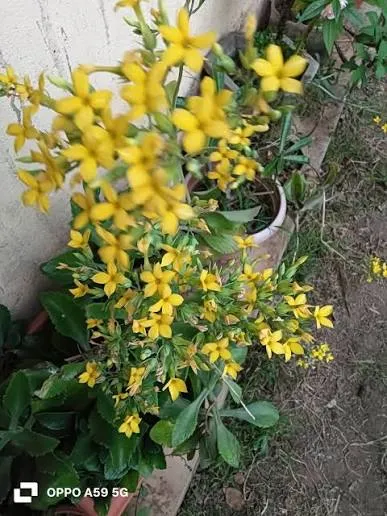
Figure 1: Kalanchoe spathulata
The therapeutic relevance of K. spathulata lies in its unique phytochemical profile, which includes flavonoids, terpenoids, phenolics, glycosides, and bufadienolides. These compounds are known to exert antioxidant, anti‑inflammatory, antimicrobial, and cytotoxic effects, thereby validating its traditional applications. In recent years, the global shift toward natural remedies and plant‑based therapeutics has further underscored the importance of systematically reviewing species like K. spathulata.
Kalanchoe spathulata is a succulent perennial plant characterized by fleshy leaves, adaptive morphology, and resilience in arid environments. Its ability to thrive under minimal water conditions reflects ecological adaptations that also influence its secondary metabolite production (7, 8). Morphologically, the plant exhibits spatulate leaves, small clusters of flowers, and a compact growth habit. Native to tropical and subtropical regions, it is distributed across parts of Asia and Africa, where it is often cultivated for ornamental as well as medicinal purposes (9, 10).
Traditional healers have employed K. spathulata for generations to manage ailments ranging from skin infections and wounds to gastrointestinal disturbances. In Ayurveda and folk medicine, preparations of its leaves are applied topically for burns, ulcers, and inflammatory lesions, while decoctions and extracts are consumed for their purported immunomodulatory and detoxifying properties. Such ethnomedicinal practices provide a valuable foundation for modern pharmacological investigations, highlighting the plant’s potential as a source of novel therapeutic agents (11, 12).
The phytochemistry of K. spathulata is central to its pharmacological promise. Flavonoids such as quercetin and kaempferol contribute to antioxidant and anti‑inflammatory effects, while bufadienolides exhibit cytotoxic activity against cancer cells. Terpenoids and phenolic acids further enhance antimicrobial and wound‑healing properties. Analytical techniques including HPLC, LC–MS/MS, GC–MS, and FTIR have been employed to characterize these compounds, enabling correlation between chemical composition and biological activity. The diversity of phytoconstituents positions K. spathulata as a multifaceted medicinal resource (13, 14).
Preclinical studies have demonstrated that extracts of K. spathulata possess significant pharmacological activities. Antioxidant assays confirm its ability to scavenge free radicals and protect against oxidative stress, a key factor in chronic diseases (15-17). Anti‑inflammatory studies reveal modulation of cytokines and suppression of inflammatory mediators. Antimicrobial investigations highlight efficacy against bacterial and fungal pathogens, supporting its traditional use in treating infections. Moreover, anticancer studies suggest that bufadienolides induce apoptosis and inhibit tumor proliferation, warranting further exploration in oncology (18-21).
Despite these promising findings, research on K. spathulata remains fragmented and limited compared to other medicinal plants. Toxicological evaluations are scarce, and clinical validation is virtually absent. Most studies are confined to laboratory assays, with little translation into therapeutic applications. Furthermore, the plant’s ecological and biotechnological potential—such as tissue culture propagation and sustainable utilization—has not been fully explored. A comprehensive review is therefore essential to consolidate existing knowledge, identify research gaps, and propose future directions. By synthesizing phytochemical, pharmacological, and ethnomedicinal data, this paper aims to provide a structured framework for researchers, clinicians, and pharmacologists to harness the full potential of K. spathulata.
The objectives of this review are to summarize the botanical description and distribution of K. spathulata, consolidate phytochemical findings and analytical approaches, evaluate pharmacological activities across in vitro and in vivo studies, discuss toxicological and safety considerations, highlight ethnomedicinal and clinical relevance, explore biotechnological and formulation advances, and identify research gaps with future perspectives.
2. Geographical Features
Kalanchoe spathulata thrives in diverse ecological niches, reflecting its adaptability to varying climatic and soil conditions. It is predominantly distributed across tropical and subtropical regions, with notable presence in Asia and Africa. In India, the plant is commonly found in semi‑arid zones, rocky outcrops, and dry deciduous forests, where its succulent morphology enables survival under limited water availability. Its spatulate leaves and compact growth habit are adaptive traits that minimize water loss, making it suitable for regions with prolonged dry seasons. Beyond India, K. spathulata has been reported in East Africa, particularly in Kenya and Tanzania, where it grows in sandy soils and open grasslands (22-25). The species also extends to parts of Southeast Asia, including Sri Lanka and Myanmar, often flourishing in shaded forest margins and disturbed habitats. Ecologically, K. spathulata demonstrates resilience in poor soils, tolerating low nutrient availability and high sunlight exposure. Its distribution in rocky terrains and slopes suggests a role in soil stabilization and microhabitat formation. The plant’s ability to propagate vegetatively through leaf cuttings further enhances its spread in diverse landscapes. Seasonal variations influence its growth, with flowering typically occurring during warm months, contributing to pollinator diversity in its native habitats. The geographical spread of K. spathulata underscores its ecological versatility and highlights the importance of conserving its natural populations, as habitat loss and overharvesting pose potential threats. Understanding its geographical features not only aids in conservation strategies but also provides insights into the environmental factors shaping its phytochemical diversity and therapeutic potential.
Table 1: Geographical Distribution of Kalanchoe spathulata
|
Region |
Habitat Type |
Ecological Adaptations |
Notable Features |
|
India (semi‑arid zones, rocky outcrops) |
Dry deciduous forests, rocky terrain |
Succulent leaves, drought tolerance |
Common in central & southern states |
|
East Africa (Kenya, Tanzania) |
Sandy soils, open grasslands |
High sunlight tolerance, soil stabilization |
Found in grassland ecosystems |
|
Southeast Asia (Sri Lanka, Myanmar) |
Shaded forest margins, disturbed habitats |
Vegetative propagation, resilience in poor soils |
Cultivated for medicinal use |
|
General tropics & subtropics |
Varied ecological niches |
Adaptability to low nutrients, seasonal flowering |
Supports pollinator diversity |
3. Taxonomical and Morphological Features
Kalanchoe spathulata belongs to the family Crassulaceae, a group of succulent plants widely recognized for their adaptive morphology and medicinal importance. Taxonomically, the genus Kalanchoe is distinguished by its fleshy leaves, ability to propagate vegetatively, and diverse floral structures. Within this genus, K. spathulata is classified as a perennial succulent herb, characterized by its spatulate leaves and compact growth habit. Its taxonomical hierarchy places it under the order Saxifragales, which encompasses several families of flowering plants adapted to temperate and tropical climates (25-28). Morphologically, K. spathulata exhibits distinctive features that contribute to its survival in arid and semi‑arid environments. The plant has fleshy, spatulate leaves that store water, enabling it to withstand prolonged drought conditions. The leaves are arranged oppositely, with smooth margins and a thick cuticle that reduces transpiration. Its stems are short, erect, and often branched, supporting clusters of small, tubular flowers. The flowers are typically yellow to orange in color, borne in cymose inflorescences, and attract pollinators such as bees and butterflies. The root system is fibrous, allowing efficient absorption of moisture from shallow soils. The plant’s morphology also reflects its ecological adaptations. Succulence ensures water conservation, while vegetative propagation through leaf cuttings enhances survival and spread in diverse habitats. Seasonal flowering contributes to pollinator diversity and ecological balance. These morphological traits not only support its ecological resilience but also influence its phytochemical composition, as stress conditions often stimulate secondary metabolite production (29-31). Overall, the taxonomical placement and morphological features of K. spathulata highlight its dual importance as both an ecological survivor and a medicinal resource. Understanding these characteristics provides a foundation for correlating its botanical identity with pharmacological potential, thereby strengthening its relevance in ethnomedicine and modern phytopharmacology.
Table 2: Taxonomical and Morphological Features of Kalanchoe spathulata
|
Feature |
Description |
|
Kingdom |
Plantae |
|
Division |
Magnoliophyta (Angiosperms) |
|
Class |
Magnoliopsida (Dicotyledons) |
|
Order |
Saxifragales |
|
Family |
Crassulaceae |
|
Genus |
Kalanchoe |
|
Species |
Kalanchoe spathulata |
4. Phytochemistry of Kalanchoe spathulata
The phytochemical composition of Kalanchoe spathulata forms the basis of its diverse pharmacological activities and therapeutic potential. Like other members of the Crassulaceae family, this species is rich in secondary metabolites that play crucial roles in plant defense and ecological adaptation. Phytochemical investigations have revealed the presence of flavonoids, terpenoids, phenolic compounds, glycosides, and bufadienolides, each contributing to specific biological effects (32-35). Flavonoids such as quercetin and kaempferol are abundant in K. spathulata, imparting strong antioxidant and anti‑inflammatory properties. These compounds scavenge free radicals, reduce oxidative stress, and modulate inflammatory pathways, thereby supporting its traditional use in wound healing and inflammatory disorders. Terpenoids, including diterpenes and triterpenes, are another major class of constituents. They exhibit antimicrobial, cytotoxic, and immunomodulatory activities, making them valuable for combating infections and enhancing immune responses. Phenolic acids such as gallic acid and caffeic acid contribute to the plant’s antioxidant and antimicrobial potential. Their ability to inhibit microbial growth and protect cellular structures from oxidative damage underscores their pharmacological relevance (36-38). Glycosides, particularly steroidal glycosides, have been reported to exert cardiotonic and immunomodulatory effects, while bufadienolides—a hallmark of Kalanchoe species—are known for their potent cytotoxic activity against cancer cells. However, bufadienolides also carry risks of cardiotoxicity at higher concentrations, necessitating careful toxicological evaluation. Analytical techniques such as High‑Performance Liquid Chromatography (HPLC), Gas Chromatography–Mass Spectrometry (GC–MS), Liquid Chromatography–Mass Spectrometry (LC–MS/MS), Fourier Transform Infrared Spectroscopy (FTIR), and Nuclear Magnetic Resonance (NMR) have been employed to characterize these phytoconstituents. These methods not only confirm the presence of bioactive compounds but also enable correlation between chemical profiles and pharmacological outcomes. The diversity of phytochemicals in K. spathulata highlights its potential as a multifaceted medicinal resource. By combining antioxidant, anti‑inflammatory, antimicrobial, and cytotoxic properties, the plant offers a broad spectrum of therapeutic applications. Future research should focus on isolating individual compounds, elucidating their molecular mechanisms, and validating their efficacy through clinical studies (39, 40).
Table 3: Major Phytochemical Constituents of Kalanchoe spathulata
|
Compound Class |
Reported Constituents |
Analytical Methods |
Pharmacological Relevance |
|
Flavonoids |
Quercetin, Kaempferol |
HPLC, UV–Vis |
Antioxidant, anti‑inflammatory |
|
Terpenoids |
Diterpenes, Triterpenes |
GC–MS, NMR |
Antimicrobial, cytotoxic, immunomodulatory |
|
Phenolics |
Gallic acid, Caffeic acid |
LC–MS/MS, FTIR |
Antioxidant, antimicrobial |
|
Glycosides |
Steroidal glycosides |
TLC, FTIR |
Cardioprotective, immunomodulatory |
|
Bufadienolides |
Cardiotonic bufadienolides |
HPLC, LC–MS |
Cytotoxic, anticancer, cardiotoxic risks |
5. Pharmacological Activities of Kalanchoe spathulata (Paragraph Form)
The pharmacological potential of Kalanchoe spathulata has been increasingly recognized in recent years, with preclinical studies validating its ethnomedicinal applications (41, 42). The plant’s diverse phytochemical profile—comprising flavonoids, terpenoids, phenolics, glycosides, and bufadienolides—forms the basis of its wide spectrum of biological activities. These include antioxidant, anti‑inflammatory, antimicrobial, wound‑healing, and anticancer effects, each of which contributes to its therapeutic relevance (43-50).
5.1 Antioxidant Activity:
Oxidative stress is a major contributor to chronic diseases such as cardiovascular disorders, neurodegeneration, and cancer. Extracts of K. spathulata have demonstrated strong free radical scavenging activity in assays such as DPPH and ABTS. Flavonoids like quercetin and kaempferol, along with phenolic acids such as gallic acid, are primarily responsible for neutralizing reactive oxygen species (ROS). By reducing lipid peroxidation and enhancing endogenous antioxidant enzymes, the plant offers cytoprotective benefits that align with its traditional use in rejuvenation and detoxification therapies.
5.2 Anti‑inflammatory Activity:
Inflammation underlies a wide range of pathological conditions, from arthritis to metabolic disorders. Studies on K. spathulata extracts reveal suppression of pro‑inflammatory cytokines such as TNF‑α and IL‑6, along with inhibition of cyclooxygenase and lipoxygenase pathways. These effects are attributed to flavonoids and terpenoids, which modulate signaling cascades involved in inflammation. The plant’s ability to reduce edema and inflammatory lesions supports its ethnomedicinal application in treating wounds, burns, and skin infections.
5.3 Antimicrobial Activity:
The rise of antibiotic resistance has renewed interest in plant‑based antimicrobials. K. spathulata exhibits broad‑spectrum antimicrobial activity against Gram‑positive and Gram‑negative bacteria, as well as antifungal effects. Phenolic compounds and terpenoids disrupt microbial cell walls and inhibit enzymatic activity, while bufadienolides contribute to cytotoxic effects on pathogens. These findings validate its traditional use in managing infections and highlight its potential as a complementary antimicrobial agent.
5.4 Wound‑Healing Activity:
Traditional healers have long applied K. spathulata leaves to burns and ulcers, and modern studies confirm its wound‑healing efficacy. Extracts enhance collagen synthesis, promote angiogenesis, and accelerate epithelialization. Anti‑inflammatory and antioxidant properties further contribute to tissue repair, while antimicrobial activity prevents secondary infections. These combined effects make the plant particularly valuable in dermatological applications.
5.5 Anticancer Activity:
Bufadienolides present in K. spathulata exhibit potent cytotoxic activity against cancer cells. Mechanistic studies suggest induction of apoptosis through mitochondrial pathways, inhibition of tumor proliferation, and modulation of cell cycle regulators. Flavonoids and phenolics also contribute to anticancer effects by reducing oxidative stress and inhibiting angiogenesis. While these findings are promising, clinical validation remains limited, and further research is needed to establish safety and efficacy in oncology.
Collectively, these pharmacological activities underscore the therapeutic versatility of K. spathulata. Its ability to address oxidative stress, inflammation, microbial infections, tissue repair, and cancer highlights its potential as a multifaceted medicinal resource. However, the absence of comprehensive toxicological studies and clinical trials remains a significant limitation. Future research should focus on isolating active compounds, elucidating molecular mechanisms, and validating therapeutic applications through rigorous clinical investigations.
Table 4: Pharmacological Activities of Kalanchoe spathulata
|
Activity |
Key Phytoconstituents |
Mechanism of Action |
Pharmacological Significance |
|
Antioxidant |
Flavonoids (quercetin, kaempferol), phenolics (gallic acid) |
Free radical scavenging, lipid peroxidation inhibition |
Cytoprotection, prevention of chronic diseases |
|
Anti‑inflammatory |
Flavonoids, terpenoids |
Suppression of cytokines (TNF‑α, IL‑6), COX inhibition |
Management of arthritis, burns, skin lesions |
|
Antimicrobial |
Phenolics, terpenoids, bufadienolides |
Disruption of microbial cell walls, enzyme inhibition |
Treatment of bacterial and fungal infections |
|
Wound‑healing |
Flavonoids, terpenoids, phenolics |
Collagen synthesis, angiogenesis, epithelialization |
Accelerated tissue repair, dermatological use |
|
Anticancer |
Bufadienolides, flavonoids |
Apoptosis induction, cell cycle modulation, ROS reduction |
Potential in oncology, tumor suppression |
CONCLUSION
Kalanchoe spathulata emerges as a promising yet underexplored medicinal plant with significant phytochemical diversity and broad pharmacological potential. Its rich composition of flavonoids, terpenoids, phenolic acids, glycosides, and bufadienolides underpins a wide spectrum of biological activities, including antioxidant, anti‑inflammatory, antimicrobial, wound‑healing, and anticancer effects. These findings not only validate its ethnomedicinal applications but also highlight its relevance in modern phytopharmacology. The plant’s ecological resilience and adaptability to arid environments further enhance its value, offering opportunities for sustainable cultivation and conservation.
Despite encouraging preclinical evidence, research on K. spathulata remains fragmented, with limited toxicological data and scarce clinical validation. The cardiotoxic potential of bufadienolides underscores the need for rigorous safety assessments, while the absence of standardized dosage guidelines restricts its therapeutic translation. Moreover, most studies are confined to laboratory assays, leaving a significant gap between experimental findings and clinical applications. Bridging this gap requires well‑designed clinical trials, isolation of active compounds, and detailed mechanistic studies to establish efficacy and safety.
Future research should also explore biotechnological approaches such as tissue culture propagation, metabolic engineering, and novel formulation strategies to enhance bioavailability and therapeutic outcomes. Integration of traditional knowledge with modern scientific validation will be crucial in unlocking the full potential of this species. By consolidating existing data and identifying research gaps, this review provides a foundation for advancing K. spathulata from an ethnomedicinal resource to a scientifically validated therapeutic agent.
In conclusion, Kalanchoe spathulata represents a multifaceted medicinal plant with immense potential for drug discovery and clinical application. Its unique phytochemistry and pharmacological versatility warrant deeper investigation, while careful attention to safety and standardization will ensure its responsible utilization. With continued research, K. spathulata may evolve into a valuable contributor to modern medicine, bridging the gap between traditional healing and contemporary therapeutics.
CONFLICT OF INTEREST
None
REFERENCES


Rahul Kumar Kumawat, Kunal deep Prajapat, Bhanu Pratap Singh, Dr. Nidhi khatri, Phytochemistry, Pharmacological Insights and Therapeutic Potential of Kalanchoe spathulata: A Comprehensive Review, Int. J. of Pharm. Sci., 2026, Vol 4, Issue 8, 1698-1708, https://doi.org/10.5281/zenodo.21870924
 10.5281/zenodo.21870924