View Article

  • Development and Evaluation of Ficus carica and Annona reticulata Fruit-Enriched Polyherbal Nutraceutical Jelly for Immune Support

  • GM Institute of Pharmaceutical Sciences and Research, Davangere, Karnataka 577006

Abstract

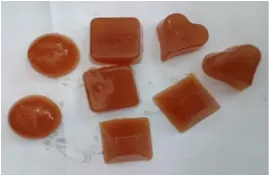
The present research sought to develop and evaluate a polyherbal medicated jelly enriched with Ficus carica (fig fruit powder) and Annona reticulata (custard apple fruit powder) as a child-friendly nutraceutical formulation for immune support. Medicated jellies are semi-solid dosage forms that offer an attractive appearance, pleasant taste, and ease of administration, making them especially appropriate for children and elderly patients. The formulation incorporated selected herbal ingredients, including lemon, ginger, tulsi, turmeric, cinnamon, beetroot, ashwagandha, and black pepper, which are typically known for their health-promoting and immune-enhancing properties. Fig and custard apple were included to enhance the nutritional worth of the formulation because of their rich content of vitamins, minerals, antioxidants, and bioactive phytochemicals. The polyherbal medicated jelly was prepared by incorporating a herbal decoction into a gelatine-based matrix containing sugar syrup, followed by moulding into edible jelly units. The prepared jellies were assessed for texture, pH, and organoleptic qualities. The formulation had a smooth, non-sticky texture, a reddish-brown translucent appearance, and a pH that was appropriate for oral use. Evaluation results indicated satisfactory physical characteristics and stability of the prepared jelly. Furthermore, the inclusion of fig and custard apple enhanced the nutritional and functional properties of the formulation by providinbac2 complementary antioxidant and immune-supporting effects. The developed polyherbal medicated jelly demonstrated good patient acceptability and may serve as a safe, effective, and convenient nutraceutical supplement for supporting immunity, growth, and overall well-being in children.

Keywords

Ficus carica; Annona reticulata; Nutraceutical; Immunity enhancement; Antioxidant activity.

Introduction

× Popup Image

Jelly is a clear, oil free semisolid preparation that can be used for dual route applications. Oral jellies are designed to be palatable andpromote compliance, offering a pleasant taste and texture compared to many conventional dosage forms, which often have a bitter or unpleasant taste. Their attractive appearance, smooth consistency, and flavoured nature improve patient acceptability and compliance. These advantages make oral jellies particularly suitable for paediatric and geriatric patients, who suffer dysphagia.(1)

To protect the body from infection, the immune system acts as a shield against diverse pathogens, including bacteria, fungi, viruses, and parasites. A strong immune system serves as cornerstone of preventing infections and maintaining overall health. Natural products and medicinal plants rich in bioactive compounds have emerged as  a major focus for their ability to enhance immune function safely and effectively. Polyherbal formulations harness the combined efficacy of multiple herbs to create a synergistic immunomodulatory effect. Medicated jellies offer an appealing dosage form due to their palatable taste, simple administration, and enhanced patient compliance.The present study aims to develop a polyherbal medicated jelly containing Ficus carica (fig) and Annona reticulata (custard apple) fruit powders along with selected immune-boosting herbs. Rich in vitamins, minerals, antioxidants, and phytoconstituents, this formulation offers a promising nutraceutical approach for enhancing immunity and overall well-being.(2)

Advantages(2)

  1. Natural Ingredients: Herbal immunity booster powders such as herbs, roots, fruits, and spices that are traditionally known for their immune-supporting properties.
  2. Supports Immune Function: These formulations contain bioactive compounds that help strengthen the body's natural defense system and support overall immune health.
  3. Fewer Side Effects: Herbal immune booster powders are generally considered safer and demonstrate a more favourable safety profile compared to many synthetic supplements.
  4. Promotes Overall Health: They may help protect against bacterial and viral infections while providing antioxidants that assist in neutralizing free radicals and removing toxins from the body.

MATERIALS AND METHOD

Ficus carica

Moraceae

Improves digestion, antioxidant, boosts immunity

Annona reticulata

Annonaceae

Rich in vitamin C, antioxidant, supports growth

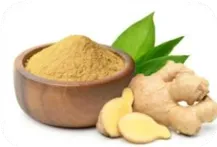
Zingiber officinale

Zingiberaceae

Relieves cough , Ant-oxidant, Anti- bacterial

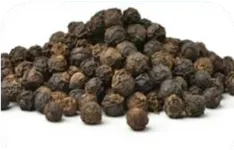
Piper nigrum is an annual vine that belongs to family Piperaceae.

Anti-inflammatory

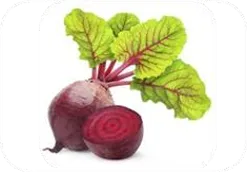
Beta vulgaris (beetroot) belongs to family Amaranthceae,

Rich source of vit B9,A,C and control cholesterol levels.


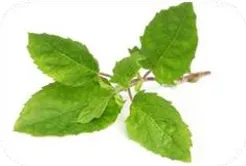
Ocimum sanctum (tulsi) belongs to family Lamiaceae, Anti-Pyretic, immunity booster.

Withania somniferum (ashwagandha) belongs to family Solanaceae,

Reduces stress, supports sleep cycle, boost immunity.

Curcuma longa (Turmeric) belongs to family Zingiberacea,

Anti-inflammatory, Anti - Cancer

Citrus limon (lemon) belongs to family Rutaceae,

Anti-oxidant, source of vitamin C

Cinnamomum zeylanicum (dalchini) belongs to family Lauraceae

Anti- oxidant, Anti-viral, Anti- diabetes, Anti - arthritic

  1. Drug: Lemon ,Dry Ginger, Black Pepper, Tulsi, Turmeric, Cinnamon, Ashwagandha, Beetroot , Fig Fruit Powder, Annona reticulata Fruit Powder.(3)
  2. Gelling agent: Hydrocolloids are widely used in the preparation of gel-like matrices because of their ability to form stable and flexible gel structures. When these gelling agents are dispersed in a liquid medium, they hydrate and create a three-dimensional network that imparts the formulation its characteristic gel consistency. Owing to their excellent gelling, thickening, and stabilising properties, hydrocolloids are commonly employed in pharmaceutical, food, and cosmetic products.
  1. Sodium Alginate: Sodium alginate is a natural polysaccharide widely used as a gelling, thickening, and suspending agent in various pharmaceutical formulations, including gels, lotions, and pastes. It is also widely used in food and cosmetic products for its biocompatibility and ability to enhance product texture and stability.
  2. Pectin: Pectin is a naturally occurring polysaccharide that serves as an effective gelling agent and is valued for its low cost and biodegradability. In pharmaceutical applications, it is used in colon-targeted, mucoadhesive, gastroprotective, and controlled-release drug delivery systems. Additionally, pectin is employed as a stabiliser and thickening agent in cosmetic and food formulations.
  3. Gelatin: Gelatin is one of the most commonly used gelling agents in pharmaceutical preparations. It is extensively utilized in the manufacture of capsules, medicated jellies, cosmetic products, and photographic emulsions. Due to its biocompatibility and biodegradability, gelatin is also employed in controlled and implantable drug delivery systems, where it serves as a matrix for the sustained release of active ingredients.
  4. Carrageenan: Carrageenan is a natural polysaccharide derived from red seaweed and is widely used as a vegetarian alternative to gelatin in food and pharmaceutical formulations. It possesses excellent gelling, thickening, and stabilising properties. which contains three sulfate groups and functions primarily as a thickening agent rather than a gelling agent.
  1. Sweeteners: Sweetening agents are added to formulations to improve palatability and patient acceptance. This is especially important in pediatric dosage forms. Sucrose is commonly used, often combined with saccharin to enhance sweetness and limit crystallisation. Dextrose, about 70% as sweet as sucrose, is used similarly. Sorbitol, at about 60% of sucrose's sweetness, has various functions. It is a sweetener, humectant, thickening agent, and excipient for soft gelatin capsules. Sorbitol also serves as a laxative and may help manage hyperkalemia.
  2. Colouring agent: Coloring agents are added to pharmaceutical formulations to improve visual appeal and patient acceptance. They help keep a uniform appearance when different colored raw materials are used. Coloring agents complement flavor and overall product looks. They also aid product identification and differentiation, reducing medication errors. Common colorant categories include FD&C (Food, Drug, and Cosmetic) colors, D&C (Drug and Cosmetic) colors, and other approved coloring agents.
  3. Preservatives: Preservatives holds an essential role in maintaining the stability and shelf life of pharmaceutical formulations by preventing microbial growth and minimizing potential incompatibilities among formulation components. They are particularly important in aqueous and gel-based preparations, where microbial contamination can occur during storage. Preservatives are widely used in formulations containing cellulose derivatives and other hydrocolloids to ensure product safety and quality. Frequently used preservatives include benzoic acid, benzalkonium chloride, methyl paraben, propyl paraben, and chlorhexidine acetate.
  4. Flavouring Agents: Flavouring agents are added to improve the taste and overall acceptability of pharmaceutical formulations, especially those intended for pediatric and geriatric patients. The selection of an appropriate flavour is based on the inherent taste of the active ingredients and the impact of the flavour on the formulation’s organoleptic and therapeutic properties. Different flavours are used to mask specific tastes and enhance palatability. For example, lemon, orange, grapefruit, and cherry flavours are commonly used to complement acidic-tasting formulations, while orange, anise, and lemon flavours are effective in masking bitter tastes. The careful selection of flavouring agents contributes significantly to patient compliance and product acceptance.
  5. Stabilising Agents: Stabilisers are incorporated into pharmaceutical formulations to maintain their physical, chemical, and organoleptic properties throughout the product's shelf life. In jelly formulations, stabilisers help retain moisture, prevent drying or shrinkage, and preserve the desired texture and consistency. Commonly used stabilisers include sorbitol and propylene glycol, which also function as humectants by reducing moisture loss and improving product stability.
  6. Chelating Agents: Chelating agents are added to formulations to prevent undesirable interactions between formulation components and trace metal ions that may be present in raw materials or during manufacturing. These metal ions can catalyse degradation reactions, affecting the stability and efficacy of the product. Ethylenediaminetetraacetic acid (EDTA) is a widely used chelating agent that binds to heavy metal ions, thereby enhancing the stability and shelf life of the formulation.

INGREDIENTS

QUANTITY

PROPERTIES

Gelatin

4gm

Gelling agent

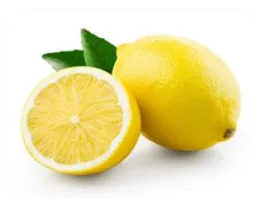
Lemon

2.5ml

Supports immunity, aids digestion, promotes healthy skin,

Dry Ginger

1.5gm

Anti-inflammatory; helps relieve nausea, cough, and indigestion

Black pepper

500mg

Anti-inflammotary

Tulsi

2.5gm

Natural antioxidant and immune booster; supports respiratory health, digestion, stress management,

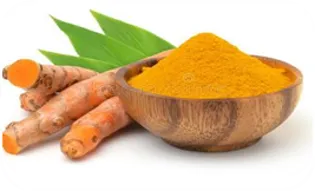
Turmeric

0.4mg

antioxidant and anti-inflammatory

Cinnamon

2gm

Antioxidant, Antiviral

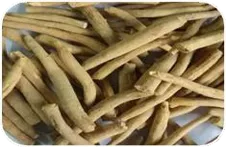
Ashwagandha

1.5gm

Improves sleep cycle, immunity booster

Beetroot

2.5ml

Good source of folate (vitamin B9), vitamin C, dietary fiber, potassium, iron, and natural antioxidants (betalains) and controls cholesterol levels

Fig fruit powder

2g

Improves digestion, antioxidant, boosts immunity

Annona reticulata fruit powder

2 g

Rich in vitamin C, antioxidants, and supports growth

Procedure:

  1. Accurately weigh all the required ingredients, namely dry ginger (1.5 g), black pepper (500 mg), tulsi (2.5 g), turmeric (0.4 g), cinnamon (2 g), ashwagandha (1.5 g), fig fruit powder (2 g), and Annona reticulata fruit powder (2 g).
  2. Add dry ginger, black pepper, tulsi, turmeric, cinnamon, and ashwagandha to 50 ml of distilled water and heat gently, continuously, to prepare a herbal decoction.
  3. Continue heating till the volume level is lowered to approximately 25 mL (50% of the original volume) to obtain a concentrated decoction.
  4. Filter the decoction and allow it to cool slightly. Add fig fruit powder (2 g), Annona reticulata fruit powder (2 g), lemon juice (2.5 mL), and beetroot juice (2.5 mL) to the concentrated decoction and mix thoroughly.
  5. Prepare a simple sugar syrup by dissolving the required quantity of sugar in distilled water with gentle heating.
  6. Add gelatin (4 g) to the warm sugar syrup and stir continuously until completely dissolved, forming a clear gel base.
  7. Add suitable stabilisers (e.g., sorbitol or propylene glycol) to the gelatin-sugar mixture and mix uniformly.
  8. Slowly add the concentrated polyherbal decoction to the gelatin base with continuous stirring to ensure uniform distribution of all ingredients.
  9. Add a suitable preservative (e.g., methyl paraben) and mix thoroughly until a homogeneous solution is obtained.
  10. Pour the prepared jelly mixture into clean and dry moulds.
  11. Allow the moulds to cool at ambient temperature and then refrigerate until complete gelation occurs.
  12. Remove the jellies from the moulds and store them in airtight containers for further evaluation.

Evaluation parameters:

  1. Appearance: The appearance of the medicated jelly was evaluated visually for its color, texture, thickness and overall aesthetic acceptability.(4)

Test

Observation

Color

Light coffee

Texture

Smooth

Thickness

Thick

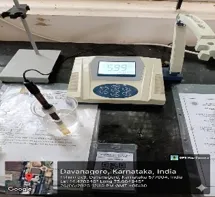
  1. pH Determination: The pH of the formulated jellies was measuredusing  digital pH meter at room temperature (25 ± 5°C). A 1% jelly solution was prepared in 25 mL of distilled water, and the pH was recorded.(5)

pH

5.99

  1. Stickiness and grittiness: The texture of the medicated jelly was evaluated by gently rubbing it between two fingers to assess its smoothness and stickiness.(6)

Stickiness and grittiness

No stickiness and grittines

  1. Viscosity: The viscosity  is measured using a Brookfield viscometer (LV type). Since the mechanism is non-Newtonian, spindle number 63 is employed. The viscosity was measured at room temperature (25°C ± 5°C ) during a period of two minutes at 50 rpm.(7)

Viscosity

4,850 ± 120 cP

  1. Spreadability: The concentration of  gelling agent significantly influences the spreadability of oral jellies. It was measured by placing a known quantity of jelly between two glass plates and recording the time taken for the plates to separate under a fixed weight.(8)

S=W×L/T

Where, S = spreadability,

W = weight tide to upper side

L= Length of glass slide

T= time required to separate 2 slides.

Spreadability

5–8 g·cm/sec

  1. Syneresis: Syneresis is the contraction of the gel during storage that results in the separation of water from the gel. It is more pronounced in gels with low concentrations of gelling agents. All jellies are tested for syneresis at 25 °C ± 5 °C and 8 °C ± 1 °C.(7)

Syneresis

Absent

  1. Drug Content / Content Uniformity: One medicated jelly of formulation is dissolved in 50 ml phosphate buffer pH 6.8 to make a solution of 100 µg /ml and spectrophotometric analysis is done.(7)

Content Uniformity

98±2%

  1. In vitro drug release / Dissolution Study : In vitro dissolution profile of the drug was studied using USP paddle type II apparatus. The dissolving medium consisted of 900 mL of distilled water. Then, release study was carried out at 50 rpm and temperature 37°C ± 5°C. Samples (1 ml) were taken every 5 minutes. phosphate buffer pH 6.8 in equal volume was used instead of the sample. The drug content of the samples was measured by UV visible spectrophotometer. The absorbance was measured and the percentage of the drug release was calculated.(9)

Sr No

Time (MIN)

% of drug release

1

0

0

2

5

6.73

3

10

14.24

4

15

30.63

5

20

42.5

6

25

50.9

7

30

63.33

8

35

75.42

9

40

78.95

10

45

81.67

11

50

84.13

12

55

86.53

13

60

92.84

  1. Homogeneity: Medicated jellies were subjected to tests to determine homogeneity, clarity, and absence of precipitation, along with texture evaluation.(10)

    Homogeneity

    No lumps and aggregates

  2. Microbial Contamination: Tests for presence of bacteria, yeast or mold in the jelly. This test is to ensure the product is safe for use and free from microbiological contamination.(2)

    Microbial Contamination

    Free from microbiological contamination

  3. Stabilty studies(2)

Storage Conditions: This test evaluates the stability of the jelly when stored under different environmental conditions such as temperature, humidity, and light. It helps ensure that the product maintains its quality, safety, and effectiveness throughout storage.

Shelf-Life Determination: Shelf-life studies are conducted to determine how long the jelly remains stable and suitable for use. The product was periodically assessed for its physical, chemical, and microbiological properties over a specified period.

Packaging compatibility: This test examines the interaction between the jelly and its packaging material. It ensures that the packaging does not affect the product's stability, quality, or performance during storage and use.

CONCLUSION:

The present study successfully developed a polyherbal medicated jelly containing Ficus carica and Annona reticulata fruit powders along with selected herbal ingredients. The prepared formulation showed acceptable physical properties including smooth texture, uniform appearance, suitable pH (5.99), good viscosity, spreadability, and absence of stickiness, syneresis, and microbial contamination.

The jelly demonstrated good content uniformity and satisfactory in-vitro release (92.84% within 60 minutes). The incorporation of fruits and herbs enhanced the nutritional value by providing natural antioxidants and bioactive constituents. The developed formulation showed good acceptability and may serve as a convenient nutraceutical approach for supporting immunity and health. Further stability and efficacy studies are required to confirm its potential.

REFERENCES

  1. Vijetha JR, Daniel T, Jayasri R, Pavithra R, Prema S, Vidhya Devi M. Formulation and evaluation of oral medicated jelly—A review. World J Pharm Res. 2024;13(24):574-588.
  2. Sushmitha K, Sirini SP, Tejaswini CH, Bhuvaneshwari CH, Ashish Kumar S, Anil Kumar B. Formulation and evaluation of polyherbal medicated jelly. Indian J Nov Drug Deliv. 2025;17(2):84-93.
  3. Indian P, Indian A, Aafreen. Formulation and evaluation of polyherbal medicated jelly. JETIR. 2023;10(4):1525-1527
  4. Verma AM, Negi P. Formulation and evaluation of oral medicated jelly of meclizine HCl. Pharmaspire. 2023;15:225-9.
  5. Ibrahim KA, Nawaz A, Mumtaz S, Iqbal FM, Khan A, Zaman SU, et al. Formulation, evaluation and release rate characteristics of medicated jelly of vitamin C. Pak J Pharm Sci. 2017;30(2 Suppl):579-83.
  6. Pawar V, Sonawane M. Review on formulation and evaluation of oral medicated jellies containing acyclovir for children's. Int J Pharm Sci Rev Res. 2022;72(2):76-80.
  7. Kadam VS, Kendre J, Shendarkar GR, Kadam SS. Formulation and evaluation of medicated oral jelly of trazodone hydrochloride. Int J Pharm Sci Res. 2013;4(5):1829-1838.
  8. Yadav C, Tangri S, Yadav R. A review: recent advancement in formulation of oral medicated jelly. World J Pharm Pharm Sci. 2018;7(7):417-426.
  9. Ganesh BS, Sundaramoorthi C. Oral medicated jelly: an overview. Int J Prog Res Eng Manag Sci. 2024;4(10):106-112.
  10. Shah SNH, Aslam S, Javed H, Nawaz A, Kamboh K, Javaid MM. Formulation and evaluation of taste masked doxycycline HCl medicated jelly. Der Pharm Sin. 2017;8(1):1-8.

Reference

  1. Vijetha JR, Daniel T, Jayasri R, Pavithra R, Prema S, Vidhya Devi M. Formulation and evaluation of oral medicated jelly—A review. World J Pharm Res. 2024;13(24):574-588.
  2. Sushmitha K, Sirini SP, Tejaswini CH, Bhuvaneshwari CH, Ashish Kumar S, Anil Kumar B. Formulation and evaluation of polyherbal medicated jelly. Indian J Nov Drug Deliv. 2025;17(2):84-93.
  3. Indian P, Indian A, Aafreen. Formulation and evaluation of polyherbal medicated jelly. JETIR. 2023;10(4):1525-1527
  4. Verma AM, Negi P. Formulation and evaluation of oral medicated jelly of meclizine HCl. Pharmaspire. 2023;15:225-9.
  5. Ibrahim KA, Nawaz A, Mumtaz S, Iqbal FM, Khan A, Zaman SU, et al. Formulation, evaluation and release rate characteristics of medicated jelly of vitamin C. Pak J Pharm Sci. 2017;30(2 Suppl):579-83.
  6. Pawar V, Sonawane M. Review on formulation and evaluation of oral medicated jellies containing acyclovir for children's. Int J Pharm Sci Rev Res. 2022;72(2):76-80.
  7. Kadam VS, Kendre J, Shendarkar GR, Kadam SS. Formulation and evaluation of medicated oral jelly of trazodone hydrochloride. Int J Pharm Sci Res. 2013;4(5):1829-1838.
  8. Yadav C, Tangri S, Yadav R. A review: recent advancement in formulation of oral medicated jelly. World J Pharm Pharm Sci. 2018;7(7):417-426.
  9. Ganesh BS, Sundaramoorthi C. Oral medicated jelly: an overview. Int J Prog Res Eng Manag Sci. 2024;4(10):106-112.
  10. Shah SNH, Aslam S, Javed H, Nawaz A, Kamboh K, Javaid MM. Formulation and evaluation of taste masked doxycycline HCl medicated jelly. Der Pharm Sin. 2017;8(1):1-8.

Photo
Alisha M Jain
Corresponding author

GM Institute of Pharmaceutical Sciences and Research, Davangere, Karnataka 577006

Photo
Renuka Swamy M R
Co-author

GM Institute of Pharmaceutical Sciences and Research, Davangere, Karnataka 577006

Photo
Amith Kumar B
Co-author

GM Institute of Pharmaceutical Sciences and Research, Davangere, Karnataka 577006

Renuka Swamy M R, Alisha M Jain, Amith Kumar B, Development and Evaluation of Ficus carica and Annona reticulata Fruit-Enriched Polyherbal Nutraceutical Jelly for Immune Support, Int. J. of Pharm. Sci., 2026, Vol 4, Issue 7, 1246-1255. https://doi.org/10.5281/zenodo.21233336

More related articles
Formulation and Evaluation of Chlorpheniramine Mal...
Rushika Patil, Sakshi Suryavanshi, Aayesha Abbasi, Shaikh Risal,...
A Rapid and Stability-Indicating RP-HPLC Method fo...
Snehal Valvi, Dr. Shashikant Barhate, Ritesh Chavhan, Tejas Yeole...
Vonoprazan: A Novel Acid Suppressant in Clinical P...
Tejaswini Kulkarni, K. Pansare, C. Patil, Komal Gangurde...
Related Articles
Formulation and Evaluation of Herbal Syrup for Diabetes and Obesity...
Chaitanya Ravan, Dr. Y. R Girbane, Ayodhya Pardhe, Gajanan Mhaske, Aniket Baldode, Shubhekshan Chemt...
Impact of Oxycodone Hydrochloride on Cognitive Performance in Wistar Rats: Behav...
Archange Michel Emmanuel Mboungou Malonga, Alice Nzambi Passi Spouse Matete Mounoi, Syrlie Marina Os...
Evaluation of Bhavana Process as a Novel Approach for Improving Solubility of Po...
Tanisha Kale, Kailash Biyani, Hemant Savarkar, Unmesh Joshi...
Formulation and Evaluation of Chlorpheniramine Maleate-Loaded Orodispersible Fil...
Rushika Patil, Sakshi Suryavanshi, Aayesha Abbasi, Shaikh Risal, Atul Mahajan...
More related articles
Formulation and Evaluation of Chlorpheniramine Maleate-Loaded Orodispersible Fil...
Rushika Patil, Sakshi Suryavanshi, Aayesha Abbasi, Shaikh Risal, Atul Mahajan...
A Rapid and Stability-Indicating RP-HPLC Method for Quantification of Lurasidone...
Snehal Valvi, Dr. Shashikant Barhate, Ritesh Chavhan, Tejas Yeole, Mahesh Wagh, Paresh Chaudhari, Ha...
Vonoprazan: A Novel Acid Suppressant in Clinical Practice ...
Tejaswini Kulkarni, K. Pansare, C. Patil, Komal Gangurde...
Formulation and Evaluation of Chlorpheniramine Maleate-Loaded Orodispersible Fil...
Rushika Patil, Sakshi Suryavanshi, Aayesha Abbasi, Shaikh Risal, Atul Mahajan...
A Rapid and Stability-Indicating RP-HPLC Method for Quantification of Lurasidone...
Snehal Valvi, Dr. Shashikant Barhate, Ritesh Chavhan, Tejas Yeole, Mahesh Wagh, Paresh Chaudhari, Ha...
Vonoprazan: A Novel Acid Suppressant in Clinical Practice ...
Tejaswini Kulkarni, K. Pansare, C. Patil, Komal Gangurde...