
View Article

Abstract

Due to their prevalence and potential for serious complications, gastric acid-related disorders such Helicobacter pylori (H. pylori) infection, peptic ulcer disease (PUD), and gastroesophageal reflux disease (GERD) pose serious clinical problems. In order to alleviate symptoms, promote mucosal healing, and avoid complications, these disorders must be effectively managed. The purpose of this review is to compare vonoprazan with conventional proton pump inhibitors (PPIs) and assess the safety and effectiveness of this new potassium-competitive acid blocker (P-CAB) in the treatment of gastric acid-related disorders. Vonoprazan's efficacy in treating GERD, PUD, and H. pylori infection was evaluated by a thorough review of clinical trials and research. Additionally, vonoprazan's safety profile was examined and contrasted with PPIs and other gastric acid suppressants. Compared to PPIs, vonoprazan exhibits better and more reliable acid suppression, which leads to quick and long-lasting symptom alleviation and mucosal repair. Clinical studies have demonstrated its effectiveness in treating GERD, PUD, and H. pylori infection; when combined with other treatments, H. pylori eradication rates are higher. Vonoprazan has a better safety profile than PPIs, with fewer side effects and medication interactions. Vonoprazan presents a viable substitute for conventional PPIs in the treatment of conditions linked to stomach acid. For patients in need of efficient and dependable acid suppression, its distinct mode of action and exceptional efficiency make it a worthwhile choice. To establish long-term safety data and investigate its potential in wider therapeutic applications, more study is necessary. Clinically, it is a potent substitute or supplement to conventional therapies because it offers quicker symptom relief, improved nocturnal acid management, higher H. pylori eradication rates (even with resistant strains), and efficacy for PPI-resistant GERD.

Keywords

Vonoprazan; Potassium-Competitive Acid Blocker (P-CAB); Gastroesophageal Reflux Disease (GERD); Peptic Ulcer Disease (PUD); Helicobacter pylori Eradication; Acid Suppression

Introduction

× Popup Image

The term "gastric acid-related diseases" refers to a wide range of illnesses brought on by excessive or inappropriate production of gastric acid. These ailments include Helicobacter pylori (H. pylori) infections, peptic ulcer disease (PUD), and gastroesophageal reflux disease (GERD). The symptoms of GERD include heartburn, regurgitation, and, in extreme situations, esophageal injury due to the backflow of stomach acid into the esophagus.(1) PUD is characterized by the development of ulcers in the lining of the stomach or the first segment of the small intestine, which frequently result in severe pain and suffering. Chronic gastritis and peptic ulcers are frequently caused by H. pylori infection, which, if untreated, can result in more serious consequences including stomach cancer.(2) Because stomach acid-related disorders have the potential to cause severe morbidity and, in certain cases, fatality, effective care of these conditions is essential. Barrett's esophagus, esophagitis, and an elevated risk of esophageal cancer are all consequences of chronic GERD. Serious consequences from peptic ulcers include bleeding, perforation, and obstruction of the stomach outlet.(3) Furthermore, stomach cancer may occur as a result of an untreated H. pylori infection. As a result, using therapeutic drugs that relieve symptoms, encourage recovery, and avoid consequences is crucial. Reducing stomach acid secretion, encouraging mucosal repair, and eliminating H. pylori infection when it exists are usually the objectives of treatment.(4) A new potassium-competitive acid blocker (P-CAB) called vonoprazan was created as a substitute for conventional proton pump inhibitors (PPIs) in the treatment of conditions linked to stomach acid.(5) Vonoprazan directly and competitively blocks the potassium binding site of the H+/K+ ATPase enzyme, resulting in a more fast and prolonged suppression of stomach acid output than PPIs, which inhibit the enzyme in a delayed and frequently irregular manner. Vonoprazan is a promising treatment for patients with disorders related to gastric acid because of its mechanism of action, which enables it to provide more reliable and effective acid suppression [6] This review's main goal is to thoroughly assess vonoprazan's safety and effectiveness in treating conditions linked to stomach acid. This is a thorough examination of papers and clinical trials that evaluated vonoprazan's efficacy in treating H. pylori infection, GERD, and PUD. The evaluation also attempts to compare vonoprazan's safety profile with other stomach acid suppressants and conventional PPIs. By combining the available data, this study gives medical professionals a thorough grasp of the possible advantages and disadvantages of vonoprazan, helping them make well-informed decisions when treating patients with conditions linked to gastric acid.

Vonoprazan pharmacological characteristics

Mechanism of Action

By reversibly attaching to and inhibiting the stomach proton pump, also referred to as the H+, K+-ATPase enzyme, vonoprazan, a P-CAB, prevents the release of gastric acid. Vonoprazan can provide quick and long-lasting acid suppression without requiring acid activation, in contrast to PPIs.(7)

In contrast to PPIs, vonoprazan inhibits H+ and K+-ATPase reversibly by competing with potassium ions. PPIs, on the other hand, have an irreversible effect on the proton pump. With 350 times the potency of PPIs, vonoprazan reduces stomach acid output by reversibly inhibiting H+ and K+-ATPase activity.(7)

Vonoprazan acts faster and sustains acid control longer than PPIs thanks to this reversible binding. Its strong and long-lasting acid-suppressive actions are further enhanced by its capacity to block the proton pump at every stage of its catalytic cycle without requiring acid activation [7].
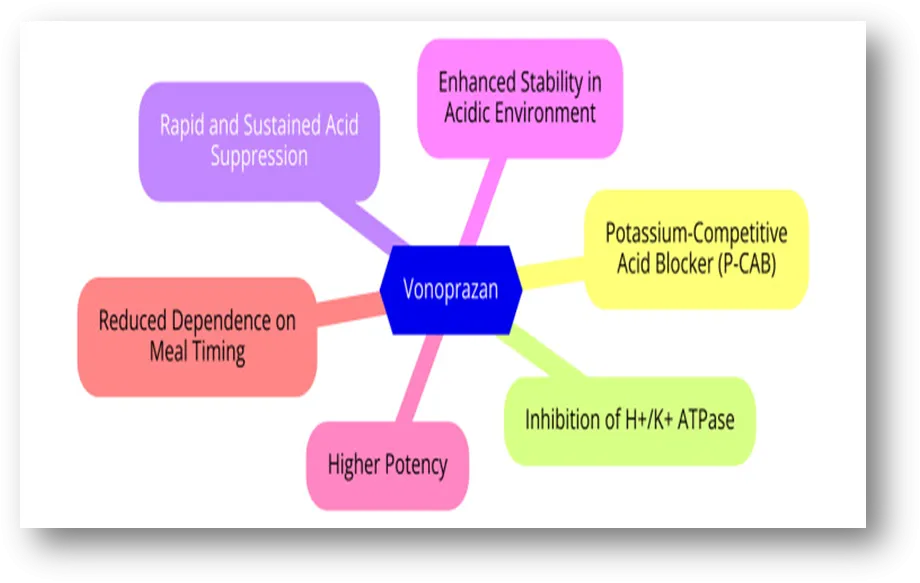
The mechanism of vonoprazan is shown in Figure 1.

Pharmacokinetics

By reversibly attaching to and inhibiting the stomach proton pump, also referred to as the H+, K+-ATPase enzyme, vonoprazan, a P-CAB, prevents the production of gastric acid. Vonoprazan offers quick and sustained acid suppression without the need for acid activation, in contrast to PPIs. In contrast to PPIs, which act irreversibly, it works by competing with potassium ions to reversibly inhibit H+ and K+-ATPase. Vonoprazan is 350 times more effective than PPIs at reducing stomach acid output by inhibiting H+ and K+-ATPase function [7].

Vonoprazan is quickly absorbed after oral administration, with a median time to maximum concentration (Tmax) of one to two hours. With higher doses, its pharmacokinetics indicate exposure increases that are marginally larger than dose-proportional. Vonoprazan has a bioavailability of about 9% in rats, indicating substantial first-pass metabolism. Vonoprazan exhibits broad tissue distribution in rats, with a high volume of distribution that is ten times more than body volume. The CYP3A4 and CYP2C19 enzymes are responsible for the drug's major metabolism [8].

Vonoprazan has an estimated mean elimination half-life of up to nine hours. In rats, vonoprazan clearance exceeds hepatic blood flow, suggesting extrahepatic metabolism is involved. The pharmacokinetics of vonoprazan do not significantly differ between Japanese and non-Japanese populations. Vonoprazan exposure is not anticipated to be clinically impacted by age, race, or weight [9].

Comparison with Traditional PPIs

Compared to conventional PPIs, vonoprazan is more effective and has a longer half-life. The comparative effectiveness of alternative antisecretory The therapeutic efficacy of medications has been determined by their capacity to keep intragastric pH above a target level. For instance, a pH of 3 is necessary for ulcer healing, a pH of 4 is necessary for reflux esophagitis, and a pH of 6 is necessary to treat H pylori infections and stop bleeding after endoscopic hemostasis.(10,11) The major indicator of relative PPI potency is pH4time, which is the amount of time the intragastric pH stays at or above 4 over a 24-hour period following at least five days of treatment.(12,13)For Western populations, relative PPI potency, expressed in omeprazole equivalents (OE), has been calculated using pH4time for once-daily and twice-daily doses.(14,15)

Vonoprazan comparison is best regarded as a quasi-bid PPI due to its prolonged half-life.
After one day, vonoprazan 20 mg administered once daily reaches around 63% pH4time, rising to about 84% after seven days.(16,17,18)

Studies of the weighted median pH4time for vonoprazan after seven days in Western populations found that the pH4times for 10, 20, 30, and 40 mg of vonoprazan were 60.2%, 85.2%, 90.1%, and 93.2%, respectively.(19,20)

 According to extrapolating those findings to pH4time for PPIs, 10 mg of vonoprazan once daily is roughly identical to 60 mg of omeprazole, and 20 mg is roughly equivalent to omeprazole 60 mg bid, which is also roughly equivalent to esomeprazole 40 mg bid.(21,22) These relative potencies make it possible to evaluate whether vonoprazan and PPI comparison studies employed similar antisecretory dosages. One disclaimer is that the majority of vonoprazan research have been published in Japanese people, and the relative potency PPI statistics that are currently available have only been developed in Western groups.(23) Because of the significant variations in the prevalence of CYP2C19 polymorphisms and the smaller parietal cell mass of Asians, PPIs are frequently more potent but more variable in Asian populations. Here, we use Western data for both. Vonoprazan (60 mg omeprazole once or twice daily) has generally been used at significantly higher antisecretory doses than PPIs (10 mg rabeprazole, OE of 18 mg; 20 mg esomeprazole, OE of 32 mg; 30 mg lansoprazole, OE of 27 mg; or 15 mg lansoprazole, OE of 13.5 mg). We highlight the situations in which this prejudice needs to be taken into account.

Comparing Clinical Practices

Overall, vonoprazan and PPIs generally showed noninferior results for diseases where PPIs with shorter pH4times are helpful (e.g., healing of peptic ulcer disease, nonerosive or mild erosive esophagitis) (Table 1) (24,25,26,27,28)

Vonoprazan, on the other hand, appeared to be better in situations where longer pH4times yield better results (such as severe erosive esophagitis), with the caveat that this superiority happened with PPIs with lower pH4times. PPIs and vonoprazan have shown comparable results in nonerosive esophagitis or LA grades A/B esophagitis. For instance, individuals with LA grade A/B esophagitis showed comparable (noninferior) outcomes in a dose-ranging study comparing lansoprazole 30 mg (27 mg OE) with vonoprazan (5, 10, 20, or 40 mg once daily).(29)

In LA grade C/D, healing after 4 weeks with 30 mg of lansoprazole (pH4time of about 45%) was comparable to treatment with 5 or 10 mg of vonoprazan (pH4time of about 60%; example, 87% vs. 87.3% and 86.4%, respectively) (30)

But when vonoprazan doses produced a >80% pH4time, healing rose to >95% (i.e., 100% with 20 mg vonoprazan [pH4time of 84%] and 96% with 40 mg vonoprazan [pH4time of 90%](31,32) If 20 mg of vonoprazan had been compared with esomeprazole or rabeprazole 40 mg bid (pH4time of roughly 85% with both), one would anticipate comparable healing, however this has not been investigated. These findings unequivocally demonstrate how crucial it is to evaluate results in light of relative potency.(33)

Table 1: Comparative Research on Vonoprazan and PPIs

Parameter

Lansoprazole 30 mg (%)

Vonoprazan 20 mg (%)

Reference

Healing esophagitis 8 wk

99.0

95.5

(34,35)

LA grade A/B

100.0

99.2

(36)

LA grade C/D

87.5

98.7

(36)

Recurrence at 24 wk LA C/D

39.0

13.2 and 4.7

(37)

Duodenal ulcer healing 6 wk

98.3

95.5

(38)

Gastric ulcer healing 8 wk

93.8

93.5

(38)

NSAID ulcer recurrence 24 wk

5.5

3.4

(39,40)

Bleeding after ESD

10.0

1.3

(41)

The effectiveness of the first treatment (Initial therapy)

In a prospective study, vonoprazan 20 mg once daily for four weeks effectively cured oesophageal mucosal breaks in 21 (87.5%) of 24 patients with PPI-resistant reflux oesophagitis.(42) 

In a population with erosive oesophagitis, vonoprazan 20 mg showed non-inferior efficacy compared to lansoprazole 30 mg in terms of the healing rate at 8 weeks in three comparative investigations.(43,44)

In individuals with endoscopically confirmed GERD, heartburn was resolved sooner with vonoprazan 20 mg than with lansoprazole 30 mg (p < 0.05). On the first day, vonoprazan and lansoprazole completely eased heartburn in 31.3% and 12.5% of patients, respectively. Compared to lansoprazole, vonoprazan significantly increased the number of patients who experienced total relief from nocturnal heartburn (p < 0.01).(45)Vonoprazan's effectiveness in treating PPI-resistant refractory reflux oesophagitis

following oesophagectomy with gastric pull-up was assessed in a retrospective research. Compared to patients who kept using PPIs (14.3%, p < 0.001), 81.3% of treated patients showed a substantial improvement in mucosal breaks with a 20 mg/day dose of vonoprazan. Furthermore, compared to continuing PPI treatment (7.1%, p = 0.001), vonoprazan promoted mucosal healing in 68.8% of the patients. In patients with refractory reflux esophagitis who had undergone esophagectomy with gastric tube reconstruction, vonoprazan 20 mg may improve mucosal breaks.(46)

Efficacy of maintenance therapy-

In 5 open-label prospective studies, vonoprazan 10 mg once daily showed effective 8-week (47) 

24-week (48) 48-week (49) and 52-week (50,51) maintenance treatment for erosive oesophagitis that is resistant to PPIs or repaired reflux oesophagitis (52,53,54,55,56)

Another successful alternative maintenance treatment for mild reflux esophagitis is on-demand therapy with 20 mg vonoprazan tablets.(57) A research comparing lansoprazole 15 mg, vonoprazan 10 mg, and vonoprazan 20 mg as maintenance therapy for patients with cured erosive oesophagitis indicated that vonoprazan 10 and 20 mg were not inferior to lansoprazole 15 mg. (58)

Vonoprazan's Possible Advantages as a Treatment for Helicobacter pylori      Infection-

About 40–50% of people worldwide have Helicobacter pylori, a distinct, human-specific pathogen, in their stomachs. The frequency of H. pylori infection, a serious worldwide health issue, ranges from 34.7% in wealthy nations to 50.8% in underdeveloped nations, with a
4.3–4.6% worldwide recurrence rate (59,60,61) Africa has the highest rate of H. pylori infection (79.1%), followed by Latin America (63.4%) and Asia (54.7%), according to an epidemiologic meta-analysis research.(62) The prevalence of H. pylori infection in Indonesia is roughly 22.1%, meaning that one in five people are infected.(63) Gastritis, gastroesophageal reflux disease, gastroduodenal ulcers, gastric mucosal-associated lymphoid tissue (MALT) lymphoma, and gastric cancers are all strongly connected with H. pylori infection.(64,65,66,67) Eliminating H. pylori is essential for lowering the incidence of stomach cancer, limiting the recurrence of peptic ulcers, and treating gastric MALT lymphoma.(68,69,70) therapy for seven to fourteen days by taking a PPI together with at least two antibiotics, occasionally with bismuth added. PPI performs a significant part in H. pylori eradication by reducing stomach acid secretion, thereby boosting antibiotics efficacies (71) However, the development of antibiotic resistance and insufficient acid suppression reduce the effectiveness of PPI-based eradication therapy.(71,72)

The eradication rate of PPI-based regimens is not increased by increasing PPI dosage.(73,74,75)

As potassium-competitive acid blockers (P-CAB), vonoprazan and tegoprazan are novel prospective gastric acid suppression drugs that work by inhibiting H+/K+-ATPase.(76,77) ((Figure 2)

While tegoprazan has been approved as a treatment for gastroesophageal reflux disease (GERD) in South Korea since 2018, Japanese guidelines on the management of H. pylori infections suggest substituting vonoprazan for PPI in first-line and second-line H. pylori eradication therapies since first introduced in 2015.(78,79) In phase-III trials, tegoprazan demonstrated clinical improvements for patients with erosive esophagitis.(80) and enhanced both motility abnormalities and stomach-related illnesses in a canine study (81) However, research on tegoprazan's ability to eradicate H. pylori is currently ongoing. Vonoprazan is anticipated to be a new option in H. pylori eradication regimens after a number of non-randomized control trials (RCT), RCTs, and meta-analyses indicated promising outcomes employing vonoprazan-based medicines in eradicating H. pylori.
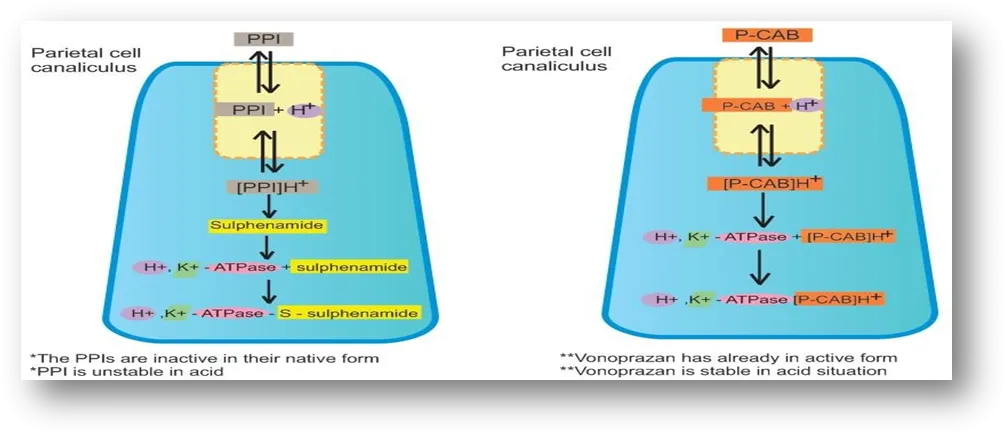
 

(Figure.2)-Vonoprazan and proton pump inhibitors (PPIs)

(Figure.2)-Vonoprazan and proton pump inhibitors (PPIs) work against H. pylori infections. PPI needs to be activated by acid after entering the parietal cell canaliculus in an inactive state. Protonated pro-drugs will convert to sulphenamide and link covalently with cysteine groups of H+/K+-ATPase that cause inactivation of H+/K+-ATPase. In contrast to PPI, potassium-competitive acid blocker (P-CAB) is stable in an acidic environment, does not require acid activation, and enters the parietal cell canaliculus in active form. Protonated P-CAB will form non-covalent bonds with H+/K+-ATPase, rendering it inactive for a longer period of time and at a slower rate of dissociation. * PPIs' inability to inhibit stomach acid; ** Vonoprazan's advantages in this regard.
https://www.frontiersin.org/files/Articles/1636523/fphar-16-1636523-HTML/image_m/fphar-16-1636523-g001.jpg

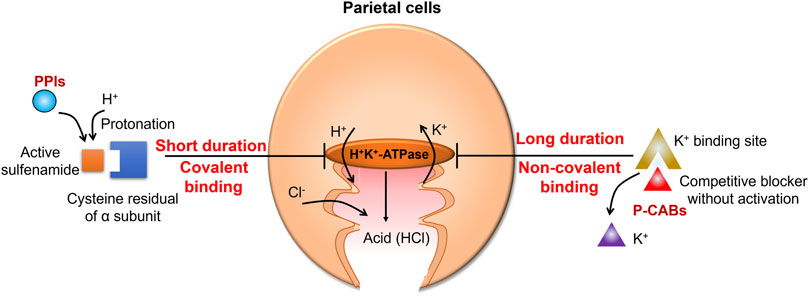
Figure 3. Mechanism of action of gastric acid secretion inhibitors

Figure 3 . Mechanism of action of gastric acid secretion inhibitors. Proton pump inhibitors (PPIs) are converted to sulfenic acids and/or sulfenamides by protonation, irreversibly inhibiting ATPase. Potassium-competitive acid blockers (P-CABs) reversibly block the potassium-binding site of the hydrogen (H+)/potassium (K+)-ATPase and competitively inhibit proton transport with a fast onset and a prolonged duration of action. (82)

Clinical efficacy of vonoprazan-

Pre-clinical –

Vonoprazan and lansoprazole were tested for their antacid secretory effects on pig stomachs both in vitro and in vivo. In an in vitro setting, the temperature was maintained at 37° Celsius and the pH was maintained between 6 and 5. Compared to lansoprazole, the H+/K + ATPase inhibition was 400 times greater. Vonoprazan was 1.2–2.0 times more powerful in the in vivo setting based on half lethal dose estimates. Unlike lansoprazole, vonoprazan is unaffected by pH changes, making it appropriate for usage in in-vitro and in-vivo settings where the pH is neutral and extremely acidic, respectively. (83)

 Clinical studies-

  1. GERD (Gastro esophageal Reflux Disease)–

It results from the stomach's acidic contents being rushed into the esophagus, which can cause issues like epithelium alterations. Although approximately 30–40% of GERD patients are resistant to PPIs, these medications are the first line of treatment for the condition. A double-blind approach was used to observe the vonoprazan effect for the treatment of erosive esophagitis. After consuming 5, 10, 20, and 40 mg vonoprazan and 30 mg lansoprazole daily, 732 individuals underwent endoscopic examinations. Vonoprazan is superior to lansoprazole in all of its effects, as seen by the healing proportions at week four with vonoprazan 5, 10, 20, and 40 mg and 30 mg of lansoprazole being 92.3, 92.5, 94.4, 97.0, and 93.2, respectively (84)

  1. Ulcer –

The effectiveness of vonoprazan versus esomeprazole in post-endoscopic submucosal      dissection (post-ESD) artificial ulcers was investigated in a number of randomized trials. Vonoprazan 20 mg daily and esomeprazole 20 mg daily were administered to the 92 patients in the P-2 group after the third day to the eighth week of post-ESD. According to endoscopic findings, vonoprazan caused ulcer constriction of 94.9%, which was more than esomeprazole's 78%.(85)

Another study, with 35 patients, demonstrates the effectiveness of vonoprazan following ESD    treatment for stomach adenoma. For four weeks, these 35 patients received 20 mg of vonoprazan daily.

 In contrast, 33 individuals received 20 mg of esomeprazole daily for the same amount of time.   

Vonoprazan was significantly more effective than esomeprazole, with an ulcer constriction rate of 97.7% as opposed to 94.5%. (86)

  1. Helicobacter pylori eradication-

In a randomized study involving 141 individuals with a positive H. pylori history, the vonoprazan group's efficacy was noticeably higher. In IIT analysis, the eradication rate was 69.6 and 95% for PPI and 95.8 and 95% for the vonoprazan group (VPZ 20 mg, AMX 750 mg, and CLB 200–400 mg).(87)

In a 14-day randomized double-blind research, 32 patients with known cases of erosive esophagitis (EE) received 20 mg of vonoprazan and 30 mg of lansoprazole daily. 

Compared to lansoprazole, vonoprazan relieves heartburn earlier. On the first day, the    reported rates for vonoprazan and lansoprazole were 31.3% and 12.5%, respectively. Both regimens were well tolerated. (88)

Patients with endoscopically confirmed EE participated in double-blind parallel-group comparison research. Vonoprazan is not less effective than PPIs, as evidenced by the fact that, over an 8-week observation period, 99% of 401 patients were healed with vonoprazan and 95.5% with lansoprazole.(89)

  1. Damage to the gastric mucosa-

The study comprised eight patients who had damage to their stomach mucosa. Along with pH monitoring, they were already receiving regular PPI medication. After therapy was stopped, the patients were reassessed, and they were then given 20 mg of vonoprazan daily. Patients tested negative for CYP2C19 metabolizers and H. pylori infection. Following vonoprazan therapy, full stomach mucosal healing occurs in 87.5% of patients (n = 7).(90) 

  1. Duodenal or stomach ulcer –

A double-blind, randomized trial was permitted with 650 participants. 641 of the 650 individuals underwent full first-time therapy. In first-line therapy, the eradication rate with vonoprazan was 92.6%, superior to the vonoprazan group by 16.7%, while the eradication rate with lansoprazole was 75.9%. Vonoprazan is therefore not less effective than PPIs. The first and second triple treatments were both well tolerated .(91)

  Safety-

PPIs are the first line of treatment for GERD; however, recent studies have compared the safety and effectiveness of vonoprazan (20 mg daily) to PPIs, as well as the side effects. Vonoprazan and PPIs were directly compared in order to demonstrate that vonoprazan is not inferior to PPIs. PPI and vonoprazan have risk ratios of 1.08 and 1.06, respectively. Considering all of the negative consequences and effectiveness of both. Vonoprazan significantly outperformed lansoprazole, with an RR of 1.14 (1.06–1.22). It implies that vonoprazan's safety outcomes are almost comparable to those of PPIs with higher vonoprazan efficacy.(92)

Vonoprazan was analyzed in comparison to PPIs for the eradication of H. pylori. A total of 14,636 patients were enrolled in this investigation. The pooled ER of regimens containing vonoprazan in first-line therapy was significantly greater than that of regimens containing PPIs and per protocol analysis (89.0%–774.2%). Vonoprazan produced much better results in the clariythromycin-resistant and susceptible stains. Vonoprazan as a second-line treatment did not perform better than PPIs according to both the per-procedure analysis (89.3% vs. 90.1%) and intents to treat (83.4% vs. 82.0%). Ultimately, the vonoprazan regimen was found to be safer than PPI regimens (33.3% versus 26.4%). Safety is on par with or better than PPI's (93)

Common Adverse Effects

Vonoprazan is frequently linked to a variety of gastrointestinal and other side effects. Diarrhea, abdominal pain, nausea, vomiting, flatulence, indigestion (dyspepsia), and GERD are examples of gastrointestinal side effects. Vonoprazan has a higher risk of hemorrhagic enterocolitis than PPIs. Furthermore, skin conditions including rash, dermatitis, and urticaria are frequently observed, as are hepatic conditions like abnormal liver function tests. Headache, lightheadedness, exhaustion, fever, appetite loss, and bone fractures are some common side effects. Vonoprazan users are also prone to infections, especially upper respiratory and urinary tract infections. (94)

Vonoprazan's strong and prolonged acid suppression raises questions about possible long-term safety risks, even if its short-term safety profile seems to be mostly similar to that of PPIs. Vonoprazan's prolonged acid suppression can cause hypergastrinemia, which over time may raise the likelihood of several side effects. Clinicians should keep a close eye on patients, particularly those with pre-existing diseases or those taking other medications that could interact with vonoprazan, and be aware of these possible dangers.(95)

CONCLUSION-

In conclusion, because of its distinct mode of action and greater effectiveness in acid suppression as compared to conventional PPIs, vonoprazan represents a major development in the treatment of stomach acid-related disorders. It provides quick and long-lasting symptom alleviation and mucosal repair for ailments like GERD, PUD, and H. pylori infection, according to clinical trials and research. Furthermore, it has been discovered that vonoprazan has a safety profile that is on par with, if not superior to, that of traditional PPIs, with fewer medication interactions and reliable therapeutic results.

These results imply that vonoprazan is a viable substitute for people who do not react well to PPIs or who suffer negative side effects. Vonoprazan is positioned to become a crucial component of contemporary therapeutic approaches as research into its potential in a variety of gastric acid-related disorders continues, providing patients with these common and frequently crippling illnesses with hope for better management and quality of life.

REFERENCES

  1. Peptic ulcer disease and Helicobacter pylori infection. Narayanan M, Reddy KM, Marsicano E. https://www.ncbi.nlm.nih.gov/pmc/articles/PMC6140150/ Mo Med. 2018;115:219–224
  2. Peptic ulcer disease. [ Jul; 2024 2024 https://my.clevelandclinic.org/health/diseases/10350-peptic-ulcer-disease https://my.clevelandclinic.org/health/diseases/10350-peptic-ulcer-disease
  3. Gastroesophageal reflux disease (GERD) Clarrett DM, Hachem C. https://pubmed.ncbi.nlm.nih.gov/30228725/ Mo Med. 2018;115:214–218.
  4. Treatment of H. pylori infection and gastric ulcer: need for novel pharmaceutical formulation. Gupta A, Shetty S, Mutalik S, et al. Heliyon. 2023;9:0. doi: 10.1016/j.heliyon.2023.e20406.
  5. Vonoprazan fumarate, a novel potassium-competitive acid blocker, in the management of gastroesophageal reflux disease: safety and clinical evidence to date. Sugano K. Therap Adv Gastroenterol. 2018;11 doi: 10.1177/1756283X17745776.
  6. Vonoprazan, a novel potassium-competitive acid blocker, as a component of first-line and second-line triple therapy for Helicobacter pylori eradication: a phase III, randomised, double-blind study. Murakami K, Sakurai Y, Shiino M, Funao N, Nishimura A, Asaka M. Gut. 2016;65:1439–1446. doi: 10.1136/gutjnl-2015-311304.
  7. Potassium-competitive acid blockers-are they the next generation of proton pump inhibitors? Rawla P, Sunkara T, Ofosu A, Gaduputi V. World J Gastrointest Pharmacol Ther. 2018;9:63–68. doi: 10.4292/wjgpt.v9.i7.63.
  8. A population pharmacokinetic model of vonoprazan: evaluating the effects of race, disease status, and other covariates on exposure. Scarpignato C, Leifke E, Smith N, Mulford DJ, Lahu G, Facius A, Howden CW. J Clin Pharmacol. 2022;62:801–811. doi: 10.1002/jcph.2019.
  9. Safety, tolerability, pharmacokinetics, and pharmacodynamics of single rising TAK-438 (vonoprazan) doses in healthy male Japanese/non-Japanese subjects. Sakurai Y, Nishimura A, Kennedy G, et al. Clin Transl Gastroenterol. 2015;6:0. doi: 10.1038/ctg.2015.18.
  10. Graham, D.Y. ? Tansel, A.Interchageable use of proton pump inhibitors based on relative potencyClin Gastroenterol Hepatol. 2017 Sep 28;[Epub ahead of print.
  11. Graham, D.Y. ? Shiotani, A.New concepts of resistance in the treatment of Helicobacter pylori infectionsNat Clin Pract Gastroenterol Hepatol. 2008; 5:321-331
  12. Graham, D.Y. ? Tansel, A.Interchageable use of proton pump inhibitors based on relative potencyClin Gastroenterol Hepatol. 2017 Sep 28;[Epub ahead of print]
  13. Kirchheiner, J. ? Glatt, S. ? Fuhr, U. ...Relative potency of proton-pump inhibitors-comparison of effects on intragastric pHEur J Clin Pharmacol. 2009; 65:19-31
  14. Graham, D.Y. ? Tansel, A.Interchageable use of proton pump inhibitors based on relative potencyClin Gastroenterol Hepatol. 2017 Sep 28;[Epub ahead of print]
  15. Kirchheiner, J. ? Glatt, S. ? Fuhr, U. ...Relative potency of proton-pump inhibitors-comparison of effects on intragastric pHEur J Clin Pharmacol. 2009; 65:19-31
  16. Sakurai, Y. ? Nishimura, A. ? Kennedy, G. ...Safety, tolerability, pharmacokinetics, and pharmacodynamics of single rising TAK-438 (Vonoprazan) doses in healthy male Japanese/non-Japanese subjectsClin Transl Gastroenterol. 2015; 6:e94
  17. Graham, D.Y. ? Tansel, A.Interchageable use of proton pump inhibitors based on relative potencyClin Gastroenterol Hepatol. 2017 Sep 28
  18. Jenkins, H. ? Sakurai, Y. ? Nishimura, A. ...Randomised clinical trial: safety, tolerability, pharmacokinetics and pharmacodynamics of repeated doses of TAK-438 (vonoprazan), a novel potassium-competitive acid blocker, in healthy male subjectsAliment Pharmacol Ther. 2015; 41:636-648
  19. Graham, D.Y. ? Tansel, A.Interchageable use of proton pump inhibitors based on relative potencyClin Gastroenterol Hepatol. 2017 Sep 28;[Epub ahead of print]
  20. Jenkins, H. ? Sakurai, Y. ? Nishimura, A. ...Randomised clinical trial: safety, tolerability, pharmacokinetics and pharmacodynamics of repeated doses of TAK-438 (vonoprazan), a novel potassium-competitive acid blocker, in healthy male subjectsAliment Pharmacol Ther. 2015; 41:636-648
  21. Graham, D.Y. ? Tansel, A.Interchageable use of proton pump inhibitors based on relative potencyClin Gastroenterol Hepatol. 2017 Sep 28;[Epub ahead of print]
  22. Jenkins, H. ? Sakurai, Y. ? Nishimura, A. ...Randomised clinical trial: safety, tolerability, pharmacokinetics and pharmacodynamics of repeated doses of TAK-438 (vonoprazan), a novel potassium-competitive acid blocker, in healthy male subjectsAliment Pharmacol Ther. 2015; 41:636-648
  23. Graham, D.Y. ? Tansel, A.Interchageable use of proton pump inhibitors based on relative potencyClin Gastroenterol Hepatol. 2017 Sep 28;
  24. Echizen, H.The first-in-class potassium-competitive acid blocker, vonoprazan fumarate: Pharmacokinetic and pharmacodynamic considerationsClin Pharmacokinet. 2016; 55:409-418
  25. Garnock-Jones, K.P.Vonoprazan: first global approvalDrugs. 2015; 75:439-443
  26. Ashida, K. ? Sakurai, Y. ? Hori, T. ...Randomised clinical trial: vonoprazan, a novel potassium-competitive acid blocker, vs. lansoprazole for the healing of erosive oesophagitisAliment Pharmacol Ther. 2016; 43:240-251
  27. Kagawa, T. ? Iwamuro, M. ? Ishikawa, S. .Vonoprazan prevents bleeding from endoscopic submucosal dissection-induced gastric ulcers Aliment Pharmacol Ther. 2016; 44:583-591
  28. Miwa, H. ? Uedo, N. ? Watari, J. ...Randomised clinical trial: efficacy and safety of vonoprazan vs. lansoprazole in patients with gastric or duodenal ulcers - results from two phase 3, non-inferiority randomised controlled trialsAliment Pharmacol Ther. 2017; 45:240-252
  29. Ashida, K. ? Sakurai, Y. ? Nishimura, A. ...Randomised clinical trial: a dose-ranging study of vonoprazan, a novel potassium-competitive acid blocker, vs. lansoprazole for the treatment of erosive oesophagitisAliment Pharmacol Ther. 2015; 42:685-695
  30. Ashida, K. ? Sakurai, Y. ? Nishimura, A. ...Randomised clinical trial: a dose-ranging study of vonoprazan, a novel potassium-competitive acid blocker, vs. lansoprazole for the treatment of erosive oesophagitisAliment Pharmacol Ther. 2015; 42:685-695
  31. Graham, D.Y. ? Tansel, A.Interchageable use of proton pump inhibitors based on relative potencyClin Gastroenterol Hepatol. 2017 Sep 28; [Epub ahead of print]
  32. Ashida, K. ? Sakurai, Y. ? Nishimura, A. ...Randomised clinical trial: a dose-ranging study of vonoprazan, a novel potassium-competitive acid blocker, vs. lansoprazole for the treatment of erosive oesophagitis Aliment Pharmacol Ther. 2015; 42:685-695
  33. Graham, D.Y. ? Tansel, A.Interchageable use of proton pump inhibitors based on relative potencyClin Gastroenterol Hepatol. 2017 Sep 28; [Epub ahead of print]
  34. Echizen, H.The first-in-class potassium-competitive acid blocker, vonoprazan fumarate: Pharmacokinetic and pharmacodynamic considerationsClin Pharmacokinet. 2016; 55:409-418 
  35. Hori, Y. ? Imanishi, A. ? Matsukawa, J. ...  1-[5-(2-Fluorophenyl)-1-(pyridin-3-ylsulfonyl)-1H-pyrrol-3-yl]-N-methylmethanamin e monofumarate (TAK-438), a novel and potent potassium-competitive acid blocker for the treatment of acid-related diseasesJ Pharmacol Exp Ther. 2010; 335:231-238  
  36. Ashida, K. ? Sakurai, Y. ? Nishimura, A. ...Randomised clinical trial: a dose-ranging study of vonoprazan, a novel potassium-competitive acid blocker, vs. lansoprazole for the treatment of erosive oesophagitis  Aliment Pharmacol Ther. 2015; 42:685-695  
  37. Garnock-Jones, K.P.  Vonoprazan: first global approval  Drugs. 2015; 75:439-443 
  38. Miwa, H. ? Uedo, N. ? Watari, J. ...Randomised clinical trial: efficacy and safety of vonoprazan vs. lansoprazole in patients with gastric or duodenal ulcers - results from two phase 3, non-inferiority randomised controlled trialsAliment Pharmacol Ther. 2017; 45:240-252 
  39. Echizen, H.The first-in-class potassium-competitive acid blocker, vonoprazan fumarate: Pharmacokinetic and pharmacodynamic considerationsClin Pharmacokinet. 2016; 55:409-418 
  40. Hori, Y. ? Imanishi, A. ? Matsukawa, J. ...1-[5-(2-Fluorophenyl)-1-(pyridin-3-ylsulfonyl)-1H-pyrrol-3-yl]-N-methylmethanamin e monofumarate (TAK-438), a novel and potent potassium-competitive acid blocker for the treatment of acid-related diseasesJ Pharmacol Exp Ther. 2010; 335:231-238  
  41. Kagawa, T. ? Iwamuro, M. ? Ishikawa, S. ...Vonoprazan prevents bleeding from endoscopic submucosal dissection-induced gastric ulcers  Aliment Pharmacol Ther. 2016; 44:583-591
  42. Hoshino S, Kawami N, Takenouchi N, et al. Efficacy of vonoprazan for proton pump inhibitor-resistant reflux esophagitis. Digestion 2017; 95: 156-61
  43. Xiao Y, Zhang S, Dai N, et al. Phase III, randomised, double-blind, multicentre study to evaluate the efficacy and safety of vonoprazan compared with lansoprazole in Asian patients with erosive oesophagitis. Gut 2020; 69: 224-30.
  44. Ashida K, Sakurai Y, Hori T, et al. Randomised clinical trial: Vonoprazan, a novel potassium-competitive acid blocker, vs. lansoprazole for the healing of erosive oesophagitis. Aliment Pharmacol Ther 2016; 43: 240-51.
  45. Oshima T, Arai E, Taki M, et al. Randomised clinical trial: vonoprazan versus lansoprazole for the initial relief of heartburn in patients with erosive oesophagitis. Aliment Pharmacol Ther 2019; 49: 140-6.
  46. Ochiai Y, Iizuka T, Hoshihara Y, et al. Efficacy of vonoprazan for refractory reflux esophagitis after esophagectomy. Dig Dis 2021; 39: 569-76.
  47. Xiao Y, Zhang S, Dai N, et al. Phase III, randomised, double-blind, multicentre study to evaluate the efficacy and safety of vonoprazan compared with lansoprazole in Asian patients with erosive oesophagitis. Gut 2020; 69: 224-30.
  48. Mizuno H, Yamada K, Minouchi K, et al. Efficacy of vonoprazan for 24-week maintenance therapy of patients with healed reflux esophagitis refractory to proton pump inhibitors. Biomed Reports 2018; 8: 148-55.
  49. Mizuno H, Nishino M, Yamada K, et al. Efficacy of vonoprazan for 48-week maintenance therapy of patients with healed reflux esophagitis. Digestion 2020; 101: 411-21.
  50. Ashida K, Sakurai Y, Hori T, et al. Randomised clinical trial: Vonoprazan, a novel potassium-competitive acid blocker, vs. lansoprazole for the healing of erosive oesophagitis. Aliment Pharmacol Ther 2016; 43: 240-51.
  51. Tanabe T, Hoshino S, Kawami N, et al. Efficacy of long-term maintenance therapy with 10-mg vonoprazan for proton pump inhibitor-resistant reflux esophagitis. Esophagus 2019; 16: 377-81.
  52. Mizuno H, Yamada K, Minouchi K, et al. Efficacy of vonoprazan for 24-week maintenance therapy of patients with healed reflux esophagitis refractory to proton pump inhibitors. Biomed Reports 2018; 8: 148-55.
  53. Xiao Y, Zhang S, Dai N, et al. Phase III, randomised, double-blind, multicentre study to evaluate the efficacy and safety of vonoprazan compared with lansoprazole in Asian patients with erosive oesophagitis. Gut 2020; 69: 224-30.
  54. Ashida K, Sakurai Y, Hori T, et al. Randomised clinical trial: Vonoprazan, a novel potassium-competitive acid blocker, vs. lansoprazole for the healing of erosive oesophagitis. Aliment Pharmacol Ther 2016; 43: 240-51.
  55. Mizuno H, Nishino M, Yamada K, et al. Efficacy of vonoprazan for 48-week maintenance therapy of patients with healed reflux esophagitis. Digestion 2020; 101: 411-21.
  56. Tanabe T, Hoshino S, Kawami N, et al. Efficacy of long-term maintenance therapy with 10-mg vonoprazan for proton pump inhibitor-resistant reflux esophagitis. Esophagus 2019; 16: 377-81.
  57. Umezawa M, Kawami N, Hoshino S, et al. Efficacy of on-demand therapy using 20-mg vonoprazan for mild reflux esophagitis. Digestion 2018; 97: 309-15.
  58. Ashida K, Iwakiri K, Hiramatsu N, et al. Maintenance for healed erosive esophagitis: phase III comparison of vonoprazan with lansoprazole. World J Gastroenterol 2018; 24: 1550-61.
  59.  Hu, Y.; Wan, J.H.; Li, X.Y.; Zhu, Y.; Graham, D.Y.; Lu, N.H. Systematic review with meta-analysis: The global recurrence rate of Helicobacter pylori. Aliment. Pharmacol. Ther. 2017, 46, 773–779.
  60.  Xue, Y.; Zhou, L.Y.; Lu, H.P.; Liu, J.Z.; Guo, L.S. Recurrence of Helicobacter pylori infection: Incidence and influential factors. Chin. Med. J. (Engl.) 2019, 132, 765–771.
  61. Sjomina, O.; Pavlova, J.; Niv, Y.; Leja, M. Epidemiology of Helicobacter pylori infection. Helicobacter 2018, 23, 6–11
  62. Hooi, J.K.Y.; Lai, W.Y.; Ng, W.K.; Suen, M.M.Y.; Underwood, F.E.; Tanyingoh, D.; Malfertheiner, P.; Graham, D.Y.; Wong, V.W.S.; Wu, J.C.; et al. Global Prevalence of Helicobacter pylori Infection: Systematic Review and Meta-Analysis. Gastroenterology 2017, 153, 420–429.
  63. Syam, A.F.; Miftahussurur, M.; Makmun, D.; Nusi, I.A.; Zain, L.H.; Zulkhairi; Akil, F.; Uswan, W.B.; Simanjuntak, D.; Uchida, T.; et al. Risk factors and prevalence of Helicobacter pylori in five largest islands of Indonesia: A preliminary study. PLoS ONE 2015, 10, e0140186.
  64. Abadi, A.T.B.; Ierardi, E. Vonoprazan and Helicobacter pylori treatment: A lesson from Japan or a limited geographic phenomenon? Front. Pharmacol. 2019, 10, 1–6.
  65. Lyu, Q.J.; Pu, Q.H.; Zhong, X.F.; Zhang, J. E_cacy and safety of vonoprazan-based versus proton pump inhibitor-based triple therapy for Helicobacter pylori eradication: A meta-analysis of randomized clinical trials. BioMed Res. Int. 2019, 2019, 9781212–9781218.
  66. Floch, P.; Mégraud, F.; Lehours, P. Helicobacter pylori strains and gastric MALT lymphoma. Toxins 2017, 9, 132.
  67. Graham, D.Y.; Miftahussurur, M. Helicobacter pylori urease for diagnosis of Helicobacter pylori infection: A mini review. J. Adv. Res. 2018, 13, 51–57
  68. Seta, T.; Takahashi, Y.; Noguchi, Y.; Shikata, S.; Sakai, T.; Sakai, K.; Yamashita, Y.; Nakayama, T. E_ectiveness of Helicobacter pylori eradication in the prevention of primary gastric cancer in healthy asymptomatic people: A systematic review and meta-analysis comparing risk ratio with risk di_erence. PLoS ONE 2017, 12, e0183321. 
  69. 11. Ford, A.; Forman, D.; Hunt, R.; Yuan, Y.; Moayyedi, P. Helicobacter pylori eradication for the prevention of gastric neoplasia. Cochrane Database Syst. Rev. 2015.
  70. Suzuki, H.; Mori, H. World trends for H. pylori eradication therapy and gastric cancer prevention strategy by H. pylori test-and-treat. J. Gastroenterol. 2018, 53, 354–361.
  71. Scott, D.R.; Sachs, G.; Marcus, E.A. The role of acid inhibition in Helicobacter pylori eradication. F1000Research 2016, 5, 1747
  72. Ierardi, E.; Losurdo, G.; La Fortezza, R.F.; Principi, M.; Barone, M.; Leo, A. Di Optimizing proton pump inhibitors in Helicobacter pylori treatment: Old and new tricks to improve effectiveness. World J. Gastroenterol. 2019, 25, 5097–5104.
  73. Putra, B.P.; Miftahussurur, M. Vonoprazan-based therapy has lower failure rate in eradicating Helicobacter pylori compared to proton pum inhibitors-based therapy: A meta-analysis of randomized controlled trials. New Armen. Med. J. 2019, 13, 22–30.
  74. Graham, D.Y.; Dore, M.P. Update on the use of vonoprazan: A competitive acid blocker. Gastroenterology  2018, 154, 462–466
  75. Malfertheiner, P.; Megraud, F.; O’Morain, C.; Gisbert, J.P.; Kuipers, E.J.; Axon, A.; Bazzoli, F.; Gasbarrini, A.; Atherton, J.; Graham, D.Y.; et al. Management of Helicobacter pylori infection-the Maastricht V/Florence consensus report. Gut 2017, 66, 6–30.
  76. Inatomi, N.; Matsukawa, J.; Sakurai, Y.; Otake, K. Potassium-competitive acid blockers: Advanced therapeutic option for acid-related diseases. Pharmacol. Ther. 2016, 168, 12–22.
  77. Rawla, P.; Sunkara, T.; Ofosu, A.; Gaduputi, V. Potassium-competitive acid blockers - are they the next generation of proton pump inhibitors? World J. Gastrointest. Pharmacol. Ther. 2018, 9, 63–68.
  78. Kato, M.; Ota, H.; Okuda, M.; Kikuchi, S.; Satoh, K.; Shimoyama, T.; Suzuki, H.; Handa, O.; Furuta, T.; Mabe, K.; et al. Guidelines for the management of Helicobacter pylori infection in Japan: 2016 Revised Edition. Helicobacter 2019, 24, e12597
  79. Mori, H.; Suzuki, H. Role of acid suppression in acid-related diseases: Proton pump inhibitor and potassium-competitive acid blocker. J. Neurogastroenterol. Motil. 2019, 25, 6–14.
  80. Lee, K.J.; Son, B.K.; Kim, G.H.; Jung, H.K.; Jung, H.Y.; Chung, I.K.; Sung, I.K.; Kim, J.I.; Kim, J.H.; Lee, J.S.; et al. Randomised phase 3 trial: Tegoprazan, a novel potassium-competitive acid blocker, vs. esomeprazole in patients with erosive oesophagitis. Aliment. Pharmacol. Ther. 2019, 49, 864–872.
  81. Takahashi, N.; Take, Y. Tegoprazan, a novel potassium-competitive acid blocker to control gastric acid secretion and motility. J. Pharmacol. Exp. Ther. 2018, 364, 275–286
  82. shin,J.M., inatome, N., Munson,K., Strugatsky, D., Tokhtaeva, E., Vagin, O ., et al (2011).characterization of novel potassium- competitive acid blocker of the gasric H,K-ATPase, 1-[5-(2-fluorophenyl)-1-(pyridine-3-ylsulfonyl)-1H-pyrrol-3yl]-N-)methylmethanamin e monofumarate ()TAK-438).J.Pharmacol.Exp.Ther.339(2),412-420.doi:10.1124/jpet.111.185314
  83. Li X.Y.-Q. Vonoprazan; A novel and potent alternative in the treatment of acid related diseases. Dig. Dis. Sci. 2017 doi: 10.1007/s10620-017-4866-6.
  84. Ashida K., Y S. Randomized clinical trial; a dose-ranging study of vonoprazan, a novel potassium-competitive acid blocker, vs lansoprazole for the treatment of erosive esophagitis. Aliment Pharmacol. Therapeut. 2015:685–695. doi: 10.1111/apt.13331.
  85. Tsuchiya I. Effect of vonoprazan on the treatment of artificial gastric ulcers after endoscopic submucosal dissection; prospective randomized controlled trial. National Library of Medicine. 2017 doi: 10.1111/den.12857.
  86. Maruoka D. Vonoprazan is superior to proton pump inhibitors in healing artificial ulcers of stomach post-endoscopic submucosal dissection; A propensity score matching analysis. National Library of Medicine. 2017 doi: 10.1111/den.12705.
  87. Masafumi Maruyama N.T. The vonoprazan-based regimen is more useful than the PPI-based one for first-line Helicobacter pylori eradication; A Randomized Controlled Trial. Canadian. J. Gastroenterol. Hepatol. 2017 doi: 10.1155/2017/4385161.
  88. Oshima T. Randomized clinical trial; vonoprazan versus lansoprazole for the initial relief of heartburn in patients with erosive esophagitis. National Library of Medicine. 2019 doi: 10.1111/apt.15062.
  89. Ashida K. Randomized clinical trial; vonoprazan, a novel potassium competitive acid blocker, vs. lansoprazole for the healing of erosive esophagitis. National Library of Medicine. 2016 doi: 10.1111/apt.13461.
  90. Yamashita H. The effects of switching to vonoprazan, a novel competitive acid blocker, on gastric acidity and reflux patterns in patients with erosive esophagitis refractory to proton pump inhibitors. National Library of Medicine. 2017 doi: 10.1159/000478255.
  91. Kazunari Murakami Y.S. Vonoprazan, a novel potassium competitive acid blocker, as a component of the first-line and second-line triple therapy for Helicobacter pylori eradication; a phase 3, randomized double-blind study. Gut. 2016:1439–1446. doi: 10.1136/gutjnl-2015-311304.
  92. Cheng Y. Direct comparison of the efficacy and safety of vonoprazan versus proton pump inhibitors for gastroesophageal reflux disease; a systemic review and meta-analysis. National Library of Medicine. 2021 doi: 10.1007/s10620-020-06141-5.
  93. Dong S.Q. Review; A Japanese population-based meta-analysis of von Drazan versus PPI for Helicobacter pylori eradication therapy; Is superiority an illusion/ National Library of Medicine. 2017 doi: 10.1111/hel.12438.
  94. Vonoprazan And Amoxicillin (Oral Route) Side Effects - Mayo Clinic. [ Jul; 2024 ]. 2024. https://www.mayoclinic.org/drugs-supplements/vonoprazan-and-amoxicillin-oral-route/side-effects/drg-20534004 
  95. The role of vonoprazan in patients with erosive esophagitis. Zhang M, Xiao Y, Chen M. Therap Adv Gastroenterol. 2022;15 doi: 10.1177/17562848221122623

Reference

  1. Peptic ulcer disease and Helicobacter pylori infection. Narayanan M, Reddy KM, Marsicano E. https://www.ncbi.nlm.nih.gov/pmc/articles/PMC6140150/ Mo Med. 2018;115:219–224
  2. Peptic ulcer disease. [ Jul; 2024 2024 https://my.clevelandclinic.org/health/diseases/10350-peptic-ulcer-disease https://my.clevelandclinic.org/health/diseases/10350-peptic-ulcer-disease
  3. Gastroesophageal reflux disease (GERD) Clarrett DM, Hachem C. https://pubmed.ncbi.nlm.nih.gov/30228725/ Mo Med. 2018;115:214–218.
  4. Treatment of H. pylori infection and gastric ulcer: need for novel pharmaceutical formulation. Gupta A, Shetty S, Mutalik S, et al. Heliyon. 2023;9:0. doi: 10.1016/j.heliyon.2023.e20406.
  5. Vonoprazan fumarate, a novel potassium-competitive acid blocker, in the management of gastroesophageal reflux disease: safety and clinical evidence to date. Sugano K. Therap Adv Gastroenterol. 2018;11 doi: 10.1177/1756283X17745776.
  6. Vonoprazan, a novel potassium-competitive acid blocker, as a component of first-line and second-line triple therapy for Helicobacter pylori eradication: a phase III, randomised, double-blind study. Murakami K, Sakurai Y, Shiino M, Funao N, Nishimura A, Asaka M. Gut. 2016;65:1439–1446. doi: 10.1136/gutjnl-2015-311304.
  7. Potassium-competitive acid blockers-are they the next generation of proton pump inhibitors? Rawla P, Sunkara T, Ofosu A, Gaduputi V. World J Gastrointest Pharmacol Ther. 2018;9:63–68. doi: 10.4292/wjgpt.v9.i7.63.
  8. A population pharmacokinetic model of vonoprazan: evaluating the effects of race, disease status, and other covariates on exposure. Scarpignato C, Leifke E, Smith N, Mulford DJ, Lahu G, Facius A, Howden CW. J Clin Pharmacol. 2022;62:801–811. doi: 10.1002/jcph.2019.
  9. Safety, tolerability, pharmacokinetics, and pharmacodynamics of single rising TAK-438 (vonoprazan) doses in healthy male Japanese/non-Japanese subjects. Sakurai Y, Nishimura A, Kennedy G, et al. Clin Transl Gastroenterol. 2015;6:0. doi: 10.1038/ctg.2015.18.
  10. Graham, D.Y. ? Tansel, A.Interchageable use of proton pump inhibitors based on relative potencyClin Gastroenterol Hepatol. 2017 Sep 28;[Epub ahead of print.
  11. Graham, D.Y. ? Shiotani, A.New concepts of resistance in the treatment of Helicobacter pylori infectionsNat Clin Pract Gastroenterol Hepatol. 2008; 5:321-331
  12. Graham, D.Y. ? Tansel, A.Interchageable use of proton pump inhibitors based on relative potencyClin Gastroenterol Hepatol. 2017 Sep 28;[Epub ahead of print]
  13. Kirchheiner, J. ? Glatt, S. ? Fuhr, U. ...Relative potency of proton-pump inhibitors-comparison of effects on intragastric pHEur J Clin Pharmacol. 2009; 65:19-31
  14. Graham, D.Y. ? Tansel, A.Interchageable use of proton pump inhibitors based on relative potencyClin Gastroenterol Hepatol. 2017 Sep 28;[Epub ahead of print]
  15. Kirchheiner, J. ? Glatt, S. ? Fuhr, U. ...Relative potency of proton-pump inhibitors-comparison of effects on intragastric pHEur J Clin Pharmacol. 2009; 65:19-31
  16. Sakurai, Y. ? Nishimura, A. ? Kennedy, G. ...Safety, tolerability, pharmacokinetics, and pharmacodynamics of single rising TAK-438 (Vonoprazan) doses in healthy male Japanese/non-Japanese subjectsClin Transl Gastroenterol. 2015; 6:e94
  17. Graham, D.Y. ? Tansel, A.Interchageable use of proton pump inhibitors based on relative potencyClin Gastroenterol Hepatol. 2017 Sep 28
  18. Jenkins, H. ? Sakurai, Y. ? Nishimura, A. ...Randomised clinical trial: safety, tolerability, pharmacokinetics and pharmacodynamics of repeated doses of TAK-438 (vonoprazan), a novel potassium-competitive acid blocker, in healthy male subjectsAliment Pharmacol Ther. 2015; 41:636-648
  19. Graham, D.Y. ? Tansel, A.Interchageable use of proton pump inhibitors based on relative potencyClin Gastroenterol Hepatol. 2017 Sep 28;[Epub ahead of print]
  20. Jenkins, H. ? Sakurai, Y. ? Nishimura, A. ...Randomised clinical trial: safety, tolerability, pharmacokinetics and pharmacodynamics of repeated doses of TAK-438 (vonoprazan), a novel potassium-competitive acid blocker, in healthy male subjectsAliment Pharmacol Ther. 2015; 41:636-648
  21. Graham, D.Y. ? Tansel, A.Interchageable use of proton pump inhibitors based on relative potencyClin Gastroenterol Hepatol. 2017 Sep 28;[Epub ahead of print]
  22. Jenkins, H. ? Sakurai, Y. ? Nishimura, A. ...Randomised clinical trial: safety, tolerability, pharmacokinetics and pharmacodynamics of repeated doses of TAK-438 (vonoprazan), a novel potassium-competitive acid blocker, in healthy male subjectsAliment Pharmacol Ther. 2015; 41:636-648
  23. Graham, D.Y. ? Tansel, A.Interchageable use of proton pump inhibitors based on relative potencyClin Gastroenterol Hepatol. 2017 Sep 28;
  24. Echizen, H.The first-in-class potassium-competitive acid blocker, vonoprazan fumarate: Pharmacokinetic and pharmacodynamic considerationsClin Pharmacokinet. 2016; 55:409-418
  25. Garnock-Jones, K.P.Vonoprazan: first global approvalDrugs. 2015; 75:439-443
  26. Ashida, K. ? Sakurai, Y. ? Hori, T. ...Randomised clinical trial: vonoprazan, a novel potassium-competitive acid blocker, vs. lansoprazole for the healing of erosive oesophagitisAliment Pharmacol Ther. 2016; 43:240-251
  27. Kagawa, T. ? Iwamuro, M. ? Ishikawa, S. .Vonoprazan prevents bleeding from endoscopic submucosal dissection-induced gastric ulcers Aliment Pharmacol Ther. 2016; 44:583-591
  28. Miwa, H. ? Uedo, N. ? Watari, J. ...Randomised clinical trial: efficacy and safety of vonoprazan vs. lansoprazole in patients with gastric or duodenal ulcers - results from two phase 3, non-inferiority randomised controlled trialsAliment Pharmacol Ther. 2017; 45:240-252
  29. Ashida, K. ? Sakurai, Y. ? Nishimura, A. ...Randomised clinical trial: a dose-ranging study of vonoprazan, a novel potassium-competitive acid blocker, vs. lansoprazole for the treatment of erosive oesophagitisAliment Pharmacol Ther. 2015; 42:685-695
  30. Ashida, K. ? Sakurai, Y. ? Nishimura, A. ...Randomised clinical trial: a dose-ranging study of vonoprazan, a novel potassium-competitive acid blocker, vs. lansoprazole for the treatment of erosive oesophagitisAliment Pharmacol Ther. 2015; 42:685-695
  31. Graham, D.Y. ? Tansel, A.Interchageable use of proton pump inhibitors based on relative potencyClin Gastroenterol Hepatol. 2017 Sep 28; [Epub ahead of print]
  32. Ashida, K. ? Sakurai, Y. ? Nishimura, A. ...Randomised clinical trial: a dose-ranging study of vonoprazan, a novel potassium-competitive acid blocker, vs. lansoprazole for the treatment of erosive oesophagitis Aliment Pharmacol Ther. 2015; 42:685-695
  33. Graham, D.Y. ? Tansel, A.Interchageable use of proton pump inhibitors based on relative potencyClin Gastroenterol Hepatol. 2017 Sep 28; [Epub ahead of print]
  34. Echizen, H.The first-in-class potassium-competitive acid blocker, vonoprazan fumarate: Pharmacokinetic and pharmacodynamic considerationsClin Pharmacokinet. 2016; 55:409-418 
  35. Hori, Y. ? Imanishi, A. ? Matsukawa, J. ...  1-[5-(2-Fluorophenyl)-1-(pyridin-3-ylsulfonyl)-1H-pyrrol-3-yl]-N-methylmethanamin e monofumarate (TAK-438), a novel and potent potassium-competitive acid blocker for the treatment of acid-related diseasesJ Pharmacol Exp Ther. 2010; 335:231-238  
  36. Ashida, K. ? Sakurai, Y. ? Nishimura, A. ...Randomised clinical trial: a dose-ranging study of vonoprazan, a novel potassium-competitive acid blocker, vs. lansoprazole for the treatment of erosive oesophagitis  Aliment Pharmacol Ther. 2015; 42:685-695  
  37. Garnock-Jones, K.P.  Vonoprazan: first global approval  Drugs. 2015; 75:439-443 
  38. Miwa, H. ? Uedo, N. ? Watari, J. ...Randomised clinical trial: efficacy and safety of vonoprazan vs. lansoprazole in patients with gastric or duodenal ulcers - results from two phase 3, non-inferiority randomised controlled trialsAliment Pharmacol Ther. 2017; 45:240-252 
  39. Echizen, H.The first-in-class potassium-competitive acid blocker, vonoprazan fumarate: Pharmacokinetic and pharmacodynamic considerationsClin Pharmacokinet. 2016; 55:409-418 
  40. Hori, Y. ? Imanishi, A. ? Matsukawa, J. ...1-[5-(2-Fluorophenyl)-1-(pyridin-3-ylsulfonyl)-1H-pyrrol-3-yl]-N-methylmethanamin e monofumarate (TAK-438), a novel and potent potassium-competitive acid blocker for the treatment of acid-related diseasesJ Pharmacol Exp Ther. 2010; 335:231-238  
  41. Kagawa, T. ? Iwamuro, M. ? Ishikawa, S. ...Vonoprazan prevents bleeding from endoscopic submucosal dissection-induced gastric ulcers  Aliment Pharmacol Ther. 2016; 44:583-591
  42. Hoshino S, Kawami N, Takenouchi N, et al. Efficacy of vonoprazan for proton pump inhibitor-resistant reflux esophagitis. Digestion 2017; 95: 156-61
  43. Xiao Y, Zhang S, Dai N, et al. Phase III, randomised, double-blind, multicentre study to evaluate the efficacy and safety of vonoprazan compared with lansoprazole in Asian patients with erosive oesophagitis. Gut 2020; 69: 224-30.
  44. Ashida K, Sakurai Y, Hori T, et al. Randomised clinical trial: Vonoprazan, a novel potassium-competitive acid blocker, vs. lansoprazole for the healing of erosive oesophagitis. Aliment Pharmacol Ther 2016; 43: 240-51.
  45. Oshima T, Arai E, Taki M, et al. Randomised clinical trial: vonoprazan versus lansoprazole for the initial relief of heartburn in patients with erosive oesophagitis. Aliment Pharmacol Ther 2019; 49: 140-6.
  46. Ochiai Y, Iizuka T, Hoshihara Y, et al. Efficacy of vonoprazan for refractory reflux esophagitis after esophagectomy. Dig Dis 2021; 39: 569-76.
  47. Xiao Y, Zhang S, Dai N, et al. Phase III, randomised, double-blind, multicentre study to evaluate the efficacy and safety of vonoprazan compared with lansoprazole in Asian patients with erosive oesophagitis. Gut 2020; 69: 224-30.
  48. Mizuno H, Yamada K, Minouchi K, et al. Efficacy of vonoprazan for 24-week maintenance therapy of patients with healed reflux esophagitis refractory to proton pump inhibitors. Biomed Reports 2018; 8: 148-55.
  49. Mizuno H, Nishino M, Yamada K, et al. Efficacy of vonoprazan for 48-week maintenance therapy of patients with healed reflux esophagitis. Digestion 2020; 101: 411-21.
  50. Ashida K, Sakurai Y, Hori T, et al. Randomised clinical trial: Vonoprazan, a novel potassium-competitive acid blocker, vs. lansoprazole for the healing of erosive oesophagitis. Aliment Pharmacol Ther 2016; 43: 240-51.
  51. Tanabe T, Hoshino S, Kawami N, et al. Efficacy of long-term maintenance therapy with 10-mg vonoprazan for proton pump inhibitor-resistant reflux esophagitis. Esophagus 2019; 16: 377-81.
  52. Mizuno H, Yamada K, Minouchi K, et al. Efficacy of vonoprazan for 24-week maintenance therapy of patients with healed reflux esophagitis refractory to proton pump inhibitors. Biomed Reports 2018; 8: 148-55.
  53. Xiao Y, Zhang S, Dai N, et al. Phase III, randomised, double-blind, multicentre study to evaluate the efficacy and safety of vonoprazan compared with lansoprazole in Asian patients with erosive oesophagitis. Gut 2020; 69: 224-30.
  54. Ashida K, Sakurai Y, Hori T, et al. Randomised clinical trial: Vonoprazan, a novel potassium-competitive acid blocker, vs. lansoprazole for the healing of erosive oesophagitis. Aliment Pharmacol Ther 2016; 43: 240-51.
  55. Mizuno H, Nishino M, Yamada K, et al. Efficacy of vonoprazan for 48-week maintenance therapy of patients with healed reflux esophagitis. Digestion 2020; 101: 411-21.
  56. Tanabe T, Hoshino S, Kawami N, et al. Efficacy of long-term maintenance therapy with 10-mg vonoprazan for proton pump inhibitor-resistant reflux esophagitis. Esophagus 2019; 16: 377-81.
  57. Umezawa M, Kawami N, Hoshino S, et al. Efficacy of on-demand therapy using 20-mg vonoprazan for mild reflux esophagitis. Digestion 2018; 97: 309-15.
  58. Ashida K, Iwakiri K, Hiramatsu N, et al. Maintenance for healed erosive esophagitis: phase III comparison of vonoprazan with lansoprazole. World J Gastroenterol 2018; 24: 1550-61.
  59.  Hu, Y.; Wan, J.H.; Li, X.Y.; Zhu, Y.; Graham, D.Y.; Lu, N.H. Systematic review with meta-analysis: The global recurrence rate of Helicobacter pylori. Aliment. Pharmacol. Ther. 2017, 46, 773–779.
  60.  Xue, Y.; Zhou, L.Y.; Lu, H.P.; Liu, J.Z.; Guo, L.S. Recurrence of Helicobacter pylori infection: Incidence and influential factors. Chin. Med. J. (Engl.) 2019, 132, 765–771.
  61. Sjomina, O.; Pavlova, J.; Niv, Y.; Leja, M. Epidemiology of Helicobacter pylori infection. Helicobacter 2018, 23, 6–11
  62. Hooi, J.K.Y.; Lai, W.Y.; Ng, W.K.; Suen, M.M.Y.; Underwood, F.E.; Tanyingoh, D.; Malfertheiner, P.; Graham, D.Y.; Wong, V.W.S.; Wu, J.C.; et al. Global Prevalence of Helicobacter pylori Infection: Systematic Review and Meta-Analysis. Gastroenterology 2017, 153, 420–429.
  63. Syam, A.F.; Miftahussurur, M.; Makmun, D.; Nusi, I.A.; Zain, L.H.; Zulkhairi; Akil, F.; Uswan, W.B.; Simanjuntak, D.; Uchida, T.; et al. Risk factors and prevalence of Helicobacter pylori in five largest islands of Indonesia: A preliminary study. PLoS ONE 2015, 10, e0140186.
  64. Abadi, A.T.B.; Ierardi, E. Vonoprazan and Helicobacter pylori treatment: A lesson from Japan or a limited geographic phenomenon? Front. Pharmacol. 2019, 10, 1–6.
  65. Lyu, Q.J.; Pu, Q.H.; Zhong, X.F.; Zhang, J. E_cacy and safety of vonoprazan-based versus proton pump inhibitor-based triple therapy for Helicobacter pylori eradication: A meta-analysis of randomized clinical trials. BioMed Res. Int. 2019, 2019, 9781212–9781218.
  66. Floch, P.; Mégraud, F.; Lehours, P. Helicobacter pylori strains and gastric MALT lymphoma. Toxins 2017, 9, 132.
  67. Graham, D.Y.; Miftahussurur, M. Helicobacter pylori urease for diagnosis of Helicobacter pylori infection: A mini review. J. Adv. Res. 2018, 13, 51–57
  68. Seta, T.; Takahashi, Y.; Noguchi, Y.; Shikata, S.; Sakai, T.; Sakai, K.; Yamashita, Y.; Nakayama, T. E_ectiveness of Helicobacter pylori eradication in the prevention of primary gastric cancer in healthy asymptomatic people: A systematic review and meta-analysis comparing risk ratio with risk di_erence. PLoS ONE 2017, 12, e0183321. 
  69. 11. Ford, A.; Forman, D.; Hunt, R.; Yuan, Y.; Moayyedi, P. Helicobacter pylori eradication for the prevention of gastric neoplasia. Cochrane Database Syst. Rev. 2015.
  70. Suzuki, H.; Mori, H. World trends for H. pylori eradication therapy and gastric cancer prevention strategy by H. pylori test-and-treat. J. Gastroenterol. 2018, 53, 354–361.
  71. Scott, D.R.; Sachs, G.; Marcus, E.A. The role of acid inhibition in Helicobacter pylori eradication. F1000Research 2016, 5, 1747
  72. Ierardi, E.; Losurdo, G.; La Fortezza, R.F.; Principi, M.; Barone, M.; Leo, A. Di Optimizing proton pump inhibitors in Helicobacter pylori treatment: Old and new tricks to improve effectiveness. World J. Gastroenterol. 2019, 25, 5097–5104.
  73. Putra, B.P.; Miftahussurur, M. Vonoprazan-based therapy has lower failure rate in eradicating Helicobacter pylori compared to proton pum inhibitors-based therapy: A meta-analysis of randomized controlled trials. New Armen. Med. J. 2019, 13, 22–30.
  74. Graham, D.Y.; Dore, M.P. Update on the use of vonoprazan: A competitive acid blocker. Gastroenterology  2018, 154, 462–466
  75. Malfertheiner, P.; Megraud, F.; O’Morain, C.; Gisbert, J.P.; Kuipers, E.J.; Axon, A.; Bazzoli, F.; Gasbarrini, A.; Atherton, J.; Graham, D.Y.; et al. Management of Helicobacter pylori infection-the Maastricht V/Florence consensus report. Gut 2017, 66, 6–30.
  76. Inatomi, N.; Matsukawa, J.; Sakurai, Y.; Otake, K. Potassium-competitive acid blockers: Advanced therapeutic option for acid-related diseases. Pharmacol. Ther. 2016, 168, 12–22.
  77. Rawla, P.; Sunkara, T.; Ofosu, A.; Gaduputi, V. Potassium-competitive acid blockers - are they the next generation of proton pump inhibitors? World J. Gastrointest. Pharmacol. Ther. 2018, 9, 63–68.
  78. Kato, M.; Ota, H.; Okuda, M.; Kikuchi, S.; Satoh, K.; Shimoyama, T.; Suzuki, H.; Handa, O.; Furuta, T.; Mabe, K.; et al. Guidelines for the management of Helicobacter pylori infection in Japan: 2016 Revised Edition. Helicobacter 2019, 24, e12597
  79. Mori, H.; Suzuki, H. Role of acid suppression in acid-related diseases: Proton pump inhibitor and potassium-competitive acid blocker. J. Neurogastroenterol. Motil. 2019, 25, 6–14.
  80. Lee, K.J.; Son, B.K.; Kim, G.H.; Jung, H.K.; Jung, H.Y.; Chung, I.K.; Sung, I.K.; Kim, J.I.; Kim, J.H.; Lee, J.S.; et al. Randomised phase 3 trial: Tegoprazan, a novel potassium-competitive acid blocker, vs. esomeprazole in patients with erosive oesophagitis. Aliment. Pharmacol. Ther. 2019, 49, 864–872.
  81. Takahashi, N.; Take, Y. Tegoprazan, a novel potassium-competitive acid blocker to control gastric acid secretion and motility. J. Pharmacol. Exp. Ther. 2018, 364, 275–286
  82. shin,J.M., inatome, N., Munson,K., Strugatsky, D., Tokhtaeva, E., Vagin, O ., et al (2011).characterization of novel potassium- competitive acid blocker of the gasric H,K-ATPase, 1-[5-(2-fluorophenyl)-1-(pyridine-3-ylsulfonyl)-1H-pyrrol-3yl]-N-)methylmethanamin e monofumarate ()TAK-438).J.Pharmacol.Exp.Ther.339(2),412-420.doi:10.1124/jpet.111.185314
  83. Li X.Y.-Q. Vonoprazan; A novel and potent alternative in the treatment of acid related diseases. Dig. Dis. Sci. 2017 doi: 10.1007/s10620-017-4866-6.
  84. Ashida K., Y S. Randomized clinical trial; a dose-ranging study of vonoprazan, a novel potassium-competitive acid blocker, vs lansoprazole for the treatment of erosive esophagitis. Aliment Pharmacol. Therapeut. 2015:685–695. doi: 10.1111/apt.13331.
  85. Tsuchiya I. Effect of vonoprazan on the treatment of artificial gastric ulcers after endoscopic submucosal dissection; prospective randomized controlled trial. National Library of Medicine. 2017 doi: 10.1111/den.12857.
  86. Maruoka D. Vonoprazan is superior to proton pump inhibitors in healing artificial ulcers of stomach post-endoscopic submucosal dissection; A propensity score matching analysis. National Library of Medicine. 2017 doi: 10.1111/den.12705.
  87. Masafumi Maruyama N.T. The vonoprazan-based regimen is more useful than the PPI-based one for first-line Helicobacter pylori eradication; A Randomized Controlled Trial. Canadian. J. Gastroenterol. Hepatol. 2017 doi: 10.1155/2017/4385161.
  88. Oshima T. Randomized clinical trial; vonoprazan versus lansoprazole for the initial relief of heartburn in patients with erosive esophagitis. National Library of Medicine. 2019 doi: 10.1111/apt.15062.
  89. Ashida K. Randomized clinical trial; vonoprazan, a novel potassium competitive acid blocker, vs. lansoprazole for the healing of erosive esophagitis. National Library of Medicine. 2016 doi: 10.1111/apt.13461.
  90. Yamashita H. The effects of switching to vonoprazan, a novel competitive acid blocker, on gastric acidity and reflux patterns in patients with erosive esophagitis refractory to proton pump inhibitors. National Library of Medicine. 2017 doi: 10.1159/000478255.
  91. Kazunari Murakami Y.S. Vonoprazan, a novel potassium competitive acid blocker, as a component of the first-line and second-line triple therapy for Helicobacter pylori eradication; a phase 3, randomized double-blind study. Gut. 2016:1439–1446. doi: 10.1136/gutjnl-2015-311304.
  92. Cheng Y. Direct comparison of the efficacy and safety of vonoprazan versus proton pump inhibitors for gastroesophageal reflux disease; a systemic review and meta-analysis. National Library of Medicine. 2021 doi: 10.1007/s10620-020-06141-5.
  93. Dong S.Q. Review; A Japanese population-based meta-analysis of von Drazan versus PPI for Helicobacter pylori eradication therapy; Is superiority an illusion/ National Library of Medicine. 2017 doi: 10.1111/hel.12438.
  94. Vonoprazan And Amoxicillin (Oral Route) Side Effects - Mayo Clinic. [ Jul; 2024 ]. 2024. https://www.mayoclinic.org/drugs-supplements/vonoprazan-and-amoxicillin-oral-route/side-effects/drg-20534004 
  95. The role of vonoprazan in patients with erosive esophagitis. Zhang M, Xiao Y, Chen M. Therap Adv Gastroenterol. 2022;15 doi: 10.1177/17562848221122623

Photo
Tejaswini Kulkarni
Corresponding author

Divine college of pharmacy Satana (Nashik)

Photo
Akanksha Pagar
Co-author

Divine college of pharmacy Satana (Nashik)

Photo
Kajal Pansare
Co-author

Divine college of pharmacy Satana (Nashik)

Photo
C. D. Patil
Co-author

Divine college of pharmacy Satana (Nashik)

Tejaswini Kulkarni1, Akanksha Pagar, Kajal Pansare, C. D. Patil, Vonoprazan: A Novel Acid Suppressant in Clinical Practice, Int. J. of Pharm. Sci., 2026, Vol 4, Issue 7, 1230-1245. https://doi.org/10.5281/zenodo.21227693

More related articles
Comparative Evaluation of Antimicrobial and Anti-i...
Bhuvana Ezhil Rohini R, Vaishnavi B, Ragu Semaraj T, Kishore Kum...
Formulation and Evaluation of Azelnidipine-Loaded ...
Kunal Wankhede, Yash Chaudhari, Shahid Nafees, Mobeen Manyar...
Preliminary Screening Of The Antisickling Properti...
Evans Edoghotu, Abdu Abdulrasheed, Torugbene Tamarabarakemi, Diep...
Single-Cell Multi-Omics and Cell-Type-Specific Molecular Mechanisms in Parkinson...
Anchal, Gaurav Hastir, Amar Pal Singh, Ajeet Pal Singh, Rajesh Kumar...
Assessment of Chemotherapy-Induced Toxicities of FOLFOX Regimen in Pancreatic Ca...
Dr.swathi Boddupally , Dornala Manoj, Jarupla Mahika, Mogilicharla Archana, Nermetla Mahesh, Oddi Sa...
Toxicological Evaluation of Capox Regimen in Colorectal Cancer Therapy...
Dr. Swathi Boddupally, Dornala Manoj, Jarupla Mahika, Mogilicharla Archana, Oddi Sahithi, Nermetla M...
Related Articles
Artificial Intelligence and Machine Learning in Adverse Drug Events and Precisio...
Mohamed Adil N, Jayalakshmi Venugopal, Srinivas S.K. , Renupriya J...
Formulation And Evaluation Of A De-Tan Face Wash Tablet...
Kumbhar Bhaganna Gundappa , G. B. Gajeli, Giram Aarti Kashinath , Alamad Abhishek Lokanna, Narayane ...
Drug Use Evaluation (DUE) of Antiplatelet agents in a Tertiary Care Hospital : ...
Arati Konde, Manoj Pisure, Trupti Tuse, Sudha Nerlekar, Shrawani Rathor, Snehal Godase...
Comparative Evaluation of Antimicrobial and Anti-inflammatory Activity of Jatrop...
Bhuvana Ezhil Rohini R, Vaishnavi B, Ragu Semaraj T, Kishore Kumar R, Janani R, Abinaya V, Sujatha ...
More related articles
Comparative Evaluation of Antimicrobial and Anti-inflammatory Activity of Jatrop...
Bhuvana Ezhil Rohini R, Vaishnavi B, Ragu Semaraj T, Kishore Kumar R, Janani R, Abinaya V, Sujatha ...
Formulation and Evaluation of Azelnidipine-Loaded Nanosponges for Enhanced Solub...
Kunal Wankhede, Yash Chaudhari, Shahid Nafees, Mobeen Manyar...
Preliminary Screening Of The Antisickling Properties Of Brillantaisia Owariensis...
Evans Edoghotu, Abdu Abdulrasheed, Torugbene Tamarabarakemi, Diepreye Ere...
Comparative Evaluation of Antimicrobial and Anti-inflammatory Activity of Jatrop...
Bhuvana Ezhil Rohini R, Vaishnavi B, Ragu Semaraj T, Kishore Kumar R, Janani R, Abinaya V, Sujatha ...
Formulation and Evaluation of Azelnidipine-Loaded Nanosponges for Enhanced Solub...
Kunal Wankhede, Yash Chaudhari, Shahid Nafees, Mobeen Manyar...
Preliminary Screening Of The Antisickling Properties Of Brillantaisia Owariensis...
Evans Edoghotu, Abdu Abdulrasheed, Torugbene Tamarabarakemi, Diepreye Ere...
