

We use cookies to ensure our website works properly and to personalise your experience. Cookies policy
Thakur Shivkumar Singh Memorial Pharmacy College, Ziri, Burhanpur, Madhya Pradesh, India 450331
This study was carried out to formulate and evaluate Chlorpheniramine maleate ODFs as a patient-friendly dosage form suitable for pediatric, geriatric, and dysphagic populations due to their rapid onset of action and ease of administration, without water. The ODFs were prepared by the solvent-casting method using hydroxypropyl methylcellulose (HPMC E15) and sodium carboxymethylcellulose (CMC-Na) as polymers in different ratios. Preliminary formulations (F1-F4) failed to achieve acceptable film integrity. The optimized formulations (F5 and F6) contained different concentrations of polymers (HPMC E15 and CMC-Na), where CMC-Na also acts as a disintegrating agent; propylene glycol as a plasticizer; citric acid to stimulate saliva; D-sorbitol as a taste-masking agent; and sodium benzoate as a preservative. These films were evaluated for their physical properties, such as weight variation, thickness, folding endurance, surface pH, drug content uniformity, and mouth-dissolving time, and were found to meet the desired outcomes. Disintegration and in vitro drug dissolution studies were also performed. Both formulations exhibited strong mechanical strength, with folding endurance (>300 folds), a neutral pH (6.0), smooth texture, and a uniform drug content (>99%). F5 with higher HPMC E15 showed disintegration at 42 sec and mouth dissolving time of 75 sec, releasing 73.17 ± 5% of drug in 6 mins, whereas F6 with higher CMC-Na showed faster disintegration (32 sec) and mouth dissolving time (69 sec), releasing 80.49 ± 2% within 6 mins. These results showed that ODF performance is influenced by excipient composition and not thickness alone.
Oral administration is the most preferred route due to its ease of ingestion, non-invasiveness, painless administration, versatility, and high patient compliance[1],[2]. Approximately 60% of all dosage forms available in the market are oral solid dosage forms, such as tablets and capsules. These dosage forms dominate the pharmaceutical market because of their ease of transportation, manufacturing, stability, and precise dosing[3].
It is estimated that 26–50% of patients, including geriatric, pediatric, and dysphagic patients, have difficulty in swallowing conventional solid dosage forms[3],[4]. Patients with mental illness, developmental disabilities, those who are uncooperative, on reduced liquid-intake plans, patients with nausea, or travellers who may not have access to clean water, alternative drug delivery systems, such as orodispersible films, are necessary[1].
Further, the effectiveness of certain drugs decreases on oral administration. Challenges with this route of administration include first-pass metabolism, degradation of the drug under different pH conditions in the gastrointestinal tract, insufficient absorption, and slow onset of action. Liquid oral formulations can overcome these difficulties, but they have drawbacks like imprecise dosing, instability, reduced shelf life, and the need to shake before use[2]. Such limitations opened the doors for Novel Drug Delivery Systems (NDDSs), which came as novel approaches providing a significant competitive edge[5].
Orodispersible tablets (ODTs) and orodispersible films (ODFs) represent significant advancements in novel drug delivery systems (NDDS). ODTs tend to be fragile and brittle, which are prone to damage during transport. Further, even with their ability to quickly disintegrate in the mouth within minutes, patients who suffer from dysphagia have concerns regarding their risk of choking[2],[6]. ODFs were introduced to the market in the late 1970s and are produced as thin, flexible sheets that dissolve rapidly upon contact with moisture or saliva in the oral cavity, thus improving bioavailability via the highly vascularized oral mucosa. This enables direct permeation across the oral mucosa; ODFs can bypass gastric acid hydrolysis and first-pass hepatic metabolism, thereby improving their systemic availability. They are useful in geriatrics, emetic patients, pediatrics, bedridden patients, sudden attacks, diarrhoea, cough, etc. ODFs are also predominantly used as a local anaesthetic for oral ulcers, toothaches, and cold sores[2],[7],[8],[9].
The European Medicines Agency (EMA) classifies them as orodispersible films (ODFs), whereas the United States Food and Drug Administration (FDA) calls them as soluble films. The ODFs in the European Pharmacopeia (Ph. Eur.) are defined as single or multilayered sheets containing suitable excipients that rapidly dissolve in the oral cavity. These films typically disintegrate or dissolve upon contact with saliva, which forms a solution or suspension that results into the rapid drug absorption and therapeutic effects[9].
Oral films include essential ingredients such as polymers, plasticizers, and superdisintegrants, as well as APIs, sweeteners, flavours, saliva-stimulating agents, preservatives, and surfactants. The selection of film-forming polymers is vital for fast-dissolving films, as it ensures mechanical strength and flexibility, preventing damage during handling and transportation. These films are usually measured 5–20 cm² in size and can deliver up to 30 mg of medication per dose. They are produced by various techniques, such as solvent casting, hot-melt extrusion, semi-solid casting, solid-dispersion extrusion, and rolling. All excipients used are GRAS-listed and approved for oral administration. Critical quality attributes (CQAs) of pharmaceutical ODF dosage form development are physical, chemical, biological, and microbiological properties, which depend on API quality, excipient characteristics, and process parameters such as raw material addition sequence and water temperature, collectively ensuring the safety and effectiveness of the product. [1], [10], [11], [12], [13]
1.2 ADVANTAGES[2], [7], [12], [14]
1.3 LIMITATIONS[11], [15], [16], [17]
ODFs are valued for their user-friendly and patient-focused design, but they face notable challenges. Incorporating water-insoluble drugs is difficult and depends heavily on polymeric excipients and advanced particle-engineering methods. A major disadvantage is their low drug-loading capacity, as the thin-film structure can contain only small amounts of potent APIs. Increasing the dose weakens the integrity of the film. Although some companies, such as GAS-X Strips®, have successfully produced oral films containing over 50% drug by weight. The features of the drug and excipients greatly influence mechanical properties, such as the strength and flexibility of films. Taste-masking agents are necessary for patient acceptance but may reduce film stability. Certain drugs that are unstable at buccal pH or cause mucosal irritation are unsuitable and act as a limiting factor. Despite having many advantages, their limitations—such as low drug load, mechanical strength, mucosal compatibility, dose precision, and packaging requirements—must be carefully addressed during the formulation and development of ODFs.
1.4 APPLICATIONS[9], [16], [17]
Chlorpheniramine maleate is a BCS Class 1 drug characterized by high solubility and permeability[2]. It belongs to the alkylamine class of first-generation antihistamines, widely available as both prescription and over-the-counter products used to relieve allergy symptoms, such as itching, sneezing, nasal congestion, pruritus, urticaria, and rhinitis[2],[18]. As an H1 receptor antagonist, Chlorpheniramine Maleate inhibits histamine-mediated responses[19]. Its unique pharmacokinetics and formulation characteristics make it an ideal candidate for ODFs. Importantly, its stereoselective metabolism, i.e., differential metabolism of enantiomers in the liver, results in variability of systemic exposure when administered through the conventional oral route. This drug reaches peak plasma concentrations within 2-4 hours, but has moderate (25-50%) oral bioavailability due to high first-pass metabolism. This limitation can be overcome by ODFs, which enhance absorption through buccal mucosa, leading to more consistent therapeutic effects [8]. Its physicochemical properties, including high solubility, moderate lipophilicity (log P ~3.4), and pKa ~9.2, support effective mucosal transport and rapid dissolution in saliva[20]. Overall, CPM’s low dose requirement, good solubility, rapid mucosal absorption, and better stability in ODF form make it an ideal antihistamine for patient-friendly orodispersible films [21].
2. MATERIALS & METHODS
2.1 Materials
All the raw materials used in this study were procured from the central chemical store and the laboratories of Thakur Shivkumar Singh Memorial Pharmacy College, India. All the ingredients used were of analytical grade and used as received.
2.2 Methodology
The ODFs of Chlorpheniramine maleate were prepared using the solvent casting method. Accurately weighed amounts of Hydroxypropyl methylcellulose (HPMC E15) and carboxymethylcellulose sodium (CMC-Na) were taken into a clean beaker. Polymeric dispersion was formed by adding a specific amount of solvent to the beaker and gently stirred with a glass rod until a homogeneous mixture was obtained.
All excipients were accurately weighed and mixed into the polymeric solution with gentle stirring. Chlorpheniramine maleate was then added to the solution and mixed thoroughly. The solution was left undisturbed at room temperature for 24–48 hours to remove entrapped air. The bubble-free solution was poured onto a casting plate with an area of 10×10 cm². The films were dried at room temperature for 5–6 days. Further, the films were carefully peeled off and cut into 2×2 cm2 pieces for testing.
During formulation development, several preliminary batches were prepared. These batches failed to form films and were therefore not subjected to further evaluation. Their compositions are presented in Table.1
Table 1: Preliminary formulations of ODFs
|
Ingredients |
F1 |
F2 |
F3 |
F4 |
|
Chlorpheniramine Maleate (mg) |
100 |
100 |
100 |
100 |
|
Hydroxypropyl methylcellulose E15 (mg) |
180 |
400 |
400 |
350 |
|
Carboxymethylcellulose sodium (mg) |
120 |
200 |
200 |
350 |
|
Propylene Glycol (ml) |
1.5 |
1 |
1.5 |
1.5 |
|
Glycerol (ml) |
0.5 |
0.5 |
0.5 |
0.5 |
|
Sodium lauryl sulphate (mg) |
- |
4 |
- |
- |
|
Citric acid (mg) |
24 |
20 |
20 |
24 |
|
D-sorbitol (mg) |
50 |
40 |
40 |
50 |
|
Sodium benzoate (mg) |
4 |
4 |
4 |
4 |
|
Water (ml) |
30 |
30 |
30 |
30 |
Table 2: Formulation table of the Final batch of films
|
Ingredients |
F5 |
F6 |
|
Chlorpheniramine Maleate (mg) |
100 |
100 |
|
Hydroxypropyl methylcellulose E15 (mg) |
400 |
350 |
|
Carboxymethylcellulose sodium (mg) |
200 |
350 |
|
Propylene Glycol (ml) |
0.5 |
0.5 |
|
Citric acid (mg) |
20 |
24 |
|
D-sorbitol (mg) |
40 |
50 |
|
Sodium benzoate (mg) |
4 |
4 |
|
Water (ml) |
30 |
30 |
3. EVALUATION PARAMETERS
Morphological properties of the film
Morphological properties of ODFs, such as homogeneity, colour, transparency, and appearance, were evaluated visually.[2], [22]
Thickness
Five films were randomly selected and measured at five different positions (centre and four corners) using a vernier calliper, with the MSR (mean scale reading) and VSR (vernier scale reading) recorded.
Observed Reading = MSR + (VSR × Least Count)
The mean thickness was calculated using observed readings
Weight variation
For the weight variation test, 5 films from each batch were weighed individually on a digital weighing balance, and the average weight was then calculated [23].
Folding Endurance
Folding endurance is measured by the number of folds needed to break the specimen or cause visible cracks, reflecting the film’s brittleness [2]. The films were folded manually at the same point up to 300 times, which was deemed satisfactory and indicated good film properties [24].
Surface pH
The surface pH of the ODF was measured to assess the potential for in vivo side effects, since acidic or alkaline pH might irritate the oral mucosa. The aim was to maintain a pH close to neutral. A small strip of the film was dissolved in 1 ml of distilled water, and the pH of the solution was determined using pH paper [2], [24].
Percent elongation
When stress is applied, a strip sample elongates, creating strain. Strain is defined as the change in length divided by the original length of the strip. Usually, the strip's elongation increases with the increasing plasticizer content. The percent elongation was measured by-
% Elongation = Increase in length – original length × 100 / original length [25]
In vitro Disintegration Time
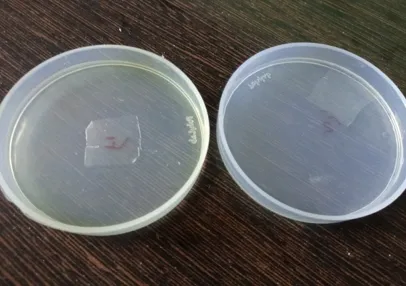
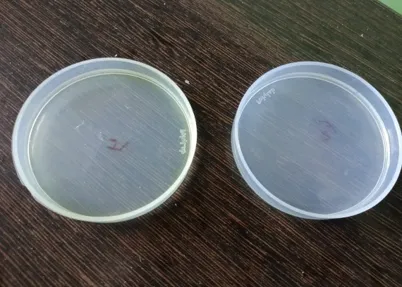
The disintegration was carried out using the Petri dish method. In this method, films were placed in a Petri dish containing 10ml of distilled water, the dish was swirled, and the disintegration time was visually recorded. The disintegration time is the moment when the film starts to disintegrate. The in vitro disintegration time was calculated for different strip of the same film, and the average value was taken [2], [7].
Mouth Dissolving Time
The mouth-dissolving time was determined by placing a 2 x 2 cm2 film into a beaker containing 50ml of phosphate buffer of pH 7. The time taken for the film to dissolve was recorded at the end of the test.[2]
Drug content uniformity
The film, of size 2x2 cm2 equivalent to a 4mg dose, was allowed to dissolve in 100ml of phosphate buffer (pH 6.8) in a 100ml volumetric flask. The mixture was stirred for 60 min and then left at room temperature for 24 hrs. Further, it was filtered using Whatman filter paper. The filtrate was appropriately diluted and analyzed by UV Vis spectrophotometer at 262 nm, and the average drug content was calculated[2], [24].
In-vitro Dissolution study
In vitro dissolution studies were performed in triplicate using a USP Type II (paddle) dissolution apparatus. 250 ml of Phosphate buffer (pH 6.8) was used as the dissolution medium. The temperature and rotation speed were maintained at 37°C and 100 respectively. Film of size 2x2 cm2, equivalent to a 4mg dose, was cut and placed into the dissolution medium. 5 ml samples were withdrawn at time intervals of 2, 3, 4, 5, and 6 minutes, replacing the same volume with fresh medium at each interval. The withdrawn samples were filtered and diluted, and further analyzed at 262 nm using UV spectroscopy[2].
4. RESULTS AND DISCUSSION
In the initial stages of formulation development, several batches were prepared; however, they did not yield satisfactory results and either failed to form a film or produced undesirable outcomes, as listed in Table 1.
The shortcomings of these formulations, F1-F4, are summarized in Table 3
Table 3: Observed outcome of preliminary formulations of ODFs
|
Formulation |
Observed outcome |
|
F1 |
Poor film integrity, sticky, and lacked mechanical strength |
|
F2 |
A foam-like solution formed due to the use of SLS, necessitating the disposal |
|
F3 |
Prepared but unsuitable for casting as it dried in the degassing process |
|
F4 |
Prepared but unsuitable for casting as it dried in the degassing process |
The Final film formulations (F5 & F6) demonstrated improved film integrity & mechanical strength, ensuring their suitability for evaluating additional physiochemical parameters such as thickness, folding endurance, rapid disintegration, and dissolution.
Table 4: Evaluation of physicochemical parameters of CPM ODFs
|
Formulation |
Weight variation (mg) |
Thickness (mm) |
Folding endurance |
pH |
Disintegration time (s) |
|
F5 |
19 ± 4 |
0.050 ± 0.003 |
> 300 |
6 |
48 sec |
|
F6 |
19.8 ± 2 |
0.056 ± 0.002 |
> 300 |
6 |
32 sec |
Morphological properties
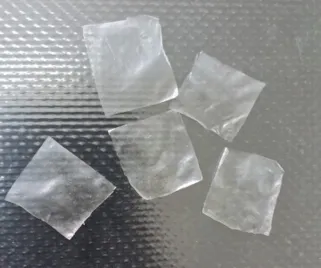
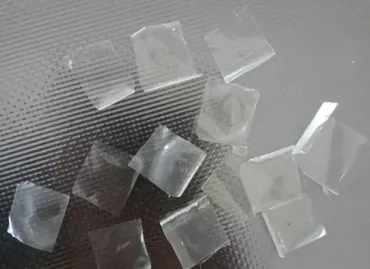
The ODFs of Chlorpheniramine maleate were visually examined and found to be transparent, flexible, non-sticky, and smooth in texture. The different film-forming polymers and excipients exhibited a homogenous, elegant appearance, as shown in Fig. 1
F5 F6
Figure 1: ODFs of Chlorpheniramine maleate
Thickness
The thickness of films F5 and F6 was observed to be 0.050 ± 0.003 mm and 0.056 ± 0.002 mm, respectively (Table 4). These results demonstrate excellent reproducibility of the solvent casting process, with minimal deviation between batches. The chosen polymer blend (HPMC E15 and CMC Na) with propylene glycol as a plasticizer provided adequate film-forming ability.
Weight variation
The weight variation was measured for F5 and F6. Polymers influence the weight of the films. Since the standard deviation of the weights of films F5 and F6 is low, we can conclude that the polymers were uniformly distributed. The weight variation of films F5 and F6 was observed to be 19 ± 4 mg and 19.8 ± 2 mg, respectively (Table 4). All the films showed minimal variation.
Folding endurance
Folding endurance indicates the durability and mechanical robustness of the films; it was manually evaluated for F5 and F6 and found to be >300 folds. This may be due to the plasticity imparted by propylene glycol. The higher folding endurance was significant in resisting brittleness and maintaining the structural integrity of the films during handling.
Surface pH
The films were found to have a surface pH of 6.0, which is within the physiological range of salivary pH (5.5–7.0). This ensures patient comfort by minimizing the risk of irritation of oral mucosa and verifies the suitability of the polymer–plasticizer system.
Percent elongation
ODFs should possess a moderate % elongation. The presence of plasticizers, such as propylene glycol, enhances elongation by reducing intermolecular forces between polymer chains, thereby imparting elasticity to the film matrix. The % elongation was found to be as shown in Table 5.
Table 5: Estimation of % elongation of CPM ODFs
|
Formulation |
Percent elongation |
|
F5 |
5% |
|
F6 |
5% |
In vitro Disintegration Time
In vitro Disintegration time is one of the important parameters for ODF (Table 8). Disintegration time was evaluated, and no significant variation was observed between the formulations (F5 and F6), which disintegrated within 1 minute, reflecting a balanced contribution of the chosen excipients.
Initial Final
Figure 2: In vitro Disintegration of film
Mouth Dissolving Time
The mouth-dissolving time was evaluated for both formulations (F5 and F6) using a phosphate buffer at pH 7 and was found to be 69-75 sec, indicating the influence of the oral cavity’s pH, as described in Table 6.
Table 6: Mouth dissolving time of CPM films in Phosphate buffer
|
pH |
Mouth dissolving time (min) |
|
|
F5 |
F6 |
|
|
7 |
75 sec |
69 sec |
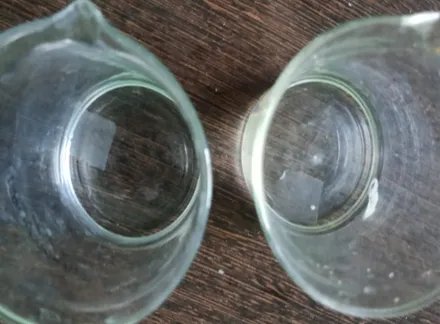
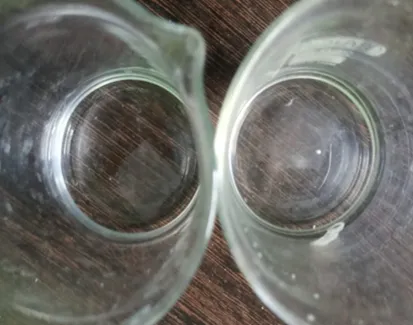
Initial Final
Figure 3: Mouth dissolving time of CPM ODFs
Drug content uniformity
Content uniformity is a parameter that ensures the consistency of drug content in pharmaceutical products. F5 and F6 signify the higher drug content >99% confirming the consistent distribution of chlorpheniramine maleate in Table 7
Table 7: Drug content uniformity of CPM ODFs
|
Formulation |
Drug content (%) |
|
F5 |
99.12 ± 0.74 |
|
F6 |
99.30 ± 0.91 |
In-vitro Dissolution studies
Dissolution studies are performed to evaluate the rate and extent of ODF drug release at specific time intervals, as rapid release ensures the film's therapeutic activity. The effect of composition i.e. polymers and excipients on drug release from the film F5 and F6 was determined and illustrated in Table 8. The maximum drug release was found to be at 6 minutes for both the formulations
Table 8: In vitro dissolution test results of F5 and F6
|
Time (min) |
Cumulative Drug Release (%) |
|
|
F5 |
F6 |
|
|
2 |
42.07 ± 3 |
45.73 ± 3 |
|
3 |
51.22 ± 4 |
56.10 ± 6 |
|
4 |
64.63 ± 2 |
61.59 ± 1 |
|
5 |
67.68 ± 3 |
76.22 ± 4 |
|
6 |
73.17 ± 5 |
80.49 ± 2 |
Fig.4 shows that higher drug release was observed in F6 than in F5, indicating that film composition influenced the release of Chlorpheniramine maleate. The oral mucosa showed greater permeability; hence, the higher drug release increases oromucosal absorption.
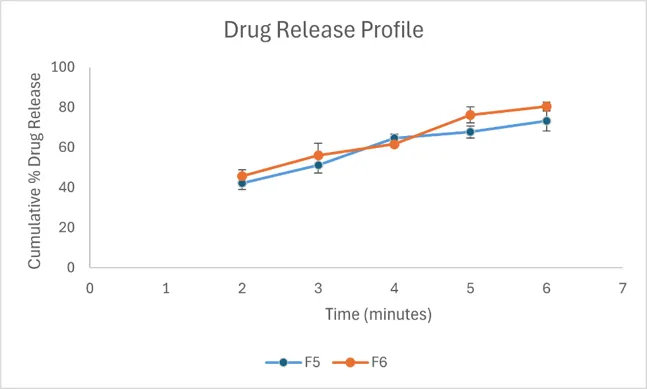
Figure 4: Drug Release Profile for F5 and F6
Both formulations F5 and F6 were found to release 42.07 ± 3% and 45.73 ± 3%, respectively, with F6 releasing a greater amount of drug (80.49 ± 3%) than F5.
5. CONCLUSION
The study was undertaken with the intention of developing Chlorpheniramine maleate ODFs & provide a patient‑friendly dosage form that dissolves rapidly in the mouth, making them suitable for patients with dysphagia, as well as pediatric and geriatric patients. Both F5 and F6 batches exhibited significant mechanical strength (> 300-fold), neutral pH (6.0), and a smooth texture. F5, with more HPMC and less CMC-Na, was thinner than F6 but slower to dissolve, with a disintegration time of 48 sec and a mouth-dissolving time of 75 sec due to its denser matrix, which had greater resistance to hydration. Because of the higher concentration of CMC-Na, F6 disintegrated faster within 32 sec and dissolved more quickly within 69 sec, as the hydrophilic polymer promoted rapid water uptake, though it had slightly greater thickness than F5. Propylene glycol increased the film's flexibility, citric acid acted as a saliva stimulant, and sorbitol improved texture and served as a taste-masking agent. The folding endurance values for both F5 and F6 were >300, indicating the film's robustness and plasticity. Drug content uniformity was >99%. Based on the dissolution studies, F6 released the drug more rapidly, releasing about 80.49% ± 2% within 6 minutes, compared to F5. The films weren’t subjected to any standard stability guidelines, but were found to be morphologically unchanged for about 3 months at room temperature.
F5 was found to be uniform and exhibit desired strength, whereas F6 showed rapid disintegration and dissolution. This shows that not just thickness alone but polymers also play an important role in film performance. These results concluded that CPM ODFs are reliable, elegant, and useful for rapid relief from allergy symptoms.
6. FUTURE ASPECTS
The optimized ODFs of chlorpheniramine maleate showed strong mechanical properties, rapid disintegration and dissolution, and patient-friendly characteristics. Stability testing needs to be performed according to the standard stability guidelines under different storage conditions in future studies. Evaluating new polymers and plasticizers could improve film performance such as thickness, elasticity, and disintegration, whereas taste masking can improve patient acceptability. To validate therapeutic onset and compliance, it is essential to carry out clinical studies and an industrial scale-up with suitable packaging that can ensure film integrity during transport. Overall, these areas will enhance the clinical relevance and practical utility of CPM ODFs as a reliable alternative for rapidly alleviating allergy symptoms.
REFERENCES





Rushika Patil, Sakshi Suryavanshi, Aayesha Abbasi, Atul Mahajan, Shaikh Risal, Formulation and Evaluation of Chlorpheniramine Maleate-Loaded Orodispersible Film, Int. J. of Pharm. Sci., 2026, Vol 4, Issue 7, 1265-1276. https://doi.org/10.5281/zenodo.21233537
 10.5281/zenodo.21233537