

We use cookies to ensure our website works properly and to personalise your experience. Cookies policy
Usha Dwarkadas Pathrikar Institute of Pharmacy, Dongargaon (Kawad), Phulambri, Chatrapati Sambhajinagar, 431111
Diabetes mellitus and obesity are major metabolic disorders that are rapidly increasing worldwide and are associated with serious health complications. Altho ugh synthetic antidiabetic medications are widely used, prolonged therapy may lead to undesirable effects such as hypoglycemia, digestive disturbances, weight gain, and possible organ damage. Owing to these limitations, herbal formulations have gained cons iderable attention because of their natural origin, better safety profile, affordability, and therapeutic benefits. The present investigation focused on the development and evaluation of a polyherbal syrup prepared from Salacia reticulata, Azadirachta indica, and Withania somnifera for the supportive management of diabetes and obesity.These medicinal plants are recognized for their diverse pharmacological properties, including antidiabetic, antioxidant, anti-inflammatory, anti-obesity, and immunomodulatory activities. Such effects are mainly attributed to important phytoconstituents like salacinol, kotalanol, mangiferin, azadirachtin, nimbidin, and withanolides. The plant materials were extracted using appropriate extraction techniques and incorporated into a syrup base containing suitable excipients, preservatives, sweeteners, and flavoring agents to improve stability and palatability.The formulated syrup was assessed for organoleptic and physicochemical characteristics such as appearance, odor, taste, pH, viscosity, specific gravity, and stability. Phytochemical investigation indicated the presence of several bioactive compounds, including alkaloids, flavonoids, tannins, glycosides, saponins, and phenolic constituents. The formulation demonstrated satisfactory stability, acceptable physicochemical properties, uniform consistency, and good patient acceptability. The synergistic combination of Salacia reticulata, Neem, and Ashwagandha may contribute to blood glucose regulation, enhancement of insulin sensitivity, reduction of oxidative stress, modulation of lipid metabolism, and delayed carbohydrate absorption, thereby helping to manage obesity-related complications. The findings suggest that the developed polyherbal syrup has significant potential as a natural and effective therapeutic option for long-term management of diabetes and associated metabolic disorder.
More than 400 traditional plant treatments for diabetes mellitus have been recorded, but only a small number of these have received scientific and medical evaluation to assess their efficacy. Traditional treatments have mostly disappeared in occidental societies, but some are prescribed by practitioners of alternative medicine or taken by patients as supplements to conventional therapy. However, plant remedies are the mainstay of treatment in underdeveloped regions. A hypoglycemic action from some treatments has been confirmed in animal models and non- insulin-dependent diabetic patients, and various hypoglycemic compounds have been identified. A botanical substitute for insulin seems unlikely, but traditional treatments may provide valuable clues for the development of new oral hypoglycemic agents and simple dietary adjuncts.[1] Diabetes mellitus is a long-term metabolic disease in which the body is unable to regulate blood glucose levels properly because of insufficient insulin production, impaired insulin function, or a combination of both. It is considered one of the most prevalent non-communicable diseases across the world. To manage this condition, various synthetic antidiabetic medications have been developed. These chemically formulated drugs help maintain normal blood sugar levels and reduce the risk of co mplications associated with diabetes, including nerve damage, kidney disorders, eye diseases, and cardiovascular problems.[2] Despite their significant therapeutic effectiveness, continuous use of synthetic antidiabetic agents may produce unwanted side effects. Common adverse reactions include hypoglycemia, digestive discomfort, increase in body weight, liver and kidney impairment, and possible cardiovascular risks in some patients.[3] In addition to conventionalsynthetic medications, herbal remedies have attracted considerable attention in diabetes management because they are naturally derived, comparatively economical, and generally associated with fewer adverse effects. Many medicinal plants possess antioxidant and antidiabetic properties due to the presence of active phytochemical constituents. These compounds assist in controlling blood sugar by stimulating insulin release, enhancing cellular glucose utilization, limiting carbohydrate absorption, and protecting pancreatic β-cells from damage.[4] For many centuries, traditional medical systems such as Ayurveda, Siddha, Unani, and Traditional Chinese Medicine have utilized medicinal plants and herbal formulations for the prevention and treatment of diabetes.[5]Salacia reticulata is a medicinal woody climber commonly distributed in India and Sri Lanka. In traditional Ayurvedic medic ine, it is widely recognized as Kothala Himbutu and has long been utilized for managing diabetes, obesity, and various metabolic disorders. The roots and stems of the plant are rich in several biologically active constituents, including salacinol, kotalanol, mangiferin, ponkoranol, and salaprinol. These phytochemicals are known for their significant antidiabetic properties, particularly their ability to help regulate blood glucose levels and improve carbohydrate metabolism.[6] In our treatment for diabetes melatius and obesity . we used Salacia retaculata the herbal plant , by oral administration, The aim of this research was to elucidate the therapeutic efficacy of the extract of S. reticulata on obesity and various metabolic disorders.[7]
1. Salacia reticulata
Biological name: Salacia reticulata Wight.
Biological source: Dried root and stems.
Part used: root and stem.
Geographical source: India and Sri Lanka.
The roots and stems are rich in biologically active constituents including salacinol, kotalanol, mangiferin, catechins, and epicatechins. These phytochemicals are known for their significant antidiabetic properties, particularly their ability to help regulate blood glucose levels and improve carbohydrate metabolism.(8)
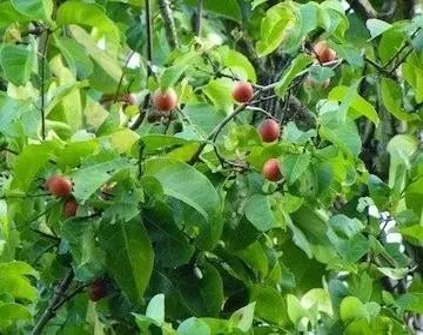
Fig.no.1:- salacia reticulata
2. Neem (Azadirachta indica)
Biological name: Azadirachta indica.
Part used: leaves, bark, seed.
Geographical source: India and Asian region.
Chemical constituents : azadirachtin, nimbin, nimbidin, salamin, gedunin, quercetin, and kaempferol. The plant exhibits antidiabetic, antioxidant, antimicrobial, anti-inflammatory, and immunomodulatory activities.(9)
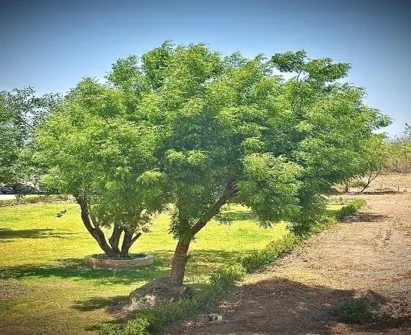
Fig.no.2.Neem
3. Ashwagandha (Withania somnifera)
Biological name: Withania somnifera (L.) Dunal.
Part used: root.
Geographical source: India, Middle East, and parts of North and tropical Africa.
Chemical constituents : withaferin A, withanolide A, withanolide D, and withanone. The plant possesses antioxidant, anti-inflammatory, anti-stress, and antidiabetic properties.(10)
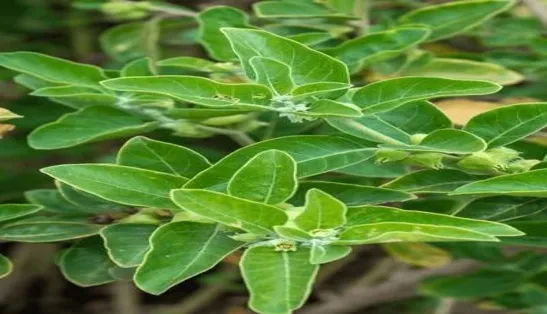
Fig.no.3 :-Ashwagandha
2. LITERATURE REVIEW
Grover et al. (2002) reviewed numerous Indian medicinal plants with antidiabetic properties and explained that herbal therapies help control blood glucose through multiple mechanisms such as stimulation of insulin secretion, enhancement of glucose uptake by tissues, and inhibition of carbohydrate absorption from the intestine.[11]
Yoshikawa et al. (2001) investigated Salacia reticulata and identified salacinol and kotalanol, which inhibit α-glucosidase enzymes, reducing intestinal glucose absorption and controlling postprandial hyperglycemia.[12]
Jayawardena et al. (2005) demonstrated effectiveness of Salacia reticulata preparations in type 2 diabetes patients, showing significant improvement in fasting blood glucose without major side effects.[13]
Subapriya and Nagini (2005) reviewed Azadirachta indica and reported its antioxidant, antimicrobial, anti-inflammatory, immunomodulatory, and antidiabetic activities. Bioactive constituents such as nimbin, nimbidin, azadirachtin, and quercetin regulate blood glucose and protect tissues from oxidative damage.[14]
Khosla et al. (2000) evaluated the hypoglycemic effect of Azadirachta indica in experimental diabetic models and observed a marked decrease in blood glucose levels after treatment with Neem extract.[15]
Mirjalili et al. (2009) revealed the presence of biologically active steroidal lactones (withanolides) in Ashwagandha, possessing antioxidant, anti-inflammatory, anti-stress, and antidiabetic properties.[16]
Singh et al. (2011) described Withania somnifera as an important Rasayana herb in Ayurveda with rejuvenating and adaptogenic activities, improving insulin sensitivity and supporting lipid metabolism.[17]
3. AIM AND OBJECTIVES
Aim: Formulation and Evaluation of herbal syrup for diabetes and obesity.
Objectives:
Need of Study: Rising incidence of diabetes and obesity, therapeutic importance of Salacia reticulata, antidiabetic and antioxidant potential of Neem, pharmacological benefits of Ashwagandha, synergistic potential of polyherbal formulation, benefits of syrup dosage form, requirement for scientific validation, and growing interest in herbal medicines.
4. MATERIALS AND METHODS
4.1 Raw Materials
4.2 Chemicals and Reagents
Ethanol, distilled water, citric acid, sodium benzoate, sucrose, glycerin, nutmeg oil (flavoring agent)
4.3 Equipment Used
Soxhlet apparatus, water bath, beakers, conical flasks, measuring cylinder, Whatman filter paper, pH meter, viscometer, electronic balance
4.4 Preparation of Extracts (Soxhlet Extraction)
Salacia reticulata: Around 20 g of powdered sample was packed into a Whatman filter paper thimble and placed inside the Soxhlet extractor. A round-bottom flask containing 250-300 mL of ethanol was attached. The solvent was heated gently. The recycling process continued for 6-8 hours until the solvent became almost colorless. The extract was cooled and filtered.(18)
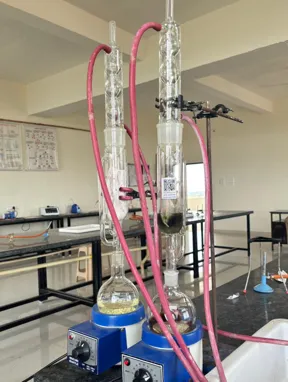
Fig.no.4 Extraction of salacia reticulata
Neem: Fresh Neem leaves were washed with distilled water. Around 20 g of powdered Neem material was packed into a thimble. 250-300 mL of ethanol was used. Extraction continued for 6-8 hours until the solvent became almost clear.(19)
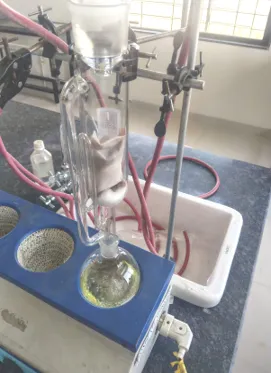
Fig.no.5 Extraction of neem
Ashwagandha: Approximately 20 g of powdered material was packed into a filter paper thimble. 250-300 mL of ethanol was used. The recycling process was maintained for 6-8 hours.(20)
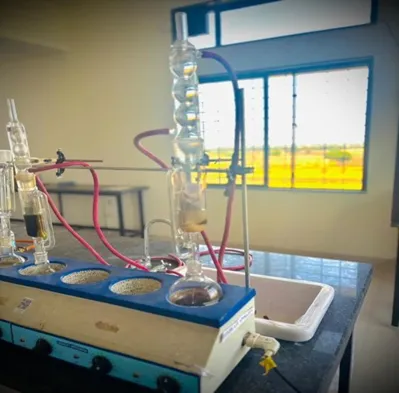
Fig.no.6 Extraction of Ashwagandha
4.5 Formulation of Herbal Syrup
Table 1: Formulation of Herbal Syrup
|
Sr. No |
Ingredient |
Quantity |
Function |
|
1 |
Salacia reticulate extract |
10 ml |
Active ingredient |
|
2 |
Neem extract |
5 ml |
Active ingredient |
|
3 |
Ashwagandha extract |
5 ml |
Active ingredient |
|
4 |
Sorbitola syrup |
40 ml |
Sweetenig agent and vehicle |
|
5 |
Glycerin |
5 ml |
Viscosity enhancer |
|
6 |
Sodium benzoate |
2 ml |
Preservative |
|
7 |
Citric acid |
1 ml |
pH adjustment and flavor |
|
8 |
Nutmeg oil |
3 drop |
Improves taste |
|
9 |
Purified water |
30 ml |
vehicle |
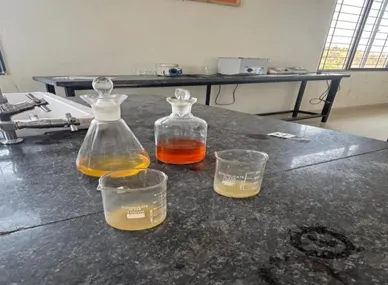
Fig.no.7 Herbal extract
Method of Preparation: Syrup base prepared with purified water and sorbitol, heated gently. Herbal extracts added with continuous stirring. Glycerin, citric acid (dissolved in water), sodium benzoate (dissolved in warm water), and nutmeg oil added sequentially. Volume adjusted to 100 mL with purified water, filtered, filled into amber-colored airtight bottles, and stored below 25°C protected from sunlight.(21)
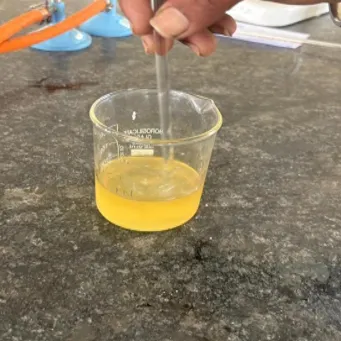
Fig.no.8 Syrup preparation
4.6 Evaluation Parameters
Organoleptic evaluation: Color, odor, taste, appearance, consistency, and homogeneity assessed visually and by sensory perception.(22)
pH determination: Evaluated at room temperature using a calibrated digital pH meter. The formulation exhibited a mildly acidic pH range of about 5.77.
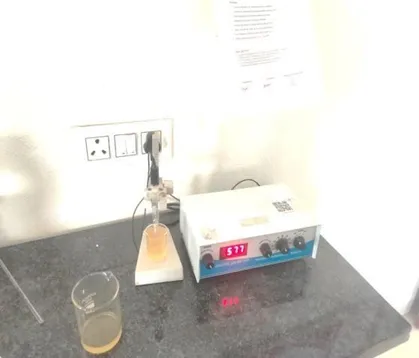
Fig no.9 pH test of syrup
Phytochemical screening
Alkaloids: Wagner's test – 2 ml syrup sample + few drops of Wagner's reagent → brownish precipitate indicates presence.
Glycosides: Keller-Killiani Test – 2 ml syrup sample + glacial acetic acid containing ferric chloride + concentrated sulfuric acid along side of test tube → brown ring formation indicates glycosides.
Terpenoids: Salkowski Test – Mix syrup sample with chloroform + concentrated sulfuric acid carefully → reddish-brown coloration indicates terpenoids.(23)

Fig.no.10 Phytochemical Screening
Observation
Table 2: Observation of Evaluation Parameters
|
Sr. No. |
Evaluation Parameter |
Standard Parameters |
Observation |
|
1 |
colour |
Characteristic color of herbal formulation |
Dark brown to reddish brown |
|
2 |
Odor |
Characteristic herbal odor |
Characteristic herbal odor |
|
3 |
Taste |
Acceptable with slight sweetness/ bitter taste |
Slightly bitter and astringent |
|
4 |
Appearance |
Clear and free from foreign particles |
Clear and free from foreign particles |
|
5 |
Consistency |
Smooth and uniform |
Smooth and moderately viscous |
|
6 |
Homogeneity |
No phase separation or sedimentation |
Uniform with no phase separation |
|
7 |
pH |
4.0 – 7.0 |
5.0 – 6.5 |
|
8 |
Viscosity |
Moderate viscosity for easy pourability |
Moderate viscosity with good pourability |
|
9 |
Alkaloid Test |
Positive presence of alkaloids |
Positive |
|
10 |
Glycosides |
Positive presence of Glycosides |
Positive |
|
11 |
Terpenoids |
Positive presence of Terpenoids |
Positive |
|
12 |
Stability Study |
No significant physical or chemical change |
No significant change observed |
5. RESULTS
The polyherbal syrup prepared using extracts of Salacia reticulata, Neem, and Ashwagandha was successfully formulated and subjected to different quality evaluation tests. The developed formulation showed acceptable physicochemical as well as organoleptic properties, making it suitable for oral use. The syrup possessed a dark brown appearance with a characteristic herbal smell and a mildly bitter taste, which is typical of herbal preparations.
It appeared clear and uniform without any signs of sedimentation, phase separation, or suspended particles. The formulation also exhibited a smooth texture with moderate viscosity, ensuring good stability and easy pourability during administration. Evaluation of pH indicated that the syrup remained within the desirable acidic range of about 5.0–6.5.
This range is considered appropriate for maintaining formulation stability and minimizing microbial contamination. Viscosity analysis demonstrated satisfactory flow behavior, supporting convenient handling and dosing of the syrup. Preliminary phytochemical investigations confirmed the presence of several therapeutically important constituents, including alkaloids, flavonoids, tannins, glycosides.
6. DISCUSSION
The present investigation was carried out to formulate and evaluate a polyherbal syrup from Salacia reticulata, Neem, and Ashwagandha, all widely recognized in traditional medicine for their beneficial role in the management of diabetes and other metabolic disorders. These medicinal plants were selected due to their reported antidiabetic, antioxidant, and immune-supportive activities.
The developed syrup exhibited desirable organoleptic characteristics such as a dark brown appearance, characteristic herbal aroma, mildly bitter taste, smooth texture, and uniform consistency. Such properties indicate efficient incorporation of the herbal extracts into the syrup base and suggest suitability for oral consumption. The formulation remained clear and homogeneous without any visible sedimentation or phase separation, demonstrating good physical stability.
Physicochemical studies showed that the pH of the syrup was maintained within an appropriate acidic range suitable for herbal oral formulations. Proper pH helps preserve the stability of active phytoconstituents and reduces the risk of microbial growth during storage. The viscosity of the preparation was found to be moderate, providing suitable flow behavior for convenient pouring and administration while maintaining the desired consistency.
Phytochemical screening confirmed the presence of several important secondary metabolites, including alkaloids, flavonoids, tannins, and glycosides. These compounds are associated with multiple therapeutic effects such as antihyperglycemic, antioxidant, anti-inflammatory, and free radical scavenging activities. Bioactive constituents present in Salacia reticulata, such as salacinol and mangiferin, are known to help regulate blood glucose levels by inhibiting carbohydrate-digesting enzymes. Neem contributes antioxidant and hypoglycemic effects, whereas Ashwagandha functions as an adaptogenic herb that may improve insulin sensitivity and reduce oxidative stress.
During the stability study, no significant alterations were observed in the color, odor, taste, or consistency of the syrup, indicating good compatibility among the ingredients used in the formulation. Microbial studies also suggested absence of contamination, reflecting the effectiveness of preservatives as well as proper hygienic conditions maintained during preparation.
7. CONCLUSION
The current study focused on the formulation and evaluation of a polyherbal syrup prepared from extracts of Salacia reticulata, Neem, and Ashwagandha with potential antidiabetic properties.
The developed formulation exhibited satisfactory organoleptic features, including a dark brown appearance, characteristic herbal aroma, mildly bitter taste, clear nature, smooth texture, and uniform consistency. Physicochemical analysis indicated that the syrup possessed a suitable pH and appropriate viscosity, making it convenient for oral administration.
Phytochemical investigations confirmed the presence of various bioactive compounds such as alkaloids, flavonoids, tannins, and glycosides, which are known to play an important role in therapeutic activity. In addition, the formulation remained stable throughout the study period without any visible phase separation, microbial growth, or undesirable changes in its physical properties.
In conclusion, the prepared polyherbal syrup demonstrated good stability, acceptable quality control parameters, and promising pharmaceutical characteristics. These findings suggest that the formulation may serve as a beneficial herbal approach for diabetes management. However, detailed pharmacological investigations and clinical studies are necessary to further confirm its safety, efficacy, and therapeutic potential in diabetic patients.
REFERENCES


Gajendra Pandhare, Shubhekshan Chemte, Chaitanya Ravan, Aniket Baldode, Gajanan Mhaske, Ayodhya Pardhe, Dr. Y. R Girbane, Formulation and Evaluation of Herbal Syrup for Diabetes and Obesity, Int. J. of Pharm. Sci., 2026, Vol 4, Issue 7, 1316-1324. https://doi.org/10.5281/zenodo.21234321
 10.5281/zenodo.21234321