

We use cookies to ensure our website works properly and to personalise your experience. Cookies policy
School of Pharmacy, Department of Pharmacy, Abhilashi University Chail Chowk, H.P. (Mandi).
Psidium guajava L. is a medicinal plant widely used in traditional medicine and is reported to possess several pharmacological properties, including antioxidant, antimicrobial, wound-healing, and anti-inflammatory activities. The present study was undertaken to develop and evaluate a herbal ointment containing hydroethanolic extract of Psidium guajava L. leaves for its potential anti-inflammatory activity. The leaves were collected, authenticated, dried, powdered, and extracted using 50% hydroethanolic solvent by Soxhlet extraction. The prepared extract was evaluated for percentage yield, loss on drying, preliminary phytochemical constituents, total flavonoid content, and UV–Visible spectroscopic characteristics. The extract was incorporated into a suitable oleaginous ointment base and evaluated for physicochemical properties including appearance, homogeneity, pH, spreadability, extrudability, viscosity, washability, and stability. The in vitro anti-inflammatory activity of the formulation was assessed using protein denaturation and protease inhibition assays. The formulated ointment exhibited satisfactory physicochemical characteristics, while the in-vitro assays demonstrated protein denaturation and protease inhibitory activity, indicating preliminary anti-inflammatory potential.
Inflammation is a complex protective response of the body to tissue injury, infection, or other harmful stimuli. Although acute inflammation is essential for tissue protection and repair, excessive or persistent inflammation can contribute to the development of several chronic disorders. The inflammatory response involves several mediators, including prostaglandins, cytokines, reactive oxygen species (ROS), and nitric oxide, which collectively contribute to tissue injury and inflammatory manifestations [1–4].
Medicinal plants have been used traditionally for the management of various inflammatory disorders and remain an important source of biologically active compounds [5,6]. Plant-derived flavonoids, phenolic compounds, tannins, and other secondary metabolites have demonstrated antioxidant and anti-inflammatory properties and may act through multiple biological pathways [7,8]. The increasing interest in natural products has encouraged scientific investigation of medicinal plants as potential sources of safer and effective therapeutic agents.
Psidium guajava L., commonly known as guava, belongs to the family Myrtaceae and is widely distributed throughout tropical and subtropical regions. Different parts of the plant, particularly the leaves, have traditionally been used for the management of several ailments. Pharmacological investigations have reported antioxidant, antimicrobial, antidiarrheal, anti-inflammatory, antidiabetic, and other biological activities of P. guajava [9–11].
The leaves of P. guajava contain a variety of phytoconstituents, including flavonoids, phenolic acids, tannins, terpenoids, carotenoids, and triterpenoids. Quercetin and its derivatives are among the important flavonoid constituents reported in guava leaves and are considered to contribute to several of the plant's biological activities [9–11]. Experimental studies have also demonstrated significant antioxidant and free-radical-scavenging properties of guava leaf extracts, supporting their potential role in reducing oxidative stress [12].
Oxidative stress is closely associated with inflammatory processes because excessive ROS generation can cause cellular damage and activate inflammatory signaling pathways. The antioxidant constituents present in guava leaves may therefore contribute to their anti-inflammatory activity [12]. In particular, experimental studies have demonstrated that ethanolic guava leaf extract can inhibit inflammatory mediators such as nitric oxide and prostaglandin E2 and can suppress inducible nitric oxide synthase and cyclooxygenase-2 activity [13]. These findings provide experimental support for the anti-inflammatory potential of P. guajava leaves.
The biological activity of guava leaves can also be influenced by the extraction method and solvent system. Optimization of extraction conditions has been reported to improve the recovery of bioactive constituents and enhance the anti-inflammatory activity of P. guajava leaf extracts [14]. Other investigations have further demonstrated that guava leaves contain diverse bioactive compounds with antioxidant and other pharmacological properties [15, 16]. Thus, appropriate extraction and characterization of the leaf extract are important steps in the development of a reproducible herbal formulation.
Topical delivery of herbal extracts in the form of an ointment may provide a convenient approach for delivering plant-derived bioactive constituents to the site of application [17]. Various topical and novel pharmaceutical delivery systems have been investigated to improve localized drug delivery and formulation performance [18]. Recent investigations of guava leaves have further emphasized their diverse phytochemical composition and potential biological activities, supporting their continued investigation as a source of natural therapeutic agents [19].
Therefore, the present study was designed to prepare and evaluate a hydroethanolic extract of Psidium guajava L. leaves and incorporate the extract into a topical herbal ointment. The prepared extract was subjected to phytochemical evaluation, determination of total flavonoid content, and UV–Visible spectroscopic characterization. The formulated ointment was evaluated for its relevant physicochemical properties, while its anti-inflammatory potential was investigated using in-vitro protein denaturation inhibition and protease inhibition assays. The study was undertaken to evaluate the potential of P. guajava leaf extract as a natural source of anti-inflammatory constituents for the development of a topical herbal ointment.
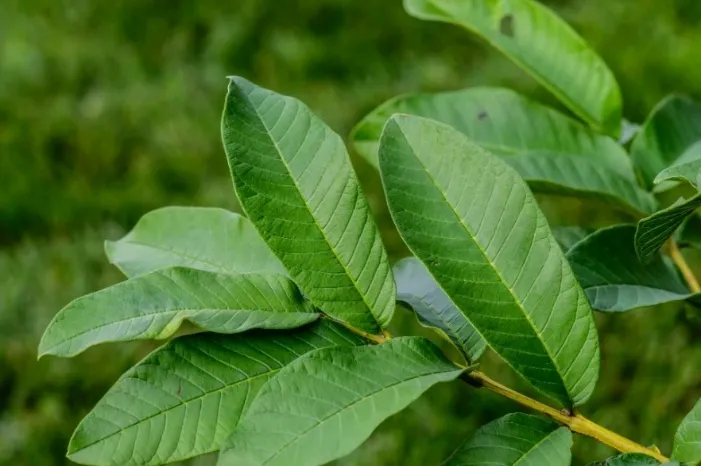
Fig.1 Psidium guajava L. leaves
MATERIALS AND METHODS
Collection and Authentication of Plant
Fresh, healthy leaves of Psidium guajava L. were collected from healthy plants in the local area during the study period. The collected leaves were carefully examined for any signs of disease, insect infestation, or physical damage. The plant material was authenticated by a qualified botanist, and a voucher specimen was preserved for future reference.
Materials Used
The solvents, chemicals, reagents, and pharmaceutical excipients used in the present investigation were of analytical or pharmaceutical grade. Ethanol and distilled water were used for preparation of the hydroethanolic extract. Quercetin was used as the reference standard for determination of total flavonoid content. Aluminium chloride, potassium acetate, and other required reagents were used for phytochemical and flavonoid estimation studies.
Method of Extraction
Hot Continuous Extraction (Soxhlet)
Materials Used for Extraction
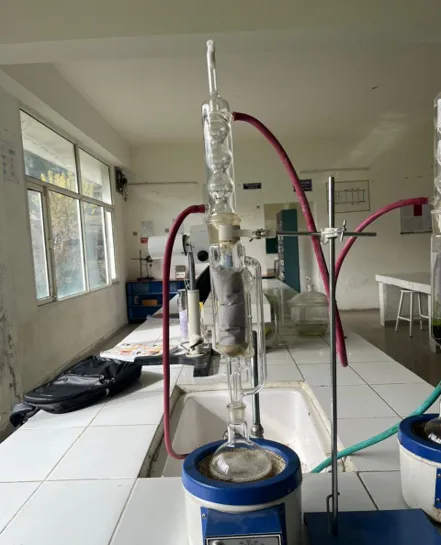
Fig.2 Soxhlet extraction
Procedure
The shade-dried, coarsely powdered leaves of Psidium guajava L. (100 g) were extracted with 50% hydroethanolic solvent (ethanol:distilled water, 50:50 v/v) using a Soxhlet apparatus. The extraction was carried out at approximately 60–65°C until the solvent became comparatively clear. After completion of extraction, the solvent was removed using a rotary vacuum evaporator. The concentrated extract was obtained and stored in an airtight container under refrigerated conditions until further use.
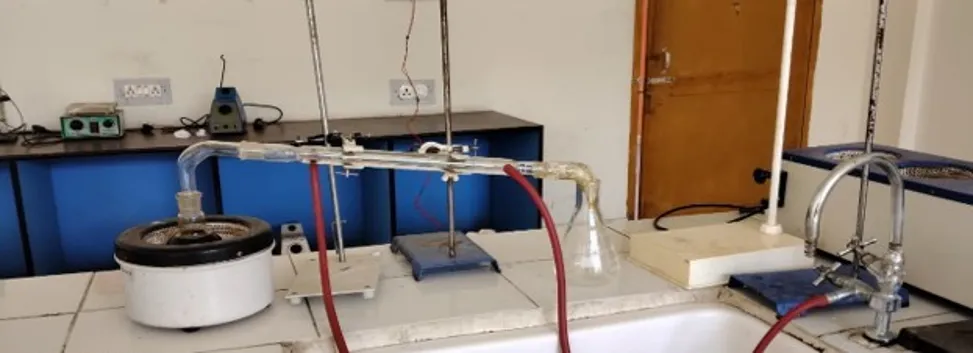
Fig.3 Re Distillation assembly
Pre-formulation Study
1. Organoleptic Characteristics
The prepared Psidium guajava L. leaf extract was examined for its colour, odour, appearance, and physical nature as preliminary quality-control parameters [20].
2. Percentage Yield of Extract
The percentage yield of the hydroethanolic extract was calculated based on the weight of dried plant material used for extraction and the weight of extract obtained [21].
Percentage yield (%) = (Weight of extract obtained / Weight of plant material used) × 100
3. Loss on Drying
Loss on drying of the prepared extract was determined to assess its moisture content. A known quantity of extract was accurately weighed and dried under controlled conditions until a constant weight was obtained [20, 21].
Loss on drying (%) = (Loss in weight / Weight of sample) × 100
4. Preliminary Phytochemical Screening
The hydroethanolic extract was subjected to qualitative phytochemical screening for the detection of major groups of phytoconstituents, including flavonoids, phenolics, tannins, saponins, alkaloids, terpenoids, steroids, glycosides, and carbohydrates [20, 21].
5. Total Flavonoid Content
The total flavonoid content of the extract was determined by the aluminium chloride colorimetric method using quercetin as the reference standard. The results were expressed as mg quercetin equivalent (QE)/g of dried extract [22].
6. UV–Visible Spectroscopic Analysis
The hydroethanolic extract was subjected to UV–Visible spectroscopic analysis to determine its characteristic absorption maxima and obtain a preliminary spectral profile. UV–Visible spectrophotometry is also widely employed as a simple analytical technique for wavelength selection and quantitative spectroscopic analysis of pharmaceutical substances [22, 23].
Formulation of Herbal Ointment
The required quantities of Psidium guajava L. leaf extract and ointment-base ingredients were accurately weighed. White petrolatum, cetyl alcohol, soft paraffin, and coconut oil were heated separately on a water bath until the ingredients melted. The melted ingredients were mixed thoroughly with continuous stirring to obtain a uniform ointment base. The required quantity of Psidium guajava leaf extract was then incorporated gradually into the base with continuous stirring to ensure uniform distribution of the extract. The formulation was allowed to cool with gentle stirring until a smooth and homogeneous ointment was obtained. The prepared ointment was transferred into a suitable, clean, airtight container and stored under appropriate conditions until further evaluation.
Evaluation of Herbal Ointment
1. Physical Appearance
The prepared ointment was visually examined for colour, odour, appearance, texture, and consistency.
2. Homogeneity
The ointment was examined for its uniformity and presence of lumps, grittiness, or particulate matter by visual inspection and by spreading a small quantity of the formulation on a glass slide.
3. pH
The pH of the ointment was determined using a calibrated digital pH meter. A suitable dispersion of the ointment in distilled water was prepared and its pH was measured.
4. Spreadability
Spreadability was determined by placing a known quantity of ointment between two glass slides and applying a specified load. The time required for the upper slide to move through a predetermined distance was recorded. Spreadability was calculated using:
S = M × L / T
Where:
S = Spreadability
M = Weight applied to the upper slide
L = Length travelled by the slide
T = Time required for the slide to travel the specified distance.
5. Extrudability
Extrudability of the ointment was evaluated by filling the formulation into a collapsible tube and measuring the quantity of ointment extruded through the nozzle under a specified applied force.
6. Viscosity
The viscosity of the prepared ointment was determined using a Brookfield viscometer at a specified spindle and rotational speed. The viscosity was recorded in cP (mPa·s).
7. Washability
A small quantity of ointment was applied to the skin and washed with water. The ease with which the formulation was removed was visually assessed and recorded.
8. Stability Study
The prepared ointment was stored under selected storage conditions for a specified period. The formulation was periodically examined for changes in appearance, colour, odour, homogeneity, pH, and viscosity.
In Vitro Anti-inflammatory Activity
The in-vitro anti-inflammatory activity of the prepared Psidium guajava L. leaf extract herbal ointment was evaluated using protein denaturation inhibition assay and protease inhibition assay. Diclofenac sodium was used as the reference standard. The experiments were performed in triplicate.
1. Protein Denaturation Inhibition Assay
Principle:
Protein denaturation is associated with inflammatory processes and tissue damage. The ability of the prepared herbal ointment to inhibit heat-induced protein denaturation was therefore evaluated as an indicator of its in-vitro anti-inflammatory activity.
Procedure:
Different concentrations of the prepared Psidium guajava L. herbal ointment were prepared using a suitable solvent. The test samples were mixed with bovine serum albumin (BSA) solution and subjected to controlled incubation and heating to induce protein denaturation. After cooling, the absorbance was measured using a UV–Visible spectrophotometer at the specified wavelength. Diclofenac sodium was evaluated under similar conditions as the reference standard. All measurements were carried out in triplicate.
Calculation:
% Inhibition=Ac-AsAc×100
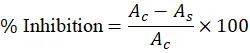
Where:
Ac = Absorbance of control
As = Absorbance of test sample
2. Protease Inhibition Assay
Principle:
Proteolytic enzymes are involved in inflammatory processes and tissue damage. Inhibition of protease activity is therefore considered an indicator of potential anti-inflammatory activity. The prepared Psidium guajava L. herbal ointment was evaluated for its ability to inhibit proteolytic activity.
Procedure:
Different concentrations of the prepared herbal ointment were prepared using a suitable solvent. The test samples were incubated with the selected protease enzyme and protein substrate under specified experimental conditions. After incubation, the reaction was terminated and the absorbance was measured spectrophotometrically. Diclofenac sodium was used as the reference standard. All measurements were performed in triplicate.
Calculation:
% Protease Inhibition=Ac-AsAc×100

Where:
Ac = Absorbance of control
As = Absorbance of test sample
Higher percentage inhibition indicates greater in-vitro anti-inflammatory activity of the prepared herbal ointment.
RESULTS
Table 1: Preliminary phytochemical analysis
|
Sr. No. |
Phytochemical |
Phytochemical Test |
Result |
|
1. |
Phenols |
Ferric Chloride Test |
+ |
|
2. |
Terpenoids |
Salkowski Test |
+ |
|
3. |
Flavonoid |
Lead Acetate Test |
+ |
|
4. |
Glycosides |
Keller-Killiani Test |
- |
|
5. |
Tannin |
Ferric Chloride Test |
+ |
|
6. |
Alkaloids |
Dragendorff’s Test |
- |
|
7. |
Saponins |
Foam Test |
- |
Table 2: Composition of Herbal Ointment Formulations (50 g Batch)
|
Sr. No. |
Ingredients |
Function |
F1 (g) |
F2 (g) |
F3 (g) |
F4 (g) |
|
1 |
Psidium guajava L. Leaf Extract |
Active herbal ingredient |
5.0 |
5.0 |
5.0 |
5.0 |
|
2 |
White Petrolatum |
Oleaginous ointment base |
35.5 |
34.5 |
33.5 |
32.5 |
|
3 |
Soft Paraffin |
Emollient and consistency modifier |
4.0 |
5.0 |
6.0 |
7.0 |
|
4 |
Cetyl Alcohol |
Stiffening agent |
3.0 |
3.0 |
3.0 |
3.0 |
|
5 |
Coconut Oil |
Penetration enhancer and emollient |
2.5 |
2.5 |
2.5 |
2.5 |
|
Total Weight (g) |
50.0 |
50.0 |
50.0 |
50.0 |
Table 3: Preformulation Studies of Psidium guajava L. Leaf Extract
|
Sr. No. |
Parameter |
Result |
|
1. |
Percentage yield of extract |
18.52 % |
|
2. |
Loss on drying |
5.50 % |
|
3. |
Appearance |
Dark green to brown |
|
4. |
Solubility |
Soluble in hydroethanolic solvent |
|
5. |
Total flavonoid content |
38.5 ± 0.24 mg QE/g extract |
|
6. |
Preliminary phytochemical screening |
Flavonoids, phenols, tannins, terpenoids, etc. |
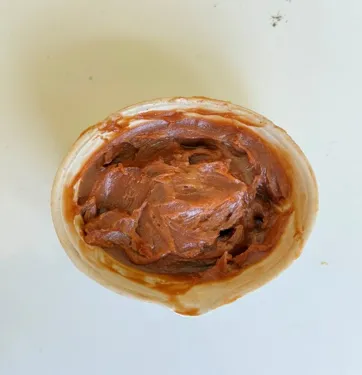
Fig. 4 Prepared Herbal Ointment Formulations
Table 4: Organoleptic Evaluation of Herbal Ointment
|
Sr. No. |
Parameter |
Observation |
|
1. |
Appearance |
Smooth, homogeneous semisolid |
|
2. |
Colour |
Greenish to light green |
|
3. |
Odour |
Characteristic odour |
|
4. |
Texture |
Smooth and non-gritty |
|
5. |
Phase separation |
Absent |
Table 5: Physicochemical Evaluation of Herbal Ointment
|
Sr. No. |
Parameter |
F1 |
F2 |
F3 |
F4 |
|
1. |
pH |
6.2 ± 0.04 |
6.4 ± 0.03 |
6.5 ± 0.02 |
6.3 ± 0.03 |
|
2. |
Spreadability (g·cm/sec) |
22.8 ± 0.36 |
21.4 ± 0.32 |
18.6 ± 0.28 |
20.1 ± 0.31 |
|
3. |
Extrudability (g) |
510 ± 6 |
485 ± 5 |
462 ± 4 |
498 ± 6 |
|
4. |
Viscosity (cP) |
2958 ± 24 |
3025 ± 28 |
3087 ± 31 |
3012 ± 26 |
|
5. |
Washability |
Easily washable with water |
Easily washable with water |
Easily washable with water |
Easily washable with water |
UV-Visible Spectral Analysis
The UV–Visible absorption spectrum of the prepared Psidium guajava L. leaf extract was recorded using a Shimadzu UV–Visible spectrophotometer over the wavelength range of 200–800 nm. The spectrum showed a prominent absorption maximum (λmax) at 255 nm, with an absorbance of 0.647. Additional absorption peaks were observed at 338 nm (absorbance 0.384) and 346 nm (absorbance 0.399). Beyond approximately 370 nm, the absorbance gradually decreased and remained close to the baseline up to 800 nm The observed absorption maxima are consistent with the presence of UV-absorbing phytoconstituents, including phenolic and flavonoid compounds; however, UV–Visible spectroscopy alone does not establish the identity of individual compounds.
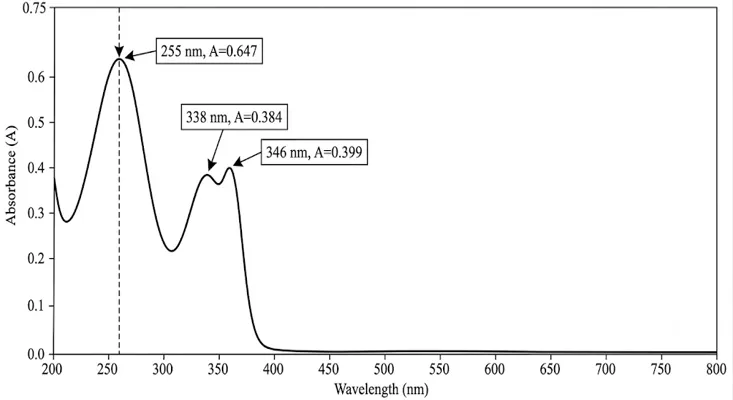
Fig. 5 UV–Visible Spectrum of Hydroethanolic Extract of Psidium guajava L. Leaves
Table 6 UV–Visible Absorption Peaks of Hydroethanolic Extract of Psidium guajava L. Leaves
|
Peak |
Wavelength (nm) |
Absorbance |
|
1 |
255 |
0.647 |
|
2 |
338 |
0.384 |
|
3 |
346 |
0.399 |
In Vitro Anti-Inflammatory Activity
The anti-inflammatory potential of the prepared Psidium guajava L. herbal ointment was evaluated using protein denaturation inhibition assay and protease inhibition assay. Diclofenac sodium was used as the standard reference drug. The activity was assessed at different concentrations of the prepared ointment, and the percentage inhibition was calculated.
The prepared Psidium guajava L. herbal ointment demonstrated inhibition of protein denaturation in a concentration-dependent manner. The percentage inhibition increased with increasing concentration of the formulation. Diclofenac sodium showed comparatively higher inhibition than the test formulation at corresponding concentrations. Nevertheless, the observed inhibition by the herbal ointment indicates its potential anti-inflammatory activity.
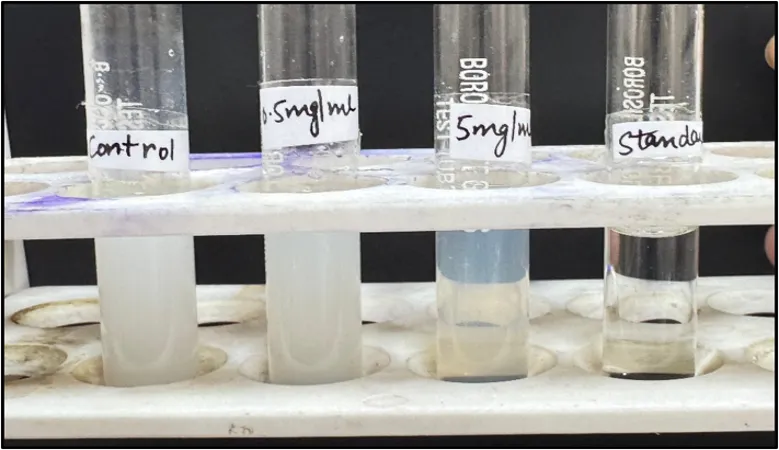
Fig. 6 Protein Denaturation Inhibition Assay of the Prepared Herbal Ointment
Table 7 Protein Denaturation Inhibition Activity of the Prepared Herbal Ointment
|
Test Sample |
Concentration (mg/mL) |
Absorbance at 660 nm |
Protein Denaturation Inhibition (%) |
|
Control |
– |
1.401 |
– |
|
Prepared herbal ointment |
0.5 |
1.007 |
28.12 |
|
Prepared herbal ointment |
5.0 |
0.313 |
77.66 |
|
Diclofenac sodium |
– |
0.041 |
97.07 |
The protease inhibition assay further demonstrated the anti-inflammatory potential of the prepared herbal ointment. The formulation exhibited concentration-dependent inhibition of protease activity, with increasing inhibition observed at higher concentrations. Diclofenac sodium showed greater inhibition compared with the test formulation. The results suggest that the bioactive constituents present in Psidium guajava L. leaf extract may contribute to inhibition of proteolytic processes associated with inflammation.
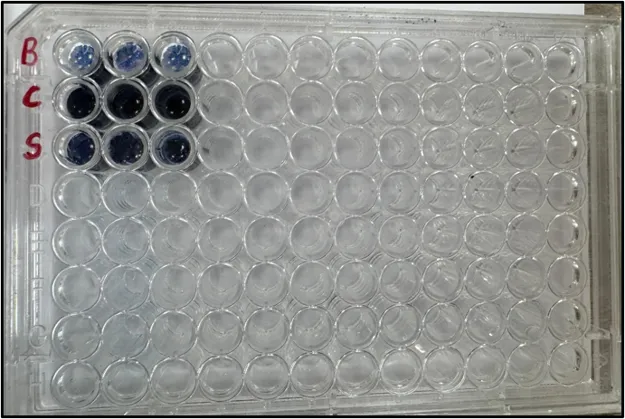
Fig. 7 Protease Inhibition Assay of the Prepared Herbal Ointment
Table 8 Protease Inhibition Activity of the Prepared Herbal Ointment
|
S. No. |
Test Tube |
Absorbance at 660 nm |
Protease Inhibition (%) |
|
1 |
Blank |
0.060 |
– |
|
2 |
Control (Enzyme only) |
0.987 |
– |
|
3 |
Prepared herbal ointment (Enzyme + Test Sample) |
0.651 |
34.04 |
Overall Findings
Overall, the hydroethanolic extract of Psidium guajava L. leaves demonstrated the presence of important phytoconstituents and a measurable flavonoid content. The prepared herbal ointment formulations exhibited acceptable preliminary physicochemical characteristics, including pH, spreadability, extrudability, viscosity, homogeneity, and washability. The in-vitro assays demonstrated inhibition of protein denaturation and protease activity, indicating preliminary anti-inflammatory potential of the formulation.
CONCLUSION
The present study was undertaken to develop and evaluate a topical herbal ointment containing hydroethanolic extract of Psidium guajava L. leaves for its potential anti-inflammatory activity. Preliminary phytochemical screening of the extract revealed the presence of important bioactive phytoconstituents, while the total flavonoid content was found to be 38.5 ± 0.24 mg QE/g extract. The prepared P. guajava L. herbal ointment exhibited acceptable preliminary physicochemical characteristics, including appearance, homogeneity, pH, spreadability, extrudability, viscosity, and washability, supporting its potential suitability as a topical formulation. UV–Visible spectroscopic analysis showed characteristic absorption peaks at 255, 338, and 346 nm, supporting the presence of UV-absorbing phytoconstituents in the extract. The in-vitro evaluation using protein denaturation and protease inhibition assays demonstrated inhibitory activity of the prepared herbal ointment, indicating preliminary anti-inflammatory potential. The observed activity may be associated with the flavonoids, phenolic compounds, and other bioactive constituents present in P. guajava leaves. Overall, the findings indicate that Psidium guajava L. leaf extract has potential as a natural source of anti-inflammatory constituents and can be incorporated into a topical herbal ointment with satisfactory pharmaceutical properties. Further studies, including extended stability studies, skin-safety evaluation, and in vivo pharmacological investigations, are required to establish its safety, efficacy, and therapeutic potential.
REFERENCES

Yograj, Dr. Bhupendra Tomar, Dr. Abhishek Soni, Dr. Chinu Kumari, Nishant Sharma, Vineet Kapoor, Development and In Vitro Evaluation of a Herbal Ointment Containing Hydroethanolic Leaf Extract of Psidium guajava L. for Anti-Inflammatory Potential, Int. J. of Pharm. Sci., 2026, Vol 4, Issue 9, 4095-4106, https://doi.org/10.5281/zenodo.23051850
 10.5281/zenodo.23051850