

We use cookies to ensure our website works properly and to personalise your experience. Cookies policy
Department of Pharmacology, Bharathi College of Pharmacy, Bharathinagara, Maddur taluk, Mandya district, Karnataka, India-571422.
Annona glabra L., commonly known as pond apple, is a tropical fruit-bearing plant belonging to the family Annonaceae. It is a small to medium-sized evergreen tree that commonly grows in wetlands, marshes, mangroves, and areas with waterlogged soils. The plant is characterized by its simple, glossy leaves, fragrant flowers, and rounded, yellowish-green fruits containing numerous seeds. A.glabra has attracted scientific interest because of its diverse phytochemical constituents, including alkaloids, flavonoids, acetogenins, terpenoids, and other bioactive compounds. Various parts of the plant have been traditionally used for medicinal purposes, and studies have investigated its potential antimicrobial, antioxidant, anti-inflammatory, insecticidal, and cyto-toxic properties. The species also has ecological importance because of its tolerance to wet and saline environments and its role in wetland ecosystems. However, further pharmacological and toxicological studies are required to establish its therapeutic applications and safety. Overall, Annona glabra represents a promising plant for research in phyto-chemistry, pharmacology, and environmental studies
Nature has been one of the main sources for the traditional medicine for thousands of years, and large number of modern drugs have been isolated from natural sources. Plant-derived natural products have extremely high potential to developed as medicines. Traditional herbal medicine and its preparation are widely used in the developing and developed countries due to their natural origin and lesser side effects. Utilizing natural products is considered to have safety, efficacy and quality [1]. The Annonaceae family, which has over 2,000 species, including the well-known genera Annona, and Xylopia, has been used in traditional medicine across different cultures to treat a myriad of health issues. Many species within this family have been reported to possess anti-inflammatory and analgesic properties, drawing the attention of researchers aiming to validate and understand the traditional uses of these plants [2]. A glabra is made up of small plants (shrubs or herbs), is fruitful when ripened, the fruit changes its colour from green to either yellow or orange. Stems are grey with prominent lenticels, the leaves are arranged alternately and are oblongepithelial, with acute or shortly acuminate tips, Flowers are short-lived and rarely noticed, 2-3 cm in diameter, pale-yellow to cream with three leathery outer petals and three smaller inner petals [3]. Many active compounds have been found in A. glabra, mainly flavonoids, glycosides, saponins, tannins, steroids, acidic compounds, and anthraquinones [4]. A. glabra is used in traditional medicines against several ailments, such as fever, constipation, ulcers, and tumours, including cancer. It is a kind of survival food [5] .The leaves and young stems, sometimes combined with the leaves and stems of Passiflora foetida, are boiled to make a tea, which is drunk to destroy worms and nematodes. The bark and leaves, combined with the bark and leaves of Annona squamosa, are used as sedatives and cardiotonic infusions. The wood is used to make bottle caps, oars, and as a substitute for cork in fishing nets. Seeds and leaves are insecticidal, leaves placed in hen nests kill lice on the fowl. A useful fibre is obtained from the bark[6]. Annona plants have several scientifically proven pharmacological effects, such as anticancer, antidiabetic, antidiarrhea, antiulcer, antimalarial, anti-inflammatory, antioxidant, antileishmanial, antibacterial, antifungal, anticonvulsant, antinociceptive, antidepressant, anti-acetyl cholinesterase, and dengue vector control activity [7].
Taxanomical Classification [8]:
Table1: Taxanomic classification of Annona glabra.
|
Taxanomic Rank |
Classification |
|
Kingdom |
Plantae |
|
Phylum |
Tracheophyta |
|
Subphylum |
Angiospermae |
|
Class |
Magnoliopsida – Dicotyledons |
|
Order |
Magnoliales |
|
Family |
Annonaceae |
|
Genus |
Annona |
|
Species |
Annona glabra |
|
Botanical Name |
Annona glabra Linn |
Vernacular Name [9]:
Table 2: Common names of Annona glabra.
|
Language |
Names |
|
English |
Pond apple, Alligator apple, Bob wood, Corkwood, Cow apple, Mangrove Annona, Monkey apple |
|
Malayalam |
Kattathi, Kattu-Aatha, and Kadalatha |
|
Kannada |
Hanumapala |
|
Germany |
Alligatorapfel, Alligator-Binnbaum, Annone |
|
Netherlands |
zuurzak |
|
Brazil |
Araticum bravo ,Araticum do brejo , Araticum- caca , Araticupana |
|
China |
Yuan Hua Fan Li Zhi ,Niu xinguo |
|
France |
Anone des marais , Bois flot , Cachimancochan , and Corossol des naris |
|
Spanish |
Anona Lisa , Anon Liso , Anon de Puerco ,and Anonillo Cabuye |
|
Japanese |
Pondo appuru |
|
Portuguese |
Jaca de pobre , Araticum do brejo , and Araticurana |
Synonyms [10]:
Synonym of Annona glabra includes,
Origin and Environmental Distribution:
Annona glabra is native to a broad Neotropical and West African range: southern Florida (USA), Mexico and the wider Caribbean Central and South America, and tropical West Africa, with additional naturalised or native-disputed populations inparts of tropical Asia. Within its native range it is among the dominant tree species of freshwater swamp forest , typically co-occuring with Pachira quatic and Pterocarpus officinalis , establishing along the margins of slow-moving water bodies , coastal lagoon floodplains and mangrove-adjacent freshwater marshes where flooding is prolonged (weeks to months ) But marine salt influence in minimal. At a well-studied Veracurz (Mexico) swamp-forest site. A glabra was the single most abundant tree species in a Ramsar-listed wetland receiving ~1,300 mm of rainfall annually [11].
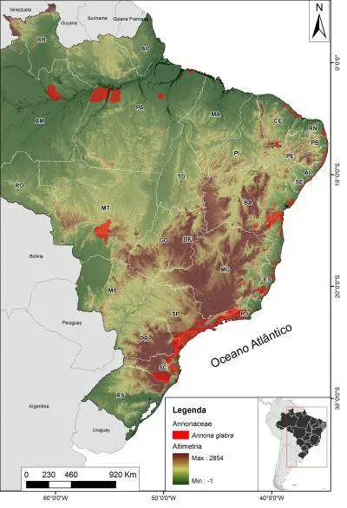
Fig No1: Geographic occurrence of Annona Glabra
Morphological Characterization of Annona glabra L [12]:
Habit and vegetative structure
A. glabra is a shrub or small-to-medium tree reaching up to 15 m in height under favourable swamp-forest conditions, though open-grown and invasive-range individuals are typically smaller. The bark is characteristically fibrous and corky in cross-section; macroscopic and powder microscopy of the stem bark shows a cork/phellogen–phelloderm layer overlying fibre bundles and broad medullary rays, with brown-content cells, prismatic calcium-oxalate crystals, pitted tracheids and scalariform vessel elements visible in transverse and powdered sections features used for pharmacognostic identification and adulteration testing of the bark drug. Leaves are simple, alternate, subcoriaceous, glabrous and velvety to the touch, borne on petioles 1.2–2 cm long.
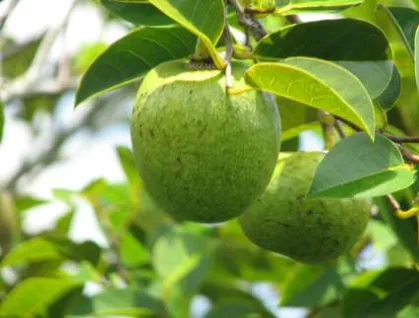
Fig (A): Annona Glabra fruit.
Phytochemical Constituents [13]:
Table 3: Phytochemical Constituents.
|
Phytochemical test |
Results |
|
Alkaloids |
_ |
|
Flavonoids |
+++ |
|
Saponin |
++ |
|
Steroids |
++ |
|
Phenols |
+++ |
|
Terpenoids |
_ |
|
Tanins |
++ |
(+++: Strongly present; ++: Moderately present; +: Present; -: Absent)
Annona glabra is phyto-chemically characterised chiefly by three major secondary metabolite classes-annonaceous acetogenins, aporphine-type alkaloids, and flavonoid/phenolic compounds –together with terpenoid volatiles in the fruit aroma profile.
Nutraceutical and Proximate Properties of A. glabra Fruits and Seeds [14]:
In contrast to the well-developed phytochemical and pharmacological literature, quantitative proximate composition data (moisture, protein, fat, fibre, ash, mineral and vitamin content) specific to A. glabra fruit pulp or seed have not been reported in any of the primary sources reviewed here the neutraceutical literature on “glabra” overwhelmingly concerns the unrelated liquorice plant, Glycyrrhiza glabra, rather than Annona glabra, a naming coincidence that has led to considerable confusion in bibliographic searches and should be flagged for anyone conducting further literature review in this space. The only quantitative extractive/composition data located concern the stem bark rather than the fruit or seed, obtained during pharmacognostic standardisation rather than nutritional analysis
Table4. Physicochemical/extractive values reported for A. glabra stem bark.
|
Parameter |
Value |
Plant part |
|
Moisture content |
62.3% |
Stem bark (fresh) |
|
Total ash |
6.3% |
Stem bark |
|
Alcohol-soluble extractive |
18.4% w/w |
Stem bark |
|
Water-soluble extractive |
12.0% w/w |
Stem bark |
This absence of fruit/seed proximate data represents one of the clearest research gaps identified by this review: despite A. glabra fruit being edible and consumed regionally, no standard AOAC-type proximate analysis (protein, fat, crude fibre, carbohydrate, caloric value) or mineral/vitamin profile of the pulp or seed was found in the twenty sources surveyed, in marked contrast to the well-documented nutritional profiles available for A. squamosa, A. muricata and A. cherimola fruit.
Pharmacological Activities:
1. Anti-leishmanial Activity: Leishmaniasis is mainly caused by the protozoan parasites of the genus Leishmania and is one of the most neglected tropical diseases, and characterized by the formation of skin ulcers. Despite the global prevalence of numerous cases, the treatment of the disease remains a topic of extensive discussion and is still inadequately understood, despite the considerable attention it has received. In-vitro evaluation of the different Annona species showed antileishmanial activity. Alkaloids are the substances that show leishmanicidal activity in Annona glabra. Among the alkaloids isolated from the genus species that have already demonstrated anti-Leishmania activity are coronaridine, O-methylarmepavine, 18-methoxycoronaridine, and liriodenine. In addition, the acetogenins corosolone and anonacinone were also promising as leishmanicide. Among kaurenoic acids, terpenes showed activity against the Human Immunodeficiency Virus (HIV) and Trypanosoma cruzi, besides showing antimicrobial activity [15].
2. Anti-cancer Activity: Recently one of the bioactive compounds called acetogenin has aroused considerable interest. Annonaceous acetogenins from the annonaceae family are a very important source for future antitumor drugs. The acetogenin fractions found in present in A. glabra leaves were detected using Kedde’s reagent, and they were isolated through column chromatography. It has long been used in traditional medicine as an anticancer agent. The various parts of the A. glabra cytotoxic study reveal its potential use as an anticancer agent. Previous reports showed that treatment of extract in human leukemia cell lines resulted in reduced mitochondrial fragmentation, reduced ATP content, reduced oxidative stress, and induced apoptosis. The Ethanolic extract of the A. glabra leaves showed the presence of annoglacins A and B, and it suppressed the proliferation of pancreatic carcinoma and human breast cell lines, and it exerted more pronounced antitumor activity than adriamycin. Icariside D2 is one of the anticancer bioactive compounds; it alters the expression of apoptosis-related proteins decreases the phosphorylation of AKT in HL-60 cells. Studies performed on the methanolic extract of A. glabra seeds on bio-assay guided fraction led to the isolation of the components annonin I, squamocin-C, and squamocin-D [16].
3. Anti-inflammatory Activity: Inflammation is a normal and instant response by living tissue to any type of injury. If the inflammation process occurs repeatedly or continuously, it leads to several diseases like rheumatoid arthritis, inflammatory bowel disease, asthma, psoriasis, atherosclerosis, and some cancers. Inflammation, mainly mediated by secretory phospholipase A2 (SPLA2S), is known to regulate the arachidonic acid pathway by which pro-inflammatory mediators are released. A. glabra plant showed the presence of several bioactive compounds, like alkaloids, flavonoids, tannins, steroids, terpenoids, glycosides, and phenols, and these could be responsible for its various medicinal properties. To evaluate the mechanism of action of anti-inflammatory activity of the acetone extract of the A. glabra leaves, SPLA2 was subjected to inhibition. The extract showed a good inhibition zone. The synergistic action of the potent active principles of A. glabra leaves may be the reason to inhibit the SPLA2 enzyme to a greater extent [17].
4. Anti-Microbial Activity: Indian herbal medicines have served as important sources of medicines for the prevention and treatment of many diseases, including microbial infections. The increasing prevalence of multidrug resistance has greatly reduced the available treatment options for antibiotics worldwide, underscoring the critical importance of monitoring bacterial resistance to these drugs. Traditional herbal medicine usage in refined or crude form is very helpful in the treatment of microbial infections with two advantages, i.e., the cure is made by minimizing the chances of microbes becoming resistant. Herbal medicines are very useful in not producing major side effects when compared to antibiotics. A. glabra plant material was tested for its antibacterial activities on the selected strains of bacteria namely, Bacillus cereus, Pseudomonas aeruginosa and Shigella flexneri. These activities were compared with standard antibiotic, antibiotics, ampicillin, namely broad-spectrum and penicillin. The Antimicrobial activity assessment followed the conventional technique of diffusion disc plates on agar [18].
5. Burn Healing Properties: Burn wounds are the most common accidental injuries. Not only do burn injuries disfigure the skin, but they can also cause severe consequences for body function. These burn injuries can be healed completely with minimal scarring. The whole process of wound healing is a dynamic and intricate process which involves an ordered cascade of events to restore the integrity of damaged tissue. The burn healing process involves different overlapping phases and processes, including haemostasis, inflammation, proliferation, tissue remodelling, and formation of granulation tissue with angiogenesis. An array of cytokines and growth factors also contribute to the interaction between epidermal and dermal cells, the extra cellular matrix, controlled angiogenesis and plasma-derived proteins in order to facilitate a wound repair process. The phyto-constituents that were detected in the ethanol leaf extract of A. glabra are flavonoids, glycosides, saponins, tannins, steroids, acidic compounds, and anthraquinones. The alginate films impregnating A. glabra leaf extract exerted wound healing activity and also enhanced the rate of wound contraction. It is believed that the phyto-chemicals present in the leaf extract play a key role in the promotion of the healing process. Ata dose of 3.0% (w/v) A. glabra leaf extract, burn wounds recovered well without dermal irritation. Administration of the A. glabra contained dressing promotes burn healing, as evidenced by decreased healing time and faster wound contraction. It could be stated that A. glabra leaves possess wound healing properties [19].
6. Larvicidal Efficacy: In recent mosquito control programs, larvicides have been the main tool. The most widely used larvicides organophosphates such as Methoprene, Temephos, and biological control by Bacillusthuringiensis israelensis (Bti). Since the larvicides are applied to either natural or artificial bodies of water, they must be harmless to beneficial and other nontarget organisms, including humans. It is reported that the genus Annona shows strong insecticidal properties. According to reports, A. crassiflora shows larvicidal activity against Ae. Aegypti. A. squamosa shows larvicidal activity against Ae. Aegypti and Culex quinquefasciatus. A. muricata seed extract shows larvicidal activity against Ae. aegypti. Ethanol stem bark extract of A. glabra is larvicidal to Ae. aegypti. Aqueous leaf extract of A. glabra shows larvicidal properties on Ae. aegypti and Ae. Albopictus (5.94 mg/L, and 5.00 mg/L respectively). Nanoformulations of A. glabra silver has shown enhanced larvicidal efficacy on Ae. aegypti and Ae. Albopictus (LC50 = 2.51 mg/L and 2.43 mg/L, respectively [20].
7. Anti-oxidant Activity: Antioxidants are compounds which retard or prevent oxidation and prolong the life of oxidisable matter. Free radicals / oxidants play a crucial role in various biochemical processes and are integral to aerobic life and metabolic functions. They have high reactivity, a very short half-life, and damaging activity towards macromolecules like proteins, lipids, and DNA. These species can originate from oxygen or nitrogen [21]. A. glabra extract showed moderate antioxidant activity. The standard used was quercetin, a compound that belongs to the most common class of flavonoids. And stands out for its great anti-class of the most common flavonoids and stands out for its great antioxidant potential. The extracts with the best antioxidant activity were ethyl acetate and methanol from the inner bark and methanol from the seeds, which correspond to those containing phenolic compounds [22].
CONCLUSION
Annona glabra L. (pond apple) is a promising medicinal and ecologically important plant with considerable potential for further research. The literature indicates that different parts of the plant contain diverse bioactive compounds, including alkaloids, flavonoids, terpenoids, phenolics, and acetogenins, which may contribute to antioxidant, antimicrobial, anti-inflammatory, and other pharmacological activities. In addition to its traditional uses, the species has ecological significance and can adapt to wetland and coastal environments. However, much of the available evidence is based on preliminary phyto-chemical studies and laboratory experiments, while comprehensive clinical and toxicological investigations remain limited. Therefore, further research is needed to identify and characterize its active constituents, establish mechanisms of action, evaluate safety and dosage, and validate its traditional and therapeutic applications. Overall, Annona glabra represents a valuable plant resource with promising medicinal and environmental potential, warranting systematic investigation and sustainable utilization.
Acknowledgement:
I would like to express my sincere gratitude to Bharathi Education Trust, Bharathinagara, Mandya, Karnataka. For their invaluable support. I am also thankful to, DR. Suresh B S, for their full support.
Finally, I express my sincere appreciation to everyone who directly or indirectly contributed to and supported me during the preparation of this review
Conflicts of interest:
The author declares no conflicts of interest.
REFERENCES




Abhilasha K B, Dr Suresha B S, Maheshwari L, Sagar Gowda K P, A Comprehensive Review of Annona glabra: Phyto-chemistry, Pharmacological Activities and Therapeutic potential, Int. J. of Pharm. Sci., 2026, Vol 4, Issue 9, 4086-4094, https://doi.org/10.5281/zenodo.23051789
 10.5281/zenodo.23051789