

We use cookies to ensure our website works properly and to personalise your experience. Cookies policy
Global College of Pharmaceutical Technology, Krishnanagar, Nadia, West Bengal, India.
Herbal medicines have been used for centuries to maintain health and treat various diseases. In Ayurveda, many medicinal plants are used for skincare because they are natural, effective, and generally have fewer side effects than synthetic products. Acne vulgaris is a common chronic inflammatory skin disease that affects people of different age groups, especially teenagers and young adults. It can cause pimples, redness, irritation, and other skin problems. The present study was carried out to develop and standardize a red lentil-based polyherbal powder for the treatment of acne. The formulation was prepared using Lens culinaris (Red Lentil), Ocimum sanctum (Tulsi), Azadirachta indica (Neem), and Curcuma longa (Turmeric). These herbs were selected because of their traditional use in skincare and their antibacterial, anti-inflammatory, and antioxidant properties. The dried plant materials were powdered, mixed in suitable proportions, and evaluated for their physical and phytochemical characteristics. The prepared herbal powder is intended to be used as a face pack to cleanse the skin, remove excess oil and dead skin cells, reduce acne, and improve overall skin appearance. Phytochemical screening showed the presence of several beneficial compounds such as flavonoids, tannins, alkaloids, saponins, and polyphenols. The study suggests that the developed polyherbal powder may be a safe, natural, and affordable option for managing acne and maintaining healthy skin.
Herbal plants have been used as medicines since ancient times. Ayurveda, a traditional Indian system of medicine with nearly 5000 years of history, mainly uses plant-based remedies for healthcare and skincare. Nowadays, herbal cosmetics are widely used because they are natural and have fewer side effects. These products help in cleansing the skin, improving skin texture, reducing acne, pimples, wrinkles, excess oil, and dark circles. According to Ayurveda, impurities in the body are one of the major causes of skin problems. [1]
Facial powder is a skincare formulation that contain fine exfoliating particles used to cleanse the skin and remove dead cells. The herbal powder contributes to skin rejuvenation by improving skin smoothness and minimizing the adverse impacts of pollution and the natural aging process. [2]
According to Ayurvedic principles, unhealthy food habits and improper lifestyle can lead to various skin disorders, while impurities in the blood are considered one of the major causes of skin problems. Herbal facial treatments known as Mukha Lepa are widely recognized in Ayurveda for their potential role in maintaining skin wellness and alleviating conditions such as acne eruptions, pigmentation irregularities, and other skin ailments. [3]
Benefits of applying powder on skin
Advantages of using Herbal Powder
Disadvantages of Herbal Powder
In Ayurveda plants are widely used to help reduce different types of dermatological problems such as wrinkles, dark circles, pimples, and acne. They help improve the smoothness, brightness, and natural glow of the skin when used according to different skin types.
TABLE 1: Variously types of dermatological problems
|
1. Acne- Acne is a very common skin condition seen in adults. It occurs due to excessive sebum production and blockage of hair follicles, which results in the formation of pimples, blackheads, and whiteheads. The Bacterial growth and inflammation also play an important role in the development of acne. [7 ] |
|
2. Skin rashes- Skin rashes are common skin conditions that often cause itching, pain, redness, and irritation on different parts of the body. They may occur due to various reasons such as insect bites, chickenpox, drug allergies, and infections. Common types of skin rashes include flea bites, fifth disease, rosacea, and impetigo.[8] |
|
3. Wrinkles - Wrinkles are noticeable lines, folds, or creases that develop on the skin mainly due to aging and the gradual loss of collagen and skin elasticity. They commonly appear on areas such as the face, neck, and hands as the skin becomes thinner and less firm over time. Broad-spectrum sunscreen helps protect the skin by blocking harmful UVA and UVB rays.[9] |
|
4. Oily skin – Excess production of sebum, a natural oil secreted by the sebaceous glands, leads to oily skin. This can cause a shiny appearance, enlarged pores, and a higher risk of acne and pimples. Environmental conditions such as humidity can also increase oil production in the skin.[10] |
|
5. Black spot - Hyperpigmentation is a skin condition caused by the excessive production of melanin, the pigment responsible for skin colour. It is usually harmless and does not always require treatment, although many people choose treatment for cosmetic purposes. [11] |
|
6. Dark circles - Dark circles are areas of darkened skin that develop beneath the eyes due to causes such as lack of sleep, stress, aging, pigmentation, or poor blood circulation. They can make the under-eye region appear tired, dull, and discoloured.[12] |
Herbal powder is considered one of the oldest and most effective methods for cleansing and refreshing the skin. Various herbs like Lens Culinaris, Azadirachta indica, Curcuma longa, Ocimum sanctum are very common house hold plants used to help to cure different types of dermatological problem such as wrinkles, dark circles, pimples, and acne due to their medicinal properties. Herbal powder is affordable, easy to use, and generally free from harmful side effects, making them a popular choice for natural skin care. Since, ancient times herbs have been used for cleansing, beautifying, and maintaining healthy skin. Cosmetics are products mainly used for cleansing, enhancing appearance, and improving attractiveness.[13]
Table 2: Chemical constituent of selective plants
|
Sr. No. |
Plant Name |
Scientific Name with Family |
Parts Used |
Active constituent |
Reference |
|
1 |
Red Lentils |
Lens culinaris Fabaceae |
Seeds |
Proteins, polyphenols, flavonoids, oligosaccharides |
14 |
|
2 |
Neem |
Azadirachta indica Meliaceae |
Leaves |
Azadirachtin,nimbin , nimbidin |
15 |
|
3 |
Turmeric |
Curcuma longa Zingiberaceae |
Rhizomes |
Curcumin, demethoxycurcumin volatile oil |
16 |
|
4 |
Tulsi |
Ocimum sanctum Lamiaceae |
leaves |
Eugenol, Ursolic acid, Rosmarinic acid |
17 |
MATERIALS AND METHODS
Collection & authentication of plant materials:
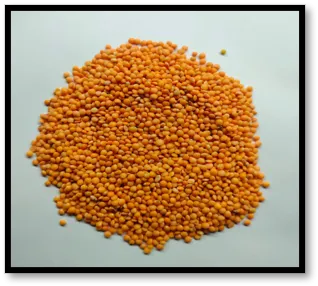
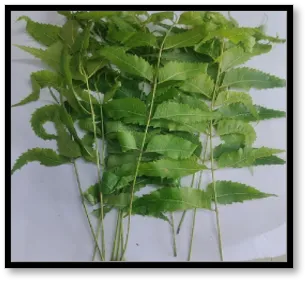
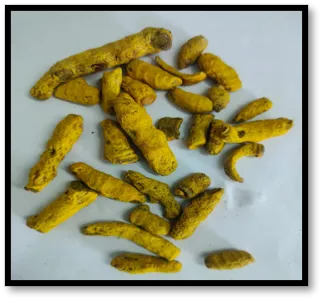
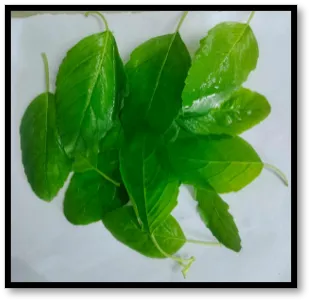
Fresh rhizomes of Curcuma longa, fresh leaves of Azadirachta indica, Ocimum sanctum and fresh seed of Lens culinaris were collected from local sources and authenticated by a qualified expert.
|
|
|
(B)Azadirachta indica |
|
|
|
C) Curcuma longa |
(D) Ocimum sanctum |
Figure 1: Plants parts images
Morphological Evaluation:
Table 3: Morphological Evaluation of selective plants
|
SR. NO. |
INGRIDIENTS |
COLOUR |
ODOR |
TASTE |
SIZE |
SHAPE |
|
1 |
Lens culinaris (Red Lentils) [18] |
Reddish orange |
Characteristic, mild |
Mild, earthy |
4-8 mm diameter |
Lens shaped, Bio convex |
|
2 |
Azadirachta indica (Neem) [19] |
Dark green |
Pungent |
Bitter |
3-8 cm long |
Lanceolate with serrated margins |
|
3 |
Curcuma longa (Turmeric) [20] |
Yellow |
Aromatic |
Slightly bitter, pungent |
2-7 cm long (rhizome pieces) |
Cylindrical, branched rhizome |
|
4 |
Ocimum sanctum (Tulsi) [21] |
Green |
Strong aromatic |
Pungent, slightly bitter |
2-5 cm long (leaves) |
Ovate with serrated margins |
MICROSCOPICAL EVALUATION:
Transverse Section of Plants Parts:
Numerous free-hand transverse sections of the leaves of four different plants were prepared, washed with water, stained with safranin, and mounted on slides for microscopic observation.
|
TRANSVERSE SECTION OF PLANTS PARTS |
|
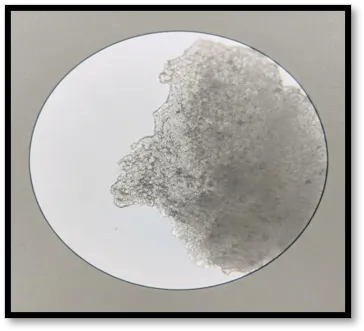
Lens culinaris (Red Lentils) Seed |
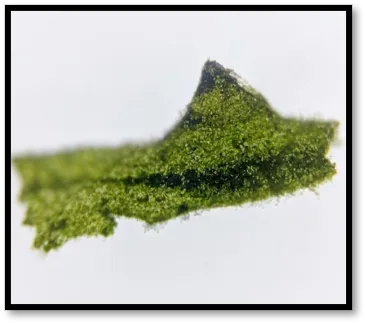
Azadirachta indica (Neem) Leaf |
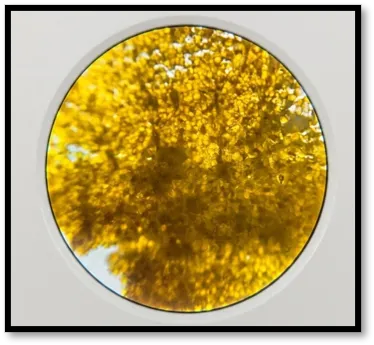
Curcuma longa (Turmeric) Rhizome |
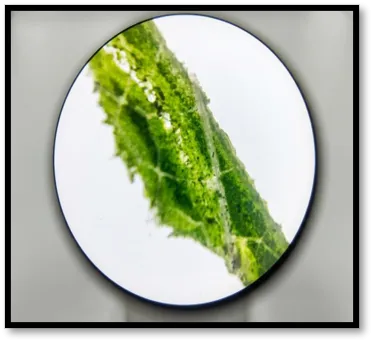
Ocimum sanctum (Tulsi) Leaf |
Figure 2: Transverse Section of Plants Parts
Microscopic image of dried ethanolic extract of plants parts:
A small quantity of the dried ethanolic extract was placed on a clean glass slide and observed under a microscope.
|
Microscopic image of ethanolic extract |
|
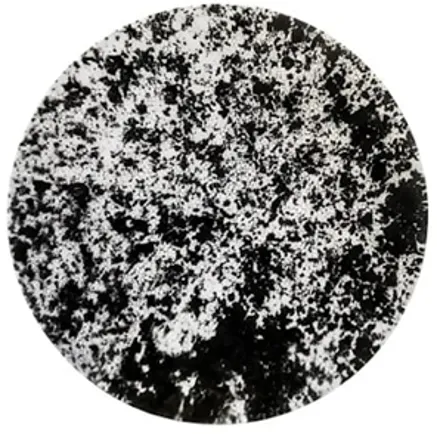
Lens culinaris (Red Lentils) Seed |
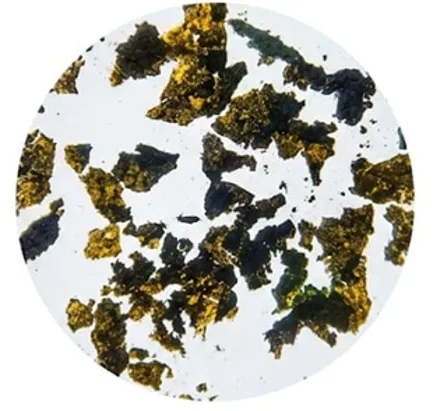
Curcuma longa (Turmeric) Rhizome |
|
Azadirachta indica (Neem) Leaf 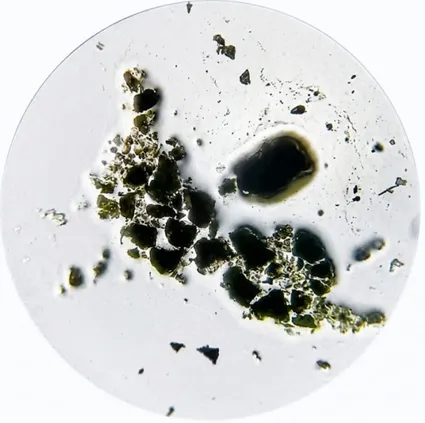
|
Ocimum sanctum (Tulsi) Leaf 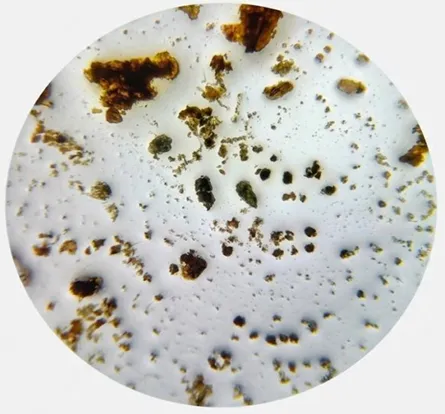
|
Figure 3: Microscopic image of ethanolic extract of selective plant
Phytochemical studies
Collect 5 gm finely powder of all four plants (Lens culinaris, Azadirachta indica, Curcuma longa and Ocimum sanctum) parts and suspend in 70% ethanol for 48 hours with occasional shaking. After 48 hours of continuous shaking, the extract was filtered and concentrated by evaporating the solvent to dryness. The resulting extract was then reconstituted in ethanol and subjected to phytochemical screening to identify the presence of various bioactive constituents, including alkaloids, carbohydrates, tannins, flavonoids, glycosides, amino acids, proteins, sterols, polyphenols, and saponins.
Table 4: Phytochemical study of plants part
|
Bioactive Compounds |
70% ethanolic extract of |
|||
|
Lens culinaris |
Azadirachta indica |
Curcuma longa |
Ocimum sanctum |
|
|
Alkaloids |
± |
+ |
+ |
+ |
|
Carbohydrates |
+ |
+ |
+ |
+ |
|
Tannins |
+ |
+ |
- |
+ |
|
Flavonoids, |
+ |
+ |
+ |
- |
|
Terpenoids |
+ |
+ |
+ |
+ |
|
Amino acids |
+ |
+ |
+ |
+ |
|
Sterols |
+ |
+ |
± |
+ |
|
Glycosides |
+ |
- |
+ |
+ |
|
Proteins |
+ |
- |
- |
+ |
|
Polyphenols |
+ |
+ |
+ |
+ |
|
Saponins |
+ |
- |
+ |
+ |
Preparation of polyherbal powder
The dried plant materials of Red culinaris, Ocimum sanctum, Azadirachta indica, and Curcuma longa were individually ground into fine powders, passed through a sieve, and blended thoroughly to achieve a homogeneous mixture. The prepared formulation was then stored in airtight containers for further use.
Table 5: Formulation of polyherbal powder
|
Sr. No. |
Ingredients |
Quantity (Each 5 gram contains) |
|
1 |
Red lentils (Lens culinaris) |
2 gm |
|
2 |
Turmeric (Curcuma longa) |
1 gm |
|
3 |
Neem (Azadirachta indica) |
1 gm |
|
4 |
Tulsi (Ocimum sanctum) |
1 gm |
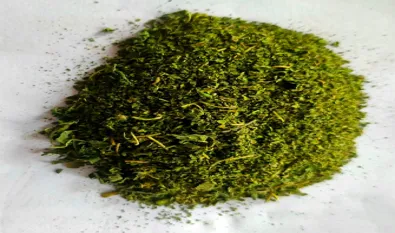
(A) Ocimum sanctum (Tulsi) Leaf |
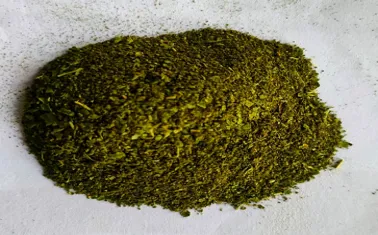
|
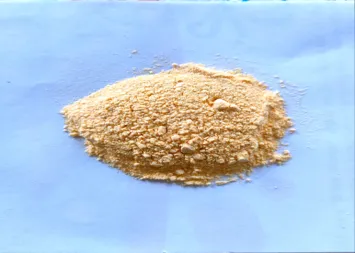
(C) Lens culinaris (Red Lentils) Seed |
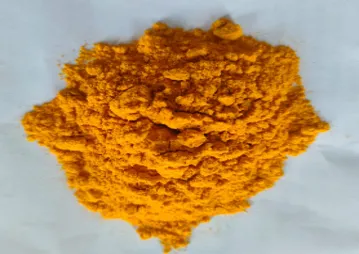
(D) Curcuma longa (Turmeric) Rhizome |
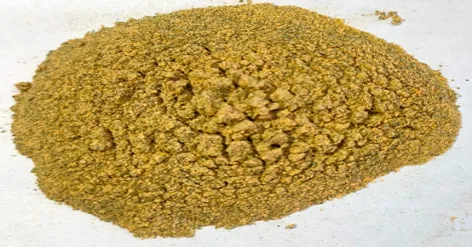
(E) Formulated Herbal Powder |
|
Figure 4: Dried Powder plant Parts & Formulated Herbal Powder
Standardization of polyherbal powder
Organoleptic evaluation
Table 6: organoleptic evaluation of herbal powder
|
Sr. No. |
Parameter |
Observation |
|
1 |
Colour |
Greenish Yellow |
|
2 |
Odor |
Pungent, aromatic |
|
3 |
Taste |
Bitter |
|
4 |
Texture |
Coarse |
Physicochemical evaluation of herbal powder:
This parameter helps assess the amount of water soluble phytoconstituents in a crude drug sample.22]
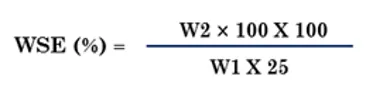
W1 = Weight of drug sample
W2= weight of dried residue
100= Percentage
100= total volume of water utilized for a maceration
25= Volume of filtrate evaporate to dryness
Alcohol soluble extractive value indicates the amount of active constituents that are soluble in alcohol and is used to evaluate the quality and purity of crude drugs.[23]
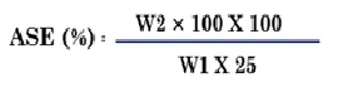
W1 = Weight of drug sample
W2= weight of dried residue
100= Percentage
100= total volume of alcohol utilized for maceration
25= Volume of filtrate dried by evaporation
Moisture content was determined by drying the sample to constant weight and calculated as percentage weight loss. [23]

Total ash, acid-insoluble ash, and water-soluble ash were determined to evaluate inorganic content and purity of the formulation.



The pH was determined by preparing a 1% aqueous suspension of the powder and measuring it using pH paper.[24]
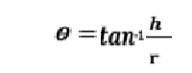
Determined by fixed funnel method to assess flowability of the powder.
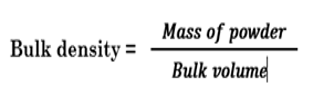
Measured to evaluate packing ability and compressibility.[25]
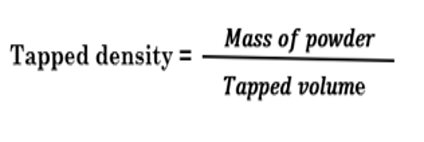
Tapped density is the increased bulk density of a powder attained after mechanically tapping a container holding the sample.
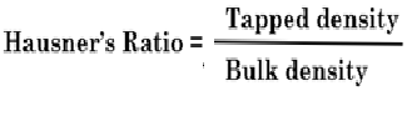
Calculated from bulk and tapped densities to determine flow properties of the formulation.[26]

It is calculated by dividing the tapped density by the freely settled bulk density. It is used to measure the of flowability of powders and the granular materials.
Thin layer chromatography = TLC is performed to separate and identify the components of a non-volatile mixture of 4 plants (Lens culinaris, Azadirachta indica, Curcuma longa, Ocimum sanctum)
Table 7: TLC study of plants part
|
Sr. No. |
Plants Name |
Sample Preparation |
Stationary Phase |
Solvent |
Detection |
Rf Value |
|
1 |
Lens culinaris (Red Lentils)
|
Dried seeds are dissolved in Methanol: water (1:1) |
Silica gel 60 F254 plate |
n-Butanol: water: Acetic acid (84:14:7) |
Plates are viewed at 254 nm and 365 nm |
0.56 for Quercetin |
|
2 |
Azadirachta indica (Neem) [27] |
Dried leaves are dissolved in Ethanol: water (1:1) |
Silica gel 60 F254 plate |
n-Hexane: Chloroform: Ethanol (95%) (41:49:10) |
Plates are viewed at 254 nm and 365 nm |
0.40 for Curcumin |
|
3 |
Curcuma longa (Turmeric) [28] |
Dried rhizomes are dissolved in methanol |
Silica gel 60 F254 plate |
Toluene: Ethyl acetate: acetic acid (5.5:4.5:0.2) |
Plates are viewed at 254 nm and 365 nm |
0.62 for Ursolic acid |
|
4 |
Ocimum sanctum (Tulsi) [29] |
Dried leaves are dissolved in ethanol |
Silica gel 60 F254 plate |
Chloroform: Methanol (9.5: 0.5) |
Plates are viewed at 254 nm and 365 nm |
0.57 for Quercetin’ |
|
Lens culinaris (Red Lentils) Seed 
|
Curcuma longa (Turmeric) Rhizome 
|
|
Azadirachta indica (Neem) Leaf 
|
Ocimum sanctum (Tulsi) Leaf 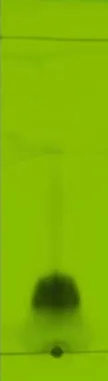
|
Figure 5: TLC Plate development image
IR SPECTROSCOPY
Collect 5 gm finely powder of all four plants (Lens culinaris, Azadirachta indica, Curcuma longa and Ocimum sanctum) parts and suspend in 95% ethanol for 48 hours with occasional shaking. After 48 hours extract was filtered and evaporate to dryness. Then the powder is collected and used to perform IR Spectroscopy for the following 4 plants which is mentioned below.
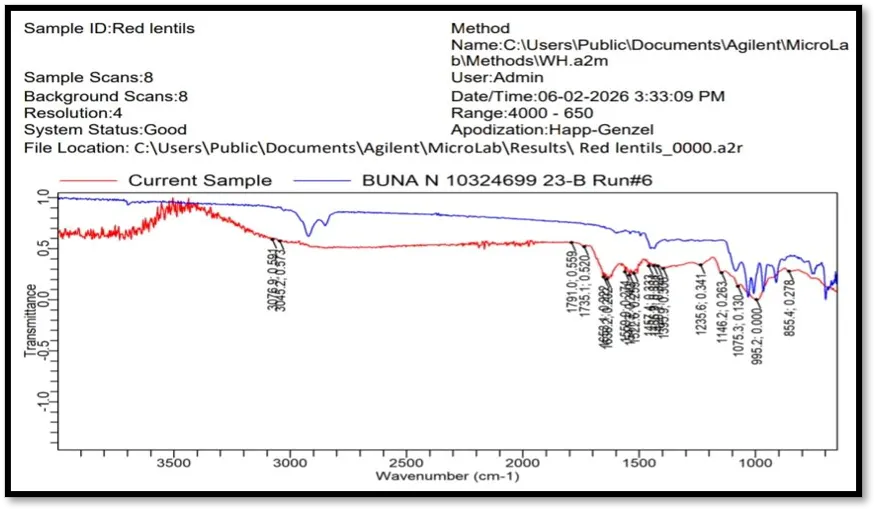
Figure 6 IR Spectrum of Lens culinaris
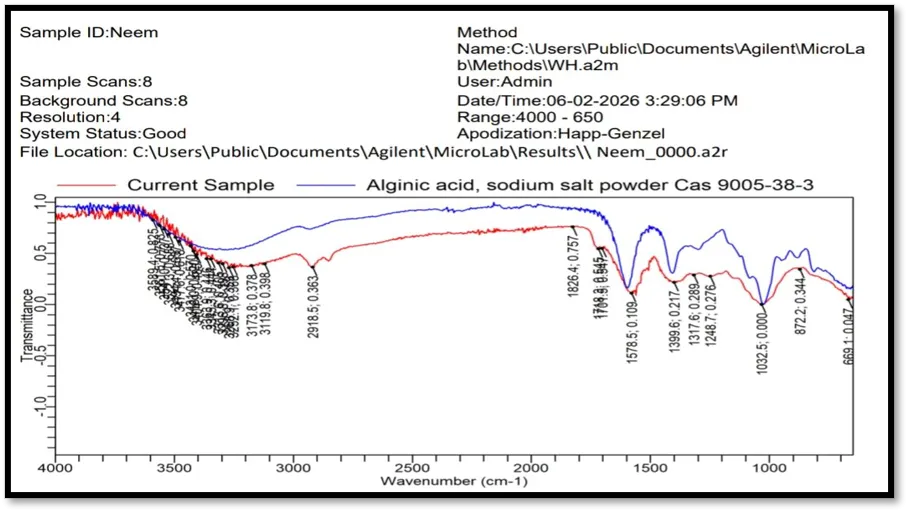
Figure 7: IR Spectrum of Azadirachta indica
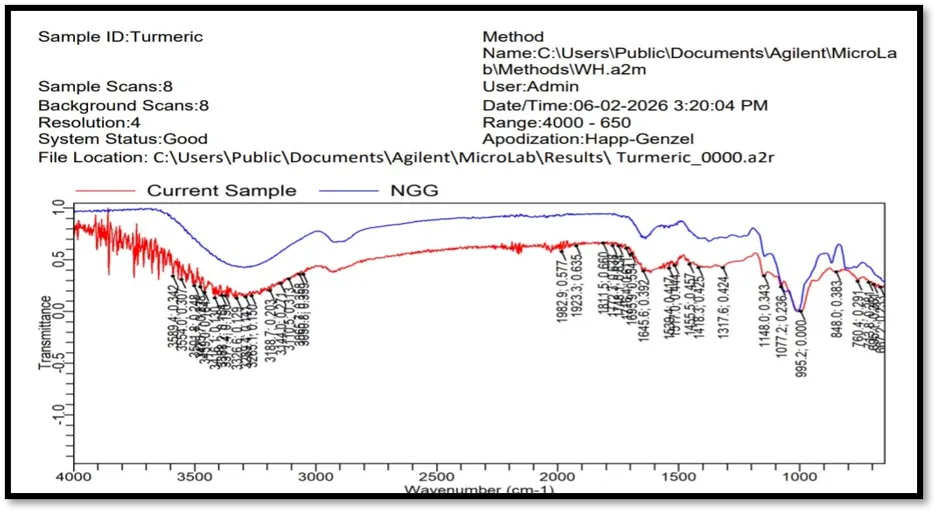
Figure 8: IR Spectrum of Curcuma longa
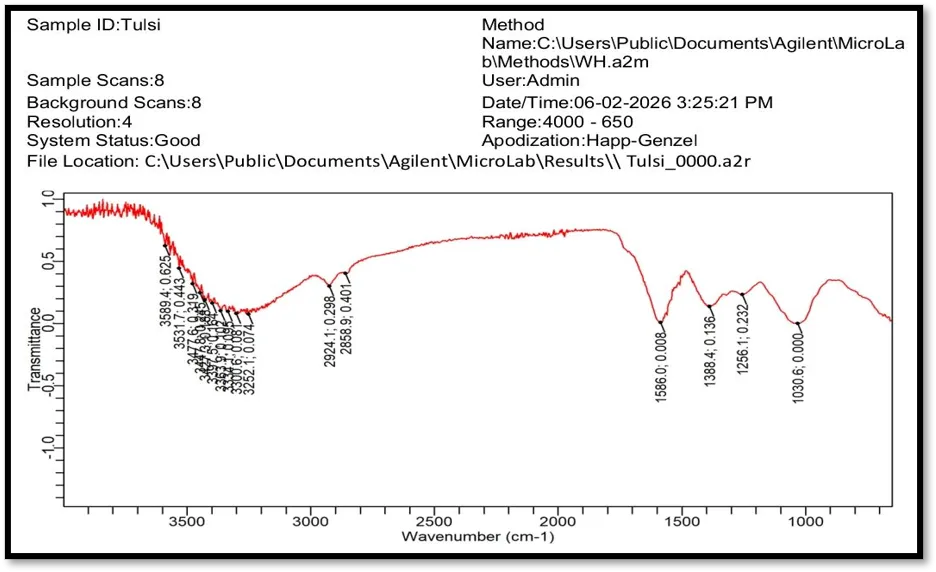
Figure 9: IR Spectrum of Ocimum sanctum
RESULTS AND DISCUSSION
Physicochemical Evaluation:
Table 8: Physicochemical value
|
SR NO. |
TEST PARAMETER |
RESULT |
|
1 |
Water-soluble extractive values |
22.5% |
|
2 |
Alcohol-soluble Extractive Value |
17.4% |
|
3 |
Loss on Drying |
2.1% W/W |
|
4 |
Total ash |
6.51% W/W |
|
5 |
Acid insoluble ash |
3.12% W/W |
|
6 |
Water soluble ash |
0.14% W/W |
|
7 |
pH |
8.5 |
|
8 |
Angle of repose |
30.110 |
|
9 |
Bulk density |
0.25 |
|
10 |
Tapped density |
0.4 |
|
11 |
Carr’s index |
15 |
|
12 |
Hausner ratio |
1.2 |
The prepared herbal powder was evaluated for various physicochemical and flow properties to determine its quality, purity, stability, and suitability for topical application. The formulation exhibited satisfactory characteristics, indicating its potential as a safe and effective herbal skin-care product.The extractive value analysis showed a water-soluble extractive value of 22.5% and an alcohol-soluble extractive value of 17.4%, indicating the presence of a considerable amount of active phytoconstituents soluble in both aqueous and alcoholic solvents. The loss on drying was found to be 2.1% w/w, it is suggesting low moisture content, which maybe contribute to enhanced stability and lowering the risk of microbial contamination during storage condition.Ash value determination revealed a total ash content of 6.51% w/w, indicating the overall inorganic matter present in the formulation. The acid-insoluble ash was 3.12% w/w, reflecting the presence of siliceous materials, while the water-soluble ash was 0.14% w/w, representing the water-soluble inorganic components. The pH of the formulation was found to be 8.5, indicating a slightly alkaline nature that may be suitable for specific topical applications.The flow properties of the powder were also assessed and found to be satisfactory. The angle of repose was 30.11°, indicating good flowability of the powder. The bulk density and tapped density had been recorded as 0.25 g/mL and 0.40 g/mL. The Carr’s Index was found to be 15%, and the Hausner ratio was 1.20, both of which indicate acceptable flow characteristics and good handling properties of the formulation.
Overall, the physicochemical and flow property evaluations demonstrated that the herbal powder possesses desirable quality attributes, adequate stability, and suitable characteristics for further development and topical application.
Antimicrobial Evaluation:
The formulated herbal powder was screening a positive activity on different kinds of human pathogen like E.coli (-ve) and S.aureus (+ve).
Subsequently they did not harvest any microbial growth when it was placed in the agar medium, the herbal powder as free of microorganisms. This is a fully herbal powder and did not hold alcohol.Red lentil, Neem, Turmeric and tulsi these four herbal extracts show their antifungal, antimicrobial and anti-inflammatory characteristics.
For various liquid extraction concentrations amount, the agar diffusion method was used to regulate their antibacterial activity. For E. coli (-ve), the zone of inhibition was found to be 5 mm for 50 µl, 9 mm for 100 µl, 14 mm for 150 µl, and 17 mm for 200 µl, respectively. For S. aureus, the zone of inhibition was found to be 6 mm for 50 µl, 9 mm for 100 µl, 13 mm for 150 µl, and 16 mm for 200 µl, respectively. These findings demonstrated the significant antibacterial activity of the herbal powder.
Table 9: Zone of inhibition of antimicrobial activity of polyherbal powder extract
|
Organism |
Zone of Inhibition (mm) |
|||
|
E.coli(-ve) |
50 µl |
100 µl |
150 µl |
200 µl |
|
5mm |
9mm |
14mm |
17 mm |
|
|
S. aureus(+ve) |
6mm |
9mm |
13mm |
16mm |
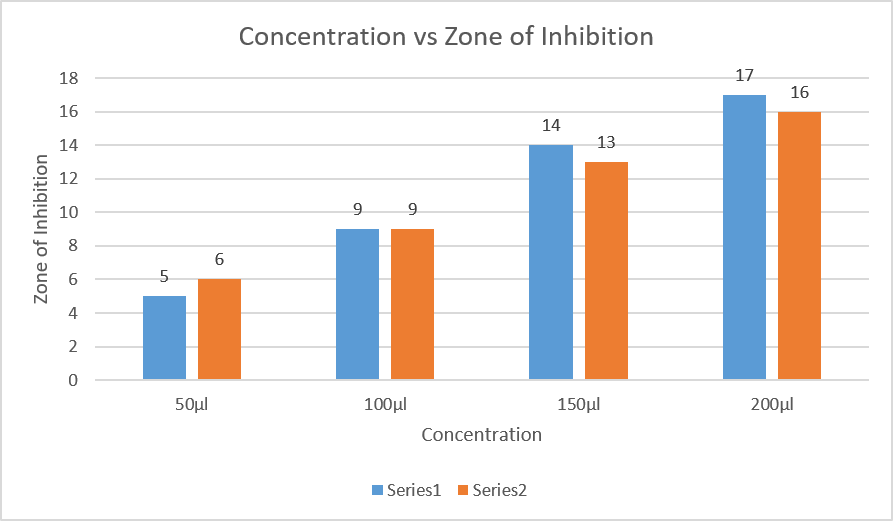
Figure 10: Comparison study of Zone of inhibition of antimicrobial activity
CONCLUSION
The present study successfully developed and standardized a red lentil-based polyherbal powder using Lens culinaris, Ocimum sanctum, Azadirachta indica, and Curcuma longa. The formulation showed satisfactory physicochemical properties and confirmed the presence of important bioactive phytochemicals.
The prepared polyherbal powder demonstrated potential skin-friendly properties, including antimicrobial activity, which are beneficial for skin. The formulation was found to be stable and suitable for topical application without any signs of incompatibility.
Overall, the results indicate that the developed herbal powder is safe, stable, and may serve as an effective natural alternative for the management of skin related conditions.
However, further long-term stability studies and clinical evaluations are necessary to validate its effectiveness and ensure its suitability for commercial application. The findings of this study indicate that the formulation possesses promising potential as a natural skincare product.
ACKNOWLEDGMENT:
The authors sincerely express their gratitude to Global College of Pharmaceutical Technology for providing the necessary facilities, support, and conducive environment that enabled the successful completion of this research work.
CONFLICT OF INTEREST: No
REFERENCES





Sudipta Pal, Nayan Mondal, Udita Saha, Soumallya Chakraborty, Somenath Bhattacharya, Development, Identification, Charactarization and Standardization of Red Lentil Based Polyherbal Powder for Treatment of Dermatological Problem, Int. J. of Pharm. Sci., 2026, Vol 4, Issue 6, 5196-5210. https://doi.org/10.5281/zenodo.20771619
 10.5281/zenodo.20771619