

We use cookies to ensure our website works properly and to personalise your experience. Cookies policy
New Montfort Institute Of Pharmacy,Ashti Wardha
Hand hygiene is essential for preventing the spread of infectious diseases. The present study focuses on the formulation and evaluation of a polyherbal hand sanitizer prepared using natural ingredients such as neem, tulsi, aloe vera, turmeric, and essential oil. The formulation was evaluated for its physicochemical properties and antimicrobial potential. The developed herbal hand sanitizer showed promising antimicrobial activity, good stability, and skin-friendly characteristics, suggesting its potential as a safe and effective alternative to conventional hand sanitizers.
1.1 Herbal
Plants have been used for medicinal purposes for centuries, and many modern drugs have been derived from plants. In addition to antibiotics, plants also contain compounds that have antiviral, anti-fungal, and anti inflammatory properties1,2. For example, tea tree oil is a natural antiseptic that has been used to treat wounds and skin infections. Aloe vera has anti-inflammatory properties that make it effective in treating burns and other skin conditions. Some other plants that have been studied for their antibacterial properties include garlic, turmeric, and honey3,4. However, it is important to note that not all plant-based treatments are safe or effective, therefore it is always best to consult a healthcare professional before using any herbal remedies .1
1.2 Hand Sanitizer
Hand hygiene plays a critical role in preventing the Spread of infections, especially in light of the COVID-19 pandemic. Traditional alcohol-based Sanitizers, although effective, often lead to Dryness, irritation, and allergic reactions upon Frequent use. This has led to increased interest in Developing natural, plant-based sanitizers with Anti-microbial properties and minimal side effects. 2
The most important aspect of the infection control activity is the hand hygiene. There is an ongoing problem of healthcare associated infections which also includes multi-drug resistant infections. Hand hygiene can significantly reduce the risk of cross contamination. Skin is the most exposed part of the body so it can be contagious. The main aim is to prepare and evaluate polyhedral sanitizer from commonly available plants. 3
There are different types of hand sanitizer available commercially, liquid, gel or foam form, whereas they differ based on the compositions, alcohol based (contain combination of isopropyl alcohol, ethanol (ethyl alcohol) or n propranolol, with versions containing 60% to 95% alcohol) or herb based. The sanitizer may be less effective due to incorrectly wiping out hands before sanitizer dries or if concentrations of alcohol too low in sanitizer. The correct way of using of hand sanitizer is first by applying on palm of the hand and then rub the product over the surfaces of hands and fingers until hands are dry. Compounds such as glycerol may be added to prevent drying of the skin . In some sanitizers fragrances are added, but it is discouraged due to the risk of allergic reactions. 4
Neem and Tulsi have been traditionally recognized for their antibacterial, antiviral, and antifungal Activities. Aloe vera provides moisturizing and Healing benefits, while Turmeric offers Antimicrobial and anti-inflammatory properties. Orange essential oil not only enhances the Fragrance but also adds antimicrobial strength. Incorporating these herbal extracts in a hand Sanitizer formulation could yield a safer, eco-friendly, and effective personal hygiene product. 5
1.3 Benefits of Herbal Hands Sanitizer:
1. It is a safe and eco-friendly.
2. It is a moisturizing product.
3. Dryness of the skin is less.
4. Herbal product provides an extra beneficial effect.
5. Less side effect compared to synthetic hand sanitizer.
6. Made from plant that are easily available.
7. Herbal hand sanitizer can decrease about 96% of bacteria. 6
1.4 Types of Hand Sanitizer
• Hand Sanitizers Can Usually Be Divided into Two Types:
A) Alcohol-Free Hand Sanitizer
B) Alcohol-Based Hand Sanitizer 7
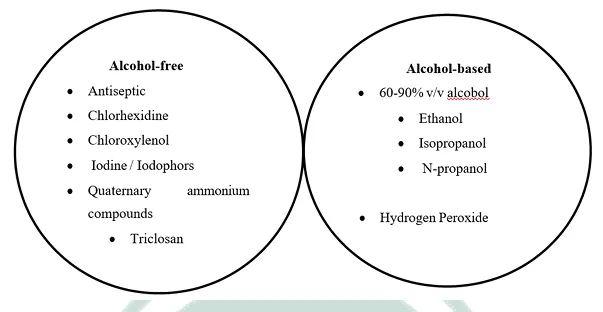
FIG NO. 1.1 Type of Hand Sanitizer
1.5 MECHANISM OF ACTION
The compound, n-propanol, is the most commonly used alcohol compound in biocides. It is not known with much confidence the exact mechanism of alcohol’s antimicrobial activity; however, it may be related membrane damage, and inhibition or uncoupling of mRNA and protein synthesis through effects on ribosomes and RNA polymerase or associated with protein denaturation. For activity against bacteria, its optimal bactericidal efficacy is achieved at concentrations between 60% and 90%12. In fact, absolute alcohol, or alcohol that is no more than 1% water, is less bactericidal than alcohol. Water is thus critical in the protein denaturation process, if not multiple, are affected by alcohol, essential metabolic pathways, membrane damage and loss of cellular integrity ultimately occur. 8

Fig No. 1.2 Mechanism of Action
1.6Advantage of herbal hand sanitizers:
· These are antiseptic products used to avoid the transmission of skin infections/pathogens.
· Drying of the skin is less and leaves more moisture.
· Herbal ingredients provides extra benificial effects as well.
· Herbal handwashing canreduce the number of young children who get sick and help prevent school absenteeism. 9
1.7 DISADVANTAGES
·Short shelf life
·Less effective against some germs
·May cause allergy aur irritation
·Higher preperation cost
·Limited scientific proof
·Can get contaminated easily
2 DRUG AND EXCIPIENT PROFILE

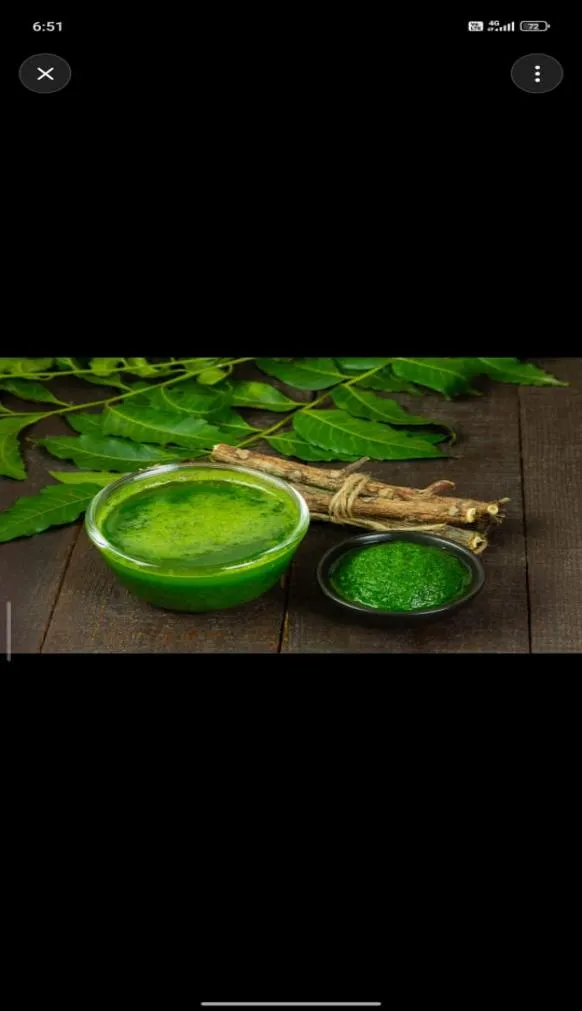
Fig No :2. 1 Neem (Azaardirchata Indica)
3.Family-Meliaceae
4. Bilogical source -It consists of the fresh and dried leaves, bark, seeds, and oil of Azadirachta indica.
5. Geographical Source-Widely found in India, Pakistan, Bangladesh, andtropical regions Common in rural and urban areas of India
6. Uses
Antibacterial – used in skin infections, acne
Antifungal – treats dandruff and fungal infections
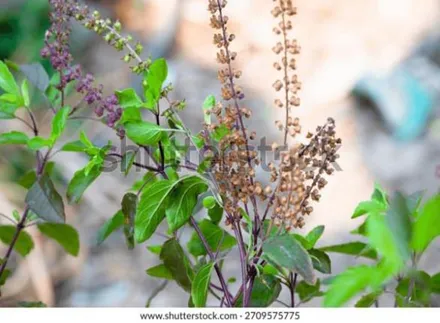
Fig No : 2.2 Tulsi (Ocimum Sanctum)
2. Scientific Name: Ocimum sanctum (also called Ocimum tenuiflorum)
3. Family: Lamiaceae
4. Biological Source:
It consists of the fresh and dried leaves and flowering tops of Ocimum sanctum.
Widely distributed in India and tropical regions of Asia
Commonly grown in houses and gardens in India
6.Uses
Used in herbal sanitizer, medicines, teas, and cosmetics
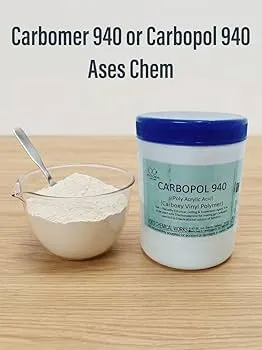
Fig No : 2. 3 Carbapol 940
2. Chemical Name: Carbomer 940 (Cross-linked polyacrylic acid)
3.Category: Synthetic polymer (gelling agent)
4. Source: Synthetic origin (prepared by chemical polymerisation of acrylic acid)
5. Uses:

Fig No:2.4 Triethalamine
Neutralizing agent
3.METHODOLOGY
INGREDIENT USE IN HERBAL HAND SANITIZER
|
SR NO |
List of drug |
Uses |
Collection from |
|
1 |
Tulsi |
|
Tulsi leaves |
|
2 |
Neem |
|
Fresh neem leaves |
|
3 |
Carbopol |
|
Collected from lab |
|
4 |
Triethylamine |
|
Collected from the lab |
|
5 |
Glycerin |
|
Collected from the lab |
|
6 |
Distilled Water |
|
Collected from the lab |
|
7 |
Methyl paraben |
|
Collected from lab |
|
8 |
Rose oil |
|
Collected from lab |
4 Formulation of herbal hand sanitizer gel
|
INGREDIENT |
ROLE |
F1 |
F2 |
F3 |
F4 |
F5 |
|
Neem extract |
Antimicrobial |
2ml |
2.5ml |
3ml |
3.5ml |
4ml |
|
Tulsi extract |
Antiseptic |
2ml |
2.5ml |
3ml |
3.5ml |
4ml |
|
Carbopol 940 |
Gelling agent |
0.5ml |
0.5ml |
0.5ml |
0.5ml |
0.5ml |
|
Triethanolamine |
Neutralizer |
q.s |
q.s |
q.s |
q.s |
q.s |
|
Glycerine |
Humectant |
3ml |
3ml |
3ml |
3ml |
3ml |
|
Methyl paraben |
Preservative |
0.1ml |
0.1ml |
0.1ml |
0.1ml |
0.1ml |
|
Rose oil |
Fragrance |
0.2ml |
0.2ml |
0.2ml |
0.2ml |
0.2ml |
|
Distilled water Vehicle |
Vehicle |
q.s to 100 ml |
q.s to 100 ml |
q.s to 100 ml |
q.s to 100 ml |
q.s to 100 ml |
5. PROCEDURE
Step 1: Extraction of NEEM (Azardichata Indica)
Step 2 : Extraction of OCIMUM SANCTUM (tulsi)
Step 3 : Preparation of herbl hand sanitizer gel
Fill in clean containers and store in a cool, dry place.
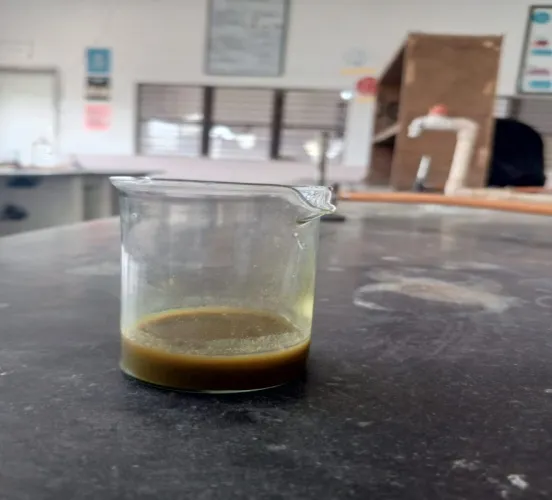
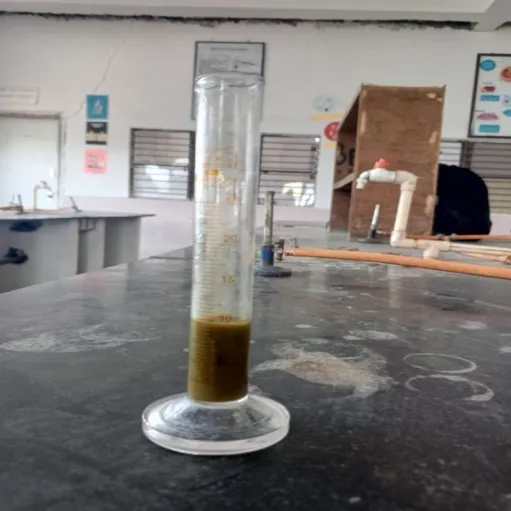
EXTRACTION OF NEEM AND TULSI
6.EVALUATION TEST
1. Organoleptic properties
characteristics of a formulation that can be evaluated by human senses such as sight, smell, and touch.
Parameters:
➤ Color
Herbal gels (Neem, Tulsi) may appear light green or pale green.
.➤ Odor
The formulation should have a pleasant and mild fragrance.
➤ Appearance
The gel should be clear or slightly translucent.
Should have a smooth and elegant look.
➤ Texture / Consistency
The gel should be smooth and homogeneous.
2 . PH
pH is a measure of the acidity or alkalinity of a formulation. It indicates the concentration of hydrogen ions present in the solution.
Ideal pH Range
The ideal pH for herbal hand sanitizer gel is 5.5 to 7.
This range is compatible with human skin.
Helps maintain the natural skin barrier.
3. Spreadability
Spreadability depends on the viscosity and consistency of the gel.
Lower resistance → better spreadability
Proper balance is required for effective application
4. Antimicrobial activity
Antimicrobial activity is the ability of the gel to inhibit or kill microorganisms such as bacteria and fungi.
RESULT
The herbal hand sanitizer gel containing Ocimum sanctum (Tulsi) and Neem extract was successfully prepared and evaluated. The formulation showed good appearance, smooth texture, pleasant odor, and suitable pH for skin application. The sanitizer spread easily on the skin and dried quickly without causing irritation.
The antimicrobial activity study indicated that the formulation was effective against common microorganisms due to the antibacterial properties of Tulsi and Neem extracts. The prepared herbal sanitizer also showed good stability during storage and was safe for regular use.
Evaluation test
1)Organoleptic property
2) PH test : 6.5
3)Spreadabilitytest : The sanitizer spread easily and uniformly on the skin
CONCLUSION
The present study concluded that the herbal hand sanitizer gel containing Neem and Ocimum sanctum (Tulsi) extracts was successfully formulated and evaluated. The prepared formulations showed good appearance, smooth consistency, pleasant odor, suitable pH, good spreadability, and easy washability.
Among all formulations, F5 showed the best antimicrobial activity due to the higher concentration of herbal extracts. The formulation was also found to be stable and safe for skin application without causing irritation or dryness.
REFERENCES

Krutika Deshmukh, Irshad Ahmad, Aishwarya Shrirao, Harshali Shelaki, Shruti Shrirao, Development Of Herbal Hand Sanitizer Gel Using Ocimum Sanctum and Neem Extract, Int. J. of Pharm. Sci., 2026, Vol 4, Issue 7, 3493-3500, https://doi.org/10.5281/zenodo.21412605
 10.5281/zenodo.21412605