

We use cookies to ensure our website works properly and to personalise your experience. Cookies policy
Gyanodaya Institute of Pharmacy, Gyanodaya University, Neemuch.
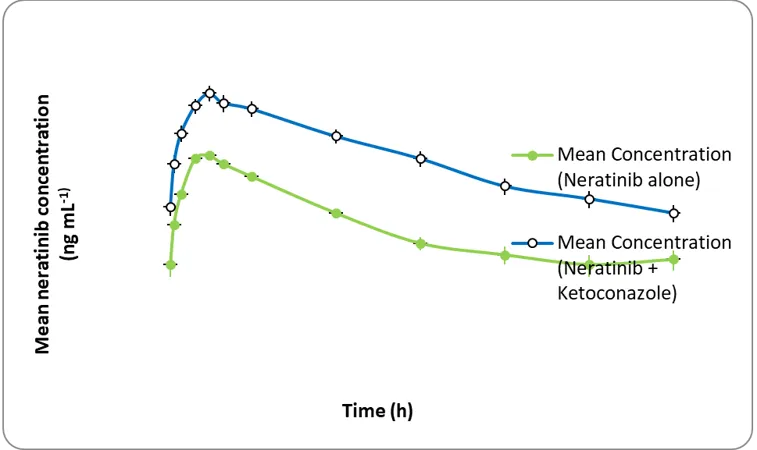
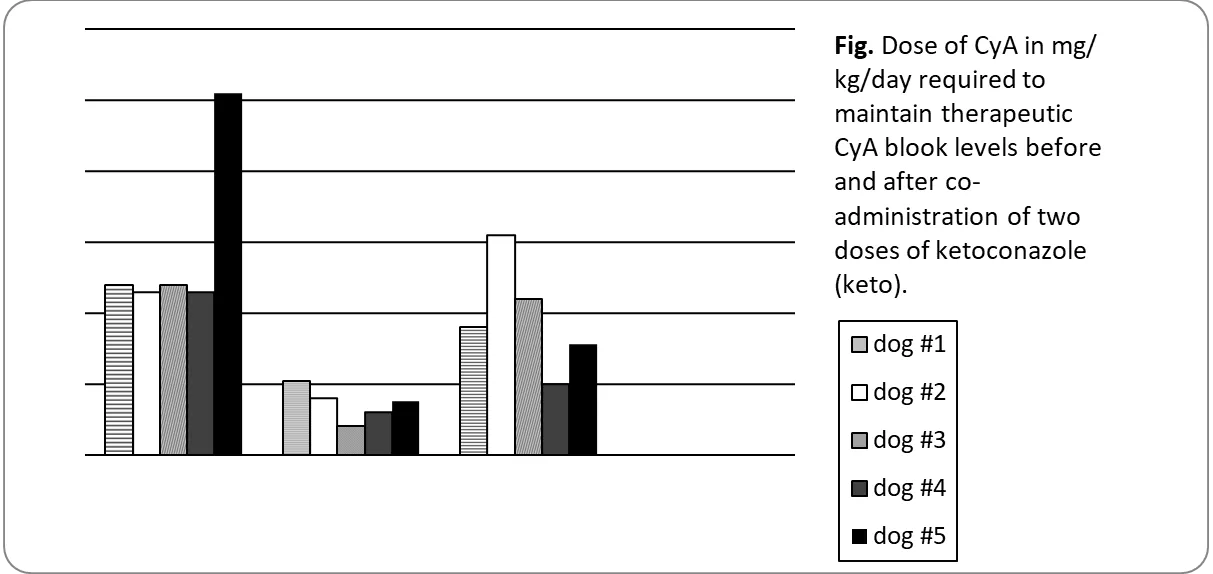
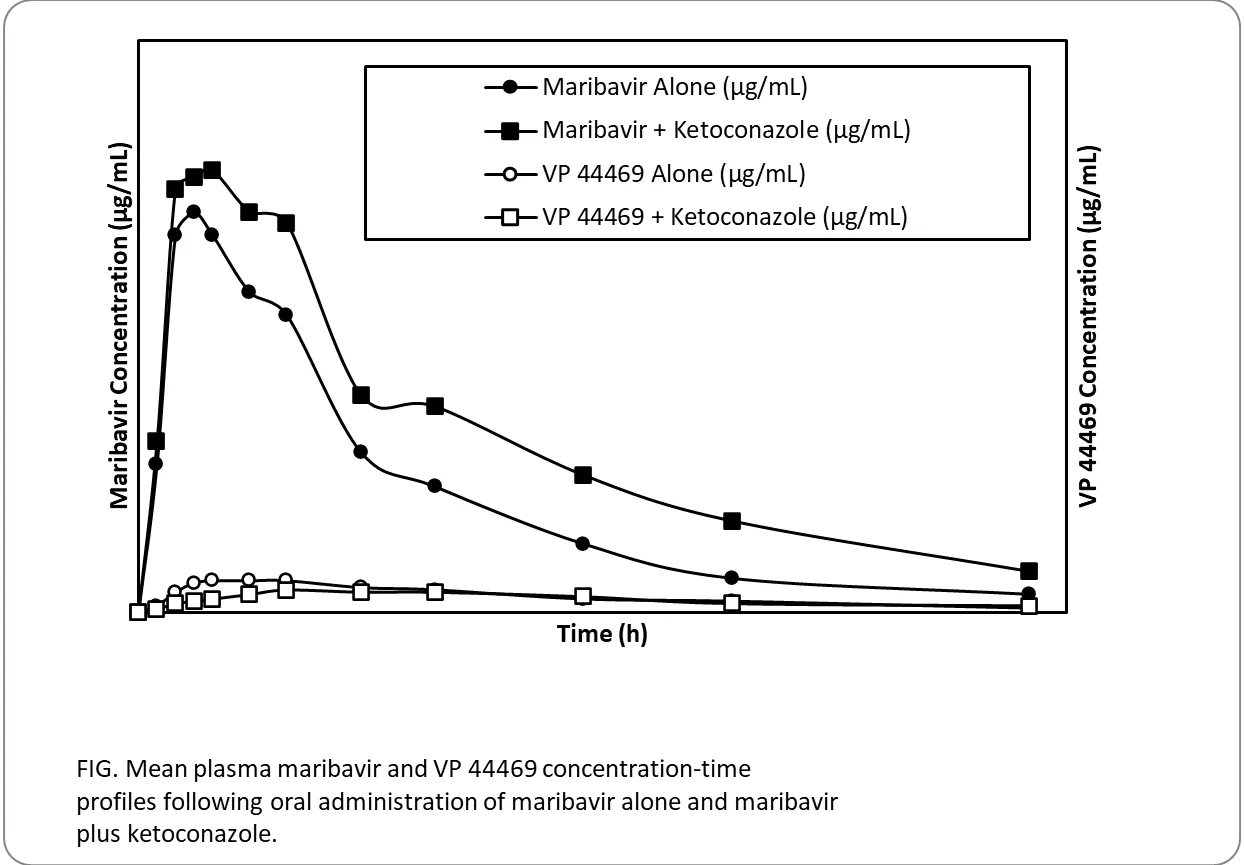
Background: Ketoconazole is a broad spectrum imidazole antifungal belonging to BCS class II drugs. They are highly permeable but have poor aqueous solubility which limits their dissolution rate and oral bioavailability and hence there is need to develop approaches to increase the apparent solubility of KTZ without affecting the safety and manufacturability.Objective: To design and describe a systematic protocol for the development and evaluation of ketoconazole-loaded polymeric nanoparticles intended for oral delivery, with the goal of enhancing the solubility and dissolution profile of the drug, supported by a stability-indicating reversed-phase high-performance liquid chromatography (RP-HPLC) method for its quantitative estimation, validated in accordance with ICH Q2 guidelines. Methods: The protocol will involve preformulation studies including aqueous and organic solubility, analytical wavelength of maximum absorbance, and drug-excipient compatibility studies. It will also involve the development of a validated reverse-phase high-performance liquid chromatography (RP-HPLC) method for the estimation of ketoconazole. The protocol will further involve the preparation of ketoconazole-loaded polymeric nanoparticles by the solvent evaporation-sonication method with varying concentrations of polymer solution and varying sonication time with varying surfactant concentrations. The characterization of the optimized formulation will be done by determining the particle size, polydispersity index, zeta potential, surface morphology, drug content, and entrapment efficiency. The in vitro dissolution of the optimized formulation will be determined and compared to that of pure ketoconazole. Short-term stability studies will be done under specified storage conditions. The validation of the developed RP-HPLC method will be done by determining specificity, linearity, range, precision, accuracy, limit of detection (LOD), limit of quantitation (LOQ), and robustness.Results: It contains the minimum inhibitory concentration (MIC) data for ketoconazole against clinical isolates. Further, it provides the serum/CSF bioassay concentration data from a historical intrathecal antifungal treatment study. The article provides pharmacokinetic drug interaction data demonstrating that ketoconazole administered with neratinib, ziprasidone, and simvastatin/simvastatin acid can raise the exposure of these drugs. It also involves a study conducted in dogs assessing the effect of ketoconazole on the pharmacokinetics of cyclosporine A and a monkey pharmacokinetic study that evaluated the interaction between ketoconazole and simvastatin
Drug delivery systems have been a subject of immense pharmaceutical research to develop optimal methods of introducing an active pharmaceutical ingredient into the circulatory system. Compared to conventional dosage forms, engineered delivery systems offer improved bioavailability, controlled release, protection for sensitive compounds, and reduced toxic effects. Of the reported approaches, delivery systems based on polymeric nanoparticles enable the encapsulation of hydrophobic compounds within a polymeric carrier and increase the surface area of the drug, thus improving its hydrophilicity and altering its release profile.
Ketoconazole is a synthetic imidazole derivative with a broad antifungal spectrum of action. It acts by inhibiting the enzyme 14α-demethylase and, as a result, disrupts the synthesis of ergosterol in the cell membrane of fungi. However, despite its antimicrobial effects, ketoconazole is a BCS class II compound. This means that while it is highly permeable, it is only slightly soluble in water. Therefore, the drug is subject to limited oral absorption due to decreased solubility. Thus, to achieve the desired concentration in the blood plasma, it is required to administer high doses of the preparation. As a result, there is a risk of dose-dependent toxicity and inhibition of other enzymes, such as CYP3A4.
A variety of strategies for enhancing the solubility of ketoconazole and related azole antifungals have been explored and reported in the literature, including solid lipid nanoparticles, nanostructured lipid carriers, niosomes, ethosomes, liquid-crystalline systems, and salt or cocrystal formation. Although these reports confirmed the feasibility of using nanostructured carriers for improving the solubility of ketoconazole, the efficacy of such strategies was highly dependent on the type of polymer or lipidic excipient used, and there is a lack of data concerning the development of a simple, cost-effective, and scalable polymeric nanoparticle formulation through standard solvent evaporation techniques along with the corresponding validated RP-HPLC analytical method for its evaluation after oral administration.
The aim of the present protocol is therefore to describe, in a systematic and reproducible manner, the preformulation, formulation, characterization and analytical validation framework proposed for the development of ketoconazole loaded polymeric nanoparticles for oral delivery. This specific objectives of the underlying study are:
• To develop and evaluate polymeric nanoparticles of ketoconazole for oral delivery in order to enhance its solubility and dissolution profile.
• To develop and critically investigate the key formulation variables influencing the preparation of ketoconazole loaded nanoparticles.
• To perform preformulation studies of ketoconazole such as solubility and analytical parameters.
• To formulate and optimize suitable RP-HPLC method for the quantitative estimation of ketoconazole.
2. MATERIALS AND METHODS (Proposed Protocol)
2.1 Drug, polymers, and reagents
The drug substance will be acquired as a gift sample from a pharmaceutical company or a recognized reference material supplier, and it will be utilized as received. The polymer used will be selected from common pharmaceutical polymers for the production of nanoparticles, such as Eudragit, polycaprolactone, or poly(lactic-co-glycolic acid), based on compatibility and precedence, along with an appropriate surfactant/stabilizer, for instance, poloxamer or polyvinyl alcohol. HPLC-grade acetonitrile, methanol, and water as well as analytical-grade buffers and other ingredients will be used for the preparation of the formulation. All materials will be used within their expiry dates.
2.2 Instrumentation
The analysis will be carried out using the HPLC system comprising a UV/Diode Array Detector (DAD) and C18 reversed phase column (chosen on the basis of resolution and compatibility with the mobile phase) as the main components. A UV–visible double-beam spectrophotometer will be used in order to carry out a preliminary wavelength scan. The particle size, polydispersity index (PDI), and zeta potential will be determined using a dynamic light scattering (DLS)/zeta potential analyzer while the surface morphology will be examined using scanning or transmission electron microscopy if available. An FT-IR spectrophotometer (KBr pellet technique) and differential scanning calorimetry (DSC) will be used for drug identification and drug-excipient compatibility studies.
2.3 Identification and authentication of ketoconazole
The obtained sample of ketoconazole will be identified by comparing its FT-IR spectrum with that of pharmacopoeial standards and by determination of its melting point/thermal behaviour with DSC, similarly to the standard procedures used for identification of drugs.
2.4 Solubility studies and selection of analytical wavelength
The solubility of ketoconazole will be determined in water and a number of relevant aqueous and organic/hydro-organic solvent systems associated with the selected HPLC mobile phase using a shake-flask procedure. A stock solution of ketoconazole will be prepared and scanned at 200–400 nm to identify its maximum absorbance wavelength (λmax) that will then be adopted for analytical wavelength detection by spectrophotometry and chromatography.
2.5 Preparation of standard solutions and RP-HPLC calibration
A Stock solution of Ketoconazole (1000 μg/mL) will be prepared and diluted to give a serial dilution of working standards suitable for building a calibration curve for the RP-HPLC by plotting the peak area versus concentrations that would give the regression equation and correlation coefficient (R2) used in the quantification of the drug content and entrapment efficiency and dissolution samples.
2.6 Method A: Preparation of ketoconazole-loaded polymeric nanoparticles
The preparation of ketoconazole-loaded polymeric nanoparticles by the solvent evaporation-sonication methodology will be conducted by first dissolving the selected polymer and ketoconazole in water-miscible organic solvent to form an emulsified organic phase, which will be subsequently added to an aqueous phase containing the selected surfactant/stabilizer under probe sonication to create an oil-in-water emulsion. The organic solvent will then be evaporated by controlled evaporation under continuous stirring to afford a colloidal dispersion of nanoparticles. Multiple batches of the product with varied ratios of drug-to-polymer, surfactant concentrations and sonication time/amplitude will be prepared in order to develop a formulation matrix suitable for optimization.
2.7 Method B: Optimization of formulation variables
The preparation of ketoconazole-loaded polymeric nanoparticles by the solvent evaporation-sonication methodology will be conducted by first dissolving the selected polymer and ketoconazole in water-miscible organic solvent to form an emulsified organic phase, which will be subsequently added to an aqueous phase containing the selected surfactant/stabilizer under probe sonication to create an oil-in-water emulsion. The organic solvent will then be evaporated by controlled evaporation under continuous stirring to afford a colloidal dispersion of nanoparticles. Multiple batches of the product with varied ratios of drug-to-polymer, surfactant concentrations and sonication time/amplitude will be prepared in order to develop a formulation matrix suitable for optimization.
2.8 Characterization of nanoparticles
The optimized formulation will be characterized for: (i) particle size and polydispersity index by dynamic light scattering; dynamic light scattering for particle size and polydispersity index; (ii) zeta potential as a measure of colloidal stability; (iii) surface morphology by electron microscopy; (iv) drug content and entrapment efficiency using the validated RP-HPLC method after separation of unentrapped drug; and (v) physical appearance and dispersibility of the nanoparticle suspension.
2.9 In vitro dissolution studies
The in vitro dissolution of the optimized nanoparticle formulation will be analyzed using an appropriate dissolution apparatus with biorelevant medium, where appropriate aliquots of the sample will be taken at preset times and determined by a validated RP-HPLC method. A comparison of the dissolution profile of the optimized formulation and pure (unformulated) ketoconazole will be made to evaluate the extent of the dissolution-rate improvement achieved.
2.10 Stability studies
The optimal formulation will be tested for its short-term stability during storage at specified conditions (e.g., in a refrigerator or at room/accelerated temperatures) with regular assessments of drug content, particle size, and visual appearance to determine potential changes during storage.
2.11 Validation of the RP-HPLC method
The RP-HPLC method for the quantitative estimation of ketoconazole will be validated according to the ICH Q2 guideline, with regard to the following characteristics specific for assay: specificity, linearity and range, precision (repeatability, intermediate precision), accuracy (recovery), limit of detection, limit of quantitation, and robustness. The former will be determined by measuring responses at low, medium, and high concentrations in terms of repeatability (within-day variation) and intermediate precision (between-day variation). Accuracy will be estimated by standard addition method. The limit of detection (LOD) and limit of quantitation (LOQ) will be calculated according to the standard formulae: LOD = 3.3σ/S and LOQ = 10σ/S, where σ is the standard deviation and S – the slope of the regression line. Finally, robustness will be tested by deliberately varying some method parameters, including the flow rate, composition of the mobile phase, and detector wavelength.
Table 1. Summary of the proposed experimental protocol
|
Stage |
Planned activity |
Key output |
|
Preformulation |
Solubility screening, λmax determination, drug–excipient compatibility |
Solvent/wavelength selection; compatibility profile |
|
Analytical development |
RP-HPLC method development and ICH Q2 validation |
Validated assay for KTZ quantitation |
|
Formulation (Method A) |
Nanoparticle preparation by solvent evaporation–sonication |
Batch matrix of KTZ-loaded nanoparticles |
|
Optimization (Method B) |
Design-based optimization of polymer, surfactant, sonication time |
Optimized formulation |
|
Characterization |
Particle size, PDI, zeta potential, morphology, drug content, entrapment efficiency |
Physicochemical profile of optimized batch |
|
Performance evaluation |
In vitro dissolution vs. pure ketoconazole |
Comparative dissolution profile |
|
Stability |
Short-term storage study |
Stability profile of optimized batch |
3. RESULTS AND DISCUSSION
As the ketoconazole is a strong inhibitor of CYP3A4, a significant number of published manuscripts have explored its impact on the systemic exposure of co-administered drugs, which are subject to CYP3A4-mediated metabolism, as well as its tissue penetration and the historical bioanalytical methods for its quantitation. The results described below are derived from previously published, independent studies, which are provided here as background literature, and are not a result of the protocol under study.
3.1 CYP3A4-mediated drug interactions in human subjects
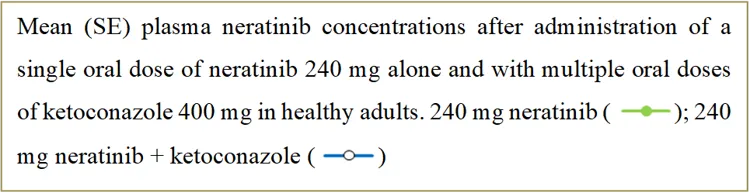
In a randomized, open-label, two-period crossover study in healthy adults, the administration of multiple oral doses of ketoconazole (400 mg) with a single oral dose of the tyrosine kinase inhibitor neratinib (240 mg) resulted in significantly increased exposure to neratinib, with increases in Cmax and AUC being consistent with strong CYP3A4-mediated first-pass inhibition (Abbas et al., 2011). In a placebo-controlled crossover study, multiple oral doses of ketoconazole were also shown to increase the systemic exposure to a single oral dose of the antipsychotic ziprasidone, which was attributed to CYP3A4 inhibition (Miceli et al., 2000).
3.2 Preclinical (animal) interaction studies
In a canine model oral ketoconazole decreased systemic clearance and increased elimination half-life of intravenous cyclosporine A after concurrent administration, resulting in a significantly lower dose of cyclosporine required to achieve therapeutic blood concentrations in healthy beagle dogs (Dahlinger et al., 1998). In cynomolgus monkeys, oral ketoconazole increased the oral bioavailability of the CYP3A substrate simvastatin significantly by inhibiting first-pass hepatic and intestinal metabolism, whereas pharmacokinetics of simvastatin were relatively unaffected following intravenous administration, consistent with a predominance of first-pass (rather than systemic clearance) interactions (Ogasawara et al., 2009).
3.3 Tissue penetration and bioanalytical quantitation of ketoconazole
The penetration of ketoconazole into the central nervous system has been described in patients with fungal meningitis undergoing high-dose oral treatment, where ventricular and lumbar spinal fluid concentrations were relatively low compared to serum, indicating limited central nervous system penetration (Craven et al., 1983). The quantification of ketoconazole in serum and CNS fluids in such historical studies was based largely on microbiological bioassay methods in agar diffusion against susceptible fungal strains (Jorgensen et al., 1981).
|
TABLE IC50 values of KTZ for SV metabolism in human and monkey microsomes SV (0.5 µM) was incubated at 37°C for 3 min with human and monkey microsomes in the absence or presence of various concentrations of KTZ. Each value represents the mean of duplicate measurements. |
|
|
Microsomes |
IC50 |
|
|
µM |
|
Human |
|
|
Liver |
0.023 |
|
Intestine |
0.051 |
|
Monkey |
|
|
Liver |
0.012 |
|
Intestine |
0.007 |
3.4 Relevance to the present protocol
Overall, both interaction and bioanalytical studies conducted for this work support two key points: first, ketoconazole’s strong CYP3A4 inhibition ability and inconsistency in tissue penetration emphasize the need for its oral dosage form that will provide consistent and improved dissolution, as unpredictable absorption can aggravate drug–drug interactions; second, the quantitation methods for determining ketoconazole content that are currently used are not as sensitive, specific, and efficient as modern chromatographic analyses, which supports the necessity to develop and validate a separate RP-HPLC method for this drug for this study.
CONCLUSION
A protocol has been outlined to preformulate, formulate, characterize, and analyze ketoconazole loaded polymeric nanoparticles designed to improve the solubility, dissolution rate and oral bioavailability of this BCS class II antifungal agent. The protocol involves use of a solvent evaporation-sonication method of preparing nanoparticles, design based formulation optimization, routine physicochemical characterization, comparative in vitro dissolution studies, short-term stability studies and an ICH Q2 guided RP-HPLC method of analysis. The results of the implementation of this protocol would entail a validated analytical method and a promising nanoparticulate formulation of ketoconazole, the documentation of which would have to be reported in a subsequent results report following completion of the experiments.
REFERENCES



Preetam Choudhary, Arjun Parmar, Dr. Mangal Singh Panwar, Development of Ketoconazole-Loaded Polymeric Nanoparticles for Oral Solubility Enhancement: A Formulation, Characterization, and RP-HPLC Method Validation Protocol, Int. J. of Pharm. Sci., 2026, Vol 4, Issue 9, 2374-2381, https://doi.org/10.5281/zenodo.22868908
 10.5281/zenodo.22868908