

We use cookies to ensure our website works properly and to personalise your experience. Cookies policy
Department of Pharmacy, LCIT School of Pharmacy, Bilaspur, Chhattisgarh
Cardiovascular diseases (CVDs) remain the leading cause of morbidity and mortality globally, driven by factors such as oxidative stress, dyslipidaemia, inflammation, hypertension, and lifestyle-induced metabolic imbalance. The limitations of current synthetic cardiovascular drugs, including adverse effects and high long-term costs, have increased interest in herbal and natural cardioprotective agents. Neem (Azadirachta indica) and Tulsi (Ocimum sanctum), two highly valued medicinal plants in Ayurveda, possess a rich phytochemical profile and exhibit significant antioxidant, anti-inflammatory, hypolipidemic, and adaptogenic properties. The present study aims to evaluate the combined cardioprotective effects of Neem and Tulsi and to investigate whether their polyherbal interaction provides enhanced therapeutic benefits compared to individual extracts. The study includes phytochemical analysis, antioxidant assessment, lipid profile evaluation, inflammatory marker reduction, and examination of vascular and myocardial responses. Neem contributes cardio protection through bioactive compounds such as azadirachtin, nimbolide, and quercetin, which reduce oxidative stress, regulate lipid metabolism, and improve endothelial function.
Cardiovascular diseases (CVDs) represent a leading cause of mortality world wide, accounting for nearly 17.9 million deaths annually (World Health Organization, 2024). They encompass a broad spectrum of disorders involving the heart and blood vessels such as coronary artery disease, hypertension, myocardial infarction, heart failure, and atherosclerosis.
1.1 Pathophysiology of Cardiovascular Diseases
Cardiovascular diseases are multifactorial in origin. The pathogenesis typically begins with endothelial injury triggered by hyperlipidaemia, hypertension, or toxins such as nicotine.
1.2 Need for Herbal Interventions in Cardiovascular Diseases
Despite major advances in pharmacological therapy—such as beta-blockers,ACE inhibitors, and statin conventional treatments are often associated with side effects and high costs.
1.3 Neem [Azadirachta indica] ;
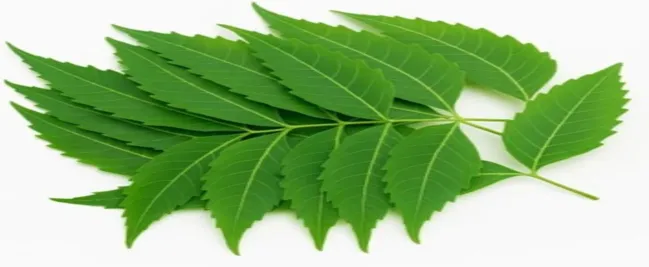
Figure; 1.1 The Neem leaves.
Neem, belonging to the family Meliaceous, has been traditionally employed for its antimicrobial, anti-inflammatory, and antioxidant effects. The plant contains bioactive constituents like azadirachtin, imboiled, cardiovascular diseases (CVDs) such as hypertension, atherosclerosis, myocardial infarction, and stroke are the leading causes of morbidity and mortality worldwide. The search for safe, effective, and affordable natural remedies has turned scientific. Among various medicinal plants used in traditional systems of medicine, Neem (Azadirachta indica) and Tulsi (Ocimum sanctum) have gained considerable attention due to their broad spectrum of pharmacological activities. The global view is changing towards the development and therapeutic use of safer preparations from medicinal plants for controlling various diseases. Azadirachta indica A., Juss, locally famous as “Neem”, is a popular herb for its medicinal value in a wide range of diseases including cardiovascular disorders, such as, hypertension and cardiac arrhythmia [29,33,41].
Neem (Azadirachta indica)
↓ [Antioxidant, Anti-inflammatory, Lipid-lowering actions]
Tulsi (Ocimum sanctum)
↓ [Stress modulation, HDL enhancement, Vaso protection]
Combined Effect
→ [Figure 1.3: Comparative mechanisms of Neem and Tulsi contributing to cardiovascular protection. Endothelial repair, Reduced atherogenesis, Cardio protection]a. Antihyperlipidemic Effects. [40,43,44].
1.4 Pharmacological activities of neem;[15,24,25]
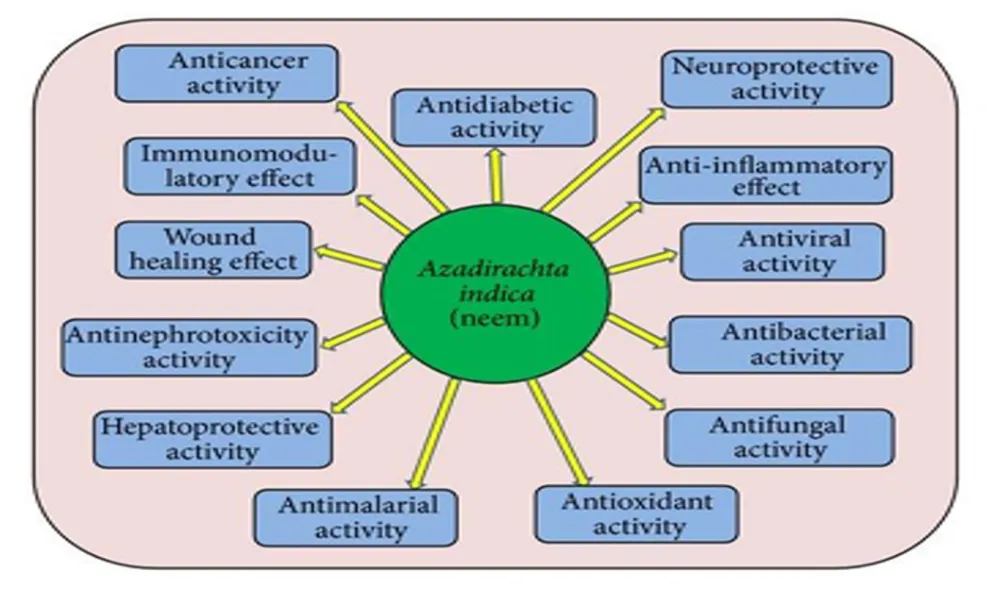
Figure; 1.2 Different Action of Neem.
1.5 Cardiovascular benefits of neem;
a. Hypolipidemic and Antiatherogenic
Neem extracts have demonstrated lipid-lowering effects by reducing total cholesterol, triglycerides, and LDL while increasing HDL levels.
Mechanism: Enhances bile acid excretion and modulates hepatic lipid metabolism.
Evidence: preliminary human trials show neem leaf extract decreases serum cholesterol significantly.
b. Antioxidant and Anti-inflammatory Activity
Neem leaves contain potent antioxidants such as quercetin and nimbolide that neutralize free radicals, preventing oxidative stress—a major contributor to endothelial dysfunction and atherosclerosis.
Mechanism: Inhibition of lipid peroxidation and reduction of C-reactive protein levels.
c. Antihypertensive Activity
Studies suggest neem extracts cause vasodilation and reduce blood pressure through calcium channel blockade and nitric oxide modulation. Human relevance: Small clinical studies indicate a mild but sustained reduction in systolic and diastolic blood pressure.
d. Antithrombotic and Anti-platelet Effects
Neem may prevent platelet aggregation and thrombosis formation, reducing risk of myocardial infarction and stroke.
Mechanism: Inhibition of thromboxane synthesis and platelet activation pathways.
e. Hypoglycaemic and Insulin-Sensitizing Effects
By improving glucose metabolism, neem indirectly helps prevent diabetic cardiovascular complications.
1.6 Tulsi [Ocimum sanctum] ;
Plant Tulsi (Ocimum sanctum Linn.) belongs to the Lamiacae family which is known for its specific aromatic fragrance and medicinal values in traditional medicine system. Tulsi considered as the sacred plant in Indian subcontinent. Its medicinal properties have been mentioned in the ancient medicinal texts of various civilizations of the world[1,2,3,5].
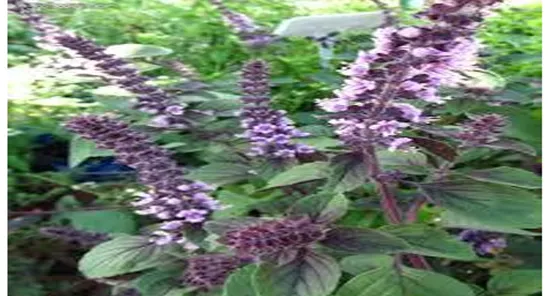
Figure; 1.3 The Plant and flower of Tulsi .
PHARMACOLOGICAL ACTIVE COMPONENTS
Tulsi contains several bioactive compounds contributing to its cardiovascular benefits:
1.7 Pharmacological Activities of Tulsi;
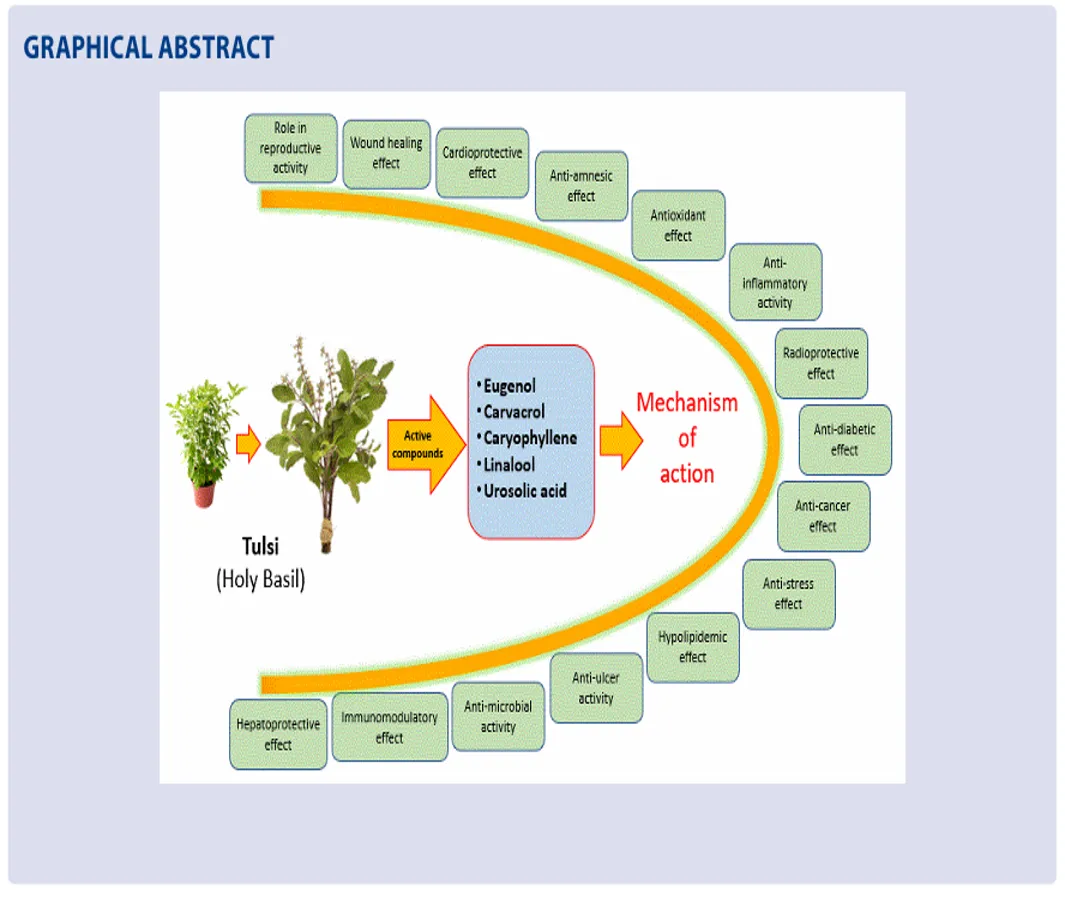
Figure; 1.4 Different action of Tulsi
1.8 Cardiovascular benefits of Tulsi
1. Antioxidant and Free Radical Scavenging Activity
Tulsi enhances the activity of antioxidant enzymes like superoxide dismutase (SOD) and catalase, reducing oxidative stress—a key factor in the pathogenesis of atherosclerosis and ischemic heart disease.
2. Lipid-Lowering Effect
Studies show that Tulsi decreases total cholesterol, LDL, and triglycerides while elevating HDL levels, helping prevent plaque formation and coronary artery disease.
3. Antihypertensive Activity
Tulsi exhibits mild vasodilatory effects, attributed to improved nitric oxide (NO) availability and calcium channel modulation, leading to blood pressure reduction.
4. Anti-inflammatory and Anti-thrombotic Properties
Eugenol and ursolic acid reduce inflammatory mediators (TNF-α, IL-6, CRP) and inhibit platelet aggregation, lowering the risk of myocardial infarction and stroke.
5. Cardioprotective in Ischemia-Reperfusion Injury
Animal studies indicate that Tulsi extract pre-treatment reduces infarct size and maintains cardiac enzyme levels (CK-MB, LDH), suggesting myocardial protection [16,17,18].
1.9 SYNERGISTIC RATIONALE FOR COMBINATING NEEM AND TULSI
When combined, Neem and Tulsi may exhibit synergisticeffects in cardiovascular protection through complementary mechanisms — Neem’s lipid-lowering and anti-inflammatory actions can be harmonized with Tulsi’s antioxidant and adaptogenic properties. Together, they may help in improving lipid profile, reducing oxidative stress, stabilizing blood pressure, and preventing cardiac tissue injury.
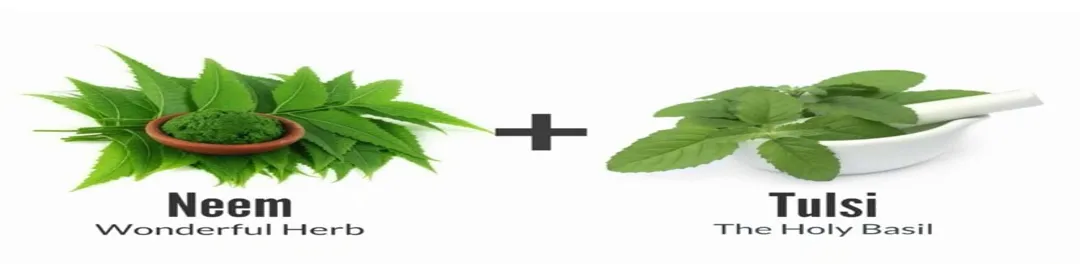
Figure; 1.5 Neem and Tulsi combination
Such herbal combinations could offer a holistic, safe, and cost-effective approach for the prevention and management of cardiovascular diseases. The present study explores the combined therapeutic potential of Neem and Tulsi in cardiovascular disease management, focusing on their phytochemical composition, pharmacological action ,and possible synergistic mechanisms contributing to cardio protection.
1.10 Role of Herbal Medicine in Cardiovascular Health
Herbal medicine, a cornerstone of Ayurvedic and traditional healing systems, offers a wide range of natural compounds with cardioprotective potential. Many medicinal plants possess antioxidant, antihypertensive, hypolipidemic, and anti-inflammatory properties that help in preventing and managing cardiovascular disorders. Unlike synthetic drugs that target single pathways, herbal remedies act through multiple mechanisms, promoting overall cardiovascular health by maintaining lipid balance, improving blood circulation, and protecting myocardial tissues from oxidative stress and ischemic injury. Among these, Azadirachta indica (Neem) and Ocimum sanctum (Tulsi) are two well-documented medicinal plants recognized for their diverse pharmacological activities and potential synergistic benefits. Logical actions, and possible synergistic mechanisms contributing to cardio protection. Research evidence indicates that the cardioprotective mechanisms of Neem and Tulsi are primarily mediated through their phytochemicals, which regulate multiple molecular pathways.
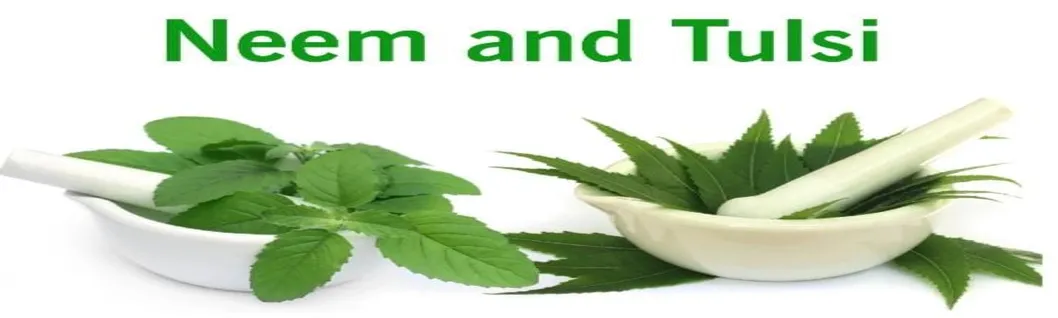
Figure; 1.6Mechanism of Neem and Tulsi Combination
Together, the combination of Neem and Tulsi offers synergistic protection to the cardio- -vascular system. Neem’s hypolipidemic and endothelial-stabilizing effects comple -ment Tulsi’s antioxidant and adaptogenic actions. Their combined mechanism includes reduction of oxidative stress, normalization of lipid profile, suppression of inflammatory mediators, improvement of vascular relaxation, and prevention of thrombosis. This holistic interaction supports myocardial integrity, enhances blood flow, and reduces the overall risk of hypertension, atherosclerosis, and ischemic heart diseases. This combination, therefore, acts on both structural and functional aspects of cardiovascular physiology — improving heart muscle performance, vascular elasticity, and blood lipid balance
AIM OF THE STUDY
The primary aim of this study is to scientifically investigate, evaluate, and establish the potential combined cardioprotective effects of Azadirachta indica (Neem) and Ocimum sanctum (Tulsi), and to determine how their synergistic bioactive compounds contribute to the prevention and management of cardiovascular diseases. The study aims to integrate traditional Ayurvedic knowledge with modern scientific validation, thereby exploring Neem–Tulsi as a natural, safe, and holistic alternative or adjunct therapy in cardiovascular disease management.
Objectives of the Study
The study aims to provide strong scientific evidence that combining Neem and Tulsi may offer superior cardioprotective benefits by reducing oxidative stress, lowering cholesterol and triglycerides, improving vascular function, relieving inflammation, and protecting myocardial tissues. The outcomes of the study will support the development of a safe, natural, and multi-targeted herbal strategy for preventing and managing cardiovascular diseases.
PLAN OF WORK
1. Identification of Research Problem
Cardiovascular diseases (CVDs) continue to be the leading cause of mortality globally. Synthetic drugs used for CVD management often cause adverse effects .Herbal medicines like Neem (Azadirachta indica) and Tulsi (Ocimum sanctum) have documented cardioprotective properties, but their combined therapeutic potential remains underexplored. This study aims to scientifically evaluate their synergistic benefits.
2. Establishing Objectives and Hypothesis
Objectives
A] To prepare extract(s) of Neem and Tulsi.
B] To develop a combined formulation.
C] To evaluate its cardioprotective, antioxidant, and lipid-lowering effects.
D] To compare individual vs. combined extracts.
E] To determine the safety and stability of the formulation.
Hypothesis
“The combined extract of Neem and Tulsi will exhibit synergistic cardioprotective activity superior to their individual effects.”
3. Collection and Authentication of Plant Materials
A] Collect fresh Neem and Tulsi leaves from a pollution-free area or botanical garden.
B] Clean, shade-dry, and pulverize the leaves to coarse powder.
C] Send samples to a botanist/herbarium centre for authentication.
D] Maintain herbarium sheets for thesis documentation.
4. Preparation of Extractsby using Soxhlet apparatus;
A. Extraction Process
Choose extraction method based on study design:
Aqueous extraction, Ethanolic extraction ,Hydroalcoholic extraction
Conduct extraction using: Soxhlet apparatus, Maceration, Hot percolation, Filter the extract through Whatman filter paper. Concentrate using rotary evaporator. Dry the extract and store in airtight containers at 4°C.
B. Determination of % Yield
Calculate extractive yield for both Neem and Tulsi.
5. Phytochemical Analysis
A. Qualitative Screening
Analyze for presence of:Alkaloids, Flavonoids, Tannins, Saponins, Terpenoids, Phenolics ,Glycosides.
B. Quantitative Tests
Total phenolic content (TPC) ,Total flavonoid content (TFC), Antioxidant capacity assays
This helps in correlating phytochemicals with cardioprotective effect.
6. Formulation Development For Tablets
Prepare a combination formulation in selected ratio (e.g., 1:1 Neem:Tulsi).
Select excipients such as: Binders, Diluents, Disintegrants, Lubricants, Glidants
Optimize: Flow properties of powder blend, Compression force, Tablet hardness and uniformity, prepare trial batches and select best formulation based on evaluation.
7. Evaluation of Developed Formulation
A. Pre-compression Parameters; Bulk density, tapped density, Angle of repose, Carr’s index, Hausner ratio.
B. Post-compression Parameters; Weight variation, Hardness, Thickness, Friability, Disintegration time, Dissolution profile, Drug content uniformity, Stability testing (30 days accelerated study).
MATERIALS AND METHODS
1. Collection, Selection, and Authentication of Plant Materials
The fresh leaves of Azadirachta indica (Neem) and Ocimum sanctum (Tulsi) were carefully collected during the early morning hours from a pesticide-free herbal garden, ensuring that the plant material used for extraction was physiologically mature, free from microbial contamination, and representative of high-quality phytochemical composition; following collection, the leaves were meticulously sorted to remove dust, diseased parts, and extraneous matter, after which they were thoroughly washed with clean water and allowed to drain under shade so that no moisture-induced microbial degradation could occur.
2. Preparation of Dried Hydro-Alcoholic Extracts
The authenticated coarse leaf powders of Neem and Tulsi were processed individually for extraction using 70% ethanol, a solvent selected because it offers an excellent balance of polarity, enabling the solubilization of a broad spectrum of active phytoconstituents including alkaloids, tannins, saponins, glycosides, flavonoids, and terpenoids; for each extraction batch, 100 g of plant powder was macerated with 1 L of 70% ethanol in an amber-colored glass container to minimize light-induced chemical degradation.
3. Fractionation of Extracts (If Required for Purification)
To enhance the purity and pharmacological selectivity of active compounds, the dried extracts were fractionated using a sequential solvent extraction technique involving n-hexane and chloroform; the dried extracts were dissolved in minimal ethanol, transferred to a separatory funnel, and shaken with n-hexane to extract non-polar constituents such as fatty acids, chlorophylls, and waxes; after phase separation.
4. Phytochemical Screening of Crude and Fractionated Extracts
The crude and fractionated extracts of Neem and Tulsi were subjected to a comprehensive phytochemical evaluation using established qualitative procedures to identify various classes of chemical constituents; tests such as Mayer’s, Wagner’s, and Dragendorff’s reagents were used for the detection of alkaloids, while Shinoda, alkaline reagent tests, and lead acetate tests were utilized for flavonoid identification; phenolic compounds were confirmed through ferric chloride testing.
5. Selection and Compatibility Assessment of Excipients
The excipients used in the tablet formulation—microcrystalline cellulose (MCC), lactose monohydrate, PVP K-30, croscarmellose sodium, talc, and magnesium stearate—were selected based on their GRAS (Generally Recognized As Safe) status, functional suitability, and proven compatibility with plant extracts; MCC and lactose were chosen as diluents due to their excellent flowability, compressibility, and chemical inertness toward herbal components.
6. Preparation of Granules via Wet Granulation Technique
A precise quantity of Neem extract (125 mg), Tulsi extract (125 mg), and selected excipients were passed through a 60-mesh sieve to achieve uniform particle size distribution before blending; the sieved powders were mixed thoroughly for 10–15 minutes to ensure homogeneity, forming the initial dry mix; simultaneously, a binder solution was prepared by dissolving 2–5% PVP K-30 in purified water until a clear, uniform solution was obtained.
7. Compression of Tablets
The prepared granules were compressed into 500 mg tablets using a single-punch tablet compression machine fitted with an appropriate punch size (typically 10 mm flat-faced); during compression, machine parameters such as compression force, dwell time, and turret speed were optimized to achieve tablets with ideal hardness (4–6 kg/cm²), minimal friability (<1%), and uniform thickness; in-process quality control checks were performed at regular intervals to monitor tablet weight variation, surface appearance, capping or lamination tendencies, hardness, thickness, and edge chipping, ensuring consistency throughout the batch and adherence to pharmacopeial standards.
8. Evaluation of Prepared Granules
Before tableting, the granules were evaluated for various pre-compression parameters such as bulk density, tapped density, angle of repose, Carr’s index, Hausner ratio, and moisture content, as these properties directly affect tablet machine performance, flow behavior, die filling uniformity, and final quality; favorable values indicated adequate flowability and compressibility, which are essential for producing tablets with minimal weight variation and consistent mechanical strength.
9. Post-Compression Evaluation of Tablets
The finished tablets underwent extensive post-compression quality evaluation including weight variation, hardness, thickness, friability, disintegration time, wetting time, and in-vitro dissolution testing; disintegration tests were carried out in a USP disintegration apparatus using distilled water maintained at 37 ± 0.5°C, simulating physiological conditions; dissolution studies were conducted using the USP Type II paddle apparatus to assess the release profile of active constituents from the tablets over a defined time interval.
10. Statistical Analysis
All experimental data obtained from pre-compression, post-compression, and phytochemical studies were statistically analyzed using appropriate software such as GraphPad Prism; results were expressed as mean ± standard deviation, and comparative analyses were performed using one-way ANOVA or t-tests.
CONCLUSION
Neem (Azadirachta indica) and Tulsi (Ocimum sanctum), which are adored in ancient Ayurvedic medicine, have shown promising pharmacological properties as natural treatments. Their broad range of therapeutic actions, including antibacterial, anti inflammatory, antioxidant, hepatoprotective, antidiabetic, and immunomodulatory properties, make them essential resources in current phytotherapy. Neem includes bioactive chemicals such azadirachtin, nimbin, and nimbidin, which help it fight bacteria, viruses, and fungal infections. Similarly, Tulsi contains eugenol, ursolic acid, and rosmarinic acid, which are known to have adaptogenic, cardioprotective, characteristics. and antistress Both herbs have showed promise in preclinical and clinical trials for treating chronic ailments such as diabetes, cardiovascular disease, and respiratory disorders. Their usage as complementary medicines may lessen reliance on synthetic pharmaceuticals. Similarly, Tulsi is known for its adaptogenic, antibacterial, antioxidant, hepatoprotective, and anti diabetic properties. Key phytochemicals such as eugenol, ursolic acid, and rosmarinic acid help it manage stress, metabolic disorders, respiratory ailments, and infections. Both herbs have minimal toxicity profiles and offer interesting alternatives or supplementary options to synthetic pharmaceuticals, particularly for designing safe, multi-targeted treatments. Their synergistic potential is being investigated in polyherbal formulations to improve medicinal outcomes. However, despite widespread traditional use and preliminary scientific evidence, more in depth research, including clinical trials and extract standardization, is required to ensure uniform dose, efficacy, and safety. Finally, Neem and Tulsi are significant therapeutic plants with solid pharmacological foundations and promising future use in evidence-based integrative healthcare systems. Further research could open up more targeted applications and assist their widespread acceptance in modern medicine.
REFERENCES


Lekhana V, Bhavyashree T, Dr. Shripathy D, Glycerosomes: Novel Vesicles Revolutionizing Topical Drug Delivery, Int. J. of Pharm. Sci., 2026, Vol 4, Issue 6, 4765-4777. https://doi.org/10.5281/zenodo.20752084
 10.5281/zenodo.20752084