

We use cookies to ensure our website works properly and to personalise your experience. Cookies policy
Department of Pharmacy Practice, S.C.S. College of pharmacy, Harapanahalli, Davangere, Karnataka, India
Background: Lower respiratory tract infections (LRTIs) are a major cause of morbidity and mortality among children, particularly in developing countries. Inappropriate antibiotic use and polypharmacy may contribute to antimicrobial resistance and medication-related problems. Objective: To evaluate the prescribing pattern and rational use of medications in pediatric patients with LRTIs, with emphasis on antibiotic utilization and WHO prescribing indicators. Methods: A prospective observational study was conducted among 162 pediatric inpatients diagnosed with LRTIs at Chigateri District Hospital, Davangere. Demographic details, diagnoses, prescribed medications, antibiotic utilization, routes of administration, generic versus brand-name prescribing, and WHO prescribing indicators were evaluated. Results: Among 162 patients, 50.6% were males and 49.4% were females, with children aged <1 year comprising the largest age group (46.5%). Bronchopneumonia was the most frequent diagnosis (25.3%). Antibiotics accounted for 30.59% of prescribed drugs, with cephalosporins being the most frequently prescribed class (62.45%), predominantly ceftriaxone. Monotherapy was prescribed in 45.4% of patients and dual therapy in 43.6%. Intravenous administration was the predominant route (66.2%). Generic prescribing was observed in 58.7% of cases. The average number of drugs prescribed per encounter was 5.66. Antibiotics and injections were prescribed in 94.44% and 99.38% of encounters, respectively. Conclusion: The study demonstrated a high use of antibiotics, parenteral therapy, and multiple medications among pediatric patients with LRTIs. The predominant use of broad-spectrum cephalosporins and the high number of drugs prescribed per encounter highlight the need for regular prescription evaluation and antimicrobial stewardship. Promoting rational antibiotic use, increasing generic prescribing, and reducing unnecessary polypharmacy may improve the quality and safety of medication use in pediatric LRTIs.
Respiratory tract infections are infections affecting the respiratory system, include the sinuses, the throat, the airways, or the lungs. Respiratory tract infections (RTIs) are classified into two types: upper respiratory tract infections (URTIs) and lower respiratory tract infections (LRTIs). URTIs involve structures above the glottis, including the nose, sinuses, pharynx, and larynx. Common URTIs include the common cold, sinusitis, laryngitis, and pharyngitis, with symptoms such as cough, sore throat, nasal congestion, sneezing, headache, and low-grade fever. LRTIs affect the trachea, bronchi, bronchioles, and lungs and are generally more severe, contributing significantly to morbidity and mortality associated with infectious disease.1
Respiratory tract infections are a significant cause of morbidity and mortality among pediatric patients world wide and are particularly common in young children. In developed countries, approximately 25% of children under one year and 18% of those aged 1-4 years are affected. In developing countries, RTIs are the leading cause of childhood mortality, accounting for over 2 million deaths annually. 2 Respiratory syncytial virus (RSV) is the most common viral respiratory infection in infants and children and a leading cause of childhood hospitalizations. Around 70% of children are infected with RSV within their first year. In some developing countries, RSV accounts for 17% of lower respiratory tract infections and 65% of viral respiratory infections. 3
Lower respiratory tract illnesses, including asthma, bronchiolitis, bronchitis, croup, and pneumonia are major contributors to childhood morbidity, particularly during the first two years of life, when infection rates and hospitalizations are highest. Respiratory syncytial virus (RSV) is a leading cause of these infections. Despite their high incidence, the burden associated with childhood LRTIs remains substantial, emphasizing the need for effective diagnosis and appropriate management of these infections.4
Lower respiratory tract infections (LRTIs) contribute to 4.4% of hospital admissions and 6% of general practitioner visits. In India, data on LRTI-causing bacteria and their resistance patterns in hospitals is limited. Globally, over 1.5 million respiratory infection deaths annually are linked to environmental factors, with 42% of LRTIs and 24% of upper respiratory infections in developing countries attributed to these conditions. 5
Respiratory tract infections have a high incidence among children in developing countries and remain a major cause of childhood illness. Polypharmacy, the overuse, and inappropriate use of antibiotics, are important concerns, particularly when antibiotics are prescribed without performing culture and sensitivity testing. Such prescribing practices may compromise treatment outcomes and contribute to antimicrobial resistance. Therefore, evaluation of prescribing practices is essential to assess the rational use of medications in pediatric patients with respiratory tract infections 2
Lower respiratory tract infections (LRTIs) show seasonal variation, peaking in winter in temperate regions and during rainy seasons in tropical areas. Infants and young children are especially vulnerable because of their underdeveloped immune systems and narrow airways. Early diagnosis and timely treatment are essential to reduce complications and improve outcomes. The burden is greater in developing countries, where poverty, malnutrition, and inadequate healthcare increase the risk, especially for infants and toddlers. Strengthening health infrastructure, vaccination, and awareness can help reduce the burden and improve child health outcomes globally.6
Common LRTIs include pneumonia, bronchitis, tuberculosis, and bronchiolitis, with pneumonia being a major cause of death among infectious diseases. Bronchitis is characterized by inflammation of the bronchial tubes with mucus production, while pneumonia is an infection of the lungs that may cause cough, fever, and breathing difficulties. Bronchiolitis affects the small airways of the lungs and occurs more commonly in infants and young children7
Prescribing is an essential component of disease management; however, children are at a higher risk of adverse drug events compared with other age groups. Rational prescribing involves selecting the appropriate medicine for the right patient, at the right dose, through the appropriate route, at the right time, with proper instructions and at an affordable cost. In pediatric patients, rational prescribing can be challenging because of their limited ability to communicate symptoms and physiological differences associated with growth and development. Therefore, careful evaluation of prescribing practices is particularly important in pediatric care.8
Irrational prescribing practices can have significant consequences for patient care, including adverse drug reactions, drug interactions, increased healthcare costs, and other medication-related problems. Prescription auditing can help identify problems such as polypharmacy and inappropriate use of injectable medications. In pediatric patients, irrational antibiotic use is a major concern because it may contribute to antimicrobial resistance, treatment failure, and increased healthcare costs. 2
The increasing resistance of bacteria to commonly used antibiotics, particularly the emergence of multidrug-resistant organisms (MDROs), has emphasized the need for careful and appropriate antibiotic use in pediatric care. Irrational prescribing practices, including inappropriate dose, frequency, and duration of therapy, as well as failure to consider drug compatibility and interactions with concomitantly administered medications, may contribute to antimicrobial resistance and treatment failure. (9)
2. WHO PRESCRIBING INDICATORS ASSESSMENT
Drug utilization evaluation plays an important role in assessing the appropriate, safe, and effective use of medicines and in promoting rational prescribing practices. It is particularly important for antibiotics, as appropriate antibiotic use can help minimize antimicrobial resistance and improve patient care. Therefore, the present study was undertaken to evaluate the prescribing pattern and rational use of medications in pediatric patients with lower respiratory tract infections using WHO prescribing indicators. The findings may provide useful insights into current prescribing practices and help identify areas for improving rational drug use in pediatric patients.
3. MATERIALS AND METHOD
STUDY SITE:
STUDY DESIGN:
STUDY PERIOD:
SAMPLE SIZE:
STUDY CRITERIA:
INCLUSION CRITERIA:
EXCLUSION CRITERIA:
STUDY PROCEDURE:
STATISTICAL ANALYSIS:
4. RESULT
A total of 162 patients were enrolled in this study in accordance with the inclusion criteria from the paediatrics department of the CG Hospital, Davangere.
4.1 GENDER WISE DISTRIBUTION OF STUDY POPULATION
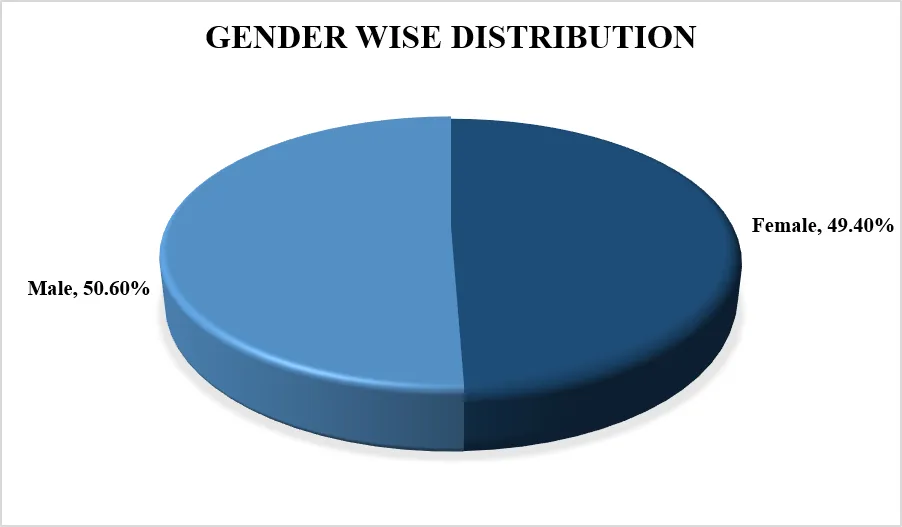
Among the total number of patients (162) surveyed for this study. Male patients were found to be 82 in number, and female patients were 80 in number.
Table 4.1. Gender distribution in the study population
|
GENDER |
FREQUENCY |
PERCENTAGE |
|
Male |
82 |
50.6% |
|
Female |
80 |
49.4% |
|
Total |
162 |
100% |
4.2 AGE-WISE DISTRIBUTION OF STUDY POPULATION
The total number of patients was classified into five age groups: less than 1, 1-5, 6-10, 11-15, 16-18 years. The most common patients were between less than one year.
Table 4.2 Age-wise distribution in the study population.
|
Age in years |
Distribution in study population |
|
Less than 1 |
46.5% |
|
1-5 |
33.1% |
|
6-10 |
9.1% |
|
11-15 |
9.4% |
|
16-18 |
1.9% |
|
Total |
100% |
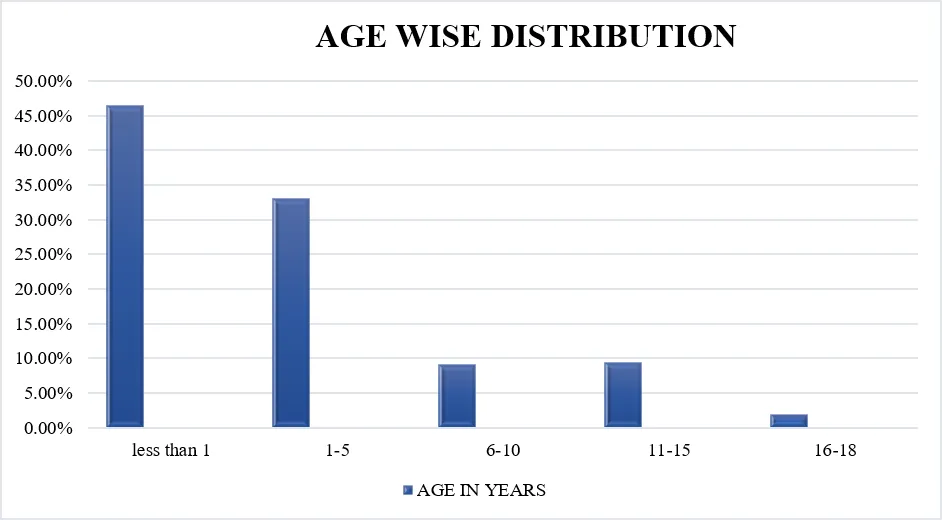
Figure 4.2 Age-wise distribution in study population
4.3 DISEASE DISTRIBUTION
The present study analyzed the distribution of lower respiratory illnesses in the target population. In this study, bronchopneumonia was found to be the most prevalent, followed by bronchiolitis and Pneumonia. This distribution provides critical insight into the burden of respiratory diseases and aids in evaluating current treatment trends.
Table 4.3 Disease distribution
|
DISEASE |
NUMBER OF PRESCRIPTIONS |
PERCENTAGE |
|
BRONCHOLITIS |
24 |
14.8% |
|
BRONCHOPNEUMONIA |
41 |
25.3% |
|
WALRI |
15 |
9.3% |
|
VIRAL PNEUMONIA |
5 |
3.1% |
|
ASPIRATION PNEUMONIA |
7 |
4.3% |
|
PLEURAL EFFUSION |
13 |
8.0% |
|
LRTI |
31 |
19.1% |
|
PNEUMONIA |
26 |
16.0% |
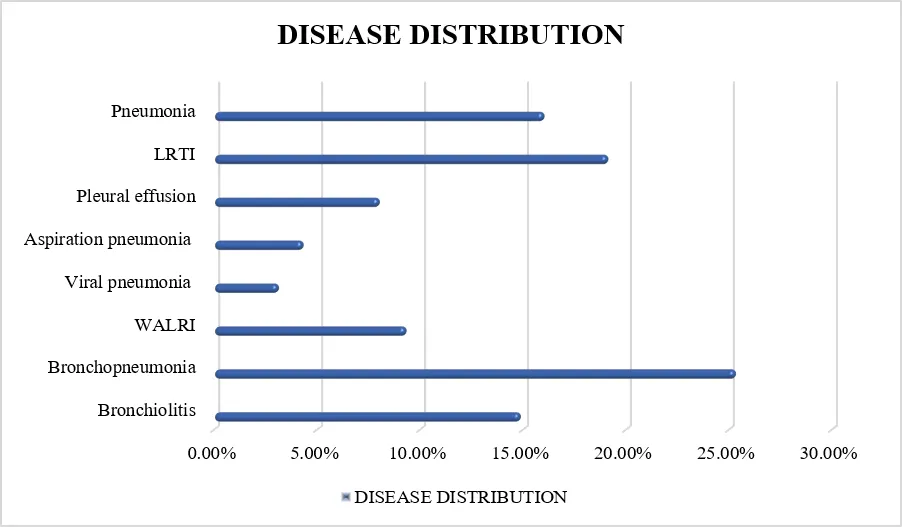
FIGURE 5.3 Disease distribution
4.4 CATEGORY OF DRUGS PRESCRIBED FOR LRTI
In this study the analysis revealed that antibiotics were the most frequently prescribed category, accounting for 100 % of total prescriptions, followed by a antibiotics (30.59%) and antipyretics (12.01%). Other commonly used medications included intravenous fluids (11.12%), bronchodilators (6.23%), corticosteroids (6.79%), supplements (4.11 %), and Drugs like antihistamines, H2 receptor blockers, and expectorants were used as supportive therapy based on clinical presentation.
Table 4.4 Category of drugs prescribed for LRTI
|
CATEGORY OF DRUGS |
FREQUENCY |
PERCENTAGE |
|
ANTI-EMETIC |
18 |
2.00% |
|
ANTI-PYRETIC |
108 |
12.01% |
|
BRONCHODIALATOR |
61 |
6.23% |
|
CORTICOSTEROIDS |
56 |
6.79% |
|
ANTIBIOTICS |
275 |
30.59% |
|
ANALGESIC |
01 |
0.11% |
|
H2 RECEPTOR BLOCKER |
28 |
3.11% |
|
ANTIHISTAMINE |
29 |
3.23% |
|
ANTI-EPILEPTIC |
06 |
0.67% |
|
LAXATIVE |
01 |
0.11% |
|
ADERNALINE |
41 |
4.56% |
|
IV FLUIDS |
100 |
11.12% |
|
ANTIHYPERTENSIVE |
02 |
0.22% |
|
NASAL SALINE |
50 |
5.56% |
|
EXPECTORANT |
102 |
11.35% |
|
SUPPLEMENT |
38 |
4.11% |
|
PPI |
13 |
1.45% |
|
TOTAL |
926 |
100% |
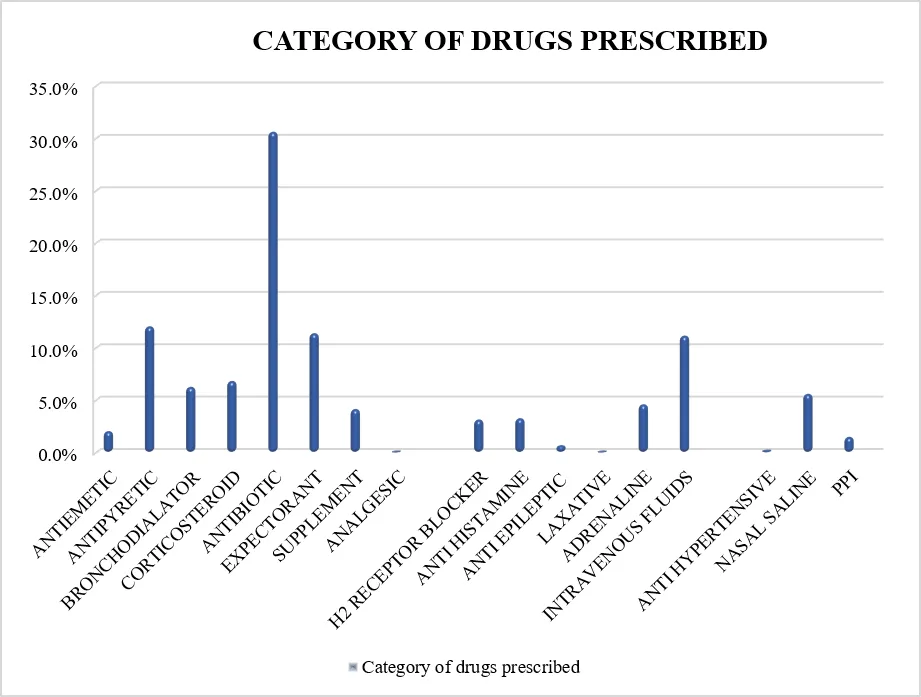
Figure 4.4 Category of drugs prescribed
4.5 DRUG PRESCRIBED BY GENERIC NAME VS BRAND NAMES
In this study, 58.70% were prescribed by generic name, while only 41.3% were prescribed by brand name. This indicates a strong preference for generic prescribing promoting cost-effectiveness aligning with standard prescribing practices in paediatric care.
Table 4.5 Brand name vs Generic name
|
|
FREQUENCY |
PERCENTAGE |
|
Brand name |
415 |
41.30% |
|
Generic name |
590 |
58.70% |
|
TOTAL |
1005 |
100% |
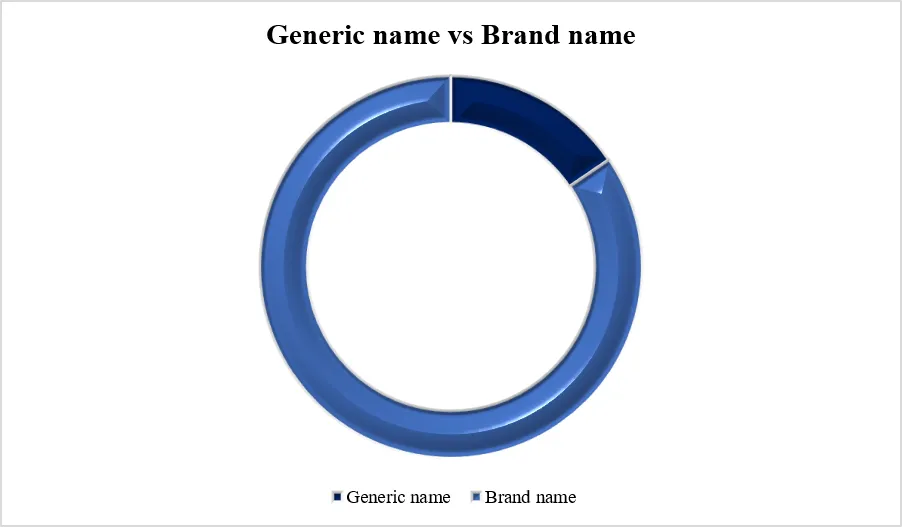
Figure 4.5 Drugs prescribed by Generic name vs Brand name
4.6 DISTRIBUTION OF CLASS OF ANTIBIOTICS
In this study, analyzing the drug usage pattern for lower respiratory tract infections in paediatric patients at a tertiary care teaching hospital, Cephalosporins were the most prescribed class of antibiotics accounting for 62.45% of use. This was followed by Aminoglycosides (25.3%) and Penicillin (6.8%). Other antibiotics class such as macrolides, nitroimidazoles, glycopeptide antibiotic were used less frequently.
Table 4.6 Distribution of class of antibiotics
|
CLASS OF ANTIBIOTICS |
FREQUENCY |
PERCENTAGE |
|
CEPHALOSPORIN’S |
163 |
62.45% |
|
AMINOGLYCOSIDES |
66 |
25.3% |
|
MACROLIDES |
3 |
1.45% |
|
PENICILLIN’S |
18 |
6.8% |
|
NITROIMIDAZOLE |
0 |
0.00% |
|
GLYCOPEPTIDE ANTIBIOTIC |
11 |
4.00% |
|
TOTAL |
261 |
100% |
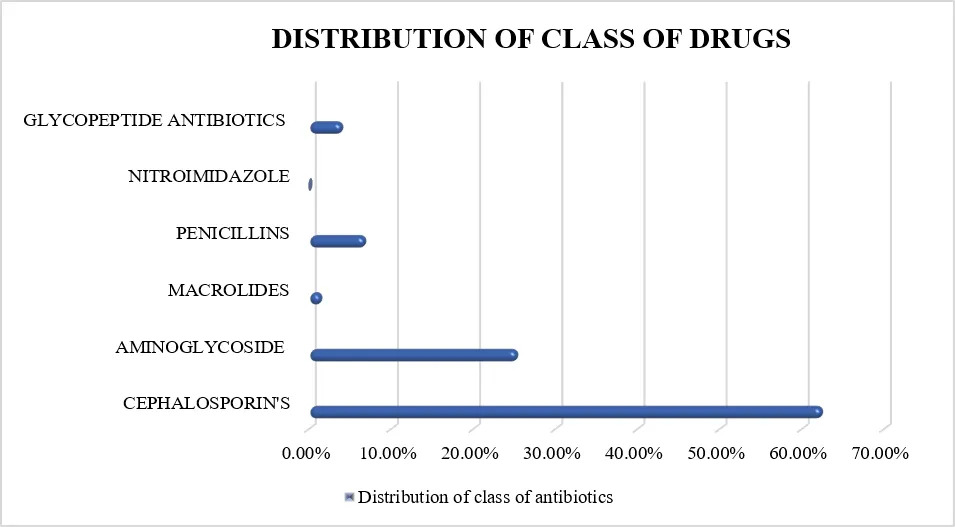
Figure 4.6 Class of Antibiotics prescribed
4.7 EMPIRICAL ANTIBIOTICS USED IN MALE AND FEMALE GENDER DISTRIBUTION
When analyzed by gender, antibiotic usage was slightly higher in males (n=139) compared to females (n=136), with ceftriaxone remaining the most preferred drug in both groups. Among the antibiotics, ceftriaxone was the most commonly used (163), followed by amikacin and amoxicillin. Broad spectrum antibiotics were predominantly preferred, reflecting current clinical practise strengths in the empirical treatment of paediatrics LRTI
Table 4.7 Empirical antibiotics used in male and female gender distribution
|
ANTIBIOTICS USED |
MALE |
FEMALE |
TOTAL |
|
AMIKACIN |
35 |
31 |
66 |
|
CEFTRIAXONE |
79 |
84 |
163 |
|
PIPERACILLIN + TAZOBACTAM |
12 |
6 |
18 |
|
AMOXICILLI + CLAVULANIC ACID |
7 |
10 |
17 |
|
VANCOMYCIN |
6 |
5 |
11 |
|
TOTAL |
139 |
136 |
275 |
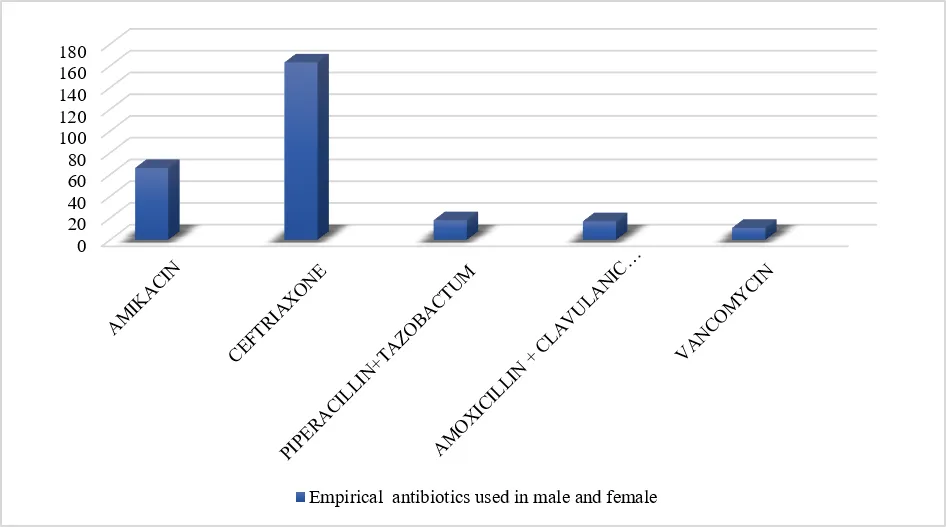
Figure 4.7 Empirical antibiotics used in male and female gender distribution
4.8 NUMBER OF ANTIBIOTICS USED
In the current study, the findings indicate that a majority of patients (45.4%) were treated with single antibiotics while (43.6%) received 2 antibiotics and only (11.0%) were administered a combination of 3 antibiotics. This suggest a tendency towards monotherapy in the treatment approach, possibly reflecting adherence rational prescribing practices and antimicrobial stewardship principles.
Table 4.8 No of antibiotics used
|
NUMBER OF ANTIBIOTICS USED |
FREQUENCY |
PERCENTAGE |
|
1 |
69 |
45.4% |
|
2 |
66 |
43.6% |
|
3 |
17 |
11.0% |
|
TOTAL |
152 |
100% |
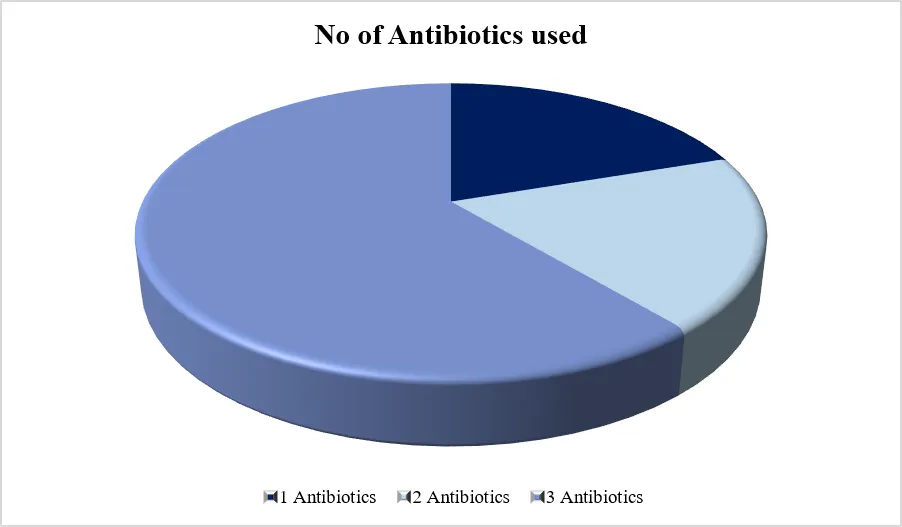
Figure 4.8 Number of antibiotics used
4.9 ROUTE OF ADMINISTRATION OF ANTIBIOTICS
In the present study, assessing the drug usage pattern for lower respiratory tract infections in paediatric inpatients, the route of antibiotic administration was predominantly intravenous (66.2%), followed by oral (33.8%), and cases received antibiotic intramuscular is not given.
Table 4.9 Route of administration of antibiotics
|
ROUTE |
FREQUENCY |
PERCENTAGE |
|
IV |
532 |
66.2% |
|
ORAL |
271 |
33.8% |
|
IM |
0 |
0.00% |
|
TOTAL |
803 |
100% |
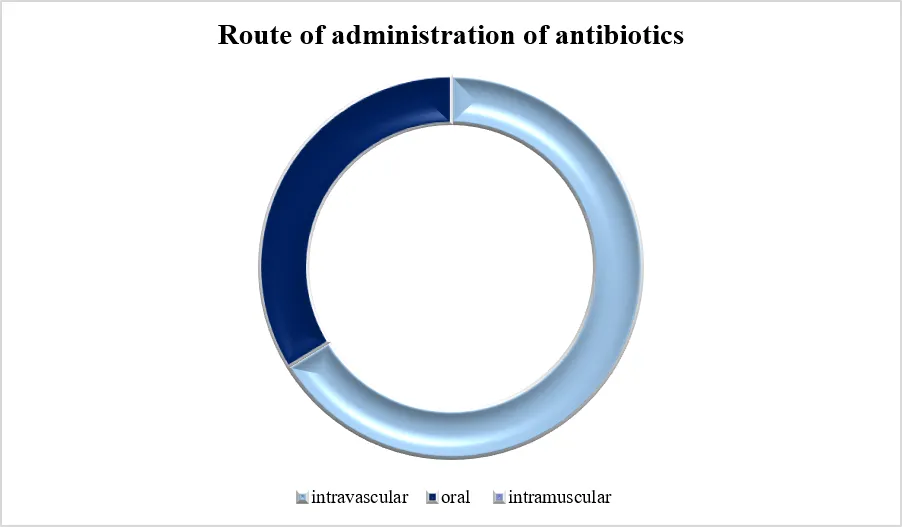
Figure 4.9 Route of administration of antibiotics
4.10 DISTRIBUTION OF COMBINATION OF DRUGS PRESCRIBED
The analysis of prescribed drug combinations revealed a wide range of fixed-dose and multi-drug regimens, reflecting the diverse therapeutic needs of patients in the study population. The most frequently encountered combination was Syp ventryl LS (34.1%), followed by Tab amoxiclav (18.29%) and Syp A to Z (15 prescriptions), indicating a high prevalence of respiratory, analgesic, and nutritional supplement use. Several antibiotic combinations such as Astha kind LS and Syp Amrox L were also noted, underscoring the significant role of anti-infective therapy in patient management.
Table 4.10 Distribution of combination of drugs prescribed
|
COMBINATION DRUGS |
CONTENT |
NO. OF DRUGS |
PERCENTAGE (%) |
|
Syp ventryl LS |
Levo salbutamol (0.5mg) Ambroxol hydrochloride(15mg) Guaiphenesin(50mg) |
28 |
34.1% |
|
Tab amoxiclav |
Amoxicillin(500mg) Clavulanic acid(125mg) |
15 |
18.29% |
|
Syp A-Z |
Vitamin A,C,E. Vit B complex (B1,B2,B3,B5,B6) Manganesv zinc, Selenium, molybdenum, Iodine |
1 |
1.21% |
|
Astha kind LS |
Ambroxol (30mg/5ml) Levo -salbutamol(1mg/5ml) Guaiphenesin (50mg/5ml) |
1 |
1.21% |
|
Tab pipzo |
Piperacillin (4000mg) Tazobactam (500mg) |
16 |
19.5% |
|
Syp maxtra |
Phenylephrine (5mg/5ml) Chlorpheniramine maleate(2mg/ml) |
15 |
18.2% |
|
Syp cufbeat AT |
Ambroxol (15mg) Guaiphenesin (50mg) Menthol (0.5mg) Terbutaline(1.25mg/5ml) |
2 |
2.43% |
|
Syp fepanil Mef-DS |
Mefenamic acid (100mg) Paracetamol (250mg) |
3 |
3,65% |
|
Syp ambroxo- L |
Ambroxol (30mg) Guaiphenesin (50mg) Levosalbutamol (1mg/5ml) |
1 |
1.4% |
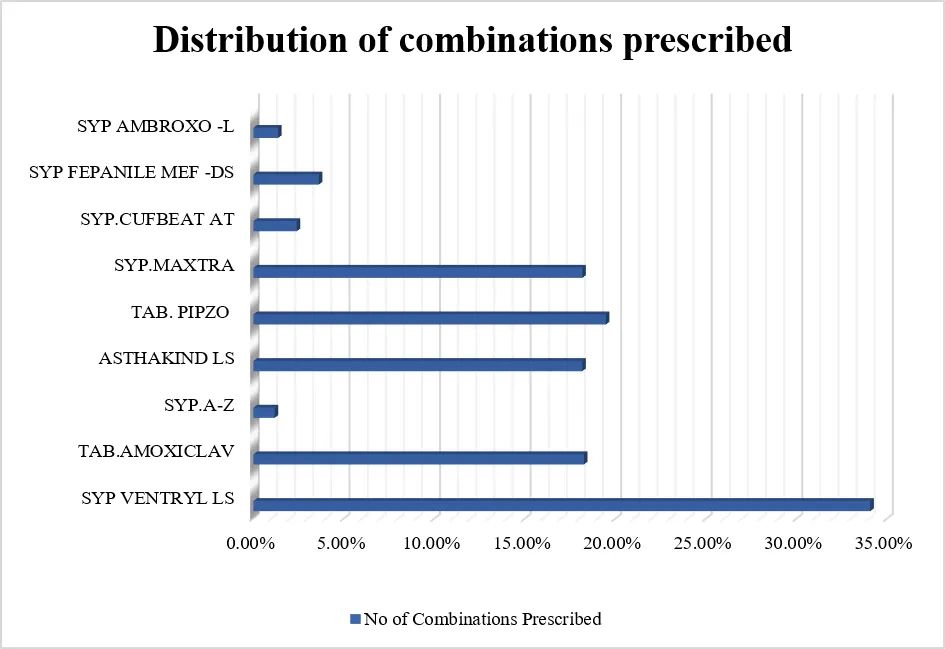
Figure 4.10 Distribution of combinations prescribed
4.11 WHO CORE DRUG PRESCRIBING INDICATORS USED TO ASSESS STUDY PRESCRIPTION (n =162)
A total of 160 prescriptions were analysed. The average number of drugs per prescription was 5.66, indicating polypharmacy in many cases. Only 58.70%of drugs were prescribed by their generic names. Antibiotics were prescribed in 94.44% of encounters, reflecting their central role in LRTI management. Injections were prescribed in 99.38% of encounters, and 81.80% of drugs were from the Essential Drug List (EDL). These findings highlight areas for improvement in rational prescribing practices.
Table 4.11 WHO Core Drug Prescribing Indicators Used To Assess Study Prescriptions
|
Sr. No |
INDICATIONS |
STUDY VALUE |
STANDARD VALUE |
|
1 |
Average number of drugs per prescription |
5.66 |
1.6-1.8 |
|
2 |
Percentage of drugs prescribed by generic name |
58.70% |
100% |
|
3 |
Percentage of encounters with an antibiotics prescribed |
94.44% |
20-26.8% |
|
4 |
Percentage of encounters with an injection prescribed |
99.38% |
13.4-24.1% |
|
5 |
Percentage of drugs prescribed from Essential Drug List |
81.80% |
100% |
DISCUSSION
“Lower respiratory tract infections (LRTIs) remain a leading cause of morbidity in the paediatric population, necessitating prompt and effective management. Understanding prescribing trends is vital to optimise therapy, ensure rational drug use, and support antimicrobial stewardship. This study at a tertiary care teaching hospital provides insight into current treatment practices, including antibiotic selection, prescribing patterns, and adherence to standard guidelines, thereby highlighting both strengths and areas requiring improvement in paediatric LRTI management.”
In the current study, a total of 162 patients' charts were reviewed. Among the study population, 82(50.6%) were male, and 80 (49.4%) were females, showing a nearly equal distribution between genders. This finding was similar to the result reported by Iyer et al.,11. Among these 5 age groups, children aged less than 1 year constituted the largest group (46.5%), which was consistent with the findings reported by M.H.Saheen et al.,12
Among the paediatrics patients included in the study, bronchopneumonia emerged as the most prevalent lower respiratory illness (41 cases), followed by LRTI (31 cases), pneumonia (26cases), and bronchiolitis (24). While Hemamalini M B et al .,13 found bronchiolitis are more prevalent. This pattern emphasizes the high burden of acute infectious respiratory disease in children.
In the present study, antibiotics were the most frequently prescribed therapeutic class, accounting for 30.54%of all prescribed medications. Following this, anti-pyretic drugs were the second most prescribed at 12.01% and bronchodilators were a close third with 6.23% which were similar to the result in Peter et al.,2 reflecting the Importance of antimicrobial and symptomatic therapy in the management of paediatric LRTIs.
The percentage of drug prescribed by generic name should ideally be 100%. In our study we found that the pattern of generic prescribing was 58.70% and brand name were 41.30%, similar findings were reported by Feleke M et al.,14. According to world health organization (WHO) recommendation, prescribing and dispensing of drugs by its generic name avoid confusion between prescriber and dispensers.
On evaluating the prescribing pattern of antibiotics, it was observed that Cephalosporins class of antibiotics was highly prescribed (62.45%) class of antibiotics, in which the ceftriaxone was the most commonly prescribed cephalosporin which similar study conducted by George et al.,15, indicating a predominant use of cephalosporins in the management of paediatric LRTIs.
In the present study third generation, Ceftriaxone (162 times) was the frequently used antibiotics overall, with a total of 162 prescriptions. Followed by amikacin was the second most common choice 66 times. Which is similar to the trends conducted by Madhusmitha Mishra et al.,16 Indicates a focus on effective, broad-spectrum treatment for conditions like lower respiratory tract infection (LRTI) in paediatric patients.
In our study indicates a strong tendency towards monotherapy, with 45.4% of patients receiving a single antibiotic. A significant portion (43.6%) were treated with a combination of two antibiotics, while a much smaller group (11.0) received three. With findings from study conducted by Akkawi ME et al.,17 this findings suggest that health care providers are generally following rational prescribing practices, reserving multi-drug combinations for more severe or complex cases.
Regarding the route of antibiotic administration, 66.2% of antibiotics were administered by parenteral route and 33.8% by oral. While intra muscular administration was not used at all (0.00%), which similar trend conducted by Shivaleela et al.,18
Among total prescription was analysed, that prescribed combination was Syp ventryl LS, accounting for 34.1% of cases. This was followed by Tab amoxiclav (18.29%) and Syp A-Z (15%). While Sachi Anilkumar et al.,10 found Syp Solvin cold is most highly prescribed, followed by Syp DPC.
The study highlights a high reliance on antimicrobial therapy in paediatric LRTIs, with antibiotics prescribed in 94.44% of encounters, clearly exceeding the WHO-reference range 20-26.8%. The average number of drug per prescription was 5.66, indicating polypharmacy while compared to the WHO optimal range of 1.6-1.8. Injections were used in 99.38% of cases despite the WHO standard of 13.4-24.1% reflecting the strong preference treatment for parenteral treatment. Although 58.7% of drugs were prescribed by generic name, it remains below the ideal 100%. It is similar to Rahul et al.,18 expect one result; the higher average number of drugs per prescription (5.66) in our study compared to the reported value of 3.32. that is where more severe and complicated cases are reffered and management. Such often require multiple symptomatic, supportive, and prophylactic medications in addition to antibiotics, including antipyrectics, bronchodilators, corticosteroids, IV fluids, and nutritional supplements. This aimed at stabilizing critically ill paediatric patients and preventing complications may have contributed to the increased number of drugs per prescription.
CONCLUSION
This study on the drug usage pattern of lower respiratory tract infections (LRTI) in pediatric inpatients at a tertiary care teaching hospital highlights key trends in current prescribing practices. Bronchopneumonia emerged as the most common diagnosis, with antibiotics being universally prescribed, predominantly from the cephalosporin class, particularly ceftriaxone. The majority of prescriptions followed a monotherapy approach, and intravenous administration was the preferred route. Supportive therapies, including antipyretics, bronchodilators, corticosteroids, and nutritional supplements, were also frequently used.
While a significant proportion of drugs were prescribed by their generic names (58.7%), brand prescribing remains considerable. WHO core prescribing indicator analysis revealed higher-than-recommended antibiotic and injection use, alongside polypharmacy, indicating areas for improvement in rational drug use. The high reliance on broad-spectrum antibiotics underscores the need for antimicrobial stewardship and periodic prescription audits to prevent resistance.
ACKNOWLEDGEMENT
The authors express their gratitude to Dr. Nagendra Rao, the principal of SCS College of Pharmacy in Harapanahalli, for the encouragement and significant support received throughout the research.
AUTHOR’S CONTRIBUTION
All the authors have contributed equally in this research.
CONFLICT OF INTEREST
All authors declare that there are no conflicts of interest.
ETHICS DECLARATION
The Institutional Ethics Committee at SCS College of Pharmacy approved the protocol. All residents in the hospital provided with informed consent.
CONSENT FOR PUBLICATION
All authors have provided consent for publication of their work.
COMPETING INTERESTS
The authors have confirmed that they have no competing interest.
AUTHORS FINDING
The authors hereby declare that they did not obtain any financial support from any source for the writing, or publication of this article.
REFERENCES

J. S. Venkatesh, Merlin Babu, Mohammad Rafiq, Nandini G Shenoy, Drug Usage Pattern of Lower Respiratory Tract Infection in Paediatric at Tertiary Care Teaching Hospital, Int. J. of Pharm. Sci., 2026, Vol 4, Issue 8, 5396-5410. https://doi.org/10.5281/zenodo.22220924
 10.5281/zenodo.22220924