

We use cookies to ensure our website works properly and to personalise your experience. Cookies policy
K.K College of Pharmacy, Gerugambakkam, Chennai 600128
Dual drug delivery systems (DDDS) based on microspheres have become a promising way to solve the problems of traditional single therapies, such as poor absorption, quick removal from the body, and overall toxicity. Microspheres made from biodegradable and biocompatible polymers offer a flexible way to enclose two drugs with controlled, sequential, or simultaneous release. This method boosts the combined effects of the drugs, reduces how often patients need to take them, and improves adherence to treatment. Dual-loaded microspheres show strong potential across various methods of delivery, including oral, injectable, pulmonary, nasal, and topical, enhancing their usefulness in clinical settings. Their applications cover major diseases like cancer, diabetes, Alzheimer’s disease, rheumatoid arthritis, bone disorders, wound healing, skin conditions, and cardiovascular diseases, where dual drug release is more effective than standard single-drug systems. The main benefits of dual drug-loaded microspheres are their ability to deliver drugs directly to targeted areas, provide a sustained release, protect sensitive drugs, and lower systemic side effects. Nevertheless, hurdles such as complex formulations, initial burst release, challenges in scaling up production, and regulatory issues still hinder their use in clinical settings. Looking ahead, integrating smart polymers, nanotechnology, and personalized delivery methods could help develop dual drug-loaded microspheres into advanced therapeutic options.
Conventional single-drug delivery systems often do not achieve the desired therapeutic effect due to low bioavailability, fluctuating therapeutic levels, frequent dosing requirements, systemic side effects, and the risk of developing drug resistance. To address these issues, dual drug delivery systems (DDDS) using microspheres have been created. Dual drug delivery with microspheres aims to fix the problems associated with traditional single-agent therapeutic systems. These systems allow for the simultaneous or sequential release of two active agents within one carrier, which improves treatment outcomes.[1]
Microspheres, which are typically between 1 and 1000 μm, are polymer-based carriers that can encapsulate and release two or more therapeutic agents either at the same time or in sequence.[2] This strategy leads to better therapeutic effects, lowers the chances of drug resistance, and reduces how often patients need to take doses.
The polymer matrices in dual drug-loaded microspheres are biocompatible and biodegradable, ensuring safe breakdown and clearance after the drugs have done their job. By changing the particle size, surface charge, porosity, and polymer makeup, microspheres can be tailored to provide specific release rates for each drug, helping them stay stable under physiological conditions and protecting them from early breakdown. [3]
Dual delivery also allows the combination of drugs with different properties, such as hydrophilic and hydrophobic agents, ensuring targeted delivery and controlled release. This method is especially helpful in cancer treatment, infectious disease management, and regenerative medicine, as combining drugs can enhance effectiveness while lowering systemic toxicity. Additionally, stimulus-responsive microspheres can release drugs in reaction to internal factors like pH and enzymatic activity, or external factors such as temperature, magnetic fields, and ultrasound, providing precise control over when drugs are available. [1,4]
These microsphere-based systems are designed for controlled and sustained co-release of two drugs, which improves therapeutic effectiveness while reducing systemic side effects. Unlike traditional dosage forms, the dual delivery system does not change the natural distribution of the drugs but allows for managing their release profiles to achieve synergistic or complementary effects.[5]
By addressing the limitations of traditional single-drug therapy, dual drug-loaded microspheres have become a promising and versatile option for modern treatments. This review provides a detailed overview of their design strategies, release mechanisms, biomedical applications, and future directions in dual drug delivery systems.
1.1 PROPERTIES OF AN IDEAL DUAL DRUG DELIVERY SYSTEM USING MICROSPHERES:
1.2 ADVANTAGES:
1.3 DISADVANTAGES:
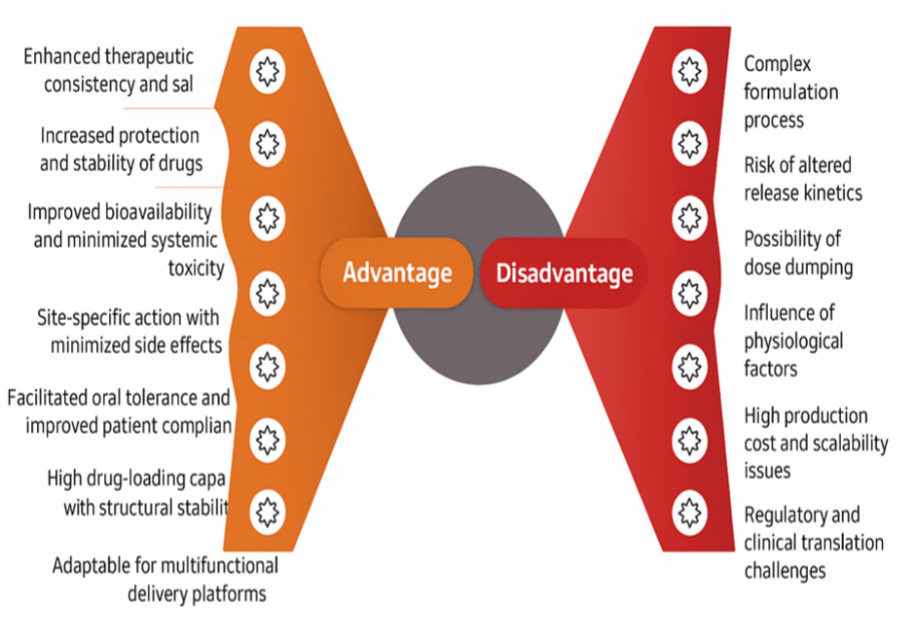
FIG NO:1 advantages and disadvantages of dual loaded microspheres
2. MATERIALS: NATURAL AND SYNTHETIC POLYMERS:
The creation of microspheres for dual drug delivery depends on various natural and synthetic polymers. Each is chosen based on specific factors like biocompatibility, biodegradability, stability, and drug release performance.
Natural polymers, such as chitosan, gelatin, alginate, and hyaluronic acid, are highly valued for their good biocompatibility and natural biodegradability. Their structure resembles the extracellular matrix, which enhances biological acceptance and lowers immunogenicity. Additionally, they break down into non-toxic byproducts, making them suitable for applications that need minimal biological side effects. However, natural polymers often show variability between batches, limited mechanical strength, and challenges in achieving uniform microsphere size and stability during production.
Synthetic polymers like poly(lactic-co-glycolic acid) (PLGA), polylactic acid (PLA), polycaprolactone (PCL), and polyethylene glycol (PEG) offer better mechanical strength, adjustable degradation rates, and more consistent drug release profiles. By controlling molecular weight, crystallinity, and hydrophilicity, the degradation time of synthetic polymers can vary from a few days to several months, allowing for customized therapeutic results. However, some synthetic polymers may have lower biocompatibility compared to natural ones, and their production needs precise fabrication techniques and strict process controls.
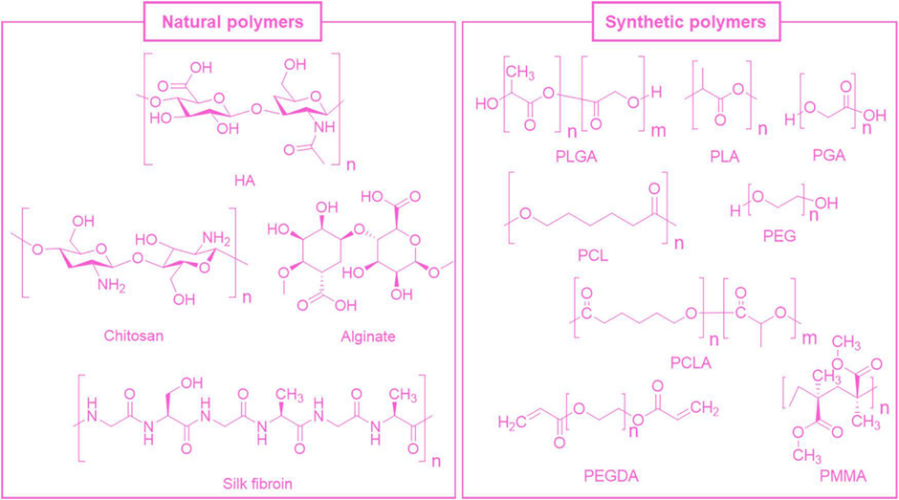
FIG NO: 2 classifications of polymer
3. DRUG RELEASE MECHANISMS IN DUAL DRUG-LOADED MICROSPHERES:
The release of drugs from dual drug-loaded microspheres is a complex process that combines physical, chemical, and biological mechanisms. Unlike single-drug systems, dual-drug microspheres are designed to release two therapeutic agents simultaneously, sequentially, or in a specific location to improve therapeutic outcomes. The key release mechanisms include diffusion, polymer degradation or erosion, and swelling. These mechanisms often work together and are influenced by the design strategies of the microspheres, such as core-shell structures, matrix embedding, and blending of multiple polymers.
3.1 Diffusion-controlled release:
Diffusion is the main mechanism during the early phase of drug release. After administration, water enters the polymer matrix and dissolves the encapsulated drugs. The drug molecules then diffuse through the polymer’s pores or channels to reach the surrounding environment. In dual-drug systems, hydrophilic drugs generally diffuse more quickly than hydrophobic drugs, leading to different release rates. This mechanism is particularly significant in matrix-type microspheres, where the properties of the drug determine the release rates.[12]
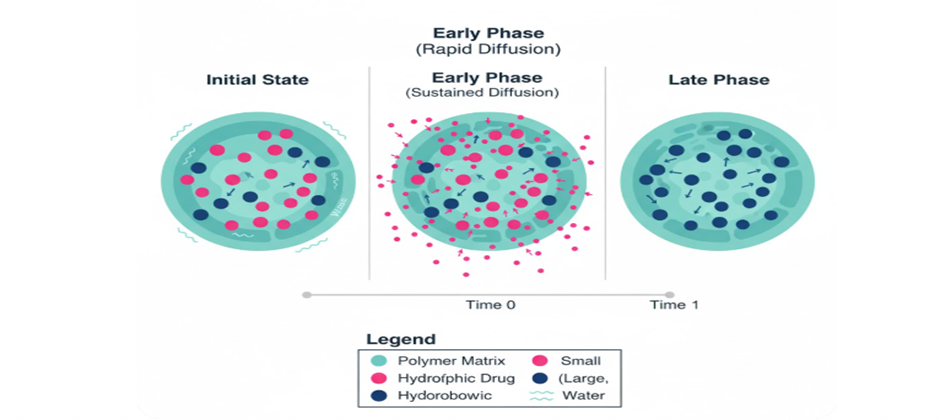
FIG NO 3: diffusion-controlled release
3.2 Polymer degradation and erosion:
For biodegradable polymers like PLGA, PLA, or PCL, the drug release process relies on the hydrolytic or enzymatic breakdown of ester bonds. As the polymer breaks down, new pores form, allowing more water to enter and aiding in drug diffusion. In dual-drug systems, release through degradation is used to achieve staggered or sequential release. For instance, a rapidly degrading polymer might release a hydrophilic antibiotic quickly, while a slower-degrading polymer ensures a longer release time for an anti-inflammatory agent.[6]
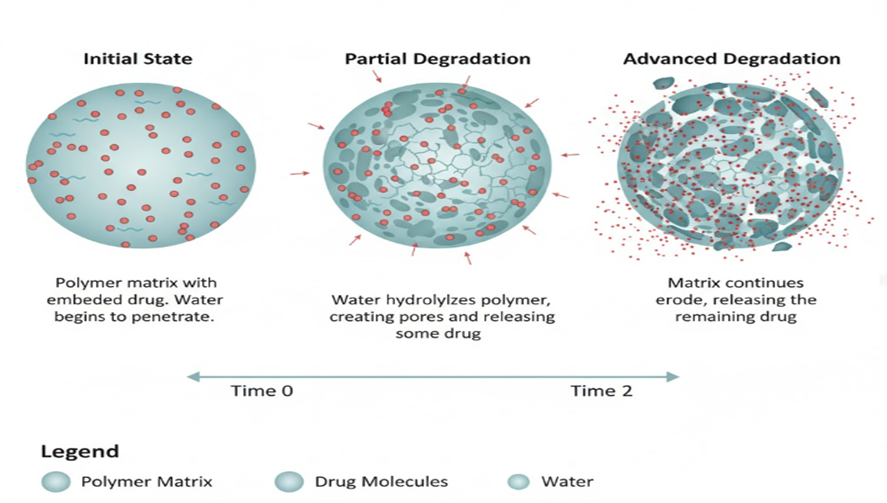
FIG NO 4: Polymer degradation and erosion
3.3 Swelling-mediated release:
In polymers with hydrophilic segments such as chitosan, alginate, or hyaluronic acid, exposure to water causes the matrix to swell. This swelling increases pore size and decreases resistance to diffusion, speeding up drug release. In dual-drug systems, this mechanism allows hydrophilic drugs to be released quickly as the polymer swells, while hydrophobic drugs deeper in the network are released more slowly.[13]
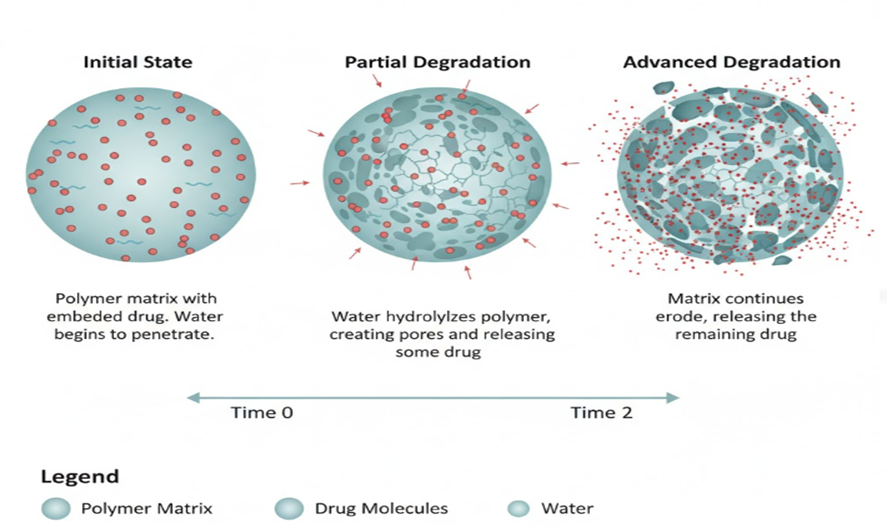
FIG NO 5: Swelling-mediated release
3.4 Core-shell or double-walled microspheres:
These microspheres have a distinct inner core and an outer shell. The drug from the outer shell is usually released first, often resulting in an initial burst, while the inner core drug is released later through erosion or diffusion. This design works well for sequential release therapy, such as giving a chemotactic factor first and a differentiation agent afterward for regenerative applications.[5]

FIG NO 6: Core-shell or double-walled microspheres
3.5 Matrix microspheres with different drug properties:
In this design, both drugs are placed in the same polymer matrix, but differences in solubility, size, and affinity for the polymer lead to staggered release. Hydrophilic drugs typically diffuse quickly, while hydrophobic drugs are released more slowly. This mechanism is suitable for combination treatments like antibiotics and anti-inflammatories. [14]
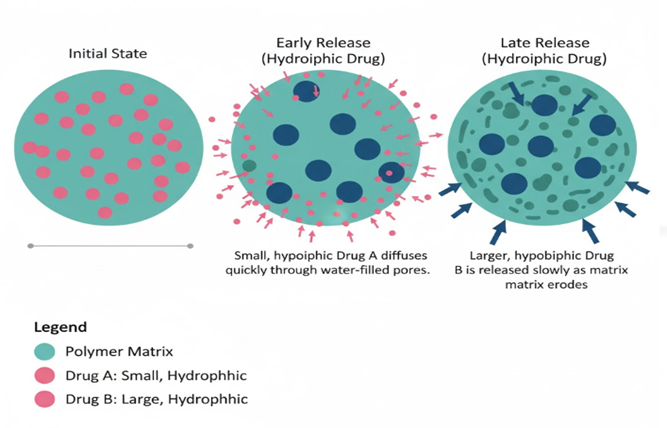
FIG NO 7: Matrix microspheres with different drug properties
3.6 Multi-Polymer Component Systems:
Mixing polymers with different degradation rates allows for precise control over drug release. For example, blends of PLGA and PCL can release one drug quickly while sustaining the release of another over weeks. This approach is commonly used in treatments for cancer or chronic diseases.
4. FACTORS AFFECTING DRUG RELEASE FROM DUAL DRUG-LOADED MICROSPHERES:
The release rates of drugs from dual drug-loaded microspheres depend on a mix of microsphere characteristics, the properties of the drugs, and the surrounding environment. Understanding these factors is important for designing and optimizing controlled release systems.
4.1. Microsphere Properties:
Polymer Type:
The choice of polymer significantly affects the degradation and release profile of microspheres. Biodegradable polymers like PLGA, PLA, and PCL are commonly used. PLGA allows for adjustable degradation by changing the ratio of lactic acid to glycolic acid; PLA degrades more slowly because of its hydrophobicity, while PCL degrades even more slowly, enabling sustained release for several months.
Particle Size:
The size of the particles directly impacts the rate of drug release. Smaller microspheres have a greater surface area relative to their volume, promoting quicker water penetration and faster drug diffusion and polymer degradation. Larger microspheres tend to release drugs more slowly due to less surface exposure. In dual-drug formulations, changing particle size facilitates either simultaneous or staggered drug release. [16]
Porosity:
Porosity affects how quickly water can enter the microsphere and how easily dissolved drugs can escape. Higher porosity speeds up drug release, while lower porosity slows it down. In dual systems, managing pore size and distribution permits different release profiles for two drugs. Techniques like adding porogens or gas foaming are often used to adjust porosity.
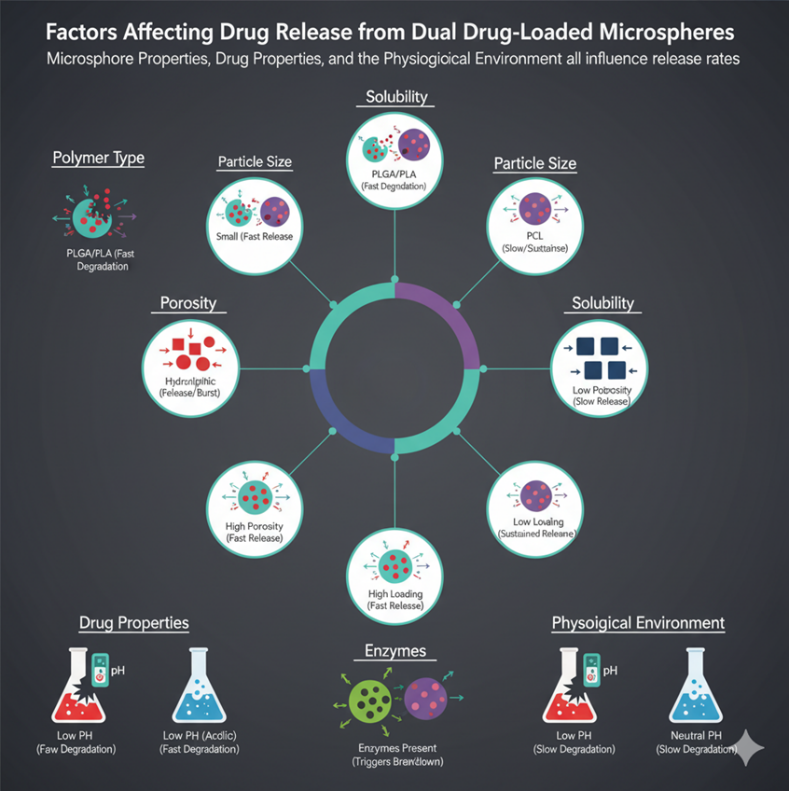
FIG NO 8: Factors affecting drug release from dual drug loaded microspheres
4.2. Drug Properties:
Solubility:
Hydrophilic drugs dissolve quickly in water and diffuse rapidly, resulting in a burst release. In contrast, hydrophobic drugs remain within the polymer matrix, leading to slower and more sustained release. Dual-drug systems can pair hydrophilic and hydrophobic drugs to achieve sequential release rates without altering the polymer type. [17]
Drug Loading:
Higher drug loading can speed up the release because of drug saturation near the microsphere surface, aiding diffusion. Lower drug loading often means prolonged release but may lessen therapeutic effectiveness. Dual systems usually balance high loading for one drug (for a quick effect) with low loading for another (for sustained action).
4.3. Physiological Environment:
pH:
The degradation of polymers is highly influenced by pH. Acidic environments speed up the breakdown of ester bonds in PLGA, leading to quicker drug release. Neutral or slightly alkaline conditions can slow down polymer integrity. Specific pH conditions, such as the acidic environment of a tumor compared to neutral blood, are used in dual-drug microspheres for targeted delivery. [18]
Enzymes:
Enzymatic degradation can promote drug release by breaking down polymer chains or changing drug-polymer interactions. Area’s rich in enzymes, such as the liver or sites of inflammation, can speed up polymer erosion and drug release. Including enzyme-sensitive linkers can further enable site-specific release of dual drugs.
5. MICROSPHERE FABRICATION METHODS FOR DUAL DRUG DELIVERY SYSTEMS:
Making microspheres for dual drug delivery systems requires careful control over particle size, shape, and drug distribution. This control is essential for achieving specific release profiles for two therapeutic agents. The selected technique should ensure high encapsulation efficiency and stability for both drugs while enabling the desired release kinetics, such as simultaneous, sequential, or site-specific release. Several methods have been adapted and improved for dual drug encapsulation, with emulsification, coacervation, and spray drying being the most commonly used.
5.1 Emulsification in Dual Drug Delivery Systems:
Emulsification is one of the most popular methods for creating polymeric microspheres in dual drug delivery systems. Its popularity comes from its flexibility, scalability, and ability to adjust microsphere properties to meet therapeutic needs. Depending on the solubility and compatibility of the drugs, emulsification can use either a single emulsion (O/W) or double emulsion (W/O/W or O/W/O) method.
In dual drug delivery, emulsification can simultaneously encapsulate hydrophilic and hydrophobic drugs, or two drugs with different release needs, within the same microsphere. This structural flexibility allows for controlled, sequential, or combined release. This feature is especially useful in combination therapies for cancer, infectious diseases, and tissue regeneration. However, issues like solvent toxicity, wide particle size distribution, and lower encapsulation efficiency for hydrophilic drugs still pose challenges. These challenges require optimizing process parameters, including emulsifier concentration, mixing speed, and phase ratios.
5.1.1 Single Emulsion Technique in Dual Drug Delivery:
The single emulsion (O/W) method works well for dual systems where both drugs are hydrophobic or where one drug can be chemically altered to enhance hydrophobicity. In this method, the polymer (like PLGA, PLA, or PCL) and the drugs dissolve in an organic solvent and then disperse into an aqueous solution with a stabilizer like polyvinyl alcohol (PVA). After the solvent evaporates, microspheres form.[19]
For dual drug delivery, this approach is beneficial for co-loading two poorly water-soluble drugs, such as chemotherapy agents like paclitaxel and curcumin, to promote sustained release. It also allows for high drug loading and easy scaling for industrial production.[20] However, the single emulsion system struggles with encapsulating hydrophilic agents, like peptides or nucleic acids, because these compounds tend to partition into the aqueous phase, resulting in drug loss and low encapsulation efficiency. Furthermore, a wide particle size distribution and initial burst release are common problems.
Recent modifications, including the use of co-polymers, mixed surfactants, or microfluidic-assisted emulsification, have greatly improved encapsulation efficiency and release control in dual-drug-loaded microspheres.
Examples:
5.1.2 Double Emulsion Technique in Dual Drug Delivery:
The double emulsion (W/O/W) technique has become the gold standard for dual-drug systems that combine hydrophilic and hydrophobic agents. In this method, the hydrophilic drug is dissolved in the inner aqueous phase (W1) and then emulsified into an organic phase containing the hydrophobic drug and polymer (O).[21] This primary W/O emulsion is re-emulsified into a secondary aqueous phase (W2) that contains stabilizers such as PVA, forming a W/O/W system. Removing the solvent solidifies the microspheres.
This technique works well for combinations of proteins and small molecules (e.g., BMP-2 with dexamethasone) or vaccine adjuvant–antigen systems, where keeping the bioactivity of hydrophilic drugs is crucial.[23] It also allows for specific drug distribution (core versus shell), enabling sequential or staged release.
Challenges include leaking drugs during emulsification, uneven drug distribution, and lower encapsulation efficiency, especially for hydrophilic macromolecules. Recent advancements, such as adjusting osmotic balance, using protective excipients (e.g., trehalose, PEG), and supercritical fluid extraction, have improved encapsulation outcomes. Microfluidic-assisted double emulsions have further enhanced particle uniformity and drug stability, offering better control over dual release kinetics.
Examples:
5.2 Solvent Evaporation/Extraction in Dual Drug Delivery Systems
The solvent evaporation/extraction technique is key for making dual-drug microspheres, especially when one or both of the drugs are hydrophilic. This method usually involves preparing a W/O/W emulsion, in which a hydrophilic drug is encapsulated in the inner aqueous phase while a hydrophobic drug is dissolved in the polymer–organic phase.[25] The emulsion is stabilized using agents like polyvinyl alcohol (PVA), and the organic solvent is evaporated or extracted, solidifying the polymer into microspheres.[26]
For dual drug delivery, this technique allows for co-encapsulation of hydrophilic and hydrophobic drugs with different release rates. However, problems like drug leakage, a wide particle size distribution, and residual solvent toxicity are still concerns. Advances in microfluidics, selecting stabilizers, and using solvent-free methods have greatly improved encapsulation efficiency and consistency.
Examples:
5.3 Phase Separation/ Coacervation in Dual Drug Delivery Systems:
Phase separation/coacervation is another popular method for preparing dual-drug microspheres, especially when high drug loading efficiency and precise control of release rates are necessary.[27] In this technique, the drug–polymer solution undergoes phase separation due to changes in temperature, pH, ionic strength, or solvent conditions. The polymer-rich phase encapsulates the drug, forming microspheres that are stabilized by crosslinkers or secondary treatments.
In dual drug delivery, coacervation enables the simultaneous or layered encapsulation of two different drugs within the same particle. It is particularly effective for encapsulating hydrophilic–hydrophilic or hydrophobic–hydrophobic combinations, where different solubility can be used to manage release patterns.
Examples:
5.4 Spray Drying in Dual Drug Delivery Systems:
Spray drying is increasingly used to create dual-drug-loaded microspheres because it is fast, scalable, and can encapsulate both hydrophobic and hydrophilic drugs. In this method, a drug–polymer solution or suspension is atomized into tiny droplets and quickly dried with hot air, forming microspheres. By adjusting the drying parameters, researchers can change particle size, shape, and drug distribution, which are important for controlling sequential or combined release.
This technique is particularly useful for combinations of antibiotics, anticancer drugs, and antioxidants, where co-encapsulation stabilizes the drugs and extends their effectiveness. However, spray drying can expose drugs to heat stress, so using protective carriers (e.g., PLGA, alginate, PCL) is important.
Examples:
5.5 Ultrasonic Atomization in Dual Drug Delivery Systems:
Ultrasonic atomizers use high-frequency vibrations to break polymer–drug solutions into fine droplets, which then solidify into uniform microspheres. Unlike spray drying, ultrasonic atomization operates at relatively low temperatures, making it suitable for heat-sensitive drugs like proteins, peptides, and vaccines.
This method allows for precise control over droplet size and drug distribution, making it appealing for dual delivery systems that require narrow particle size distributions and uniform release.
Examples:
5.6 Microfluidics in Dual Drug Delivery Systems:
Microfluidic technology is a modern method for making microspheres with precise control over particle size, shape, and drug distribution. Using microchannels, drug–polymer solutions are turned into droplets that solidify into microspheres. This technique enables core–shell or multi-compartment microspheres, making it especially effective for dual-drug systems requiring sequential release.
Microfluidics is widely used in cancer therapy, tissue engineering, and immunotherapy, where precise control over release is crucial. Despite the high cost of equipment, its reproducibility and scalability offer promise for clinical applications.
Examples:
TABLE 1: Comparison of formulation method
|
Method |
Particle Size Range |
Drugs Formulated (Examples) |
Advantages |
Disadvantages |
|
Emulsification (Single & Double) |
1–100 µm |
Hydrophobic drugs, Hydrophilic drugs, Antibiotics |
-Versatile for both hydrophilic & hydrophobic drugs -Controlled release possible -Well-established, scalable |
- Use of organic solvents -Broad particle size distribution -Low encapsulation efficiency for some drugs |
|
Solvent Evaporation/ Extraction |
1–200 µm |
Proteins, Peptides, Vaccines |
-Effective for sensitive macromolecules -Controlled release profiles - Good for dual loading with hydrophilic/ hydrophobic drugs |
- Risk of protein denaturation - Residual solvent toxicity - Time-consuming |
|
Phase Separation/ Coacervation |
5–500 µm |
Hormones, Antibiotics, Growth factors |
-High drug loading efficiency -Good control of particle size -Sustained release with minimal burst |
- Process sensitive to pH, temperature -Risk of residual crosslinkers/toxicity - Complex purification required |
|
Spray Drying |
1–50 µm (nanoparticles possible) |
Inhalable drugs, Vaccines, Proteins |
-Rapid, continuous & scalable -Produces uniform, dispersible particles -Suitable for heat-stable drugs |
- Thermal degradation risk - Not ideal for unstable/heat-sensitive drugs -Limited encapsulation efficiency for peptides |
|
Ultrasonic Atomization |
1–20 µm |
Proteins, Antibiotics, Anticancer drugs |
- Precise size control -Narrow distribution -Operates at low temp (good for heat-sensitive drugs) |
- High equipment cost -Limited large-scale application - Less efficient for viscous solutions |
|
Microfluidics |
10–200 µm (narrow size distribution) |
Anticancer drugs, Gene delivery agents |
-Excellent control over size & morphology - Reproducible & scalable -Ideal for dual-drug systems (core-shell, multi-compartment) |
- High cost of devices - Handling viscous solutions difficult - Limited throughput for industrial scale |
7. APPLICATIONS:
Dual drug delivery systems (DDS) using microspheres offer a special therapeutic advantage by merging two drugs with complementary or synergistic effects into one carrier. These systems allow for sustained, targeted, and sequential release. They improve therapeutic efficacy, reduce systemic side effects, and boost patient compliance.
7.1. Diabetes:
Diabetes mellitus (types 1 and 2) is marked by chronic high blood sugar due to either impaired insulin secretion or insulin resistance. This leads to serious complications like neuropathy, nephropathy, and cardiovascular disease. Dual drug-loaded microspheres provide a unique benefit in treating both high blood sugar and its complications at the same time. For example, insulin + exenatide microspheres offer sequential release, where insulin ensures quick control of blood sugar while exenatide extends the glucose-lowering effect.[33] Similarly, insulin + quercetin formulations lower oxidative stress on pancreatic β-cells, improving their survival. Other combinations, like metformin + glibenclamide, encapsulated in PLGA microspheres, extend the hypoglycemic effect and enhance patient compliance.[34]
7.2. Breast Cancer:
Breast cancer is one of the most common cancers in women. It arises from uncontrolled growth of mammary epithelial cells influenced by genetic factors (like BRCA mutations), hormones, and environmental conditions. Dual drug-loaded microspheres tackle tumor heterogeneity and drug resistance by mixing complementary chemotherapeutics. For instance, paclitaxel + doxorubicin microspheres lead to increased cell death and tumor shrinkage while lowering systemic toxicity.[24] Curcumin + paclitaxel microspheres boost bioavailability and reduce multidrug resistance,[19] while tamoxifen + quercetin formulations help minimize tumor recurrence.[35] These systems provide sustained release directly into the tumor, ensuring prolonged exposure.
7.3. Alzheimer’s Disease (CNS Disorders):
Alzheimer’s disease (AD) is a neurodegenerative disorder characterized by β-amyloid plaques, tau tangles, and cholinergic deficits that lead to ongoing cognitive decline. Dual-drug microspheres improve delivery to the central nervous system by getting past the blood-brain barrier. For example, donepezil plus curcumin microspheres combines acetylcholinesterase inhibition and antioxidant activity, slowing down neurodegeneration.[36] Rivastigmine + melatonin microspheres provide extended neuroprotection and enhance memory.[37] The dual delivery of galantamine + quercetin supports cholinergic function while lowering oxidative stress.[38] These formulations boost drug stability, bioavailability, and sustained release in the brain.
7.4. Rheumatoid Arthritis (RA):
RA is a chronic autoimmune disorder that causes inflammation in the joints, loss of cartilage, and bone erosion, greatly affecting mobility. Traditional therapies have systemic side effects and short half-lives. Dual drug-loaded microspheres allow for localized and sustained delivery of immune modulators and anti-inflammatory medications. For instance, methotrexate + indomethacin microspheres work together to reduce joint inflammation.[39] Curcumin + diclofenac microspheres offer both antioxidant and anti-inflammatory benefits, while methotrexate plus prednisolone formulations enhance joint protection. These systems lower the frequency of doses needed and reduce systemic toxicity, improving long-term management of RA. [40]
7.5. Bone Diseases:
Osteoporosis and osteomalacia are bone disorders that lead to lower bone density and poor mineralization, increasing fracture risk. Dual drug-loaded microspheres provide localized release of agents that promote bone growth and prevent bone loss. For example, BMP-2 + dexamethasone microspheres help speed up the differentiation of osteoblasts and bone healing.[41] Alendronate + strontium ranelate microspheres improve bone mineral density, while collagen plus simvastatin systems enhance bone growth activity.[42] [43] Sustained release ensures longer-lasting therapeutic effects at the bone site, reducing systemic complications.
7.6. Wound Healing:
Chronic wounds, such as diabetic ulcers and burns, involve poor blood vessel formation, infection, and slow tissue regeneration. Dual drug-loaded microspheres improve healing by mixing antimicrobial and regenerative agents. Zn2+ incorporated composite polysaccharide microspheres for sustained growth factor release and wound healing. Silver nanoparticles + curcumin microspheres contain both antibacterial and antioxidant properties.[44] Ciprofloxacin + growth factor formulations boost epithelial growth and closure of chronic wounds.[45] These systems provide sustained release at the wound site, cutting down on the need for frequent reapplications and enhancing healing outcomes.
7.7. Lung Diseases (Asthma, COPD, Lung Cancer):
Pulmonary diseases like asthma and COPD involve ongoing inflammation in the airways, while lung cancer is one of the top causes of cancer deaths. Dual drug-loaded microspheres delivered through inhalation allow for local, sustained release with reduced systemic effects. For example, budesonide + formoterol microspheres improve asthma control by combining anti-inflammatory and bronchodilator effects.[46] Cisplatin + curcumin microspheres boost lung cancer treatment through their combined cytotoxic and antioxidant properties. Salbutamol + dexamethasone microspheres help reduce airway inflammation and improve lung function.[47]
8. FUTURE PERSPECTIVES:
Dual drug delivery systems (DDS) based on microspheres are evolving quickly as flexible treatment options, but we have not fully explored their potential yet. Future research should tackle important formulation issues, such as improving how well we can encapsulate both hydrophilic and hydrophobic drugs, reducing burst release, and ensuring consistent production on an industrial level. Advances in biodegradable and responsive polymers will be crucial for creating “smart” microspheres that can release drugs based on physiological triggers like pH, temperature, enzymes, or redox gradients, thereby improving accuracy and safety.
Combining microfluidic technology and 3D printing in microsphere production can offer tight control over particle size, drug distribution, and release rates. This can lead to therapies tailored to individual patients. Moreover, merging dual drug microspheres with nanocarriers or hydrogel systems may broaden their use in complicated diseases that need targeted and ongoing treatment, such as cancer, neurodegenerative disorders, and cardiovascular diseases.
Future studies should also focus on in vivo evaluations, long-term safety, and regulatory standardization, since these remain significant barriers for clinical use. Investigating novel drug combinations, including small molecules, biologics, and nucleic acids (for example, siRNA, mRNA), can further expand the role of dual drug-loaded microspheres in precision medicine and regenerative therapies.
In the end, the next generation of dual drug delivery microspheres is likely to include theranostic capabilities, allowing for simultaneous drug delivery and disease monitoring. This could turn them into multifunctional platforms. With collaboration among pharmaceutical scientists, biomedical engineers, and clinicians, dual drug-loaded microspheres could change therapy by providing safer, more effective, and patient-focused options in the near future.
CONCLUSION
Dual drug delivery systems (DDS) using microspheres represent a promising area in modern pharmaceuticals. They can deliver two therapeutic agents either at the same time or one after the other, maximizing effectiveness while reducing side effects. These systems address many limitations of traditional single-drug therapies by allowing for synergistic, targeted, and controlled release. Including both hydrophilic and hydrophobic drugs in the same carrier increases their clinical use in chronic conditions like diabetes, cancer, Alzheimer’s disease, rheumatoid arthritis, cardiovascular issues, and skin diseases.
The main benefits of dual drug-loaded microspheres include better patient adherence because of less frequent dosing, targeted delivery that cuts down systemic toxicity, and controlled drug release that keeps therapeutic levels stable. Additionally, these systems can tackle diseases with multiple targets by combining drugs that work in different ways, leading to improved outcomes in complex conditions like cancer or cardiovascular disease.
However, challenges such as complex formulations, variations in encapsulation efficiency, risks of burst release, and difficulties in scaling up production are significant hurdles. Concerns about stability, polymer compatibility, and uneven drug distribution within microspheres may also restrict their clinical use. Gaining regulatory approval requires thorough safety evaluations to deal with potential risks from long-term degradation of polymers.
Despite these challenges, ongoing advancements in polymer science, microfluidics, and surface engineering are expected to help overcome these issues. Future perspectives point to the integration of responsive polymers, nanotechnology, and gene delivery methods with dual-drug microspheres. This approach could produce next-generation delivery systems that enable precise, personalized, and disease-specific therapies. With the potential to blend diagnostics, regenerative medicine, and therapeutics, dual-drug microspheres are set to play a key role in new drug delivery methods.
REFERENCES




Bhuvaneswari. K, Kumara Guru. V, Dhanalakshmi. P, Sathish Kumar. D, Dual Drug-Loaded Microspheres: Design Strategies, Release Mechanisms, and Therapeutic Applications for Enhanced Drug Delivery, Int. J. of Pharm. Sci., 2025, Vol 3, Issue 10, 2445-2464. https://doi.org/10.5281/zenodo.17433182
 10.5281/zenodo.17433182